
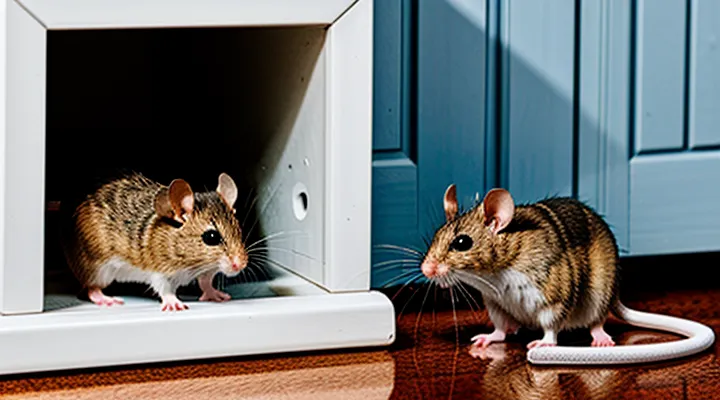
Understanding the Enemy: Identifying a Mouse Infestation
Signs of Mouse Presence
Droppings and Urine Stains
Mouse feces and urine present immediate health hazards and signal active infestation. Droppings appear as small, dark, rice‑shaped pellets, typically found along walls, in cabinets, and near food sources. Urine stains are invisible to the naked eye but leave a characteristic ammonia odor and may discolor surfaces. Both contaminants can transmit hantavirus, salmonella, and other pathogens, making prompt removal essential.
Effective remediation follows a systematic approach:
- Wear disposable gloves and a N‑95 respirator to prevent inhalation of aerosolized particles.
- Ventilate the area by opening windows and using a fan to direct airflow outward.
- Disinfect surfaces with a solution of 1 part bleach to 10 parts water; apply, let stand for 10 minutes, then wipe clean.
- For porous materials (carpet, insulation, upholstery) that are heavily soiled, discard them; they retain bacteria and odor.
- After cleaning, seal entry points with steel wool and caulk to stop further contamination.
Regular monitoring of droppings and urine stains confirms the success of control measures and helps maintain a rodent‑free environment.
Gnaw Marks
Gnaw marks are the most reliable visual evidence of mouse activity. They appear as clean, shallow cuts on wood, plastic, wires, and cardboard, typically ranging from 2 mm to 6 mm in width. The shape of the bite—straight edges with a slightly rounded interior—distinguishes it from chew damage caused by insects or larger rodents.
Recognizing gnaw marks allows homeowners to locate entry points and prioritize interventions. Follow these steps:
- Inspect walls, baseboards, and cabinets for fresh, unfinished cuts; older marks may be darker due to oxidation.
- Trace each mark to the nearest gap or opening; common sites include gaps around pipes, vent ducts, and behind appliances.
- Seal identified openings with steel wool, copper mesh, or cement‑based caulk; avoid using only soft materials that mice can re‑chew.
- Replace or repair damaged wiring and insulation to eliminate fire hazards and prevent further gnawing.
- Clean the area with a disinfectant to remove saliva‑borne pathogens and discourage re‑infestation.
Continual monitoring of gnaw marks, combined with prompt sealing of new holes, reduces the likelihood of a growing population and limits structural damage. Regular inspection after any pest‑control action confirms that the problem remains contained.
Nests and Hiding Places
Mice select concealed areas for nesting and shelter, often unnoticed by homeowners. Recognizing these sites is essential for any successful eradication plan.
Typical nesting locations include:
- Wall voids and behind baseboards where insulation accumulates.
- Attic rafters, especially near stored items or debris.
- Under appliances such as refrigerators, stoves, and dishwashers.
- Crawl spaces and floor joists with gaps larger than a quarter‑inch.
- Furniture cushions, piles of laundry, and cluttered storage boxes.
Hiding places share similar characteristics: darkness, warmth, and easy access to food. Mice frequently travel through:
- Small openings around pipes, vents, and electrical conduits.
- Cracks in foundation walls or exterior siding.
- Gaps around door frames and window sills.
To eliminate nests and concealment zones, follow these steps:
- Inspect every room, focusing on the locations listed above. Use a flashlight and a mirror to view tight spaces.
- Seal all openings larger than 3 mm with steel wool, caulk, or metal mesh. Replace damaged weatherstripping and repair torn screens.
- Remove debris, excess insulation, and clutter that could serve as bedding material.
- Install snap traps or electronic traps directly inside identified nesting sites, positioning them perpendicular to walls.
- Maintain a regular cleaning schedule to eliminate food residues that attract rodents to hidden areas.
By systematically locating and securing nests and hiding places, the likelihood of mouse re‑infestation drops dramatically, supporting long‑term control without reliance on chemical measures.
Strange Noises
Mice often reveal their presence through unusual sounds that can be mistaken for building settling or plumbing. Recognizing these noises is essential for effective control.
Typical mouse-generated noises include:
- Light scratching on walls, ceilings, or stored boxes, especially during nighttime.
- Soft squeaking or chirping from hidden nesting areas.
- Rapid, repetitive scurrying sounds as rodents move through insulation or crawl spaces.
- Light tapping on pipes or ducts as mice explore for food and shelter.
When any of these sounds are detected, follow a systematic approach:
- Locate the source by tracing the noise to a specific wall, floor, or attic section.
- Inspect adjacent areas for droppings, gnaw marks, or shredded material.
- Seal entry points identified during inspection with steel wool, caulk, or metal flashing.
- Deploy snap traps or enclosed bait stations near the activity zone, positioning them perpendicular to walls.
- Monitor traps daily, replacing bait and repositioning devices as needed.
- If activity persists after two weeks, consider professional baiting or exclusion services.
By treating strange noises as early indicators, homeowners can intervene before populations expand, ensuring that control measures remain efficient and humane.
Prevention is Key: Keeping Mice Out
Sealing Entry Points
Inspecting the Exterior
Inspecting the exterior of a home is the first line of defense against mouse intrusion. Identify every potential entry point and eliminate conditions that attract rodents.
- Walk the perimeter and note cracks larger than ¼ inch in foundations, walls, and windows.
- Examine roof eaves, soffits, and vent covers for holes or loose flashing.
- Check utility penetrations, such as pipe and cable entries, for gaps.
- Inspect doors and garage entries; ensure sweeps and weatherstripping are intact.
- Trim vegetation that contacts the building, including vines, shrubs, and tree branches.
- Remove debris, firewood piles, and garbage bins from the immediate vicinity; keep them at least three feet from the structure.
- Verify that exterior lighting does not create a warm, inviting environment for insects, which in turn attract mice.
After locating deficiencies, seal each opening with appropriate materials: steel wool combined with caulk for small gaps, metal flashing or cement for larger cracks, and heavy‑duty mesh for vents. Replace damaged door sweeps and install self‑closing mechanisms on exterior doors. Maintain a clear zone around the house by regularly mowing lawns, pruning back foliage, and storing combustible materials on raised platforms.
A systematic exterior inspection, followed by prompt repairs and habitat reduction, dramatically reduces the likelihood of mice gaining access to interior spaces.
Interior Gaps and Cracks
Interior gaps and cracks provide the most common pathways for mice to infiltrate a home. Even narrow openings around baseboards, window frames, and utility penetrations allow rodents to slip inside, locate food, and establish nests. Identifying and sealing these openings eliminates the primary route of entry, reducing the likelihood of infestation.
To locate vulnerable points, conduct a systematic visual inspection:
- Walk the perimeter of each room, checking the junction between walls and floors.
- Examine behind appliances, especially refrigerators, stoves, and dishwashers.
- Use a flashlight to reveal cracks in drywall, plaster, and ceiling tiles.
- Feel for drafts around electrical outlets, plumbing stacks, and vent shafts.
After detection, apply appropriate sealing materials:
- Fill small holes (less than ¼ inch) with steel wool, then cover with expanding polyurethane foam.
- Use caulk or silicone sealant for gaps around windows, doors, and trim.
- Install metal mesh or hardware cloth over larger openings before applying sealant.
- Replace damaged baseboards or trim sections with new, tightly fitted pieces.
Maintain the barrier by periodically re‑inspecting high‑traffic areas, especially after renovations or seasonal temperature changes. Prompt repair of new cracks prevents mice from re‑establishing access, supporting long‑term control efforts.
Eliminating Food and Water Sources
Proper Food Storage
Secure food storage deprives mice of a primary attraction and limits their ability to establish a foothold. Use airtight containers made of metal or heavy‑wall plastic for all dry goods, pet food, and grains. Seal each container with a lid that locks tightly; simple rubber gaskets prevent even the smallest entry points.
Place containers on shelves rather than on the floor. Elevation reduces the chance that rodents will gnaw through packaging or reach crumbs that settle on surfaces. Keep pantry and kitchen counters clear of leftover scraps; dispose of waste in bins equipped with tight‑closing lids and empty them regularly.
- Store bulk items in containers rated for rodent resistance.
- Label containers with purchase dates to encourage timely consumption and avoid prolonged exposure.
- Clean shelves before restocking; remove dust, spills, and debris.
- Use a dedicated food‑storage area separate from pet feeding stations.
- Inspect containers weekly for signs of damage or tampering and replace compromised units immediately.
Addressing Leaks and Moisture
Moist environments attract rodents because water sources sustain food caches and provide nesting material. Eliminating excess humidity removes one of the primary incentives for mice to enter a dwelling.
Inspect all fixtures, pipes, and appliances for drips or condensation. Repair cracked joints, replace worn seals, and tighten connections. Install drip‑catch trays beneath sinks and washing machines to collect runoff. Ensure that ventilation fans operate continuously in bathrooms, kitchens, and basements; clean filters regularly to maintain airflow.
Seal external entry points that permit water infiltration. Apply weather‑resistant caulk around windows, doors, and foundation cracks. Install flashing on roof edges and around chimneys to direct rain away from the structure. Replace damaged siding or siding gaps that allow moisture to seep into wall cavities.
Maintain indoor humidity at or below 50 % relative humidity. Use dehumidifiers in damp rooms, especially basements and crawl spaces. Monitor moisture levels with hygrometers and adjust ventilation or drying equipment as needed.
By systematically removing water sources and controlling humidity, the habitat becomes unsuitable for mice, reducing the likelihood of infestation and supporting long‑term pest management.
Maintaining a Clean Environment
Regular Cleaning Habits
Regular cleaning eliminates food residues that attract rodents. Store all edible items in sealed containers; glass or heavy‑plastic jars with tight lids prevent mice from accessing crumbs or spills. Wipe countertops, tables, and appliance surfaces after each use; a damp cloth removes trace particles that could serve as a scent trail. Sweep or vacuum floors daily, focusing on corners, under furniture, and behind appliances where debris accumulates. Empty trash bins before they become full, replace liners, and keep lids closed to block odors.
Maintain a tidy kitchen environment with the following routine actions:
- Clean the inside of the refrigerator and pantry weekly, discarding expired or uncovered food.
- Wash dishes promptly; avoid leaving dishes in the sink overnight.
- Mop hard floors after sweeping to remove fine dust that can cling to mouse whiskers.
- Inspect and clean behind the stove, dishwasher, and refrigerator monthly, removing hidden crumbs.
Bathroom and living areas require similar vigilance. Dry mop or vacuum carpets regularly, and launder pet bedding frequently to eliminate potential attractants. By consistently removing food sources and hiding places, the habitat becomes unsuitable for mice, reducing the likelihood of infestation without additional interventions.
Decluttering Spaces
Decluttering removes hiding places and food sources that attract rodents, making the environment hostile to their survival. Reducing clutter limits the number of entry points, eases inspection, and facilitates the placement of traps and barriers.
- Remove piles of paper, cardboard, and fabric from basements, attics, and storage closets. These materials provide nesting material and concealment.
- Store food in sealed containers made of metal or thick plastic. Open packages and crumbs on shelves or floor surfaces invite foraging.
- Clear under‑furniture and behind appliances. Vacuum regularly to eliminate droppings and scent trails that guide mice.
- Consolidate items on high shelves and keep the floor clear. A tidy floor allows easy placement of bait stations and detection devices.
- Dispose of discarded items in sealed garbage bags before they accumulate in corners or waste bins.
Each action reduces the attractiveness of the home to mice by eliminating shelter and sustenance. A streamlined space also improves the effectiveness of exclusion methods such as sealing gaps and installing traps, because fewer obstacles hinder access and inspection. Implementing systematic decluttering therefore forms a critical component of any proven rodent‑control strategy.
Effective Removal Methods
Trapping Strategies
Snap Traps
Snap traps provide immediate, lethal control of rodents when placed correctly. The mechanism consists of a spring‑loaded bar that releases upon contact with a trigger, delivering a swift blow to the mouse’s neck or spine. This method eliminates the pest without the use of chemicals, making it suitable for households with pets or children when safety precautions are observed.
Effective deployment requires strategic positioning. Place traps along walls, behind appliances, in cupboards, and near known gnawing sites. Mice travel close to surfaces; positioning the trigger end against the wall ensures the animal must encounter the bait to pass. Use a minimal amount of attractive bait—peanut butter, cheese, or dried fruit—applied directly to the trigger platform. Avoid excess, which can allow the mouse to feed without activating the trap.
Safety considerations include:
- Wearing disposable gloves during setup and removal.
- Securing traps out of reach of non‑target animals and children.
- Checking traps daily to prevent suffering and to maintain hygiene.
When a trap captures a mouse, follow these steps:
- Wear gloves and, if available, a mask.
- Lift the trap by the base, avoiding direct contact with the carcass.
- Dispose of the mouse in a sealed bag and place it in an outdoor trash container.
- Reset the trap with fresh bait or replace it if the spring has lost tension.
Regular inspection of the infestation area helps determine trap density. A common guideline is one trap per 10‑15 square feet of active mouse travel zone. Replace or reposition traps if capture rates decline, indicating possible bait aversion or trap saturation.
Snap traps remain a reliable, cost‑effective solution when integrated into a comprehensive rodent‑management plan that includes sanitation, sealing entry points, and monitoring. Their rapid action and low environmental impact make them a preferred choice for immediate mouse eradication.
Live Traps
Live traps capture mice without killing them, providing a humane alternative to lethal devices. The trap consists of a cage with a one‑way door that closes when the rodent enters to reach the bait.
Effective use requires strategic placement, appropriate bait, and regular monitoring. Position traps along walls, behind appliances, and near known activity sites, because mice travel close to surfaces. Peanut butter, oats, or small pieces of fruit work well as attractants. Check traps at least twice daily; release captured mice at least one mile from the residence to prevent re‑entry.
Advantages include avoidance of poison hazards, suitability for households with children or pets, and the ability to identify the species for targeted control. Limitations involve the need for frequent inspection, potential stress to captured animals, and the requirement for proper release locations.
Steps for optimal deployment
- Select a cage‑type live trap with a secure latch.
- Apply a thin layer of bait to the trigger platform.
- Place the trap perpendicular to the wall, with the entry hole facing the wall.
- Set the trap according to the manufacturer’s instructions.
- Inspect the trap every 12 hours; release any catch promptly, following local wildlife regulations.
Glue Traps
Glue traps provide a passive, chemical‑free option for indoor mouse control. The device consists of a flat surface coated with a non‑drying adhesive that immobilizes rodents upon contact.
When a mouse steps onto the trap, its paws become stuck, preventing further movement. The animal eventually succumbs to exhaustion, dehydration, or predation by a secondary trap. The mechanism requires no electricity or bait, reducing the risk of accidental ingestion by non‑target species.
Pros
- Immediate capture without poison
- Low cost per unit
- Simple deployment and no maintenance after placement
Cons
- May cause prolonged suffering for the captured mouse
- Ineffective against very small or agile rodents that avoid contact
- Requires careful handling to prevent accidental adhesion to humans or pets
Optimal use involves locating traps along established runways, behind appliances, and near entry points. Place the sticky side up on a flat surface, ensuring the trap is flush with the floor to avoid gaps. Use a protective barrier such as a cardboard box with an opening for the adhesive surface to limit accidental contact. Replace traps every 24–48 hours, or sooner if multiple captures occur. Dispose of captured rodents in a sealed bag, following local regulations for pest waste. Regular inspection of potential entry points and sealing of gaps complement glue trap deployment and enhance overall efficacy.
Proper Trap Placement
Proper trap placement determines the success of any mouse control program. Identify high‑traffic zones by observing droppings, gnaw marks, and nesting material. Focus on walls, behind appliances, under cabinets, and near entry points such as gaps around pipes or vents.
Position traps perpendicular to the wall, with the trigger side facing the wall. Mice naturally run along the base of walls; a trap placed against the edge of the wall intercepts this path. Place the baited end no more than two inches from the wall to ensure the mouse contacts the trigger while following the wall edge.
Avoid locations with strong air currents, bright lights, or frequent human activity, as these discourage mouse movement. Secure traps on stable surfaces; a loose trap may be avoided or displaced.
Typical placement checklist:
- Locate droppings or gnaw evidence.
- Choose a wall‑adjacent spot, 1–2 in. from the baseboard.
- Align trap with the wall, trigger side facing the wall.
- Keep bait within reach of the mouse’s nose, not exposed to the environment.
- Verify stability; adjust if the trap tilts or wobbles.
Replace or relocate traps after each capture. Continuous monitoring and adjustment maintain pressure on the mouse population and accelerate eradication.
Safe Trap Handling
Effective rodent control relies on proper handling of traps to protect occupants and pets while ensuring humane outcomes.
Before setting any device, inspect the area for signs of activity—droppings, gnaw marks, or nesting material—and choose a location away from food preparation surfaces and children’s reach.
Select traps that match the intended use: snap traps for rapid kill, live‑catch traps for relocation, or electronic models for instant electrocution. Verify that each trap is in good condition, with no cracked springs or exposed wiring.
Follow these safety steps:
- Wear disposable gloves to prevent direct contact with rodent saliva and urine, which may carry pathogens.
- Position the trap so the trigger mechanism faces outward, reducing the chance of accidental activation.
- Bait the trap with a small amount of high‑fat food (peanut butter, cheese, or dried fruit) placed on the trigger platform, avoiding excess that could obscure the mechanism.
- Secure the trap to a stable surface using a non‑slip mat or a clamp to prevent movement when the mouse strikes.
- Mark the trap with a bright label indicating “Live Trap – Do Not Release Indoors” or “Snap Trap – Lethal,” ensuring all household members recognize its purpose.
After capture, handle the trap as follows:
- For live‑catch devices, transport the animal in a sealed container to a release site at least 2 kilometers from the residence, then disinfect the trap with a bleach solution (1 part bleach to 9 parts water) before reuse.
- For snap or electronic traps, place the dead mouse in a disposable bag, seal it, and dispose of it in an outdoor trash bin. Clean the trap with hot, soapy water, then rinse and dry thoroughly.
Maintain a schedule of inspection and reset every 24 hours during active infestation. Replace worn bait and check trigger sensitivity before each use.
By adhering to these protocols, homeowners minimize health risks, prevent accidental injuries, and sustain the efficacy of their rodent‑management program.
Baits and Rodenticides
Understanding Rodenticide Types
Rodenticides are chemical agents designed to eliminate mouse infestations rapidly. Understanding the categories of these products helps select the safest and most effective option for a residential setting.
- Anticoagulant rodenticides – interfere with blood clotting, causing internal bleeding after several days of ingestion. First‑generation compounds (warfarin, chlorophacinone) require multiple feedings; second‑generation agents (bromadiolone, brodifacoum) act after a single dose and are more potent against resistant populations.
- Non‑anticoagulant rodenticides – include metal phosphides (zinc phosphide) that release phosphine gas in the stomach, leading to rapid systemic toxicity. These are effective where anticoagulant resistance is documented but demand strict handling due to corrosive properties.
- Cholecalciferol‑based rodenticides – increase calcium levels, causing kidney failure and cardiac arrest after ingestion. They present a lower risk of secondary poisoning for predators because toxicity is dose‑dependent.
- Bromethalin formulations – disrupt cellular energy production, resulting in paralysis and death within hours. Suitable for indoor use where quick action is required, but they may pose higher hazards to non‑target mammals if misapplied.
When choosing a rodenticide, consider the following factors:
- Resistance profile – local mouse populations often develop tolerance to first‑generation anticoagulants; second‑generation products or alternative classes may be necessary.
- Placement safety – baits should be secured in tamper‑proof stations to prevent accidental exposure of children, pets, and wildlife.
- Regulatory compliance – many jurisdictions restrict certain second‑generation anticoagulants and metal phosphides; verify local guidelines before purchase.
- Environmental impact – products with lower secondary toxicity (e.g., cholecalciferol) reduce risk to predatory birds and mammals that may consume dead rodents.
Proper rotation of rodenticide classes mitigates resistance buildup. Combining chemical control with sanitation, sealing entry points, and mechanical traps creates a comprehensive strategy for eliminating mice from the home.
Safe Application and Placement
Effective rodent control depends on correct use and strategic positioning of control tools. Safety begins with selecting products that pose minimal risk to humans and non‑target animals. Opt for snap traps with protected edges, sealed bait stations, or ultrasonic emitters that do not release chemicals. When using poison baits, choose tamper‑resistant containers and keep them out of reach of children and pets.
Placement guidelines:
- Position snap traps perpendicular to walls, with the trigger side facing the rodent’s travel route.
- Install bait stations near known activity zones, such as behind appliances, under cabinets, and along baseboards, but at least 18 inches above floor level to deter non‑target species.
- Set ultrasonic devices in the center of each room, avoiding direct contact with metal surfaces that can reflect sound and reduce effectiveness.
- Deploy natural repellents (e.g., peppermint oil pads) in entry points, ventilation shafts, and attic spaces, renewing them every two weeks to maintain potency.
- Ensure all devices are secured to prevent accidental displacement; use adhesive strips or mounting brackets where appropriate.
General precautions:
- Wear disposable gloves when handling traps or baits, and wash hands thoroughly after use.
- Store all rodent control products in a locked cabinet, away from food storage areas.
- Follow manufacturer instructions for dosage, exposure time, and disposal; never exceed recommended quantities.
- Monitor placed devices daily, removing dead rodents promptly to avoid secondary health hazards.
Adhering to these application and placement practices maximizes eradication efficiency while protecting household occupants and pets.
Risks and Precautions
When attempting to eliminate rodents from a residence, several hazards may arise that require careful management. Chemical baits containing anticoagulants can cause accidental poisoning of children, pets, or non‑target wildlife if not placed securely. Inhalation of aerosol sprays or dusts may irritate respiratory passages, especially in individuals with asthma or allergies. Traps—whether snap, glue, or live‑catch—pose a risk of injury if mishandled, and improper disposal can spread disease agents carried by the rodents. Structural damage can occur when sealing entry points without proper ventilation, leading to moisture buildup and mold growth.
Precautions to mitigate these risks include:
- Position rodenticides in tamper‑resistant containers, out of reach of non‑target animals and humans; label each location clearly.
- Wear protective gloves and a mask when applying powders, sprays, or handling dead rodents; wash hands thoroughly after contact.
- Use snap or live traps with a protective shield to keep fingers clear; check traps daily and dispose of captured rodents in sealed bags.
- Install exclusion devices (steel wool, metal flashing) at gaps while maintaining airflow; inspect for signs of condensation.
- Keep a detailed log of bait locations, trap checks, and any incidents to ensure compliance with local health regulations.
Adhering to these measures reduces the likelihood of secondary health problems and ensures that rodent control efforts remain effective and safe for all occupants.
Natural and Repellent Options
Peppermint Oil
Peppermint oil is a widely recognized natural repellent for house mice. Its strong menthol scent overwhelms the rodents’ sensitive olfactory system, causing them to avoid treated areas. Laboratory and field observations confirm that concentrations of 10‑15 % peppermint essential oil in water significantly reduce mouse activity within 24 hours.
Application methods:
- Mix 10 ml peppermint oil with 90 ml water and a few drops of dish‑soap to emulsify.
- Soak cotton balls in the solution and place them behind appliances, under sinks, and in wall voids.
- Reapply every 3‑4 days, or after cleaning, to maintain potency.
Safety considerations include keeping the oil out of reach of children and pets, testing a small surface for discoloration, and avoiding direct skin contact without dilution. Peppermint oil does not kill mice; it merely creates an unfavorable environment, making it most effective when combined with exclusion techniques such as sealing entry points and setting snap traps.
Limitations: heavy infestations may overwhelm the repellent effect, requiring professional pest control. High humidity can diminish aroma longevity, necessitating more frequent reapplication. Proper storage in a dark, cool place preserves oil potency for up to six months.
Ultrasonic Repellents
Ultrasonic repellents emit high‑frequency sound waves that rodents cannot tolerate. The devices convert electrical energy into acoustic emissions ranging from 20 kHz to 65 kHz, frequencies beyond human hearing but uncomfortable for mice. Continuous operation creates an environment that discourages entry and encourages existing pests to vacate.
Effectiveness depends on several factors:
- Coverage area: Manufacturers specify a square‑foot radius; overlapping units are required for large homes.
- Placement: Devices should be positioned at ground level, near walls, entry points, and known activity zones.
- Power source: Plug‑in models provide constant output, while battery‑operated units may lose intensity as voltage drops.
- Frequency variation: Models that cycle through multiple frequencies reduce the chance of habituation.
Limitations include reduced performance in open spaces, interference from dense furniture, and diminished efficacy when mice become acclimated to a single frequency. Ultrasonic devices do not eliminate food sources or structural entry points; they must complement sanitation, sealing of cracks, and trapping strategies.
Safety considerations are minimal for humans and pets, as the sound range is inaudible to most mammals. However, some small animals, such as hamsters and gerbils, may experience distress; ensure devices are placed away from pet enclosures. Regular cleaning of the speaker grille prevents dust buildup that can impair acoustic output. Replace units after the manufacturer’s recommended lifespan, typically two to three years, to maintain optimal performance.
Essential Oils
Essential oils provide a natural deterrent against house mice by exploiting their acute sense of smell. Certain aromas are repellent, causing rodents to avoid treated areas.
- Peppermint oil: Apply 10–15 drops diluted in water to cotton balls, place them in corners, behind appliances, and near entry points. Replace every three days.
- Eucalyptus oil: Mix 5 drops with a carrier oil, rub on baseboards and shelving. Reapply weekly.
- Citronella oil: Spray a solution of 20 drops per cup of water along walls and under sinks. Refresh after rain or cleaning.
- Clove oil: Soak cotton pads with 8 drops, position near known mouse pathways. Change every two days.
Effectiveness depends on consistent application and concentration. Oils lose potency as they evaporate; regular replacement maintains a strong scent barrier. Combining essential oils with physical measures—such as sealing cracks, removing food sources, and setting traps—enhances overall control.
Safety considerations include keeping oils out of reach of children and pets, testing a small area for surface damage, and using carrier oils to prevent skin irritation. Avoid applying undiluted oils directly on surfaces that may be sensitive to strong solvents.
Professional Extermination Services
When to Call a Professional
If traps and exclusion techniques fail to reduce activity, a professional pest‑control service should be engaged. Indicators that self‑treatment is insufficient include:
- Continuous sightings despite sealed entry points and active bait stations.
- Evidence of nesting material, droppings, or gnaw marks in multiple rooms.
- Damage to wiring, insulation, or stored food that poses health or fire hazards.
- Presence of mouse‑borne pathogens confirmed by a health‑authority test.
- Inability to identify or access hidden entry locations, such as behind walls or in crawl spaces.
Professional exterminators bring licensed rodenticides, specialized monitoring equipment, and expertise in comprehensive building inspections. They can implement integrated pest‑management plans that combine exclusion, sanitation, and targeted treatment while complying with safety regulations. Contact a certified provider when any of the above signs persist for more than two weeks, when infestations involve large numbers of rodents, or when vulnerable occupants (children, elderly, immunocompromised) are at risk. Prompt professional intervention minimizes property damage, reduces disease transmission, and restores a rodent‑free environment.
What to Expect from Exterminators
Professional mouse exterminators begin with a thorough inspection of the property. They locate entry points, identify signs of activity, and assess the severity of the infestation. This assessment forms the basis for a customized treatment plan.
The treatment plan outlines the specific methods to be employed, such as bait stations, snap traps, or electronic devices. Exterminators choose products that meet regulatory safety standards and explain how each method works. They also discuss any necessary precautions, including pet protection and food storage guidelines.
Cost estimates are presented before work starts. The estimate includes labor, materials, and any follow‑up visits required to confirm eradication. Payment terms, warranty periods, and guarantees of results are clearly defined.
A typical service schedule includes:
- Initial inspection and plan presentation
- Placement of traps or baits
- Monitoring visits every 3–7 days
- Final inspection to verify absence of mice
- Recommendations for sealing entry points and improving sanitation
Exterminators provide written documentation of the work performed, including dates, locations of devices, and observed activity levels. They also supply a preventive checklist: sealing cracks, storing food in sealed containers, and maintaining regular cleanliness to deter re‑infestation.
Homeowners can expect prompt communication, transparent pricing, and a professional approach focused on eliminating the mouse problem while minimizing health risks.
Post-Extermination Cleanup and Future Prevention
Sanitizing Affected Areas
Disposing of Droppings and Nests
Mice droppings and nests must be eliminated promptly to prevent disease spread and discourage further infestation.
Wear disposable gloves, a particulate respirator, and eye protection before contact. Ensure the area is well‑ventilated; open windows or use a fan to direct airflow outward.
Removal of droppings
- Lightly mist the droppings with a disinfectant solution (e.g., 1 % bleach or commercial rodent sanitizer).
- Allow the solution to soak for at least five minutes to neutralize pathogens.
- Use a disposable paper towel or damp cloth to lift the material; place it directly into a sealed plastic bag.
- Dispose of the bag in an outdoor trash container and wash hands thoroughly after glove removal.
Destruction of nests
- Locate nests by following mouse pathways, gnaw marks, or concealed piles of shredded material.
- Place a plastic sheet or tarp beneath the nest to contain debris.
- Scoop the nest into a heavy‑duty trash bag; compress to eliminate air pockets.
- Seal the bag, add a disinfectant spray, and store it away from living spaces for 24 hours before disposal.
After removal, clean the surrounding surfaces with the same disinfectant used on droppings. Repeat the process in all affected rooms, then seal entry points to block future access.
Disinfecting Surfaces
Disinfecting surfaces is a critical step after any mouse‑control operation. Pathogen‑laden droppings, urine, and nesting material can contaminate countertops, floors, and food‑preparation areas, creating health hazards and attracting additional rodents.
Mice carry bacteria such as Salmonella and Leptospira, and viruses that survive on surfaces for days. Removing these agents reduces the risk of disease transmission and eliminates scent cues that encourage re‑entry.
Effective disinfectants
- Diluted bleach solution (1 part household bleach to 9 parts water) – EPA‑approved for rodent pathogens.
- 3 % hydrogen peroxide – non‑corrosive, safe for most surfaces.
- Commercial disinfectants labeled “effective against rodent‑borne microbes” – follow label instructions.
Application procedure
- Wear disposable gloves and ensure adequate ventilation.
- Sweep or vacuum visible debris; discard in sealed bags.
- Apply disinfectant to the affected area, ensuring full coverage.
- Observe the manufacturer‑specified contact time (usually 5–10 minutes).
- Wipe surface with clean cloth or allow to air‑dry.
Disinfect any area where droppings or urine were found immediately after removal, and repeat the process weekly in high‑risk zones until no further mouse activity is detected. Regular cleaning maintains a hostile environment for rodents and protects household health.
Long-Term Prevention Measures
Regular Home Inspections
Regular home inspections are a cornerstone of any successful mouse control program. By systematically examining the interior and exterior of a dwelling, owners can locate entry points, identify signs of activity, and intervene before infestations expand.
Key inspection actions include:
- Checking the foundation, walls, and roof for gaps larger than a quarter‑inch; seal with steel wool, caulk, or metal flashing.
- Inspecting utility penetrations, such as pipes, cables, and vent ducts, for unsheathed openings and repairing them promptly.
- Examining stored food, pantry shelves, and garbage containers for spills, crumbs, or gnawed packaging; clean and store items in airtight containers.
- Looking for droppings, gnaw marks, and urine stains along walls, behind appliances, and in hidden areas like attics or basements; document findings for targeted treatment.
- Verifying that exterior vegetation, firewood piles, and debris are kept at least two feet away from the building to reduce shelter opportunities.
Conducting these checks quarterly, and after severe weather events, provides early detection and reduces the need for extensive extermination measures. Consistent documentation of inspection results enables pattern analysis, allowing homeowners to refine preventive actions and maintain a mouse‑free environment.
Landscape Maintenance
Maintaining the surrounding yard directly limits the opportunities mice have to enter a home. Overgrown shrubs, dense ground cover, and accumulated debris create shelter and foraging zones that encourage rodents to travel from the exterior to interior spaces.
- Trim trees and shrubs to keep foliage at least 12 inches away from the house, eliminating bridges that rodents use to reach the roof.
- Reduce mulch depth to no more than 2 inches; excess mulch retains moisture and provides nesting material.
- Remove leaf piles, wood debris, and any standing water that could serve as food or habitat.
- Store compost in sealed containers and keep it away from building foundations.
- Inspect and seal cracks, gaps, and utility openings in the exterior walls, foundation, and roof vents.
Each of these actions removes shelter, food sources, and access routes, thereby decreasing the likelihood that mice will seek refuge inside. When combined with interior prevention measures—such as proper food storage and trap placement—landscape upkeep becomes a critical component of any comprehensive rodent‑control strategy.
Educating Household Members
Educating all members of the household is a critical component of any successful rodent‑control program. Knowledgeable occupants recognize signs of infestation, avoid actions that attract mice, and cooperate with preventive measures, thereby reducing the likelihood of recurrence.
Key points to convey during training sessions:
- Identify common mouse indicators: droppings, gnaw marks, shredded materials, and audible activity at night.
- Explain proper food storage: seal containers, keep countertops clean, and promptly dispose of waste in sealed bins.
- Demonstrate correct waste‑management practices: regular removal of garbage, use of rat‑proof bags, and avoidance of food spillage in compost areas.
- Instruct on sealing entry points: locate gaps around doors, windows, pipes, and vents; apply steel wool, caulk, or metal flashing to block access.
- Outline safe handling of traps and baits: wear gloves, place devices in low‑traffic zones, and keep them out of reach of children and pets.
- Encourage reporting: establish a clear protocol for notifying the primary caretaker or pest‑control professional when signs appear.
Consistent reinforcement of these guidelines—through brief briefings, printed checklists, and periodic reminders—ensures that every resident contributes to a mouse‑free environment. The collective vigilance of informed occupants sustains the effectiveness of any proven eradication strategy.