
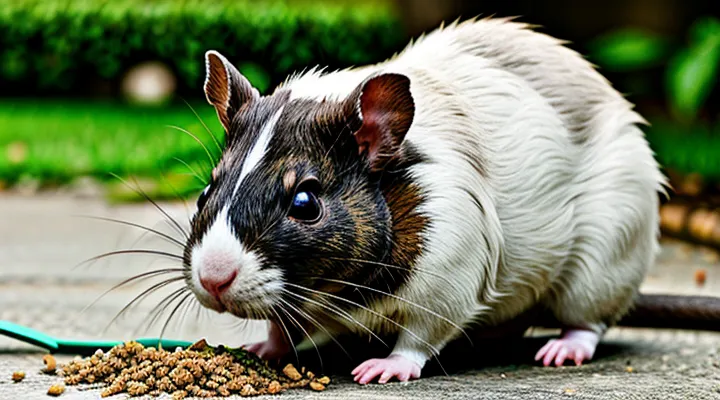
Understanding Rat Dietary Needs
Essential Nutrients for Rats
Protein Requirements
Rats require a diet that supplies sufficient protein to support growth, tissue repair, and metabolic functions. Guinea‑pig feed typically contains 10–14 % crude protein, a level adequate for adult guinea pigs but often below the optimal range for laboratory‑bred rats, which is 14–18 % for maintenance and up to 20 % for growing or breeding individuals.
Key considerations when evaluating guinea‑pig pellets for rats:
- Crude protein content: aim for at least 14 % for adult rats; higher levels benefit juveniles and lactating females.
- Amino‑acid profile: lysine, methionine, and threonine must be present in sufficient quantities; guinea‑pig feed may lack the balanced ratios required by rats.
- Digestibility: rat gastrointestinal tracts process animal‑derived proteins more efficiently than the primarily plant‑based proteins in guinea‑pig diets.
If guinea‑pig pellets are the sole source, supplement with a high‑protein rat concentrate or a dedicated protein source such as boiled egg, cooked lean meat, or a commercial rat “protein boost” mix. Monitoring body condition and growth rates will reveal whether the protein intake meets physiological needs. Adjust the diet promptly if rats exhibit weight loss, poor coat quality, or reduced reproductive performance.
Fat Requirements
Rats require dietary fat for energy, absorption of fat‑soluble vitamins, and maintenance of cell membranes. Commercial guinea‑pig pellets often contain higher fiber and lower fat than formulations designed for rodents that are primarily carnivorous or omnivorous. When guinea‑pig feed is offered to rats, the fat content must be evaluated to avoid deficiencies or excesses.
Recommended fat levels for adult rats range from 5 % to 15 % of the total diet on a dry‑matter basis. Values below 5 % can limit energy availability and impair vitamin A, D, E, K absorption. Levels above 15 % increase the risk of obesity, hepatic lipidosis, and cardiovascular strain.
Key points for assessing guinea‑pig feed:
- Determine the dry‑matter fat percentage from the product label or manufacturer data.
- Compare the figure with the 5 %–15 % target range.
- If the content falls below the minimum, supplement with a small amount of animal‑derived fat (e.g., cooked egg yolk or fish oil) to reach the lower threshold.
- If the content exceeds the upper limit, replace a portion of the feed with a low‑fat grain or vegetable mix to reduce overall fat intake.
Ensuring that the fat proportion aligns with the recommended range supports optimal growth, reproductive performance, and long‑term health in rats receiving guinea‑pig feed. Regular monitoring of body condition and periodic dietary analysis are essential for maintaining balance.
Carbohydrate Requirements
Rats require a steady supply of carbohydrates to maintain blood glucose levels, support brain function, and provide energy for rapid metabolism. Ideal intake ranges from 45 % to 55 % of total daily calories, with simple sugars limited to less than 10 % to avoid metabolic disturbances.
Guinea‑pig formulations often contain high‑fiber pellets enriched with starches such as corn, wheat, or oats. These ingredients can meet the carbohydrate quota for rats, but the fiber content typically exceeds the optimal range for a rodent with a shorter gastrointestinal tract. Excessive fiber may reduce nutrient absorption and promote gastrointestinal upset.
Key considerations when using guinea‑pig feed for rats:
- Carbohydrate proportion: verify that the product supplies 45 %–55 % of calories from carbohydrates.
- Fiber level: keep crude fiber below 10 % of the diet to avoid hindering digestion.
- Sugar type: prefer complex carbohydrates (starches) over added sucrose or dextrose.
- Vitamin and mineral balance: ensure the feed meets rat‑specific requirements for vitamin C, calcium, and phosphorus, which differ from guinea‑pig needs.
If the feed’s fiber content is high, supplement with low‑fiber rat chow or add plain cooked grains to achieve the desired carbohydrate‑to‑fiber ratio. Regular monitoring of body condition and stool consistency will indicate whether the diet remains appropriate.
Vitamins and Minerals
Rats can consume food formulated for guinea pigs, but the vitamin and mineral composition must match rat nutritional requirements. Guinea‑pig diets are designed for species that cannot synthesize vitamin C, whereas rats produce this vitamin internally; therefore, a guinea‑pig diet often contains higher levels of ascorbic acid than rats need.
Key vitamins for rats include:
- Vitamin A – supports vision and immune function.
- Vitamin D3 – regulates calcium absorption.
- Vitamin E – acts as an antioxidant.
- Vitamin K – necessary for blood clotting.
Guinea‑pig feeds typically provide these vitamins in amounts suitable for guinea pigs, which may exceed or fall short of rat needs. Excess vitamin A can cause toxicity in rats, while insufficient vitamin D3 may impair bone health.
Important minerals for rats are:
- Calcium – required for bone development.
- Phosphorus – works with calcium for skeletal integrity.
- Magnesium – involved in enzyme activity.
- Iron – essential for oxygen transport.
Guinea‑pig formulations often have a calcium‑to‑phosphorus ratio near 1 : 1, whereas rats thrive on a ratio closer to 1 : 2. A diet with disproportionate calcium can lead to urinary tract stones in rats.
Potential risks of feeding guinea‑pig food to rats include vitamin A overload, imbalanced calcium‑phosphorus ratios, and inappropriate levels of other micronutrients. Chronic exposure may result in organ damage, skeletal abnormalities, or metabolic disturbances.
To ensure safe nutrition, supplement a guinea‑pig diet with:
- A rat‑specific vitamin D3 source to correct potential deficiency.
- A mineral mix that adjusts the calcium‑phosphorus ratio toward rat standards.
Alternatively, provide a commercial rat diet as the primary source and offer guinea‑pig pellets only as occasional treats, thereby avoiding prolonged micronutrient imbalances.
Foods Safe for Rats
Commercial Rat Blocks
Commercial rat blocks are dense, nutritionally balanced pellets designed specifically for laboratory and pet rats. They contain a blend of protein, fiber, vitamins, and minerals that meet the dietary requirements established by rodent nutrition guidelines. The formulation typically includes soy, wheat, and corn protein sources, supplemented with calcium, phosphorus, and trace elements such as zinc and selenium. This composition ensures adequate growth, reproductive health, and immune function for rats.
When evaluating the suitability of guinea‑pig formulated feed for rats, several differences become apparent. Guinea‑pig diets often emphasize high vitamin C content and a larger proportion of hay, which rats do not require in the same quantities. Excess vitamin C can lead to urinary calculi in rats, while insufficient protein may result in poor weight gain. Commercial rat blocks avoid these imbalances by providing protein levels around 20 % and limiting vitamin C to the minimal amount needed for metabolic processes.
Key considerations for using commercial rat blocks include:
- Consistency of nutrient profile across batches, reducing the risk of accidental deficiencies.
- Palatability for rats, encouraging regular intake without the need for additional treats.
- Shelf stability; blocks resist moisture and spoilage, supporting long‑term storage.
- Absence of ingredients commonly found in guinea‑pig feeds, such as large‑particle hay or high‑level vitamin C premixes.
For facilities or owners seeking a reliable primary diet for rats, commercial rat blocks represent a scientifically formulated solution that aligns with the species’ specific nutritional demands, eliminating the uncertainties associated with repurposing guinea‑pig feed.
Fresh Fruits and Vegetables
Rats that receive a guinea‑pig‑style pellet diet can safely incorporate a variety of fresh fruits and vegetables, provided that selections meet specific nutritional criteria and are offered in appropriate quantities.
- Carrots (raw, peeled) – high in beta‑carotene, low in sugar.
- Bell peppers (any colour) – rich in vitamin C, low in calories.
- Apples (core removed, skin thin) – source of fiber, limited to small slices.
- Blueberries – antioxidant content, serve sparingly.
- Zucchini – water‑rich, suitable for daily inclusion.
- Leafy greens (romaine lettuce, kale, spinach) – provide calcium and vitamin K; avoid wilted or wilted leaves.
Preparation guidelines: wash all produce thoroughly to remove pesticides; trim off seeds, pits, and stems that may contain toxic compounds; cut into bite‑size pieces to prevent choking. Introduce new items one at a time, observing for signs of digestive upset. Limit fruit servings to no more than 10 % of the total diet to avoid excess sugar; vegetables may comprise up to 20 % of daily intake. Remove uneaten fresh food after two hours to prevent spoilage and bacterial growth.
Regular monitoring of body condition and stool consistency ensures that the inclusion of fresh produce supports health without inducing obesity or gastrointestinal issues. Adjust portions based on individual activity level and age.
Occasional Treats
Rats may accept small amounts of guinea‑pig food as an occasional treat, but the dietary composition differs significantly. Guinea‑pig pellets contain high fiber and vitamin C levels tailored to herbivorous metabolism; rats require more protein and lower fiber. Introducing such food sporadically can provide enrichment without disrupting nutritional balance, provided strict limits are observed.
Key considerations for occasional inclusion:
- Portion size: no more than one teaspoon of pellets per rat, once or twice a week.
- Frequency: limit to two instances per month to avoid nutrient imbalance.
- Monitoring: observe for changes in stool consistency or appetite; discontinue if adverse signs appear.
- Variety: supplement with rat‑specific treats such as small pieces of fresh fruit, unsalted nuts, or commercial rat treats to maintain dietary diversity.
Safety precautions:
- Ensure pellets are free from added sugars, salts, or flavorings.
- Store food in a dry, sealed container to prevent mold growth.
- Avoid giving guinea‑pig food that contains alfalfa, as excessive calcium may predispose rats to urinary issues.
Overall, occasional inclusion of guinea‑pig pellets can serve as a novel sensory experience for rats, but it must remain a minor component of the diet. Regular feeding should rely on nutritionally balanced rat pellets and fresh water.
Guinea Pig Food Composition
Key Ingredients in Guinea Pig Food
High Fiber Content
Rats require a diet that supplies adequate roughage to maintain gastrointestinal motility and prevent impaction. Fiber in guinea‑pig feed typically ranges from 15 % to 20 % crude fiber, achieved through alfalfa, timothy hay, and beet pulp. This level exceeds the minimum fiber recommendation for rats, which is approximately 5 %–10 % of total diet weight.
Key points for evaluating guinea‑pig food for rats:
- Crude fiber content aligns with or surpasses rat requirements, supporting normal peristalsis.
- High‑fiber pellets often contain elevated calcium, especially when alfalfa is a primary ingredient; excess calcium can predispose rats to urinary calculi.
- Protein levels in guinea‑pig formulations may reach 15 %–20 %, higher than the optimal 14 % for rats and potentially stressing renal function.
- Vitamin C is added to many guinea‑pig mixes; rats synthesize this nutrient, making supplementation unnecessary but not harmful in moderate amounts.
When incorporating guinea‑pig feed, limit inclusion to a portion of the overall ration and supplement with a balanced rat diet that provides appropriate protein, calcium, and vitamin D levels. Monitoring fecal consistency and urinary health confirms suitability.
Vitamin C Fortification
Vitamin C is an essential nutrient for many small mammals, including rats, because they cannot synthesize it endogenously. Commercial guinea‑pig feed is frequently fortified with vitamin C to prevent scurvy, and this fortification can benefit rats when such feed is offered as a supplemental source.
Key considerations for vitamin C fortification in rat diets:
- The stability of added vitamin C declines with exposure to heat, light, and moisture; store fortified feed in a cool, dry environment to preserve potency.
- Recommended daily intake for rats ranges from 10 mg to 30 mg per kilogram of body weight; fortified guinea‑pig pellets typically provide amounts within this range.
- Excessive vitamin C intake may lead to gastrointestinal irritation; monitor rats for loose stools or reduced appetite when introducing fortified feed.
Signs of deficiency include lethargy, swollen joints, and poor wound healing. If such symptoms appear, increase the proportion of vitamin C‑enriched feed or provide a fresh source, such as citrus wedges or formulated vitamin C supplements, ensuring the total intake does not exceed safe limits.
When integrating guinea‑pig feed into a rat’s diet, verify that the product lists vitamin C fortification on the label and confirm the expiration date. Regular assessment of the animal’s health status, combined with controlled use of fortified feed, supports optimal vitamin C nutrition without reliance on unfortified alternatives.
Nutritional Differences: Rats vs. Guinea Pigs
Lack of Vitamin C Synthesis in Guinea Pigs
Guinea pigs lack the enzymatic pathway to produce ascorbic acid, making dietary vitamin C indispensable for their health. Without a reliable external source, they develop scurvy, characterized by impaired collagen synthesis, weakened immune response, and hemorrhagic lesions. Consequently, any feed formulated for guinea pigs is enriched with vitamin C to prevent these deficiencies.
Rats differ in metabolic capability; they synthesize vitamin C endogenously and do not require supplementation from the diet. When guinea‑pig feed is offered to rats, the elevated vitamin C content provides no additional benefit and may alter the nutritional balance intended for rodents that rely on internal synthesis.
Key points for evaluating the suitability of guinea‑pig feed for rats:
- Vitamin C content: high in guinea‑pig formulations, unnecessary for rats.
- Protein and fiber ratios: calibrated for guinea‑pig digestive physiology, not optimal for rat metabolism.
- Mineral composition: tailored to guinea‑pig requirements, potentially excessive for rats.
Therefore, the inability of guinea pigs to synthesize vitamin C dictates a diet rich in this nutrient, a condition not shared by rats, rendering guinea‑pig feed nutritionally mismatched for rat consumption.
Fiber Needs Compared
Feeding rats a diet formulated for guinea pigs raises concerns about fiber adequacy. Rats require a specific amount of dietary fiber to maintain gastrointestinal motility and prevent digestive disorders. The recommended fiber content for laboratory and pet rats ranges from 5 % to 8 % of total diet weight, with a balance of soluble and insoluble fibers. Primary sources include timothy hay, wheat bran, and specially processed fiber pellets. Adequate fiber supports cecal fermentation, promotes healthy gut flora, and reduces the risk of intestinal blockage.
Guinea pigs depend on a higher fiber intake to sustain continuous tooth growth and efficient hindgut fermentation. Their diet should contain at least 15 % fiber, primarily from hay and leafy greens. The elevated fiber level ensures proper chewing activity, prevents dental malocclusion, and provides the bulk necessary for cecal fermentation of cellulose.
Comparison of the two species reveals:
- Quantity: rats need 5 %–8 % fiber; guinea pigs require ≥15 % fiber.
- Function: rats benefit from moderate fiber for gut motility; guinea pigs rely on high fiber for dental health and extensive cecal fermentation.
- Sources: both species accept hay, but rats tolerate processed fiber pellets better, while guinea pigs depend heavily on long-stem hay.
Providing guinea‑pig feed to rats typically supplies insufficient fiber, risking reduced gastrointestinal efficiency and dental issues. Supplementing rat diets with additional fiber sources—such as shredded wheat, oat bran, or small hay portions—aligns intake with species‑specific requirements.
Conclusion: while occasional inclusion of guinea‑pig food may not cause immediate harm, the fiber disparity necessitates corrective supplementation to meet rats’ nutritional standards.
Risks of Feeding Guinea Pig Food to Rats
Nutritional Imbalances
Vitamin C Overload
Feeding rats a diet formulated for guinea pigs introduces a markedly higher vitamin C content than typical rodent feed. Rats synthesize vitamin C endogenously; excess intake bypasses metabolic regulation and accumulates in bodily fluids.
Potential consequences of chronic vitamin C excess in rats include:
- Formation of calcium oxalate deposits in kidneys, leading to reduced renal function.
- Gastrointestinal irritation manifested by diarrhea or reduced feed intake.
- Altered iron absorption, which may exacerbate oxidative stress.
Monitoring dietary composition and limiting supplemental vitamin C when guinea‑pig feed is used for rats prevents these adverse effects. Adjusted formulations should match the rat’s innate synthesis capacity, ensuring nutritional adequacy without overload.
Insufficient Protein
Rats that receive a diet designed for guinea pigs often obtain insufficient protein. The typical protein content of guinea‑pig pellets ranges from 10 % to 12 %, while the nutritional requirement for adult rats lies between 14 % and 20 %. When the protein level falls below this threshold, several physiological problems emerge:
- Reduced growth rate in juveniles
- Dull, brittle fur and skin lesions
- Decreased fertility and impaired litter size
- Weakened immune response, leading to higher susceptibility to disease
The shortfall stems from the formulation of guinea‑pig feed, which prioritises high fiber and low calcium but does not meet the rat’s higher amino‑acid demand. To correct the deficiency, consider the following measures:
- Introduce a commercial rat chow that guarantees at least 14 % protein.
- Add protein‑rich supplements such as cooked eggs, lean meat, or insects in limited quantities.
- Monitor body condition and adjust the proportion of rat‑specific feed to maintain a balanced diet.
Neglecting to address low protein intake can compromise health and longevity. Proper supplementation restores nutritional equilibrium and supports normal development and reproductive performance.
Excessive Fiber
Feeding laboratory‑type guinea‑pig pellets to rats introduces a fiber level far above the species’ physiological requirement. Rats digest a modest amount of cellulose; surplus fiber remains largely unfermented, increasing bulk in the gastrointestinal tract. The result is reduced nutrient absorption, potential weight loss, and a higher incidence of impaction.
Key consequences of excessive fiber in a rat’s diet:
- Dilution of protein and fat intake, leading to deficiencies.
- Enlargement of the cecum, which may progress to cecal distension.
- Increased water content in feces, causing loose stools and dehydration risk.
- Disruption of normal gut motility, raising the likelihood of gastrointestinal blockage.
Management strategies focus on dietary correction. Replace high‑fiber guinea‑pig pellets with rat‑specific formulations that contain 15‑20 % crude fiber, supplemented by modest amounts of fresh vegetables. Monitor body condition and stool consistency regularly; any signs of chronic diarrhea or reduced activity warrant veterinary evaluation.
Potential Health Issues
Digestive Problems
Rats and guinea pigs have distinct nutritional requirements. Guinea pig diets are rich in fiber and low in fat, while rats tolerate higher protein and fat levels. Substituting guinea‑pig feed for rats introduces an imbalance that can disturb gastrointestinal function.
Potential digestive disturbances include:
- Excessive fiber leading to bulky stools and reduced nutrient absorption.
- Inadequate protein causing weight loss and weakened intestinal lining.
- High calcium content promoting kidney strain and urinary tract irritation.
- Presence of alfalfa, which contains phytoestrogens that may alter hormonal balance and affect gut motility.
Symptoms observable in affected rats:
- Diarrhea or soft feces.
- Decreased appetite and lethargy.
- Abdominal distension or discomfort.
- Unusual droppings with mucus or blood.
To mitigate these issues, provide a diet formulated specifically for rats, containing balanced protein, moderate fiber, and appropriate vitamin C supplementation. If guinea‑pig feed must be used temporarily, limit portion size to less than 10 % of total intake and monitor stool consistency and weight daily. Immediate veterinary consultation is advised when persistent diarrhea or weight loss occurs.
Nutrient Deficiencies
Feeding a rodent species that normally consumes a diet formulated for a different animal can create gaps in essential nutrients. Guinea‑pig feed is rich in vitamin C and fiber but often lacks the higher protein and calcium levels required by rats. When rats rely on such a diet, they may develop specific deficiencies that affect growth, reproduction, and overall health.
Key nutrient shortfalls include:
- Vitamin C insufficiency, leading to weakened immune response and susceptibility to scurvy‑like conditions.
- Calcium deficiency, resulting in poor bone development and increased risk of fractures.
- Inadequate protein, causing muscle wasting, reduced fertility, and delayed maturation.
- Limited essential fatty acids, affecting skin integrity and neurological function.
Addressing these gaps requires supplementation or a transition to a diet formulated for rats. Adding calibrated amounts of vitamin C, calcium carbonate, high‑quality protein sources, and omega‑3 fatty acids restores balance and prevents the clinical signs associated with each deficiency. Regular monitoring of weight, coat condition, and dental health provides early detection of nutritional imbalances.
Weight Management Concerns
Rats that receive guinea‑pig feed often experience rapid weight gain because the pellets contain a higher caloric density than standard rodent chow. The elevated protein and carbohydrate levels exceed the nutritional requirements of typical laboratory or pet rats, prompting excess energy storage.
Guinea‑pig pellets are formulated for herbivorous metabolism, delivering approximately 350 kcal per 100 g, whereas rat diets average 250 kcal per 100 g. The surplus calories, combined with increased digestibility, accelerate adipose tissue accumulation. Fiber content, while beneficial for guinea‑pig gut health, does not offset the caloric surplus for omnivorous rats.
Practical measures to control weight:
- Replace a portion of guinea‑pig pellets with a balanced rat chow formulated for 12–15 % protein and 3–4 % fat.
- Limit total daily intake to 15 g per 250 g body weight; adjust based on observed body condition.
- Monitor body weight weekly; a gain of more than 5 % over two weeks signals over‑feeding.
- Provide fresh vegetables low in calories, such as romaine lettuce or cucumber, to increase bulk without adding excess energy.
- Ensure continuous access to clean water, as dehydration can mask weight changes.
Consistent application of these guidelines prevents obesity‑related complications, including reduced fertility, cardiovascular strain, and shortened lifespan. Maintaining a diet aligned with species‑specific nutritional profiles safeguards health while allowing occasional inclusion of guinea‑pig feed as a supplemental treat.
What to Do if Your Rat Ate Guinea Pig Food
Immediate Actions
Observe for Symptoms
When rats receive a diet formulated for guinea pigs, immediate observation is essential to detect adverse reactions. Monitoring should begin within minutes of the first feeding and continue for several days, as delayed effects may also occur.
Key symptoms to watch for include:
- Lethargy or reduced activity levels
- Decreased water consumption
- Diarrhea or abnormal stool consistency
- Nasal or ocular discharge
- Unusual vocalizations or signs of pain
- Weight loss despite adequate food intake
If any of these indicators appear, discontinue the guinea‑pig food and revert to a species‑appropriate diet. Veterinary consultation is recommended to assess potential gastrointestinal upset or nutritional imbalances. Continuous observation ensures early intervention, safeguarding the health of the animal.
Provide Fresh Water
Providing fresh water is a non‑negotiable component of any diet that includes guinea‑pig feed for rats. Water supports digestion, regulates body temperature, and prevents renal complications.
Key practices for maintaining optimal hydration:
- Supply clean, potable water at all times; replace daily to avoid bacterial growth.
- Use a stainless‑steel or heavy‑glass bottle with a sipper tube to prevent contamination and spillage.
- Position the water source away from food to reduce the risk of wet feed and mold development.
- Monitor water volume; a typical adult rat consumes 15–30 ml per day, with increased intake during warm weather or after a diet change.
Water temperature should match ambient room conditions; extreme cold or heat can discourage drinking. Regularly inspect the dispensing mechanism for blockages and ensure the bottle is securely attached to the cage.
Neglecting fresh water leads to dehydration, reduced appetite for the introduced guinea‑pig pellets, and potential health decline. Consistent provision of uncontaminated water safeguards the well‑being of rats receiving this specialized feed.
When to Consult a Vet
Signs of Distress
Feeding rats a diet formulated for guinea pigs introduces nutrients that differ markedly from a rodent’s natural requirements. Excess calcium, low protein content, and altered fiber levels can provoke physiological stress. Observation of behavioral and physical changes provides the most reliable indication of distress.
Typical manifestations include:
- Lethargy or reduced activity
- Loss of appetite for regular rat food
- Excessive grooming or fur loss
- Abnormal drooling or excessive salivation
- Diarrhea or soft stools
- Respiratory sounds such as wheezing or rattling
- Unsteady gait or tremors
- Aggressive or unusually fearful behavior
Persistent appearance of any of these signs warrants immediate cessation of guinea‑pig feed and a return to a species‑appropriate diet. Veterinary consultation should follow to assess potential metabolic imbalances and to establish corrective treatment. Monitoring weight, coat condition, and activity levels on a daily basis ensures early detection of adverse responses.
Long-Term Concerns
Feeding rats a diet designed for guinea pigs raises several long‑term health issues.
High fiber content typical of guinea pig pellets can cause excessive bulk in a rat’s gastrointestinal tract, leading to chronic constipation or impaction. Continuous exposure may also disrupt normal gut microbiota, increasing susceptibility to bacterial overgrowth and inflammation.
Protein levels in guinea pig formulations often exceed the requirements for rats. Persistent surplus protein places strain on renal function, accelerating kidney degeneration and potentially shortening lifespan.
Calcium concentrations in guinea pig feed are markedly higher than those tolerated by rats. Prolonged intake promotes hypercalcemia, which can precipitate urinary tract stone formation and compromise bone metabolism.
Vitamin A and vitamin D are frequently fortified in guinea pig diets. Chronic oversupplementation may result in toxicity, manifesting as liver damage, joint pain, and altered immune response.
A concise overview of the principal concerns:
- Gastrointestinal blockage due to excessive fiber
- Renal stress from elevated protein
- Hypercalcemia leading to urinary calculi and bone issues
- Vitamin toxicity affecting liver and immune health
Monitoring rat health while using inappropriate feed is impractical; selecting a species‑specific diet eliminates these risks and supports optimal long‑term wellbeing.
Best Practices for Rat Feeding
Choosing the Right Commercial Diet
Quality of Ingredients
When rats consume feed intended for guinea pigs, the quality of each ingredient determines the diet’s suitability and safety. High‑grade components provide essential nutrients without introducing harmful substances.
Key aspects of ingredient quality include:
- Source reliability – Ingredients sourced from reputable suppliers undergo regular testing for purity and consistency.
- Nutritional balance – Protein, fiber, vitamins, and minerals must align with rat dietary requirements; excessive fiber or insufficient protein can lead to health issues.
- Contaminant absence – Absence of pesticides, heavy metals, and mycotoxins is verified through laboratory analysis.
- Freshness – Fresh ingredients retain bioactive nutrients; prolonged storage can degrade vitamins and increase oxidation.
- Processing method – Minimal heat treatment preserves nutrient integrity, while excessive processing may remove essential amino acids.
Evaluating these factors ensures that the feed meets the physiological needs of rats while avoiding nutritional deficiencies or toxic exposures. Selecting products that meet stringent quality standards supports optimal health outcomes for rodents receiving «guinea pig food» formulations.
Age-Appropriate Formulas
Feeding laboratory‑grade or commercial guinea‑pig pellets to rats requires careful adjustment of nutrient levels according to developmental stage. Formulas designed for newborn, juvenile, adult and senior rodents differ in protein, calcium, vitamin C and fiber content.
- «Newborn» (up to 3 weeks): diet should provide 20–22 % protein, 1.5 % calcium, high vitamin C (≈300 mg/kg) to support rapid growth and immune development. Pellets must be softened with water or mixed with specialized milk replacer to enable easy ingestion.
- «Juvenile» (3 weeks–3 months): protein reduced to 18 %, calcium to 1.2 %, vitamin C maintained at 250 mg/kg. Fiber increased to 5 % to promote gut motility as weaning progresses.
- «Adult» (3 months–12 months): protein stabilized at 16 %, calcium at 1 %, vitamin C at 200 mg/kg. Fiber content adjusted to 6–7 % to prevent dental overgrowth and maintain digestive health.
- «Senior» (over 12 months): protein further lowered to 14 %, calcium to 0.9 %, vitamin C increased to 300 mg/kg to counteract age‑related oxidative stress. Fiber maintained at 7 % to support bowel regularity.
When guinea‑pig pellets are incorporated, supplement the base mix with rat‑specific vitamin C powder and calcium carbonate to meet the outlined percentages. Regular monitoring of body weight and coat condition confirms adequacy of the age‑appropriate formula.
Supplementing with Fresh Foods
Safe Options
Rats can consume several items typically found in guinea‑pig diets, provided the foods meet nutritional requirements for rodents and are offered in appropriate amounts.
Safe choices include:
- Timothy hay or other grass hay; supplies fiber and encourages natural chewing behavior.
- Fresh leafy greens such as romaine lettuce, kale, parsley, and cilantro; wash thoroughly and serve in small portions.
- Non‑starchy vegetables like carrots, bell peppers, cucumber, and zucchini; remove seeds and stems that may cause obstruction.
- Plain guinea‑pig pellets that contain only grains, legumes, and minimal added vitamins; limit to a small portion to avoid excess fiber and vitamin C.
Foods to avoid:
- Pellets fortified with high levels of vitamin C or fortified with added sugars.
- Fruit, nuts, seeds, and processed treats; pose risks of digestive upset and obesity.
- High‑oxalate vegetables (e.g., spinach, beet greens) in large quantities; may lead to kidney issues.
Introduce each new item gradually, observe for changes in stool consistency or behavior, and discontinue any food that causes adverse reactions. Maintaining a balanced diet with commercial rat feed as the primary source ensures nutritional adequacy while allowing occasional safe guinea‑pig foods as supplements.
Portion Control
Feeding rats with food formulated for guinea pigs requires careful portion control to avoid nutritional imbalances and digestive problems. Rats have higher metabolic rates and different dietary needs; excessive intake of high‑fiber guinea‑pig pellets can lead to obesity, reduced water consumption, and nutrient deficiencies.
Key considerations for appropriate serving sizes:
- Measure portions with a kitchen scale or calibrated scoop; typical adult rat requires 1 – 1.5 g of pellet per day.
- Adjust amount based on age, activity level, and body condition; juvenile rats need slightly more calories per gram of body weight.
- Provide fresh vegetables and limited fruit as supplements; limit to 5 % of total daily intake to prevent excess sugar.
- Monitor weight weekly; reduce portion by 10 % if weight gain exceeds 2 % per week.
- Replace uneaten food after 24 hours to prevent spoilage and contamination.
«Proper portion sizes prevent health issues» and support normal growth, reproduction, and longevity. Consistent measurement, regular weight checks, and gradual adjustments form the foundation of responsible feeding practices for rats consuming guinea‑pig formulated diet.
Avoiding Harmful Foods
Rats may accept certain items from a guinea‑pig diet, but many common components pose serious health risks. Recognizing and eliminating these hazards protects digestive function and prevents toxic reactions.
- chocolate – contains theobromine, toxic to rodents
- caffeine – stimulates heart rate, can cause fatal arrhythmia
- avocado – contains persin, leads to respiratory distress
- citrus fruits – high acidity, causes gastrointestinal irritation
- onions and garlic – contain thiosulphates, damage red blood cells
- processed snacks – high salt and artificial additives, provoke dehydration and renal strain
- sugary treats – promote obesity, diabetes, dental decay
- fatty foods – overload liver, increase risk of pancreatitis
- raw beans – contain lectins, cause severe intestinal upset
The listed items introduce compounds that rodents cannot metabolize efficiently. Toxic substances such as theobromine, persin, and thiosulphates interfere with cardiac, respiratory, and hematologic systems. Excessive sodium and sugar overload renal filtration and insulin regulation, while high‑fat content burdens hepatic function.
Safe feeding practices prioritize species‑specific nutrition. Provide a base of high‑quality rat pellets, supplement with fresh leafy greens (e.g., romaine lettuce, kale) and occasional vegetables (e.g., carrots, broccoli). Ensure all produce is washed, free of pesticide residue, and offered in moderate portions. Avoid any human‑grade treats unless explicitly labeled as rodent‑safe.
Regular observation of stool consistency, activity level, and weight helps detect early signs of dietary intolerance. Immediate removal of suspect foods and consultation with a veterinarian mitigate long‑term health consequences.