
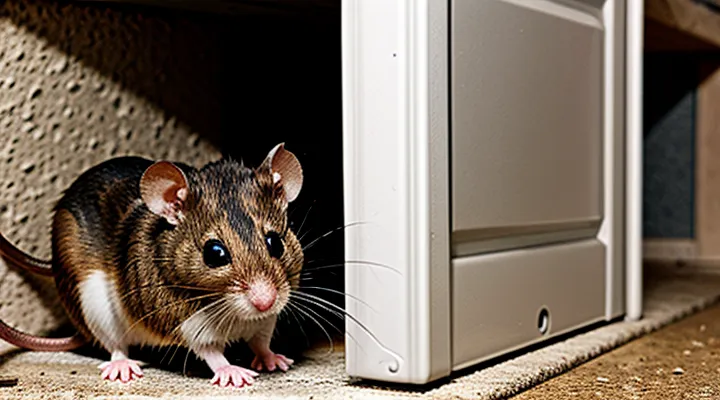
«Understanding the Mouse Problem»
«Signs of a Mouse Infestation»
«Droppings and Urine Smells»
Mice waste signals infestation and poses health risks. Feces contain pathogens such as hantavirus and salmonella; urine releases ammonia, aggravating respiratory conditions and attracting insects.
Droppings appear as small, dark pellets, roughly 3‑5 mm long, often found along walls, in corners, or near food sources. A strong, sour odor indicates concentrated urine, usually near nesting sites or entry points.
To eliminate waste safely:
- Wear disposable gloves and a N‑95 mask; avoid direct skin contact.
- Ventilate the area by opening windows or using fans.
- Sweep loose droppings into a sealed bag; do not sweep dust into the air.
- Apply a commercial enzymatic cleaner or a 1 % bleach solution (1 part bleach to 9 parts water) to the affected surface.
- Allow the disinfectant to sit for at least 10 minutes before wiping with disposable rags.
- Dispose of all contaminated materials in a sealed, labeled container and remove it from the premises.
After cleaning, block potential entry routes with steel wool, caulk, or metal flashing. Reduce moisture by repairing leaks and installing a dehumidifier. Store food in airtight containers and keep the basement free of clutter to deny shelter and reduce attractants. These actions remove the immediate hazard and create conditions that deter future rodent activity.
«Gnaw Marks and Damage»
Mice leave distinctive gnaw marks on wood, plastic, and wiring. The incisions are typically clean, V‑shaped cuts about ¼‑inch wide, and appear in areas where food or shelter is accessible. Observing these signs confirms an active infestation and indicates where the animals travel.
Damage caused by chewing can compromise structural integrity. Repeated bites on joists or support beams weaken load‑bearing capacity, potentially leading to sagging floors or roof collapse. Exposed wiring presents an electrical hazard; stripped insulation can cause short circuits or fire. Insulation torn away reduces thermal efficiency, increasing heating costs and creating cold spots.
To assess the extent of damage, follow these steps:
- Inspect all accessible surfaces for fresh gnaw marks, distinguishing them from old, weathered cuts.
- Trace each mark to its source—typically a food source, water leak, or entry point.
- Document compromised structural members and any exposed electrical components.
- Prioritize repairs that address safety risks, such as fixing damaged wiring and reinforcing weakened joists.
- Replace or seal gnawed materials to prevent re‑entry, using metal or hard‑plastic barriers where possible.
Promptly repairing gnaw‑related damage eliminates attractants, reduces health risks, and supports the overall effort to eradicate rodents from the basement environment.
«Scratching Noises»
Scratching noises heard in a basement are a reliable indicator of rodent activity. The sounds typically originate from gnawing or movement within wall cavities, insulation, or stored items, confirming that mice are present and actively navigating the space.
These noises occur because mice seek shelter, food, and nesting material. Their claws leave audible marks when they climb along structural elements or chew through soft materials. Recognizing the pattern—intermittent, high‑pitched sounds near corners or behind appliances—helps differentiate mouse activity from other household noises.
To eliminate the source of scratching noises, follow these steps:
- Seal entry points: apply steel wool and caulk to gaps around pipes, vents, and foundation cracks.
- Remove food sources: store pantry items in airtight containers, clean spills promptly, and keep trash in sealed bins.
- Declutter: clear boxes, fabrics, and debris that provide hiding places.
- Set traps: place snap or live traps along walls where noises are strongest, checking and resetting them daily.
- Use deterrents: deploy ultrasonic devices or natural repellents (e.g., peppermint oil) near suspected pathways.
After implementing these measures, monitor the basement for a reduction in audible scratching. Persistent sounds may indicate hidden nests that require deeper inspection and possibly professional pest‑control assistance.
«Live or Dead Mice Sightings»
Seeing a mouse, either alive or dead, provides immediate evidence of a rodent problem that must be addressed to prevent further infestation. Live sightings indicate that individuals are still navigating the space, while dead bodies reveal that the population has been exposed to control measures or natural attrition. Both situations require prompt action to eliminate sources of food, water, and shelter.
When a live mouse is observed, follow these steps:
- Seal all obvious entry points such as cracks, gaps around pipes, and vent openings.
- Place snap traps or electronic traps along walls, behind stored items, and near the sighting location.
- Use bait that matches the mouse’s diet, typically peanut butter, cheese, or dried fruit.
- Check traps daily, dispose of captured rodents with gloves, and reset traps as needed.
If a dead mouse is found, take the following precautions:
- Wear disposable gloves and a mask to avoid contact with pathogens.
- Dispose of the carcass in a sealed plastic bag, then place it in an outdoor trash container.
- Clean the area with a disinfectant solution, focusing on surfaces the mouse may have contacted.
- Inspect surrounding zones for additional signs such as droppings, gnaw marks, or nests, and expand trapping coverage accordingly.
Regular monitoring of sighting patterns helps determine whether the current control strategy is effective or requires adjustment. Document each observation, noting location, time, and condition of the mouse, to identify hotspots and refine preventive measures. Continuous vigilance reduces the likelihood of a resurgence and maintains a rodent‑free basement environment.
«Why Mice Are Attracted to Basements»
«Food Sources»
Mice locate a basement by detecting available nourishment. Any edible material left unsecured becomes a focal point for infestation. Eliminating these attractants removes the primary incentive for rodents to remain.
- Unsealed pantry items: grains, cereals, pet food, and dried fruits left in open containers.
- Spilled crumbs: residue on floors, countertops, and shelving.
- Garbage: bags or bins without tight-fitting lids, especially those containing food waste.
- Leaking pipes: condensation that creates damp, mold‑friendly environments supporting insects that mice prey upon.
- Stored equipment: cardboard boxes, paper rolls, and fabric piles that can absorb and retain food particles.
Preventive actions:
- Transfer all dry goods to airtight containers made of metal or heavy‑wall plastic.
- Sweep and vacuum daily, focusing on corners and under appliances.
- Install a trash can with a sealed lid; empty it regularly.
- Repair leaks promptly to eliminate moisture that encourages secondary food sources.
- Store seasonal items in sealed, elevated storage away from walls.
By systematically removing these food sources, the basement becomes inhospitable, forcing mice to seek sustenance elsewhere and facilitating successful eradication.
«Shelter and Warmth»
Mice are attracted to basements because the environment often provides both shelter and consistent warmth. Cracks in walls, gaps under doors, and cluttered storage create hidden refuges where rodents can hide from predators and human activity. Temperature stability, especially in colder months, encourages mice to establish nests, as the underground space retains heat better than above‑ground areas.
To eliminate these incentives, take the following actions:
- Seal all openings larger than ¼ inch with steel wool, caulk, or metal flashing; prioritize foundation cracks, utility penetrations, and vent covers.
- Reduce clutter by storing items on pallets or shelves, keeping aisles clear for inspection and cleaning.
- Install insulation with a moisture barrier on exposed surfaces; ensure it does not provide gaps that rodents can exploit.
- Place heat‑resistant, sealed containers for food and pet supplies; eliminate any sources of residual warmth such as malfunctioning appliances or exposed wiring.
- Conduct regular inspections of potential nesting sites, removing any shredded material, droppings, or bedding that mice might use.
By removing the protective hiding places and stabilizing temperature conditions, the basement becomes inhospitable, discouraging mice from establishing permanent colonies.
«Easy Access Points»
Mice enter basements through the smallest openings. Identifying and sealing these routes prevents infestation and supports any control measures.
Common entry points include:
- Cracks in foundation walls or floor slabs
- Gaps around pipe penetrations, especially where water lines or sewer lines pass through the concrete
- Openings around utility conduits, electrical boxes, and HVAC ducts
- Unscreened vent covers or attic access doors that open into the basement space
- Spaces beneath doors, especially where floor coverings do not meet the threshold
- Holes left by rodents themselves, often found near stored items or insulation
Inspection tips
- Walk the perimeter with a flashlight, looking for daylight through cracks or visible gnaw marks.
- Use a mirror on an extendable pole to view hidden gaps behind appliances or storage units.
- Check the condition of weatherstripping on basement doors; replace worn strips promptly.
- Probe around pipe sleeves with a thin piece of wire to detect openings larger than ¼ inch.
Sealing methods
- Apply steel wool followed by caulk or expanding foam to close gaps larger than ¼ inch; steel wool deters chewing.
- Use cement-based mortar or epoxy for cracks in concrete surfaces.
- Install metal flashing around utility penetrations and secure with screws.
- Fit vent covers with fine mesh screen rated for rodent exclusion.
- Attach door sweeps that reach the floor, ensuring a tight seal when the door is closed.
Regularly re‑inspect sealed areas, especially after seasonal temperature changes, to maintain a barrier against rodent intrusion.
«Preparation: Before You Act»
«Safety Precautions»
«Protecting Children and Pets»
When rodents infest a cellar, the methods used to eradicate them must not endanger youngsters or household animals. Select control techniques that are non‑toxic, well‑sealed, and incapable of accidental ingestion or contact.
- Choose snap traps with covered mechanisms that prevent paw or finger access. Place them behind furniture, away from play zones and pet pathways.
- If using bait stations, opt for tamper‑resistant designs approved for homes with children and pets. Position them in concealed wall voids or high shelves unreachable by small hands and paws.
- Employ ultrasonic repellents only after confirming the device emits frequencies safe for mammals; verify manufacturer specifications for pet‑friendly operation.
- Seal entry points with steel wool and caulk, not with loose fibers that a child might pull out or a pet could chew.
- Maintain a clean environment: store food in airtight containers, promptly clean crumbs, and keep trash bins with secure lids to reduce attractants.
Monitor the area regularly. If a trap is triggered, dispose of the rodent using gloves and a sealed bag, then clean the site with a diluted disinfectant that is labeled safe around children and animals. Replace any damaged bait stations immediately to avoid exposure.
In cases where chemical rodenticides are considered, consult a licensed pest‑management professional. Only products specifically formulated for use in occupied homes and labeled “child‑ and pet‑safe” may be applied, and they must be placed in locked boxes inaccessible to non‑target occupants.
By combining physical barriers, secure trapping devices, and diligent sanitation, the infestation can be eliminated while preserving the health and safety of both children and pets.
«Wearing Protective Gear»
When tackling a rodent infestation below ground level, personal safety depends on appropriate protective equipment. Direct contact with mice exposes workers to pathogens, droppings, and chemicals used in control measures. Protective gear creates a barrier that minimizes health risks and prevents contamination of other areas.
Essential items include:
- Heavy‑duty disposable gloves resistant to puncture and chemicals.
- N95 or higher‑rated respirator to filter dust, urine particles, and aerosolized poisons.
- Safety goggles or face shield to shield eyes from splatter and debris.
- Disposable coveralls or a clean work shirt and pants with sealed seams.
- Waterproof boots or shoe covers to keep feet dry and uncontaminated.
Selection criteria:
- Materials must be impermeable to urine, saliva, and rodent‑carried bacteria.
- Fit should be snug enough to avoid gaps yet allow sufficient movement for setting traps or applying bait.
- Items should be single‑use where feasible; reusable pieces must be decontaminated according to manufacturer guidelines after each session.
Proper protocol:
- Don gear in the correct order: gloves, coveralls, boots, goggles, then respirator.
- Inspect each piece for tears or seal failures before entering the work zone.
- Remove and dispose of contaminated items in sealed bags after completion.
- Wash hands thoroughly even when gloves are worn, as a secondary precaution.
Consistent use of the described protective ensemble reduces exposure to disease agents and chemical hazards, ensuring a safer and more effective rodent‑removal operation.
«Cleaning and Decluttering the Basement»
«Removing Food Sources»
Eliminate all edible material that could attract rodents. Store pantry items in metal or glass containers with tight‑fitting lids; plastic bags or paper boxes provide insufficient protection. Clean up crumbs, spills, and pet food immediately; a damp cloth and a mild detergent remove residue that might otherwise remain invisible. Dispose of garbage daily in sealed bins, and keep outdoor trash cans closed tightly.
Inspect the basement for hidden food sources:
- Fallen leaves, birdseed, or compost placed near entry points.
- Unused cardboard boxes, especially those containing food packaging.
- Pet food left overnight in low‑traffic areas.
Remove or relocate each item to a sealed environment or an area inaccessible to mice. Regularly sweep floors and vacuum corners, paying special attention to corners behind appliances and shelving units. If a persistent odor of food persists, treat the area with an enzymatic cleaner to break down residual scents that can guide rodents back to the site.
«Eliminating Hiding Spots»
Eliminating hiding spots reduces the likelihood that mice will establish a permanent presence in a basement.
Typical concealment areas include gaps around utility pipes, cracks in foundation walls, open vents, stacked boxes, and cluttered insulation.
To remove these refuges, follow these steps:
- Seal all openings larger than ¼ inch with steel wool, copper mesh, or concrete caulk.
- Install weather‑stripping on doors and windows, and fit tight‑closing lids on trash containers.
- Rearrange stored items to create clear aisles; keep boxes off the floor and away from walls.
- Replace damaged insulation with rodent‑resistant material, and compress any remaining fibers to eliminate cavities.
- Maintain a dry environment by fixing leaks, using a dehumidifier, and ensuring proper drainage around the foundation.
Consistently applying these measures deprives rodents of shelter, making the basement inhospitable and supporting long‑term pest control.
«Proper Waste Management»
Proper waste management is essential for preventing rodent activity in a basement. Food residues, paper, and organic debris attract mice, providing a reliable food source and nesting material. Eliminating these attractants reduces the likelihood of infestation.
Maintain a strict routine for waste handling:
- Store all trash in sealed, rigid containers with tight‑fitting lids.
- Place containers on a surface that can be easily cleaned, such as a metal shelf.
- Remove waste from the basement at least once weekly; more frequently if food waste accumulates quickly.
- Clean the interior of containers with a disinfectant solution after each emptying.
Control secondary waste streams:
- Keep recycling bins covered and free of food scraps.
- Store compostable material in airtight bins; avoid keeping compost in the basement altogether.
- Dispose of pet food leftovers promptly and store pet feed in metal containers.
Address accidental spills immediately. Use absorbent pads or disposable wipes, then sanitize the area with a rodent‑deterrent disinfectant. Regularly inspect corners, under appliances, and behind storage units for hidden debris; remove any material found.
By enforcing these waste‑management practices, the basement environment becomes inhospitable to mice, supporting broader efforts to eliminate rodents from the space.
«Methods for Mouse Removal»
«Non-Lethal Approaches»
«Live Traps»
Live traps provide a humane method for removing mice from a basement without chemicals. The device consists of a cage that closes when a mouse enters and triggers a pressure plate or lever.
Select a trap sized for adult house mice (approximately 2–4 inches long). Choose a model with a secure latch and a clear viewing window to verify capture without opening the cage.
Effective bait includes peanut butter, chocolate, or small pieces of dried fruit. Apply a pea‑sized amount to the trigger mechanism; avoid excessive amounts that allow mice to feed without activating the trap.
Placement follows three principles:
- Position traps along walls, where mice travel, with the entry side facing the wall.
- Set traps near known activity signs such as droppings, gnaw marks, or nesting material.
- Keep traps at least 12 inches off the floor to prevent interference from debris.
Check traps twice daily. When a mouse is captured, wear disposable gloves, transport the cage outdoors, and release the animal at least 0.5 mile from the residence, preferably in a wooded area with natural cover. Release should occur during daylight to reduce predation risk.
Pros of live traps:
- No poison exposure to pets or children.
- Reusable, reducing long‑term cost.
- Immediate visual confirmation of capture.
Cons of live traps:
- Requires regular monitoring to prevent stress or death of captured mice.
- May need multiple units for larger infestations.
Integrating live traps with sanitation measures—sealing entry points, storing food in airtight containers, and maintaining low humidity—maximizes removal success and discourages re‑entry.
«Baiting Strategies»
Effective baiting requires precise selection, placement, and monitoring to eliminate rodent activity in a subterranean environment. Choose attractants that match the dietary preferences of local mouse populations; common options include peanut butter, dried fruit, and high‑protein commercial rodent baits. Ensure the bait is securely attached to a delivery device to prevent accidental ingestion by non‑target animals.
- Stationary traps with soft bait: Apply a thin layer of peanut butter to the trigger mechanism. Position the trap along walls, behind stored items, and near entry points where gnaw marks are evident.
- Snap traps with hard bait: Use small pieces of cheese or dried meat. Place traps perpendicular to the wall, with the trigger facing the anticipated travel path.
- Electronic bait stations: Load with commercially formulated rodenticide. Install stations in concealed locations, such as beneath shelving or inside insulated pipe openings.
- Pre‑baiting technique: Deploy non‑lethal baited stations for several days before introducing lethal devices. This habit‑forming step increases trap success rates.
After deployment, inspect stations daily. Replace depleted bait, reset triggered devices, and record capture locations to identify activity hotspots. Maintain a clean environment by sealing food sources, sealing cracks, and reducing clutter, which enhances the efficacy of the baiting program and prevents reinfestation.
«Release Procedures»
Effective rodent control in a basement often includes a release phase after trapping. The release stage must minimize re‑entry risk, protect occupants, and comply with local wildlife regulations.
- Identify capture devices that allow humane release (e.g., live‑catch traps with secure lids).
- Transport each trap to an outdoor location at least 200 feet from the building, preferably across a natural barrier such as a fence or watercourse.
- Open the trap gently, allowing the mouse to exit without injury; avoid direct contact to reduce stress.
- Observe the animal briefly to confirm it has fled; then return the trap to the indoor area for reuse.
Document each release: record date, time, and release site coordinates. Maintain a log for compliance audits and to assess the effectiveness of the overall control program. If releases consistently result in rapid re‑infestation, consider switching to lethal methods or sealing entry points before further trapping.
«Natural Repellents»
Natural repellents provide a chemical‑free approach to discouraging rodents from colonizing a basement. Their effectiveness relies on strong odors or textures that mice find intolerable, creating an environment they avoid without the need for traps or poison.
- Peppermint oil: Apply several drops to cotton balls and place them in corners, behind pipes, and near entry points. Replace every 5–7 days to maintain potency.
- Dried mint or rosemary: Spread a thin layer on shelving and along baseboards; refresh monthly.
- Cloves or clove oil: Distribute whole cloves in hidden cavities or soak cotton swabs in clove oil and position them similarly to peppermint.
- Ammonia: Place small containers with a shallow pool of ammonia in concealed spots; the vapor mimics predator scent. Replace weekly.
- Catnip: Scatter dried catnip in areas where mice travel; the scent repels while attracting felines, if present.
- Steel wool: Pack openings larger than a quarter‑inch with steel wool; mice cannot chew through the coarse fibers.
These methods require regular monitoring. Remove any repellent that becomes saturated, moldy, or loses scent, then reapply fresh material. Ensure ventilation to prevent buildup of strong odors that may affect human occupants. Combine several repellents to cover a larger area and to reduce the chance that mice acclimate to a single scent.
«Peppermint Oil»
Peppermint oil works as a natural repellent against rodents that have colonized a basement environment. The strong menthol scent irritates mouse sensory receptors, causing them to avoid areas where the oil is present. When applied correctly, peppermint oil can reduce traffic along walls, entry points, and hidden nesting sites.
Effective application requires concentration and coverage:
- Dilute 10–15 drops of peppermint essential oil in 1 cup of water; add a few teaspoons of mild dish soap to emulsify.
- Transfer the mixture to a spray bottle and mist directly onto baseboard cracks, pipe openings, and any gaps around utility lines.
- Reapply every 3–4 days, especially after cleaning or when humidity levels rise, because the scent dissipates quickly.
- Place cotton balls soaked in undiluted peppermint oil in concealed corners; replace them weekly to maintain potency.
For persistent infestations, combine peppermint oil with physical barriers. Seal gaps larger than ¼ inch using steel wool and expanding foam, then treat the sealed perimeter with the spray. This dual approach blocks entry while the oil creates an inhospitable scent environment.
Safety considerations: keep oil away from open flames, store in a cool dark place, and avoid direct contact with skin by wearing gloves during preparation. Pets may be sensitive to strong aromas; limit exposure in confined spaces.
When integrated into a broader rodent control plan, peppermint oil contributes to a chemical‑free strategy that discourages mice from establishing a foothold in basement areas. Regular monitoring and prompt reapplication sustain its effectiveness over time.
«Mothballs (with caution)»
Mothballs, containing naphthalene or paradichlorobenzene, release vapors that repel rodents. In a basement environment, the chemicals can deter mice by creating an inhospitable atmosphere. Their low cost and ease of placement make them an attractive option for quick, temporary control.
Effective use requires strict safety measures. Mothballs must be sealed in airtight containers or placed in areas inaccessible to children and pets; open exposure can cause respiratory irritation and poisoning. Do not exceed manufacturer‑recommended quantities, and avoid using them in confined spaces without ventilation.
Precautions:
- Store mothballs in a locked cabinet.
- Keep them away from food, laundry, and living quarters.
- Use only the amount specified on the product label.
- Monitor for signs of chemical exposure (headache, nausea, coughing).
- Dispose of unused mothballs according to local hazardous‑waste guidelines.
«Ultrasonic Devices»
Ultrasonic devices emit high‑frequency sound waves that are inaudible to humans but disturb the nervous system of rodents. The emitted pulses create a hostile acoustic environment, prompting mice to vacate the area in search of quieter zones.
- Mechanism of action: Frequency range typically 20–65 kHz; rapid modulation prevents habituation.
- Placement: Install units near walls, corners, and entry points; ensure line‑of‑sight coverage without obstructions.
- Power requirements: Most models operate on AC mains; battery‑backed versions provide temporary operation during power outages.
- Effectiveness: Studies show initial reduction of activity levels; long‑term success depends on continuous exposure and complementary sealing of gaps.
- Limitations: Sound does not penetrate solid barriers; devices lose potency in cluttered spaces and may be less effective against mature colonies accustomed to low‑level noise.
- Safety considerations: No known risk to humans or pets when operating within manufacturer‑specified frequencies; verify compliance with local regulations.
Maintenance involves cleaning transducer surfaces monthly and replacing units after the manufacturer’s recommended lifespan, typically 2–3 years. For optimal results, combine ultrasonic treatment with physical exclusion methods such as sealing cracks, installing traps, and removing food sources.
«Lethal Approaches»
«Snap Traps»
Snap traps provide immediate, lethal control of basement rodents. They consist of a spring‑loaded bar that snaps shut when a mouse triggers a pressure plate. The mechanism kills the animal instantly, reducing suffering and preventing escape.
Effective use requires strategic placement. Position traps along walls, behind stored items, and near known activity zones such as droppings or gnaw marks. Mice travel close to surfaces; placing traps perpendicular to the wall, with the trigger end facing the wall, maximizes contact.
Bait selection influences capture rates. Peanut butter, dried fruit, or small pieces of cheese create strong olfactory cues. Apply a pea‑sized amount directly to the trigger plate; excess bait may allow mice to feed without activating the trap.
Safety considerations include wearing gloves when handling traps to avoid contaminating the bait with human scent. Keep traps out of reach of children and pets; store unused units in a sealed container.
Maintenance steps ensure continued efficacy:
- Inspect traps daily; remove dead mice promptly to prevent odor buildup.
- Reset triggered traps by reloading the spring bar and reapplying fresh bait.
- Replace worn or rusted traps after several uses to maintain snapping force.
When combined with sanitation measures—sealing entry points, eliminating food sources, and reducing clutter—snap traps become a reliable component of an overall rodent‑exclusion strategy for basements.
«Placement Tips»
Effective rodent control in a basement relies on strategic positioning of traps, bait stations, and exclusion measures. Proper placement maximizes contact with mice while minimizing false triggers and human interference.
Place snap or electronic traps along established travel routes. Identify walls, baseboards, and concealed pathways where droppings or gnaw marks appear. Position traps perpendicular to the wall, with the trigger side facing the wall, ensuring the mouse must pass directly over the mechanism. Space multiple traps 10‑15 feet apart in high‑traffic zones, and adjust locations after each capture to cover new activity patterns.
Deploy bait stations near nesting sites, food storage areas, and entry points. Secure stations on flat surfaces, away from direct drafts that could disperse scent. Elevate stations 2‑4 inches above the floor to prevent accidental contact by pets or children. Rotate bait locations weekly to avoid bait aversion and to expose hidden foragers.
Seal gaps and install deterrents after initial trapping. Apply steel wool or copper mesh to openings larger than ¼ inch, then cover with expanding foam for durability. Position ultrasonic emitters and peppermint oil dispensers at the perimeter of the basement, not directly beside traps, to create an unfavorable environment without disrupting trap efficacy.
Maintain a log of capture dates, trap locations, and bait types. Use the data to refine placement, focusing on areas where activity persists. Consistent monitoring and adjustment ensure sustained reduction of the mouse population.
«Bait Recommendations»
Effective bait selection is crucial for eliminating rodents from a basement environment. Choose products that combine high toxicity with palatable attractants to ensure rapid consumption.
- Standard rodent blocks: Contain anticoagulant compounds such as brodifacoum or bromadiolone. Offer a hard, cheese‑flavored matrix that resists moisture and lasts several weeks.
- Pellet baits: Small, cylindrical formulations with wheat or peanut butter base. Include first‑generation anticoagulants (warfarin) for quick action; suitable when access points are narrow.
- Liquid baits: Concentrated solutions of bromethalin or diphacinone mixed with sweetened soy or grain extracts. Apply to tamper‑resistant stations; ideal for areas with limited surface space.
- Non‑chemical options: High‑protein gelatin or dried fish sticks infused with natural rodent repellents. Useful for households preferring minimal chemical exposure; effectiveness depends on consistent placement.
When deploying bait:
- Position stations along walls, behind stored items, and near identified runways.
- Use tamper‑proof containers to protect children and pets.
- Replace any bait that becomes wet, crumbly, or unconsumed after 48 hours.
- Rotate active ingredients weekly to prevent resistance development.
Select baits based on local regulatory approvals and the severity of infestation. Monitoring consumption and adjusting placement will accelerate eradication while minimizing collateral risk.
«Glue Traps (with ethical considerations)»
Glue traps provide a quick method for capturing mice that have entered a basement environment. The adhesive surface immobilizes rodents when they step onto the trap, allowing immediate removal.
Effective use requires proper placement and selection. Position traps along walls, behind stored items, and near known entry points. Choose traps with a clear, non‑toxic adhesive and a sturdy backing to prevent accidental breakage. Replace traps regularly, especially if they become dirty or lose stickiness.
Ethical considerations demand attention to animal welfare and disposal practices. Capture should be followed by humane euthanasia, such as a rapid, painless method approved by veterinary guidelines. Avoid leaving trapped mice unattended for extended periods, which can cause prolonged distress. If humane killing is not feasible, consider alternative control measures—such as snap traps or exclusion techniques—before resorting to glue traps.
Best‑practice checklist:
- Inspect the basement weekly for signs of activity.
- Deploy traps in clusters of three to five per high‑traffic zone.
- Monitor traps twice daily; remove captured mice promptly.
- Wear disposable gloves when handling traps to maintain hygiene.
- Dispose of trapped rodents in sealed bags, following local regulations.
- Document trap locations and capture rates to evaluate effectiveness.
When applied with consistent monitoring and responsible disposal, glue traps can contribute to reducing mouse populations in a basement while respecting ethical standards.
«Poison Baits (as a last resort)»
Poison baits should be considered only after exclusion, sanitation, and trapping have proven ineffective. They provide a rapid reduction in rodent numbers but carry significant risks if misused.
- Select a bait formulated for indoor use, preferably a second‑generation anticoagulant approved for residential settings. Verify the active ingredient, concentration, and expiration date before application.
- Store the product in its original container, away from food, children, and pets. Keep the container sealed until ready to place the bait.
Place baits in tamper‑resistant stations positioned along mouse travel routes: behind appliances, near wall voids, and in concealed corners. Stations must be secured to the floor or wall to prevent displacement. Avoid locations where non‑target animals or humans may encounter the bait.
Inspect stations daily. Replace depleted or contaminated stations promptly. Record the date of placement, location, and any observed activity to track effectiveness.
When mice are no longer detected, remove all stations, seal remaining bait, and dispose of it according to local hazardous‑waste regulations. Clean the area with a detergent solution to eliminate residual odor that could attract survivors.
Compliance with municipal pest‑control ordinances is mandatory. Failure to follow label instructions or local laws may result in fines and increased health hazards. Use poison baits responsibly, limiting exposure to the target species and ensuring swift removal once the infestation is resolved.
«Risks to Pets and Children»
Eliminating rodents from a basement introduces hazards that can affect both pets and children.
Common control measures and associated dangers include:
- Snap traps – risk of accidental injury if left within reach of curious children or animals.
- Glue boards – cause skin irritation, paw or finger injuries, and may lead to prolonged distress before removal.
- Rodenticides (baits, powders, pellets) – contain anticoagulants or neurotoxins; ingestion or secondary exposure through a pet’s prey can result in severe bleeding, organ failure, or death.
- Ultrasonic repellents – emit high‑frequency sounds that may induce stress or hearing damage in small mammals and can be ineffective, prompting continued use of more hazardous methods.
- Poison baits placed in hidden areas – increase likelihood of accidental contact if children explore concealed spaces; pets may retrieve and ingest bait unnoticed.
Mitigation strategies:
- Position mechanical traps outside the living area, out of sight and reach of non‑target species.
- Use bait stations with tamper‑proof covers, mounting them at heights inaccessible to children and pets.
- Choose low‑toxicity products labeled safe for households with animals; follow manufacturer dosage guidelines precisely.
- Seal entry points before deploying any control device to limit the need for hazardous substances.
- Supervise all basement activity, especially during and after treatment, to detect and remove stray traps or bait promptly.
Adhering to these precautions minimizes health threats while maintaining effective rodent control in the basement environment.
«Proper Disposal of Carcasses»
When rodent control measures result in dead mice, immediate and correct disposal prevents disease spread, attracts scavengers, and eliminates odor that can draw additional pests.
Local health regulations typically require sealed containment, prompt removal, and documentation of disposal. Failure to comply may lead to fines and increased infestation risk.
Disposal procedure
- Wear disposable gloves and a mask to avoid direct contact with body fluids.
- Place each carcass in a sealable, puncture‑resistant bag; double‑bag for added protection.
- Label the outer bag with the date, location, and type of waste.
- Transport sealed bags to a licensed animal‑carcass disposal facility or arrange municipal pickup according to local guidelines.
- Record the disposal date and receipt for audit purposes.
After removal, clean the area with a disinfectant approved for rodent pathogens, then apply a rodent‑proof sealant to cracks and openings. Regular inspection of traps and bait stations reduces the likelihood of unnoticed deaths and the need for repeated disposal actions.
«Preventing Future Infestations»
«Sealing Entry Points»
«Inspecting Foundations and Walls»
Inspect the foundation and walls for any openings that could serve as entry points for rodents. Small cracks, gaps around utility penetrations, and seams where concrete meets wood are common access routes. Use a flashlight and a mirror to examine low‑lying sections that are difficult to see directly.
Identify the size of each opening. Mice can squeeze through holes as small as ¼ inch (6 mm). Measure gaps with a ruler or a caliper; any opening larger than this should be sealed immediately.
Prioritize sealing methods based on material:
- Steel wool combined with expanding foam for irregular cracks in concrete.
- Copper mesh or hardware cloth (¼‑inch mesh) for larger gaps around pipes and vents.
- Concrete patching compound for substantial fissures in the slab or foundation wall.
- Silicone caulk for minor seams around baseboards and trim.
Check for signs of activity while inspecting. Fresh gnaw marks, droppings, or shredded insulation indicate active pathways. Follow these signs back to their source and focus sealing efforts at those locations.
After repairs, conduct a secondary inspection. Verify that no new gaps have formed and that all sealing materials have cured properly. A thorough inspection and proper sealing of the foundation and walls significantly reduce the likelihood of rodents re‑entering the basement.
«Repairing Gaps Around Pipes and Wires»
Sealing openings around plumbing and electrical conduits blocks the primary entry points that rodents use to access a basement. Identify every pipe, cable, and vent that penetrates the foundation or floor joists. Inspect the surrounding area for cracks, holes, or gaps larger than a quarter inch.
- Clean the surface of each opening to remove dust, debris, and moisture.
- Choose a sealant appropriate for the material: silicone caulk for small cracks, expanding polyurethane foam for larger voids, and steel wool or copper mesh for gaps that may be chewed.
- Apply the sealant according to manufacturer instructions, ensuring full coverage from the pipe or wire outward to the surrounding concrete or wood.
- For gaps around multiple pipes, use a single continuous bead of sealant to create an uninterrupted barrier.
- Allow the sealant to cure completely before reinstalling any insulation or covering materials.
- Perform a final visual check to confirm that no openings remain.
Regularly revisit the sealed areas after heavy rain or seasonal temperature changes, as movement in the structure can reopen gaps. Maintaining a tight seal around all utilities reduces the likelihood of mouse intrusion and supports long‑term pest control in the lower level.
«Securing Doors and Windows»
Mice commonly enter basements through gaps around doors and windows. Unsealed spaces as small as a quarter‑inch provide sufficient access for rodents, making these openings the primary vulnerability in a basement’s structural envelope.
Inspect each exterior door and window for visible cracks, gaps around frames, and worn weather‑stripping. Use a flashlight to trace the perimeter, noting any openings that allow light or airflow. Record findings before proceeding with repairs.
Seal identified gaps with appropriate materials:
- Expandable polyurethane foam for gaps larger than ¼ in.
- Silicone caulk for narrow seams around frames.
- Metal or wood flashing to cover larger cracks in the foundation near door thresholds.
Install hardware that blocks rodent entry:
- Door sweeps that extend to the floor, anchored with corrosion‑resistant screws.
- Continuous weather‑stripping around door and window frames, selected for durability and compression resistance.
- Fine‑mesh steel or aluminum screens on basement windows, secured with splines or removable fasteners.
Maintain the barrier by checking seals quarterly, repairing damage promptly, and keeping the surrounding exterior clear of debris that could conceal new entry points. Regular upkeep preserves the integrity of the door and window seal, preventing mice from re‑establishing access to the basement.
«Maintaining a Clean Environment»
«Regular Cleaning Schedule»
A disciplined cleaning routine deprives rodents of food, shelter, and nesting material, making the basement inhospitable.
Begin each week by sweeping or vacuuming all floor surfaces, paying special attention to corners, joists, and shelving. Remove debris, spilled grain, or pet food remnants. Follow with a thorough wipe‑down of countertops, workbenches, and any stored containers using a detergent solution. Discard or seal any waste in airtight bins; replace liners regularly.
Implement a monthly deep‑cleaning cycle:
- Empty all storage boxes; sort items and discard anything past its use‑by date.
- Wash reusable containers with hot, soapy water; dry completely before resealing.
- Inspect and clean behind appliances, HVAC vents, and pipe runs where dust accumulates.
- Scrub walls and baseboards to eliminate grease or residue that may attract pests.
Maintain a daily spot‑cleaning habit: wipe up spills immediately, sweep crumbs from pet feeding areas, and keep trash cans closed. Consistency eliminates food sources, reduces hiding places, and supports any additional control measures applied in the basement.
«Storing Food in Airtight Containers»
Mice locate food by scent and by physical access; eliminating both eliminates a primary incentive for infestation in a basement.
Airtight containers prevent odor diffusion and block entry points, depriving rodents of a reliable food source.
Key characteristics for effective containers include:
- Rigid lids with silicone or rubber gaskets that compress evenly when closed.
- Materials resistant to puncture and chewing, such as heavy‑wall plastic or stainless steel.
- Sizes matched to typical pantry items to avoid excess empty space that can harbor crumbs.
- Clear labeling of contents and expiration dates to facilitate rotation.
To maintain the barrier, inspect seals weekly for wear, replace damaged gaskets promptly, and clean interior surfaces after each use. Store all dry goods, grains, and pet food exclusively in these containers; discard any items found outside the sealed environment.
Consistent application of these practices removes a critical food supply, forcing mice to seek alternative habitats and reducing the likelihood of a persistent basement infestation.
«Managing Outdoor Areas»
Managing the exterior of a property directly affects the likelihood of rodents entering a basement. Eliminating shelter and food sources outside reduces pressure on indoor spaces and limits the number of mice seeking refuge below ground level.
- Inspect foundation walls and seal cracks with cement or steel wool.
- Install door sweeps and weatherstripping on exterior doors to block entry.
- Trim shrubs, vines, and tree branches that touch the building; maintain a clear perimeter of at least three feet.
- Store firewood, compost, and gardening supplies on raised platforms away from the foundation.
- Use sealed containers for pet food and garbage; empty outdoor trash bins regularly.
- Keep lawns mowed and ground cover short to discourage nesting.
Regularly schedule these measures and monitor for new activity. Consistent outdoor maintenance creates an environment where mice find fewer incentives to infiltrate the basement, supporting long‑term rodent control.
«Professional Pest Control»
«When to Call an Expert»
If traps, sealing gaps, and sanitation do not reduce activity within a few weeks, professional intervention becomes necessary. Persistent signs indicate that the infestation exceeds the capacity of typical homeowner measures and may involve hidden nests or structural damage that requires specialized equipment.
Typical indicators for contacting a licensed pest‑control provider include:
- Continuous droppings, gnaw marks, or urine stains after repeated DIY attempts.
- Evidence of nesting material such as shredded insulation, fabric, or paper in concealed areas.
- Damage to wiring, insulation, or piping that threatens safety or increases fire risk.
- Multiple sightings across different rooms or levels, suggesting a large population.
- Inability to identify entry points despite thorough inspection.
- Health concerns, especially in households with children, elderly, or immunocompromised individuals.
«Benefits of Professional Services»
Professional pest‑control firms bring trained personnel, proven methods, and access to licensed products that homeowners typically cannot obtain. Their experience reduces the risk of incomplete treatment and subsequent re‑infestation.
- Accurate identification of entry points and nesting sites ensures targeted action.
- Use of approved, low‑toxicity baits and traps protects occupants and pets.
- Integrated approaches combine sanitation, exclusion, and monitoring for lasting results.
- Service contracts often include follow‑up inspections and warranties, limiting future expenses.
- Certified technicians comply with local health and safety regulations, avoiding legal complications.
- Rapid deployment shortens disruption to daily activities and prevents property damage.
Choosing a professional provider eliminates guesswork, delivers measurable outcomes, and secures a mouse‑free basement with minimal effort from the property owner.