
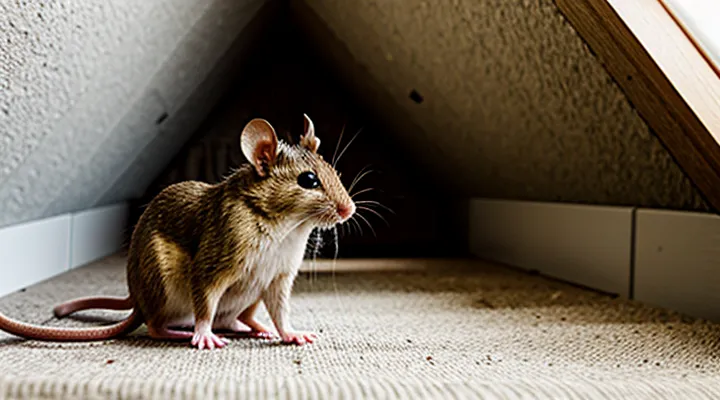
Understanding the Mouse Problem in Your Attic
Identifying Mouse Infestation Signs
Droppings and Urine Smells
Mice leave feces and urine that emit a sharp, ammonia‑like odor, often the first indicator of an infestation in the attic. Fresh droppings appear as small, dark pellets about the size of a grain of rice; older deposits may dry and crumble. Both waste products carry pathogens such as hantavirus and salmonella, posing health risks to occupants and pets.
Effective removal requires protective equipment and thorough sanitation:
- Wear disposable gloves, N‑95 respirator, and eye protection before contact.
- Ventilate the area by opening windows or using fans to disperse fumes.
- Sweep or vacuum dry droppings with a HEPA‑rated filter; avoid stirring up dust.
- Apply an enzymatic cleaner to wet spots, allowing it to break down urine crystals.
- Rinse surfaces with a solution of one part bleach to nine parts water; let it sit for ten minutes before wiping clean.
- Dispose of all waste in sealed, puncture‑proof bags and discard according to local regulations.
After cleaning, eliminate the source of moisture that encourages urine deposits. Repair roof leaks, improve ventilation, and install moisture‑absorbing desiccants. Regular inspection of insulation and stored items helps detect new droppings early, preventing the odor from spreading throughout the home.
Gnaw Marks and Damage
Mice leave unmistakable evidence in attics through gnaw marks that compromise structural integrity and expose wiring, insulation, and ductwork. Their incisors create clean, shallow cuts on wood beams, plastic panels, and metal fasteners; the damage often appears as parallel lines or semicircular notches around the edges of objects. Repeated chewing weakens load‑bearing members, increasing the risk of sagging roofs or collapsed ceilings. In addition, gnawed insulation loses its thermal properties, leading to higher energy consumption and temperature fluctuations throughout the building.
Identifying mouse‑induced damage enables targeted intervention. Key indicators include:
- Parallel bite marks on wooden joists or rafters, typically 1‑2 mm deep.
- Chewed holes in cable sheathing, exposing conductive cores.
- Torn or shredded insulation fibers surrounding entry points.
- Rounded edges on PVC or metal vent pipes where rodents have gnawed to gain access.
- Small piles of shredded material, droppings, or urine stains near damaged areas.
Addressing gnaw marks promptly prevents further deterioration. Seal all openings larger than a quarter inch, replace compromised structural components, and reinstall intact insulation. Replace damaged wiring with conduit‑protected cables to reduce fire hazards. After repairs, implement exclusion measures such as steel mesh screens and ultrasonic deterrents to discourage re‑infestation and preserve attic integrity.
Scurrying Noises
Scurrying noises in an attic signal active rodent movement and should be treated as a priority indicator of infestation. The sound typically originates from mice traveling along joists, insulation, or wiring, especially during night hours when they forage for food.
Identify the exact location by standing still and listening at intervals of 10‑15 seconds, moving gradually across the space. Mark spots where the noise intensifies; these points usually correspond to nesting sites or entry routes. Once identified, inspect for droppings, gnaw marks, and shredded material to confirm presence.
Take immediate action:
- Seal all visible gaps larger than ¼ inch with steel wool and caulk, focusing on vents, roof seams, and utility penetrations.
- Install snap traps or electronic traps near the marked noise hotspots; place bait such as peanut butter or dried fruit.
- Deploy bait stations with anticoagulant rodenticide only in sealed containers, complying with safety regulations.
- Remove food sources by storing pantry items in metal containers and cleaning crumbs from attic access points.
- Maintain low humidity and adequate ventilation to discourage nesting.
After placement, monitor trap activity daily. If catches cease but noises persist, re‑evaluate for hidden routes and consider professional extermination. Regularly inspect the attic after each season to ensure that newly created openings are promptly sealed.
Why Mice Choose Attics
Shelter and Warmth
Mice seek attics because the space offers protection from predators and a stable, elevated temperature. The combination of insulated surfaces and limited disturbance creates an ideal nesting environment. Reducing these attractions directly lowers the likelihood of infestation.
- Inspect the roof and eaves for gaps larger than ¼ inch; seal with steel wool and caulk.
- Install weather‑stripping around attic access doors and ventilation openings.
- Remove stored items that provide cover, such as cardboard boxes, fabric, or insulation scraps.
- Trim tree branches that touch the roof to eliminate bridge routes for rodents.
- Maintain a cooler attic temperature by improving ventilation; install ridge or soffit vents if absent.
- Replace damaged insulation with tightly packed, rodent‑resistant material to eliminate gaps.
- Deploy snap traps or electronic devices near known activity zones; check and reset daily.
- Apply non‑toxic repellents, such as peppermint oil or ultrasonic emitters, in conjunction with physical barriers.
Eliminating shelter and warmth removes the primary incentives for mice to occupy the attic, making other control measures more effective. Continuous monitoring and prompt repair of any new openings sustain a rodent‑free environment.
Access to Food Sources
Mice survive in attics because they can locate and exploit any available food. Removing that attraction cuts the population’s ability to reproduce and forces individuals to search elsewhere.
- Store pantry items in sealed, metal or glass containers; avoid cardboard boxes that can be chewed open.
- Keep pet food in airtight bins and feed pets only when present, removing leftovers immediately.
- Clean up crumbs, spilled grains, and sugary residues from floors, shelves, and work surfaces.
- Dispose of garbage in containers with tight‑fitting lids; empty them regularly to prevent odor buildup.
- Inspect stored items for signs of rodent damage and discard any compromised products.
Eliminate outdoor food sources that can be carried indoors. Trim vegetation away from the roofline, secure compost piles, and place bird feeders at a distance that prevents mice from climbing to the attic. By denying rodents consistent nourishment, the attic becomes an inhospitable environment, reducing the likelihood of infestation and supporting long‑term control efforts.
Breeding Ground
A breeding ground in an attic provides the shelter, food, and nesting material mice need to multiply. Typical characteristics include accumulated insulation, stored boxes, debris, and access points such as gaps around vents, eaves, or roof penetrations.
Mice exploit these conditions by building nests from shredded paper, fabric, or insulation fibers. Their presence is often confirmed by droppings, gnaw marks, and faint scratching noises.
To eliminate the breeding environment:
- Remove all clutter, cardboard, and unused items that can serve as nesting sites.
- Seal openings larger than ¼ inch with steel wool, copper mesh, or caulk.
- Replace damaged insulation with rodent‑resistant material.
- Store food supplies in airtight containers; clean any spilled grain or pet food.
- Install snap traps or electronic devices near identified activity zones; position bait away from non‑target wildlife.
After eradication, maintain a hostile setting for rodents by conducting quarterly inspections, repairing roof or vent seals promptly, and keeping the attic dry to discourage future nesting. Regular monitoring prevents re‑establishment of a breeding ground and supports long‑term rodent control.
Preparing Your Attic for Mouse Removal
Safety Precautions Before Starting
Personal Protective Equipment
When working in an attic infested with rodents, appropriate protective gear is essential to prevent exposure to pathogens, allergens, and chemical agents used in control measures.
Protective equipment should include:
- Heavy‑duty disposable gloves that resist puncture and chemical seepage.
- A NIOSH‑approved particulate respirator (N95 or higher) to filter dust, droppings, and aerosolized treatments.
- Safety goggles or a full‑face shield to guard against splashes and debris.
- A disposable coverall or Tyvek suit with sealed seams, preventing skin contact with contaminants.
- Slip‑resistant boots or shoe covers to reduce the risk of falls on uneven rafters.
Selection criteria focus on durability, proper fit, and compatibility with any chemicals applied. Equipment must meet OSHA or equivalent standards; certification labels should be verified before use.
After each session, discard single‑use items in sealed bags and decontaminate reusable gear according to manufacturer instructions. Regular inspection for tears, compromised seals, or degraded filters ensures continued protection throughout the eradication process.
Handling Contaminated Materials
Mice leave droppings, urine, and shredded insulation that can harbor pathogens. Handling these contaminated materials safely prevents health risks and limits reinfestation.
- Wear disposable gloves, a N95 respirator, and eye protection before contact.
- Seal the work area with plastic sheeting to contain dust and debris.
- Collect droppings and soiled insulation using a damp paper towel or a HEPA‑rated vacuum; place items directly into sealed, labeled bags.
- Dispose of bags according to local hazardous‑waste regulations; do not mix with regular trash.
- Clean surfaces with a detergent solution, then apply a registered disinfectant; allow the contact time specified on the product label.
- After decontamination, wash hands thoroughly with soap and water, even if gloves were worn.
Proper containment, removal, and disposal of contaminated attic contents reduce disease transmission and create a cleaner environment for subsequent mouse‑control measures.
Cleaning and Decluttering the Space
Removing Stored Items
Clutter in an attic creates nesting sites and easy access to food, encouraging mouse activity. Eliminate these conditions by clearing out stored items that are no longer needed or can be relocated.
- Sort belongings into three categories: keep, donate, discard.
- Transport keepers to a climate‑controlled storage unit or lower floor; ensure containers are sealed with tight‑fitting lids.
- Donate or recycle items in good condition; arrange pickup or drop‑off promptly.
- Dispose of damaged, moldy, or pest‑infested materials in sealed garbage bags; place bags in a locked dumpster or curbside collection.
After removal, store remaining items on pallets or shelving away from walls to prevent mice from reaching them. Use metal or heavy‑duty plastic bins with lockable lids; avoid cardboard boxes, which mice can gnaw through. Keep the attic floor clean, sweeping debris after each removal session.
A decluttered attic limits shelter, reduces food sources, and makes trapping or exclusion measures more effective, resulting in faster population decline and long‑term prevention.
Vacuuming and Sanitizing Surfaces
Vacuuming removes food particles, droppings, and nesting material that attract mice and provide a source of disease. A high‑efficiency particulate air (HEPA) vacuum captures fine debris and prevents it from being redistributed into the attic space.
- Disconnect power to the attic’s lighting or appliances before cleaning.
- Use a hose attachment to reach corners, rafters, and insulation gaps.
- Vacuum all visible droppings, gnaw marks, and shredded insulation.
- After each pass, empty the vacuum bag or canister into a sealed plastic bag and discard it in an outdoor trash container.
Sanitizing follows removal of debris. A disinfectant approved for indoor use kills pathogens left by rodents and eliminates lingering odors that can draw additional pests.
- Apply a spray disinfectant to surfaces where droppings were collected; allow the recommended contact time.
- Wipe down wooden beams, metal brackets, and any exposed insulation with a clean cloth soaked in the solution.
- Rinse and dry the area if the product label requires a rinse step; ensure the attic is well‑ventilated during this process.
Regular repetition of vacuuming and sanitizing—at least once every two weeks during peak mouse activity—reduces food availability and discourages re‑infestation. Combining these actions with exclusion measures, such as sealing entry points, creates a comprehensive strategy for maintaining a mouse‑free attic.
Sealing Entry Points
Inspecting for Gaps and Cracks
Inspect the attic for any openings that could allow mice entry. Begin at the roofline, tracing the perimeter with a flashlight. Look for gaps around vent pipes, chimneys, and skylights; even a quarter‑inch opening can admit a rodent. Examine the sheathing and insulation for tears or loose sections, and feel for drafts that indicate hidden cracks.
Identify all potential entry points, then seal them with appropriate materials. Use steel wool or copper mesh to fill small holes before applying caulk or expanding foam, preventing gnawing. For larger gaps, install metal flashing or hardware cloth secured with screws. Ensure that any repair material is durable and resistant to chewing.
Maintain a regular inspection schedule. Re‑check sealed areas after severe weather or seasonal temperature changes, as wood can contract and reopen. Document each inspected location and the method used for sealing to track effectiveness over time.
Repairing Holes and Openings
Mice enter attics through any breach in the building envelope, so sealing holes and openings is the most effective barrier. Identify every potential entry point, including gaps around vent pipes, chimney flues, utility conduits, and roof eaves. Use a flashlight and a mirror to inspect hard‑to‑reach areas; even a ¼‑inch opening can admit a mouse.
- Fill gaps larger than ¼ inch with steel wool, then cover with expanding polyurethane foam or cement‑based sealant.
- Install metal flashing or hardware cloth (¼‑inch mesh) over larger openings before applying sealant.
- Apply a continuous bead of silicone caulk around window frames, door frames, and any trim that contacts the exterior.
- Replace damaged roofing shingles, soffit panels, or fascia boards with properly fitted materials.
- Secure vent covers with fine‑mesh screens; ensure they are tightly fastened and free of tears.
After repairs, re‑inspect the attic after a few days to confirm that no new gaps have formed. Maintaining a sealed envelope prevents re‑infestation and reduces the need for repeated pest‑control measures.
Using Appropriate Materials
Choosing the right materials is essential for preventing mice from re‑entering an attic. Durable barriers such as stainless‑steel wool, copper mesh, or hardware cloth (minimum ¼‑inch gauge) should be packed tightly into gaps around vents, pipe penetrations, and roof seams. These metals cannot be chewed through, providing a long‑lasting seal.
Sealants complement physical barriers. Expandable polyurethane foam expands to fill irregular openings and hardens into a rigid barrier; apply only after metal screening to avoid foam being gnawed. Silicone or acrylic caulk works well for small cracks around windows and trim, creating an airtight finish that mice cannot exploit.
Traps and bait stations also require appropriate construction. Snap traps made from hardened steel resist damage and deliver immediate results. Live‑catch traps should feature smooth, non‑porous interiors to prevent escape. Bait containers must be made of heavy‑gauge plastic or metal with secure lids, ensuring rodents cannot access the attractant and that the device remains intact during handling.
Effective Mouse Removal Methods
Trapping Techniques
Snap Traps
Snap traps provide immediate, lethal control of attic rodents. Their mechanical design delivers a swift strike, reducing the likelihood of escape and minimizing the chance of disease transmission.
Key factors when selecting a snap trap:
- Sturdy spring mechanism capable of delivering sufficient force to kill a mouse instantly.
- Secure base that prevents wobbling on uneven attic surfaces.
- Size appropriate for the target species; standard mouse traps are generally 2–2.5 inches wide.
Effective placement follows a pattern of targeting high‑traffic zones. Identify runways by observing droppings, gnaw marks, or grease trails. Position traps perpendicular to these pathways, with the trigger side facing the anticipated direction of travel. Space traps 10–12 feet apart to cover multiple routes without redundancy.
Bait selection influences capture rates. Preferred attractants include:
- Peanut butter – strong odor, adheres to trigger plate.
- Sunflower seeds – natural food source, easy to attach.
- Small pieces of cheese – pungent scent, appealing to foraging mice.
Apply a thin layer of bait to the trigger plate, avoiding excess that could cause premature releases. Secure the bait with a small dab of petroleum jelly if necessary.
Safety considerations are paramount. Wear thick gloves when handling traps to prevent accidental activation. Place traps out of reach of children and non‑target wildlife. Inspect each trap before deployment to ensure the spring is fully tensioned and the latch is functional.
After a capture, follow a consistent disposal protocol: wear gloves, use a sealed plastic bag, and discard the carcass according to local regulations. Reset the trap promptly with fresh bait to maintain continuous pressure on the infestation.
Regular monitoring of trap performance informs adjustments. If capture frequency declines, relocate traps to new runways or replace worn mechanisms. Combining snap traps with exclusion measures—such as sealing entry points and removing food sources—creates a comprehensive strategy for eradicating mice from attic spaces.
Live Traps
Live traps provide a humane solution for removing mice that have colonized the attic. The devices consist of a cage or box with a trigger mechanism that closes the door once a mouse enters to reach the bait. Because the animal remains alive, it can be released far from the residence, preventing re‑infestation.
Effective use of live traps involves several steps:
- Choose a trap sized for typical house mice (approximately 8–10 cm long).
- Bait with high‑protein foods such as peanut butter, sunflower seeds, or small pieces of cooked meat.
- Position traps along walls, near entry points, and in dark corners where mice travel.
- Set traps at night; check them every 12 hours to minimize stress on captured rodents.
- Release captured mice at least 2 km from the home, preferably in a wooded or field area.
- After each capture, clean the trap with mild detergent and disinfect to remove scent trails that could deter other mice.
Regular monitoring and prompt removal of trapped mice reduce the population quickly, complementing other control measures such as sealing openings and eliminating food sources.
Bait Stations
Bait stations are sealed containers that hold rodenticide or a combination of attractant and poison, designed to prevent non‑target animals and humans from accessing the toxic material while allowing mice to enter and feed.
When choosing bait stations for attic use, consider the following criteria:
- Construction: durable plastic or metal with a lock‑tight lid.
- Size: small enough to fit between joists or within insulation cavities.
- Tamper‑resistance: compliance with local pest‑control regulations.
Placement determines effectiveness. Install stations along known mouse pathways: near entry points, behind stored boxes, and at the junction of the attic floor and roof rafters. Position each unit 12–18 inches above the floor to match mouse foraging height and to avoid dust accumulation.
Maintenance involves regular inspection and replacement. Check stations weekly for signs of consumption, debris, or damage. Replace depleted bait promptly; record the date of each service to track activity patterns. Dispose of used stations according to hazardous‑waste guidelines to prevent accidental exposure.
Safety measures are essential. Use rodenticides approved for indoor use, and follow label instructions regarding dosage. Keep stations out of reach of children and pets, and seal any gaps that could allow larger wildlife to enter the attic. If the infestation persists after several weeks of consistent baiting, consider integrating additional controls such as exclusion sealing or trapping to achieve complete eradication.
Repellents and Deterrents
Natural Repellents
Natural repellents offer a chemical‑free approach to deter mice from an attic space. They rely on odors, textures, or environmental changes that rodents find unpleasant, reducing the likelihood of entry and nesting.
- Peppermint oil: Soak cotton balls in diluted oil and place them near entry points, vents, and known pathways. Replace every 7‑10 days to maintain potency.
- Ammonia solution: Mix equal parts water and ammonia, then spray on surfaces surrounding openings. The strong scent mimics predator urine, prompting avoidance. Reapply after rain or cleaning.
- Dryer sheets: Position scented sheets in corners and behind insulation. The fragrance interferes with mice’s scent trails, discouraging movement. Change weekly for effectiveness.
- Cedar shavings: Spread a thin layer on attic floors and in crawl spaces. The natural oil in cedar repels rodents while adding a mild barrier. Refresh annually or when the scent fades.
- Hot pepper spray: Blend cayenne pepper or crushed red pepper with water, add a few drops of dish soap, and spray along baseboards and joists. The irritant sensation deters chewing and nesting. Reapply after moisture exposure.
Application guidelines emphasize targeting known access routes, such as gaps around vents, roof seams, and pipe penetrations. Seal all openings after deploying repellents to prevent re‑entry. Combine repellents with physical barriers—steel wool, mesh, or expanding foam—to enhance overall control.
Safety considerations include using gloves when handling concentrated oils or ammonia, ensuring adequate ventilation, and keeping repellents out of reach of children and pets. Monitor the attic regularly for signs of activity; persistent presence may indicate the need for additional measures, such as traps or professional assessment.
Electronic Devices
Electronic devices offer reliable, low‑maintenance options for controlling attic rodents. They function without chemicals, reduce risk of damage to insulation, and can be installed quickly.
- Ultrasonic emitters generate frequencies above human hearing that disturb rodent nervous systems, prompting relocation. Place units at each access point and at intervals of 6‑8 feet to maintain overlapping coverage.
- Electronic snap traps deliver a high‑voltage pulse when a mouse contacts the trigger plate, causing instant mortality. Mount traps on beams or rafters where activity is evident; connect multiple units to a single power source for synchronized operation.
- Motion‑activated deterrent lights flash brightly when movement is detected, creating an aversive environment. Position sensors near common entry routes; adjust sensitivity to avoid false triggers from insects.
- Smart monitoring systems combine infrared sensors with mobile alerts, allowing real‑time tracking of infestations. Integrate with existing home automation hubs to schedule device activation during peak rodent activity periods.
Maintain device effectiveness by inspecting batteries or power connections weekly, cleaning sensor lenses, and repositioning units if mice develop tolerance. Combine electronic solutions with physical sealing of entry gaps for comprehensive control.
Commercial Repellents
Commercial repellents provide a non‑lethal option for reducing mouse activity in attic spaces. They are formulated to create an environment that rodents find uncomfortable, encouraging them to leave or avoid the area altogether.
Ultrasonic devices emit high‑frequency sound waves beyond human hearing. Mice experience disorientation and stress when exposed to these frequencies. Placement should cover the entire attic, with units spaced according to the manufacturer’s range specifications. Continuous power is required; otherwise, the effect diminishes.
Chemical repellents rely on volatile compounds such as peppermint oil, ammonia, or proprietary synthetic scents. These substances mask food odors and produce an aversive smell. Application involves spraying or soaking cotton balls and positioning them near entry points, nesting sites, and ventilation shafts. Re‑application every two to three weeks maintains potency.
Granular or pellet repellents contain concentrated scent or bittering agents. They are spread along joists, rafters, and the floor surface. The granules release odor over several weeks, providing a longer‑lasting barrier. Ensure the product is labeled safe for use in insulated or insulated‑type attics to avoid material degradation.
When selecting a commercial repellent, consider:
- Proven efficacy documented by independent testing.
- Compatibility with attic insulation, wiring, and stored items.
- Compliance with local pest‑control regulations.
- Minimal risk to humans, pets, and non‑target wildlife.
Integrating repellents with structural exclusion (sealing gaps, installing metal flashing) and sanitation (removing food sources, cleaning debris) yields the highest success rate. Monitor activity with visual inspections or motion‑activated cameras; adjust placement or switch to an alternative repellent if mouse presence persists.
Commercial repellents are most effective as part of a comprehensive management plan rather than a standalone solution. Proper selection, correct installation, and regular maintenance maximize their contribution to an attic free of mice.
Professional Pest Control Services
When to Call an Expert
Mice infestations in an attic can become unmanageable quickly. Recognizing the point at which professional assistance is necessary prevents structural damage, health risks, and escalating costs.
Typical indicators that a specialist should be engaged include:
- Repeated sightings despite traps, bait stations, or sealing attempts.
- Evidence of gnaw marks on wiring, insulation, or structural components.
- Accumulation of droppings in inaccessible areas, suggesting a large population.
- Persistent odors of urine or nesting material that cannot be eliminated with routine cleaning.
- Signs of disease vectors, such as fleas or ticks, associated with the rodents.
- Damage to electrical systems that poses fire hazards.
Additional circumstances warrant expert intervention:
- The attic contains valuable or delicate items that could be compromised by extensive DIY measures.
- The property is subject to landlord or insurance regulations that require certified pest control documentation.
- The homeowner lacks experience with safe placement of toxic baits or proper disposal of contaminated materials.
- The infestation coincides with other pest problems, necessitating an integrated management plan.
When any of these conditions appear, contacting a licensed pest control provider ensures thorough assessment, appropriate treatment selection, and compliance with safety standards. Delaying professional help often results in more extensive remediation and higher expenses.
Benefits of Professional Assistance
Professional pest‑control services bring expertise that DIY methods lack. Technicians identify entry points, assess infestation severity, and apply targeted treatments that prevent recurrence.
- Accurate inspection: Trained personnel locate hidden nests and structural gaps that homeowners often miss.
- Safe eradication: Certified products are applied according to regulations, minimizing health risks to residents and pets.
- Rapid results: Specialized equipment and proven protocols reduce the time required to eliminate rodents from the attic.
- Ongoing monitoring: Follow‑up visits verify that the problem remains solved and provide recommendations for long‑term prevention.
- Liability protection: Service contracts include warranties and compliance guarantees, shielding property owners from future damage claims.
Investing in professional assistance reduces the likelihood of structural damage, electrical hazards, and contamination, delivering a reliable, long‑lasting solution for attic mouse infestations.
Preventing Future Mouse Infestations
Maintaining a Clean Attic
Regular Inspections
Regular inspections are essential for preventing mouse infestations in attic spaces. By identifying entry points, nesting material, and signs of activity early, homeowners can intervene before populations expand.
Key actions during each inspection:
- Examine roof eaves, vents, and soffits for gaps larger than ¼ inch; seal openings with steel wool and caulk.
- Look for droppings, gnaw marks, and shredded insulation along joists and beams.
- Check stored items for chew damage; relocate or encase vulnerable materials.
- Test traps and bait stations for functionality; replace depleted units promptly.
- Record findings in a log to track recurring problem areas and schedule follow‑up checks.
Conduct inspections at least once per season, increasing frequency after heavy rain or extreme temperatures, which often drive rodents to seek shelter. Consistent monitoring reduces the need for extensive eradication measures and supports long‑term attic integrity.
Proper Storage Practices
Proper storage is a decisive factor in preventing rodent activity within an attic space. Items should be kept in sealed containers made of metal or heavy‑wall plastic; any openings larger than a quarter inch allow mice to infiltrate. When stacking belongings, avoid creating bridges between the floor and walls, as these serve as pathways for pests.
- Store seasonal clothing, bedding, and cardboard boxes in airtight bins.
- Elevate stored objects at least six inches above the floor using shelving that is firmly attached to the structure.
- Keep the attic clear of debris, insulation fragments, and food residues that could attract mice.
- Label containers clearly and maintain a systematic inventory to minimize unnecessary handling and exposure.
Regularly inspect storage units for signs of wear, cracks, or loose lids. Replace compromised containers promptly. Maintaining an organized, sealed storage environment reduces shelter opportunities and eliminates food sources, thereby diminishing the likelihood of a mouse infestation in the attic.
Exterior Home Maintenance
Trimming Trees and Shrubs
Trimming trees and shrubs around a home reduces the likelihood that mice will reach the attic. Overgrown branches and dense foliage create bridges and shelter that allow rodents to climb and access roof eaves.
- Cut back any branches that extend within two feet of the roofline. This eliminates direct pathways to the attic.
- Remove low‑lying limbs that touch or hang over the siding. Mice can use these as ladders.
- Prune shrubs to a height no greater than three feet. Shorter plants limit hiding places and force rodents to stay on the ground.
- Keep the ground around the house clear of debris, leaf piles, and mulch that are deeper than two inches. Such material provides cover for mice seeking shelter.
- Perform trimming in late winter or early spring before the breeding season. Early intervention prevents population growth.
Regular maintenance of vegetation also improves visibility, making it easier to detect signs of rodent activity. By creating a physical barrier between the yard and the roof, homeowners limit the opportunities for mice to infiltrate the attic space.
Sealing Foundation Gaps
Sealing foundation gaps blocks one of the most common entry points for mice seeking shelter in the attic. Properly sealed openings prevent rodents from traveling from the ground floor to the roof space, reducing the need for repeated traps or poison.
Identify all potential gaps by inspecting the exterior foundation, crawl spaces, and any utility penetrations. Look for cracks larger than ¼ inch, gaps around pipes, vents, and wiring conduits, as well as openings at the sill plate and the perimeter of the slab.
Choose durable materials that resist gnawing. Recommended options include:
- Heavy‑duty steel wool combined with caulk for small cracks.
- Expanding polyurethane foam for irregular gaps up to ½ inch.
- Cement‑based mortar or concrete patch for larger structural cracks.
- Sheet metal or metal flashing for gaps around pipes and vents.
Apply the chosen material according to manufacturer instructions. For steel wool and caulk, press the wool into the crack, then seal with a bead of silicone or acrylic caulk. For foam, spray into the opening until it expands to fill the space, then trim excess after curing. For mortar, clean the area, dampen the surface, then apply the mix, smoothing the finish to match surrounding concrete.
After sealing, verify integrity by conducting a visual check and, if possible, a smoke test: introduce a non‑toxic smoke source near the sealed area and observe for any leaks. Repeat inspections seasonally, focusing on areas where temperature changes cause foundation movement.
Maintaining a sealed foundation eliminates a primary pathway for mice, supporting long‑term control of attic infestations without reliance on chemical or lethal measures.
Long-Term Prevention Strategies
Eliminating Food and Water Sources
Eliminating food and water sources is the most reliable method to deter mice from an attic. Mice will abandon a habitat that cannot satisfy their nutritional needs, making this step essential for long‑term success.
Secure all stored items. Place grains, cereals, pet food, and packaged snacks in airtight containers made of metal or thick plastic. Remove crumbs and spills promptly; vacuum the floor and any accessible surfaces after each cleaning session.
Identify and block entry points for water. Inspect the attic for condensation, leaking roofs, or pipe drips. Repair damaged roofing, seal gaps around vents, and install drip‑free flashing where necessary. Ensure that any water‑catching devices, such as humidifiers, are positioned away from the attic or are turned off when not in use.
Maintain a clean environment. Regularly sweep insulation and storage areas to eliminate hidden debris. Dispose of garbage in sealed bags and store refuse containers with tight‑fitting lids.
Practical actions
- Store all food in containers with a minimum 24‑hour seal test.
- Remove pet feeding stations from the attic; feed pets in designated areas only.
- Repair roof leaks and seal all condensation points.
- Install moisture‑absorbing materials (e.g., silica gel packs) in corners prone to dampness.
- Conduct weekly inspections to verify that no new food or water sources have appeared.
By systematically removing these attractants, the attic becomes inhospitable, forcing mice to seek alternative habitats and reducing the likelihood of reinfestation.
Monitoring for Re-infestation
Effective monitoring after eliminating attic rodents prevents a recurrence. Begin by sealing all potential entry points; inspect roof vents, eaves, and gaps around utility lines weekly for new openings. Install motion-activated sensors near known pathways; review recorded activity each night and record any detections.
Maintain a clean environment to discourage return. Store food in airtight containers, remove debris, and keep insulation dry. Conduct monthly visual inspections of insulation and stored materials; note any gnaw marks, droppings, or shredded fibers.
Use bait stations strategically placed in concealed corners. Check stations every seven days, replace bait promptly, and document any captures. Replace expired bait to maintain effectiveness.
Establish a seasonal schedule. Increase inspection frequency during colder months when mice seek shelter, and reduce intervals during warmer periods, but never exceed a three‑month gap without verification.
Track all observations in a simple log: date, location, evidence type, and corrective action. Review the log quarterly to identify patterns and adjust preventive measures accordingly.