
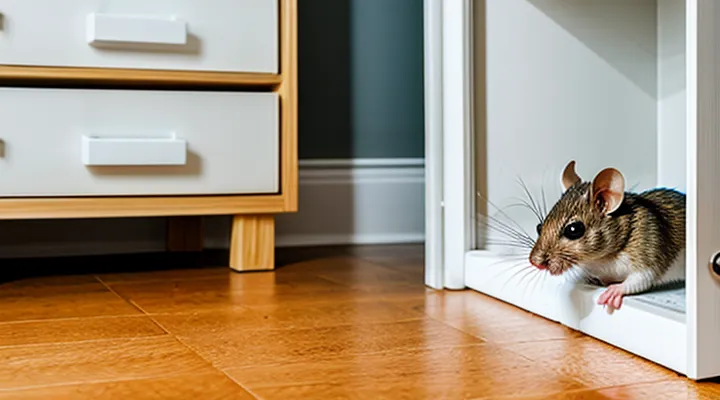
Understanding the Mouse Problem
Why Mice Are a Concern in Apartments
Mice in apartments create immediate health hazards. Their urine and droppings carry pathogens such as hantavirus, salmonella, and leptospira, which can contaminate food surfaces and air ducts, leading to respiratory and gastrointestinal illnesses for residents.
- Structural damage: gnawed wires, insulation, and plumbing increase fire risk and cause costly repairs.
- Food contamination: stored pantry items become infested, resulting in waste and potential allergic reactions.
- Rapid reproduction: a single pair can produce dozens of offspring within months, escalating infestations beyond control.
- Noise and stress: nocturnal activity produces audible scratching and scurrying, disrupting sleep and contributing to anxiety.
These factors compel apartment owners and tenants to adopt reliable, non‑chemical control methods that eliminate rodents while preserving indoor air quality and preventing further property degradation.
Signs of a Mouse Infestation
Identifying a mouse problem early allows you to intervene with non‑toxic measures before the population expands.
- Small, dark droppings about the size of a grain of rice, often found along baseboards, behind appliances, or in cabinets.
- Gnaw marks on wood, plastic, wiring, or food packaging; teeth leave clean, V‑shaped cuts.
- Scratching or scurrying sounds, especially at night, emanating from walls, ceilings, or hidden voids.
- Faint, irregular footprints in dusty areas, near food sources, or along the edges of furniture.
- Accumulations of shredded paper, insulation, or dried urine stains that indicate nesting activity.
- Unexplained food loss or the presence of partially chewed items in pantry shelves and cupboards.
These indicators confirm that mice have entered the dwelling and are actively seeking shelter and sustenance. Promptly addressing each sign with traps, sealing entry points, and maintaining cleanliness will prevent the need for chemical interventions.
Prevention is Key
Sealing Entry Points
Identifying Common Entry Points
Identifying where rodents gain access is the first practical step in any non‑chemical mouse control plan for an apartment. Without sealing these pathways, traps and other deterrents lose effectiveness because new individuals can continuously re‑enter. A systematic inspection should cover all potential openings larger than a quarter‑inch, the size a mouse can squeeze through.
- Gaps around exterior doors and sliding glass panels, especially where weather‑stripping is worn or missing.
- Cracks and holes in the building’s foundation, including gaps around utility penetrations such as water, gas, and electrical lines.
- Openings around vent pipes, dryer exhausts, and bathroom fans that lack proper collars or mesh.
- Space between the top of interior walls and the ceiling, often found where plaster or drywall meets the joists.
- Gaps behind cabinets, especially in kitchens, where back‑splash tiles or baseboards are detached.
- Openings around plumbing fixtures, including under sinks and around pipe sleeves.
- Unsealed gaps around window frames, especially older double‑hung windows with deteriorated caulking.
- Holes in exterior siding, soffits, or eaves where rodents can climb and enter.
Document each opening, prioritize based on size and proximity to food sources, and apply appropriate sealing methods such as steel wool, copper mesh, or foam sealant. Eliminating these entry points creates a barrier that prevents mice from entering, allowing other non‑chemical measures to work reliably.
Materials for Sealing Gaps and Holes
Sealing entry points eliminates the most reliable avenue for mouse intrusion. Effective barriers combine durability with a tight fit, preventing rodents from exploiting even the smallest openings.
- Steel wool: compressible, resistant to gnawing; insert into gaps then cover with caulk for added strength.
- Copper or aluminum mesh (hardware cloth): ½‑inch or smaller openings; suitable for larger holes around vents and pipes.
- Silicone or acrylic caulk: flexible seal for cracks in walls, baseboards, and around window frames.
- Expanding polyurethane foam: fills irregular spaces; trim excess once cured and apply a thin coat of sealant.
- Self‑adhesive weatherstripping: closes gaps beneath doors and around sliding windows.
- Mortar or concrete patch: repairs structural cracks in brick or concrete foundations.
Select materials based on gap size, location, and exposure to moisture. Mesh must be fine enough to deter chewing; sealants should remain pliable to accommodate building movement. Avoid temporary fixes that degrade under humidity or temperature shifts.
Application proceeds in three steps. First, locate all potential entry points with a flashlight and a thin rod. Second, clean each opening to remove dust and debris, ensuring adhesion. Third, insert the chosen barrier, then seal edges with caulk or foam, smoothing the surface to eliminate air pockets. Verify each seal by running a fingertip along the joint; any detectable draft indicates incomplete coverage.
Regular inspection sustains effectiveness. Check seals quarterly, especially after seasonal temperature changes, and replace any material showing wear or rodent damage. Maintaining an airtight envelope preserves the non‑chemical strategy for long‑term mouse control.
Food Storage and Sanitation
Proper Food Storage Techniques
Proper food storage is a fundamental element of any non‑chemical mouse control strategy in an apartment. Food left exposed provides a reliable attractant; securing it removes a primary incentive for rodents to enter living spaces.
Store dry goods in containers made of glass, metal, or heavy‑wall plastic with airtight seals. Verify that lids close tightly after each use and keep containers on shelves rather than on the floor. Transfer bulk purchases into smaller, sealed containers promptly to limit the amount of accessible food.
Handle perishable items with equal diligence. Place leftovers in sealed containers and refrigerate or freeze them within two hours of preparation. Clean spills and crumbs immediately; a damp cloth or disposable wipe eliminates residual scent trails that mice can follow.
Maintain a routine of waste management. Use bins with tight‑fitting lids, empty them regularly, and keep the exterior of the bin clean. Dispose of garbage in a building‑provided receptacle that is sealed and serviced frequently.
Implement the following checklist each week:
- Inspect all storage containers for compromised seals.
- Rotate pantry stock, discarding any items past their expiration date.
- Sweep and mop kitchen floors, paying special attention to corners and under appliances.
- Verify that pet food is stored in sealed containers and not left out overnight.
Consistent adherence to these practices reduces food availability for rodents, thereby decreasing the likelihood of infestation without resorting to chemical interventions.
Importance of Regular Cleaning
Regular cleaning removes food residues, crumbs, and spills that attract mice, directly reducing the likelihood of infestation in an apartment without using chemicals.
Effective cleaning targets typical mouse attractants:
- Sweep and vacuum floors daily to eliminate hidden particles.
- Wipe countertops, tables, and appliance surfaces after each meal.
- Store dry goods in airtight containers; discard opened packages promptly.
- Empty trash bins nightly and use bins with tight‑fitting lids.
- Clean behind appliances and inside cabinets to reach concealed debris.
Consistent removal of these resources deprives rodents of sustenance, limits nesting material availability, and discourages entry into living spaces. Maintaining a clean environment also supports structural health by preventing damage caused by gnawing on compromised food sources or weakened materials.
Chemical-Free Mouse Removal Methods
Trapping Methods
Live Traps
Live traps provide a humane solution for eliminating mice from a residence without resorting to poisons. The device consists of a cage with a trigger mechanism that closes the door when the animal enters, allowing capture and later release.
Key considerations for effective use:
- Selection of trap size – Choose a model that accommodates adult mice; smaller traps may fail to contain larger specimens.
- Bait choice – Peanut butter, cheese, or dried fruit attract mice reliably; apply a small amount to the trigger plate.
- Placement strategy – Position traps along walls, behind appliances, and near known gnawing sites; mice travel close to surfaces.
- Check frequency – Inspect traps at least twice daily to prevent stress and avoid escape.
- Release protocol – Relocate captured mice at least one mile from the building, preferably in a wooded area, and release them promptly.
Advantages include:
- No chemical residues left in the apartment.
- Compliance with landlord policies that prohibit toxins.
- Reduced risk of accidental poisoning of children or pets.
Limitations to acknowledge:
- Requires regular monitoring and manual handling.
- May need several traps to achieve complete removal.
- Success depends on proper baiting and placement.
Maintenance tips:
- Clean trap interiors with mild soap after each use to eliminate scent trails.
- Replace worn trigger components to maintain sensitivity.
- Store unused traps in a dry location to prevent rust.
When integrated with sealing entry points and eliminating food sources, live traps become a reliable component of a non‑chemical mouse control program.
Snap Traps (Humane Alternatives)
Snap traps that avoid chemicals provide a direct, humane way to control mouse populations in apartments. These devices operate by delivering a quick, precise strike that kills the rodent instantly, eliminating prolonged suffering. Because they contain no toxic substances, they pose no risk of contaminating food, surfaces, or the health of residents, including children and pets.
Effective use requires strategic placement. Position traps along walls, behind appliances, and near known entry points, as mice travel close to surfaces. Aim for areas with visible droppings, gnaw marks, or nesting material. Set traps with the trigger side facing the wall; this orientation aligns with the mouse’s natural movement and increases capture rates.
Selection of trap type influences results. Traditional wooden snap traps are inexpensive and reliable, while stainless‑steel variants resist rust in damp environments. Some models feature a padded base that reduces noise and prevents the trap from sliding, enhancing safety in shared living spaces.
Bait choice impacts success. Small amounts of peanut butter, oatmeal, or bits of dried fruit attract mice without creating a mess. Avoid overly large portions, which can allow the mouse to feed without triggering the mechanism.
After a capture, wear disposable gloves, dispose of the rodent in a sealed bag, and clean the trap with warm, soapy water before reuse. Regular inspection of traps—at least once daily—ensures prompt removal of caught mice and prevents odor buildup that could deter further captures.
Benefits of chemical‑free snap traps include:
- Immediate elimination without residual toxins.
- Compatibility with building policies that restrict pesticide use.
- Reusability, reducing long‑term costs.
- Minimal environmental impact.
When combined with sealing entry points and maintaining a clutter‑free environment, snap traps serve as a cornerstone of a non‑chemical mouse control strategy in apartment settings.
Natural Repellents
Peppermint Oil and Other Essential Oils
Peppermint oil repels mice by overwhelming their sense of smell. The strong menthol scent masks food odors and creates an environment mice avoid. Apply a few drops to cotton balls and place them in areas where activity is observed, such as behind appliances, under sinks, and in wall voids. Replace cotton balls every three to five days to maintain potency.
Other essential oils with similar effects include:
- Eucalyptus oil: strong, camphoraceous aroma that deters rodents; use the same cotton‑ball method.
- Clove oil: contains eugenol, a natural repellent; dilute with water (1 % solution) and spray along baseboards and entry points.
- Lavender oil: pleasant to humans but unpleasant to mice; apply to fabric strips and hang near suspected routes.
- Citronella oil: citrus scent masks food traces; diffuse or soak cotton pads for placement in corners.
For optimal results, combine several oils in a single cotton ball (e.g., 5 drops peppermint + 3 drops eucalyptus). Ensure the mixture does not stain surfaces; test on a hidden area first. Avoid direct contact with skin; wear gloves when handling concentrated oils.
To prevent re‑infestation, pair oil treatments with structural measures: seal cracks, install door sweeps, and store food in airtight containers. Continuous oil placement for at least two weeks typically reduces mouse activity without chemical pesticides.
Other Natural Deterrents (e.g., vinegar, ultrasonic devices)
Vinegar works as a scent barrier that mice find unpleasant. Mix equal parts white vinegar and water in a spray bottle and apply to baseboards, entry points, and pantry shelves. Reapply weekly or after cleaning to maintain potency. The solution does not harm surfaces and leaves no residue, but it must be refreshed regularly to remain effective.
Ultrasonic emitters produce high‑frequency sound waves that rodents cannot tolerate. Place devices near known activity zones, such as kitchens, closets, and utility rooms. Ensure a clear line of sight between the unit and the target area; obstacles diminish coverage. Most models require a power outlet and continuous operation, so consider energy consumption when selecting a unit. Field tests show variable results; effectiveness drops if mice become habituated, so rotating devices or combining with other methods can improve outcomes.
Additional natural deterrents complement vinegar and ultrasonic tools:
- Peppermint oil: soak cotton balls, position at gaps, replace every few days.
- Dryer sheets: lay in cabinets, replace when scent fades.
- Steel wool mixed with caulk: fill holes, creates a physical barrier that rodents cannot chew through.
Combine these measures with proper sanitation and structural sealing for a comprehensive, chemical‑free approach to mouse control.
Post-Removal Cleanup and Maintenance
Sanitation After Extermination
After eliminating a mouse infestation, thorough sanitation prevents health risks and deters future intrusions. Begin by removing all visible droppings, urine stains, and nesting material. Use disposable gloves and a mask, place debris in sealed bags, and discard in a sealed outdoor trash container.
Next, clean contaminated surfaces. Apply a solution of hot water and dish detergent to hard floors, countertops, and cabinets. Rinse with clean water and dry completely. For porous items such as cardboard or fabric, discard if heavily soiled; otherwise, launder at the highest temperature the material tolerates.
Disinfection follows cleaning. Prepare a 1:10 dilution of household bleach (5% sodium hypochlorite) in water. Apply to all cleaned areas, allow a contact time of at least five minutes, then rinse and dry. Alternative non‑chemical disinfectants, such as hydrogen peroxide (3%) or vinegar, may be used where bleach is unsuitable.
Secure food storage to eliminate attractants. Transfer pantry items to airtight containers made of glass, metal, or heavy‑wall plastic. Inspect packages for damage and discard compromised goods. Clean pantry shelves with the same detergent‑bleach regimen before resealing.
Ventilate the apartment for several hours after disinfection to disperse residual odors and vapors. Open windows and use fans to promote air exchange. While ventilation is active, avoid re‑entering treated rooms with pets or children.
Finally, monitor the environment for signs of re‑infestation. Check traps, droppings, and gnaw marks weekly for at least one month. Maintain the cleaning routine to keep the living space inhospitable to rodents.
Ongoing Prevention Strategies
Effective mouse control in a rental unit relies on continuous measures rather than one‑time actions. Once the initial infestation is cleared, the environment must stay inhospitable to rodents. This requires regular inspection, maintenance, and behavioral adjustments.
Key components of a sustainable prevention program include:
- Seal all entry points: apply steel wool or copper mesh to gaps around pipes, vents, and wiring; use caulk or expanding foam for larger cracks.
- Maintain cleanliness: store food in airtight containers, promptly clean crumbs and spills, and keep garbage tightly sealed.
- Manage clutter: eliminate piles of paper, fabric, or cardboard that can serve as nesting material.
- Monitor moisture: fix leaks, use dehumidifiers in damp areas, and ensure proper drainage around the building.
- Install physical barriers: fit door sweeps, window screens, and metal flashing on exterior walls.
- Conduct routine checks: schedule monthly visual inspections of known rodent pathways and set up motion‑activated cameras in concealed locations.
Consistency in applying these practices reduces the likelihood of re‑infestation and supports a long‑term, chemical‑free living space.