
Understanding Field Mice and Their Impact
Identifying Field Mice
Physical Characteristics
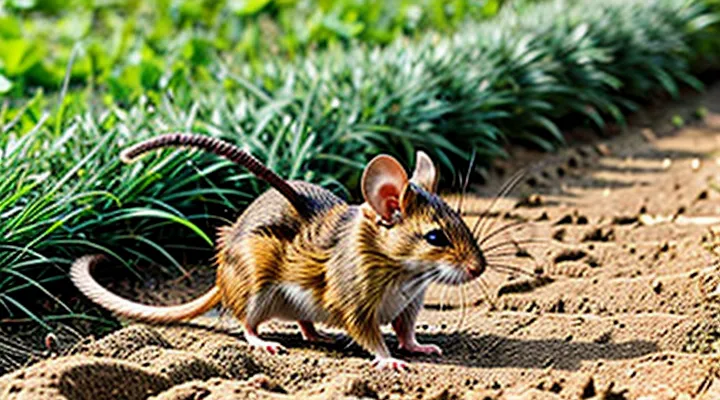
Field mice occupying a summer vegetable plot are small rodents measuring 6–10 cm in body length, with a tail of similar length. Their weight ranges from 15 to 30 g, allowing rapid movement through dense foliage and shallow burrows. Fur coloration varies from light brown to gray, providing camouflage against soil and plant stems; dorsal hairs are coarse, while ventral fur is softer and lighter. Eyes are proportionally large, granting excellent low‑light vision that aids nocturnal foraging. Ears are thin, hairless, and highly mobile, detecting subtle vibrations from approaching predators or human activity. The species possesses sharp incisor teeth that never cease growing, enabling constant gnawing on stems, roots, and stored produce. Hind limbs are relatively long, supporting swift, hopping locomotion and the ability to leap up to 30 cm vertically, facilitating escape from traps placed at ground level. Whiskers are long and highly sensitive, allowing navigation through narrow gaps in mulch and between rows of crops. These physical traits collectively make field mice adept at infiltrating and persisting in open, warm plots, necessitating control measures that address their size, agility, and sensory capabilities.
Common Habitats on a Summer Plot
Field mice exploit specific micro‑environments that develop naturally on a warm‑season garden. Recognizing these sites is essential for any permanent control program.
Dense groundcover such as tall grass, clover, or creeping weeds provides concealment and nesting material. Mice construct shallow burrows beneath the roots, where moisture remains high and predators have limited access.
Mulch layers—especially wood chips, straw, or shredded bark—retain humidity and create insulated pockets. The loose texture allows quick excavation and easy movement between feeding zones.
Compost heaps generate heat and abundant organic matter. Even well‑managed piles contain pockets of cooler, damp material where mice can shelter while the surrounding compost decomposes.
Garden borders and fence lines often accumulate leaf litter, fallen branches, and soil debris. These peripheral zones act as transit routes between the cultivated area and surrounding fields, offering safe staging grounds.
Irrigation channels, drip‑line trenches, and any water‑collecting depressions maintain a steady moisture level. Moist soil softens for burrowing and supports the insects that mice prey on.
Stone or brick foundations, raised beds, and low‑lying structures create gaps and crevices. Small openings serve as entry points for rodents seeking shelter from predators and weather extremes.
Effective eradication requires sealing or modifying each of these habitats:
- Trim grass to a uniform height of 4–5 cm; remove excess thatch.
- Replace thick mulch with a thin, well‑aerated layer; keep the surface free of clumps.
- Turn compost weekly; maintain a temperature above 55 °C to discourage nesting.
- Clear debris from borders; install smooth, hard‑scape edging where possible.
- Ensure drainage eliminates standing water; grade soil away from structures.
- Fill gaps in stonework or brickwork with cement or metal flashing.
By eliminating the conditions that attract field mice, a summer plot can be rendered inhospitable, achieving lasting protection without recurring interventions.
Damage Caused by Field Mice
To Plants and Crops
Field mice cause direct loss to seedlings, reduce yields, and spread pathogens that weaken plant vigor. Effective protection requires a combination of habitat alteration, physical barriers, and targeted control measures.
First, eliminate shelter. Remove tall grasses, weeds, and debris that provide cover. Keep the soil surface dry by improving drainage and avoiding over‑watering. Mulch with coarse material that discourages burrowing.
Second, install exclusion devices. Bury hardware cloth or fine mesh at least 12 inches below ground level around garden beds. Ensure all openings, including gaps under raised beds, are sealed. Use row covers during vulnerable growth stages to prevent entry.
Third, employ active removal. Set snap traps or electronic traps along known runways; position bait at mouse activity hotspots. Check traps daily, dispose of captured rodents promptly, and reset devices as needed.
Fourth, apply rodenticides responsibly. Choose anticoagulant or bromethalin formulations approved for field use. Place bait stations within secure enclosures to avoid non‑target exposure. Rotate active ingredients to prevent resistance.
Fifth, introduce biological antagonists. Encourage owls, hawks, and barn owls by installing nesting boxes. Support predatory insects and small carnivorous mammals through habitat diversification.
Sixth, practice sanitation. Harvest and store produce promptly. Clean storage areas of spilled grain and residues. Rotate crops annually to disrupt mouse foraging patterns and reduce food availability.
Seventh, monitor continuously. Conduct weekly inspections for fresh gnaw marks, droppings, or burrow entrances. Record observations to adjust control tactics before infestations expand.
By integrating these steps, growers can safeguard plants and crops from field mouse damage and achieve lasting suppression on summer plots.
To Structures and Property
Field mice can gnaw wiring, breach insulation, and undermine foundations, creating costly damage to summer garden structures. Their constant activity forces owners to confront compromised water lines, weakened wooden frames, and exposed concrete joints. Preventing these outcomes requires a systematic approach that eliminates access points, removes attractants, and applies long‑lasting deterrents.
Key actions to protect buildings and assets:
- Seal all openings larger than ¼ inch with steel wool, metal flashing, or concrete mortar.
- Install metal mesh around vents, chimneys, and crawl‑space entries to block entry.
- Replace deteriorated wood siding or decking with pressure‑treated lumber or composite materials resistant to rod damage.
- Route electrical cables through conduit that resists gnawing; inspect and replace any frayed sections promptly.
- Position heavy, solid‑base traps or ultrasonic devices near structural foundations, ensuring continuous operation throughout the growing season.
Maintenance routines reinforce protection. Conduct monthly inspections of foundation walls, roof eaves, and storage sheds for fresh gnaw marks or droppings. Promptly repair any breaches discovered, and clear vegetation that touches structures, as it provides a bridge for rodents. By integrating these preventive measures into the garden’s upkeep schedule, property owners eliminate the recurring threat of field mice and preserve the integrity of their summer plot’s infrastructure indefinitely.
Disease Transmission Risks
Field mice inhabiting summer garden beds serve as carriers of pathogens that can affect both humans and cultivated plants. Direct contact with mouse droppings, urine, or saliva introduces infectious agents into the environment, while indirect exposure occurs when insects or wind spread contaminated material onto crops.
- Hantavirus – transmitted through aerosolized particles from dried urine or feces; can cause severe respiratory illness in people handling soil or harvesting produce.
- Salmonella spp. – deposited in feces; contaminates leafy greens and root vegetables, leading to food‑borne outbreaks.
- Leptospira interrogans – spreads via urine; enters irrigation water, posing a risk to farmworkers and livestock.
- Lymphocytic choriomeningitis virus – carried in mouse secretions; may contaminate seed trays and greenhouse tools.
Pathogen presence reduces marketability of produce, forces crop disposal, and may trigger regulatory bans. Human exposure can result in acute illness, prolonged medical treatment, and loss of labor capacity during peak harvesting periods.
Eradicating the rodent population from the plot eliminates the primary source of these agents, thereby protecting crop integrity and safeguarding worker health. Persistent control measures—such as habitat modification, exclusion barriers, and targeted baiting—directly remove the disease vector, ensuring that the garden remains free from microbial contamination throughout the growing season.
Preventive Measures to Deter Field Mice
Garden Maintenance and Sanitation
Regular Mowing and Weeding
Regular mowing reduces the height of grass and other vegetation, eliminating the cover that field mice use for nesting and foraging. Cutting the turf to a uniform height exposes the soil, making it difficult for rodents to move undetected.
Weeding removes unwanted plants that provide food sources and shelter. By eliminating weeds, the plot loses the dense micro‑habitats that support mouse populations.
Key practices:
- Mow the plot weekly during the growing season, maintaining a grass height of 3–5 cm.
- Adjust mower settings after heavy rain to prevent clumping, which can create temporary refuges.
- Conduct a thorough weed survey before each mowing cycle; pull or treat any broadleaf or invasive species.
- Apply a pre‑emergent herbicide to prevent new weed seedlings, following label instructions for safety and effectiveness.
- Inspect the area after each mowing session for signs of mouse activity (droppings, gnaw marks) and address any hotspots with targeted traps or bait stations.
Consistent execution of these steps denies field mice the resources they need to survive, leading to a lasting decline in their numbers on a summer plot.
Proper Waste Disposal
Proper waste disposal eliminates food sources that attract field mice to a summer garden. Remove all organic residues, such as fruit skins, vegetable scraps, and decaying plant matter, before they become accessible to rodents. Store compost in sealed containers with tight-fitting lids, and keep it away from the plot’s perimeter.
Maintain a clean environment by regularly emptying trash bins, using bins with foot‑operated lids, and disposing of waste in a municipal collection system that prevents scavenging. Avoid leaving pet food, birdseed, or spilled feed on the ground; place these items in metal feeders that rodents cannot breach.
Key actions for effective waste management:
- Collect kitchen waste daily; place it in a sealed bag or container.
- Transfer sealed waste to outdoor bins with secure closures.
- Position outdoor bins at least 5 m from the garden edge.
- Use rodent‑proof compost bins; turn compost only after material is fully decomposed.
- Sweep garden paths and beds after harvest to remove stray seeds and debris.
- Inspect and repair any cracks or openings in storage sheds that could allow mice entry.
Securing Food Sources
Securing food sources is the most effective barrier against recurring field‑mouse activity in a summer garden. Mice are attracted to readily available grains, fruits, and plant debris; eliminating these attractants removes the incentive to colonize the plot.
- Store all harvested produce in sealed, rodent‑proof containers; metal bins with tight lids are preferable to plastic bags.
- Harvest crops promptly when they reach maturity; leave no overripe fruit on the ground.
- Collect fallen seeds, nuts, and husks daily; dispose of them in a sealed trash receptacle away from the garden.
- Install low‑profile mulches such as fine gravel or crushed stone around the base of plants; these materials deter mice from nesting under foliage.
- Maintain a clean perimeter by removing weeds, grass clippings, and leaf litter that can conceal food or shelter.
- Use bait stations only for targeted control, and place them far from food storage areas to prevent accidental consumption.
By rigorously controlling the availability of edible material, the garden becomes an unattractive environment for field mice, supporting long‑term eradication without reliance on repeated chemical treatments.
Physical Barriers and Exclusion
Fencing Solutions
Effective exclusion of field mice from a summer garden depends on a continuous physical barrier. A properly designed fence prevents rodents from entering, reduces damage to crops, and eliminates the need for repeated chemical treatments.
- Material selection – Galvanized wire mesh with 1 mm openings, hardware cloth, or stainless‑steel panels resist chewing and corrosion.
- Height – Minimum 12 inches (30 cm) above ground; taller fences discourage climbing.
- Burrow protection – Extend mesh 6–12 inches (15–30 cm) underground, bending the base outward to create a “footer” that blocks digging.
- Gate design – Use self‑closing latches and mouse‑proof seals; avoid gaps larger than 2 mm.
Installation must follow precise steps. First, clear vegetation along the plot perimeter to expose soil. Second, stake posts at 6‑foot (1.8 m) intervals, ensuring vertical alignment. Third, attach mesh tightly to posts, securing with stainless‑steel staples or clamps. Fourth, backfill the underground extension with compacted soil, then apply a layer of mulch to conceal the barrier.
Regular upkeep preserves effectiveness. Inspect the fence monthly for sagging, corrosion, or rodent damage. Repair any breaches within 24 hours, replacing compromised sections with matching material. Maintain the underground footer by removing debris that could create shortcuts. Periodic tightening of fasteners prevents loosening caused by wind or irrigation.
By combining durable materials, correct dimensions, and disciplined maintenance, fencing provides a permanent solution that eliminates field mice from a summer plot.
Sealing Entry Points to Structures
Sealing all possible openings in buildings, sheds, and storage units prevents field mice from entering a summer garden and eliminates the need for repeated control measures.
Mice exploit gaps as small as a quarter‑inch. Typical access points include:
- Gaps around utility lines, pipes, and cables
- Cracks in foundation walls, brickwork, or concrete slabs
- Openings beneath doors, windows, and vents
- Unsealed roof eaves, soffits, and attic hatches
- Holes in siding, weather‑stripping, and garage door seals
Effective sealing requires durable, non‑porous materials. Recommended supplies:
- Steel wool or copper mesh for initial filler
- Expanding polyurethane foam for larger voids
- Cement, mortar, or concrete patch for structural cracks
- Weather‑proof caulk for joints and seams
- Metal flashing or hardware cloth for reinforcement
Procedure:
- Inspect every exterior surface, focusing on the listed entry points.
- Insert steel wool or copper mesh into each gap to block mouse teeth.
- Apply expanding foam over the filler, shaping it to match the surrounding surface.
- For structural cracks, clean debris, then fill with cement or mortar, smoothing the surface.
- Seal joints around doors, windows, and vents with weather‑proof caulk, ensuring a continuous barrier.
- Cover larger openings with metal flashing or hardware cloth, fastening securely with screws or nails.
After completion, perform a quarterly walk‑around to verify the integrity of seals. Replace any deteriorated material promptly, especially after severe weather. Maintaining an airtight envelope around all structures removes the primary pathway for field mice, delivering a lasting solution for a mouse‑free summer plot.
Natural Repellents and Deterrents
Planting Repellent Herbs
Planting aromatic herbs that deter rodents provides a sustainable barrier against field mice in a summer garden. These plants release strong scents and essential oils that mice find unpalatable, reducing the likelihood of burrowing and foraging within the plot.
- Mint (Mentha spp.) – spreads rapidly, creates a dense, scented ground cover.
- Lavender (Lavandula angustifolia) – emits a floral fragrance that repels small mammals.
- Thyme (Thymus vulgaris) – produces a pungent, woody aroma; thrives in sunny, well‑drained soil.
- Sage (Salvia officinalis) – emits a sharp, herbal odor; deters rodents when foliage is brushed regularly.
- Rosemary (Rosmarinus officinalis) – releases a resinous scent; also offers culinary benefits.
Plant the herbs along the perimeter of the plot and intersperse them among vegetable rows. Space each plant 12–18 inches apart to allow full canopy development. Use raised beds or mulch to improve drainage and prevent root rot, which can weaken the plants’ defensive properties.
Maintain the herb barrier by trimming foliage weekly, especially during peak mouse activity (late afternoon to early evening). Harvest leaves for kitchen use or compost, but avoid over‑pruning, which can diminish volatile oil production. Replace any dead or diseased specimens promptly to preserve an uninterrupted aromatic shield.
Ultrasonic Devices
Ultrasonic devices emit high‑frequency sound waves that rodents cannot tolerate, causing disorientation and avoidance of the treated area. The technology operates without chemicals, making it suitable for organic summer gardens where edible crops are cultivated.
Effective deployment requires attention to frequency range, coverage area, and power source. Devices tuned to 30–50 kHz target adult mice while minimizing impact on beneficial insects. Models rated for at least 100 m² provide sufficient overlap when positioned at the perimeter of a plot; additional units may be necessary for irregularly shaped beds.
Placement guidelines:
- Install units at ground level, facing outward toward potential entry points.
- Mount on stakes or stakes‑free stands to maintain a clear line of sight.
- Space devices no more than 20 m apart to prevent acoustic dead zones.
- Ensure weather‑proof housing to protect circuitry from rain and humidity.
Maintenance considerations:
- Replace batteries or recharge solar panels every 30 days to sustain continuous emission.
- Clean transducer surfaces monthly to remove dust that can diminish output.
- Verify operation with a handheld frequency meter before the growing season begins.
Limitations:
- Juvenile mice may acclimate to the sound after prolonged exposure; rotating devices between plots reduces habituation.
- Dense vegetation or underground tunnels can shield mice from ultrasonic waves; combine devices with physical barriers such as mesh fencing.
- Ultrasonic emissions cease when ambient temperature drops below 5 °C; supplemental methods are required in early spring or late autumn.
Integrating ultrasonic devices with trapping, habitat modification, and predator encouragement creates a multi‑layered strategy that reduces mouse populations to negligible levels and maintains that status throughout the summer harvest.
Active Eradication Strategies
Trapping Methods
Live Traps: Setup and Release
Live traps offer a humane method for removing field mice from a summer garden while allowing for later release away from the cultivated area. The device consists of a small cage with a trigger mechanism that closes the door when a mouse enters.
Setup
- Choose a trap size that accommodates adult field mice; a 6‑inch by 4‑inch cage is sufficient.
- Position traps along established runways, near shelter, and close to feed sources.
- Bait each trap with a high‑fat item such as peanut butter, sunflower seeds, or a piece of cheese.
- Secure the trigger lever according to the manufacturer’s instructions; ensure the door closes fully without obstruction.
- Place a layer of soft bedding (e.g., shredded paper) inside the cage to reduce stress for captured rodents.
Release
- Check traps every 12‑24 hours; remove captured mice promptly to prevent injury.
- Transport each mouse in its cage to a location at least 2 miles from the garden, preferably a wooded or field area where natural predators are present.
- Release the animal by opening the door on the ground, allowing it to exit voluntarily.
- After release, clean the trap with mild soap and water, rinse thoroughly, and dry before re‑baiting.
Maintenance
- Inspect the trigger mechanism for wear after each use; replace springs or levers as needed.
- Rotate trap positions weekly to intercept new activity zones.
- Record capture dates and locations to identify high‑density zones and adjust placement accordingly.
Consistent application of these steps reduces mouse populations without chemical intervention and prevents re‑infestation by removing individuals from the immediate environment.
Snap Traps: Placement and Safety
Snap traps provide immediate, lethal control of field mice that damage summer planting. Their mechanical action eliminates rodents without chemicals, reducing risk to crops and beneficial insects.
Effective placement maximizes capture rates:
- Position traps along active runways, identified by fresh gnaw marks or droppings.
- Install traps perpendicular to walls, fences, or raised beds, with the trigger end facing the expected travel direction.
- Space traps 2–3 feet apart in high‑traffic zones; increase density in severe infestations.
- Set traps at ground level, slightly above soil to prevent blockage by debris.
- Replace bait daily; use a small amount of peanut butter, cheese, or sunflower seed to attract mice without encouraging non‑target species.
Safety considerations protect humans and domestic animals:
- Wear thick gloves when loading or resetting traps to avoid accidental trigger.
- Place traps in locations inaccessible to children, pets, or wildlife; use barriers or elevated platforms where necessary.
- Check traps each morning; dispose of dead mice in sealed bags and store in a freezer for at least 24 hours before removal.
- Keep spare traps out of reach; label them clearly to warn of potential injury.
- After use, inspect the trap mechanism for wear; replace broken springs to maintain reliability.
Baits for Trapping
Effective trapping of field mice on a summer plot depends on selecting the right bait, positioning it correctly, and maintaining it throughout the season.
- Preferred attractants: high‑protein foods such as peanut butter, dried fish, and canned cat food; carbohydrate‑rich options like cornmeal, oatmeal, and dried fruit. Combine protein and carbohydrate for maximum appeal.
- Formulation: coat solid baits with a thin layer of petroleum jelly or silicone to prevent chewing damage and to keep the scent stable in hot weather.
- Placement: set baits near mouse pathways, close to cover, and at ground level. In a summer garden, position traps along irrigation lines, beneath mulch, and beside vegetable rows where mice forage.
- Timing: refresh bait every 24‑48 hours during peak activity periods (early morning and dusk) to counter rapid scent degradation from heat and humidity.
- Safety considerations: avoid toxic substances that could harm non‑target wildlife or pets. Store bait in sealed containers to prevent accidental ingestion.
Regular monitoring and prompt removal of caught mice prevent bait saturation and maintain trap efficiency. Rotating bait types every week reduces bait aversion and sustains attraction throughout the growing season.
Rodenticides: Considerations and Safety
Types of Rodenticides
Rodenticides fall into several chemical families, each with distinct mechanisms and field‑application considerations.
Anticoagulants inhibit blood clotting, leading to fatal internal bleeding. First‑generation compounds (warfarin, chlorophacinone) require multiple feedings; second‑generation agents (bromadiolone, difenacoum) achieve lethality after a single ingestion. Second‑generation products are preferred for rapid reduction of mouse populations, but they persist longer in the environment and demand strict adherence to label restrictions.
Bromethalin disrupts cellular energy production. A single dose causes irreversible neurotoxicity, resulting in death within 24–48 hours. This non‑anticoagulant option avoids secondary poisoning risks associated with clotting agents, making it suitable for areas where non‑target wildlife may encounter bait.
Zinc phosphide releases phosphine gas upon contact with stomach acid. The gas interferes with cellular respiration, producing swift mortality. Application typically involves grain‑based bait; however, the compound reacts with moisture, requiring dry storage and careful placement to prevent premature activation.
Cholecalciferol (vitamin D₃) induces hypercalcemia, leading to organ failure. A single feeding can be lethal, and the substance degrades rapidly under sunlight, reducing residual risk on a summer plot. Its low secondary‑toxicity profile suits integrated pest‑management programs.
Each rodenticide class demands specific handling protocols: use tamper‑resistant bait stations, position baits along runways and near shelter sites, and monitor weather conditions to maintain bait integrity. Selecting the appropriate type balances speed of control, environmental persistence, and safety for crops, livestock, and wildlife.
Safe Application and Storage
Applying rodent control agents on a summer plot requires strict adherence to safety protocols to protect workers, non‑target organisms, and the environment. Use personal protective equipment (PPE) that includes chemical‑resistant gloves, goggles, long sleeves, and a respirator rated for the specific pesticide. Verify that the concentration matches the label recommendation; overdosing increases toxicity risk without improving efficacy.
- Measure the exact volume indicated on the product label; do not approximate.
- Mix the solution in a well‑ventilated area, away from food preparation zones.
- Apply the agent during calm weather to prevent drift onto adjacent crops or wildlife habitats.
- Restrict access to treated areas for at least the interval specified on the label before re‑entry.
Store all rodent‑control chemicals in a locked, temperature‑controlled cabinet separate from food, feed, and cleaning agents. Keep containers sealed, upright, and labeled with active ingredient, concentration, and expiration date. Implement a first‑in‑first‑out inventory system to avoid using outdated products. Dispose of empty containers and surplus material according to local hazardous‑waste regulations; never pour residues down drains or into soil.
Regularly inspect PPE for damage, replace compromised items, and maintain a log of application dates, quantities, and personnel involved. Documentation supports compliance audits and enables rapid response if accidental exposure occurs. By following these procedures, the eradication effort remains effective while minimizing health and ecological hazards.
Risks to Pets and Wildlife
Eliminating field rodents from a summer garden permanently can endanger domestic animals and surrounding wildlife if control measures are not carefully managed.
Chemical rodenticides pose the greatest threat. Anticoagulant baits remain attractive to dogs, cats, and wild mammals that may ingest them directly or consume poisoned mice. Secondary poisoning occurs when predators or scavengers eat affected rodents, leading to liver failure, internal bleeding, or death. Residual toxicity persists in soil and water, exposing amphibians and insects that inhabit the plot.
- Direct ingestion by pets or non‑target mammals
- Secondary poisoning of birds of prey, foxes, and snakes
- Soil contamination affecting earthworms and beneficial insects
- Leaching into irrigation water, harming aquatic organisms
Physical traps introduce additional hazards. Snap traps can injure curious pets that trigger the mechanism. Live‑capture traps may cause stress or injury to non‑target species such as shrews, voles, or small reptiles that enter the baited area. Improper disposal of captured mice releases pathogens that can infect cats and dogs.
Biological agents, including rodent‑specific viruses or predatory insects, carry unpredictable ecological effects. Introduced predators may shift their diet to native small mammals, reducing biodiversity. Pathogen‑based products can cross‑infect related wildlife, creating disease reservoirs that spread beyond the garden.
Mitigation requires integrated practices: use bait stations that lock away poison, position them out of pet reach, and select low‑toxicity anticoagulants with limited secondary impact. Employ snap traps with protective covers and place them where pets cannot access. Monitor trap captures daily, release non‑target animals unharmed, and dispose of rodent carcasses in sealed containers. Prefer habitat modification—removing shelter, maintaining dry soil, and limiting food sources—to reduce mouse populations without chemical or lethal interventions.
Natural Predators
Encouraging Owls and Hawks
Raptors provide an effective, self‑sustaining method for suppressing field‑mouse populations in a summer garden. Owls and hawks hunt rodents naturally; establishing habitats that attract them reduces the need for chemical interventions.
To draw owls to the plot, implement the following measures:
- Install nesting boxes 10–15 feet above ground, oriented toward prevailing winds.
- Preserve mature trees or erect artificial perches near field‑mouse activity zones.
- Minimize bright artificial lighting; owls prefer low‑light conditions for hunting.
- Provide a water source such as a shallow dish or birdbath, refilled regularly.
To attract hawks, apply these steps:
- Maintain open hunting corridors by limiting dense shrubbery along field edges.
- Place tall pole perches or dead‑tree stumps in clear sightlines over the plot.
- Avoid excessive pesticide use that can deter prey and harm raptors.
- Offer occasional carrion or small dead rodents to encourage residency.
Integrating raptor encouragement with complementary tactics—such as regular mowing, habitat diversification, and controlled trapping—creates a multi‑layered defense. The combined approach targets field mice directly while fostering predator presence, leading to long‑term population control without recurring chemical applications.
Cats as a Control Measure
Cats provide a direct, self‑sustaining method for suppressing field‑mouse populations in summer vegetable beds. Their predatory instincts target rodents, reducing the need for chemical interventions and limiting crop damage.
Effective use of felines requires careful selection. Choose individuals with a strong hunting drive, such as domestic short‑hair or barn cat lines. Verify health status through vaccination and parasite control before introduction to the plot. Preference should be given to cats accustomed to outdoor environments, as acclimatization improves hunting efficiency.
Management practices must balance animal welfare with pest control. Provide shelter that protects against weather and predators. Maintain a consistent feeding schedule that supplies basic nutrition without diminishing the incentive to hunt; supplemental feeding should not exceed 30 % of daily caloric needs. Regularly inspect the area for injuries, and schedule veterinary check‑ups at least biannually.
Observed outcomes indicate measurable declines in mouse activity within weeks of cat deployment. Studies report reductions of 40–70 % in rodent sightings when a single cat patrols a 0.5‑acre plot. The presence of feline scent marks also deters new mouse incursions, extending the protective effect beyond active hunting periods.
Limitations include potential predation on non‑target wildlife, transmission of zoonotic diseases, and local regulations that restrict free‑roaming cats. Mitigation measures involve supervising outdoor access, using bell‑collars to reduce bird strikes, and complying with municipal ordinances.
Best‑practice checklist
- Select a cat with proven hunting behavior and outdoor experience.
- Verify up‑to‑date vaccinations, deworming, and flea control.
- Install weather‑proof shelter and safe escape routes.
- Provide supplemental feed limited to 30 % of daily caloric intake.
- Conduct weekly health inspections and quarterly veterinary visits.
- Monitor mouse activity and adjust cat numbers accordingly.
- Ensure compliance with local animal‑control laws.
Adhering to these protocols maximizes the efficacy of feline predators as a sustainable solution for eliminating field mice from summer cultivation areas.
Long-Term Management and Monitoring
Continuous Vigilance
Regular Inspections for Signs of Activity
Regular monitoring forms the backbone of any lasting mouse‑control program in a summer garden. Without systematic observation, early infestations go unnoticed, allowing populations to expand beyond manageable levels.
Inspections should occur at least once a week during the growing season, with additional checks after heavy rain, irrigation, or when new plantings are introduced. Conduct each walk during daylight, focusing on areas where moisture and food sources converge.
- Fresh droppings, typically dark and pellet‑shaped
- Gnawed seed heads, stems, or vegetable foliage
- Small pathways of shredded plant material
- Burrow openings with loose soil or visible tunnels
- Accumulated urine stains on leaves or mulch
During each visit, follow a consistent route that covers perimeter fences, raised beds, compost heaps, and storage sheds. Use a flashlight to illuminate low‑light zones and a magnifying lens for subtle chew marks. Record observations in a log, noting location, type of sign, and severity. When any indicator appears, implement immediate measures: set bait stations, place snap traps, or apply targeted rodenticide, then re‑inspect the site within 48 hours to verify efficacy.
Maintaining a disciplined inspection schedule, coupled with swift corrective action, prevents mice from establishing permanent footholds and ensures the garden remains free of damage throughout the summer.
Adapting Strategies to Changing Conditions
Effective rodent control on a summer plot demands constant reassessment of tactics as environmental variables shift. Soil temperature, moisture levels, and crop growth stages alter mouse behavior and habitat suitability. Regular field inspections reveal these changes; data collected during each visit guide immediate adjustments to the management plan.
Key adaptation actions include:
- Habitat modification: After planting, remove excess debris and thin dense vegetation to reduce shelter. When rainfall increases, improve drainage to prevent damp refuges.
- Bait placement: Relocate poison stations from low‑lying, water‑prone zones to dry, high‑traffic pathways as moisture patterns evolve. Rotate bait types weekly to counteract possible tolerance.
- Physical barriers: Install or reinforce fencing after crop height reaches a threshold that allows climbing. Replace damaged mesh promptly to maintain integrity.
- Predator encouragement: Introduce or protect natural enemies (e.g., owls, snakes) when predator activity rises with seasonal insect abundance. Adjust nest boxes to align with their breeding cycles.
Monitoring results daily and recording mouse sightings, trap catches, and damage levels creates a feedback loop. When metrics indicate a resurgence, increase the frequency of habitat disruption and expand bait coverage. Conversely, sustained low activity permits scaling back interventions, conserving resources while preserving long‑term efficacy.
Preventing Reinfestation
Maintaining a Clean Environment
A clean environment eliminates food sources, nesting sites, and shelter that attract field mice to a summer garden. Regular removal of plant debris, fallen fruit, and weeds reduces the attractiveness of the area for rodents.
- Sweep the plot after each harvest to collect residual seeds and stalks.
- Compost only fully decomposed material; avoid placing fresh kitchen waste in the garden.
- Trim low‑lying vegetation and keep grass at a manageable height to prevent cover.
- Store feed, grain, and pet food in sealed containers; discard spilt grains promptly.
Inspect irrigation equipment and drainage channels for moisture accumulation. Excess water creates damp conditions favorable for mouse activity. Repair leaks, improve drainage, and schedule watering during early morning hours to allow soil surface to dry quickly.
Maintain perimeter barriers by laying metal or plastic mesh at least 0.5 cm thick and burying it 15 cm below ground level. This stops mice from burrowing into the plot from adjacent fields or hedgerows.
Conduct monthly clean‑up sessions that include:
- Removing all plant litter and dead material.
- Checking for signs of gnawing or droppings and addressing them immediately.
- Replacing damaged mulch with sterile, non‑organic alternatives.
By consistently applying these sanitation measures, the garden becomes inhospitable to field mice, ensuring long‑term protection without recurring infestations.
Addressing Contributing Factors
Field mice persist when the environment continuously supplies what they need to survive and reproduce. Eliminating the problem requires breaking each supply line rather than relying solely on traps or poisons.
Typical contributors include:
- Abundant seed heads and fallen fruit that provide easy food.
- Dense ground cover, debris, and tall weeds that offer shelter.
- Standing water or overly moist soil that supports nesting.
- Absence of natural predators due to habitat fragmentation.
- Warm summer temperatures that accelerate breeding cycles.
To counter these factors, implement the following measures:
- Remove mature seed heads promptly; harvest or mow crops before they drop.
- Clear debris, prune low vegetation, and maintain a clean plot perimeter.
- Drain excess moisture, fix irrigation leaks, and avoid water accumulation.
- Install perches, nesting boxes, or plantings that attract raptors, owls, and beneficial insects.
- Rotate crops and introduce non‑host plants to disrupt food availability.
Integrate the actions into a regular maintenance schedule, record observations, and adjust tactics as mouse activity declines. Consistent denial of food, shelter, and water eliminates the conditions that allow field mice to thrive, delivering lasting control for the summer garden.
Sustainable Pest Control Practices
Integrated Pest Management Principles
Integrated Pest Management (IPM) provides a structured framework for suppressing field mice on a summer garden with lasting effect. The system relies on accurate monitoring, defined action thresholds, and a hierarchy of control tactics that prioritize prevention and minimal environmental impact.
- Monitoring: Conduct regular visual inspections and set tracking stations to quantify mouse activity and identify hotspots.
- Action Threshold: Establish a numerical level of damage or population density that triggers intervention, preventing unnecessary treatments.
- Cultural Controls: Remove excess vegetation, store crops in sealed containers, and maintain clean field margins to eliminate shelter and food sources.
- Mechanical Controls: Install perimeter fencing, use snap traps or live‑catch devices positioned along runways, and employ habitat‑disrupting equipment such as rotary tillers.
- Biological Controls: Encourage natural predators by providing nesting boxes for barn owls, hawks, or snakes, and consider rodent‑specific nematodes where approved.
- Chemical Controls: Apply rodenticides only after all non‑chemical options have been exhausted, selecting low‑toxicity products and adhering to label rates to protect non‑target species.
Combining these tactics creates a self‑reinforcing cycle: reduced habitat lowers population pressure, which in turn diminishes the need for chemical interventions. Consistent application of IPM principles secures permanent mouse suppression while preserving the ecological balance of the summer plot.