
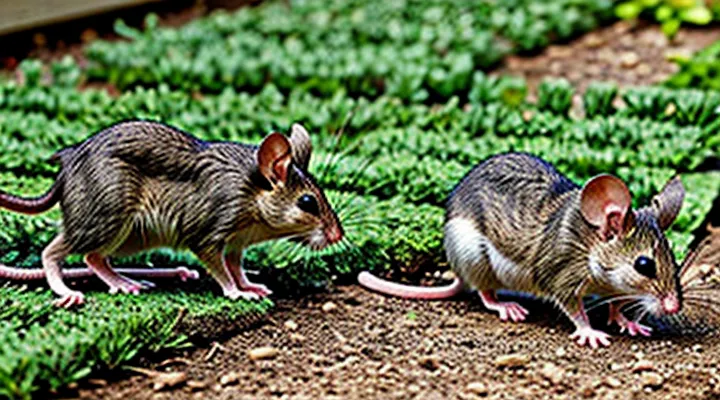
Understanding the Threat: Why Mice are a Problem in the Garden
Signs of Mouse Activity
Visual Evidence of Damage
Mice leave unmistakable traces that confirm their presence and guide control measures. Typical signs include gnawed seed heads, shredded vegetable leaves, and exposed root crowns. Fresh droppings appear as small, dark pellets near plant bases or along tunnel entrances. Chewed bark on nearby shrubs and flattened soil mounds indicate active burrowing. Streaks of urine create a faint, ammonia‑like residue on foliage, often visible under close inspection.
Documenting damage improves decision‑making:
- Photograph each affected plant from multiple angles, capturing leaf loss, stem damage, and soil disturbance.
- Record the date, time, and weather conditions alongside each image to track activity patterns.
- Note the exact location within the plot (e.g., north‑west corner, 1 m from the tomato row) for targeted bait placement.
Visual evidence also helps evaluate intervention success. Compare pre‑treatment images with follow‑up photos after deploying traps, repellents, or habitat modifications. A reduction in gnaw marks, droppings, and tunnel entrances confirms that the mouse population is declining, allowing gardeners to adjust strategies promptly.
Droppings and Nests
Mice leave droppings and construct nests that signal active infestation and pose health hazards. Recognizing these signs enables targeted control measures.
- Droppings appear as small, dark, cylindrical pellets, typically 3–5 mm long, concentrated near food sources, pathways, and shelter sites.
- Fresh droppings are moist and may emit a faint, ammonia‑like odor; older droppings dry and crumble.
- Direct contact can transmit diseases such as hantavirus and salmonellosis; wear disposable gloves and a mask when handling.
- Remove droppings with a disposable paper towel, place in a sealed bag, and disinfect the area with a 1:10 bleach solution or a commercial rodent‑specific disinfectant.
- After cleaning, allow the surface to dry completely before re‑planting or applying mulch.
Nests consist of shredded plant material, shredded paper, or soft organic matter, often hidden under debris, within compost piles, or in dense vegetation. Their presence confirms breeding activity and predicts future population growth.
- Locate nests by tracing droppings back to clusters of nesting material; nests are typically 10–30 cm in diameter.
- Disrupt nests by removing and destroying the material; place it in a sealed container and dispose of it with regular trash.
- Apply a rodent‑approved repellent granule or diatomaceous earth around the disrupted site to deter immediate re‑occupation.
- Trim low‑lying foliage and clear garden waste to eliminate shelter opportunities.
- Install a physical barrier, such as fine‑mesh hardware cloth, around the perimeter of beds and raised planters, securing it at least 30 cm below ground level to block burrowing.
Implementing these actions eliminates existing droppings and nests while reducing the likelihood of re‑infestation, maintaining a clean and mouse‑free garden environment.
Risks Posed by Mice
Damage to Plants and Crops
Mice feed on tender shoots, leaves, fruits, and seeds, removing vital tissue and reducing photosynthetic capacity. Their gnawing creates wounds that expose plants to secondary infections, accelerating wilting and death.
- Consumption of seedlings and emerging sprouts eliminates the next generation of crops.
- Chewing of stems and petioles interrupts nutrient transport, causing stunted growth or collapse.
- Harvested fruits and vegetables develop bite marks, rendering them unsuitable for market or consumption.
- Burrowing in soil disturbs root systems, leading to reduced water uptake and increased susceptibility to drought.
- Excreta deposit pathogens that spread disease among neighboring plants.
The cumulative loss of biomass directly lowers yield potential and increases the cost of replanting. Visible damage also diminishes market value, as blemished produce fails quality standards.
Preventing mouse activity eliminates these losses, preserves plant vigor, and sustains productive output in garden plots.
Health Hazards to Humans and Pets
Mice inhabiting garden beds present direct health risks to both people and companion animals. Their droppings contain hantavirus, leptospirosis‑causing bacteria, and parasites such as Giardia, which can be transferred through contaminated soil or produce. Bites or scratches from rodents may introduce staphylococcal infections and allergic reactions. Urine and feces also attract insects that serve as secondary vectors for disease.
Key hazards include:
- Pathogen transmission – Hantavirus, leptospirosis, salmonella, and E. coli can enter the human body via ingestion of soil‑contaminated vegetables or through hand‑to‑mouth contact after gardening.
- Parasitic infestation – Mice carry fleas, mites, and tapeworm eggs; pets that hunt or ingest rodents are susceptible to tapeworm (Dipylidium caninum) and other internal parasites.
- Allergic sensitization – Proteins in mouse urine and dander may trigger asthma or allergic rhinitis in sensitive individuals.
- Food contamination – Rodent gnawing of stored seeds, compost, or harvested produce introduces bacterial load and spoilage, reducing the safety of garden yields.
Preventing these risks requires eliminating the rodent presence, securing food stores, and maintaining strict hygiene practices during and after garden work. Regular inspection for droppings, prompt removal of waste, and disinfection of contaminated areas are essential components of a safe garden environment.
Prevention: Creating a Mouse-Resistant Garden
Garden Design and Maintenance
Keeping the Area Tidy
A tidy garden plot reduces shelter and food sources that attract rodents. Removing debris, fallen fruit, and excess mulch eliminates hiding places and discourages mice from establishing nests.
Regular maintenance tasks include:
- Collecting fallen leaves and plant litter weekly.
- Trimming low vegetation to create a clear perimeter.
- Storing compost in sealed containers and turning it frequently.
- Disposing of harvest waste promptly, avoiding piles on the ground.
- Keeping garden tools and equipment off the soil surface.
Consistent cleanliness creates an environment where mice find few resources, making other control measures more effective and preventing reinfestation.
Pruning Overhanging Branches
Pruning overhanging branches directly reduces the shelter and travel routes that mice use to reach garden plots. When branches touch the ground or extend over planting beds, they create bridges that allow rodents to bypass ground-level barriers.
Removing these extensions eliminates easy access points and diminishes the cover mice rely on for protection from predators. The resulting exposure makes the garden environment less attractive to rodent activity.
- Identify branches within one foot of the soil surface or those that arch over vegetable rows.
- Cut branches back to a vertical position, leaving a clearance of at least 12 inches between foliage and the ground.
- Dispose of trimmed material away from the garden, preferably by burning or placing in sealed containers.
- Apply a mulch layer beneath the cut area to discourage burrowing and to seal any remaining gaps.
Schedule pruning at the start of the growing season and repeat after major growth spurts. Consistent clearance maintains a physical barrier that limits mouse movement and supports overall garden hygiene.
Securing Compost Bins
Securing compost bins is a critical step in preventing mice from colonizing a garden plot. Open or poorly sealed containers provide easy access to food residues, encouraging rodents to establish a foothold near valuable crops.
To protect the compost area, implement the following measures:
- Use a sturdy, lockable lid that fits tightly; metal or heavy‑duty plastic options resist chewing.
- Position the bin on a raised platform or concrete slab to eliminate direct ground contact.
- Install a perimeter barrier of fine mesh (¼‑inch gauge) around the bin, fastening it securely to the base.
- Keep compost moisture low by adding dry carbon material (e.g., shredded newspaper) after each addition of kitchen waste.
- Remove fruit skins, meat scraps, and oily foods that are especially attractive to mice.
- Conduct weekly inspections for signs of gnaw marks or nesting material; repair any breaches immediately.
- Place a natural deterrent, such as peppermint oil‑infused cotton balls, around the lid and barrier edges.
Regular maintenance reinforces the physical defenses and reduces food availability, thereby minimizing the likelihood of mouse infestation throughout the garden.
Exclusion Methods
Fencing and Barriers
Effective mouse control in a garden plot begins with physical exclusion. A well‑designed fence creates a barrier that prevents rodents from entering the planting area.
Select a material that mice cannot gnaw through. Galvanized steel mesh with openings no larger than ¼ inch blocks entry while resisting corrosion. Plastic or wooden fences are inadequate unless reinforced with metal strips along the lower edge.
Install the barrier at least 12 inches below ground level. Mice can burrow, so dig a trench around the plot, place the mesh, and backfill with soil to seal gaps. Overlap adjoining sections by 6 inches and secure with stainless‑steel staples or clamps to eliminate seams.
Ensure the top of the fence extends at least 12 inches above the soil surface. Mice can climb vegetation; a vertical extension deters climbing. Add a smooth overhang or a lip that angles outward, making it difficult for rodents to gain purchase.
Maintain the fence regularly. Inspect for holes, rust, or displacement after heavy rain or garden work. Repair damage promptly with the same mesh specifications to preserve integrity.
Consider supplemental barriers in high‑traffic zones. For raised beds, wrap the underside with hardware cloth and seal the bottom with a concrete slab or compacted gravel layer. This double barrier stops both climbing and digging.
By combining a tightly fitted, buried, and elevated fence with diligent upkeep, the garden plot remains inaccessible to mice, protecting crops without reliance on chemical controls.
Sealing Entry Points to Structures
Sealing all possible entry points is a critical step when trying to prevent rodents from accessing a garden plot. Gaps around foundations, doors, windows, and utility penetrations provide easy routes for mice. By eliminating these pathways, you reduce the likelihood of infestation and protect both plants and structures.
- Inspect the perimeter of the garden shed, greenhouse, and adjacent buildings for cracks larger than ¼ inch. Use a flashlight and a mirror to view hidden areas.
- Apply steel wool or copper mesh to small openings before covering them with caulk, expanding foam, or concrete. Rodents cannot chew through metal.
- Replace damaged weatherstripping on doors and windows. Choose a durable silicone or rubber seal that compresses tightly when closed.
- Seal gaps around pipe sleeves, vent pipes, and electrical conduits with a combination of foam sealant and metal flashing. Ensure the material adheres firmly to both the pipe and the surrounding wall.
- Install a self‑closing door latch on any external access doors. The latch must engage automatically when the door is shut, preventing mice from pushing it open.
- Check the roofline for openings around eaves, soffits, and vent covers. Fit metal flashing or mesh over vents and secure with screws to block entry while maintaining airflow.
After repairs, conduct a follow‑up inspection to confirm that all seals remain intact. Regular maintenance—reapplying sealant after severe weather or seasonal temperature changes—keeps the barrier effective over time.
Natural Deterrents
Repellent Plants
Repellent plants deter mice through scent, taste, or texture that the rodents find unpleasant. Incorporating such species into a garden plot reduces the likelihood of mouse activity without chemical interventions.
Commonly effective repellent plants include:
- Mint (Mentha spp.) – strong aromatic oils discourage foraging.
- Lavender (Lavandula angustifolia) – floral fragrance repels rodents and attracts beneficial insects.
- Garlic (Allium sativum) – sulfur compounds create an inhospitable environment.
- Marigold (Tagetes erecta) – bitter foliage and strong odor act as a natural deterrent.
- Rosemary (Rosmarinus officinalis) – resinous scent interferes with mouse olfactory cues.
- Catnip (Nepeta cataria) – contains nepetalactone, which repels mice while attracting cats.
Plant placement matters. Position repellent species along perimeter rows, near potential entry points, and intermix them with crops to create a continuous barrier. Maintain healthy growth by providing adequate sunlight, well‑drained soil, and regular pruning; stressed plants lose potency.
Companion planting enhances effectiveness. Pairing repellent herbs with vegetables such as carrots, lettuce, or beans limits mouse access while preserving crop yield. Rotate plantings annually to prevent habituation, as mice may adapt to static scents.
Soil amendment with shredded pine needles or cedar mulch adds a tactile deterrent, complementing the chemical defenses of repellent plants. Regularly inspect the garden for signs of activity—chewed stems, droppings, or burrows—and adjust plant density accordingly.
By selecting appropriate repellent species, arranging them strategically, and supporting plant vigor, gardeners can achieve sustained mouse suppression without resorting to traps or poisons.
Encouraging Natural Predators
Natural predators provide a reliable, chemical‑free means of reducing mouse populations in garden beds. Predatory birds, such as owls and barn owls, hunt rodents actively; ground‑dwelling snakes and foxes also contribute to population control. Beneficial insects, including predatory beetles and certain wasps, target mouse eggs and juveniles, adding another layer of pressure.
To attract and sustain these hunters, implement the following measures:
- Install nesting boxes or owl shelters at least two meters above ground, positioned near open fields for easy access.
- Place perches or platforms for hawks and kestrels on fence lines, ensuring unobstructed flight paths.
- Maintain a water source, such as a shallow birdbath, to encourage avian activity.
- Preserve hedgerows, brush piles, and stone piles as shelter for snakes and small mammals that prey on mice.
- Avoid broad‑spectrum insecticides that can harm beneficial insects and disrupt the food chain.
- Plant dense, low‑lying vegetation like thistles and clover to support insect predators and provide cover for ground predators.
Regular monitoring of predator activity confirms effectiveness. Adjust habitat features as needed to sustain a balanced ecosystem that naturally suppresses mouse incursions.
Eradication: Effective Mouse Control Strategies
Trapping Methods
Snap Traps
Snap traps provide a rapid, humane method for reducing mouse populations in garden beds. The mechanism consists of a spring‑loaded bar that snaps shut when the trigger is activated, delivering an instantaneous kill. Because the device kills instantly, it prevents prolonged suffering and eliminates the need for poison.
- Choose a trap made of sturdy plastic or wood; plastic models resist corrosion from soil moisture.
- Position traps perpendicular to the ground, with the trigger end facing the mouse’s travel route.
- Place traps along established runways, near the base of plants, or close to shelters such as mulch or compost piles.
- Bait with high‑protein items (peanut butter, sunflower seed butter, or small pieces of cooked meat) to attract wary mice.
- Secure traps with a small amount of soil or sand to prevent displacement by wind or rain.
Safety considerations are essential. Wear thick gloves when handling traps to avoid accidental activation. Keep traps out of reach of children and non‑target wildlife; consider using protective covers or placing traps inside low, fenced enclosures when necessary.
Maintenance involves checking traps daily. Remove captured mice, reset the spring, and replace bait if it becomes dry or contaminated. Replace any trap that shows signs of wear or loss of tension, as reduced force diminishes effectiveness.
When integrated with complementary tactics—such as eliminating food sources, sealing entry points, and employing natural predators—snap traps become a cornerstone of an overall rodent‑control program for garden plots. Their low cost, reusability, and immediate results make them a practical choice for gardeners seeking reliable mouse elimination.
Live Traps
Live traps provide a humane option for reducing mouse populations in garden beds. The devices capture rodents without killing them, allowing relocation away from cultivated areas.
Select traps made of sturdy wire mesh with a trigger mechanism sensitive enough to activate when a mouse enters. Size the opening to admit adult mice but exclude larger wildlife. Popular models include collapsible box traps and tunnel-style cages.
Effective deployment follows these steps:
- Position traps along established runways, usually close to the ground and near shelter such as mulch, stone piles, or plant stems.
- Bait each trap with high‑fat foods that attract mice: peanut butter, sunflower seeds, or bits of cheese. Apply a small amount to the trigger plate to ensure prompt activation.
- Set traps in the early evening when mice begin foraging. Check them at least twice daily to prevent stress or predation.
- Upon capture, transport the mouse at least 1 km from the garden to a suitable release site—preferably an uninhabited field with ample cover. Release the animal gently, facing away from the garden, and close the trap securely before returning it to the garden.
- Clean traps with hot water and mild detergent after each use to remove scent traces that could discourage subsequent captures.
Integrate live traps with complementary measures: eliminate food sources by harvesting fallen produce, store seed in sealed containers, and maintain a tidy perimeter to reduce shelter. Combining these practices with regular trap monitoring maximizes reduction of mouse activity while preserving garden integrity.
Placement and Baiting Techniques
Effective mouse control in a garden plot depends on precise trap placement and appropriate bait selection. Position traps where rodents travel, feed, or shelter; incorrect location reduces capture rates.
- Place devices along established runways, identified by gnaw marks, droppings, or cleared paths.
- Locate traps within 1–2 m of vegetable rows, compost bins, or seed storage.
- Set traps low to the ground, no higher than 10 cm, matching the mouse’s natural foraging height.
- Position near dense vegetation, mulch, or debris that offers concealment.
- Avoid areas exposed to direct sunlight or heavy rain, which diminish bait attractiveness.
Choose baits that appeal to mice while resisting spoilage. Preferred options include:
- Peanut butter mixed with oats, offering strong scent and texture.
- Small pieces of dried fruit or seed, providing carbohydrate source.
- Commercial rodent attractants formulated with amino acids, applied in thin layers.
- Rotate bait types weekly to prevent habituation.
- Secure bait to trap surface to prevent removal before capture.
Maintain the system by inspecting traps daily, removing captured rodents, and replenishing bait. If a trap remains inactive for 48 hours, relocate it to a new runway segment. Regularly clear debris around devices to preserve visibility and effectiveness.
Baits and Rodenticides
Types of Rodenticides
Rodenticides constitute the chemical component of any integrated mouse‑control program for garden beds. Selecting the appropriate class determines both efficacy and risk to non‑target organisms.
-
Second‑generation anticoagulants (e.g., brodifacoum, difethialone): inhibit vitamin K recycling, causing fatal internal bleeding after several days of feeding. Effective against established populations; require secure bait stations to prevent accidental ingestion by birds or pets.
-
Bromethalin: a neurotoxic agent that disrupts mitochondrial oxidative phosphorylation, leading to rapid paralysis and death. Suitable for indoor or sheltered outdoor use where bait exposure can be tightly controlled.
-
Zinc phosphide: releases phosphine gas upon contact with stomach acid, producing acute respiratory failure. Highly lethal, best applied in sealed bait boxes; unsuitable near edible crops due to residue concerns.
-
Cholecalciferol (vitamin D₃): induces hypercalcemia, resulting in kidney failure. Offers a slower mode of action, reducing bait aversion. Requires precise dosage to avoid toxicity in wildlife.
-
Sodium fluoroacetate (1080): interferes with the citric acid cycle, causing cardiac arrest. Restricted in many jurisdictions because of its broad toxicity profile; deployment limited to professional pest‑control services.
Each class demands strict placement of bait, regular monitoring of consumption, and compliance with local pesticide regulations. Combining chemical baits with habitat modification—removing debris, trimming vegetation, and installing physical barriers—enhances long‑term suppression while minimizing environmental impact.
Safe Application and Disposal
When treating a garden plot for mice, safety begins with selecting the appropriate product and handling it according to manufacturer instructions. Use only rodenticides approved for outdoor use, applying the minimum effective amount directly to targeted areas such as burrow entrances or feeding stations. Wear disposable gloves, a mask, and long‑sleeved clothing to prevent skin contact and inhalation. Apply bait on a platform that limits access to non‑target wildlife, and place it low to the ground to reduce exposure to birds.
After the treatment period, follow these disposal protocols:
- Collect all used bait stations, empty containers, and any contaminated soil in sealed, puncture‑proof bags.
- Dispose of the sealed bags at a licensed hazardous‑waste facility; do not place them in regular household trash.
- Clean tools and equipment with soap and water, then rinse with a dilute solution of sodium hypochlorite (1 % concentration) before wiping dry.
- Store any remaining unused bait in its original, unopened packaging, locked away from children and pets.
When using snap traps or live‑catch devices, handle them with gloves, release captured mice promptly if live‑catch, and sterilize the trap with a 70 % alcohol solution after each use. Dispose of dead rodents in a sealed bag, double‑bagged, and place in a municipal waste container designated for animal carcasses.
Document each application, noting the product batch number, location, and date. Retain records for at least one year to verify compliance with local regulations and to guide future interventions.
Risks to Non-Target Animals
Rodenticides pose the greatest danger to birds, reptiles, and beneficial insects. Anticoagulant baits can be ingested directly or through secondary poisoning when predators consume poisoned mice. To limit exposure, use tamper‑proof bait stations, place them at ground level away from nesting sites, and choose low‑toxicity formulations approved for limited non‑target impact.
Snap traps eliminate mice without chemicals but can capture small mammals, amphibians, or ground‑dwelling birds if set indiscriminately. Deploy traps in concealed, mouse‑active corridors, install trigger guards that release only when a rodent’s weight exceeds a specific threshold, and check devices daily to release unintended catches promptly.
Electronic or ultrasonic repellents emit frequencies that deter rodents but also affect pollinators and nocturnal insects. Position devices near the perimeter of the garden, not within flowering beds, and monitor insect activity to adjust placement if adverse effects appear.
Encouraging natural predators—owls, hawks, and snakes—reduces mouse numbers while supporting ecosystem balance. Install perches or nesting boxes designed for raptors, avoid using broad‑spectrum poisons that could harm these predators, and maintain habitat features that favor beneficial species.
General safeguards:
- Identify all wildlife that frequents the garden before implementing control measures.
- Select methods with the narrowest species specificity.
- Keep toxic substances out of reach of children and pets.
- Record any non‑target casualties to adjust tactics promptly.
By prioritizing targeted traps, secure bait stations, and habitat management, mouse control can proceed while minimizing collateral harm to other garden inhabitants.
Biological Control
Domestic Animals as Pest Control
Domestic animals can serve as a practical component of mouse management in garden plots. Cats, especially those with strong hunting instincts, reduce rodent activity by detecting and killing mice that enter the planting area. Dogs trained for scent work can locate burrows and disturb nesting sites, making the environment less attractive to rodents. Chickens and ducks forage for insects and small mammals; their constant movement and pecking break up mouse cover, lowering population density. Ferrets, when employed under controlled conditions, pursue mice through tunnels and flush them from hidden locations.
Effective integration of animals into a garden pest‑control program requires attention to several factors:
- Species suitability: Choose animals that thrive in the local climate and can coexist with garden plants without causing damage.
- Habitat provision: Install shelters, perches, or fenced enclosures that protect the animals while allowing access to the garden perimeter.
- Health management: Maintain vaccinations, parasite control, and regular veterinary checks to prevent disease transmission to humans or crops.
- Population control: Limit the number of animals to avoid overgrazing or excessive disturbance of soil structure.
- Monitoring: Record rodent sightings and damage levels before and after introducing animals to assess effectiveness and adjust the strategy.
When domestic animals are incorporated responsibly, they complement chemical and mechanical methods, creating a multi‑layered defense that reduces mouse pressure while preserving ecological balance in the garden.
Attracting Wild Predators
Wild predators provide a natural check on garden‑dwelling rodents. Their presence reduces mouse activity without chemical intervention, preserving soil health and plant vigor.
Common predators include owls, hawks, snakes, and foxes. Each species requires specific habitat features to feel secure and to hunt effectively.
Measures to attract and sustain predators
- Install perch poles or tall fence posts spaced 10–15 ft apart; owls and hawks use them to scan for prey.
- Preserve brush piles, stone heaps, and log stacks; these structures offer shelter for snakes and foxes.
- Plant native hedgerows or berry‑bearing shrubs; dense foliage provides nesting sites for raptors and cover for foxes.
- Maintain a water source such as a shallow trough or bird bath; reliable hydration encourages regular visits.
- Avoid routine pesticide sprays; chemical residues deter many predators and diminish their hunting efficiency.
- Limit garden lighting at night; low‑light conditions favor nocturnal hunters like owls and snakes.
By integrating these habitat enhancements, gardeners create an environment where wild carnivores can thrive, leading to sustained suppression of mouse populations.
Post-Extermination: Maintaining a Mouse-Free Garden
Continuous Monitoring
Regular Inspections
Regular inspections form the backbone of any mouse‑control program in a garden plot. Systematic checks reveal early signs of activity, allowing swift intervention before populations expand.
Key inspection tasks include:
- Scanning soil and mulch for fresh burrows, gnaw marks, and droppings.
- Examining plant stems, roots, and seed heads for bite damage.
- Inspecting garden structures such as trellises, fences, and storage sheds for entry holes.
- Monitoring water sources for chew‑damaged tubing or contaminated containers.
- Recording observations in a simple log: date, location, evidence type, and severity.
Frequency matters. Conduct a thorough walk‑through once a week during peak breeding periods (spring and early summer) and reduce to bi‑weekly in cooler months. Supplement weekly scans with daily spot checks of high‑risk zones, especially after heavy rain or irrigation, when mice are more active near moisture.
Tools that improve detection:
- Flashlight or headlamp to illuminate burrow entrances at dusk.
- Magnifying glass for identifying fine gnaw marks on seed pods.
- Disposable gloves for safe handling of droppings, reducing disease risk.
Documented findings guide targeted actions such as trap placement, habitat modification, or barrier reinforcement. Consistent record‑keeping also helps assess the effectiveness of control measures over time, informing adjustments to the overall mouse‑elimination strategy.
Early Detection of Reinfestation
Early detection of mouse reinfestation protects a garden plot from rapid damage. Regular visual checks along plant rows, at the base of stems, and near compost or mulch reveal fresh gnaw marks, droppings, or shredded material. Small, fresh droppings—about 3‑5 mm long and dark—indicate recent activity; older droppings darken and become crumbly. Inspecting soil surface after rain or irrigation often uncovers new burrow entrances.
Implement a monitoring schedule that includes:
- Daily walk‑throughs during peak activity periods (dawn and dusk) to spot fresh signs.
- Placement of snap or live‑capture traps at suspected entry points; check traps each morning and evening.
- Installation of low‑power motion‑activated cameras focused on known pathways; review footage weekly.
- Use of non‑toxic tracking powders or chalk dust along suspected runways; examine prints after 24 hours.
When signs appear, act immediately: reset traps, reinforce barriers, and remove attractants such as fallen fruit or excess moisture. Document each detection with date, location, and evidence type to identify patterns and adjust preventive measures accordingly. Continuous surveillance minimizes the window for population growth, ensuring long‑term protection of the garden ecosystem.
Long-Term Prevention Strategies
Crop Rotation and Garden Hygiene
Effective mouse control in a garden plot relies on disrupting food availability and eliminating shelter. Two proven measures are systematic crop rotation and rigorous garden hygiene.
Rotating crops prevents mice from establishing a predictable food source. By alternating species that mature at different times, you deny rodents a continuous supply of seeds, roots, and vegetative matter. The practice also reduces soil-borne attractants that develop under monoculture conditions.
Implement rotation by planning a three‑year cycle: leguminous plants in year 1, leafy greens in year 2, and fruit‑bearing crops in year 3. After each harvest, incorporate a short fallow period or a cover crop that is unpalatable to mice, such as clover or buckwheat. Record field locations to avoid repeating the same family in the same spot for at least two seasons.
Garden hygiene removes the environments where mice hide and breed. Regularly clear plant debris, fallen fruit, and excess mulch. Store compost, feed, and garden tools in sealed containers or elevated platforms to prevent access. Keep pathways free of overgrown vegetation and maintain a tidy perimeter around the plot.
Practical hygiene actions:
- Sweep beds after each harvest to eliminate residual kernels.
- Dispose of weeds and dead plants in a sealed bag, not on the soil surface.
- Trim grass and low shrubs within a one‑meter buffer around the garden.
- Use metal or concrete edging to block burrow entry points.
- Inspect and repair any gaps in fencing or garden structures weekly.
Combining disciplined crop rotation with meticulous sanitation creates an environment where mice find neither food nor refuge, thereby reducing their presence without reliance on chemical controls.
Community Approaches to Pest Control
Effective mouse control in garden plots often exceeds the capacity of a single gardener. Community‑wide strategies combine resources, knowledge, and coordinated actions to reduce rodent populations more reliably than isolated efforts.
Organized trap networks amplify capture rates. Neighbors agree on trap placement, share bait types, and rotate locations weekly to prevent habituation. A shared log records catches, dates, and trap conditions, enabling rapid assessment of hotspots and adjustment of bait strategies.
Education sessions improve compliance and safety. Local workshops demonstrate proper trap handling, safe bait selection, and sanitation practices that deter mice. Printed quick‑reference cards distributed to households reinforce key steps without requiring extensive reading.
Coordinated habitat modification limits shelter. Residents collectively clear dense groundcover, remove debris, and maintain compost bins with sealed lids. A schedule for communal clean‑up days ensures regular removal of potential nesting sites across the entire area.
Monitoring groups employ simple detection tools. Motion‑activated cameras or chew‑sensitive boards placed at strategic boundaries provide real‑time data on mouse activity. Weekly summaries circulated among participants guide targeted interventions before infestations spread.
Funding mechanisms sustain long‑term effort. Community funds, sourced from modest membership fees or local grants, purchase durable traps, bait supplies, and protective equipment. Transparent accounting builds trust and guarantees consistent availability of resources.
By integrating shared trapping, education, habitat management, monitoring, and financing, neighborhoods create a robust framework that minimizes mouse presence in garden plots while preserving the ecological balance of the shared space.