
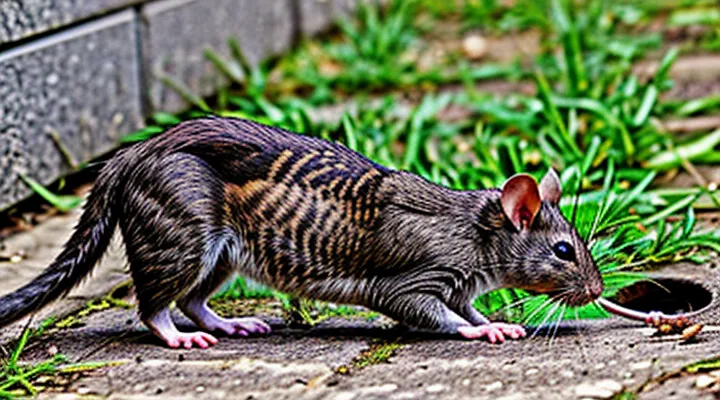
Understanding the Risks of Deceased Rodents
Health Hazards Associated with Dead Rats
Disease Transmission
Dead rodents can harbor a range of pathogens capable of infecting humans and other animals. When a rat dies, bacteria, viruses, and parasites may proliferate in its tissues and bodily fluids, increasing the risk of accidental exposure.
Common agents associated with deceased rats include:
- Leptospira spp. – bacteria transmitted through contact with urine or contaminated surfaces, causing leptospirosis.
- Hantavirus – virus present in lung tissue and excreta, capable of causing severe respiratory illness.
- Salmonella – bacterial infection spread by handling contaminated carcasses.
- Yersinia pestis – the plague bacterium, historically linked to rodent deaths.
- Fleas and mites – ectoparasites that can carry additional diseases such as murine typhus.
Transmission pathways are primarily:
- Direct skin contact with blood, tissue, or urine.
- Inhalation of aerosolized particles generated during necropsy or disposal.
- Ingestion of contaminated material, including dust that settles on food or surfaces.
- Vector bites from fleas or mites that have fed on the carcass.
Preventive measures require immediate containment and proper disposal. Wear gloves, protective eyewear, and a mask resistant to aerosols. Seal the carcass in a double‑layered plastic bag, then place it in a rigid container for incineration or approved landfill disposal. Disinfect the area with a solution containing at least 1 % bleach, allowing a contact time of ten minutes before cleaning.
Failure to follow these protocols can lead to outbreaks of zoonotic diseases, increased public health burden, and potential legal liabilities for property owners. Prompt, disciplined handling of dead rats eliminates the primary source of pathogen exposure and protects both human occupants and domestic animals.
Pests Attracted to Carcasses
Rodent remains create a nutrient source that quickly draws a range of opportunistic pests. Flies, especially houseflies and blowflies, locate the carcass within hours, lay eggs, and develop larvae that can spread pathogens to nearby surfaces. Beetles such as dermestids and hide beetles arrive to consume dried tissue, accelerating decomposition and generating additional waste. Ants are attracted to the protein and sugar residues, forming trails that may extend into kitchens or storage areas. Cockroaches exploit the moist environment, feeding on bodily fluids and increasing the risk of bacterial contamination. Scavenging mammals, including raccoons, opossums, and stray cats, are drawn by the scent, potentially entering residential zones and causing secondary damage.
Effective mitigation requires immediate removal and secure containment of the carcass. Recommended actions:
- Place the dead rodent in a sealed, puncture‑resistant bag.
- Store the bag in a locked trash container or refrigerate until disposal.
- Dispose of the sealed package at a licensed landfill or animal control facility.
- Clean the surrounding area with a disinfectant solution to eliminate residual attractants.
- Install physical barriers—such as screens and sealed entry points—to prevent pest ingress.
Monitoring after disposal is essential. Inspect for fly activity, ant trails, or signs of mammalian intrusion. Prompt reporting to pest‑control professionals can prevent infestation escalation.
Environmental Impact of Improper Disposal
Improper disposal of dead rodents introduces pathogens into the surrounding environment, allowing bacteria, viruses, and parasites to persist in soil and water sources. Decomposing tissue releases nutrients that can stimulate the growth of harmful microbial colonies, increasing the risk of disease transmission to humans, pets, and wildlife.
Contaminated runoff from burial sites or unsealed containers carries infectious agents into storm drains and natural waterways. This process elevates the probability of waterborne illnesses, such as leptospirosis and hantavirus infections, and can compromise the safety of drinking water supplies.
Uncontrolled decay attracts scavengers and insects, which may spread contaminants across a broader area. The presence of carrion also disrupts local ecosystems by altering predator–prey dynamics and encouraging the proliferation of nuisance species.
Key environmental consequences of neglecting proper rodent carcass management:
- Elevated pathogen load in soil and groundwater.
- Increased incidence of zoonotic disease outbreaks.
- Disruption of ecological balance through opportunistic species expansion.
- Degradation of water quality in municipal and natural systems.
Preparing for Disposal
Essential Protective Gear
Gloves and Masks
When dealing with the removal of a dead rodent, personal protective equipment (PPE) prevents direct contact with bodily fluids, bacteria, and potential allergens. Disposable nitrile gloves provide a barrier resistant to punctures and chemicals; they should be thick enough (at least 0.1 mm) to withstand tearing during handling. Latex alternatives are acceptable for individuals without allergies, while vinyl gloves offer lower protection and are unsuitable for high‑risk tasks. Replace gloves immediately if any breach occurs, and discard them in a sealed biohazard bag before laundering other items.
Masks protect the respiratory tract from aerosolized particles and odors released during disposal. An N95 respirator filters at least 95 % of airborne particles and is recommended for indoor work where the carcass may emit dust or droplet splatter. Surgical masks reduce exposure to larger droplets but do not filter fine aerosols; they are appropriate only when the environment is well‑ventilated and the risk of inhalation is minimal. Ensure a proper seal around the nose and mouth, and discard masks after a single use or when they become damp.
PPE checklist
- Nitrile gloves, size appropriate for hand, replace after each carcass.
- N95 respirator, fit‑tested, store in a clean container when not in use.
- Optional face shield for added splash protection.
- Sealable biohazard bag for contaminated gloves, masks, and any removed tissue.
- Hand sanitizer or soap for post‑removal hand hygiene.
Other Recommended Items
When dealing with the removal of deceased rodents, additional supplies enhance safety and effectiveness.
- Heavy‑duty disposable gloves (nitrile or latex) protect skin from pathogens.
- Sealable, puncture‑resistant biohazard bags prevent leakage and contain odors.
- Disinfectant solutions containing bleach (5 % sodium hypochlorite) or EPA‑approved sanitizers eliminate residual bacteria.
- Plastic or metal containers with tight‑fitting lids serve as interim storage before final disposal.
- Odor‑neutralizing agents, such as activated charcoal packets or enzyme‑based sprays, reduce foul smells during handling.
- Disposable shoe covers and disposable gowns add a layer of protection for clothing and footwear.
- A dedicated handheld flashlight with a sealed battery compartment aids visibility in low‑light areas without contaminating the tool.
- Contact information for licensed pest‑control or waste‑management services ensures proper hand‑off when professional disposal is required.
Tools and Materials for Collection
Bags and Containers
When handling deceased rodents, selecting appropriate bags and containers is critical for safety and compliance.
Heavy‑duty polyethylene bags, rated at least 6 mil thickness, resist puncture and leakage. Choose bags labeled “biohazard” or “animal waste” to meet regulatory requirements. Seal each bag using a zip‑lock or heat‑seal method; double‑seal if the animal is large or the bag is damaged.
Rigid containers provide additional protection. Preferred options include:
- Rigid plastic bins with snap‑tight lids, capacity 10–30 L, made of high‑density polyethylene.
- Metal drums with threaded caps, 20 L minimum, for large‑scale disposal or when chemical disinfection follows.
Both container types must be clearly marked with hazard symbols and the date of collection. Store sealed bags inside the container to prevent accidental exposure.
Before transport, verify that the container is sealed and that the bag inside remains intact. Place the container in a vehicle compartment separate from food or passenger areas.
Disposal follows local public‑health guidelines: deliver sealed bags or containers to licensed waste‑management services, or arrange for on‑site incineration where permitted. Retain documentation of pickup dates and service provider details for audit purposes.
Cleaning Supplies
When a rodent dies, the area around the carcass must be decontaminated promptly to prevent disease transmission and odor buildup. The selection of cleaning agents determines the effectiveness of the sanitation process and protects personnel from pathogenic exposure.
Recommended supplies include:
- Disposable gloves (nitrile or latex) for barrier protection.
- Protective eyewear to shield against splashes.
- Disposable absorbent pads or paper towels for initial fluid removal.
- Enzymatic cleaners that break down organic matter and neutralize odors.
- Disinfectants with proven efficacy against bacteria and viruses (e.g., 10% bleach solution, hydrogen peroxide, or EPA‑registered products).
- Sealable plastic bags for waste containment and disposal.
- Floor scrubbers or mop systems compatible with the chosen disinfectant.
Application procedure:
- Don protective gear before entering the contaminated zone.
- Use absorbent pads to blot any bodily fluids; discard pads in a sealed bag.
- Apply enzymatic cleaner to the affected surface, allowing the recommended contact time for breakdown of tissue residues.
- Rinse the area with clean water, then apply the disinfectant according to manufacturer instructions, ensuring full coverage.
- Allow the disinfectant to remain on the surface for the specified dwell period before wiping dry.
- Collect all disposable materials, place them in a sealable bag, and dispose of the bag according to local hazardous waste regulations.
Proper use of these cleaning supplies eliminates residual pathogens, eliminates foul odors, and prepares the environment for normal use. Routine documentation of the cleaning steps and the products used supports compliance with health and safety standards.
Step-by-Step Disposal Methods
Securely Bagging the Carcass
Double-Bagging Technique
When a rodent dies inside a building, the safest containment method is double‑bagging. This approach isolates the carcass, prevents leakage of fluids, and reduces the risk of pathogen spread.
- Choose two heavy‑duty polyethylene bags, each rated for at least 30 mil thickness.
- Place the dead animal in the inner bag, seal it by twisting the opening and securing with a zip‑tie or strong knot.
- Insert the sealed inner bag into the outer bag, repeat the twist‑seal, and reinforce the closure with another zip‑tie.
- Label the outer bag with “Dead Rodent – Biohazard” and record the date of collection.
After sealing, transport the double‑bagged package to a municipal waste facility that accepts animal carcasses, or dispose of it in a sealed trash container designated for hazardous organic waste. Do not place the package in regular recycling streams.
Maintain hand hygiene and wear disposable gloves throughout the process. Disinfect any surfaces that contacted the bags with a solution containing at least 1 % bleach or an EPA‑approved disinfectant. Record the disposal action in a log to ensure compliance with local health regulations.
Sealing and Labeling
Proper disposal of deceased rodents requires secure containment and clear identification. Sealing prevents leakage of fluids and exposure to pathogens, while labeling ensures that handlers recognize the biohazard nature of the material and follow appropriate protocols.
- Place the carcass in a sturdy, puncture‑resistant bag.
- Add a second, larger bag to create a double‑layer barrier.
- Remove excess air and tie both bags tightly.
- For added protection, apply a heat‑seal or tape over the outer knot.
Labeling must convey hazard status and disposal instructions without ambiguity. Use a biohazard sticker or tag that includes:
- The word “Biohazard” in bold, capital letters.
- Date of collection.
- Origin of the specimen (e.g., “Residential kitchen” or “Laboratory”).
- Contact information of the responsible party.
Color‑coded labels (e.g., orange for animal waste) assist quick visual assessment. All sealed packages should be stored in a designated, temperature‑controlled area until they are transferred to an authorized waste management service. Compliance with local health regulations depends on accurate sealing and labeling throughout the disposal chain.
Local Regulations and Guidelines
Checking with Local Authorities
When a rodent carcass is discovered, the first responsible action is to verify local regulations. Municipal health departments, pest‑control agencies, or environmental services typically define acceptable disposal methods and may require notification before removal.
- Determine the appropriate authority (city health office, county environmental agency, or waste‑management department).
- Locate contact details: phone number, email, or online portal.
- Provide essential information: exact location, date of discovery, and any observed hazards (e.g., disease signs, contamination).
- Ask for specific instructions: approved containers, collection schedules, or required permits.
- Record the response and any reference numbers for future reference.
Compliance with the issued guidance prevents legal penalties and ensures public‑health safety. Documentation of the interaction serves as evidence of due diligence should an inspection occur. If the authority mandates professional removal, arrange service promptly and retain receipts confirming proper disposal.
Specific Disposal Requirements
When a rodent dies inside a residence or commercial building, the disposal process must meet health‑safety standards and local regulations. Protective gloves, a disposable mask, and eye protection are required before any handling. The carcass should be placed in a sealable, puncture‑resistant bag, then double‑bagged to prevent leakage.
Key disposal methods include:
- Municipal landfill: Verify that the local landfill accepts animal carcasses; seal the double‑bagged specimen and label it as “dead rodent.”
- Incineration: Use a licensed incinerator or arrange service with a pest‑control company that offers on‑site burning. Ensure the fire reaches temperatures above 850 °C to destroy pathogens.
- Burial: Permitted only on private property where it does not violate zoning laws. Dig a minimum of 12 inches deep, place the sealed bag, and cover with soil and a layer of mulch to deter scavengers.
Documentation may be required by health authorities. Record the date, location, disposal method, and the person performing the task. Retain this log for at least 30 days in case of inspection. Failure to follow these requirements can result in fines, contamination of food areas, and increased risk of disease transmission.
Acceptable Disposal Options
Burial Considerations
When a rodent dies in a residential or commercial setting, burial can be a viable option if local regulations permit it. First, verify municipal codes or homeowner‑association rules; many jurisdictions restrict burial to private property with adequate distance from water sources, wells, and neighboring structures. Failure to comply may result in fines or health‑code violations.
Select a burial site that offers drainage and minimal exposure to traffic or pets. Dig a pit at least 12 inches (30 cm) deep, extending to 24 inches (60 cm) for larger specimens. Place the carcass in a biodegradable bag or container to prevent scavenger access and reduce odor. Cover the pit with the excavated soil, compacting each layer to eliminate air pockets that could attract insects.
Key considerations:
- Legal permission: obtain written confirmation if required.
- Depth: minimum 12 in., preferably 24 in. for complete containment.
- Container: use sealed, compostable material.
- Location: maintain 10 ft (3 m) distance from water lines, foundations, and high‑traffic areas.
- Soil compaction: press soil firmly to limit air flow and moisture retention.
After burial, monitor the site for signs of disturbance or foul odor. If any issues arise, relocate the remains to an approved disposal service.
Incineration (if applicable)
Incineration provides a rapid, pathogen‑free solution for eliminating dead rodents when large quantities or biohazard concerns make burial or composting impractical. The method reduces tissue to ash, eliminating disease vectors and preventing environmental contamination.
Applicable scenarios include institutional pest‑control programs, laboratory facilities, and municipal waste services that handle bulk carcasses. Viable only with access to certified incinerators capable of reaching temperatures above 850 °C, the technique complies with most health‑agency regulations for hazardous animal waste.
Typical incineration workflow:
- Collect carcasses in sealed, puncture‑resistant containers.
- Transport containers to the incineration site using PPE‑approved vehicles.
- Load containers into the incinerator’s feed chamber, ensuring even distribution.
- Initiate the burn cycle; maintain temperature and residence time per local guidelines.
- Verify complete combustion; allow ash to cool before removal.
- Dispose of ash in accordance with hazardous‑waste protocols.
Safety measures demand proper personal protective equipment, continuous monitoring of emissions, and documentation of batch numbers for traceability. Operators must follow fire‑safety codes, maintain ventilation systems, and retain records for regulatory audits. Non‑incineration alternatives should be considered when equipment is unavailable or when the volume of carcasses does not justify the process.
Professional Removal Services
Professional removal services specialize in safe handling of deceased rodents, eliminating health hazards and preventing contamination. Trained technicians wear protective gear, contain the carcass in sealed containers, and transport it according to local regulations. The process reduces exposure to pathogens such as hantavirus, leptospirosis, and salmonella, safeguarding residents and employees.
Key components of a professional service include:
- Inspection of the affected area to locate all remains and assess potential infestation.
- Use of disinfectants approved for zoonotic disease control.
- Secure packaging of the carcass for disposal in licensed waste facilities.
- Documentation of the removal, providing proof of compliance for property managers or insurers.
Choosing a reputable provider requires verification of licensing, insurance coverage, and adherence to municipal waste‑management statutes. Clients should request a written estimate that details labor, equipment, and disposal fees, and confirm that the company follows EPA‑approved decontamination protocols.
Engaging experts eliminates the need for DIY methods that often overlook proper containment, increase the risk of odor persistence, and may violate waste‑disposal ordinances. The result is a clean, compliant environment with minimal disruption to occupants.
Post-Disposal Sanitation
Cleaning the Contaminated Area
Disinfectant Choices
After a rodent carcass is removed, any surface that contacted the animal must be treated with a disinfectant capable of inactivating bacteria, viruses, and parasites.
- Sodium hypochlorite (bleach). Dilute to 1 % (approximately 5 % household bleach mixed with four parts water). Maintain wet contact for at least 10 minutes. Effective against most pathogens, including Salmonella and hantavirus.
- Hydrogen peroxide (3–6 %). Apply directly; allow 5–10 minutes of exposure. Suitable for porous and non‑porous surfaces, leaves no residue.
- Quaternary ammonium compounds. Use according to manufacturer’s label, usually a 0.1 % solution. Provide 5 minutes of contact. Compatible with metal, plastic, and wood.
- Enzymatic cleaners. Combine with a disinfectant for organic load breakdown. Follow product‑specific dilution; contact time varies from 5 to 15 minutes.
- Isopropyl alcohol (70 %). Apply to small, non‑absorbent areas; air‑dry for 30 seconds. Not suitable for large spills or heavily soiled surfaces.
Application must follow strict protocols. Wear gloves, goggles, and a respirator when handling concentrated solutions. Pre‑clean surfaces to remove blood, tissue, and feces; residual organic matter can neutralize many disinfectants. Apply the chosen solution uniformly, ensuring the entire area remains wet for the required contact period. Rinse with clean water only when the disinfectant label permits; otherwise allow surfaces to air‑dry.
Store disinfectants in sealed containers, away from heat and direct sunlight. Dispose of unused portions according to local hazardous‑waste regulations. Record the product used, dilution ratio, and exposure time for future reference and compliance audits.
Thorough Cleaning Procedures
After a rodent carcass is removed, the surrounding area must be decontaminated to eliminate pathogens, odor, and residue that can attract additional pests. Immediate action reduces health risks for occupants and prevents secondary infestations.
Key cleaning actions include:
- Wear disposable gloves and a mask; discard them after use.
- Remove visible debris with a paper towel; place the towel in a sealed plastic bag.
- Wash the surface with hot, soapy water; scrub thoroughly to dislodge organic matter.
- Apply an EPA‑registered disinfectant; follow the manufacturer’s contact time before wiping clean.
- Rinse the area with clean water; dry with disposable towels to prevent moisture buildup.
Select a disinfectant effective against bacteria such as Salmonella and E. coli, as well as viruses commonly associated with rodent waste. Verify that the product is safe for the material being treated and that ventilation is adequate during application.
After cleaning, seal all waste (gloves, towels, disposable wipes) in a double‑bagged container and dispose of it according to local hazardous waste regulations. Inspect adjacent spaces for signs of contamination and repeat the procedure if residues persist. Regular sanitation of storage areas, kitchens, and waste bins helps maintain a rodent‑free environment.
Preventing Future Infestations
Rodent-Proofing Your Home
Preventing rodent entry eliminates the need to manage carcasses inside the house. Seal every opening larger than a quarter‑inch; use steel wool, silicone caulk, or metal flashing to close gaps around pipes, vents, and utility lines. Install door sweeps on exterior doors and repair damaged weatherstripping. Keep exterior lighting low to discourage nocturnal pests from approaching.
Maintain a clean perimeter. Store firewood, compost, and trash at least three feet from the foundation and under a cover. Trim vegetation, shrubs, and tree branches so they do not touch the building. Remove debris, stone piles, and unused items that can serve as shelter.
Control interior attractants. Store food in airtight containers, clean crumbs and spills promptly, and use sealed garbage cans. Limit water sources by fixing leaks and drying sinks after use. Avoid pet food left out overnight.
Apply physical barriers. Fit mesh screens on vents, chimneys, and crawl spaces; choose openings no larger than ¼ in. Install hardware cloth under raised floors and around the basement perimeter. Consider a one‑time installation of a perimeter trench filled with concrete or metal flashing.
Monitor and maintain. Conduct monthly inspections of seals, screens, and traps. Replace worn materials promptly. Document any signs of activity—droppings, gnaw marks, or nesting material—to target reinforcement efforts.
By systematically eliminating entry points, removing attractants, and reinforcing structural defenses, homeowners create an environment where rodents cannot survive, thereby reducing the likelihood of encountering dead specimens that require disposal.
Eliminating Food and Water Sources
When a rat dies in a building, the most immediate threat is the attraction of other pests to the remaining food and water. Removing these resources stops scavengers from feeding on the carcass and prevents secondary infestations.
Identify all potential sources of nourishment. Common items include uncovered trash, pet food bowls, spilled grain, and standing water in sinks, bathtubs, or floor drains. Seal containers with tight‑fitting lids, transfer pet food to airtight bins, and clean any residue that may have leaked onto surfaces.
Implement a systematic sanitation routine:
- Remove garbage bags and replace them with new liners.
- Sweep and mop floors using a disinfectant solution.
- Wipe countertops, shelves, and appliances with a detergent followed by a sanitizer.
- Empty and clean pet water dishes; refill with fresh water after sanitizing.
- Inspect drainage traps; pour boiling water or a commercial drain cleaner to eliminate moisture.
After cleaning, monitor the area for signs of new rodent activity. Set up bait stations or traps only after all food and water sources have been secured, ensuring that any future carcasses can be dealt with without providing sustenance to other vermin.