
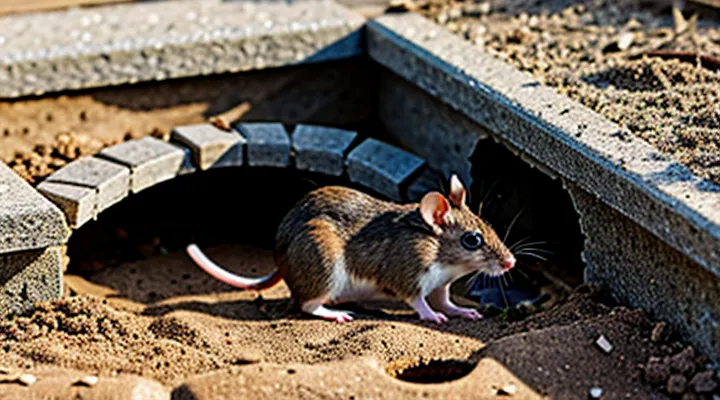
Understanding the Problem «Why Mice Dig Holes»
Identifying Signs of Mouse Activity «Beyond Just Holes»
Freshly Dug Holes «Characteristics and Location»
Freshly dug holes left by mice exhibit distinct physical traits. The soil surface appears loose, with a crisp, dark edge that has not yet been compacted by weather or foot traffic. The diameter typically ranges from 1 to 3 inches, matching the size of a mouse’s head and forepaws. Depth varies, often extending 2 to 4 inches below the surface, forming a shallow, conical cavity. Freshness is indicated by the absence of vegetation growth or erosion within the opening, and the soil may retain a faint scent of mouse urine.
These openings appear in predictable locations where mice seek shelter, food, or easy passage. Common sites include:
- Directly adjacent to building foundations, where structural gaps provide entry points.
- Along the perimeter of garden beds, especially near seedheads or compost piles.
- Under low-lying shrubs and groundcover, offering concealment from predators.
- In the vicinity of water sources such as irrigation lines, rain gutters, or leaking pipes.
- Near stored feed, grain, or debris piles that attract foraging activity.
Identifying the specific characteristics and typical placement of new mouse burrows enables targeted mitigation measures, reducing the likelihood of further excavation across the property.
Droppings and Tracks «Indicators of Presence»
Droppings and tracks serve as primary evidence of rodent activity on a property. Fresh droppings appear as small, dark pellets about the size of a grain of rice; older deposits may turn lighter and crumble when disturbed. Their typical locations include along walls, near food sources, and at the entrances to burrows. Consistent patterns of droppings indicate regular movement routes and help pinpoint active zones.
Tracks reveal the paths mice use to navigate the terrain. Visible footprints consist of tiny, four-toed impressions in soft soil or dust. A series of parallel tracks suggests a well‑established runway, while intersecting lines point to multiple access points. Scratches on surfaces, such as gnawed edges on wooden structures or scuffed marks on concrete, also confirm passage.
Identifying these signs enables targeted intervention. Focus control measures—traps, bait stations, or exclusion barriers—directly at the identified runways and nesting sites. Regular monitoring of droppings and tracks after treatment confirms the effectiveness of the response and highlights any remaining activity that requires further action.
Common Reasons for Digging «Mouse Behavior Explained»
Seeking Shelter «Protection from Predators and Elements»
Mice excavate tunnels to reach safe havens that shield them from predators and harsh weather. Supplying an artificial refuge that meets those needs reduces the incentive to dig in the yard.
Effective refuge design includes:
- Rigid walls that resist entry by cats, birds of prey, and snakes.
- Insulated roofing or covering material to block rain, snow, and extreme temperatures.
- Placement at ground level or slightly recessed to mimic natural burrow conditions while remaining visible for monitoring.
- Entry holes sized for mice but too small for larger predators.
Implementation steps:
- Survey the property for frequent digging sites, focusing on garden edges, compost piles, and low‑lying vegetation.
- Install shelters made from metal or heavy‑duty plastic, anchoring them to the soil to prevent displacement.
- Seal any gaps around the base with soil or wire mesh to eliminate secondary entry points.
- Record mouse activity for two weeks, adjusting shelter location if activity persists.
Maintenance routine:
- Inspect shelters weekly for damage, moisture buildup, or signs of predator interference.
- Remove or relocate shelters before the onset of winter to prevent accidental trapping of non‑target wildlife.
- Replace worn components promptly to preserve structural integrity.
Providing a predator‑proof, weather‑resistant shelter directly addresses the primary motivation behind mouse tunneling, thereby limiting the formation of new holes across the property.
Foraging for Food «Accessing Roots and Insects»
Mice excavate holes primarily to reach edible plant roots and ground‑dwelling insects, which provide protein, moisture, and easy calories. When roots are exposed at the soil surface and insects thrive in moist, organic mulch, the incentive to burrow escalates.
Root exposure can be minimized by:
- Removing low‑lying shrubs, weeds, and ornamental grasses whose taproots intersect the topsoil.
- Replacing deep mulch with shallow, inorganic ground cover such as gravel or crushed stone.
- Compacting soil around the perimeter of structures to create a hard layer that deters root penetration.
- Installing root barriers—plastic or metal sheets buried 12–18 inches deep—around garden beds and foundation walls.
Insect availability declines through:
- Prompt removal of fallen fruit, vegetable debris, and compost leaks that feed larvae.
- Applying targeted, low‑toxicity insecticides to soil zones where beetle larvae and grubs congregate.
- Enhancing drainage to prevent standing water, which supports larvae development.
- Using beneficial nematodes or predatory insects that naturally suppress pest populations.
An integrated approach combines habitat alteration with physical deterrents:
- Survey the property for zones where roots and insects intersect; prioritize those areas for barrier installation.
- Schedule quarterly inspections to detect early signs of burrowing and adjust mulch depth or barrier integrity accordingly.
- Employ motion‑activated sprinklers or ultrasonic devices near high‑traffic zones to discourage rodent activity without chemical reliance.
By systematically removing accessible roots and limiting insect prey, the primary motivation for mice to dig is eliminated, resulting in fewer holes and a more secure property.
Effective Strategies for Elimination and Prevention «Long-Term Solutions»
Integrated Pest Management «A Holistic Approach»
Inspecting Your Property «Identifying Entry Points and Habitats»
A thorough inspection of the premises is the first step in stopping rodents from creating tunnels. Walk the perimeter and examine every structure that contacts the ground. Look for gaps wider than a quarter‑inch, cracks in foundations, loose siding, damaged vents, and openings around utility lines. Seal each opening with steel wool, cement, or hardware cloth before rodents can exploit it.
Identify areas that provide shelter and food. Typical habitats include:
- Piles of leaf litter, mulch, or compost situated near buildings.
- Dense vegetation, brush, and stacked firewood that create cover.
- Unsecured garbage containers, pet food, or spilled grain.
- Underground utilities, crawl spaces, and drainage systems that remain damp.
Assess the condition of drainage. Standing water or poorly graded soil encourages burrowing activity. Regrade slopes to direct water away from structures, and repair any broken pipe or sewer line that may offer a moist tunnel.
Document every defect, rank it by ease of access for rodents, and prioritize repairs. A systematic approach eliminates entry points, removes attractive habitats, and reduces the likelihood of new ground tunnels forming on the property.
Sealing Entry Points «Blocking Access to Structures»
Sealing gaps that allow mice to reach buildings is the most reliable way to stop burrowing activity on a property. Identify all potential openings in foundations, walls, and utility penetrations before applying any barrier.
Typical entry points include:
- Cracks in concrete or masonry, ranging from hairline fissures to larger gaps.
- Gaps around pipes, cables, and vent stacks.
- Openings under doors, windows, and garage doors.
- Unfinished crawl‑space access points.
For each opening, use a combination of durable materials:
- Clean the surface of debris and loose material.
- Insert steel wool or copper mesh into the gap; these materials are resistant to chewing.
- Apply a high‑quality, rodent‑proof sealant (silicone, polyurethane, or acrylic caulk) over the filler, ensuring a smooth, airtight finish.
- For larger cracks, fill with hydraulic cement or epoxy mortar before sealing with caulk.
- Cover vents and larger openings with hardware cloth (¼‑inch mesh) secured with screws and sealed with weather‑resistant tape.
Regularly inspect sealed areas after heavy rain or seasonal temperature changes, repairing any new damage immediately. Maintaining an unbroken barrier eliminates the need for reactive control measures and protects structures from future mouse intrusion.
Trapping and Baiting «Direct Control Methods»
Types of Traps «Snap, Live, and Electronic»
Mice that burrow beneath a property require immediate control measures to prevent structural damage and contamination. Selecting the appropriate trap type determines the speed and reliability of eradication.
-
Snap traps – spring‑loaded devices that deliver a lethal strike. Ideal for high‑traffic zones such as entry points and along walls. Advantages include rapid kill, low cost, and easy disposal. Disadvantages involve occasional misfires and the need for careful placement to avoid non‑target capture.
-
Live traps – cage‑style enclosures that capture rodents unharmed. Suitable for areas where humane removal is preferred or where pets and children are present. Benefits consist of reuse, compliance with animal‑welfare regulations, and the ability to relocate captured mice. Drawbacks include the requirement for frequent checking, potential stress to the animal, and the risk of escape if not sealed correctly.
-
Electronic traps – battery‑powered units that emit a high‑voltage shock upon entry. Effective for indoor and sheltered outdoor locations. Strengths are immediate kill, no mess, and built‑in safety sensors that reduce accidental activation. Limitations involve higher initial expense and reliance on power sources.
Proper deployment includes positioning traps adjacent to active tunnels, near food sources, and at known entry points. Regular inspection and prompt removal of captured mice maintain trap efficacy and discourage re‑infestation. Combining multiple trap types can address varying mouse behaviors and increase overall success in eliminating burrowing activity.
Strategic Placement of Traps «Optimizing Effectiveness»
Effective trap deployment hinges on understanding mouse movement patterns and habitat preferences. Mice travel along established runways, often near food sources, water, and shelter. Positioning traps directly on these pathways maximizes contact rates and reduces the time required to halt tunneling activity.
Identify high‑traffic zones by observing fresh gnaw marks, soil displacement, and droppings. Place snap or electronic traps perpendicular to the runway, with the trigger end facing the direction of travel. Align the trigger mechanism with the mouse’s natural approach angle to ensure reliable activation.
Implement a systematic grid:
- Divide the property into 10‑meter squares.
- Within each square, locate the most evident runway.
- Install one trap per runway, spaced no more than 12 inches apart.
- Mark each trap’s position for regular inspection.
Maintain trap efficacy by rotating placements every 48 hours. Relocate any inactive devices to adjacent runways to prevent bait fatigue and encourage continued engagement. Replace bait with fresh, high‑protein items such as peanut butter or dried insects to sustain attraction.
Monitor capture data daily. Record the number of catches per trap and adjust density accordingly: increase placement in zones with low capture rates, decrease where saturation occurs. This feedback loop refines the distribution, ensuring resources target the most problematic areas.
Finally, integrate trap placement with complementary measures—soil sealing, vegetation trimming, and exclusion of entry points—to create a cohesive barrier that discourages further digging and sustains long‑term rodent control.
Safe Use of Baits «Considering Pets and Children»
When rodents damage soil, baiting remains an effective control, but the presence of pets and children demands strict safety measures.
Choose baits formulated for limited exposure. Anticoagulant blocks require only a single dose to be lethal; non‑anticoagulant options, such as zinc phosphide, release toxic gas only when ingested by target species, reducing accidental poisoning. Verify product labels for “child‑ and pet‑safe” certifications and follow manufacturer dosage instructions precisely.
Placement strategies minimize risk:
- Position stations in sealed containers with one‑way entry slots that allow mice but prevent larger animals from accessing the poison.
- Mount stations on poles or fences at least 3 feet above ground and 4 feet away from walls, decks, and play areas.
- Use tamper‑resistant bait boxes equipped with lockable lids; store keys out of reach of children.
Secure the environment:
- Inspect the perimeter for gaps where pets could crawl underneath bait stations; seal openings with metal flashing or concrete.
- Keep outdoor toys, food bowls, and feeding stations clear of bait zones.
- If indoor baiting is necessary, place stations in utility closets or garages, locked and labeled.
Monitor and maintain:
- Check stations daily for consumption levels and signs of non‑target interference.
- Replace depleted units promptly; discard used bait according to local hazardous‑waste regulations.
- Record observations to adjust placement density and reduce overall bait quantity.
In case of accidental contact, act immediately:
- Remove the animal from the area, keep it calm, and contact a veterinarian or poison control center with the exact product name and amount involved.
- Wash exposed skin with soap and water; for ingestion, do not induce vomiting without professional guidance.
Combining these precautions with regular habitat modification—such as eliminating food sources, sealing entry points, and maintaining clean landscaping—provides a comprehensive, low‑risk approach to stopping rodent burrowing while protecting vulnerable family members.
Natural Deterrents and Repellents «Eco-Friendly Options»
Planting Mouse-Repelling Flora «Mint, Lavender, and Marigolds»
Planting aromatic and bitter-tasting herbs around the perimeter of a yard creates a natural barrier that discourages rodents from entering and excavating. Mint, lavender, and marigolds emit scents and flavors mice find unpleasant, reducing the likelihood of burrowing activity near structures and garden beds.
- Mint (Mentha spp.) – releases a strong menthol aroma that interferes with mouse olfactory receptors. Plant dense patches in low‑lying areas, especially where soil moisture is high, to maximize leaf coverage. Contain roots with edging or plant in containers to prevent invasive spread.
- Lavender (Lavandula angustifolia) – produces volatile oils such as linalool that act as repellents. Position mature shrubs in sunny spots with well‑drained soil; prune regularly to maintain airflow and scent diffusion.
- Marigolds (Tagetes spp.) – contain thiophenes that deter insects and rodents alike. Sow seeds along fence lines and around the foundation of outbuildings; thin seedlings to a spacing of 12 inches for optimal foliage density.
Successful implementation requires proper site preparation. Loosen soil to a depth of 6–8 inches, incorporate organic compost, and ensure a pH between 6.0 and 7.0 for mint and lavender, while marigolds tolerate slightly more acidic conditions. Water plants consistently during the establishment period, then reduce frequency to encourage deep root growth and aromatic compound production.
Maintenance practices sustain repellent effectiveness. Harvest mint leaves weekly to prevent flowering, which diminishes oil concentration. Trim lavender after blooming to stimulate fresh growth and preserve oil levels. Deadhead marigolds every two weeks to extend bloom duration and maintain strong scent emission.
Integrating these flora with physical deterrents—such as steel mesh around foundations and regular removal of debris—produces a comprehensive strategy that limits mouse tunneling without reliance on chemical poisons. Continuous monitoring of rodent activity and periodic replanting ensure the botanical barrier remains functional throughout the growing season.
Using Essential Oils «Peppermint and Clove Oil Applications»
Peppermint oil repels rodents through its strong menthol scent, which overwhelms the mice’s olfactory receptors and discourages them from entering treated zones. Clove oil contains eugenol, a compound toxic to small mammals at low concentrations, creating an inhospitable environment for burrowing activity.
Application protocol
- Mix 10 ml peppermint essential oil with 1 liter water; add 5 ml liquid soap as an emulsifier.
- Combine 5 ml clove oil with the same solution; stir thoroughly.
- Transfer the mixture to a spray bottle.
- Apply liberally around the perimeter of the property, focusing on known entry points, garden beds, and areas where soil disturbance is evident.
- Reapply every 48 hours during active seasons; increase frequency to daily after heavy rain or irrigation.
Safety considerations
- Conduct a spot test on vegetation; dilute further if leaf burn occurs.
- Wear gloves and eye protection during mixing to avoid skin irritation.
- Keep containers out of reach of children and pets; clove oil can be harmful if ingested.
Integration with other measures
- Seal cracks and gaps in foundations before treatment; oil barriers lose effectiveness if mice can bypass them.
- Place steel mesh (¼‑inch) beneath garden beds to prevent tunneling; the oil serves as a deterrent for any remaining attempts.
- Maintain a clean yard—remove food waste and store compost in sealed containers—to reduce attractants that could override the scent repellent.
Consistent application of the described peppermint‑clove blend, combined with structural exclusion and sanitation, markedly reduces the incidence of mouse‑created holes across a property.
Sonic and Ultrasonic Devices «Effectiveness and Limitations»
Sonic and ultrasonic emitters are marketed as non‑chemical tools for deterring mice that create burrows in soil. The devices generate sound waves above the audible range for humans, aiming to cause discomfort or disorientation in rodents. Laboratory trials show a measurable reduction in activity when emitters are placed within 3 m of entry points and operated continuously for at least 24 hours. Field reports confirm short‑term declines in new hole formation on well‑maintained lawns, especially when devices are paired with physical barriers.
Effectiveness depends on several factors:
- Frequency band: 20–30 kHz targets adult mice; 30–50 kHz is more effective against juveniles.
- Power output: devices delivering ≥90 dB SPL at the source maintain sufficient intensity after ground attenuation.
- Placement: emitters positioned at ground level near known runways achieve the highest coverage.
- Ambient noise: high levels of background sound (e.g., traffic, irrigation) diminish perceived intensity for rodents.
Limitations are inherent:
- Habituation: mice exposed to constant ultrasonic fields develop tolerance within 5–7 days, reducing deterrent impact.
- Soil composition: dense clay absorbs ultrasonic energy more rapidly than sandy loam, limiting reach.
- Weather exposure: rain and wind scatter sound waves, requiring sheltered mounting or supplemental power.
- Non‑target effects: some beneficial insects detect ultrasonic frequencies, potentially disrupting local ecosystems.
- Regulatory constraints: certain jurisdictions restrict the use of high‑intensity ultrasonic equipment on residential properties.
In practice, ultrasonic devices function best as part of an integrated management plan that includes habitat modification, exclusion of entry points, and periodic device rotation to prevent habituation. Relying solely on sound emitters rarely eliminates mouse burrowing across an entire property.
Habitat Modification «Making Your Property Less Attractive»
Eliminating Food Sources «Securing Garden Produce and Pet Food»
Mice are attracted to readily available food. Removing these incentives prevents them from excavating tunnels around the property.
Secure garden produce by harvesting promptly, storing surplus in sealed containers, and installing fine‑mesh netting over rows. Compost bins must have tight lids and be positioned away from structures. Remove fallen fruit and vegetables daily to eliminate scattered crumbs.
Pet food requires the same discipline. Place dry kibble in metal or heavy‑duty plastic containers with airtight seals. Feed pets only the amount needed for each meal and clear the feeding area of spills immediately. Wet food should be served in shallow dishes that can be emptied and washed after each use.
Additional measures reinforce food protection:
- Elevate bird feeders and attach squirrel‑proof cages; clean trays regularly.
- Keep trash cans under lockable lids and store them in a shed or garage.
- Inspect storage sheds for gaps; seal openings with steel wool or metal flashing.
Consistent application of these practices deprives mice of nutrition, reducing the motivation to dig and limiting population growth on the land.
Removing Debris and Clutter «Reducing Hiding Spots»
Debris and clutter provide mice with shelter, nesting material, and routes to the soil. When these elements are eliminated, rodents lose safe pathways and are forced to seek exposure, which reduces the likelihood of burrowing activity on a property.
- Remove leaf piles, wood chips, and compost heaps that are not actively managed.
- Trim vegetation that contacts the ground, especially dense shrubs and low‑lying branches.
- Store firewood, building supplies, and garden tools off the soil surface, preferably on pallets or in sealed containers.
- Clear gutters and downspouts of accumulated organic matter that can serve as food sources.
- Dispose of broken pots, planters, and any loose stones that create micro‑habitats.
Regular inspection reinforces the initial effort. Walk the perimeter weekly, identify new accumulations, and address them promptly. Maintain a clean perimeter by sweeping walkways, raking mulch to a shallow depth, and keeping the ground free of exposed soil patches. Consistent removal of potential hideouts deprives mice of the conditions they need to dig, thereby supporting broader rodent‑control measures.
Proper Lawn and Garden Maintenance «Discouraging Burrowing»
Maintaining a healthy lawn and garden reduces the appeal of burrowing rodents by eliminating shelter and food sources. Regular mowing keeps grass at an optimal height, preventing dense cover that mice use for concealment. Removing weeds and tall ground cover creates an open surface that discourages digging.
Key maintenance actions include:
- Trimming edges and borders to expose soil, making tunnels visible and less stable.
- Aerating compacted areas to improve drainage, which deters moisture‑loving rodents from nesting.
- Applying a thin layer of mulch only around plants, avoiding thick piles that provide insulation for burrows.
- Removing fallen fruit, seeds, and debris that serve as attractants.
Consistent irrigation schedules prevent over‑wet conditions that soften soil and facilitate excavation. When watering, aim for deep, infrequent cycles to promote strong root systems and maintain firm ground.
Inspect the property weekly for fresh mounds or displaced soil. Promptly fill identified holes with compacted soil and a layer of gravel or sand to restore surface integrity. Repeating these steps sustains a hostile environment for mice, limiting their ability to create new passages across the land.