
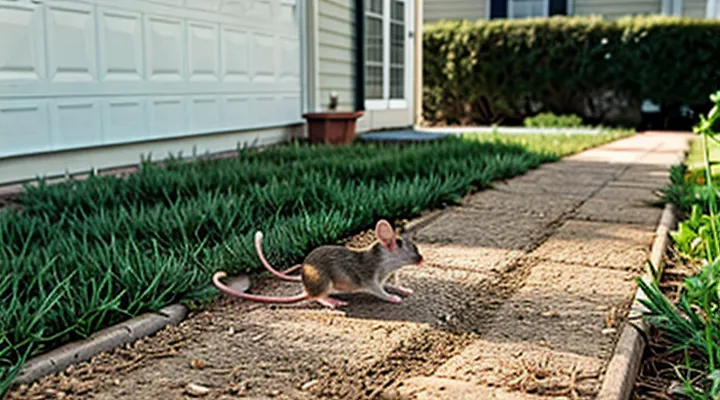
Understanding the Problem: Why Mice Invade Your Yard
Signs of a Mouse Infestation
Droppings and Gnaw Marks
Mouse droppings and gnaw marks provide the most reliable evidence of rodent activity in a yard. Recognizing these signs enables targeted intervention, reduces health hazards, and prevents further damage.
Droppings are typically 3‑5 mm long, dark, and pellet‑shaped. They accumulate in concealed areas such as under decks, in garden beds, and along fence lines. Presence of fresh droppings indicates recent activity; older droppings dry and become grayish. Direct contact with droppings can transmit pathogens, including hantavirus and salmonella. Immediate removal with disposable gloves, a sealed bag, and a disinfectant solution eliminates the infection risk.
Gnaw marks appear as clean, crescent‑shaped cuts on wood, plastic, and plant stems. Mice gnaw continuously to wear down ever‑growing incisors. Identifying gnaw patterns helps locate entry points and preferred pathways. Typical locations include:
- Base of fence posts
- Garden trellises
- Wooden mulch bins
- Wire mesh and netting
Addressing gnaw marks involves two steps: repair and exclusion. Fill holes with steel wool or copper mesh, then seal with caulk or wood filler. Replace damaged sections with metal or hardened plastic where possible, as mice cannot chew these materials.
Cleaning protocol:
- Wear disposable gloves and a mask.
- Collect droppings and gnaw‑damaged debris into a sealable container.
- Apply a 10 % bleach solution (1 part bleach to 9 parts water) to the container, let stand for 10 minutes.
- Dispose of the sealed container according to local hazardous‑waste guidelines.
By systematically documenting droppings and gnaw marks, homeowners can prioritize high‑risk zones, implement precise exclusion measures, and maintain a yard free of rodent damage.
Nests and Burrows
Mice create nests and burrows to shelter themselves, store food, and raise offspring. Recognizing these structures is essential for eliminating the infestation from a yard.
A nest typically consists of shredded material—paper, fabric, insulation—gathered in a concealed spot such as under decks, in garden sheds, or within dense vegetation. Burrows appear as a network of tunnels, often beginning at the ground surface and extending several feet underground. They may be identified by loose soil, visible entry holes, and fresh droppings.
Effective control measures focus on disrupting these habitats:
- Locate all nests and burrow entrances by inspecting low‑lying vegetation, garden edges, and structural gaps.
- Remove nest material promptly; dispose of it in sealed containers to prevent re‑infestation.
- Seal burrow openings with heavy‑duty wire mesh or concrete, ensuring the barrier extends at least 2 inches below ground level.
- Apply a one‑time, EPA‑approved rodenticide or natural repellent directly into the tunnel system, following label instructions.
- Alter the environment to discourage reconstruction: trim grass and shrubs, eliminate debris piles, and store firewood off the ground.
Continuous monitoring after treatment confirms whether the mice have abandoned the area. If new activity emerges, repeat the inspection and sealing process until no signs of nests or burrows remain.
Tracks and Runways
Tracks and runways provide a physical means of directing mouse movement away from cultivated areas. By establishing continuous surfaces that channel rodents toward traps or exclusion zones, the animals encounter fewer hiding spots and are less likely to establish burrows in the yard.
- Install low‑profile, rigid strips (plastic, metal, or hardened wood) along garden edges; gaps larger than 1 cm allow entry, so maintain tight seams.
- Lay linear pathways of coarse sand or gravel that lead from potential entry points to a designated capture area; mice prefer solid footing and will follow the defined route.
- Deploy elevated runways made of narrow wooden planks or metal grates above ground level, connecting the yard’s perimeter to a fenced off zone; elevation discourages burrowing while providing a clear travel corridor.
- Combine tracks with scent deterrents by applying peppermint oil or ammonia-soaked cotton at regular intervals along the pathway; the odor reinforces the physical barrier.
- Replace soft mulch near foundations with stone or crushed rock, creating an inhospitable surface that forces movement onto the installed tracks.
Maintaining uninterrupted continuity of these structures prevents mice from bypassing the system. Regular inspection for wear, displacement, or vegetation overgrowth ensures the pathways remain effective in guiding rodents away from the yard.
Risks Associated with Yard Mice
Property Damage
Mice infiltrating a yard can compromise structures, furnishings, and utilities, creating costly repairs that outweigh the expense of preventive measures. Their gnawing habit targets soft materials such as wood, insulation, and wiring, leading to weakened support beams, exposed electrical circuits, and increased fire risk. Damage to irrigation systems, garden tools, and storage sheds reduces functionality and may require replacement of hoses, pumps, or metal components corroded by urine.
Typical manifestations of rodent‑induced property damage include:
- Structural compromise: gnawed joists, rafters, and door frames.
- Electrical hazards: chewed insulation exposing live wires, short circuits, and potential overloads.
- Plumbing interference: burrowed tunnels near water lines causing leaks or contamination.
- Material degradation: shredded fabrics, insulation, and stored goods contaminated with droppings and urine.
- Landscape disruption: burrows destabilizing soil, damaging plant roots, and creating uneven terrain.
Identifying early signs prevents escalation. Look for fresh gnaw marks, shredded insulation, bite holes in plastic or rubber, and small piles of droppings near food sources. Audible evidence, such as scratching in walls or under decks, also indicates active infestation.
Effective mitigation focuses on eliminating access points, securing food storage, and employing targeted deterrents. Seal cracks larger than ¼ inch, install metal flashing around foundation vents, and use chew‑resistant materials for vulnerable components. Trapping and baiting, when applied according to local regulations, reduce population density and limit further damage. Regular inspections after treatment verify that repairs remain intact and that rodent activity does not resume.
Investing in these preventive actions protects structural integrity, maintains electrical safety, and preserves the usability of outdoor equipment, ultimately reducing the financial impact of mouse‑related property damage.
Disease Transmission
Mice inhabiting residential yards serve as carriers of pathogens that can enter homes, contaminate food, and affect human health. Direct contact with mouse droppings, urine, or saliva introduces bacteria, viruses, and parasites into the domestic environment.
- Hantavirus – transmitted through inhalation of aerosolized urine or droppings, leading to severe respiratory illness.
- Salmonella – spread by ingestion of contaminated food or surfaces, causing gastrointestinal infection.
- Leptospira – bacteria released in urine, capable of penetrating skin abrasions and causing systemic disease.
- Lymphocytic choriomeningitis virus (LCMV) – acquired from exposure to mouse excreta, potentially resulting in neurological symptoms.
- Tapeworms (Hymenolepis spp.) – eggs shed in feces, ingested accidentally, leading to intestinal infestation.
Removing rodents from outdoor spaces interrupts these transmission pathways. Physical barriers, such as sealing entry points and installing sturdy fencing, prevent mice from accessing shelter and food sources. Trapping and humane removal reduce population density, limiting environmental contamination. Chemical deterrents, applied according to label instructions, create an inhospitable zone that discourages re‑entry. Regular sanitation—clearing debris, storing feed in sealed containers, and promptly disposing of waste—eliminates attractants that sustain mouse activity.
Implementing these measures lowers the risk of disease exposure for occupants and pets. Consistent monitoring and maintenance of exclusion tactics ensure long‑term protection against pathogen spread associated with yard‑dwelling rodents.
Garden and Crop Destruction
Mice infiltrate gardens and fields, compromising plant health and harvest yields. Their activities include seed consumption, root gnawing, and contamination of produce with droppings and urine, which introduces pathogens and reduces marketability. Damage often appears as irregular bite marks on seedlings, exposed root systems, and visible trails of gnawed foliage.
Key impacts of rodent activity:
- Direct loss of seedlings and mature plants through feeding.
- Disruption of root structures, leading to stunted growth and increased susceptibility to disease.
- Contamination of edible parts, rendering crops unsuitable for consumption.
- Attraction of secondary pests, such as insects drawn to wounded tissue.
Identifying mouse presence early prevents extensive loss. Look for fresh droppings near plant bases, gnaw marks on stems, and occasional nesting material composed of shredded leaves or plant fibers. Soil disturbance and shallow tunnels indicate burrowing activity that can undermine plant stability.
Effective control measures target these destructive behaviors. Physical barriers, such as fine mesh around seed beds, block entry. Habitat modification—removing debris, trimming overgrown vegetation, and securing compost—reduces shelter options. Trapping and baiting, applied according to local regulations, directly reduce population pressure. Integrating these tactics curtails garden and crop destruction, preserving both aesthetic value and agricultural productivity.
Prevention: Making Your Yard Unattractive to Mice
Eliminating Food Sources
Proper Storage of Pet Food
Proper storage of pet food directly influences rodent activity in outdoor spaces. Exposed kibble or wet food emits scent trails that guide mice to a yard, undermining any deterrent measures.
Key practices for securing pet nutrition:
- Keep dry food in airtight containers made of heavy‑wall plastic or metal; seal lids tightly after each use.
- Store wet food in sealed, refrigerated units and discard leftovers within two hours.
- Place containers on elevated, non‑porous surfaces away from garden beds and compost piles.
- Rotate stock regularly; use older packages first to avoid prolonged exposure.
- Clean feeding areas after each meal, removing crumbs and spills immediately.
Implementing these steps eliminates food sources that attract mice, enhancing the effectiveness of exclusion techniques and maintaining a hygienic environment for both pets and homeowners.
Securing Trash Bins
Mice are drawn to yard trash bins because food residues and odors provide easy nutrition. Unsecured containers allow rodents to enter, scavenge, and multiply, undermining any other deterrent measures.
- Choose bins with tight‑fitting lids that lock or snap shut.
- Install a rubber gasket around the lid to block small entry points.
- Position bins away from walls and vegetation to reduce shelter options.
- Clean bins regularly; rinse with hot water and a mild detergent after each collection.
- Use metal or heavy‑duty plastic bins that resist chewing.
- Cover the top of the bin with a metal mesh or fine wire screen if a lid lock is unavailable.
- Secure the bin to a fixed post or stake with zip ties or metal brackets to prevent it from being tipped over.
Implementing these actions eliminates a primary food source, decreasing mouse activity throughout the yard.
Harvesting Garden Produce Promptly
Timely removal of ripe vegetables and fruits eliminates food sources that attract rodents. Harvesting as soon as produce reaches maturity reduces scent trails and visual cues that mice use to locate sustenance. The practice also limits seed dispersal, preventing new growth that could shelter pests.
Key actions for prompt garden collection:
- Inspect plants daily; pick items that have reached full color or size.
- Use clean, sealed containers for transport to prevent odor leakage.
- Store harvested produce in a cool, dry area away from the yard perimeter.
- Remove fallen fruit, leaves, and debris immediately after picking.
- Dispose of waste in sealed bags or compost bins with tight-fitting lids.
Implementing these steps creates an environment with minimal edible remnants, discouraging mice from establishing foraging routes. Consistent execution reinforces deterrence without reliance on chemical or mechanical controls.
Removing Shelter and Hiding Spots
Trimming Overgrown Vegetation
Overgrown plants create concealed pathways and nesting sites that attract mice. Removing excess foliage eliminates shelter, forcing rodents to seek less protected areas.
- Cut grass to a height of 2–3 inches on a weekly schedule during the growing season.
- Prune shrubs to a shape that prevents dense interior growth; keep branches at least 12 inches apart.
- Clear away leaf litter, fallen branches, and tall weeds around the perimeter of the yard.
- Dispose of trimmed material in sealed bags or compost bins located away from the property.
Maintain a consistent trimming regimen throughout spring and summer, when mouse activity peaks. Regular mowing discourages new growth that could quickly restore hiding places.
A tidy landscape also reduces food sources such as seeds and insects, further limiting the attractiveness of the yard to rodents. The combined effect of vegetation control and habitat disruption significantly lowers mouse presence without chemical intervention.
Clearing Debris and Clutter
Removing excess material from a yard reduces shelter opportunities for mice and forces them to seek alternative habitats. A clean environment eliminates hiding spots, makes food sources less accessible, and discourages nesting.
Key actions for effective cleanup:
- Collect fallen leaves, twigs, and grass clippings; store them in sealed containers or dispose of them promptly.
- Trim overgrown vegetation and prune shrubs to create an open perimeter.
- Eliminate piles of wood, compost, or debris that could serve as burrow sites.
- Secure trash cans with tight‑fitting lids and relocate recycling bins away from the yard’s edge.
- Organize garden tools, ladders, and outdoor furniture to prevent gaps where rodents can conceal themselves.
Regular maintenance sustains the cleared condition. Sweep pathways weekly, inspect storage areas for accumulated litter, and repair any cracks in foundations or fences that could provide entry points. Consistent application of these measures reduces mouse activity and supports long‑term yard hygiene.
Sealing Entry Points to Structures
Sealing all potential openings eliminates the pathways mice use to enter structures surrounding a yard, directly reducing the likelihood of re‑infestation.
Typical entry points include:
- Cracks in foundation walls and slab joints
- Gaps around utility pipes, cables, and vent pipes
- Openings beneath doors and windows, especially where weather‑stripping is absent
- Uncovered eaves, soffits, and roof vents
- Gaps in crawl‑space access doors or vents
Effective sealing materials are:
- Steel wool or copper mesh, compressed into gaps
- Expanding polyurethane foam for larger voids
- Cement or mortar for structural cracks
- Metal flashing and hardware cloth for vent openings
- Self‑adhesive weather‑stripping on doors and windows
Procedure for sealing:
- Conduct a systematic inspection of the building envelope, marking every visible gap.
- Remove debris and dry the area to ensure adhesion of sealants.
- Pack steel wool or mesh into narrow cracks, then apply foam or mortar to fill remaining space.
- Install metal flashing or hardware cloth over larger openings, securing with screws or staples.
- Apply weather‑stripping or door sweeps to all movable closures, testing for drafts.
Regular maintenance involves re‑examining all sealed points after severe weather or seasonal changes and repairing any deterioration promptly. Consistent application of these measures sustains a barrier that prevents mice from re‑entering the yard environment.
Natural Deterrents
Planting Mouse-Repelling Herbs
Planting mouse‑repelling herbs creates a natural barrier that discourages rodents from entering garden spaces. The scent and taste of certain plants are intolerable to mice, reducing the likelihood of burrowing and foraging.
Key herbs for rodent deterrence:
- Mint (Mentha spp.) – strong aromatic oils repel mice; plant in containers to prevent spreading.
- Lavender (Lavandula angustifolia) – fragrant flowers and foliage deter rodents and attract beneficial insects.
- Rosemary (Rosmarinus officinalis) – woody stems and pungent leaves are unpalatable to mice.
- Sage (Salvia officinalis) – robust aroma interferes with mouse scent trails.
- Thyme (Thymus vulgaris) – low‑growth herb releases volatile compounds that mice avoid.
Planting guidelines:
- Position herbs along perimeter fences, near entry points, and around compost bins where mice are attracted.
- Space plants 12–18 inches apart to ensure vigorous growth and optimal scent coverage.
- Use well‑draining soil and full sun exposure; most repellant herbs thrive in these conditions.
- Trim regularly to maintain strong aromatic output; pruning stimulates fresh leaf production.
- Replace harvested portions with new cuttings to keep the herb patch dense and effective year‑round.
Maintenance considerations:
- Monitor for invasive spread, especially mint, and confine roots with barriers or containers.
- Combine herb rows with physical deterrents such as wire mesh or gravel pathways for enhanced protection.
- Apply mulch sparingly; excessive organic matter can shelter mice and undermine the herb barrier.
Integrating these herb plantings into a broader rodent‑control strategy provides a sustainable, chemical‑free method for keeping mice away from yard environments.
Using Essential Oils
Essential oils act as a natural deterrent for rodents that forage in outdoor spaces. Their strong aromatic compounds interfere with mice’s scent trails and cause discomfort, prompting them to leave the area.
Effective application methods include:
- Peppermint oil – soak cotton balls in undiluted oil, place them at entry points, along fence lines, and near burrows; replace every 3–4 days.
- Eucalyptus oil – mix 10 ml with 1 liter of water, spray around the perimeter and in low‑lying vegetation; reapply after rain.
- Clove oil – combine 5 ml with 500 ml of carrier oil (e.g., almond); apply a thin layer on wooden structures and garden furniture.
- Citronella oil – disperse a few drops on petri dishes placed in hidden corners; refresh weekly.
For maximum efficacy, rotate at least two different oils every week to prevent mice from habituating to a single scent. Ensure oil‑treated materials are kept out of reach of children and pets, as concentrated oils can be irritant. Continuous monitoring and replacement of the deterrents maintain a hostile environment, encouraging mice to vacate the yard permanently.
Introducing Predators
Introducing natural predators is a proven strategy for reducing mouse activity in outdoor spaces. Predatory species create a hostile environment that discourages rodents from establishing nests or foraging near human habitations.
Key predators suitable for residential yards include:
- Domestic cats: agile hunters that patrol ground-level zones; ensure the animal is spayed/neutered and supervised to prevent unintended wildlife impacts.
- Barn owls (Tyto alba): nocturnal raptors attracted by nesting boxes; install a low-profile box on a pole or building eave, facing away from strong winds.
- Red-tailed hawks (Buteo jamaicensis): large birds of prey that patrol open fields; maintain open perches such as tall fence posts or tree branches to encourage visitation.
- Ferrets (Mustela putorius furo): small carnivores that pursue rodents through burrows; require secure enclosures and regular health checks.
- Snakes (e.g., corn snake, Pantherophis guttatus): natural mouse predators; keep habitat features like rock piles and log stacks to attract them, while confirming local regulations permit reptile keeping.
Implementation guidelines:
- Provide shelter: install predator-specific housing (cat shelters, owl boxes, snake hides) to encourage residence.
- Minimize alternative food sources: remove birdseed, compost, and debris that could sustain mice independent of predator presence.
- Monitor activity: use motion-activated cameras or track plates to assess predator effectiveness and adjust habitat features accordingly.
- Observe safety and legality: verify that introduced species are permitted in the jurisdiction and that they do not pose risks to children, pets, or protected wildlife.
When predators are integrated with complementary measures—such as sealing entry points and eliminating attractants—the overall pressure on mouse populations declines, leading to a noticeable reduction in rodent sightings and damage.
Effective Methods for Mouse Removal
Trapping Strategies
Live Traps
Live traps provide a humane alternative for removing mice from a yard. The devices consist of a cage with a trigger mechanism that closes the door when the animal enters. Their effectiveness depends on proper selection, placement, and maintenance.
- Choose a trap sized for the target species; a 1‑liter plastic or metal cage captures most yard mice without causing injury.
- Position traps along established runways, near wall edges, or beside food sources. Align the entrance with the direction the mouse typically approaches.
- Use bait that appeals to mice but does not attract larger predators. Peanut butter, rolled oats, or dried fruit applied to a small piece of cardboard works well.
- Set the trigger sensitivity according to the trap model. A lightly weighted trigger lever allows a mouse to activate the door with minimal force.
- Check traps at least twice daily. Prompt removal prevents stress and reduces the chance of escape.
- Release captured mice at least 200 meters from the yard, preferably in a wooded area with natural cover. Open the cage fully, ensure the animal exits quickly, and close the door to avoid re‑entry.
When multiple traps are deployed, stagger their placement to cover all probable pathways. Replace worn bait and inspect the trigger mechanism weekly to maintain reliability. Combining live traps with habitat modification—such as eliminating debris and sealing entry points—maximizes the overall reduction of mouse activity in the yard.
Snap Traps
Snap traps provide a rapid, humane solution for eliminating mice that have infiltrated a yard. The devices consist of a spring‑loaded bar that delivers an instantaneous strike when the trigger is activated, ensuring immediate mortality and preventing prolonged suffering.
Key considerations for effective use:
- Placement – Position traps along established runways, near walls, under decks, and close to food sources. Mice prefer concealed pathways; placing traps perpendicular to these routes maximizes contact.
- Bait selection – Use high‑protein attractants such as peanut butter, sunflower seeds, or dried meat. Apply a small amount (approximately ¼ teaspoon) to the trigger platform to encourage interaction without allowing the mouse to remove the bait without triggering the mechanism.
- Trigger sensitivity – Adjust the spring tension according to the size of the target. A moderate tension reduces the risk of non‑target captures while maintaining sufficient force to kill adult mice instantly.
- Safety precautions – Wear thick gloves when handling traps to avoid accidental discharge. Keep traps out of reach of children and pets by placing them in sealed bait stations or covering them with a protective cage.
- Disposal protocol – After a capture, wear gloves, place the trapped mouse in a sealable bag, and dispose of it in an outdoor trash container. Clean the trap with a mild detergent to remove residual scent before redeployment.
Regular monitoring, typically twice daily, ensures traps remain functional and reduces the chance of mice learning to avoid them. Rotating trap locations every few days prevents habituation and maintains pressure on the rodent population. When combined with habitat modification—such as sealing entry points and eliminating food debris—snap traps become a core component of an integrated strategy for clearing mice from outdoor spaces.
Electronic Traps
Electronic traps provide a rapid, humane solution for eliminating mice that have entered a garden area. The device detects the presence of a rodent through a sensor, delivers a high‑voltage shock, and instantly kills the animal without the need for poison or manual handling.
Key characteristics of electronic traps include:
- Immediate lethality – a single contact with the trigger plate activates a lethal pulse, reducing the chance of injury to non‑target species.
- Reusable design – the trap can be emptied, cleaned, and redeployed repeatedly, lowering long‑term expenses.
- Safety features – insulated housing and a dead‑man switch prevent accidental discharge during handling.
- Data feedback – many models display the number of captures, allowing users to monitor activity levels.
Effective placement maximizes results. Position traps along established mouse pathways such as the edges of flower beds, near compost piles, or adjacent to structural gaps. Place the device on a flat surface, ensuring the sensor plate is unobstructed. Maintain a distance of at least 12 inches from pet activity zones to avoid unintended activation.
Maintenance procedures are straightforward. After each capture, disconnect the power source, remove the dead mouse, and wipe the interior with a mild detergent. Replace batteries or recharge the unit according to the manufacturer’s schedule to preserve shock potency.
Cost considerations involve an initial purchase price that exceeds that of traditional snap traps, but the absence of recurring bait expenses and the durability of the unit often result in lower total cost over time. When budgeting, factor in electricity consumption, which is minimal, and the potential need for multiple units in larger yards.
Electronic traps complement other control tactics, such as sealing entry points and eliminating food sources. By integrating these measures, gardeners can achieve sustained reduction of mouse populations without reliance on chemical poisons.
Proper Trap Placement
Effective trap placement maximizes capture rates while minimizing disruption to non‑target wildlife. Position traps along established mouse pathways, typically near walls, fences, or the edges of vegetation where rodents seek shelter and travel.
- Identify active runways by observing fresh gnaw marks, droppings, or cleared vegetation.
- Place traps perpendicular to the runway, with the trigger side facing the direction of travel.
- Set traps low to the ground, no higher than 2‑3 inches, matching the mouse’s natural foraging height.
- Locate traps near food sources such as seed heads, compost piles, or bird feeders, but maintain a short distance to prevent immediate avoidance.
- Ensure traps are stable on firm substrate; avoid loose mulch or sand that can interfere with trigger mechanisms.
After deployment, inspect traps daily. Replace bait or reset mechanisms promptly to maintain effectiveness. If captures decline, relocate traps 1‑2 feet along the same runway or adjust to an adjacent path. Consistent monitoring and strategic repositioning sustain pressure on the mouse population and support long‑term yard protection.
Effective Baits
Effective baits attract rodents while minimizing risk to non‑target animals and humans. Choose products that combine strong olfactory cues with proven consumption rates.
- Peanut butter mixed with a small amount of dried fruit or grain. High fat content encourages rapid ingestion; the sweet component masks bitterness of toxic agents.
- Commercial rodent blocks containing anticoagulant or bromethalin formulations. Hardened matrix resists weathering; dosage remains consistent for several days.
- Fresh cat or dog food placed in shallow dishes. Protein‑rich meals lure mice during dusk and early night hours; replace daily to prevent spoilage.
- Aromatic herbs such as mint, lavender, or rosemary. Crushed leaves release volatile compounds that repel while offering a secondary deterrent when scattered around entry points.
Placement determines success. Position baits along established runways, near burrow entrances, and at the periphery of garden beds. Maintain a 2‑ to 3‑foot gap between stations to avoid competition and ensure full coverage of the area. Secure baits on flat, stable surfaces; use weather‑proof containers when rain is expected.
Safety considerations include wearing gloves during handling, storing unused bait in locked containers, and removing any remnants after the control period. Monitor activity signs—chewed vegetation, droppings, or gnaw marks—to assess effectiveness and adjust bait density accordingly.
Repellents
Ultrasonic Devices
Ultrasonic devices emit high‑frequency sound waves that are inaudible to humans but uncomfortable for rodents. The sound pressure level is calibrated to disrupt mouse communication and induce avoidance behavior, prompting them to vacate the treated area.
Key characteristics to evaluate when selecting a unit:
- Frequency range: 20–65 kHz, with higher frequencies covering a broader spectrum of mouse hearing.
- Coverage radius: measured in meters; larger yards require multiple units or models with extended reach.
- Power source: plug‑in versus battery; continuous operation is essential for consistent deterrence.
- Weather resistance: IP rating of at least IP44 to withstand rain and humidity.
Installation guidelines:
- Position devices at ground level or slightly elevated, facing open pathways where mice travel.
- Space units evenly, ensuring overlapping coverage without dead zones.
- Activate all units simultaneously to create a uniform acoustic field.
- Maintain a clear line of sight; vegetation or debris can attenuate ultrasonic emissions.
Effectiveness considerations:
- Ultrasonic deterrents work best when combined with habitat modification, such as sealing entry points and removing food sources.
- Mice may habituate after several weeks; rotating frequencies or relocating devices restores efficacy.
- Indoor use is less reliable due to sound reflection; outdoor deployment benefits from open space and fewer obstacles.
Safety notes:
- Pets with sensitive hearing (cats, dogs, small mammals) may experience distress; place devices out of their typical roaming zones.
- Prolonged exposure can affect beneficial insects; limit placement to targeted perimeter zones only.
Overall, ultrasonic devices provide a non‑chemical, low‑maintenance option for reducing mouse presence in a yard when applied correctly and supplemented with basic exclusion measures.
Commercial Repellents
Commercial repellents provide a rapid, non‑lethal option for reducing mouse activity in outdoor spaces. Formulations are available as sprays, granules, or ultrasonic devices, each delivering a specific deterrent mechanism.
Spray and granule products contain active chemicals such as:
- Methyl nonyl ketone, a scent that mice avoid.
- Capsaicin, derived from hot peppers, causing irritation on contact.
- Naphthalene or paradichlorobenzene, volatile compounds that create an inhospitable atmosphere.
Ultrasonic units emit frequencies above 20 kHz, disrupting rodent communication and prompting relocation. Battery‑powered models allow placement in remote corners; plug‑in versions maintain continuous operation.
Effectiveness depends on proper application:
- Identify entry points and travel routes; concentrate repellent at these locations.
- Apply sprays or granules according to label instructions, typically every 2–4 weeks for outdoor use.
- Position ultrasonic devices at least 3 feet above ground, ensuring clear line of sight to surrounding vegetation.
- Combine with habitat modification—remove food sources, trim overgrown plants, and seal gaps—to prevent re‑infestation.
Safety considerations include:
- Wearing gloves and eye protection during handling of chemical repellents.
- Keeping products away from children, pets, and non‑target wildlife.
- Monitoring ultrasonic devices for malfunction, as continuous exposure may affect beneficial insects.
When selecting a commercial repellent, evaluate the active ingredient, duration of action, environmental impact, and compliance with local regulations. Products meeting EPA guidelines and supported by field trials typically deliver the most reliable results. Integrating chemical or ultrasonic repellents with physical barriers and sanitation practices creates a comprehensive strategy for discouraging mice from a yard.
Professional Pest Control
When to Call an Expert
When self‑applied deterrents fail to reduce mouse activity, professional assistance becomes necessary.
Typical indicators that an expert should be consulted include:
- Repeated sightings despite traps, bait stations, or exclusion measures.
- Evidence of structural damage, such as gnawed wiring, insulation, or foundation components.
- Presence of mouse droppings in large quantities, suggesting a population beyond the capacity of DIY control.
- Health concerns, especially in households with children, elderly residents, or individuals with compromised immune systems.
- Legal or regulatory constraints, for example, in rental properties where landlord liability applies.
Ignoring these signals can lead to increased property damage, elevated disease risk, and escalating infestation costs.
Engaging a qualified pest‑management professional provides accurate assessment, targeted treatment, and compliance with local regulations, ensuring effective long‑term resolution.
What to Expect from Professional Services
Professional mouse‑removal services provide a structured approach that begins with a detailed inspection. Technicians identify entry points, assess population size, and map activity zones. The inspection report includes a prioritized list of corrective actions and an estimate of required treatments.
Clients receive a written plan outlining the following components:
- Exclusion measures – sealing gaps, repairing screens, and installing barriers to prevent re‑entry.
- Control tactics – placement of bait stations, traps, or electronic devices calibrated to local regulations.
- Monitoring protocol – scheduled visits to check devices, replace consumables, and verify reduction in activity.
- Safety assurances – use of EPA‑approved products, clear labeling, and instructions for pets and children.
- Follow‑up guarantee – a defined period during which additional visits are provided at no extra charge if mouse activity persists.
The final deliverable includes a summary of actions taken, documentation of bait or trap locations, and recommendations for long‑term maintenance. Transparency in pricing, compliance with local wildlife statutes, and a clear timeline for each phase are standard expectations from reputable providers.
Post-Extermination Measures
Sanitation and Cleanup
Disinfecting Contaminated Areas
Disinfecting areas that have been contaminated by mice is a critical component of any outdoor rodent‑control program. Proper sanitation eliminates disease vectors, removes scent trails that encourage re‑infestation, and creates an environment less attractive to new intruders.
Begin by identifying all zones where mouse activity is evident: droppings, urine stains, gnaw marks, or food residues. Wear disposable gloves and a mask to prevent exposure to pathogens such as hantavirus, salmonella, and leptospirosis. Remove visible debris with a shovel or broom, placing it in a sealed bag for disposal.
Apply a disinfectant that is effective against bacteria, viruses, and fungi. Recommended options include:
- 1% sodium hypochlorite solution (household bleach diluted 1:9 with water).
- Commercial rodent‑specific disinfectants containing quaternary ammonium compounds.
- Hydrogen peroxide at 3% concentration for surfaces where bleach may cause corrosion.
Procedure for each area:
- Wet the surface with the chosen disinfectant, ensuring full coverage of the contaminated spot.
- Allow the solution to remain for the manufacturer‑specified contact time (typically 5–10 minutes).
- Scrub with a stiff brush to dislodge any residual organic matter.
- Rinse with clean water if the disinfectant leaves a corrosive residue, then let the area air‑dry completely.
After treatment, seal the cleaned zone with a rodent‑proof barrier such as fine mesh or metal flashing to prevent re‑entry. Store all cleaning equipment in a locked container and dispose of single‑use items in a sealed trash bag.
Regular monitoring and re‑application of disinfectant after heavy rain or seasonal changes maintain a hostile environment for mice, supporting long‑term control efforts.
Safe Disposal of Carcasses
Effective strategies for removing rodents from a yard must include a reliable plan for handling dead animals. Improper disposal attracts predators, spreads disease, and can undo other control measures. Follow these steps to ensure safe and sanitary removal of carcasses.
- Wear disposable gloves and a mask to prevent direct contact with bodily fluids.
- Place the carcass in a sealed, puncture‑resistant container such as a heavy‑duty plastic bag or a rigid box.
- Add a small amount of absorbent material (e.g., kitty litter) to contain any leakage.
- Store the sealed container in a cool, dark place away from food preparation areas until disposal.
- Transfer the container to a local animal control facility, wildlife rehabilitation center, or municipal waste service that accepts dead rodents. If no specialized service is available, place the container in a regular trash bin that is collected weekly, ensuring the bag is double‑sealed to prevent scavenging.
Additional precautions:
- Clean and disinfect any tools or surfaces that came into contact with the carcass using a solution of bleach (1 part bleach to 9 parts water) or an EPA‑approved disinfectant.
- Dispose of contaminated gloves and masks in a separate waste bag, then seal and discard with regular trash.
- Record the date and location of each disposal to monitor patterns and adjust control tactics accordingly.
Implementing these procedures eliminates health hazards, reduces the likelihood of attracting new pests, and supports the overall effectiveness of mouse‑deterrent measures in the yard.
Long-Term Prevention
Regular Yard Maintenance
Regular yard upkeep creates an environment that discourages rodent activity. Consistent removal of food sources, shelter, and entry points eliminates the factors that attract mice to outdoor spaces.
Key maintenance actions include:
- Trim grass and shrubs to a maximum height of 4 inches, preventing cover for nesting.
- Clear fallen leaves, mulch, and compost piles that retain moisture and conceal food.
- Store birdseed, pet food, and garden waste in sealed, metal containers.
- Repair cracks in fences, walls, and foundations; install metal flashing where rodents could gnaw.
- Keep garden tools and equipment off the ground, preferably in a locked shed.
- Maintain proper drainage to avoid standing water and soggy soil.
Each item reduces the likelihood of mice establishing a foothold. Short vegetation removes concealment, while debris elimination removes hidden food caches. Secure storage denies access to readily available nourishment. Structural repairs block ingress routes, and effective drainage discourages burrowing in moist soil.
Sustaining these practices on a weekly schedule sustains a hostile setting for mice, minimizing the need for reactive control measures.
Monitoring for Re-infestation
Effective mouse control ends with vigilant observation of the yard after initial removal. Detecting a new intrusion early prevents a full‑scale re‑infestation and reduces the need for repeated interventions.
Key indicators of a returning problem include fresh gnaw marks, droppings, nests, and audible activity at dusk. Inspect the perimeter, storage sheds, compost bins, and any hidden gaps where rodents could enter.
- Set motion‑activated cameras at known travel routes. Review footage weekly for any movement.
- Place non‑toxic tracking powder along baseboards and under decks; check daily for footprints.
- Deploy snap‑type or live‑capture traps in suspected zones; record capture dates and locations.
- Use bait stations with tamper‑proof containers; monitor bait consumption every 48 hours.
- Conduct visual sweeps of vegetation, mulch, and debris; remove any new shelter material.
Monitor at least twice a week for the first month, then weekly for the following two months. Keep a log of observations, trap activity, and environmental changes. Correlate findings with weather patterns to anticipate peak activity periods.
When evidence of renewed presence appears, reinforce exclusion measures immediately: seal cracks, elevate wood piles, and maintain clean storage practices. Continuous monitoring transforms a one‑time effort into sustained yard protection.