
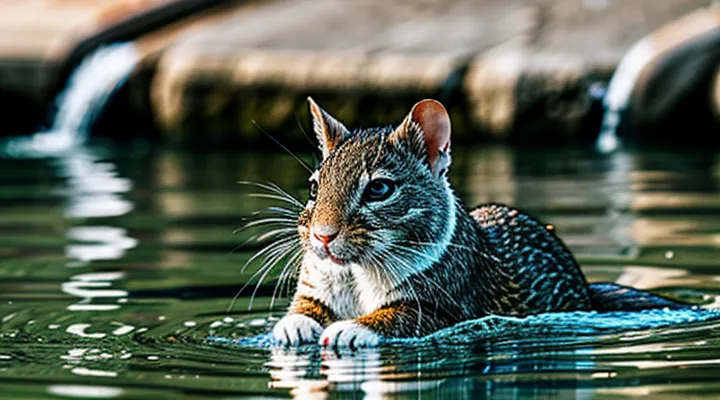
Understanding Water Rats
Identifying Water Rats
Physical Characteristics
Water rats (Rattus spp. adapted to aquatic environments) exhibit a combination of traits that influence control measures. Adult individuals range from 20 cm to 35 cm in body length, with tails extending an additional 15 cm to 25 cm. Dense, water‑repellent fur provides insulation and reduces drag while swimming. Webbed hind feet and a flattened tail function as a rudder, enabling sustained underwater propulsion at speeds up to 5 km/h. Sharp incisors, continuously growing, allow gnawing through vegetation, soft wood, and plastic piping. Vision is adapted for low‑light conditions; eyes are positioned laterally, offering a wide field of view but limited depth perception. Auditory sensitivity peaks in the 1–5 kHz range, facilitating detection of rippling water and distant predator calls. Reproductive capacity is high: females can produce up to five litters per year, each containing 4–8 offspring, with a gestation period of 21 days.
Key physical attributes affecting management:
- Streamlined body and tail – rapid escape through narrow water channels.
- Webbed feet – efficient maneuvering in flooded burrows.
- Water‑resistant fur – reduced effectiveness of dry‑contact poisons.
- Continuous tooth growth – ability to breach plastic bait stations.
- Low‑light vision – activity peaks at dusk and night, requiring nocturnal monitoring.
Understanding these characteristics enables selection of appropriate traps, bait formulations, and habitat modifications to disrupt movement, reduce shelter availability, and increase exposure to control agents.
Habitats and Behaviors
Water rats thrive in environments where water meets land, such as riverbanks, marshes, irrigation canals, and storm‑drain systems. They favor areas with dense vegetation that provides cover and easy access to food sources, including aquatic insects, small fish, and plant material. Man‑made structures—sewer tunnels, culverts, and flood‑control basins—offer additional shelter and stable temperatures, expanding the species’ range into urban settings.
Behavioral patterns reinforce their success. Water rats are primarily nocturnal, emerging after dusk to forage while avoiding daylight predators. They exhibit strong swimming ability, covering distances of up to several kilometers along waterways to locate resources. Social organization centers on small family groups; breeding occurs year‑round with litters of three to five offspring, leading to rapid population growth when food is abundant. Foraging routes are reused, and scent marking along banks signals territory boundaries, reducing intra‑species conflict.
Key points for effective control:
- Identify and eliminate standing water or slow‑flowing sections near structures.
- Remove dense vegetation and debris that create hiding places.
- Seal entry points in drainage and sewer systems to block access.
- Implement regular monitoring of known foraging corridors during nighttime hours.
Why Water Rats Are a Problem
Damage to Property
Water rats cause structural deterioration by gnawing on wood, insulation, and wiring. Their constant chewing compromises load‑bearing elements, creates fire hazards, and leads to costly repairs.
Effective mitigation begins with immediate habitat disruption. Secure all exterior openings larger than 1 cm, install heavy‑duty mesh on vents, and seal gaps around pipes. Replace compromised wood with pressure‑treated lumber or metal studs to resist further damage.
Implement a monitoring program that includes:
- Quarterly visual inspections of basements, crawl spaces, and drainage systems.
- Installation of motion‑activated cameras at known entry points.
- Use of chew‑resistant cable conduits for electrical wiring.
When evidence of activity appears, deploy integrated control measures. Combine live trapping with bait stations placed in sealed containers to reduce accidental non‑target captures. Follow local wildlife regulations for humane removal and disposal.
Finally, maintain proper water management. Ensure gutters, downspouts, and grading direct runoff away from foundations. Eliminate standing water sources that attract water rats, thereby decreasing the likelihood of renewed property damage.
Health Risks
Water rats carry a range of pathogens that threaten human health. Direct contact with urine, feces, or saliva can transmit leptospirosis, a bacterial infection causing fever, muscle pain, and kidney damage. Bite wounds introduce Streptobacillus moniliformis, leading to rat‑bite fever with rash, joint inflammation, and potential organ failure if untreated. Salmonella species, shed in droppings, contaminate surfaces and water supplies, producing gastroenteritis characterized by vomiting, diarrhea, and dehydration. Hantavirus, though less common, may be inhaled from aerosolized rodent secretions, resulting in severe respiratory distress and high mortality.
Contamination of drinking water and irrigation systems occurs when water rats defecate in or near sources. Pathogen load can exceed safe limits, prompting outbreaks of water‑borne illnesses. Allergic reactions to rodent dander and urine proteins trigger asthma attacks and dermatitis, especially in individuals with pre‑existing respiratory conditions.
Risk escalation follows specific exposure patterns:
- Occupational exposure: Workers in flood‑prone areas, sewage maintenance, and wildlife rehabilitation encounter heightened contact rates.
- Recreational exposure: Swimmers, anglers, and campers using natural water bodies are susceptible to accidental ingestion of contaminated water.
- Domestic exposure: Pets that hunt or interact with water rats can bring pathogens into homes, amplifying household transmission.
Mitigating health threats requires immediate containment of rodent populations, strict sanitation of water sources, and personal protective equipment for individuals handling contaminated environments. Early medical evaluation after any bite or suspected exposure improves outcomes and reduces complication rates.
Environmental Impact
Effective control of water rat populations influences ecosystems in several measurable ways. Direct removal reduces predation pressure on native fish and amphibian species, allowing their numbers to recover. However, abrupt declines can also disturb food webs that have adapted to the presence of rodents, potentially leading to short‑term increases in invertebrate populations.
Control techniques generate distinct environmental footprints. Chemical rodenticides introduce toxins into waterways, risking non‑target aquatic organisms and bioaccumulation up the food chain. Mechanical traps produce localized waste that must be disposed of according to hazardous‑material guidelines to prevent secondary poisoning. Habitat modification, such as shoreline clearing, removes vegetation that stabilizes banks, increasing erosion and sediment load.
Mitigation strategies aim to balance eradication goals with ecological preservation:
- Select rodenticides with rapid degradation and low leaching potential; apply only in confined, monitored zones.
- Deploy live‑capture traps, followed by humane euthanasia, to limit chemical exposure.
- Preserve riparian buffers while removing specific shelter sites; replace cleared areas with native, bank‑stabilizing plants.
- Conduct pre‑ and post‑intervention surveys to track population shifts in both target and non‑target species.
Long‑term monitoring confirms whether control actions sustain biodiversity gains without creating new ecological stressors. Continuous data collection enables adaptive management, ensuring that efforts to reduce water rat numbers do not compromise overall environmental health.
Prevention Strategies
Habitat Modification
Removing Food Sources
Effective control of water rat populations begins with eliminating the resources that attract them. Food availability drives settlement; when supplies disappear, colonies shrink and dispersal increases. Removing edible waste therefore reduces reproductive success and prevents new individuals from establishing footholds.
Key actions for removing food sources:
- Secure all trash in rat‑proof containers with tight‑fitting lids; replace lids regularly to maintain integrity.
- Clean up fallen fruit, vegetables, and grain spillage immediately; rinse surfaces to eliminate residues.
- Store animal feed in sealed metal bins; avoid leaving feed outdoors overnight.
- Install drip‑free irrigation systems; redirect runoff to prevent pooling that creates moist feeding grounds.
- Remove discarded fish, shellfish, and other organic debris from docks, piers, and shoreline edges.
Consistent application of these measures deprives water rats of sustenance, weakening the colony and supporting broader management efforts.
Eliminating Shelter
Effective control of water rat populations hinges on removing the environments that support them. Identify and eliminate all potential shelters to disrupt breeding and foraging cycles.
Inspect property perimeters for dense vegetation, debris piles, and standing water. Trim overgrown shrubs, clear leaf litter, and relocate compost bins away from the ground. Replace soft soil beds with hard surfaces where feasible, reducing burrowing opportunities.
Seal structural openings that grant access to interior spaces. Use metal flashing, concrete, or heavy-duty mesh to close gaps around foundations, utility penetrations, and drainage pipes. Ensure doors and windows fit tightly and install weatherstripping where needed.
Maintain drainage systems to prevent water accumulation. Clean gutters, install proper slopes, and employ French drains or sump pumps to keep moisture levels low. Dry conditions discourage nest construction and limit food sources.
Implement a regular monitoring schedule. Conduct visual checks monthly, documenting any signs of activity such as gnaw marks, droppings, or fresh burrows. Promptly address newly emerging shelters before populations can reestablish.
By systematically denying water rats safe habitats, the likelihood of persistent infestation diminishes, leading to long‑term reduction of their presence.
Improving Drainage
Effective drainage eliminates the moist environments water rats exploit for shelter and foraging. By removing standing water and reducing soil saturation, habitats become unsuitable, leading to a rapid decline in local populations.
Key measures to upgrade drainage systems:
- Install French drains along property perimeters to redirect surface runoff away from foundations.
- Replace clogged gutters and downspouts with larger‑diameter pipes; ensure regular cleaning to prevent blockage.
- Grade landscaping at a minimum slope of 2 % away from buildings, guiding water toward designated collection points.
- Incorporate permeable paving materials in walkways and driveways to accelerate infiltration while preventing ponding.
- Connect low‑lying areas to municipal storm‑water networks using sealed catch basins and overflow valves.
Ongoing maintenance sustains the benefits:
- Inspect drainage channels quarterly for sediment buildup; clear debris promptly.
- Test soil moisture levels after heavy rain; adjust grading or add additional runoff channels if water accumulates.
- Monitor for signs of burrowing near drainage outlets; seal any new openings with concrete or metal mesh.
Implementing these actions reduces water availability, directly impeding water rat survival and reproduction.
Exclusion Methods
Securing Entry Points
Securing entry points prevents water rats from accessing buildings, utilities and food sources. Once access is blocked, populations cannot establish nests or expand.
Typical entry routes include gaps under doors, cracked foundation walls, unsealed utility penetrations, vent openings and roof eaves. Any opening larger than 2 cm provides a viable passage.
Effective sealing requires a systematic approach:
- Inspect exterior walls, foundations and crawl spaces for cracks, holes and deteriorated caulking.
- Install metal flashing or heavy‑duty mesh over vents, drainage pipes and chimney flues.
- Fit door sweeps and weatherstripping on all exterior doors; ensure thresholds sit flush with the floor.
- Apply concrete patch, hydraulic cement or expandable foam to fill foundation gaps.
- Cover utility openings with stainless‑steel collars and sealants rated for moisture exposure.
After installation, conduct quarterly checks. Replace damaged hardware, reapply sealant where wear appears, and maintain vegetation clearance to eliminate cover near walls. Continuous monitoring sustains barrier integrity and limits re‑infestation.
Barriers and Fencing
Effective control of water‑rat populations relies on physical exclusion. Properly designed barriers and fencing prevent entry into vulnerable areas such as gardens, livestock pens, and storage facilities.
Materials that resist gnawing and corrosion include galvanized steel mesh with openings no larger than 6 mm, heavy‑duty PVC-coated wire, and high‑tensile polymer netting. Mesh must be anchored at the base, extending at least 30 cm below ground to block burrowing. Overhead protection should reach a minimum height of 1 m, with a downward overhang to deter climbing.
Installation guidelines:
- Clear vegetation and debris within a 1‑m perimeter of the barrier to eliminate shelter.
- Secure posts in concrete footings spaced no more than 1 m apart for steel mesh; for flexible netting, use tensioned rails every 0.5 m.
- Seal all joints with stainless‑steel clamps and apply rust‑inhibiting coating.
- Inspect connections weekly; replace any damaged sections immediately.
Additional measures enhance effectiveness:
- Install a buried skirt of fine metal flashing around the fence perimeter to block subterranean tunnels.
- Add a smooth, slippery surface (e.g., metal sheeting) on the exterior side to discourage climbing.
- Employ self‑closing gates with latch mechanisms that prevent accidental openings.
Maintenance requires routine visual checks for rust, loose fittings, and vegetation growth. Prompt repair of breaches restores the barrier’s integrity and reduces the likelihood of re‑infestation.
Control Methods
Trapping Techniques
Live Traps
Live traps provide a direct, humane method for reducing water rat populations. They capture individuals without killing them, allowing for relocation or controlled disposal while preventing further breeding.
- Trap designs – cage traps with a spring‑loaded door, multi‑catch box traps, and collapsible live‑catch cages are common. Each model permits quick release and easy cleaning.
- Placement – locate traps along established runways, near pond edges, and at the entrances of burrows. Position devices on stable ground to avoid tipping.
- Bait – use protein‑rich or oily foods such as fish, meat scraps, or canned pet food. Secure bait at the trigger mechanism to ensure consistent activation.
- Checking schedule – inspect traps at least twice daily. Prompt removal of captured rats reduces stress and prevents escape.
- Release protocol – transport captured animals to a suitable, non‑infested habitat at least 5 km from the original site, following local wildlife regulations. Disinfect traps between uses to avoid disease transmission.
Effective use of live traps requires regular monitoring, proper bait selection, and compliance with regional statutes governing the relocation of wildlife.
Lethal Traps
Lethal traps are a direct method for reducing water rat populations that threaten infrastructure and public health. Effective deployment requires selection of appropriate trap types, strategic placement, and adherence to safety regulations.
- Snap traps constructed of heavy steel or reinforced plastic deliver a rapid kill when triggered by the animal’s weight. Position traps along known runways, near burrow entrances, and at water’s edge where rats travel between banks.
- Conibear or similar body‑gripping traps close around the neck or torso, providing instant mortality. Use bait such as fish, meat, or high‑protein pet food to attract water rats. Set traps on stable platforms to prevent false triggers from debris or non‑target wildlife.
- Electronic lethal traps emit a high‑voltage shock upon contact. Install them in enclosed chambers to limit exposure of non‑target species. Regularly inspect and replace power sources to maintain efficacy.
Placement guidelines:
- Identify active pathways through visual inspection, tracking, or motion‑activated cameras.
- Install traps at intervals of 10–15 feet along these pathways to maximize encounter rates.
- Secure traps to the ground or a fixed structure to prevent displacement by water flow or wind.
- Check traps daily; remove carcasses promptly to avoid disease spread and to comply with local wildlife disposal regulations.
Safety and legal considerations:
- Wear protective gloves when handling traps to reduce risk of injury.
- Label trap areas with warning signs if they are in publicly accessible zones.
- Verify that lethal trapping is permitted in the jurisdiction; acquire any required permits before deployment.
- Record trap locations, dates, and capture data to assess effectiveness and to support any required reporting to environmental agencies.
Properly selected and maintained lethal traps can significantly decrease water rat numbers, protect property, and reduce health hazards associated with their presence. Continuous monitoring and adjustment of trap density ensure sustained control while minimizing impact on non‑target organisms.
Trap Placement and Baiting
Effective trap placement and baiting are critical components of any water‑rat control program. Positioning devices where rats travel reduces the time required to achieve a lethal encounter and limits non‑target exposure.
- Place traps within one meter of water’s edge, where rats swim and forage.
- Install devices along established runways, identified by flattened vegetation or gnawed banks.
- Target burrow entrances and adjacent nest sites; rats often check these points before nightfall.
- Secure traps on stable ground to prevent tipping from wet conditions.
- Space multiple traps 5–10 m apart in high‑density areas to create a barrier effect.
Selecting appropriate bait maximizes capture rates. Use high‑protein, high‑fat foods that mimic natural diet, such as fish scraps, canned cat food, or commercial rodent attractants. Keep bait fresh; replace every 24 hours in warm weather to maintain scent potency. Apply a small amount directly onto the trigger mechanism to encourage immediate contact.
Regular monitoring ensures continued effectiveness. Check traps daily, remove captured rats, and reset devices with fresh bait. Record capture locations to identify activity hotspots and adjust placement accordingly. Clean traps with a mild disinfectant between uses to prevent disease transmission. Consistent inspection and adaptation maintain pressure on the population and accelerate eradication efforts.
Baits and Repellents
Commercial Baits
Effective commercial baits are a central component of any program aimed at reducing water rat populations. These products combine toxicants with attractants to ensure rapid ingestion and high mortality rates.
Formulations commonly used include anticoagulant rodenticides such as bromadiolone, brodifacoum, and diphacinone. Anticoagulants disrupt blood clotting, leading to death within 2–5 days after consumption. Some manufacturers incorporate secondary attractants—cornmeal, fish oil, or wheat germ—to increase palatability for semi‑aquatic rodents.
Placement strategy determines success. Recommended practices:
- Position bait stations within 5 m of known burrow entrances, water edges, or feeding trails.
- Install stations at water level or slightly above to prevent washout.
- Use weather‑proof, tamper‑resistant containers to protect bait from rain and non‑target species.
- Space stations 20–30 m apart in high‑density zones; increase spacing to 50 m in peripheral areas.
Safety protocols must accompany bait deployment. Operators should wear gloves, masks, and protective clothing when handling toxicants. Label warnings demand compliance with local pesticide regulations, including registration numbers and maximum application rates. Non‑target protection measures—such as locking mechanisms and bait stations with restricted entry—reduce accidental poisoning of birds, fish, and domestic animals.
Monitoring involves regular inspection of bait stations for consumption levels, signs of tampering, and rodent activity. Replace depleted bait promptly; record dates, locations, and observed mortality to assess efficacy.
Regulatory compliance varies by jurisdiction. Verify that the selected product holds approval from relevant authorities (e.g., EPA, USDA, or national pesticide boards) before purchase. Documentation of usage, including quantities and application dates, should be retained for audit purposes.
In summary, commercial bait programs rely on appropriately formulated anticoagulants, strategic placement near water‑adjacent habitats, strict safety measures, and systematic monitoring to achieve reliable control of water rat infestations.
Natural Repellents
Effective control of water rat populations relies heavily on natural deterrents that disrupt their habitat preferences and sensory cues. These agents avoid chemical hazards and align with environmentally responsible management.
Commonly employed natural repellents include:
- Essential oil blends – concentrations of peppermint, eucalyptus, or citronella applied to perimeter surfaces create olfactory barriers that water rats find unpleasant.
- Plant extracts – solutions of garlic or onion juice, when sprayed on vegetation and entry points, reduce attraction to food sources.
- Predator scent products – commercially available ferret or fox urine mimics natural threats, prompting avoidance behavior.
- Citrus peels and rinds – scattered around water edges, the acidic aroma deters foraging.
- Vinegar mixtures – diluted white vinegar applied to masonry or wooden structures interferes with scent trails.
Implementation guidelines:
- Prepare a dilute solution (1 part essential oil to 10 parts water) and spray at dawn, when rats are most active.
- Reapply after heavy rain or every 48 hours to maintain potency.
- Combine multiple repellents to address varied sensory responses and reduce habituation.
- Pair repellents with habitat modification—remove standing water, trim low vegetation, and seal entry gaps—to limit shelter availability.
Monitoring results after two weeks provides data on effectiveness; adjust concentrations or rotate repellents if activity persists. Consistent application of these natural methods reduces water rat presence while preserving ecological balance.
Safety Precautions
When dealing with water rat infestations, personal safety must be prioritized. Contact with these rodents can transmit leptospirosis, hantavirus, and bacterial infections; bites may cause tissue damage. Protective measures reduce exposure and prevent injury.
- Wear waterproof gloves, goggles, and a respirator rated for particulate and aerosolized pathogens. Choose nitrile or rubber gloves that maintain integrity in wet environments.
- Use disposable coveralls or waterproof aprons to keep clothing dry and free of contaminants. Seal seams and cuffs with tape if necessary.
- Apply insecticide or rodenticide only after reading the Safety Data Sheet (SDS). Store chemicals in locked containers, label clearly, and keep away from food or water sources.
- Ventilate enclosed work areas before, during, and after chemical application. Use fans or open windows to disperse fumes.
- Conduct trapping with snap or live traps that have smooth surfaces to avoid accidental hand injury. Wear thick‑soled boots to prevent slipping on wet ground.
- Dispose of dead rodents and contaminated materials in sealed biohazard bags. Follow local regulations for hazardous waste disposal.
- Decontaminate tools and equipment with a bleach solution (1:10) after each use. Rinse thoroughly with clean water to avoid corrosion.
- Maintain a first‑aid kit on site, including antiseptic wipes, bandages, and a tetanus booster reminder. Treat any puncture or bite immediately and seek medical evaluation.
Before initiating any control operation, verify that all team members understand the protocol and have received training on equipment handling, chemical safety, and emergency response. Documentation of safety checks and incident reports ensures compliance and continuous improvement.
Professional Pest Control
When to Call an Expert
Large Infestations
Large infestations of water rats present a serious threat to infrastructure, agriculture, and public health. Typical indicators include extensive burrow networks along riverbanks, frequent sightings of multiple individuals, and damage to vegetation or irrigation systems.
Effective response begins with a thorough site assessment. Identify the extent of burrow systems, map water sources that attract the rodents, and record seasonal population peaks. Collect samples for species verification to ensure appropriate control methods.
Control actions should combine several techniques:
- Habitat modification: remove dense vegetation, secure food sources, and install barriers that limit access to water.
- Trapping: deploy a network of live‑capture or lethal traps positioned at burrow entrances and along established runways.
- Baiting: apply rodenticide baits in tamper‑resistant stations, following label instructions and safety regulations.
- Biological agents: introduce predators such as owls or feral cats where legal and ecologically appropriate.
- Chemical barriers: apply rodent‑repellent foams or gels to burrow walls to deter re‑entry.
After implementation, maintain a monitoring schedule. Conduct weekly inspections for new activity, replace depleted traps or baits, and adjust habitat alterations as conditions change. Document results to refine future interventions and prevent resurgence.
Persistent Problems
Water rat infestations generate recurring obstacles that undermine control efforts. These obstacles persist despite seasonal variations, chemical applications, and mechanical removal, demanding continuous attention.
- High reproductive capacity produces rapid population rebounds after partial reductions.
- Preference for aquatic and semi‑aquatic habitats limits the reach of standard land‑based traps.
- Behavioral adaptability enables avoidance of conventional bait stations.
- Waterborne dispersal allows colonies to expand across connected waterways without direct contact.
- Public tolerance of wildlife often restricts aggressive eradication measures.
- Regulatory frameworks may delay deployment of novel control technologies.
Each factor contributes to a cycle where initial successes are quickly offset by new infestations. Addressing these issues requires integrated strategies that combine habitat modification, targeted trapping technologies, and community engagement, while complying with environmental regulations. Continuous monitoring and adaptive management are essential to break the persistence loop and achieve long‑term reduction of water rat populations.
Difficult Access Areas
Water rats thrive in locations that are hard to reach, such as narrow culverts, steep embankments, and dense vegetation along waterways. Their presence in these zones complicates inspection, trapping, and chemical application, requiring specialized approaches that minimize disturbance to the surrounding environment.
Effective control in such environments relies on three core actions:
- Remote access tools – Deploy extendable pole traps, telescopic bait stations, and drones equipped with high‑resolution cameras to locate burrows and deliver bait without physically entering the site.
- Targeted bait delivery – Use biodegradable, pre‑measured bait packs that can be secured to rocks or vegetation. Position packs at the entrance of tunnels or within runoff channels where rats travel.
- Environmental modification – Install smooth, metal or concrete liners in culverts to eliminate footholds, and trim overhanging foliage to reduce shelter. These alterations deter colonization and simplify future interventions.
Safety considerations include wearing protective gloves, eye protection, and respiratory masks when handling rodenticides, and securing anchorage points for equipment on steep slopes. Regular monitoring through motion‑activated cameras or scent‑detecting dogs helps verify eradication progress and prevents re‑infestation in inaccessible sections.
What to Expect from Professionals
Inspection Process
Effective control of water rat populations begins with a systematic inspection of the property. The inspection establishes the extent of infestation, identifies entry points, and determines environmental conditions that support rodent activity.
The inspection process follows these steps:
- Survey perimeter and interior – Walk the entire site, focusing on areas with standing water, dense vegetation, and debris piles. Record signs such as droppings, gnaw marks, and burrows.
- Map activity zones – Mark locations where evidence is concentrated. Use a grid or floor plan to document hot spots for targeted treatment.
- Identify structural vulnerabilities – Examine walls, foundations, drainage pipes, and utility openings for gaps larger than ¼ inch. Note damaged screens, cracked foundations, and unsealed vent openings.
- Assess food and water sources – Locate leaking fixtures, overflowing containers, and improperly stored waste. Catalog each source that provides sustenance for the rodents.
- Evaluate sanitation practices – Review waste management, landscaping maintenance, and pest‑proofing procedures. Highlight deficiencies that could attract or sustain rodents.
- Compile findings – Prepare a concise report that includes a summary of evidence, a risk rating for each zone, and recommended corrective actions.
A thorough inspection provides the data needed to implement precise control measures, reduce reinfestation risk, and allocate resources efficiently. Regular re‑inspection after remediation confirms the success of interventions and detects any resurgence before it becomes critical.
Treatment Options
Effective treatment of water rat infestations relies on a combination of direct removal, environmental alteration, and preventive measures.
Chemical control involves rodenticides formulated for aquatic environments. Bait stations placed on stable platforms near water edges allow targeted ingestion while minimizing non‑target exposure. Products containing anticoagulants or bromethalin should be applied according to label instructions and local regulations.
Mechanical control includes live traps, snap traps, and cage traps positioned along runways and burrow entrances. Trap placement follows a pattern of 10–15 cm intervals to intersect typical movement paths. Regular checking and humane disposal of captured animals are essential to maintain trap efficacy.
Habitat modification reduces shelter and food sources. Actions such as clearing dense vegetation, removing debris, sealing bank erosion, and installing smooth, vertical barriers disrupt nesting sites. Maintaining water flow and eliminating standing pools diminish foraging opportunities.
Biological control options feature predatory species—herons, otters, and certain fish—that naturally limit water rat populations. Introducing or encouraging these predators must respect ecological balance and comply with wildlife protection statutes.
Integrated pest management (IPM) coordinates all methods into a systematic program. An IPM plan begins with a thorough survey to quantify infestation density, followed by a schedule that alternates chemical and mechanical tactics while reinforcing habitat changes. Monitoring results and adjusting tactics ensure long‑term suppression.
Key steps for implementation
- Conduct site assessment to locate burrows, runways, and feeding zones.
- Deploy rodenticide bait stations on stable platforms; replace as needed.
- Install snap or live traps at 10–15 cm intervals along identified pathways.
- Remove vegetation and debris that provide cover; install smooth barriers.
- Encourage native predators through habitat enhancement or controlled introduction.
- Record capture rates, bait consumption, and environmental changes; revise strategy quarterly.
Adhering to these measures provides a structured, evidence‑based approach to reducing water rat populations while mitigating risks to non‑target species and the surrounding ecosystem.
Follow-Up Services
Effective management of water‑rat problems does not end with initial removal. Continuous oversight ensures that populations do not rebound and that property damage remains controlled.
Follow‑up services typically include:
- Inspection of previously treated zones within 2‑4 weeks to verify absence of new activity.
- Installation of monitoring stations such as bait stations or motion‑activated cameras for ongoing detection.
- Maintenance of structural barriers (e.g., sealing drainage openings, reinforcing flood‑plain defenses).
- Periodic reporting that details findings, actions taken, and recommendations for future prevention.
Professional teams coordinate these tasks according to a schedule that matches seasonal activity peaks. Rapid response to any detected signs reduces the likelihood of full‑scale re‑infestation and limits the need for extensive remediation.
Clients receive documentation of each visit, including photographic evidence and data logs. This record supports regulatory compliance and provides a clear audit trail for property managers and insurers.
Long‑term success relies on integrating follow‑up procedures with community education, such as advising residents on waste management and landscaping practices that deter water‑rat habitation.