
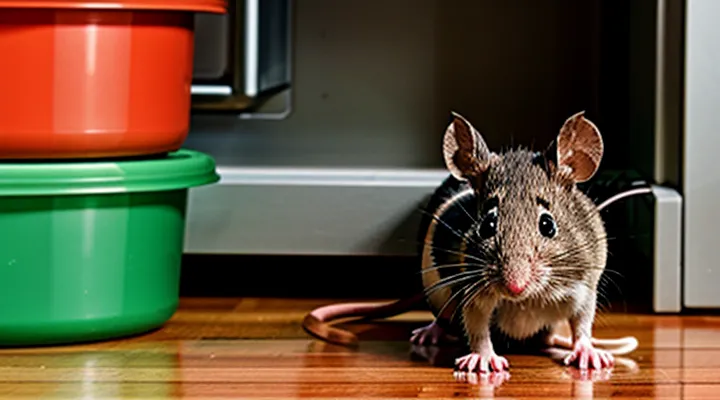
Understanding Your Uninvited Guest
Signs of a Mouse Infestation
Droppings and Urine Smells
Droppings and urine odors provide reliable indicators of mouse activity inside a home. Fresh droppings appear as small, dark pellets about the size of a grain of rice, often found along walls, behind appliances, or in hidden corners. Urine leaves a faint, musky scent that intensifies in enclosed spaces such as cabinets, closets, or under furniture. Recognizing these signs allows you to pinpoint entry points and travel routes, which is essential for any trap‑free removal strategy.
Identifying contamination zones guides targeted cleaning and discourages further visits. Remove droppings with disposable gloves, placing them in a sealed bag before disposal. Wash the area with a solution of one part bleach to ten parts water, or use a commercial disinfectant approved for rodent waste. After disinfection, apply an enzymatic cleaner to break down residual proteins that attract mice.
Control of urine odor relies on thorough ventilation and odor‑neutralizing agents. Open windows or use fans to circulate fresh air. Sprinkle baking soda on the affected surface, let it sit for 15 minutes, then vacuum. For persistent smells, place activated charcoal bags near the source for 24‑48 hours.
Key actions for managing droppings and urine:
- Wear gloves and mask when handling waste.
- Collect droppings in a sealed container.
- Disinfect with a bleach‑water solution (1:10 ratio).
- Apply enzymatic cleaner to eliminate scent traces.
- Ventilate the area and use odor absorbers (baking soda, charcoal).
By systematically addressing droppings and urine odors, you reduce the attraction for mice and create conditions that support a trap‑free removal approach.
Gnaw Marks and Damage
Mice leave distinct gnaw marks that reveal both the presence of the pest and the extent of structural compromise. Fresh incisors produce clean, shallow cuts on wood, plastic, or wiring, while older bites appear deeper and may be surrounded by frayed material. These signs often appear near food sources, concealed entry points, or along established travel routes.
The damage caused by chewing poses immediate risks. Severed electrical cords can trigger short circuits or fire hazards. Compromised insulation in walls reduces thermal efficiency, raising heating costs. Damaged furniture and stored goods suffer aesthetic and functional loss, and gnawed packaging may expose food to contamination.
To address gnaw marks without resorting to a trap, follow these steps:
- Inspect high‑traffic zones—kitchens, pantries, and baseboards—for fresh bite patterns.
- Trace each mark back to its origin; a cluster of bites near a wall gap often indicates an entryway.
- Seal identified openings with steel wool, caulk, or expandable foam to block further access.
- Replace or repair chewed wiring and insulation promptly, using certified electricians for safety compliance.
- Apply a deterrent such as peppermint oil or ultrasonic emitters near the affected area to discourage re‑entry.
Documenting gnaw marks and repairing the associated damage not only confirms mouse activity but also eliminates the conditions that encourage recurrence, creating a hostile environment for the rodent without the need for a physical trap.
Strange Noises at Night
Mice often reveal themselves through scraping, scurrying, or squeaking sounds that occur after darkness settles. Identifying the precise location of these noises allows you to target the animal with non‑trap methods.
- Observe the timing of each sound; repetitive patterns suggest a regular travel route.
- Follow the noise to a concealed entry point such as a gap behind appliances or under flooring.
- Seal openings with steel wool and caulk to restrict movement.
- Deploy deterrents at the identified pathway: place cotton balls soaked in peppermint oil, or scatter dryer sheets that emit a strong scent mice avoid.
- Offer a temporary shelter away from the noise source, such as a small cardboard box with soft bedding, to encourage relocation without a trap.
By converting nocturnal noises into actionable data, you can eliminate the rodent using barrier and repellent techniques while maintaining a trap‑free environment.
Why Mice Enter Your Home
Seeking Food and Water
Mice locate sustenance by following scent trails, exploiting crumbs, and probing accessible water sources. Their keen sense of smell can detect food residues at concentrations as low as a few parts per million, prompting persistent foraging behavior. Moisture attracts them as readily as calories; even a damp sponge or leaky faucet provides a viable hydration point.
To leverage these instincts without employing mechanical traps, consider the following actions:
- Identify and eliminate all visible food particles on countertops, floors, and behind appliances. Clean surfaces with a mild detergent to remove odor traces that guide rodents.
- Store dry goods in airtight containers made of glass or heavy‑wall plastic. Seal openings on pantry shelves with silicone caulk to block entry.
- Remove standing water. Fix leaks, wipe sinks dry after use, and replace pet water dishes daily. Place a shallow dish of water with a few drops of peppermint oil near suspected pathways; the scent deters mice while still offering a controlled moisture source.
- Deploy bait stations using a small amount of high‑protein food (e.g., peanut butter or cheese) placed on a piece of cardboard. Position the card near walls, under furniture, or in concealed corners where mice travel. The board can be retrieved once the mouse has fed, limiting exposure to the animal.
- Create a barrier of double‑sided tape or a thin layer of petroleum jelly along baseboards and entry points. The sticky surface hampers the mouse’s ability to move, forcing it to retreat or seek alternative routes.
Understanding that mice are driven by the need for nourishment and hydration allows you to manipulate their environment, guiding them toward designated feeding spots where they can be observed and removed safely. By systematically removing accidental food sources and controlling water availability, you reduce the incentive for rodents to remain, effectively managing the problem without traditional trapping devices.
Shelter from the Elements
Providing a mouse with a temporary refuge can make it easier to guide the animal out of a home without employing a conventional trap. A small, quiet enclosure placed near a wall or behind furniture offers a predictable location where the rodent feels safe, allowing owners to plan a controlled removal.
- Choose a container with smooth interior walls (plastic box, cardboard tube) that prevents the mouse from escaping once entered.
- Position the shelter in a low‑traffic area where the mouse is already active; darkness and proximity to food sources increase attractiveness.
- Add a thin layer of shredded paper or cloth to soften the floor, mimicking natural nesting material.
- Place a single piece of cheese, peanut butter, or grain at the far end of the enclosure to encourage the mouse to move deeper inside.
- Once the mouse occupies the shelter, close the opening gently, then transport the container outdoors and release the animal at least 50 feet from the building.
Creating a defined, comfortable space reduces the rodent’s need to hide in walls or insulation, simplifying the process of humane extraction without lethal devices.
Easy Access Points
Mice enter homes through very small openings; recognizing these entryways is essential for any trap‑free removal plan.
Inspect baseboards, door frames, and window sills for gaps as narrow as a pencil. Pay special attention to areas where utilities penetrate walls—plumbing, electrical wiring, and cable entries often leave unnoticed voids. Ventilation ducts, especially those with removable covers, can serve as highways for rodents. Gaps around pipe sleeves in bathrooms and kitchens are frequent pathways. Exterior cracks in the foundation, even those concealed by carpeting or furniture, provide direct access from the yard.
To eliminate these routes, follow a systematic approach:
- Measure each opening; any gap larger than ¼ inch (6 mm) must be sealed.
- Apply steel wool or copper mesh to fill gaps, then cover with caulk or expanding foam for durability.
- Use weather‑stripping around doors and windows; replace worn strips promptly.
- Install metal flashing around utility penetrations, securing it with silicone sealant.
- Fit fine‑mesh screens on vents and exhaust fans; verify that screens remain intact.
- Fill foundation cracks with hydraulic cement, ensuring the surface is clean and dry before application.
Regularly revisit inspected areas after renovations or seasonal changes, as building movement can reopen previously sealed points. By maintaining a tight envelope around the interior space, the likelihood of a mouse finding an unobstructed route drops dramatically, supporting a successful, trap‑free capture strategy.
Preparing Your Home for a Humane Catch
Essential Supplies for Mouse Removal
Bait Options
Choosing effective bait is essential when attempting to lure a mouse without employing a conventional trap. The goal is to present an irresistible scent that triggers the rodent’s natural foraging instincts while remaining safe for humans and pets.
- Peanut butter: Strong aroma, high fat content, adheres to surfaces, making it difficult for the mouse to remove without exposure.
- Chocolate: Sweet, oily, attracts mice that prefer sugary foods; use a small fragment to avoid mess.
- Sunflower seeds (shelled): Natural mouse favorite, easy to handle, provides a crunchy texture that encourages gnawing.
- Oats or cereal grains: Mild scent, suitable for mice accustomed to grain diets; sprinkle lightly to create a trail.
- Cooked bacon or ham bits: Protein-rich, emits a potent odor; limit quantity to prevent lingering food odors that may deter other household members.
- Fruit pieces (apple or banana): Sweetness appeals to omnivorous mice; use fresh slices to maintain scent potency.
Select bait based on the mouse’s observed preferences and the household’s dietary restrictions. Apply a thin layer directly onto a surface the rodent frequents, such as behind appliances or along baseboards, and monitor for activity. Rotate bait types periodically to prevent habituation and maintain attraction.
Safe Container Choices
When removing a mouse without a conventional trap, the container you select determines both humane handling and household safety. Choose a vessel that prevents escape, limits exposure to contaminants, and can be easily relocated.
- Plastic storage bins with secure lids – lightweight, airtight when snapped shut, and easy to clean. Opt for bins with a latch rather than a simple press‑fit lid to avoid accidental opening.
- Glass jars or jars with wide mouths – provide clear visibility of the mouse and are chemically inert. Use a rubber‑gummed lid to create a tight seal; ensure the jar is large enough for the mouse to turn without injury.
- Metal tins with screw‑on lids – durable and resistant to chewing. Select tins with smooth interiors to reduce stress on the animal. Tighten the lid firmly to prevent the mouse from prying it open.
- Cardboard boxes reinforced with tape – inexpensive and disposable. Reinforce all seams and cover the opening with a piece of cloth held in place by elastic bands; replace the box after each use to avoid bacterial buildup.
Additional considerations:
- Size – the container must accommodate the mouse’s length plus a few centimeters for movement, eliminating the need for the animal to curl tightly.
- Ventilation – include small air holes covered with fine mesh to maintain airflow while preventing escape.
- Ease of transport – select a container that can be carried with one hand, reducing the chance of accidental release.
- Sanitization – prefer materials that tolerate dishwasher cycles or can be disinfected with mild bleach solutions without degrading.
By adhering to these criteria, you ensure a safe, humane, and effective method for relocating indoor mice without relying on traditional traps.
Protective Gear
When attempting to remove a mouse from a home without using a conventional trap, direct contact with the rodent or its environment can expose a person to bites, disease‑carrying droppings, and allergens. Appropriate protective equipment reduces these risks and enables safe handling of the animal.
- Thick, puncture‑resistant gloves (leather or nitrile) prevent bites and protect skin from scratches.
- Disposable face mask or respirator filters airborne particles from droppings and urine.
- Safety goggles shield eyes from sudden movements or debris.
- Long‑sleeved shirt and sturdy pants create a barrier against accidental contact.
- Closed‑toe shoes with non‑slip soles maintain stability on potentially slippery surfaces.
Wear each item before entering the area where the mouse is active. Secure gloves and mask to maintain a tight seal; inspect goggles for cracks. After the mouse is captured, remove equipment in the reverse order, disposing of single‑use items in sealed bags. Clean hands thoroughly with soap and water, and launder reusable clothing at high temperature. This protocol minimizes health hazards while allowing effective, trap‑free mouse removal.
Identifying Mouse Hotspots
Kitchen and Pantry Areas
Effective mouse control in kitchen and pantry spaces relies on eliminating food sources, blocking access routes, and employing non‑lethal deterrents.
Secure all food containers with airtight lids; transfer bulk items to metal or heavy‑glass jars. Clean crumbs and spills immediately, and store pet food in sealed containers.
Identify and seal entry points. Inspect walls, cabinets, and baseboards for gaps larger than ¼ inch. Apply steel wool followed by caulk, or use metal mesh for larger openings.
Implement natural deterrents. Place cotton balls soaked in peppermint oil, cloves, or citrus peels in corners and behind appliances; replace weekly.
Deploy ultrasonic emitters near countertops and pantry shelves; position devices to cover the entire area without obstacles.
Introduce a predatory presence. If feasible, allow a cat or trained ferret to patrol the kitchen during daylight hours; their scent alone discourages rodent activity.
Use bait stations that do not involve snapping mechanisms. Fill small, sealed containers with peanut butter or grain and position them in hidden spots; monitor for mouse activity and replace as needed.
Maintain regular inspection. Conduct weekly visual checks of stored goods, shelving, and under appliances; remove any evidence of gnawing or droppings promptly.
By integrating these steps, occupants can reduce mouse incursions in culinary zones without resorting to traditional traps.
Basements and Attics
Mice frequently inhabit basements and attics because these areas provide darkness, insulation, and easy access to food sources stored below ground or in ceiling spaces. Their presence in these zones creates pathways to the rest of the home, so eliminating them at the source prevents broader infestation.
Identify entry points by inspecting walls, floor joists, and utility openings. Seal cracks and gaps with steel wool combined with caulk or expanding foam; steel wool deters chewing while the sealant blocks passage. Reduce clutter in both spaces, removing cardboard boxes, old fabric, and unused equipment that offer nesting material. Store food items, including pet feed, in airtight containers to eliminate attractants.
Implement non‑trap strategies:
- Deploy scent deterrents such as peppermint oil on cotton balls placed near suspected routes; mice avoid strong aromatic compounds.
- Install ultrasonic repellers that emit frequencies above human hearing; position units at opposite corners of each area for coverage.
- Use humane live‑catch cages baited with peanut butter or cheese; release captured mice far from residential zones, following local wildlife regulations.
- Maintain low humidity by using dehumidifiers; dry conditions reduce nesting comfort for rodents.
Regularly monitor the effectiveness of each measure. If activity persists, repeat sealing procedures and increase the frequency of deterrent placement. Consistent maintenance of basements and attics eliminates the environmental factors mice require, achieving control without reliance on traditional traps.
Walls and Cabinets
Mice frequently travel along walls and hide in cabinets, making these structures essential for non‑trap capture strategies.
Inspect every wall surface for gaps, cracks, or holes. Seal openings with steel wool and caulk to prevent re‑entry. Apply a thin line of peppermint oil or vinegar along baseboards; rodents avoid strong scents and will retreat from the treated area.
Use the interior of walls as a guided pathway. Place a smooth, angled piece of cardboard against the wall to create a slide that directs the mouse toward a confined space, such as a corner of a cabinet. The smooth surface reduces the animal’s ability to cling, encouraging movement in the desired direction.
Cabinets serve as effective holding zones. Remove all food items and store them in sealed containers. Clean interior shelves with a solution of water and lemon juice to eliminate residual odors. Position a shallow dish of warm water near the back of the cabinet; the heat attracts mice, and the shallow depth prevents drowning while keeping the animal contained.
When a mouse enters the designated area, close the cabinet doors quickly. Release the animal outdoors at a safe distance, or contact a professional for humane relocation.
Key actions
- Seal wall entry points with steel wool and caulk.
- Apply peppermint oil or vinegar along baseboards.
- Install a smooth cardboard guide against the wall.
- Empty and clean cabinets; store food in airtight containers.
- Use a shallow warm‑water dish as an attractant inside the cabinet.
- Close doors promptly to contain the mouse and release it responsibly.
Humane Catching Methods
The Bucket Trap Method
Setting Up the Trap
To capture a indoor mouse without employing a conventional snap‑trap, prepare a simple, humane capture device that relies on the rodent’s curiosity and appetite. The setup must be stable, discreet, and easy to monitor.
- Choose a shallow container (plastic cup, yogurt tub, or small box) that the mouse can enter but not easily escape.
- Position a smooth ramp or folded cardboard leading to the opening; ensure the angle allows effortless ascent.
- Place an attractive bait—peanut butter, sunflower seed, or bits of cheese—at the far end of the container, directly opposite the entrance.
- Add a lightweight cover (cardboard lid, thin sheet of plywood) that can be propped open with a stick or a small stack of coins; the mouse’s weight will dislodge the support and seal the lid when it reaches the bait.
- Secure the entire assembly to a stable surface using tape or a non‑slip mat to prevent movement during operation.
- Locate the device along known mouse pathways: behind appliances, near baseboards, or close to food storage areas.
- Check the trap at regular intervals (every 2–3 hours) to release captured mice promptly, minimizing stress.
Baiting the Bucket
Baiting a bucket creates a simple, trap‑free solution for indoor mouse removal. Place a shallow bucket on the floor where mouse activity is evident. Add a small amount of water or a thin layer of oil to the interior surface; this prevents the mouse from climbing out once it falls in. Position an attractive food item—such as a piece of peanut butter, a few grains of cereal, or a slice of cheese—directly over the bucket’s edge. The scent draws the rodent to the rim, prompting it to reach for the bait and lose balance.
Key steps:
- Select a bucket with a diameter of 12–15 cm and a depth of at least 20 cm.
- Apply a thin coating of petroleum jelly or cooking oil to the interior wall.
- Place a drop of strong‑smelling bait at the center of the rim.
- Ensure the bucket sits on a stable, level surface to avoid tipping.
- Monitor the setup daily; release captured mice outdoors, far from the home, or contact a professional for humane relocation.
This method relies on the mouse’s natural foraging behavior and the inability to regain footing on a slick surface, delivering an effective, trap‑free approach to indoor rodent control.
Monitoring and Release
Monitoring and release form the backbone of a humane mouse‑removal strategy. Accurate observation identifies entry points, movement patterns, and preferred hiding spots, while careful release prevents re‑infestation and protects the animal from injury.
Effective monitoring techniques include:
- Visual sweep of walls, cabinets, and floor edges at dusk when mice are most active.
- Placement of non‑lethal detection devices such as flour or powdered cheese patches; footprints reveal routes.
- Use of motion‑activated cameras or smartphone apps to record activity without disturbing the rodent.
- Inspection of droppings and gnaw marks to pinpoint nesting areas.
When a mouse is captured, follow a structured release protocol:
- Secure the animal in a breathable container (e.g., a small box with ventilation holes).
- Transport the container at a steady pace to a location at least 200 meters from the residence, preferably a wooded or grassy area with natural cover.
- Open the container gently, allowing the mouse to exit on its own; avoid direct handling to reduce stress.
- Observe from a distance to ensure the mouse disperses, then retrieve the container for future use.
Consistent monitoring pinpoints problem areas, and prompt, responsible release eliminates the pest without harming it or compromising household safety.
The Toilet Paper Roll Trap
Constructing the Trap
Creating a functional, low‑cost mouse capture device requires only common household items and precise assembly. The design relies on a simple lever mechanism that triggers a closing action when the rodent applies pressure to a baited platform.
Materials needed:
- A sturdy cardboard box or shallow plastic container
- A ruler or wooden stick (approximately 30 cm)
- A rubber band or elastic cord
- A small piece of cheese, peanut butter, or similar attractant
- Tape or glue
- Scissors
Construction steps:
- Cut an entry opening on one side of the container, large enough for a mouse to pass but small enough to keep the interior concealed.
- Position the ruler across the opening so that one end rests on the container’s rim while the opposite end extends outward, forming a lever.
- Attach the rubber band to the far end of the ruler and secure the other end to the container’s interior wall, creating tension that holds the lever in a raised position.
- Place the bait on a small platform attached to the lever’s outward end; the platform should tilt downward when the mouse steps on it, releasing the tension.
- Secure all connections with tape or glue to prevent accidental release.
When a mouse steps onto the baited platform, its weight lowers the lever, snapping the container shut and trapping the animal inside. Ensure the container rests on a stable surface and monitor the trap regularly to release or humanely dispatch the capture. This method eliminates the need for purchased traps while maintaining effectiveness.
Placement and Baiting
Effective placement and appropriate bait are the two decisive factors for luring a mouse without resorting to a conventional trap.
Identify the mouse’s travel routes by observing droppings, gnaw marks, and shredded material. Place bait stations along these pathways, preferably within 12‑18 inches of a wall, because rodents prefer to move close to surfaces. Position stations near known entry points, under appliances, and behind furniture where the animal can approach undisturbed.
Select bait that appeals to the mouse’s natural diet and introduces a strong scent. Ideal options include:
- Peanut butter mixed with oats
- Small portions of cooked chicken or ham
- Sunflower seeds or pumpkin seeds
- A few drops of vanilla extract combined with cheese
Apply a thin layer of the chosen bait to a clean piece of cardboard, a small plastic lid, or a folded paper towel. Ensure the bait is visible but not overly abundant; a pea‑sized amount suffices to attract curiosity without encouraging the mouse to linger.
Secure each bait station to the floor or a low surface using a dab of non‑sticky adhesive or a light weight, preventing the mouse from dragging it away. Rotate the placement of bait stations every 48 hours to avoid habituation and to test new potential routes.
Monitor the stations regularly. If a station shows signs of activity—fresh droppings, disturbed bait, or gnaw marks—reinforce that area with additional bait or consider sealing the nearby entry point to limit future access.
By combining precise placement along established rodent pathways with targeted, aromatic bait, homeowners can effectively coax a mouse out of hiding without employing traditional trapping devices.
Checking the Trap
When attempting to eliminate a mouse indoors without relying on conventional snap or glue devices, monitoring any makeshift capture system becomes essential. Regular assessment reveals whether the approach is influencing rodent behavior and indicates when adjustments are required.
First, observe the placement area. Look for fresh droppings, gnaw marks, or disturbed bedding near the device. These signs confirm recent activity and help verify that the lure remains attractive. If evidence is absent after 24‑48 hours, relocate the setup to a more frequented pathway.
Second, inspect the lure itself. Replace stale food or scent every two days; rodents quickly lose interest in decayed material. Ensure the bait is securely affixed but still accessible, preventing the mouse from removing it without triggering the containment mechanism.
Third, evaluate the containment structure after each encounter. Verify that openings are fully closed, that any entry points remain sealed, and that the interior is free of debris that could allow escape. Clean the interior with mild soap and water, then dry thoroughly before re‑baiting.
A concise checklist for ongoing verification:
- Check for fresh signs of mouse presence (droppings, gnaw marks) near the device.
- Refresh bait every 48 hours; use high‑protein items (peanut butter, cheese) or strong scents (lavender oil).
- Confirm that all entry points to the containment area are sealed.
- Clean and dry the interior after each capture attempt.
- Relocate the system if no activity is detected within two days.
By systematically reviewing these factors, the improvised capture method remains effective, reducing the need for traditional trapping solutions while maintaining control over indoor rodent incursions.
DIY Live Traps
Using a Shoebox
A shoebox can serve as an effective, trap‑free device for catching a mouse inside a home. The method relies on the animal’s natural curiosity and desire for shelter, allowing capture without poisons or spring mechanisms.
Materials required:
- Sturdy cardboard shoebox, size sufficient for a mouse to enter comfortably
- Soft bedding (e.g., shredded paper or cotton)
- Attractive bait (peanut butter, cheese, or small fruit pieces)
- Tape or rubber bands to secure the lid
- Gloves for handling
Construction and deployment:
- Line the bottom of the box with bedding to create a comfortable interior.
- Place a small amount of bait in the center of the bedding.
- Prop the lid open with a thin piece of cardboard or a folded paper clip, leaving a gap just large enough for the mouse to push through.
- Position the box against a wall or near a known mouse pathway, ensuring the opening faces the expected travel direction.
- Secure the lid with tape or rubber bands so it snaps shut when the mouse pushes against the prop.
Monitoring and release:
- Check the box at regular intervals (every 30–60 minutes) to avoid stress.
- When a mouse is inside, wear gloves, close the lid securely, and transport the box outdoors.
- Release the mouse at least 100 meters from the residence, near natural cover, and open the lid to allow escape.
The shoebox approach combines simplicity, safety, and humane treatment, providing a practical alternative to conventional traps for indoor mouse control.
Creating a Bottle Trap
A bottle trap offers a low‑cost, humane solution for removing a mouse that has entered a home. The device relies on a narrow entry point and a smooth interior surface that prevents the rodent from escaping once it slips inside.
Required items include a clear plastic or glass bottle (one‑liter soda or juice containers work well), a small piece of cardboard or stiff paper, a rubber band or tape, and an attractive bait such as peanut butter, cheese, or dried fruit.
- Cut a circular opening near the bottle’s neck, large enough for the mouse to pass but small enough to keep the aperture stable.
- Attach the cardboard flap to the opening with a rubber band, creating a one‑way door that closes when the mouse pushes through.
- Apply a thin layer of bait on the inner side of the flap or on a small platform placed just inside the bottle.
- Position the trap on a flat surface along walls or near known activity zones, ensuring the entry point faces the wall to encourage the mouse to follow familiar routes.
Check the trap daily. If a mouse is captured, wear disposable gloves, slide a thick piece of cardboard under the bottle, and release the animal outdoors at a safe distance from the residence. Clean the bottle with mild detergent before reuse.
The bottle trap’s simplicity, reusability, and lack of lethal components make it an effective option for indoor rodent control without resorting to traditional snap or glue devices.
Post-Catch Procedures
Safe Mouse Release Guidelines
Distance from Your Home
The proximity of a mouse’s origin to your dwelling influences the success of non‑trap removal techniques. Mice travel short distances from outdoor habitats such as gardens, garbage areas, or adjacent structures. Identifying these sources allows you to target the pathways that rodents use to enter indoor spaces.
- Measure the gap between exterior walls and the nearest vegetation or compost heap; gaps larger than 2 cm permit entry.
- Inspect the distance from utility lines, vents, and crawl‑space openings to interior rooms; shorter routes attract mice.
- Record the spacing between food storage areas and possible entry points; less than 1 m creates a direct lure.
- Assess the length of continuous shelter, like siding or decking, that connects the outside environment to the interior; continuous surfaces under 3 m encourage movement.
Apply barriers at identified distances: seal openings with steel wool or caulking, install door sweeps, and trim vegetation to increase the gap between the house and potential habitats. Relocate attractants by storing food in sealed containers and cleaning crumbs within a radius of 1 m from entry zones. Use natural deterrents—peppermint oil or ultrasonic emitters—positioned at the measured distances where mice are most likely to travel.
By focusing on the spatial relationship between your residence and surrounding mouse habitats, you reduce the likelihood of indoor incursions without relying on conventional traps.
Suitable Release Locations
When a mouse is captured without a traditional trap, the next critical step is choosing a release site where the animal can survive and will not return to the home. The location must meet three criteria: safety from predators, access to food and water, and distance from the residence.
- Open fields, parks, or wooded areas at least 200 meters (650 feet) from the building.
- Agricultural land with grain or seed sources, provided the property owner permits release.
- Vacant lots or undeveloped parcels that are not fenced, allowing free movement.
Avoid releasing the mouse near other dwellings, garbage containers, or pet food stations, as these attract rodents back to human habitations. Ensure the release point is free of chemical treatments, heavy traffic, or extreme temperatures that could jeopardize the animal’s health.
If possible, schedule releases during daylight, when predators are less active, and place the mouse near natural cover such as brush or low vegetation. After release, seal entry points in the home to prevent re‑entry, and monitor for signs of new activity. This approach minimizes future infestations while respecting humane handling standards.
Time of Day for Release
When a mouse is coaxed out of a home without a trap, the moment of release determines the likelihood of a swift return to the outdoors. Release should occur during daylight, preferably between 9 a.m. and 3 p.m., when natural predators are less active and the mouse can locate shelter before nightfall.
- Early morning (6 a.m.–9 a.m.) risks exposure to nocturnal hunters that emerge at dusk.
- Mid‑day provides ample light for the mouse to navigate obstacles and find a safe exit point.
- Late afternoon (3 p.m.–6 p.m.) still offers daylight but may limit the mouse’s ability to secure a hiding place before darkness.
Select a release site that leads directly to an exterior opening, such as a door or window that opens onto a garden, garage, or alley. Ensure the pathway is free of barriers and that the surrounding area contains vegetation or structures where the mouse can conceal itself.
Avoid releasing the animal at night; darkness impairs its ability to orient and increases the chance of re‑entry through cracks or open doors. Immediate release after capture, without prolonged holding, reduces stress and improves survival prospects.
Preventing Future Infestations
Sealing Entry Points
Mouse intrusion begins with tiny openings that provide access to food and shelter. Eliminating these pathways cuts off entry, making any capture method unnecessary.
Inspect walls, floors, and ceilings for cracks, holes around pipes, vents, and wiring. Use a flashlight to reveal gaps behind appliances and beneath cabinets. Measure each opening; even a quarter‑inch gap can admit a mouse.
Choose sealing materials based on location and durability:
- Steel wool or copper mesh for gaps larger than a few millimeters; rodents cannot chew through metal.
- Expanding polyurethane foam for irregular cracks; apply sparingly, then trim excess once cured.
- Silicone caulk for seams around windows, doors, and baseboards; provides a flexible, water‑tight seal.
- Sheet metal or hardware cloth for openings around vents and utility lines; secure with screws and a sealant.
Apply sealant in layers when needed. First, fill the void with steel wool, then cover with foam or caulk to lock the material in place. Smooth the surface to prevent moisture accumulation, which could attract other pests.
Prioritize high‑traffic areas:
- Entry points adjacent to food storage spaces.
- Openings near utility lines that run from the exterior.
- Gaps under doors and around window frames.
After sealing, monitor the sealed areas for signs of new activity. Re‑inspect periodically, especially after seasonal temperature changes that may cause building movement. Maintaining a sealed envelope around the interior environment prevents future mouse incursions without reliance on traps.
Maintaining Cleanliness
Maintaining a clean environment reduces the likelihood that a mouse will find food or shelter inside the home. Regularly sweep floors, vacuum carpets, and wipe surfaces to eliminate crumbs and spills. Store food in sealed containers; avoid leaving pet food out overnight. Dispose of garbage promptly, using bins with tight‑fitting lids.
Key actions for a hygienic interior:
- Clean countertops and tables after each meal.
- Wash dishes immediately or place them in a dishwasher promptly.
- Sweep under appliances, furniture, and in corners where debris accumulates.
- Inspect pantry shelves for torn packaging or spillage; replace damaged containers.
- Keep recycling bins covered and empty them frequently.
A tidy space also simplifies the detection of rodent activity. Clear clutter from basements, attics, and storage areas to expose potential entry points. Seal gaps around pipes, vents, and doors to prevent access. By eliminating food sources and hiding places, cleanliness serves as a proactive measure that discourages mice without the need for trapping devices.
Storing Food Properly
Storing food correctly eliminates the primary attractant that draws rodents into living spaces. When edible items are sealed, placed in airtight containers, and kept off the floor, mice lose access to a reliable food source, reducing the likelihood of an infestation without resorting to traps.
Effective storage practices include:
- Using containers with lock‑tight lids for grains, cereals, and pet food.
- Transferring bulk items into smaller, sealed packages after each use.
- Keeping perishable goods in the refrigerator or freezer, and discarding expired products promptly.
- Positioning food storage units away from walls and baseboards to prevent easy climbing.
- Cleaning spills immediately and wiping down shelves regularly.
Routine inspection reinforces these measures. Check seals for damage, rotate stock to use older items first, and maintain a clean pantry environment. Consistent application of these steps sustains a mouse‑free home while preserving food quality.
Eliminating Water Sources
Eliminating water sources deprives mice of a critical survival need, forcing them to seek shelter elsewhere. Remove any standing liquid, leak, or damp area that could serve as a drinking spot.
- Repair faucet drips, pipe leaks, and condensation on windows or walls.
- Wipe up spills promptly; dry countertops, floors, and pet‑food bowls after use.
- Store water containers with tight lids; avoid open buckets or saucers.
- Keep houseplants in trays that do not retain excess moisture; empty trays daily.
- Ensure dryer vents and laundry areas are ventilated to prevent humidity buildup.
Dry environments reduce mouse activity and make other control methods, such as exclusion or humane removal, more effective. By systematically targeting moisture, you limit the appeal of indoor spaces to rodents without employing traps.