
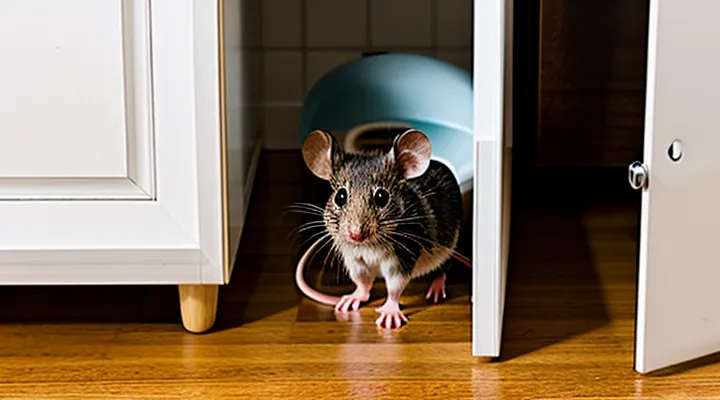
Understanding the Mouse Problem
Signs of a Mouse Infestation
Mouse activity leaves unmistakable evidence. Droppings appear as small, dark, rice‑shaped pellets, typically found along walls, behind appliances, and near food sources. Fresh droppings are glossy; older ones turn dull and crumbly.
Gnaw marks reveal the presence of rodents. Teeth leave clean, V‑shaped cuts on wood, plastic, and wiring. Look for bite marks on furniture legs, baseboards, and cable insulation.
Tracks become visible when dust or flour is spread along suspected pathways. Footprints show four toes on the front foot and five on the hind foot, forming a distinctive pattern.
Nests consist of shredded paper, fabric, or insulation gathered in concealed corners, under sinks, or inside wall cavities. A compact pile of soft material signals a breeding site.
Nocturnal sounds indicate activity. Scratching, scurrying, or squeaking heard through walls, ceilings, or floors, especially at night, points to a resident mouse.
A musky, ammonia‑like odor may develop in heavily infested areas due to urine and feces accumulation.
Visible sightings confirm an infestation. A mouse caught on camera, or observed darting from a wall opening, validates the need for immediate action.
Damage to food packaging—torn wrappers, punctured bags, or chewed seams—suggests foraging behavior and necessitates proper storage.
These indicators collectively confirm a mouse problem and guide the selection of trap‑free control methods.
Why Avoid Traps?
Avoiding traps when dealing with a mouse infestation in an apartment offers several practical advantages.
- Traps often cause unnecessary suffering; humane alternatives eliminate the need for lethal measures.
- Many traps release poison or sharp components that can contaminate food surfaces, posing health risks to residents and pets.
- Sticky or snap traps generate messes that require thorough cleaning, increasing labor and exposure to allergens.
- Apartment complexes frequently impose restrictions on trap usage, and violation of these rules can lead to fines or lease penalties.
- Conventional traps can be triggered by non‑target animals, resulting in accidental injury to beneficial wildlife.
Choosing non‑trap methods reduces liability, maintains a cleaner living environment, and aligns with ethical standards commonly upheld in residential settings.
Preparation and Prevention
Sealing Entry Points
Identifying Gaps and Cracks
Identifying gaps and cracks is the first step in preventing a mouse from entering an apartment without relying on a trap. Small openings often go unnoticed because they blend with walls, baseboards, or fixtures. Detecting them requires systematic visual inspection and tactile testing.
- Examine the perimeter of each room, focusing on the junction where walls meet the floor and ceiling. Use a flashlight to highlight shadows that reveal fissures.
- Run a thin, flexible probe (such as a coat hanger or a piece of stiff wire) along seams, behind cabinets, and under appliances. A resistance change indicates a potential entry point.
- Check around pipes, electrical outlets, and vent covers. Remove outlet plates and inspect the surrounding drywall for gaps larger than a quarter inch.
- Inspect the exterior of the building where the unit connects to the hallway or stairwell. Look for deteriorated caulking, weatherstripping, or damaged siding that could provide a passage.
- Use powdered talc or powdered chalk dust near suspected openings. If dust disappears after a short period, air movement suggests a hidden crack.
Once gaps are located, document their size and position. This information guides the selection of appropriate sealing materials, such as steel wool, expanding foam, or silicone caulk, which block mouse access while maintaining structural integrity. Regularly repeat the inspection, especially after renovations or seasonal temperature shifts, to ensure newly formed openings are addressed promptly.
Recommended Materials for Sealing
Sealing entry points prevents rodents from re‑entering the living space and reduces the need for traps. Identify gaps larger than a quarter‑inch, especially around pipes, vents, and window frames. Apply appropriate sealing materials promptly.
- Steel wool or copper mesh: compress into gaps, then cover with caulk to deter chewing.
- Expanding polyurethane foam: fill irregular cavities, trim excess after curing.
- Silicone or acrylic caulk: seal cracks around baseboards, door thresholds, and light fixtures.
- Weather‑stripping tape: install on doors and windows to block narrow openings.
- Sheet metal flashing: cover larger holes in walls or floors, secure with screws and sealant.
For each material, ensure surface is clean and dry before application. Use a utility knife to cut mesh or flashing to size, and a caulking gun for consistent bead placement. Allow sealants to cure fully according to manufacturer instructions before testing for mouse activity. Regular inspection of sealed areas maintains effectiveness and supports a trap‑free environment.
Food Storage and Sanitation
Proper Container Usage
Using a sturdy, sealable container is the most reliable way to capture a mouse without a traditional trap. Choose a plastic or glass jar with a wide opening, a metal or heavy‑duty bucket, or a small cardboard box reinforced with tape. The container must be large enough for the mouse to enter comfortably but small enough to handle safely.
Position the container so that the mouse can see an exit route but must pass through a narrow gap to get inside. A common setup involves a piece of cardboard or a thin piece of wood placed across the opening, acting as a lever that collapses when the mouse pushes against it. Ensure the container rests on a stable surface to prevent tipping.
Steps for safe capture:
- Place bait (peanut butter, cheese, or a small piece of fruit) at the far side of the container.
- Align the lever or prop so that it blocks the entrance until the mouse applies pressure.
- Observe the mouse entering; the lever will give way, allowing entry.
- Once the mouse is inside, slide a lid or cover over the opening and press firmly to seal.
- Transport the sealed container to an outdoor release point, preferably a wooded area at least 100 meters from the building.
- Release the mouse by opening the lid away from the building and stepping back.
After release, clean the container with hot, soapy water and disinfect to remove residual scent. Reuse the container only after it is fully dried. Proper handling minimizes stress for the animal and reduces the risk of accidental escape.
Regular Cleaning Routines
Regular cleaning eliminates food residues that attract rodents, reducing their incentive to enter living spaces. By wiping countertops, sweeping floors, and promptly disposing of garbage, you remove the primary sources of nourishment that mice seek.
A disciplined cleaning schedule should include:
- Daily removal of crumbs from kitchen surfaces and dining areas.
- Immediate wiping of spills, especially sugary or greasy substances.
- Weekly vacuuming of carpets, rugs, and upholstery to capture hidden droppings and nesting material.
- Bi‑weekly deep cleaning of pantry shelves, discarding expired products and sealing containers with airtight lids.
- Routine inspection and cleaning of behind appliances, under furniture, and in storage closets where debris can accumulate.
Consistent sanitation also limits shelter opportunities. Decluttering closets, eliminating cardboard boxes, and sealing gaps around baseboards prevent mice from constructing nests. Regularly laundering bedding and curtains removes potential nesting fibers.
Implementing these practices creates an environment that discourages mouse activity, allowing occupants to manage infestations without reliance on mechanical traps.
Humane Mouse Removal Methods
DIY Bucket Traps
Materials Needed
To implement non‑trap capture techniques, gather the following items before beginning:
- Cardboard tubes or sturdy paper towel rolls – serve as temporary shelters that can be coaxed into a confined space.
- Strong adhesive (e.g., double‑sided tape or a thin layer of petroleum jelly) – creates a surface that discourages escape while remaining harmless.
- Food bait such as peanut butter, oatmeal, or dried fruit – attracts the rodent with a potent scent.
- Small container with a lid (plastic or glass) – functions as a makeshift cage once the mouse enters the tube.
- Disposable gloves – protect hands from contamination and prevent the transfer of scent.
- Cleaning cloths or paper towels – allow immediate removal of droppings and residue after capture.
- Sealable bag or trash bin – provides a safe disposal method for the captured animal if release is not feasible.
All materials should be clean, readily available, and free from strong chemicals that could harm the mouse or the occupants of the apartment. Assemble them in a single location to streamline the capture process.
Step-by-Step Assembly
To capture a rodent without traditional traps, assemble a simple, reusable contraption that uses the mouse’s natural curiosity. The device consists of a shallow container, a ramp, a bait platform, and a release mechanism.
- Gather materials: a 5‑liter plastic bucket with lid, a sturdy cardboard sheet, peanut butter, a small piece of fabric, and a length of thin rope.
- Cut the cardboard into a 30 cm‑wide, 45 cm‑long strip. Shape one end into a gentle slope that will serve as a ramp leading into the bucket.
- Secure the ramp to the bucket rim with adhesive tape, ensuring the slope directs the mouse toward the interior.
- Apply a thin layer of peanut butter on the fabric and attach the fabric to the bucket’s interior wall opposite the ramp opening. This creates a baited surface that encourages the mouse to climb.
- Thread the rope through a small hole drilled near the bucket’s top edge, attach a weight at the opposite end, and position the rope so that when the mouse steps onto the fabric, its weight triggers the rope, pulling the lid shut.
- Test the mechanism by gently pulling the rope to confirm the lid closes smoothly without resistance.
- Place the assembled unit in an area where mouse activity is observed, keeping the baited fabric exposed and the ramp accessible.
The completed apparatus provides a humane capture solution that can be emptied, cleaned, and redeployed without additional purchases.
Baiting Strategies
Effective baiting is essential when attempting to remove a mouse from a living space without using a conventional trap. Choose attractants that align with the rodent’s natural preferences and present them in a manner that encourages exploration and consumption.
Select appropriate food items. Common choices include:
- Peanut butter or nut butter, applied in small quantities.
- Small pieces of cheese, preferably strong‑smelling varieties.
- Cooked meats such as bacon or chicken, cut into bite‑size portions.
- Seeds (sunflower, pumpkin) or dried fruit for a sweet option.
Enhance the bait’s appeal by adding scent amplifiers. A few drops of vanilla extract, almond essence, or a pinch of powdered cat litter can intensify the odor, making the offering more detectable to a mouse’s keen sense of smell.
Position the bait strategically. Place it near known activity zones—behind appliances, under cabinets, or along walls where droppings have been observed. Keep the offering low to the floor, as mice travel close to surfaces. If possible, create a small “path” by spreading a thin line of bait leading from a safe entry point to a concealed collection area.
Control exposure time. Replace bait daily to maintain freshness and prevent spoilage, which can deter the mouse. If the bait remains untouched after 48 hours, relocate it to a different spot and observe for new signs of movement.
Combine bait with environmental modifications. Seal obvious entry points, reduce clutter, and limit alternative food sources to increase reliance on the provided lure.
By selecting potent attractants, enhancing scent, positioning the offering near activity zones, and maintaining freshness, baiting becomes a reliable method for coaxing a mouse out of an apartment without resorting to traps.
Humane Live Traps
Choosing the Right Trap Type
When deciding how to capture a mouse without resorting to a conventional snap trap, the choice of trap type determines effectiveness, safety, and ease of disposal. Evaluate each option against the apartment’s layout, the presence of children or pets, and personal preferences for humane treatment.
Key considerations include:
- Size and placement – Select a trap that fits under cabinets, behind appliances, or in narrow wall voids where mice travel. Smaller devices work in confined spaces; larger units cover open floor areas.
- Containment method – Live‑catch cages allow release of the animal outdoors, requiring a secure door mechanism. Glue boards immobilize the mouse but create a mess and may cause suffering. Electronic traps deliver a quick lethal shock, reducing cleanup but needing a power source.
- Safety features – Models with insulated housings prevent accidental contact with children or pets. Some live‑catch designs incorporate escape‑proof locks to avoid premature release.
- Maintenance – Traps that use replaceable bait chambers simplify cleaning. Glue boards need careful removal of the adhesive surface, while electronic units often require battery replacement after several uses.
- Cost and reusability – Reusable cages and electronic devices represent higher upfront expenses but lower long‑term costs compared to disposable glue boards.
Match these criteria to the specific environment: a kitchen with limited counter space may benefit from a compact live‑catch cage, whereas a bedroom with electrical outlets could accommodate an electronic unit. Prioritizing safety and ease of disposal ensures the chosen trap type resolves the infestation efficiently while respecting the apartment’s constraints.
Placement and Monitoring
Effective mouse control begins with strategic placement of deterrents and observation points. Positioning determines whether a rodent encounters barriers before reaching food or shelter.
- Locate scent repellents (e.g., peppermint oil, vinegar-soaked cloths) near entryways, pantry thresholds, and behind appliances.
- Place ultrasonic emitters at ceiling height, covering the main living area and kitchen.
- Install temporary barriers such as steel wool or foam inserts in cracks around pipes, vents, and baseboards.
- Position bait alternatives—such as sealed containers of strong-smelling herbs—directly on countertops and inside cabinets.
Continuous monitoring confirms whether the chosen locations disrupt mouse movement. Observe signs of activity and adjust placements accordingly.
- Check for fresh droppings, gnaw marks, or smudge trails each morning and evening.
- Use a flashlight to inspect hidden corners, under furniture, and inside closets for new evidence.
- Record findings in a simple log, noting time, location, and type of sign detected.
- Adjust deterrent positions based on patterns, shifting devices toward areas with recurring activity.
Consistent observation coupled with precise placement maximizes the likelihood of deterring rodents without resorting to conventional traps.
Repellent Techniques
Natural Repellents
Natural repellents offer a practical alternative for deterring mice in a residential setting without relying on mechanical traps. Their effectiveness stems from odors and tastes that rodents find unpleasant, creating an environment that discourages entry and nesting.
Common household options include:
- Peppermint oil – apply a few drops on cotton balls and place them near entry points, cabinets, and along baseboards. The strong menthol scent interferes with a mouse’s olfactory receptors.
- Clove oil – dilute with water (approximately 10 ml per liter) and spray around potential access routes. The pungent aroma acts as a deterrent similar to peppermint.
- Vinegar – wipe surfaces with a solution of equal parts white vinegar and water. The acidic smell repels rodents and also removes scent trails left by previous visitors.
- Cedar shavings – spread a thin layer in closets, drawers, and under appliances. The natural oils released by cedar are aversive to mice and provide a lasting barrier.
- Dryer sheets – place unused sheets in corners and behind furniture. The scented chemicals emitted over time discourage rodent activity.
For optimal results, treat all known or suspected entry points, including gaps around pipes, doorframes, and vent covers. Reapply aromatic substances weekly, or after cleaning, to maintain potency. Combine multiple repellents when a single method shows limited impact; the overlapping scents increase the perceived risk for the animal.
Safety considerations: essential oils should be kept away from pets and children, as concentrated exposure may cause irritation. Use cotton balls or cloth pads to limit direct contact with surfaces. Vinegar and dryer sheets pose minimal health risks but should be applied in well‑ventilated areas.
When natural repellents are employed consistently, mouse presence can be reduced significantly, allowing occupants to maintain a clean, trap‑free environment.
Commercial Repellents
Commercial repellents provide a practical alternative for residents who prefer not to set mechanical traps. These products fall into three main categories: ultrasonic devices that emit high‑frequency sound, chemical formulations that release volatile compounds, and scent‑based agents that exploit rodents’ aversion to strong odors such as peppermint or ammonia. Each category operates on a distinct mechanism, allowing users to select a solution that matches the layout of their living space and personal tolerance for noise or chemicals.
Effectiveness depends on proper placement and consistent operation. For ultrasonic units, position the emitter at the center of each room, ensuring unobstructed line of sight to walls and corners where mice travel. Chemical repellents, whether in spray or plug‑in form, should be applied near entry points, along baseboards, and in concealed areas like behind appliances. Scent deterrents require regular reapplication—typically every 24–48 hours—to maintain a concentration that discourages foraging. Users must avoid placing devices near pets or infants, as some formulations can cause irritation.
When choosing a commercial repellent, consider the following criteria: documented efficacy from independent studies, safety certifications, ease of installation, and the ability to cover the required square footage. A concise checklist helps streamline selection:
- Proven performance in residential settings
- Compliance with health and safety standards
- Compatibility with the apartment’s electrical system (for ultrasonic models)
- Minimal maintenance requirements
Adhering to manufacturer instructions and monitoring mouse activity for several days will confirm whether the repellent achieves the desired deterrent effect. If activity persists, supplementing with additional non‑trap tactics—such as sealing entry gaps and maintaining a clean environment—enhances overall control.
Post-Removal Actions
Releasing the Mouse
Safe Release Locations
When a mouse is captured without a trap, it must be released in a place where it can survive without posing a risk to people or property. Choose sites that are at least several miles from the apartment, free from traffic, and devoid of domestic predators.
- Open green spaces, such as city parks or nature reserves, located a minimum of three miles from the residence.
- Agricultural fields or vacant lots where crops provide shelter and food sources.
- Woodland areas with dense underbrush, ensuring the mouse can find cover quickly.
- Wildlife rehabilitation centers or pest‑control agencies that accept live rodents for relocation or study.
Legal restrictions often prohibit releasing animals near schools, hospitals, or densely populated neighborhoods. Verify local ordinances before transport. Transport the mouse in a secure, ventilated container to prevent escape during the journey. Once at the selected site, open the container on the ground, allow the mouse to exit, and retreat promptly to avoid stressing the animal.
Ensuring Humane Release
When a mouse is captured without a conventional trap, the next priority is a humane release that minimizes stress and prevents immediate recapture.
The release process begins with selecting a suitable outdoor area. Choose a location at least 200 meters from the building, preferably a park, garden, or field with dense vegetation that offers cover. Verify that the site is free from predators such as hawks or outdoor cats, and that it provides natural food sources like seeds or insects.
Transport the mouse in a secure, ventilated container. Use a small plastic box with a lid that has a few air holes. Place a soft paper towel inside to absorb moisture and reduce movement. Keep the container upright and avoid shaking during the short journey.
Key criteria for an appropriate release site:
- Minimum 200 m distance from the residence
- Dense ground cover (grass, shrubs, leaf litter)
- Limited exposure to predators
- Access to natural food and water
- No nearby structures that could become new entry points
After release, inspect the apartment for potential entry gaps. Seal cracks around pipes, vents, and baseboards with steel wool and caulk. Install door sweeps and maintain a tidy environment to deter future visits. Monitoring for signs of re‑entry during the following weeks confirms the effectiveness of the humane release protocol.
Continued Prevention
Ongoing Monitoring
Effective mouse control without a trap relies on continuous observation. By regularly checking for activity, you can identify entry points, movement patterns, and the times when the rodent is most active. This information directs targeted actions and prevents the infestation from expanding.
To maintain reliable monitoring:
- Inspect walls, baseboards, and cabinets daily for droppings, gnaw marks, or shredded material.
- Place small pieces of food (e.g., peanut butter on a piece of cardboard) in suspected zones and record the presence or absence of disturbance after a set interval.
- Use a flashlight at night to detect movement along walls or under furniture.
- Keep a simple log noting date, time, location, and type of evidence observed.
The data gathered should inform complementary measures. Seal identified gaps with steel wool or caulk, eliminate food sources, and deploy natural repellents such as peppermint oil in areas where activity is confirmed. Revisiting the log each week reveals whether interventions reduce sightings; if evidence persists, adjust the approach—add additional barriers, relocate food placement, or increase the frequency of checks.
Consistent monitoring transforms a reactive response into a proactive strategy, ensuring that non‑trap methods remain effective and that the mouse problem is resolved with minimal disruption to apartment life.
Long-Term Strategies
Long‑term success in eliminating a mouse without using a traditional trap relies on preventive measures that deny the rodent access to shelter and food.
- Seal cracks, gaps, and openings around pipes, vents, and baseboards with steel wool, caulk, or expandable foam. Regularly inspect doors and windows for wear and replace worn weatherstripping.
- Store all food in airtight containers made of glass or heavy‑wall plastic. Clean crumbs and spills immediately; vacuum under appliances and behind furniture daily.
- Remove water sources by fixing leaky faucets, drying sinks after use, and placing absorbent pads beneath pet water dishes.
- Deploy natural repellents such as peppermint oil, crushed cloves, or dried lavender on cotton balls placed near suspected entry points. Refresh applications weekly to maintain potency.
- Install ultrasonic emitters that broadcast high‑frequency sounds uncomfortable to rodents. Position devices in each room, avoiding direct line‑of‑sight obstructions.
- Consider adopting a cat or fostering a small predatory animal, ensuring proper care and containment to prevent additional issues.
- Conduct quarterly inspections of the building’s exterior, focusing on utility lines, drainage systems, and structural joints. Repair any new openings promptly.
Consistent application of these practices creates an environment where mice cannot establish a foothold, reducing the need for reactive capture methods over time.