
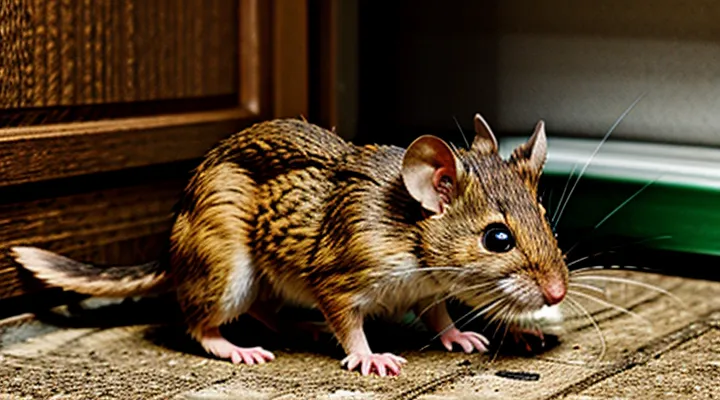
Understanding Your Uninvited Guest
Identifying the Intruder
«Field Mouse vs. House Mouse»
Understanding the distinction between a field mouse and a house mouse is essential for selecting effective control measures when a field mouse enters a residence.
Field mice (e.g., Apodemus sylvaticus) are larger, with a body length of 3–4 inches, a longer tail, and a brown‑gray dorsal coat marked by a distinct stripe. House mice (Mus musculus) average 2.5–3 inches, display a uniform gray‑brown coloration, and possess a shorter, hairless tail.
Field mice prefer outdoor habitats such as fields, hedgerows, and woodland edges, venturing indoors primarily in search of food or shelter during extreme weather. House mice thrive in human structures, reproducing rapidly and establishing permanent colonies. Consequently, field mice exhibit more cautious, nocturnal foraging behavior, while house mice are active day and night and exploit cracks and crevices for nesting.
Indicators of a field mouse include fresh droppings near entry points, gnawed seeds or grain, and occasional sightings of a larger, more agile rodent in basements or garages. House mouse signs consist of continuous droppings along walls, pervasive gnaw marks on wiring, and dense nesting material in hidden cavities.
Effective capture strategies reflect these traits:
- Deploy snap traps or live‑catch traps along exterior walls, near foundations, and in areas where field mice have been observed.
- Use bait that mimics natural food sources (seeds, nuts) rather than the oily or grain‑based bait preferred by house mice.
- Position traps at low heights (2–4 inches) to align with the field mouse’s ground‑level activity.
- Seal gaps larger than ¼ inch after trapping to prevent re‑entry, focusing on foundation cracks, vent openings, and utility penetrations.
By matching trap type, placement, and bait to the specific characteristics of a field mouse, homeowners can achieve reliable indoor removal while minimizing impact on resident house mouse populations.
«Signs of a Field Mouse Infestation»
Field mice often infiltrate residential spaces, leaving clear evidence of their presence. Recognizing these indicators allows prompt intervention before damage escalates.
- Small droppings, 2‑3 mm long, dark brown and scattered near food sources or along walls.
- Gnawed edges on packaging, wires, or wooden structures, typically irregular and shallow.
- Nests constructed from shredded paper, fabric, or insulation, hidden in wall voids, attics, or behind appliances.
- Subtle, high‑pitched squeaking sounds heard at night, especially near concealed areas.
- Grease or urine trails that create a faint, musky odor, often detectable near entry points.
Each sign reflects the mouse’s activity pattern. Droppings confirm feeding locations; gnawed materials reveal routes of movement; nests indicate established colonies; noises signal nocturnal foraging; and scent trails mark territories and access points. Prompt identification of these cues facilitates effective control measures.
Reasons for Their Presence
«Food Sources Attracting Mice»
Mice locate a dwelling primarily by detecting food odors. Understanding which items draw them helps eliminate bait sources and increases the effectiveness of trapping efforts.
Common household foods that attract field mice include:
- Grains, cereals, rice, and pasta left uncovered.
- Nuts, seeds, and dried fruits stored in non‑sealed containers.
- Pet food left out overnight or stored in open bags.
- Sweet treats such as chocolate, candy, and sugary drinks.
- Cheese, processed meats, and other protein‑rich leftovers.
Mice can also be drawn to non‑edible materials that retain moisture and odor, such as:
- Stale bread crumbs and spilled flour in kitchen cabinets.
- Fruit peels, vegetable scraps, and compost piles placed indoors.
- Spilled sugary liquids that create a residue on countertops or floors.
To reduce attraction, store all consumables in airtight containers, promptly clean crumbs and spills, and keep pet feeding areas tidy. Removing these food sources forces mice to search elsewhere, making them more likely to encounter traps positioned near remaining entry points.
«Entry Points and Shelter»
Identifying and securing the pathways through which a field mouse gains access to the interior is the first step in an effective control plan. Mice exploit gaps as small as a quarter‑inch, so a systematic inspection of the building envelope is essential.
- Gaps around exterior doors, especially at the bottom of the frame
- Openings around windows, including broken screens and cracked panes
- Cracks in foundation walls, especially near utility penetrations
- Unsealed openings around plumbing, electrical conduit, and HVAC ducts
- Gaps beneath siding, brick veneer, and roofing eaves
- Openings around vent pipes, dryer exhausts, and chimney flues
- Small holes in attic or crawl‑space insulation
Seal each opening with materials that resist gnawing: steel wool combined with expanding foam, copper mesh, or metal flashing. Replace deteriorated weatherstripping on doors and windows, and install tight‑fitting door sweeps.
Field mice select interior shelter based on concealment, warmth, and proximity to food. Typical hiding places include:
- Wall voids and cavity spaces behind baseboards
- Underneath appliances such as refrigerators and stoves
- Stacks of stored items, cardboard boxes, and paper piles
- Cluttered closets and laundry rooms
- Insulated attics and crawl spaces with exposed joists
- Gaps between floor joists and under floorboards
Eliminate these refuges by decluttering, storing items in sealed containers, and maintaining a clean environment. Remove excess debris, repair damaged insulation, and keep storage areas organized. Regularly inspect previously sealed entry points to ensure integrity, and repeat the sealing process if new gaps appear. These actions limit both ingress and suitable shelter, reducing the likelihood of a field mouse establishing a foothold inside the house.
Preparing for the Catch
Safety First
«Protecting Your Family and Pets»
Capturing a field mouse inside a residence can create hazards for children and domestic animals. The first priority is to eliminate exposure to lethal baits. Use mechanical traps that close instantly, placing them behind furniture, under cabinets, or along walls where mice travel. Ensure traps are positioned out of reach of pets and toddlers; a low shelf or a piece of cardboard can raise the device safely.
Secure food sources to deter rodents and protect vulnerable household members. Store grain, cereal, and pet food in airtight containers. Clean up crumbs and spills promptly, and keep garbage bins sealed. Regularly inspect and repair gaps around doors, windows, and utility penetrations to block entry points.
When a mouse is caught, handle the trap with gloves and dispose of the animal in a sealed bag. Disinfect the area with a mild bleach solution to remove scent trails that could attract other rodents. Avoid using rodenticides, which pose a direct poisoning risk to pets and children; if chemical control is unavoidable, place bait stations in locked compartments inaccessible to non‑target species.
A concise safety checklist:
- Choose snap or live‑capture traps; avoid poison.
- Position traps away from pet activity zones.
- Elevate traps using a stable platform if necessary.
- Store all food in sealed containers.
- Maintain a clean kitchen and dining area.
- Seal cracks, gaps, and openings larger than ¼ inch.
- Wear gloves when handling captured mice.
- Disinfect capture sites with diluted bleach.
- Keep bait stations locked or out of reach.
Implementing these measures safeguards family members and pets while effectively addressing the indoor mouse problem.
«Sanitation Practices»
Effective sanitation is a decisive factor when attempting to capture a field mouse within a residence. Reducing the availability of food, water, and shelter forces the rodent to seek out traps rather than remain concealed.
- Eliminate crumbs and spilled liquids from floors, countertops, and appliances immediately after meals.
- Store dry goods in sealed containers; avoid open bags of grain, cereal, or pet food.
- Dispose of garbage in containers equipped with tight‑fitting lids; remove waste from the home at least daily.
- Clean behind appliances, under furniture, and inside cabinets where debris can accumulate.
- Repair leaks, dry damp areas, and ventilate basements to discourage nesting.
Sanitation also supports trap placement. A clean environment allows traps to be positioned where mouse activity is evident, without interference from competing odors or debris. Maintaining these practices consistently reduces the mouse population and increases the likelihood of successful capture.
Choosing Your Weapon: Trap Selection
«Live Traps: Pros and Cons»
Live traps provide a humane alternative for removing field mice from residential interiors. They capture the animal without lethal injury, allowing release at a safe distance.
Advantages
- Reusable; a single unit can capture multiple rodents over time.
- No poison or chemicals, eliminating health risks for children and pets.
- Immediate visual confirmation of capture, enabling prompt release.
- Reduced likelihood of secondary infestations caused by dead bodies.
Disadvantages
- Requires daily inspection; unattended traps may cause stress or injury to the mouse.
- Placement accuracy critical; ineffective positioning reduces capture rates.
- Some models need bait, adding cost and potential attraction of non‑target species.
- Release distance must comply with local regulations to prevent re‑entry.
Choosing a live trap involves balancing humane concerns against maintenance effort. Opt for a model with a secure door mechanism, clear viewing window, and easy cleaning. Position traps along walls, near droppings, or close to known entry points. Regular monitoring and proper relocation ensure the method remains effective and responsible.
«Snap Traps: Ethical Considerations»
Snap traps present a direct method for eliminating a field mouse that has entered a residence, but their use raises several ethical issues that must be weighed before deployment.
The primary concern concerns the level of pain inflicted. When a mouse triggers a trap, the rapid closure of the jaws can cause severe injury or incomplete death, leading to prolonged suffering. Studies on rodent physiology indicate that muscle and nerve damage can be extensive, suggesting that snap traps do not guarantee an immediate, painless outcome.
A secondary issue involves the potential for non‑target captures. Snap traps placed in open areas may inadvertently harm insects, small reptiles, or juvenile mammals that are not the intended subjects. Proper placement and bait selection reduce this risk, but the possibility cannot be eliminated entirely.
Regulatory frameworks in many jurisdictions classify snap traps as lethal devices, requiring adherence to local wildlife protection statutes. Failure to comply can result in fines or legal action, underscoring the need for owners to verify applicable regulations before setting traps.
Responsible disposal of captured animals is essential. Dead rodents can carry pathogens; immediate removal, sealing in a disposable bag, and disposal in a sealed trash container minimize health hazards. If a trap captures a live mouse, humane euthanasia methods—such as a quick, certified CO₂ chamber—should be employed to avoid unnecessary distress.
Considerations for alternatives include:
- Live‑catch traps that allow relocation outside the home, eliminating lethal outcomes.
- Exclusion techniques such as sealing entry points, which prevent access without harming the animal.
- Deterrent products (e.g., ultrasonic emitters) that discourage rodent presence without physical contact.
Balancing the effectiveness of snap traps against these ethical dimensions requires a deliberate assessment of pain potential, by‑catch risk, legal compliance, and post‑capture handling. When lethal control is deemed unavoidable, implementing precise placement, prompt removal, and humane disposal mitigates the moral concerns associated with this method.
«Glue Traps: Why to Avoid Them»
Glue traps are unsuitable for indoor field‑mouse control. They cause prolonged suffering because rodents remain stuck until death from dehydration or injury. The distress is evident within minutes, making the method ethically unacceptable.
Health risks accompany their use. The adhesive can detach and adhere to clothing, furniture, or children’s hands, leading to skin irritation or accidental ingestion of trapped animals. Residual glue also contaminates surfaces, requiring extensive cleaning with solvents that may damage finishes.
Effectiveness is limited. Mice often escape by chewing through the adhesive or avoiding the trap altogether, resulting in continued infestation. Glue traps provide no live capture, preventing immediate release or humane euthanasia.
Legal restrictions apply in many regions, where regulations classify glue traps as inhumane and prohibit their sale for domestic pest management. Non‑compliance can result in fines or liability.
Alternative solutions offer better outcomes:
- Snap traps with quick‑kill mechanisms.
- Live‑capture cages allowing release far from the property.
- Seal entry points and eliminate food sources.
- Use ultrasonic repellents as supplemental deterrents.
These options reduce suffering, minimize health hazards, and align with humane pest‑control standards.
Setting the Stage
«Optimal Trap Placement»
Effective capture of a field mouse inside a residence depends on positioning traps where the rodent’s activity centers intersect. Identify routes used for travel, foraging, and shelter; these are the most productive locations for trap deployment.
- Place traps along walls, because mice prefer to run close to vertical surfaces.
- Position devices near entry points such as gaps under doors, utility openings, and vent shafts.
- Install traps beside stored food containers, pantry shelves, and garbage bins where scent attracts foraging behavior.
- Set traps in concealed areas like behind appliances, under furniture, and within cabinet interiors, provided the mouse can access the space.
- Arrange multiple traps in a straight line (a “wall line”) spaced 12–18 inches apart to cover a corridor of movement.
Select a spot with minimal human traffic to reduce disturbance and increase capture rates. Ensure the surface beneath each trap is flat and stable; avoid carpeted or uneven flooring that can impede trigger mechanisms. Replace or relocate traps after each capture or after several days of inactivity to maintain pressure on the mouse’s movement patterns.
«Baiting Strategies for Field Mice»
Effective bait selection determines the success of indoor field‑mouse capture. Use food items that stimulate the animal’s natural foraging instincts while providing a strong scent trail. Preferred options include:
- Fresh grains such as wheat or barley, placed in small, shallow dishes to prevent spillage.
- Nut fragments, especially peanuts or almonds, which emit a distinct aroma attractive to rodents.
- Protein sources like dried insects or small pieces of cooked chicken, offered sparingly to avoid rapid spoilage.
Placement of bait influences trap performance. Position the lure along established runways, near walls, or behind furniture where mice travel unnoticed. Secure the bait to the trap mechanism to ensure the animal must interact with the trigger to obtain the reward. Rotate bait types every 24–48 hours to maintain novelty and prevent habituation.
Timing enhances effectiveness. Deploy baited traps during evening hours when field mice are most active. Inspect traps early in the morning, remove captured specimens, and immediately replace the bait to sustain a continuous scent presence. Consistent monitoring and prompt bait renewal reduce the likelihood of trap avoidance and increase overall capture rates.
«Creating a Mouse-Friendly Environment (for Trapping)»
Creating an environment that encourages a field mouse to enter a trap requires deliberate manipulation of food, shelter, and movement pathways. The goal is to make the interior of the house appear as a safe foraging zone while directing the rodent toward capture devices.
- Eliminate alternative food sources: store pantry items in sealed containers, clean crumbs from countertops, and dispose of pet food after each meal.
- Provide a clear travel route: clear clutter along walls, maintain a narrow corridor from the mouse’s entry point to the trap, and keep floor surfaces free of obstacles.
- Position traps strategically: place them perpendicular to the wall, with the trigger side facing the wall, and locate them near known activity zones such as near baseboards or behind appliances.
- Use appropriate bait: select high‑protein or high‑fat items (peanut butter, sunflower seeds, bits of cooked meat) and attach them securely to the trap trigger.
- Adjust micro‑climate: maintain a modest temperature (18‑22 °C) and moderate humidity, conditions that field mice favor for nesting.
- Reduce competing shelter: seal gaps under doors, remove piles of laundry or cardboard, and close off attic or crawl‑space access points.
Implementing these measures concentrates the mouse’s attention on the trap, increases the likelihood of capture, and minimizes collateral damage to household goods.
The Art of the Catch
Setting and Monitoring Traps
«Proper Trap Activation»
Effective trap activation begins with selecting a device suited to the size and behavior of a field mouse. Choose a snap or live‑catch trap that closes quickly and securely; avoid models with slow or unreliable mechanisms.
Bait placement determines trigger success. Apply a small amount of high‑fat food—peanut butter, sunflower seeds, or bits of cheese—directly on the trigger plate. Position the bait so the mouse must fully enter the tunnel or chamber to reach it, ensuring the spring arm receives sufficient pressure.
Correct positioning within the home maximizes encounters. Place traps along walls, behind appliances, and near known travel routes. Align the trigger side perpendicular to the wall; mice prefer to run close to surfaces.
After setting, verify that the trap is armed without excess tension. Press the trigger plate gently until it snaps into the locked position, then release to confirm the latch holds. A properly armed trap should remain closed until the mouse applies deliberate force.
Monitor traps at least twice daily. Remove captured mice promptly to prevent scent buildup, which can deter further activity. Reset traps with fresh bait after each capture, and inspect the mechanism for wear or damage before reuse.
Maintain a clean environment to support trap efficiency. Eliminate clutter, seal entry points, and store food in airtight containers. A tidy area reduces alternative food sources, increasing the likelihood that the mouse will encounter the baited trap.
«Daily Inspection Routine»
A daily inspection routine is essential for identifying and eliminating a field mouse that has entered the home. Begin each morning by scanning the perimeter of the house. Look for small holes or gaps around baseboards, windows, and doors. Seal any openings with steel wool and caulk to prevent further entry.
Next, examine the kitchen and pantry. Check for shredded packaging, droppings, or gnaw marks on food containers. Remove any exposed food and store items in airtight containers. Dispose of waste in sealed bags and take it outside promptly.
Inspect storage areas such as closets, attics, and basements. Move boxes and stored items away from walls to reveal hidden nests or activity signs. Use a flashlight to detect dark corners where a mouse may hide. Record any findings in a log to track patterns over time.
Finally, set up monitoring devices. Place snap traps or live‑catch traps along established travel routes, typically near walls or behind appliances. Check traps each evening, remove captured rodents, and reset devices as needed. Consistent daily checks and immediate action reduce the likelihood of a sustained infestation.
Dealing with a Captured Mouse
«Releasing Live-Trapped Mice»
When a field mouse is captured inside a residence, releasing it safely requires careful handling to protect the animal, occupants, and the property.
Place the trap outdoors, preferably in a quiet area away from buildings, gardens, and traffic. Choose a site with natural cover such as dense shrubs, tall grass, or a wooded edge where the mouse can find shelter quickly.
Before opening the trap, wear disposable gloves to avoid direct contact and reduce disease transmission. Hold the trap steady, open the door slowly, and allow the mouse to exit on its own. Do not chase or force the animal; this minimizes stress and injury.
After release, inspect the surrounding habitat for additional entry points. Seal gaps around doors, windows, utility penetrations, and foundation cracks with steel wool, caulk, or hardware cloth. Install a one-way exclusion device at any remaining openings to permit escape without re‑entry.
If the mouse appears injured, contact a licensed wildlife rehabilitator promptly. Do not attempt home treatment, as improper care can worsen the condition and may be illegal in some jurisdictions.
Maintain a clean indoor environment: store food in sealed containers, remove crumbs, and manage waste to reduce attractants. Regularly monitor for signs of new activity, such as droppings or gnaw marks, and repeat trapping if necessary.
Following these steps ensures humane release, reduces the likelihood of recurrence, and complies with health and wildlife regulations.
«Disposing of Deceased Mice»
After a field mouse is captured inside a residence, immediate attention to the carcass prevents health hazards and secondary infestations. Follow these steps to ensure safe and effective disposal.
- Wear disposable gloves and, if possible, a mask to avoid direct contact with bodily fluids and potential pathogens.
- Place the dead mouse in a sealed, puncture‑resistant bag; double‑bagging adds an extra barrier against leakage.
- Dispose of the sealed bag in an outdoor trash container that is collected weekly, or store it in a locked outdoor shed until collection day.
If local regulations require it, deliver the sealed bag to a municipal waste facility rather than using regular curbside service. Some jurisdictions mandate that rodent carcasses be treated as hazardous waste; verify the appropriate procedure with the city’s sanitation department.
For households that prefer a more controlled approach, use a small incinerator designed for biological waste. Ensure the unit operates in a well‑ventilated area and that emissions comply with environmental standards.
Sanitize the area where the mouse died. Apply an EPA‑approved disinfectant to surfaces, then wash hands thoroughly with soap and water after glove removal. Replace any contaminated bedding or insulation that cannot be cleaned.
Maintain records of disposal dates and methods if the property is subject to pest‑management contracts or health‑inspection requirements. Documentation simplifies compliance verification during subsequent inspections.
Preventing Future Invasions
Sealing Entry Points
«Inspecting Your Home's Exterior»
Inspecting the outside of a residence is the first line of defense against a field mouse that has found its way indoors. By identifying and eliminating entry points, you reduce the likelihood that the rodent will re‑enter after removal.
- Examine the foundation for cracks, gaps around utility lines, and openings at the sill plate; seal each with caulk, steel wool, or expanding foam.
- Verify that all exterior doors close tightly; install door sweeps and weather‑stripping where gaps are visible.
- Check windows and vents for damaged screens or missing mesh; replace or repair them to block access.
- Trim vegetation, shrubs, and tree branches that touch the building; keep a clear zone of at least two feet to prevent mice from climbing onto the roof.
- Inspect the roof eaves, soffits, and attic vents for holes or worn flashing; use metal flashing or heavy‑duty mesh to close any openings.
- Remove debris, wood piles, and stored items that create shelter near the house; store such materials away from the foundation.
- Place snap or live traps just outside identified entry points; monitor and reset them regularly.
A thorough exterior inspection, followed by prompt repairs, creates a barrier that limits the mouse’s ability to enter, thereby supporting any indoor capture efforts.
«DIY Sealing Solutions»
Field mice exploit gaps around foundations, utility penetrations, and interior openings. Effective DIY sealing blocks entry routes and forces the animal toward traps.
Identify all potential passages. Walk the perimeter, inspect baseboards, under doors, and around pipes. Use a flashlight to reveal cracks larger than a quarter‑inch.
Seal exterior gaps with a combination of materials:
- Expandable polyurethane foam for irregular cavities; apply in thin layers, allow to cure, then trim excess.
- Silicone caulk for joints between siding and trim; smooth to a uniform bead for a waterproof seal.
- Steel wool or copper mesh behind caulk in larger openings; rodents cannot chew through metal.
- Weather‑stripping on doors and windows; choose a compression type that compresses fully when closed.
Reinforce interior weak points:
- Install sheet metal flashing around vent openings; secure with self‑tapping screws.
- Patch holes in drywall with joint compound and a metal patch for durability.
- Fit tight‑closing door sweeps on all interior doors leading to the basement or crawl space.
After sealing, position snap traps or live‑catch traps along established runways. Check traps daily; release captured mice far from the residence or dispose according to local regulations. Maintaining sealed barriers prevents re‑infestation and reduces reliance on chemical controls.
Eliminating Attractants
«Food Storage Best Practices»
Proper food storage eliminates the primary lure for a field mouse that has entered a residence. Sealed containers prevent scent diffusion, limit access, and reduce the likelihood of the animal locating a food source.
- Store dry goods in airtight, hard‑plastic or glass containers with screw‑on lids.
- Keep pet food in sealed bins; discard leftovers after each meal.
- Refrigerate perishable items promptly; avoid leaving fruit or vegetables on countertops.
- Clean pantry shelves regularly; remove crumbs and spills before they dry.
- Position storage units away from walls and baseboards, creating a clear perimeter that hampers mouse movement.
Implementing these measures removes the incentive for the rodent to linger, making traps and exclusion devices more effective. When food is inaccessible, a field mouse will seek alternative routes, increasing the probability of capture within the house.
«Yard and Garden Maintenance»
Effective yard and garden upkeep creates a physical barrier that discourages field mice from entering living spaces. Regular trimming of vegetation, removal of debris, and sealing of ground-level openings eliminate shelter and travel routes that rodents exploit.
- Keep grass at a moderate length; short turf exposes soil and reduces cover.
- Trim hedges and shrubs away from the house foundation to prevent bridge formation.
- Clear fallen leaves, compost piles, and woodpiles; store them in sealed containers or elevated platforms.
- Inspect and repair cracks in sidewalks, driveways, and exterior walls; fill gaps with cement or steel wool.
- Install a perimeter of metal flashing or hardware cloth around the foundation, extending at least six inches below ground.
Maintaining these exterior conditions limits the need for indoor trapping by reducing the mouse population that can infiltrate the home. When a field mouse does appear inside, a prepared interior environment enhances capture success. Place snap or live traps along walls where mice travel, use bait such as grain or peanut butter, and set traps in low-light areas adjacent to entry points identified during yard inspection. Ensure traps are positioned away from children and pets, and check them daily.
Combining rigorous outdoor maintenance with strategic indoor trapping provides a comprehensive approach. By eliminating external attractants and reinforcing barriers, the likelihood of rodents seeking refuge inside the house diminishes, and any remaining individuals can be efficiently captured.
Natural Deterrents
«Peppermint Oil and Other Scents»
Peppermint oil works as a natural deterrent for field mice that have entered residential spaces. The strong menthol scent overwhelms the rodents’ olfactory system, causing them to avoid treated areas. Apply a few drops to cotton balls and place them in corners, behind appliances, and near entry points. Replace the cotton balls every two to three days to maintain potency.
Other aromatic deterrents complement peppermint oil. Eucalyptus, clove, and citronella oils possess similar repellent properties. Prepare a spray by mixing ten milliliters of any chosen essential oil with one liter of water, add a teaspoon of dish soap to emulsify, and mist the solution around suspected pathways. Reapply after cleaning or when the scent fades.
When using scented repellents, observe the following safety guidelines:
- Keep oil‑soaked materials out of reach of children and pets.
- Test a small, hidden surface before widespread application to avoid staining.
- Combine scent methods with physical barriers, such as sealing cracks and installing door sweeps, for maximal effectiveness.
Scent deterrents alone rarely eliminate an established infestation. Pairing aromatic repellents with traps or live‑capture devices increases the likelihood of removing field mice from the interior of the house.
«Predatory Plants and Animals»
Capturing a field mouse within a home often relies on traps, but natural predators can complement or replace mechanical devices. Predatory species that operate effectively indoors include domestic cats, small snakes, and certain arthropods. Each organism contributes by detecting, immobilizing, or consuming the rodent, thereby reducing the need for repeated trap placement.
- Domestic cat – possesses acute hearing and whisker sensitivity, enabling rapid detection of mouse movement. Their instinctual hunting behavior can suppress mouse activity without additional equipment.
- Corn snake (Pantherophis guttatus) – slender body and smooth locomotion allow access to narrow gaps. When housed responsibly, the snake can hunt rodents that enter concealed spaces.
- House spider (Tegenaria domestica) – constructs sheet webs in corners and behind furniture, capturing insects that attract mice and occasionally ensnaring the mice themselves.
- Venus flytrap (Dionaea muscipula) – while primarily insectivorous, the plant’s rapid leaf closure can deter small mammals that attempt to nibble on its leaves, providing a psychological deterrent.
Integrating these predators requires consideration of safety and maintenance. Cats must be monitored to prevent injury to household members; snakes need secure enclosures to avoid escape; spiders should be placed where human contact is minimal; carnivorous plants demand proper lighting and moisture. When managed correctly, these biological agents lessen reliance on conventional traps, create a self‑sustaining control system, and align with humane pest‑management principles.