
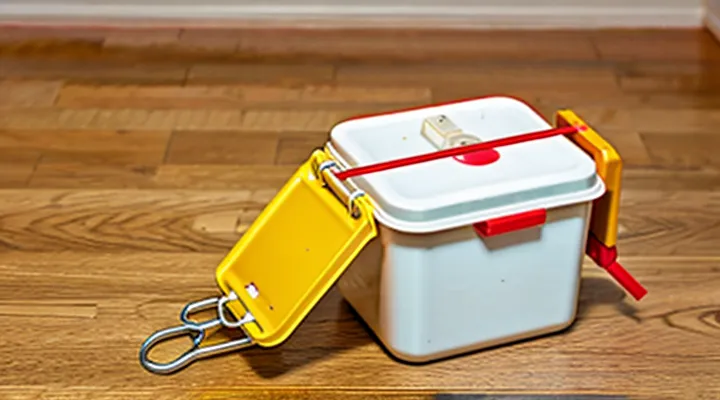
Introduction to Homemade Traps
Why Choose a DIY Mouse Trap?
Cost-Effectiveness
A homemade mouse trap reduces expenses by replacing store‑bought devices that often cost $10–$20 each. The primary outlay consists of inexpensive, readily available items such as a wooden coat hanger, a small piece of plywood, a rubber band, and a disposable bait container. Typical material costs range from $1 to $3, creating a price differential of 85 %–95 % compared with commercial alternatives.
- Wood or plastic base: $0.50–$1.00
- Elastic tension element (rubber band or spring): $0.20–$0.50
- Trigger mechanism (paperclip, thumbtack, or small nail): $0.10–$0.30
- Bait container (plastic bottle cap or foil cup): $0.10–$0.20
The trap’s durability extends its economic advantage. A well‑constructed unit can capture dozens of rodents before the tension component requires replacement, whereas a purchased trap typically becomes unusable after a single catch. Assuming an average of 30 captures per trap, the cost per capture falls below $0.10, compared with $0.50–$1.00 for disposable models.
Long‑term savings increase when multiple traps are deployed in larger infestations. Deploying five DIY traps costs roughly $5, while an equivalent commercial setup exceeds $50. The lower initial investment also lowers the financial barrier for homeowners who need to address occasional rodent activity without committing to costly pest‑control services.
Overall, the financial return of constructing a mouse trap at home outweighs the modest material expense. The approach delivers consistent performance, minimal ongoing costs, and scalability, making it a prudent choice for budget‑conscious consumers.
Safety for Pets and Children
When constructing a DIY mouse trap, the first priority is preventing accidental injury to pets and children. Choose materials that are non‑toxic and unlikely to cause cuts or choking. Avoid sharp edges, exposed springs, and any components that could be swallowed.
- Use a sturdy wooden base rather than metal clips that can snap shut with force.
- Encase the trigger mechanism in a clear plastic housing to keep fingers and paws away from moving parts.
- Position the trap at least three feet above floor level, or secure it to a wall out of reach of small children.
- Seal all exposed wires or adhesives with tape or silicone to eliminate loose strands that might be chewed.
- Install the trap in a location inaccessible to pets, such as behind a cabinet door or inside a sealed enclosure with a small entry slot for rodents only.
Test the trap repeatedly before deployment. Verify that the trigger requires a deliberate push of at least two pounds of pressure, which exceeds the typical bite force of a cat or the grip strength of a toddler. If the trap releases with lighter pressure, adjust the tension or replace the trigger with a larger, less sensitive lever.
Maintain a clear area around the trap. Remove any toys, food dishes, or bedding that could attract animals to the device. Store bait in sealed containers out of sight, and consider using non‑edible attractants such as cotton balls soaked in essential oil blends that deter rodents but do not appeal to pets.
Regularly inspect the trap for wear. Replace broken components immediately to prevent malfunction that could pose a hazard. Dispose of captured rodents in sealed bags and clean the trap with a mild disinfectant, rinsing thoroughly to remove residue that might attract pets.
By adhering to these precautions, a homemade mouse trap can function effectively while safeguarding the well‑being of household members and animals.
Humane Options
Humane solutions for rodent control focus on capture without injury, allowing safe release outdoors. A DIY approach can incorporate readily available materials while maintaining ethical standards.
Effective humane traps include:
- Bucket catch – a wooden ramp leads to a baited platform that tilts, dropping the mouse into a shallow bucket. Add a soft lining to prevent stress.
- Box trap – a cardboard or wooden box with a hinged door triggered by a baited lever. Once inside, the door stays closed until manually opened.
- Tube funnel – a PVC tube narrows toward a one‑way entrance that guides the mouse into a holding chamber. The chamber features ventilation and a smooth interior.
Construction steps:
- Cut the structural components to size, ensuring smooth edges.
- Install a trigger mechanism that releases only when the mouse applies pressure on the bait platform.
- Secure bait (peanut butter, seeds) at the trigger point.
- Position the trap near known activity zones, such as along walls or behind appliances.
- Check the trap daily; transport captured mice in a ventilated container and release at least 100 meters from the residence.
Regular maintenance involves cleaning the interior, inspecting the trigger for wear, and replenishing bait. Consistent monitoring maximizes capture rates while minimizing stress on captured rodents.
Materials and Tools
Common Household Items
Cardboard and Plastic Bottles
Cardboard and plastic bottles provide a lightweight, inexpensive foundation for a DIY rodent catcher that can be assembled with minimal tools. The rigidity of corrugated cardboard supports the trap’s frame, while the curved surface of a cut plastic bottle acts as a lever that releases a snap‑back motion when a mouse triggers the mechanism.
Materials required:
- One 2‑liter PET bottle, cleaned and dried
- Two sheets of sturdy cardboard (approximately 12 × 12 inches each)
- Thin wooden dowel or sturdy wire (5‑6 inches) for the trigger bar
- Elastic band or rubber cord for tension
- Scissors or utility knife
- Hot glue gun or strong adhesive
Construction steps:
- Cut the bottle in half lengthwise; retain the larger section as the trap’s tunnel.
- Puncture a small opening near the top of the cardboard sheet, sized to fit the trigger bar.
- Glue the cardboard sheet to the bottle’s interior, aligning the opening with the tunnel entrance.
- Insert the trigger bar through the opening, allowing it to rest on the bottle’s inner wall.
- Attach the elastic band to the trigger bar and secure the opposite end to the bottle’s base, creating tension that holds the bar in the “armed” position.
- Position a bait (e.g., peanut butter) on the trigger bar. When a mouse enters the tunnel and displaces the bait, the tension releases, snapping the bar shut and immobilizing the rodent.
Place the assembled trap along walls or near known mouse pathways, ensuring the tunnel entry faces the mouse’s typical travel direction. Check the device regularly, reset the tension as needed, and dispose of captured rodents according to local regulations. The combination of cardboard’s structural support and the bottle’s flexible leverage yields a reliable, reusable solution for indoor pest control.
Buckets and Containers
When constructing a DIY mouse capture device, selecting the appropriate bucket or container determines the trap’s effectiveness and durability. Choose a plastic or metal bucket with a smooth interior surface; smooth walls prevent mice from gaining traction and escaping. A capacity of 5 to 10 liters provides sufficient space for the animal while keeping the structure manageable.
Prepare the bucket before assembly:
- Clean thoroughly with detergent, rinse, and dry to eliminate residual odors that could deter rodents.
- Drill a 2‑inch hole near the top rim; this aperture serves as the entry point for the baited trigger mechanism.
- Attach a sturdy wooden or acrylic platform inside the bucket, positioned a few centimeters below the rim, to support the bait and the trigger arm.
Integrate the bucket into the overall trap framework:
- Mount a lever arm on the platform, extending toward the entry hole; secure with screws or heavy-duty adhesive.
- Connect a taut nylon cord from the lever arm to a release latch positioned on the bucket’s exterior. Tension the cord so that mouse interaction with the bait displaces the lever, pulling the cord and activating the latch.
- Position a secondary container, such as a shallow tray, beneath the bucket to catch any debris and simplify cleaning.
Finalize the device:
- Place a small amount of attractive food (peanut butter, cheese, or grain) on the lever arm.
- Verify that the latch releases smoothly when the lever is depressed.
- Seal any gaps around the entry hole with silicone sealant to prevent alternative escape routes.
The bucket’s rigid walls contain the captured mouse, while the interior platform and trigger system ensure a reliable, repeatable capture process. Proper maintenance—regular cleaning and inspection of the latch mechanism—extends the trap’s service life and maintains humane handling standards.
Rubber Bands and String
Rubber bands provide the elastic force that drives the trap’s snapping action. Choose bands with a diameter of ¼ inch and a tensile strength capable of pulling at least 5 lb; this ensures rapid closure without breaking under repeated use. Cut each band cleanly to avoid frayed edges that could snag the trigger mechanism.
String serves as the linkage between the bait platform and the release lever. Use a non‑stretch synthetic cord, such as nylon or polyester, with a diameter of 2–3 mm. The cord must be strong enough to transmit the band’s tension without elongating, preserving the trap’s timing.
To assemble the components:
- Loop one rubber band around the rear arm of the trap frame; secure the ends with a tight knot or a small metal clip.
- Attach one end of the string to the bait platform using a firm knot; the other end connects to the trigger lever, positioned so that slight pressure on the bait releases the band.
- Adjust the string length until the platform rests just above the trigger when the band is fully stretched; this creates a balanced ready‑state.
- Test the mechanism by pulling the bait platform back, stretching the band, and releasing; the trap should snap shut within a fraction of a second.
Regularly inspect the rubber bands for loss of elasticity and replace them when they no longer return to full length after stretching. Replace the string if it shows signs of wear or fraying to maintain consistent performance.
Tools Required
Scissors or Utility Knife
When constructing a DIY mouse trap, the cutting instrument determines the precision of the components. Choose a pair of sharp, stainless‑steel scissors for clean cuts on thin cardboard or plastic, or a utility knife with a fresh blade for thicker wood or dense cardboard.
Safety requires a stable work surface, protective gloves, and a secure grip on the tool. Keep the blade pointed away from the body and store it safely after use.
Scissors application
- Trim cardboard strips to the exact length specified in the trap diagram.
- Cut release levers from thin plastic sheets, ensuring smooth edges to prevent snagging.
- Snip zip ties or small fabric pieces used for bait holders.
Utility knife application
- Score wooden slats along the grain, then snap for uniform hinges.
- Slice through dense cardboard to form the trap’s base platform.
- Shave excess material from the spring arm to achieve the desired tension.
Both tools must remain sharp; dull edges increase effort and compromise the trap’s functionality. Regularly inspect the cutting surfaces and replace blades or scissors when wear appears.
Hot Glue Gun or Tape
When constructing a DIY mouse trap, the choice of adhesive determines the durability and effectiveness of the mechanism. Two common options are a hot‑glue gun and strong adhesive tape; each offers distinct advantages.
A hot‑glue gun creates a rapid, permanent bond that resists the rodent’s attempts to dislodge components. The molten adhesive fills gaps, securing wooden or plastic parts together. Use a low‑temperature setting to avoid warping delicate materials, and apply the glue in thin, continuous strips to maximize strength while minimizing excess.
Adhesive tape provides a quick, removable solution. High‑strength duct or packing tape adheres to smooth surfaces and can be replaced if the trap requires adjustment. Tape is suitable for temporary prototypes or when a hot‑glue gun is unavailable. Ensure the tape is applied under tension to prevent slack that could allow the mouse to escape.
Typical assembly sequence:
- Cut the base material to the desired dimensions.
- Position the trigger arm and secure it with the chosen adhesive:
- For hot glue, dispense a steady bead along the joint, press until set (approximately 30 seconds).
- For tape, wrap a 2‑inch strip around the joint, overlapping edges for added grip.
- Attach the bait holder to the base, using the same adhesive method.
- Reinforce high‑stress points (e.g., where the trigger meets the base) with an additional layer of glue or tape.
- Test the mechanism by applying gentle pressure to the trigger; the trap should snap shut without adhesive failure.
Safety considerations:
- Wear heat‑resistant gloves when handling hot glue.
- Keep the glue gun away from flammable materials.
- Use tape in well‑ventilated areas to avoid adhesive fumes.
Selecting the appropriate adhesive aligns with the trap’s intended lifespan and the builder’s available tools. Hot glue delivers a lasting bond for permanent installations; tape offers flexibility for rapid adjustments or temporary setups.
Drill (Optional)
A power drill can simplify several steps when constructing a DIY rodent catcher, though it is not required for a functional device. Using a drill speeds up the creation of mounting holes for the trigger mechanism, the base platform, and any supporting brackets, reducing manual effort and improving alignment accuracy.
When opting to incorporate a drill, select a variable‑speed model with a clutch setting to prevent overtightening of small screws. A standard 3/8‑inch drill bit is sufficient for most wood or plastic components; a smaller 1/8‑inch bit works well for precise pilot holes in thin material. Secure the workpiece with a clamp or vise to maintain stability and avoid accidental movement during drilling.
If a drill is unavailable, a hand screwdriver and a manual awl can accomplish the same tasks, albeit more slowly. The choice between powered and manual methods depends on the builder’s tool inventory, time constraints, and comfort with power equipment.
- Use a drill only for pre‑drilling holes; assemble the trap with screws or nails by hand.
- Keep the drill set to low torque when working with fragile plastics to avoid cracks.
- Wear safety glasses to protect eyes from debris.
- Disconnect the drill when changing bits or adjusting the workpiece.
- Store the drill in a dry location to prevent rust and ensure reliable performance.
Trap Design 1: The "Bucket & Rolling Can" Trap
Step-by-Step Assembly
Preparing the Bucket
Select a sturdy, wide‑mouth bucket with a capacity of at least one gallon. Clean the interior thoroughly with detergent and rinse to remove residues that could deter rodents. Dry the surface completely before modification.
Create an entry point by drilling a circular opening near the rim, 1–2 inches in diameter. Position the hole at a height that allows a mouse to climb onto the rim and slip through. Use a metal drill bit to avoid splintering the plastic.
Attach a smooth, rigid rod or wooden dowel across the interior, extending from the opposite side of the bucket to the rim. Secure the rod with zip ties or strong adhesive, ensuring it can support the weight of a mouse without bending.
Prepare bait placement by cutting a small tray from a disposable cup. Position the tray on the rod so that it rests just above the bucket’s floor. Fill the tray with attractive food items such as peanut butter, seeds, or dried fruit.
Seal any gaps around the drilled hole with silicone caulk to prevent escape routes. Allow the sealant to cure for at least 30 minutes before deploying the trap.
Summary of preparation steps
- Choose and clean a suitable bucket.
- Drill a 1–2 in. entry hole near the rim.
- Install a support rod across the interior.
- Mount a bait tray on the rod.
- Seal gaps with silicone and let cure.
The completed bucket provides a reliable containment chamber, allowing the mouse to enter through the hole, step onto the bait tray, and fall into the sealed interior where it can be safely removed.
Attaching the Rolling Can
The rolling can serves as the trigger mechanism that converts a mouse’s forward motion into a rapid snap of the trap’s arm. Proper attachment ensures reliable activation and prevents premature release.
Materials required:
- Empty aluminum or steel can, cleaned and dried
- Two 1‑inch screws with washers
- Small metal bracket (L‑shaped)
- Electric drill with 1‑inch bit
- Screwdriver
- Thread‑locking adhesive (optional)
Steps to attach the rolling can:
- Position the can so its open end faces upward, aligning the rim with the trap’s base.
- Secure the metal bracket to the side of the base using one screw; the bracket’s inner leg should cradle the can’s rim.
- Place the can inside the bracket, ensuring it can rotate freely without touching the trap’s frame.
- Insert the second screw through the bracket’s outer leg, threading it into the can’s rim. Tighten until the can rotates with minimal resistance.
- Apply a thin layer of thread‑locking adhesive to the screw threads if the trap will be used repeatedly; allow the adhesive to cure according to manufacturer instructions.
After installation, test the mechanism by gently pushing the can; it should spin smoothly and release the latch when sufficient force is applied. Adjust screw tension if the can stalls or spins too loosely.
Adding Bait
Select an attractant that matches the target rodent’s diet. Common choices include peanut butter, dried fruit, or a small piece of cheese. Ensure the bait is fresh; stale material reduces effectiveness.
Prepare the bait for use:
- Apply a thin layer of peanut butter to a wooden toothpick or a small piece of cardboard.
- If using solid food, crumble it into a manageable size and press it onto the trigger platform.
- For liquid attractants, soak a cotton ball and embed it in the trap’s holding area.
Place the bait precisely:
- Position the bait at the far end of the trigger plate, forcing the mouse to step onto the release mechanism.
- Avoid overloading; excess bait can spill onto the floor and allow the rodent to feed without activating the trap.
- Secure the bait with a small dab of adhesive if necessary, ensuring it does not interfere with the trap’s movement.
Test the setup:
- Gently press the trigger plate to confirm that the bait remains attached and that the release mechanism engages smoothly.
- Observe for any wobble; adjust the bait placement until the trap snaps reliably when disturbed.
Maintain bait freshness:
- Replace the attractant every 2–3 days, or sooner if it becomes dry or contaminated.
- Store unused portions in an airtight container to preserve scent strength.
By following these steps, the bait becomes a decisive factor in luring rodents into the homemade capture device.
Placement and Maintenance
Ideal Locations
When placing a DIY mouse trap, select sites where rodents travel regularly and where the device remains concealed from pets and children. Position the trap along walls, because mice prefer to move close to vertical surfaces for safety and navigation. Place it near entry points such as gaps under doors, cracks around baseboards, and openings around utility lines. Install traps in corners of rooms, especially behind appliances, under sinks, and inside cabinets where food residues are common.
Key locations include:
- Behind the refrigerator or stove, where heat and food odors attract activity.
- Inside pantry shelves, directly adjacent to stored grains or cereals.
- Near garbage bins or compost containers, especially if lids are frequently opened.
- In crawl spaces or attic corners, where mice establish nesting sites.
- Along the perimeter of the foundation, particularly at the base of exterior walls.
Ensure each trap is positioned on a flat surface, stable enough to trigger the mechanism without wobbling. Avoid areas with high foot traffic that could cause accidental activation. Regularly inspect and rotate traps to maintain effectiveness throughout the infestation period.
Checking and Resetting the Trap
After a capture, inspect the device before reuse. Verify that the trigger mechanism moves freely, that the spring or elastic remains tensioned, and that no mouse residue blocks the moving parts. Remove any debris with a disposable cloth or a brush; residue can reduce sensitivity and increase the risk of failure.
Checking procedure
- Examine the trigger bar for bends or cracks.
- Test spring tension by gently pulling the bar back; it should snap into place without excessive force.
- Clean the landing platform and bait holder; wash with mild soap if contamination is visible.
- Replace or refresh bait to maintain attractiveness.
Resetting steps
- Align the trigger bar with the catch chamber and secure it in the ready position.
- Re‑attach any dislodged springs or elastic cords, ensuring full tension.
- Place fresh bait in the designated spot, positioning it so the mouse must disturb the trigger to reach it.
- Perform a quick functional test by gently activating the trigger; the mechanism should release instantly.
Only after each inspection and reset should the trap be deployed again. Regular maintenance extends the device’s effectiveness and minimizes the chance of missed captures.
Trap Design 2: The "Plastic Bottle & Rubber Band" Trap
Step-by-Step Assembly
Cutting the Bottle
Begin by selecting a clear, sturdy plastic bottle—preferably a 2‑liter soda container. Rinse the bottle thoroughly and allow it to dry. Mark a line around the bottle 2–3 cm from the bottom using a permanent marker; this line indicates where the cut will be made.
Place the bottle on a stable surface, such as a workbench topped with a thick towel to protect both the bottle and the work area. Secure the bottle with a non‑slipping clamp or a pair of pliers, ensuring the marked line is oriented horizontally and remains visible.
Using a sharp utility knife or a fine‑toothed saw, apply steady, even pressure along the marked line. Keep the blade at a shallow angle (approximately 15°) to avoid cracking the plastic. Perform short, controlled strokes rather than forcing a deep cut in a single motion. If resistance increases, pause and rotate the bottle slightly to continue the cut from a fresh angle.
After completing the circumference, gently separate the two sections. The lower portion will serve as the trap’s base, while the upper portion can be repurposed for a cover or discarded. Inspect both edges for sharp burrs; smooth any irregularities with sandpaper or a file to prevent injury and ensure proper assembly of the trap.
Creating the Trigger Mechanism
A reliable trigger mechanism determines whether a homemade mouse trap captures its target efficiently. The mechanism must convert a mouse’s slight touch into a rapid, decisive motion that closes the trap.
Key components include a sturdy base, a lever arm, a tension spring, a release latch, and a bait platform. The base supports the entire assembly; the lever amplifies the mouse’s pressure; the spring stores the energy required for snap action; the latch holds the lever in a cocked position; the bait platform positions the attractant where the mouse will apply force.
Construction steps:
- Cut a flat piece of plywood or thick cardboard for the base; drill a central hole to accommodate the lever pivot.
- Attach a metal or wooden rod at the pivot point, allowing the lever to rotate freely.
- Secure a compression spring between the lever’s rear end and the base, adjusting length to achieve desired snap speed.
- Install a small metal bar as the release latch, positioning it to engage the lever’s notch when the trap is set.
- Mount a shallow cup or tube on the front of the lever to hold bait; ensure the mouse must push the lever to access the bait.
- Test the mechanism by applying gentle pressure to the bait platform; the lever should release cleanly, driving the snap arm downward with sufficient force.
- Fine‑tune spring tension or latch position if the release is premature or sluggish.
Proper alignment of pivot, spring, and latch guarantees consistent performance. Once calibrated, the trigger mechanism provides a quick, repeatable response, essential for an effective DIY mouse trap.
Securing with Rubber Bands
Rubber bands provide a quick, adjustable method for holding the trap’s frame together while the glue sets and for creating the release tension needed to snap the trigger. Choose thick, non‑elastic bands for the main structure and thinner, highly elastic bands for the trigger mechanism. Position the bands so they cross the joints at a 45‑degree angle; this distributes force evenly and prevents slippage.
- Loop a thick band around each corner of the wooden base, pulling it tight enough to eliminate gaps.
- Secure the arm that holds the bait by wrapping a thin band around the pivot point and attaching it to the base with a small knot.
- Test the tension by gently pulling the arm back; the band should resist but release cleanly when the trigger is activated.
- After confirming proper movement, trim excess band length to avoid interference with the mouse’s path.
Replace any worn band before each use to maintain consistent performance.
Baiting and Operation
Choosing the Right Bait
Choosing the right bait determines whether a homemade mouse trap will attract its target quickly and reliably. Effective bait selection hinges on three factors: mouse preferences, environmental conditions, and bait longevity.
- Food preferences – Mice favor high‑protein and high‑carbohydrate items. Peanut butter, cheese, cooked bacon, and sunflower seeds rank among the most compelling options. Sweet foods such as chocolate or fruit jam also work, but their strong odor may draw unwanted insects.
- Scent strength – Strong aromas increase detection distance. Freshly prepared peanut butter or a small piece of cooked meat releases volatile compounds that mice can sense from several meters away. Stale or dried bait loses potency and requires frequent replacement.
- Durability – Bait that liquefies or crumbles can spoil the trap mechanism. Solid or semi‑solid substances, like a dab of peanut butter on a piece of cardboard or a rolled cheese cube, stay intact long enough for a mouse to bite and trigger the device.
When testing bait, place a single piece on the trigger area and observe activity for 12–24 hours. If no captures occur, replace the bait with a different type rather than increasing quantity. Rotating bait every few days prevents mice from becoming habituated to a single scent.
Safety considerations include avoiding toxic foods that could harm pets or humans if accidentally consumed. Use only edible, non‑allergenic items, and keep the trap out of reach of children and animals. Proper bait handling—using gloves and storing leftovers in sealed containers—reduces contamination risks.
By matching bait choice to mouse dietary habits, ensuring strong, lasting scent, and maintaining hygiene, the DIY rodent catcher becomes a reliable tool for rapid pest control.
How the Trap Works
The trap relies on a simple lever‑and‑spring mechanism that converts a mouse’s forward motion into a rapid snapping action. When the animal steps onto the trigger platform, its weight depresses a small pivot point, releasing tension stored in a coiled spring. The spring drives the bar or plate downward, closing the cage or crushing the bait holder within milliseconds, preventing escape.
Key functional elements:
- Trigger platform: calibrated to react to a weight of 15–30 g, ensuring sensitivity to mice but not to larger debris.
- Pivot hinge: allows the bar to rotate freely; low friction reduces the force needed to hold the trap in the armed position.
- Spring coil: provides the stored energy; a tension of approximately 0.5 N·m delivers sufficient force for a decisive closure.
- Bar or plate: attached to the spring; its geometry directs motion toward the capture chamber.
- Capture chamber: designed with smooth interior surfaces to discourage climbing and facilitate removal of the catch.
During operation, the mouse’s entry onto the platform shifts the pivot, the spring unloads, and the bar accelerates along a guided path. The rapid motion generates enough momentum to overcome the animal’s reflexes, securing it instantly. After a successful capture, the spring returns to its relaxed state, allowing the user to reset the device by repositioning the trigger platform and re‑tensioning the coil.
Trap Design 3: The "Cardboard Box & Stick" Trap
Step-by-Step Assembly
Preparing the Box
Preparing the box is the foundational step for constructing an effective DIY mouse trap. A sturdy container provides the structure that channels the rodent’s movement toward the trigger mechanism and minimizes escape opportunities.
Materials required for box preparation include a medium‑sized cardboard or plastic storage box (approximately 12 × 8 × 6 in), a utility knife, a ruler or measuring tape, strong adhesive tape, and a pair of scissors. If the box is made of cardboard, reinforce the bottom and sides with additional layers of tape to prevent tearing under the animal’s weight.
- Measure the interior dimensions and mark a rectangular opening on one side, leaving a margin of 1 in from the edges.
- Cut the opening cleanly with the utility knife; ensure the cut edge is smooth to avoid snagging.
- Attach a thin piece of flexible plastic or thin plywood over the cut, securing it with tape on three sides, leaving the fourth side unattached to serve as a hinged door.
- Reinforce the hinge edge with extra tape to maintain alignment during repeated openings.
- Seal all seams of the box with tape, focusing on corners and the bottom, to eliminate gaps where a mouse could slip out.
After the box is assembled, position a small bait platform near the interior edge of the hinged door. Secure the platform with a dab of adhesive to keep it stationary when the door is triggered. Finally, test the door’s movement by applying gentle pressure; it should snap shut quickly and remain closed without excessive force.
These preparations create a reliable enclosure that supports the subsequent attachment of the trigger and spring mechanism, ensuring consistent performance of the homemade mouse trap.
Constructing the Support Stick
The support stick provides the vertical axis that holds the trigger mechanism in place and allows the trap to spring reliably.
Select a sturdy wooden dowel or a ¼‑inch steel rod, cut to a length of 6–8 inches. Sand the ends smooth to prevent damage to the bait platform and the base. Drill a ¼‑inch hole near the top of the stick, centered on the axis, to receive the trigger pin.
- Insert the trigger pin through the hole, leaving ½ inch protruding above the stick.
- Attach a small metal washer to the protruding end; the washer will act as a fulcrum for the spring arm.
- Secure the lower end of the stick to the base board using a wood screw that passes through a pre‑drilled pilot hole, ensuring the stick stands perpendicular to the board.
- Tighten the screw until the stick is immobile but does not compress the spring when the trigger arm is set.
After assembly, test the stick by pulling the trigger arm back and releasing it. The stick must remain steady while the spring snaps the arm forward, delivering a swift, controlled motion that captures the mouse. Adjust screw tension or replace the stick if any wobble is observed.
Attaching the String
Attaching the string is the critical link between the trigger mechanism and the bait platform. Begin by selecting a thin, yet sturdy, fishing line or nylon cord; a 0.2‑0.3 mm diameter works well for most household traps. Cut a length of approximately 30 cm to allow sufficient slack for adjustments.
Secure one end of the cord to the bait holder. Use a small eyelet or a drilled hole in the platform, threading the cord through and tying a tight double knot. Pull the knot tight against the surface so that the cord does not slip when tension is applied.
Next, connect the opposite end to the trigger arm. Locate the pivot point where the arm rotates; many designs include a small notch or hook. Pass the cord through this notch and form a slip knot that can be tightened later. Ensure the knot sits flush against the arm to prevent wobble.
Adjust tension by pulling the cord until the arm holds the bait platform in the ready position but releases instantly when the mouse applies slight pressure. Test the setup by gently lifting the arm; it should snap back with a clear, audible click. If the release is sluggish, shorten the cord or re‑tie the knots tighter. If the arm releases prematurely, add a few centimeters of slack and retest.
Finally, trim any excess cord close to the knots to avoid accidental tangling. Apply a small dab of glue or a zip tie over each knot for added security, especially if the trap will be exposed to moisture. The string should now function reliably, translating the mouse’s movement into a decisive trigger action.
Setting and Monitoring
Positioning the Trap
When setting a DIY mouse trap, location determines capture efficiency. Identify the rodent’s travel routes by observing droppings, gnaw marks, and feeding activity. Place the device directly in these pathways, preferably along walls where mice instinctively run. Avoid open floor spaces; mice rarely cross the center of a room.
Select spots that provide shelter for the bait but remain accessible to the trap mechanism. Ideal positions include:
- Behind appliances or furniture where crumbs accumulate.
- Adjacent to pantry shelves, cabinets, or garbage bins.
- Near baseboard cracks or gaps in flooring.
Ensure the surface is stable and level; an uneven floor can cause the trigger to misfire. If the area is prone to drafts, relocate the trap to a calmer zone to prevent bait from being disturbed. Keep the trap away from pet traffic and children’s reach, using a protective barrier if necessary.
After placement, monitor the trap daily. If no activity occurs within 48 hours, reassess the chosen location and move the device to an alternative point along the same rodent corridor. Adjusting position based on observed behavior maximizes the likelihood of a successful catch.
Releasing the Mouse
After the trap has secured the rodent, prepare a release zone at least 30 feet from the building. Choose an area with vegetation, water access, and no known food sources for other pests.
- Wear disposable gloves to prevent disease transmission and to avoid leaving human scent on the mouse.
- Transport the trap carefully, keeping it level to prevent injury to the animal.
- Place the trap on a flat surface in the release zone, ensuring the door faces upward.
- Open the latch slowly; allow the mouse to exit voluntarily.
- Observe the mouse for a few seconds to confirm it has moved away from the trap.
- Retrieve the trap, sanitize it according to the cleaning protocol, and store it for future use.
If the mouse hesitates, gently tap the trap’s side to encourage movement. Do not force the animal; excessive stress can cause injury. Once released, dispose of gloves and wash hands thoroughly with soap and water.
Ethical Considerations
Humane Capture and Release
Safe Handling Practices
When assembling a DIY mouse trap, safety begins with preparation. Clear the work area of unrelated objects, and ensure adequate lighting to see small components and sharp edges. Use disposable gloves to protect skin from potential punctures or contact with bait substances. Keep the trap’s spring mechanism pointed away from the body and secure it with a temporary holder until the final placement.
- Verify that all parts are intact; replace bent or cracked components before proceeding.
- Position the trap on a stable, level surface to prevent accidental tipping.
- Test the trigger mechanism without bait to confirm reliable release and to avoid unexpected activation.
- Store the assembled trap in a sealed container until deployment, reducing the risk of accidental engagement.
- Place the trap in locations inaccessible to children and non‑target animals; use barriers or elevated platforms where necessary.
- After capture, wear gloves to handle the trapped mouse, place it in a sealed bag, and dispose of it according to local regulations.
- Clean and inspect the trap after each use; replace worn springs or springs that have lost tension.
Maintain a clean workspace throughout the project. Dispose of used gloves and any contaminated materials in a sealed waste bag. Document each step to ensure consistency and to facilitate safe repetition of the process.
Release Locations
When a humane trap captures a mouse, selecting an appropriate release site is essential for the animal’s survival and for preventing re‑entry into the home. Choose an area that offers natural shelter, abundant food sources, and limited human disturbance. Avoid locations near residential structures, gardens with cultivated vegetables, or places where predators are unusually abundant.
Recommended release locations include:
- A wooded field or forest edge at least 200 meters from the house, providing cover and foraging opportunities.
- A vacant lot with tall grasses or brush, offering concealment while remaining distant from human activity.
- A municipal park that permits wildlife, provided it is not within a fenced garden or playground.
Before release, wear gloves, handle the trap gently, and open it away from the animal’s line of sight to minimize stress. Place the mouse on the ground, allow it to exit independently, then retreat promptly. This approach reduces the likelihood of the mouse returning and supports ethical pest management.
Trap Effectiveness and Safety
Preventing Injury to Mice
When constructing a DIY mouse capture device, the primary objective is to secure the animal without causing unnecessary harm. Choose materials that are sturdy yet gentle on the rodent’s body, such as thin wooden strips or lightweight cardboard, to avoid crushing injuries. Design the trigger mechanism so that it releases the mouse into a containment chamber rather than snapping shut with force.
Select a bait that attracts the mouse but does not encourage aggressive behavior. Place the lure at the far end of the trap, ensuring the animal must travel the full length before activating the release. This positioning reduces the chance of sudden impacts when the trigger is engaged.
Implement the following precautions:
- Smooth edges – sand all contact surfaces to eliminate sharp points that could cut or puncture.
- Limited pressure – calibrate the spring or tension element so that it only lifts a latch, not drives a strike plate.
- Ventilation – incorporate small air holes in the containment area to prevent suffocation.
- Easy access – design a hinged door or removable panel for quick, low‑stress removal of the captured mouse.
- Regular inspection – check the trap after each capture to release the animal promptly and reset the mechanism.
After the mouse is secured, transport it in a breathable container and release it at a suitable distance from the residence. This approach maintains humane treatment while achieving the functional goals of a homemade capture system.
Securing Traps from Other Animals
When a homemade mouse trap is placed outdoors or in areas frequented by pets, birds, or larger wildlife, unintended captures can compromise effectiveness and raise ethical concerns. Protecting the device from non‑target species preserves its purpose and prevents unnecessary harm.
Use a protective barrier that allows a mouse to enter but blocks larger animals. Common solutions include a rigid wire mesh (¼‑inch aperture) or a PVC sleeve fitted over the trigger mechanism. Secure the barrier with zip ties or stainless‑steel wire to resist chewing and tampering. Position the trap on a stable platform to keep it level and discourage accidental activation by wind or debris.
Steps to safeguard the trap:
- Cut a piece of wire mesh slightly larger than the trap’s body; ensure apertures are no larger than 6 mm.
- Attach the mesh to the trap using zip ties, leaving an opening on one side that aligns with the entrance tunnel.
- Fit a short PVC pipe segment over the trigger arm, sealing the joint with silicone sealant to prevent paws from slipping through.
- Anchor the entire assembly to a wooden base with screws, reinforcing corners with metal brackets.
- Test the setup with a small object that mimics a mouse’s weight; verify that larger objects cannot depress the trigger.
Regularly inspect the barriers for wear, corrosion, or displacement. Replace damaged components promptly to maintain selective capture and ensure the trap continues to function as intended.
Tips for Success
Bait Selection
Popular Bait Choices
Peanut butter remains the most effective attractant because its strong aroma and high fat content stimulate a mouse’s sense of smell and taste. Apply a thin layer on the trigger mechanism to ensure quick contact without excess mess.
Cheese, particularly aged varieties, offers a potent scent profile. A small cube placed on the bait platform provides enough olfactory stimulus while limiting spoilage if the trap is checked regularly.
Chocolate, especially dark or milk forms, appeals to rodents due to its sweet and fatty composition. Crumble a few pieces onto the bait area; the scent disperses rapidly, increasing capture likelihood.
Seeds such as sunflower or pumpkin deliver a natural grain scent that mice seek in the wild. Scatter a modest handful to mimic a food source while avoiding overloading the trap.
Dried fruit, like raisins or apricots, supplies a sugary lure that complements the mouse’s preference for carbohydrates. Use a single piece to prevent stickiness that could interfere with the trigger.
Pet food, particularly wet kibble or canned varieties, emits strong protein and fat odors. Place a small spoonful near the trigger, ensuring the trap remains sanitary and free from mold.
When selecting bait, consider the following precautions: avoid toxic substances (e.g., rodenticides, cleaning chemicals); use food items that do not attract other pests; replace bait regularly to maintain potency; and position the trap away from human food storage to prevent cross‑contamination.
Bait Placement
Effective bait placement determines whether a homemade mouse trap captures its target reliably. Choose attractants that match local rodent preferences; common options include peanut butter, rolled oats, dried fruit, or a small piece of cheese. Apply a thin layer—no more than a pea‑sized amount—to prevent the mouse from removing the bait without triggering the mechanism.
Position the bait at the trap’s trigger point. For a simple snap trap, place the bait on the steel bar that releases the spring when disturbed. In a bucket‑style design, secure the bait on a platform that tilts when the mouse steps onto it. Align the bait so the mouse must reach forward or stand upright, ensuring sufficient force is applied to activate the trigger.
Secure the bait to avoid displacement. Use a small dab of adhesive, such as a non‑toxic glue stick, or wrap the bait in a thin piece of gauze that remains attached to the trigger arm. This prevents the rodent from dragging the lure away, which would render the trap ineffective.
When deploying multiple traps, distribute baited devices along suspected travel routes:
- Near walls, where mice prefer to run
- Behind appliances or stored boxes
- At entry points such as gaps under doors or vents
Maintain bait freshness. Replace bait every 48 hours or when it shows signs of drying or contamination. Consistent renewal sustains the scent that draws mice and maximizes capture rates.
Trap Placement Strategies
Identifying Mouse Activity
Identifying mouse activity provides the data needed to position a homemade trap where it will encounter the greatest number of rodents. Accurate detection reduces wasted effort and increases capture rates.
Typical signs of mouse presence include:
- Small, dark droppings, 1‑2 mm long, found along walls, behind appliances, or near food sources.
- Fresh gnaw marks on wood, wiring, or packaging; fresh cuts appear lighter in color.
- Visible footprints in dusty areas, often forming a linear pattern toward food.
- Nests constructed from shredded paper, fabric, or insulation, usually in concealed corners.
- Scratching or rustling noises within walls, especially at night.
Interpreting these clues involves:
- Mapping each sign on a floor plan to reveal movement corridors.
- Noting the size of droppings and gnaw marks to confirm mouse, not larger rodent, activity.
- Recording the time of observed noises to align trap placement with peak activity periods.
Documenting findings in a simple log—date, location, type of sign—guides the selection of bait and the exact spot for the trap. Consistent records enable adjustments after each capture attempt, ensuring the DIY rodent capture system remains effective.
Optimizing Trap Locations
Place traps where mice are most likely to travel. Begin by identifying active zones: near food sources, along walls, and in concealed pathways. Observe droppings, gnaw marks, and nesting material to pinpoint corridors. Install traps perpendicular to the wall, with the trigger end facing the baseboard; mice prefer to run close to surfaces. Position devices at a height of 2–3 inches above the floor, matching the typical mouse travel plane.
- Adjacent to pantry shelves, behind appliances, and under cabinets where crumbs accumulate.
- Inside or just outside entry points such as gaps under doors, vents, and utility openings.
- Along interior walls near known droppings, especially in corners where rodents turn.
- Near suspected nesting sites, typically under stored boxes or in cluttered storage areas.
- In dark, low‑traffic areas that still connect to food zones, such as behind the refrigerator or beneath the sink.
After placement, monitor each trap daily. If a trap remains untouched for several days, relocate it one foot along the same wall or shift it to an adjacent corner. Rotate traps between high‑traffic and peripheral zones to prevent mice from learning avoidance patterns. Maintain a clear path to each trap; remove obstacles that could block access. Regularly inspect for new signs of activity and adjust locations accordingly.
Regular Maintenance
Cleaning and Re-baiting
After a capture, remove the rodent with gloves, place it in a sealed bag, and discard it according to local regulations. Rinse the trap in warm, soapy water, then scrub any residue with a stiff brush. Rinse thoroughly, allowing excess water to drain, and dry the device completely before reuse; moisture can impair the spring mechanism.
Re‑baiting requires fresh attractant to maintain effectiveness. Follow these steps:
- Choose a high‑protein lure such as peanut butter, sunflower seeds, or dried fruit.
- Apply a pea‑sized amount to the bait holder, ensuring it adheres securely.
- Position the bait so the mouse must trigger the trigger bar to reach it.
- Test the trap by gently pulling the trigger; it should release smoothly without hesitation.
Regular cleaning prevents odor buildup, which can deter mice. Inspect the spring and latch for wear; replace any damaged components before re‑baiting to preserve optimal performance.
Troubleshooting Common Issues
When a DIY mouse trap fails to catch rodents, identify the problem before rebuilding.
First, check the trigger mechanism. If the lever does not snap back quickly, the spring may be weak or misaligned. Replace the spring with a new piece of stainless‑steel wire of similar thickness, or adjust the fulcrum point so the lever has a clear pivot.
Second, examine bait placement. Bait that is too far from the trigger reduces the mouse’s willingness to engage. Position a small amount of peanut butter or dried fruit directly under the trigger edge, ensuring the mouse must step on the lever to reach it.
Third, verify the trap’s stability. A wobbling base allows the mouse to escape before the trigger activates. Reinforce the base with additional cardboard layers or a thin wooden board, and secure all joints with strong glue or tape.
Fourth, assess the entry hole size. An opening larger than the mouse’s body permits avoidance of the trigger. Cut the entrance to approximately 2 cm wide and 3 cm high, matching the average size of a house mouse.
Fifth, consider environmental factors. Excessive dust or debris can jam moving parts. Clean the trap after each use with a dry cloth and keep the surrounding area free of clutter.
Common issues and corrective actions:
- Trigger stickiness – lubricate the pivot with a drop of vegetable oil or replace the metal pin.
- Bait contamination – use fresh bait; discard if it becomes soggy or moldy.
- Insufficient force – increase spring tension or use a longer lever arm for greater leverage.
- Premature release – ensure the trigger is set fully; test by applying gentle pressure before deployment.
By systematically addressing these points, the homemade trap regains reliability and improves capture rates.