
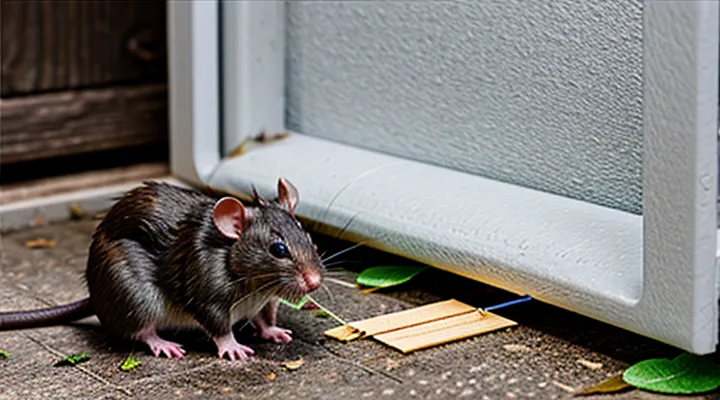
How Sticky Traps Work
The Mechanism of Adhesion
Adhesive traps for rats capture rodents by forming a permanent bond between the animal’s limbs and a polymeric surface. The bond originates from a high‑energy, viscoelastic coating that remains tacky under a wide range of environmental conditions.
The coating consists of a synthetic polymer matrix (commonly polyacrylate or silicone‑based) blended with tackifiers, plasticizers, and a curing agent. This formulation creates a surface with low contact angle, maximising wetting of the rat’s footpad and fur. The polymer’s viscoelasticity allows it to flow around microstructures on the animal’s skin, increasing the real contact area.
Adhesion proceeds through three physical mechanisms:
- Surface energy attraction – the high surface energy of the polymer overcomes the surface tension of the rat’s skin, drawing the two materials together.
- Mechanical interlocking – microscopic irregularities in the coating lock around hair shafts and epidermal ridges, preventing release.
- Viscoelastic dissipation – the coating deforms under load, absorbing kinetic energy and converting it to heat, which solidifies the bond.
When a rat steps onto the trap, its weight exerts a normal force that spreads the adhesive, while the frictional force generated by the animal’s movement creates shear stress. Both forces increase the real contact area, ensuring that detachment requires forces far beyond the rat’s muscular capability.
Effectiveness of the adhesive mechanism depends on several variables:
- Ambient temperature – higher temperatures reduce polymer viscosity, enhancing flow and contact.
- Relative humidity – excess moisture can dilute the adhesive surface, decreasing tack.
- Age of the trap – prolonged exposure to air leads to oxidation and loss of surface energy.
- Surface contamination – dust or oils on the trap diminish wetting efficiency.
Optimising these parameters preserves the adhesive’s capacity to immobilise rats reliably.
Types of Adhesives Used
Adhesive composition determines the capture reliability of rat glue boards. Effective adhesives must retain tackiness under varying temperature and humidity, resist gnawing, and prevent premature release of trapped rodents.
- Natural resin adhesives – derived from plant gums or latex; provide moderate stickiness, degrade faster when exposed to moisture, suitable for short‑term indoor use.
- Synthetic polymer adhesives – primarily polyacrylate or polyurethane formulations; deliver high initial tack, maintain performance across a broad temperature range, exhibit superior moisture resistance.
- Hybrid adhesives – combine natural resins with synthetic polymers; balance biodegradability with extended durability, useful where environmental concerns intersect with prolonged deployment.
- Silicone‑based adhesives – offer low temperature flexibility and chemical inertness; limited in strength compared with polymer options, applied in specialized low‑temperature scenarios.
- Epoxy‑type adhesives – feature extreme bonding strength; rarely used in disposable traps due to rigidity and potential toxicity, reserved for permanent control installations.
Key performance metrics include shear strength, cure time, and resistance to rodent gnawing. High shear strength prevents escape once the animal contacts the surface. Rapid cure time ensures the board remains tacky during storage and handling. Moisture resistance is critical for basements, sewers, and outdoor settings where humidity can reduce adhesive efficacy.
Selection should align with deployment environment, required service life, and safety regulations. For indoor, short‑term applications, natural resin or hybrid adhesives suffice. For long‑term, high‑moisture locations, synthetic polymer formulations provide the most consistent capture rates while meeting regulatory standards for non‑toxic exposure.
Advantages of Sticky Traps
Non-Toxic Nature
Sticky traps for rodent control rely on a viscous adhesive surface rather than chemical agents, making them inherently non‑toxic. The adhesive matrix consists of food‑grade polymers and natural resins that attract rats without releasing poisons or allergens.
The design eliminates direct exposure to hazardous substances for humans, children, and non‑target animals. Contact with the trap does not result in ingestion of toxic compounds, and accidental handling poses no health risk because the glue is inert after curing.
Environmental impact remains minimal. The traps contain no residual chemicals that can leach into soil or water. After use, the adhesive can be disposed of in standard waste streams without special hazardous‑waste procedures.
Regulatory compliance is straightforward. Because no active toxic ingredients are present, the products typically bypass pesticide registration requirements and meet safety standards set by agencies such as the EPA and OSHA.
Key attributes of the non‑toxic nature:
- Adhesive composed of inert, food‑grade polymers
- No chemical poisons or anticoagulants involved
- Safe handling for users and non‑target species
- Simple disposal without hazardous‑waste classification
- Compatibility with environmental regulations and standards
Ease of Setup and Disposal
Adhesive rat traps require minimal preparation. The trap comes pre‑coated with a non‑toxic glue; the user removes a protective film, places the device on a flat surface, and optionally adds a small amount of bait. No drilling, wiring, or chemical mixing is involved, allowing installation within seconds.
Disposal follows a straightforward procedure. Once a capture occurs, the trap is sealed in a disposable bag, preventing contact with the rodent. The sealed unit can then be placed in regular waste, complying with local regulations. The design eliminates the need for cleaning or chemical neutralization, reducing exposure risk and simplifying waste management.
Cost-Effectiveness
Adhesive rat traps provide a low‑initial‑cost solution compared with mechanical or electronic devices. The purchase price per unit typically ranges from $0.50 to $2.00, allowing large‑scale deployment without significant capital outlay. Because traps require no power source, operating expenses are limited to occasional replacement of the adhesive surface.
Cost‑effectiveness depends on three measurable factors:
- Capture rate per trap – higher capture density reduces the number of traps needed, directly lowering material costs.
- Placement density – strategic positioning along rodent pathways maximizes catches while minimizing trap quantity.
- Replacement interval – longer usable life extends the interval between purchases, decreasing total expenditure.
When the average capture rate exceeds 80 % within a 24‑hour period, the total cost per captured rat often falls below $5.00, outperforming bait stations and electronic deterrents that may incur recurring costs for consumables, electricity, or maintenance. Consequently, adhesive traps deliver a favorable cost‑to‑performance ratio for short‑term infestations and environments where budget constraints limit alternative interventions.
Disadvantages and Ethical Concerns
Inhumane Aspects of Capture
Adhesive rodent traps designed to capture rats often cause severe physiological distress. Contact with the glue coating immobilizes the animal, preventing normal respiration and leading to prolonged suffocation. The animal’s attempts to free itself result in torn skin, broken fur, and exposed wounds. Blood loss can be extensive as the animal struggles, increasing the risk of infection and shock. Stress hormones surge, indicating acute pain and terror, which can persist for hours before death occurs.
Key inhumane consequences include:
- Respiratory compromise due to restricted thoracic movement.
- Dermal trauma from prolonged exposure to the adhesive surface.
- Hemorrhagic injuries caused by frantic attempts to escape.
- Elevated cortisol levels reflecting extreme stress.
- Potential for secondary infections from open wounds.
These outcomes compromise humane pest‑control standards and raise ethical concerns regarding the use of such devices.
Potential for Non-Target Animals
Adhesive rodent traps designed to capture rats pose a measurable risk to non‑target wildlife. The glue surface does not discriminate by species; any animal that contacts the trap can become immobilized, leading to injury, stress, or death. This risk is amplified in environments where small mammals, birds, reptiles, and invertebrates share the same foraging pathways as rats.
Typical non‑target groups affected include:
- Small rodents such as mice, voles, and chipmunks
- Ground‑dwelling birds, especially sparrows, pigeons, and quail
- Amphibians and reptiles that traverse low vegetation or floor debris
- Beneficial insects, including beetles and pollinators that land on trap surfaces
Mitigation measures focus on strategic placement, exclusion barriers, and monitoring. Positioning traps along established rat runways, away from wildlife corridors, reduces incidental captures. Physical guards or mesh covers can prevent access by larger or non‑target species while preserving trap efficacy for rats. Regular inspection allows prompt removal of unintended captures, minimizing suffering and ecological impact.
Limited Effectiveness in Certain Scenarios
Adhesive rat traps provide a direct method of capture, yet their success diminishes under specific conditions.
- High-density infestations overwhelm trap capacity, allowing many rodents to bypass or avoid the devices.
- Presence of abundant alternative food sources reduces the likelihood of contact with the sticky surface.
- Placement in areas with heavy dust, moisture, or debris impairs adhesive performance and shortens trap lifespan.
- Rodents with heightened neophobia or previous exposure to traps develop avoidance behavior, decreasing capture rates.
- Seasonal temperature fluctuations affect glue viscosity; extreme cold hardens the adhesive, while heat softens it, both compromising effectiveness.
Mitigation strategies include rotating trap locations, supplementing with baited devices, maintaining a clean environment around the traps, and integrating complementary control measures such as exclusion or population reduction techniques.
Factors Influencing Effectiveness
Placement Strategies
Effective use of adhesive rat traps depends largely on where they are positioned. Rats travel along established pathways that connect food, water, shelter, and nesting sites. Placing traps directly on these routes maximizes capture rates.
- Install traps along walls, approximately 2–4 inches from the surface, because rats prefer to run close to vertical structures.
- Target known entry points such as gaps beneath doors, vent openings, and utility penetrations; a trap placed immediately inside the opening intercepts rodents before they reach interior spaces.
- Position traps near active foraging areas, including pantry shelves, garbage containers, and feed bins; the scent of food draws rats, increasing the likelihood of contact.
- Deploy traps in dark, secluded corners of basements, crawl spaces, and attic joist areas where rats seek concealment.
- Use multiple traps in parallel lines across a single pathway to cover the full width of the travel corridor and reduce the chance of avoidance.
- Replace or relocate traps every 24–48 hours to maintain adhesive integrity and to respond to shifting activity patterns.
Strategic placement aligns trap locations with rat behavior, thereby enhancing the overall efficacy of adhesive control measures.
Environmental Conditions
Environmental temperature directly influences adhesive strength. Low temperatures reduce the tack of glue, allowing rats to escape after brief contact. High temperatures increase stickiness but may cause glue to dry and crack, diminishing long‑term performance. Optimal effectiveness occurs within a moderate range of 15–25 °C, where the adhesive remains pliable and retains its grip.
Relative humidity affects moisture accumulation on the trap surface. Excessive humidity creates a thin film of condensation that can act as a lubricant, reducing capture rates. Conversely, very dry air accelerates glue desiccation, leading to brittleness. Maintaining humidity between 40 % and 60 % preserves adhesive consistency and maximizes capture probability.
Placement location interacts with environmental factors. Areas with poor ventilation tend to retain heat and moisture, altering glue properties. Position traps in well‑ventilated zones to prevent temperature spikes and condensation buildup. Ensure surfaces are free of dust, oil, or food residue, which can interfere with adhesion regardless of ambient conditions.
Key environmental parameters for optimal trap performance:
- Temperature: 15–25 °C
- Relative humidity: 40–60 %
- Adequate ventilation at placement sites
- Clean, dry substrate free of contaminants
Baiting Techniques
Adhesive rat traps achieve optimal results when baiting aligns with rodent feeding habits and environmental cues. Selecting attractants that match the species’ diet, activity period, and local food sources maximizes capture rates.
- Peanut butter, cheese, or rendered animal fat for omnivorous preferences.
- Fresh fruit pieces or sugary syrup for preferences toward sweet foods.
- Grain‑based mixtures for populations accustomed to stored cereals.
- Commercially formulated rodent lures containing pheromones to enhance detection.
Placement follows a pattern of targeting high‑traffic zones while minimizing exposure to non‑target species. Effective positions include:
- Along walls where rats travel close to the baseboard.
- Behind appliances, inside cabinets, or near utility lines.
- Adjacent to known gnawing sites, such as pipe penetrations or structural gaps.
- In corners of storage areas where food residues accumulate.
Regular inspection ensures bait freshness and trap integrity. Replace desiccated or contaminated bait within 24 hours to prevent loss of attraction. Remove captured rodents promptly to avoid odor buildup that can deter further activity. Record trap performance daily; adjust bait type or placement based on observed capture trends to sustain high efficiency.
Alternatives to Sticky Traps
Snap Traps
Snap traps are mechanical devices that deliver an instantaneous kill to rodents through a spring‑loaded bar. The design consists of a trigger platform, a bait holder, and a lethal spring mechanism calibrated to close within milliseconds. When a rat contacts the trigger, the stored energy releases, snapping the bar against the animal’s neck or spine, causing immediate fatal injury.
Effectiveness of snap traps is measured by capture rate, speed of kill, and durability. Studies show capture rates between 70 % and 90 % in controlled environments when appropriate bait is used. The rapid action minimizes suffering and prevents escape, unlike adhesive devices that may allow prolonged entanglement. Spring tension remains functional for months if stored properly, allowing repeated deployment without replacement.
Key operational guidelines:
- Position traps along walls, near known runways, and behind obstacles where rats travel.
- Use fresh, high‑protein bait such as peanut butter, bacon, or dried fruit.
- Set the trigger with firm pressure; insufficient tension reduces closure speed.
- Inspect traps daily; remove captured rodents promptly to avoid secondary attraction.
- Replace springs or entire units after 30–40 successful catches, as fatigue reduces force.
Advantages:
- Immediate lethal action
- Low cost per unit
- Reusable after cleaning
- No residue or mess
Disadvantages:
- Requires careful placement to avoid non‑target species
- Potential for human injury if mishandled
- Limited effectiveness in cluttered environments where rats can avoid contact
When comparing snap traps to adhesive rat traps, snap devices achieve higher kill certainty and faster results, while adhesive traps may be useful in confined spaces where mechanical devices cannot be placed. Selecting the appropriate method depends on infestation severity, environment layout, and safety considerations.
Live Traps
Live traps provide a humane alternative to adhesive devices for controlling rodent populations. They capture rats without causing injury, allowing owners to release the animals at a safe distance from the property. The mechanism typically involves a spring‑loaded door that closes when the rat triggers a pressure plate or steps onto a baited platform.
Effectiveness depends on proper placement, bait selection, and trap maintenance. Position traps along walls, near droppings, or in areas with visible gnaw marks. Use high‑protein or grain‑based baits to attract rats quickly. Check traps at least twice daily; a full trap reduces the likelihood of escape and prevents stress to the captured animal.
Key advantages of live traps include:
- Preservation of animal life, meeting ethical standards and legal requirements in many jurisdictions.
- Ability to monitor capture numbers, giving insight into infestation severity.
- Elimination of sticky residues that can damage surfaces or pose hazards to non‑target species.
Limitations to consider:
- Requirement for regular inspection and proper disposal or relocation of captured rats.
- Potential for trap avoidance if rats become wary of repeated exposure.
- Need for secure containment to prevent escape during transport.
When integrated with a comprehensive pest‑management plan, live traps can reduce rat activity while avoiding the drawbacks associated with adhesive methods. Their selective capture capability makes them suitable for environments where non‑target species are present or where humane practices are mandated.
Rodenticides
Rodenticides represent a chemical approach to rat control, contrasting with adhesive devices that rely on physical capture. They function by delivering toxic agents that disrupt physiological processes, leading to mortality after ingestion. Common active ingredients include anticoagulants (e.g., bromadiolone), neurotoxins (e.g., bromethalin), and metal phosphides (e.g., zinc phosphide). Each class exhibits distinct onset times, secondary poisoning risks, and regulatory restrictions.
Key considerations when evaluating chemical options alongside adhesive traps:
- Speed of action: Anticoagulants may require several days to cause death, whereas neurotoxins act within hours.
- Non‑target exposure: Bait stations can attract pets, wildlife, and children; secure placement and tamper‑resistant designs mitigate this risk.
- Resistance development: Repeated use of anticoagulants can select for resistant rat populations, reducing long‑term efficacy.
- Regulatory compliance: Many jurisdictions mandate licensing, labeling, and record‑keeping for rodenticide deployment.
Integrating rodenticides with adhesive traps can enhance overall control programs. Chemical baits address hidden infestations, while sticky devices provide immediate verification of activity. Effective implementation demands precise bait placement, routine monitoring, and adherence to safety protocols to minimize unintended consequences.
Professional Pest Control
Professional pest‑control operators assess adhesive rat traps based on capture rates, placement precision, and integration with broader management plans. Field studies report average capture percentages between 60 % and 85 % when traps are positioned along established runways and near food sources. Success declines sharply if traps are placed in high‑traffic human zones or exposed to moisture, which reduces adhesive strength.
Key variables influencing trap performance:
- Surface texture of the trap (smooth polymer vs. textured backing)
- Ambient temperature (optimal range 15‑30 °C)
- Humidity levels (excessive moisture impairs glue)
- Baiting strategy (food attractants increase initial contact)
- Trap density (one trap per 10 m² in moderate infestations)
Professional protocols recommend pairing sticky devices with monitoring tools such as motion‑activated cameras to verify activity patterns. After a capture, immediate removal and disposal prevent secondary infestations. Integration with exclusion measures—sealing entry points, maintaining sanitation, and employing rodent‑proof storage—enhances overall reduction of rat populations.
Best Practices for Using Sticky Traps
Safety Precautions
Adhesive rat traps provide rapid capture but pose distinct hazards that require strict control. Users must adopt protective measures to prevent accidental contact, environmental contamination, and legal liability.
- Wear puncture‑resistant gloves and long sleeves when handling traps; remove gloves before disposal to avoid adhesive transfer.
- Place traps away from food preparation surfaces, children’s play areas, and pet zones; secure with barriers or signage.
- Inspect each trap for damage before deployment; replace any with torn backing or compromised adhesive.
- Use traps only in well‑ventilated indoor spaces or sheltered outdoor locations; avoid placement in direct sunlight or rain, which can degrade adhesive strength and cause unintended releases.
- Store unused traps in sealed containers, away from heat sources, to preserve efficacy and prevent accidental activation.
- Dispose of captured rodents and used traps in accordance with local health regulations; seal in double‑layered bags before placing in designated waste containers.
- Keep a first‑aid kit nearby; in case of skin contact, remove adhesive with oil‑based cleanser and seek medical attention if irritation persists.
Compliance with these protocols safeguards personnel, maintains trap performance, and reduces risk of secondary infestations or legal repercussions.
Humane Release Methods (If Applicable)
When adhesive traps capture a rat and the goal is non‑lethal handling, the operator must follow precise procedures to avoid injury to the animal and to protect personal safety. The process begins with preparation: wear thick disposable gloves, have a sturdy container with ventilation ready, and keep a disinfectant nearby.
- Secure the trap with a tool that does not damage the rodent, such as a flat metal spatula.
- Transfer the animal into the container, ensuring the lid is closed but not airtight.
- Transport the animal at least 0.5 kilometers from the capture site to prevent immediate return.
- Release the rat into a suitable habitat, preferably an area with natural cover and access to food sources.
- Clean the trap and surrounding area with an appropriate disinfectant to eliminate pathogens.
Legal requirements often mandate a minimum relocation distance and prohibit release near residential properties. Failure to comply can result in penalties and increased risk of re‑infestation. Proper documentation of each release, including date, location, and condition of the animal, supports accountability and aids in monitoring effectiveness.
Regular Monitoring and Maintenance
Regular monitoring guarantees that adhesive devices remain functional and that rat activity is accurately tracked. Inspect each trap at least once daily in high‑traffic zones; increase frequency to twice daily during peak infestation periods. During inspection, verify that the adhesive surface is free of dust, moisture, or debris that could diminish stickiness, and confirm that the trap has captured no more than a few rodents to prevent overcrowding and loss of efficacy.
Maintain traps by replacing the adhesive sheet promptly when it shows signs of saturation, tearing, or reduced tack. Use manufacturer‑specified replacement intervals, typically every 48–72 hours under moderate load, and adjust based on observed capture rates. Securely remove captured rodents, seal them in a disposable container, and follow local regulations for disposal to avoid secondary contamination.
Implement a simple log that records date, location, number of captures, and condition of each trap. This data supports trend analysis, identifies hotspots, and informs adjustments to trap density or placement. Periodically rotate trap locations to prevent rats from habituating to static positions, ensuring consistent pressure on the population.
When servicing traps, wear protective gloves to reduce direct contact with adhesives and potential pathogens. Clean surrounding surfaces with a mild detergent before installing new traps to maintain optimal adhesion. Store unused adhesive sheets in a cool, dry environment to preserve their effectiveness over time.
Integrate adhesive devices with complementary control measures—such as exclusion sealing, sanitation, and baiting—to enhance overall reduction of rat numbers. Consistent monitoring and diligent upkeep keep adhesive traps operating at peak performance, delivering reliable reductions in rodent activity.