
Understanding Water Rats
Identifying Water Rats
Physical Characteristics
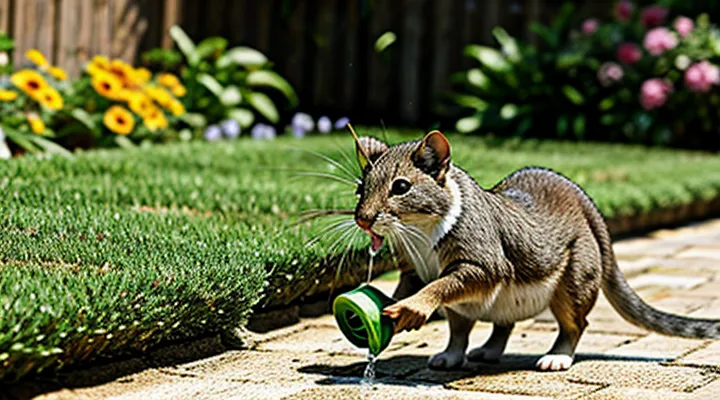
Water rats commonly encountered in residential lawns and backyards are medium‑sized rodents with distinctive anatomical features that aid in both identification and control measures. Adults typically measure 20–30 cm in body length, with an additional 15–25 cm tail that is proportionally long, hairless, and often darker on the dorsal surface. Body mass ranges from 250 to 500 g, providing sufficient strength for burrowing and swimming.
- Fur: Dense, water‑repellent coat; dorsal coloration varies from dark brown to black, while ventral fur is lighter, usually gray‑white.
- Head: Broad skull with pronounced cheekbones; eyes are relatively small, positioned high on the skull to enhance underwater vision.
- Ears: Small, rounded, and partially concealed by fur, reducing drag while swimming.
- Whiskers (vibrissae): Long, stiff sensory hairs extending laterally; essential for navigation in murky water and tight burrows.
- Limbs: Robust forelimbs equipped with strong claws for digging; hind limbs are elongated, facilitating powerful strokes during swimming.
- Tail: Muscular, tapered, and covered with scant hair; acts as a rudder for steering and provides balance when climbing vegetation.
- Dentition: Large, chisel‑shaped incisors that continuously grow; enamel is orange‑brown, enabling efficient gnawing on plant material and soft soil.
These morphological traits directly affect management tactics. The sizeable body and strong limbs require traps with sufficient opening width and bait placement near burrow entrances. The water‑resistant fur and tail adaptations allow rapid movement through wet environments, demanding that control devices be positioned on stable, dry surfaces to prevent escape. Recognizing the characteristic coloration and whisker length streamlines field identification, reducing misidentification with non‑target species.
Signs of Presence
Water rats leave distinct evidence that confirms their activity in private gardens and yards. Their presence can be verified through observable traces rather than speculation.
- Fresh, shallow burrows along pond edges, irrigation channels, or damp soil, typically 10‑30 cm deep and 5‑10 cm wide.
- Tracks consisting of small, elongated footprints with four toes and a noticeable claw mark, often visible on soft mud or sand.
- Chewed vegetation, especially tender stems of ornamental grasses, lettuce, and young shrubs, showing clean, straight cuts.
- Accumulated droppings, dark brown to black, 5‑7 mm long, found near water sources, feeding stations, or within burrow entrances.
- Gnawed or missing sections of garden hoses, PVC pipes, and wooden furniture, indicating gnawing behavior.
Additional indicators include audible rustling at night near water features, a musky odor emanating from nesting sites, and the appearance of water‑logged soil or small mounds of earth displaced by digging activity. Detecting these signs promptly enables targeted management measures before populations expand.
Why Water Rats Are a Problem
Damage to Gardens and Yards
Water rats cause extensive damage to cultivated and ornamental outdoor areas. Their activities compromise plant health, soil stability, and structural components.
- Burrowing undermines root systems, leading to wilting, stunted growth, and plant death.
- Chewed stems and foliage create entry points for pathogens and pests, accelerating decay.
- Nest construction disturbs soil layers, increasing erosion and reducing water retention.
- Gnawed wooden fences, trellises, and garden furniture weaken support structures, requiring frequent repairs.
- Accumulated urine and feces contaminate soil, altering nutrient balance and creating unpleasant odors.
The combined effect reduces aesthetic value, lowers property resale potential, and raises maintenance costs. Immediate mitigation measures are essential to preserve garden productivity and yard integrity.
Potential Health Risks
Water rats that inhabit residential lawns and backyards present several direct health hazards. Their presence introduces pathogens, contaminates water, and creates conditions that facilitate disease transmission.
- Leptospirosis: Rodent urine frequently contains Leptospira bacteria. Contact with contaminated soil or standing water can lead to skin abrasions that serve as entry points for infection, producing fever, headache, and, in severe cases, kidney or liver failure.
- Salmonellosis: Fecal deposits harbor Salmonella spp. Ingestion of contaminated produce or accidental ingestion of soil particles can cause gastrointestinal distress, dehydration, and systemic infection.
- Hantavirus exposure: While less common in aquatic species, some water rat populations carry hantavirus strains. Inhalation of aerosolized particles from dried urine or feces poses a respiratory risk, potentially resulting in fever, muscle aches, and pulmonary complications.
- Parasite transmission: External parasites such as fleas, ticks, and mites often infest water rats. These arthropods may detach and bite humans or pets, transmitting diseases like ehrlichiosis or babesiosis.
- Allergic reactions: Proteins in rodent saliva, urine, and dander can trigger allergic responses, ranging from skin irritation to asthma exacerbations in sensitized individuals.
- Water contamination: Accumulated waste can pollute garden irrigation systems and decorative ponds, fostering bacterial growth that compromises drinking water quality and heightens infection risk.
Preventive measures—such as sealing entry points, removing standing water, and employing humane trapping—reduce rodent density and limit exposure to these hazards. Regular monitoring of soil and water quality, combined with prompt sanitation after removal activities, further mitigates health threats associated with water rat infestations in outdoor domestic environments.
Prevention Strategies
Garden and Yard Maintenance
Eliminating Food Sources
Removing accessible food eliminates the primary incentive for water rats to occupy gardens and yards. Without a reliable supply, populations decline as individuals must travel farther to forage, exposing them to predators and environmental stress.
Effective elimination includes the following actions:
- Secure compost bins with tight‑fitting lids; avoid open piles.
- Store animal feed in sealed containers; place feeders on raised platforms with rat‑proof barriers.
- Collect fallen fruit, nuts, and seeds daily; dispose of them in sealed bags.
- Clean bird‑feeding stations after each use; prevent spillage onto the ground.
- Keep trash cans covered and empty them regularly; rinse containers to remove residue.
Routine inspection reinforces these measures. Survey the area weekly for spilled grains, discarded shells, or rotting vegetation. Promptly remove any newly identified attractants. Consistent application of these practices reduces food availability, discourages colonization, and supports long‑term control of water rat activity in residential outdoor spaces.
Removing Shelter
Effective control of water rats in residential outdoor areas depends on eliminating the structures they use for protection and nesting. Remove any debris, such as piles of leaves, discarded wood, and garden waste, that can serve as hiding places. Cut back dense vegetation, especially near water sources, to reduce cover and limit access to the ground.
- Clear fallen branches and prune shrubs to a minimum height of 30 cm from the soil surface.
- Dispose of compost bins, especially those without secure lids, or relocate them to a location inaccessible to rodents.
- Fill or cover low-lying areas that retain water, as damp soil encourages burrow construction.
- Seal gaps under fences, decking, and garden sheds with metal flashing or concrete to prevent entry.
Inspect irrigation systems for leaks; repair or replace faulty hoses and drip emitters. Ensure drainage ditches and gutters direct water away from the garden perimeter, reducing moisture that attracts water rats.
After habitat removal, monitor the area for signs of activity. Use motion-activated cameras or track plates to verify the absence of new burrows. Continuous maintenance of a tidy, dry environment sustains the reduction of shelter opportunities and supports long-term population decline.
Physical Barriers
Fencing Solutions
Water rats can undermine plantings, erode soil banks, and create unsanitary conditions in residential outdoor areas. A properly designed fence provides a physical barrier that prevents access to vulnerable zones while allowing normal garden use.
- Metal panels – galvanized steel or aluminum, mesh ≤ 25 mm, anchored 30 cm below ground.
- Concrete walls – reinforced sections, minimum thickness 10 cm, sealed joints.
- Composite barriers – high‑density polyethylene or recycled wood, UV‑stabilized, interlocking edges.
- Wire mesh – stainless‑steel or coated wire, mesh size 12–15 mm, tensioned to avoid sagging.
Effective fence design incorporates three critical dimensions: depth, aperture, and overhang. The barrier should extend at least 30 cm below the surface to block burrowing, feature openings no larger than 25 mm to exclude juveniles, and include a 10 cm outward overhang to deter climbing. Gates and access points require self‑closing latches and overlapping flaps to maintain continuity.
Installation steps include: excavating a trench to the required depth, laying a compacted base of sand or fine gravel, positioning the fence panel, backfilling with soil while compacting in layers, and applying a protective coating to metal components. Regular inspection for gaps, corrosion, or damage ensures long‑term effectiveness; repairs should be performed promptly to preserve integrity.
Protecting Water Features
Water features such as ponds, fountains, and birdbaths attract water‑borne rodents that can damage liners, spread disease, and compromise plant health. Effective protection requires a combination of physical barriers, habitat modification, and vigilant maintenance.
- Install fine‑mesh screens or metal grates over inlet and overflow openings; mesh size should not exceed ¼ inch to prevent entry.
- Apply a continuous strip of waterproof sealant around the perimeter of liners and concrete edges to eliminate gaps.
- Use smooth, non‑porous materials for basin walls; smooth surfaces discourage gnawing and climbing.
- Position lighting or motion‑activated deterrents near water bodies; rodents avoid bright, sudden movement.
- Remove standing water that is not part of the feature; eliminate puddles, over‑watered soil, and drainage clogs.
Regular inspection is essential. Check for chew marks, burrow entrances, and water leakage weekly. Replace damaged components promptly to maintain structural integrity. By integrating these measures, homeowners preserve the aesthetic and functional value of water features while minimizing the impact of aquatic rodents.
Eradication Methods
Trapping
Types of Traps
Water rats pose a significant threat to vegetation, soil stability, and infrastructure in residential outdoor spaces. Effective control relies on selecting traps that target the rodents while minimizing harm to non‑target wildlife.
- Live‑catch cages – sturdy, wire‑mesh enclosures with baited entrances; allow relocation after capture, provided local regulations permit release.
- Snap traps – high‑carbon steel mechanisms that deliver rapid, lethal force; best suited for areas where immediate mortality is required and where safety shields prevent accidental activation.
- Multi‑catch pitfall traps – buried containers with funnel entrances; collect several individuals over time, useful for monitoring population density.
- Electronic lethal traps – battery‑powered devices that emit a high‑voltage shock upon entry; offer quick kill and reduced risk of escape, but require regular power checks.
- Glue boards – adhesive surfaces placed along runways; capture rodents passively, though they may cause prolonged suffering and are less suitable for humane management.
When deploying traps, position them near water sources, burrow entrances, or established pathways. Use bait such as fresh vegetables, fruit, or commercial rodent attractants. Check traps daily to remove captured animals, reset mechanisms, and maintain hygiene. Combining multiple trap types enhances coverage and accelerates population reduction.
Baiting Techniques
Effective baiting is essential for reducing water‑rat populations in residential green spaces. Selecting an attractant that matches the rodents’ dietary preferences increases capture rates while minimizing non‑target exposure.
- Fresh vegetables such as lettuce, cabbage, and carrots attract foraging individuals.
- High‑protein foods, including canned tuna, boiled egg, and peanut butter, stimulate strong feeding responses.
- Commercial rodent baits formulated with grain or soy base provide consistent palatability and can be pre‑treated with scent enhancers.
Placement strategies determine success. Position bait stations near water sources, burrow entrances, and established runways. Secure containers at ground level, ensuring the opening faces the expected approach direction. Replace bait every 24–48 hours to maintain freshness and limit decomposition.
Safety considerations include using tamper‑proof devices to protect children and pets, and applying baits only in areas where runoff will not enter storm drains. Monitoring traps daily allows rapid removal of captured rodents and adjustment of bait type or location based on observed activity patterns.
Trap Placement and Monitoring
Effective control of water rats in residential outdoor areas depends on strategic trap deployment and diligent observation.
Select trap sites where activity signs concentrate: fresh droppings, gnawed vegetation, and well‑worn pathways along bank edges, drainage ditches, and near water sources. Position devices perpendicular to these routes, with the trigger end facing the expected direction of travel. Space individual traps 10–15 feet apart to prevent overlapping fields and to encourage consistent encounters.
Secure each trap at ground level, anchoring it firmly to prevent displacement by wind or water flow. Use weather‑resistant bait such as fresh fish, wet dog food, or commercial rodent attractant, and replace bait daily to maintain potency.
Implement a monitoring schedule that includes:
- Morning check – record captures, examine trap condition, and replenish bait.
- Evening inspection – verify any nocturnal activity, note new signs, and adjust placement if necessary.
- Weekly review – compile capture counts, map hot‑spot shifts, and relocate traps to emerging pathways.
Document all observations in a logbook or digital spreadsheet, noting date, time, trap location, and number of rats captured. Analyze trends to identify peak activity periods and to refine trap density.
Maintain traps in optimal condition by cleaning them after each capture, inspecting moving parts for wear, and replacing damaged units promptly. Consistent placement, regular inspection, and systematic record‑keeping create a feedback loop that maximizes removal efficiency and reduces water rat populations in garden and yard environments.
Repellents
Natural Repellents
Water rats cause extensive damage to lawns, vegetable patches, and ornamental plants. Effective control relies on deterrents that discourage burrowing and foraging without harming non‑target wildlife.
- Strong citrus oil sprays applied to soil and plant bases repel rodents through odor aversion.
- Peppermint essential oil diluted in water creates a volatile barrier; reapply after rainfall.
- Garlic‑infused mulch releases sulfur compounds that discourage gnawing activity.
- Ground‑level sprinklers that emit short bursts of water deter nocturnal movement.
- Predator scent sachets containing fox or ferret urine mimic natural threats and reduce activity levels.
Application guidelines: distribute repellents evenly along perimeter and near known tunnels; maintain concentrations recommended by manufacturers; repeat treatments weekly during peak season. Monitor effectiveness by inspecting for fresh gnaw marks and adjusting placement as needed.
Safety considerations: verify that chosen oils are safe for pets and children; avoid excessive concentrations that may damage delicate foliage; store all preparations in sealed containers away from heat sources. Combining several natural methods often yields the most reliable reduction in water rat presence.
Commercial Repellents
Commercial repellents provide a practical solution for reducing water‑rat activity in residential outdoor areas. Products fall into three main categories: chemical, ultrasonic, and scent‑based formulations.
-
Chemical repellents contain active ingredients such as capsaicin, citronella oil, or synthetic pyrethroids. They are applied to soil, plant bases, or perimeter barriers and create an unpleasant environment that discourages foraging and burrowing. Recommended application rates range from 0.5 ml m⁻² to 2 ml m⁻², depending on concentration. Re‑application every 4–6 weeks maintains effectiveness.
-
Ultrasonic devices emit frequencies between 20 kHz and 50 kHz, targeting the auditory sensitivity of rodents. Installation near water sources or garden edges creates a continuous deterrent field. Devices typically require a power source and periodic cleaning of transducers to prevent signal degradation.
-
Scent‑based repellents use natural extracts (e.g., peppermint, eucalyptus) or synthetic analogues. They are sprayed directly onto vegetation, mulch, or water troughs. Effectiveness peaks within 24 hours and diminishes after 7–10 days, necessitating regular re‑application.
Key selection criteria include:
- Spectrum of activity – whether the product deters both adult rats and juveniles.
- Environmental safety – compliance with local wildlife protection regulations and minimal toxicity to non‑target species.
- Persistence – duration of active protection under outdoor weather conditions.
- Cost efficiency – price per unit area compared with expected reduction in damage.
When deploying commercial repellents, follow manufacturer instructions for dosage, coverage, and protective equipment. Combine repellents with habitat modification—removing standing water, securing waste containers, and trimming dense vegetation—to enhance overall control. Monitoring rodent signs weekly helps adjust treatment frequency and confirm efficacy.
Professional Pest Control
When to Call an Expert
Water rats can cause extensive damage to irrigation systems, plant roots, and structural foundations. Homeowners often attempt DIY control, but several conditions require professional intervention to prevent escalation and ensure compliance with local wildlife regulations.
Typical indicators that an expert should be engaged include:
- Persistent burrowing beneath patios, decks, or drainage pipes despite repeated trapping attempts.
- Evidence of gnawed electrical wiring or water lines that pose safety hazards.
- Rapid population growth confirmed by multiple sightings or fresh tracks within a confined area.
- Legal restrictions that prohibit the use of certain poisons or traps without a licensed operator.
- Inadequate access to specialized equipment such as infrared cameras, live‑capture cages, or habitat‑modification tools.
Contact a qualified pest‑management professional when any of these signs appear. The specialist will conduct a thorough site assessment, develop a targeted eradication plan, and provide documentation required for regulatory compliance. Prompt expert involvement reduces the risk of property damage, protects public health, and restores the garden’s ecological balance.
What to Expect from Professionals
Professional pest‑control operators who handle water‑rat infestations in residential outdoor spaces provide a defined set of services. Expect the following:
- Site assessment – A thorough walk‑through of the garden, lawn, and any water features to locate burrows, runways, and feeding sites.
- Species verification – Confirmation that the target animals are water rats, supported by visual evidence or trap captures.
- Tailored control plan – A written strategy that lists preferred methods (e.g., live trapping, exclusion devices, habitat modification) and explains why each is chosen for the specific property.
- Implementation – Execution of the plan using licensed equipment, humane traps, and, when necessary, approved rodenticides applied according to safety regulations.
- Sanitation and repair – Removal of contaminated debris, disinfection of affected areas, and repair of structural damage such as broken fences or compromised drainage.
- Preventive measures – Installation of barriers, sealing of entry points, and recommendations for landscaping adjustments that reduce water‑rat attraction.
- Documentation – Detailed service report that records findings, actions taken, and any chemicals used, together with disposal records for captured animals.
- Follow‑up visits – Scheduled inspections after the initial treatment to verify eradication and adjust measures if activity reappears.
- Warranty or guarantee – Clear statement of the duration and conditions under which additional service will be provided at no extra cost.
Professional operators also maintain compliance with local wildlife regulations, carry appropriate insurance, and ensure that all personnel are trained in safe handling of rodents and chemicals. Their communication is transparent: they will explain risks, answer questions, and provide written estimates before work begins.
Coexisting with Wildlife
Humane Approaches
Live Trapping and Relocation
Effective control of water rat populations in residential gardens relies on humane capture and strategic relocation. Live traps, typically multi‑capture cage models or single‑catch box traps, provide a non‑lethal method that complies with wildlife regulations. Choose traps constructed of rust‑resistant metal, equipped with a trigger mechanism sensitive to a 10‑gram weight, and fitted with a secure latch to prevent escape.
Placement of traps follows a systematic approach:
- Identify active runways, burrow entrances, and foraging paths near water sources or dense vegetation.
- Position traps perpendicular to runways, with the trigger end facing upstream to exploit the animal’s forward movement.
- Set traps at dusk and retrieve them at first light; water rats are primarily nocturnal.
- Use bait that appeals to omnivorous rodents, such as fresh fruit, fish off‑cuts, or commercial rodent attractants, applied sparingly to avoid spillage.
After capture, handle traps with thick gloves to reduce stress and prevent disease transmission. Transfer each animal into a ventilated holding container, provide a small amount of water, and record the capture date, location, and trap number. Relocation sites must be at least 5 km away from the original garden to discourage return migration, situated in habitats offering natural cover and abundant food, such as riparian corridors or uncultivated wetlands. Release each rat during daylight, gently opening the container to allow natural dispersal.
Compliance with local wildlife statutes is mandatory; many jurisdictions require permits for live trapping and relocation, and some species may be protected. Maintain a log of all activities, including trap checks, transport routes, and release coordinates, to demonstrate adherence to legal requirements and to facilitate future population assessments.
Habitat Modification for Deterrence
Effective control of water rats in residential outdoor spaces relies on altering the environment to make it unsuitable for habitation and foraging. Reducing standing water eliminates primary drinking and nesting sites. Drainage improvements, such as grading soil away from structures, installing French drains, and regularly emptying containers, remove the moisture that attracts rodents.
Vegetation management limits shelter and food availability. Trim low‑lying shrubs, remove dense ground cover, and prune overgrown hedges to create open, less concealed ground. Replace fruit‑bearing plants near the house with species that produce minimal fallen fruit, and clear leaf litter that can conceal burrows.
Physical barriers prevent entry into vulnerable areas. Install fine‑mesh fencing (1 mm or smaller) around compost piles, vegetable gardens, and water features. Seal gaps under decks, sheds, and fences with concrete or metal flashing to block burrow access.
Sanitation practices further deter activity. Store pet food in sealed containers, clean up spilled grain promptly, and secure garbage bins with tight‑fitting lids. Compost should be aerated regularly and kept at temperatures that discourage rodent habitation.
A concise checklist for habitat modification:
- Eliminate standing water: fix leaks, improve drainage, empty containers.
- Manage vegetation: trim, prune, replace fruit‑bearing plants near structures.
- Install barriers: fine‑mesh fencing, seal gaps, use metal flashing.
- Enforce sanitation: sealed storage, prompt cleanup, secure waste.
Implementing these measures creates an environment where water rats find few resources, reducing their presence and limiting damage in gardens and yards.
Long-Term Management
Ongoing Monitoring
Effective surveillance is essential when managing water rat activity in residential outdoor areas. Continuous observation supplies the data needed to evaluate the success of control measures and to detect new incursions before they cause damage.
Regular site inspections should follow a predictable schedule. A typical program includes:
- Weekly visual checks of known burrow locations, feeding stations, and water sources.
- Bi‑weekly placement of motion‑activated cameras to capture nocturnal movement.
- Monthly trap counts to quantify capture rates and identify population trends.
- Quarterly water quality sampling to assess conditions that attract rodents.
Data gathered during each visit must be logged in a central record. Entries should note date, weather conditions, observed signs of activity, and quantitative results from traps or cameras. Consistent formatting enables rapid comparison across periods and facilitates statistical analysis.
Analysis of the compiled information guides adjustments to control tactics. For example, a rise in capture numbers may signal the need for additional bait stations, while a decline could justify scaling back interventions. Integrating monitoring results with habitat modification—such as removing standing water or trimming dense vegetation—enhances overall effectiveness.
Technology supports ongoing oversight. Remote sensors transmit real‑time alerts when motion is detected, reducing the need for manual checks. Cloud‑based databases allow multiple stakeholders to view current status and historical trends, ensuring coordinated response across property managers and pest‑control professionals.
Sustained monitoring creates a feedback loop that keeps water rat populations under control, protects garden infrastructure, and minimizes the risk of disease transmission.
Community Efforts
Effective community action reduces water‑rat damage to lawns, flower beds, and irrigation systems. Residents who share observations, resources, and strategies create a unified front that limits infestations more efficiently than isolated efforts.
- Neighborhood monitoring groups record sighting locations, dates, and activity levels, supplying data for targeted interventions.
- Shared equipment pools provide traps, bait stations, and protective gear, lowering individual costs and ensuring consistent use of best‑practice devices.
- Joint education sessions teach proper sanitation, removal of food sources, and habitat modification techniques that deter burrowing and nesting.
- Coordinated reporting to municipal pest‑control agencies accelerates response times and enables citywide mapping of high‑risk zones.
- Seasonal clean‑up campaigns eliminate debris, standing water, and overgrown vegetation that attract rodents, directly reducing breeding sites.
Local authorities reinforce these initiatives by offering training workshops, subsidizing trap purchases, and maintaining an online portal for real‑time infestation alerts. When neighborhoods adopt a structured, data‑driven approach, the overall population of water rats in residential gardens and yards declines, preserving plant health and infrastructure integrity.