
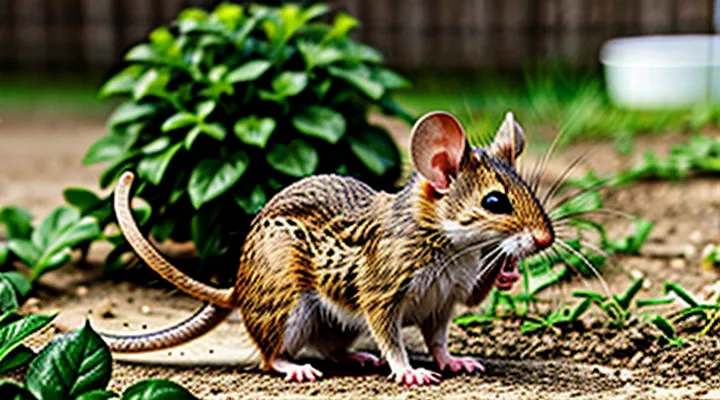
Understanding Field Mice and Their Impact
Identifying Field Mice
«Common Species and Characteristics»
The garden environment commonly hosts several rodent species that can cause damage to plants, structures, and stored produce. Understanding their identification features is essential for effective control measures.
- Wood mouse (Apodemus sylvaticus) – body length 7–10 cm, tail slightly shorter than the head‑body ratio; dorsal fur brown to gray, ventral side pale; prefers dense ground cover, hedgerows, and compost heaps; omnivorous, feeding on seeds, insects, and seedlings; nests in shallow burrows or concealed litter.
- House mouse (Mus musculus) – compact body 6–9 cm, tail equal to or slightly longer than body length; gray‑brown coat with a lighter belly; thrives in human‑altered habitats, including garden sheds, tool storage, and irrigation systems; primarily grain‑based diet but readily consumes fresh vegetables; constructs nests from shredded material in concealed corners.
- Yellow‑necked mouse (Apodemus flavicollis) – size comparable to wood mouse, distinguished by a conspicuous yellow‑brown collar on the throat; favors moist, vegetated areas near watercourses; diet includes seeds, fruits, and invertebrates; creates nests in dense grass or under stones.
- Harvest mouse (Micromys minutus) – the smallest garden rodent, body length 5–7 cm, tail longer than body; reddish‑brown dorsal fur with a paler underside; occupies tall grasses and cereal crops; feeds on seeds and arthropods; nests are spherical structures woven from grass stems attached to vertical stems.
Each species exhibits specific habitat preferences and foraging behaviors that influence the pattern of garden damage. Recognizing these traits enables targeted prevention strategies, such as habitat modification, exclusion devices, and timely removal of nesting materials.
«Signs of Infestation in Your Garden»
Detecting the early presence of garden field mice prevents extensive damage. Observation of specific symptoms reveals an active population before it spreads.
- Small, dark droppings near plant bases or along pathways.
- Fresh gnaw marks on seedlings, bark, or seed heads.
- Visible entry holes, 2–3 cm in diameter, often clustered near mulch or low vegetation.
- Piles of gathered seeds or plant material, typically arranged in neat heaps.
- Light footprints or tail marks in soft soil, especially after rain.
- Chewed or displaced garden tools and wiring.
These indicators appear consistently when mice occupy a garden. Their presence signals that protective measures must be implemented promptly to avoid further loss of crops and ornamental plants.
«Why Field Mice Are Attracted to Gardens»
«Food Sources»
Field mice are drawn to gardens by readily available nutrition. Seeds, newly sprouted seedlings, fallen fruit, and decomposing organic matter supply the calories required for rapid population growth.
- Sunflower and other oilseed heads left after harvest
- Pea, bean, and lettuce seedlings exposed at soil level
- Ripe berries, apples, and grapes that drop onto the ground
- Compost piles with uncovered food scraps
- Pet food left outdoors or in unsecured containers
Eliminating these attractants reduces the likelihood of mouse incursions. Store seed bags in sealed, airtight containers; remove and compost fallen produce daily; cover compost with a tight‑fitting lid or a layer of coarse mulch; and keep pet feeding stations inside a building or under a lockable cover. Harvest seedlings promptly and use row covers to shield young plants until they are mature enough to withstand grazing.
Implementing systematic sanitation and physical barriers deprives mice of essential sustenance, thereby preventing their establishment in garden spaces.
«Shelter and Nesting Sites»
Field mice require concealed areas that provide protection from predators and harsh weather. These refuges also serve as sites for building nests, storing food, and rearing young.
Typical shelter locations in garden environments include:
- Dense groundcover such as tall grasses, clover, or weeds
- Stacked firewood, lumber, or pallets placed directly on the soil
- Compost heaps, especially those containing soft, decomposing material
- Stone walls, garden edging, and gaps beneath raised beds
- Overgrown shrubbery and hedges with thick branching
- Loose mulch, shredded bark, or leaf litter left undisturbed
To eliminate or render these sites unsuitable, apply the following measures:
- Trim vegetation regularly to maintain a low, open profile.
- Relocate firewood and building materials onto pallets or concrete pads, keeping them at least 30 cm off the ground.
- Cover compost with a tight‑fitting lid and turn material frequently to discourage nesting.
- Seal cracks and gaps in stonework, garden edging, and under raised beds with mortar, metal flashing, or hardware cloth.
- Replace loose mulch with a thin layer of coarse gravel or sand, or compact it to reduce voids.
- Remove leaf litter and fallen branches promptly, especially after storms.
Continual monitoring is essential. Conduct monthly inspections of potential refuges, repair any newly formed gaps, and adjust maintenance routines seasonally to match mouse breeding cycles. Consistent implementation of these practices reduces the availability of shelter, thereby limiting field mouse populations in garden areas.
«Water Availability»
Adequate water sources attract field mice, encouraging foraging and nesting near garden beds. Excess moisture creates soft soil and abundant vegetation, both of which provide shelter and food for rodents.
To limit water‑related attraction, implement the following measures:
- Direct irrigation to plant roots using drip lines; avoid surface flooding.
- Install soil‑drying barriers such as coarse mulch or gravel around high‑moisture zones.
- Remove standing water from containers, birdbaths, and rain barrels after use.
- Schedule watering early in the day, allowing soil to dry before nightfall.
- Inspect and repair leaks in irrigation systems, hoses, and plumbing promptly.
Reducing water availability in non‑essential areas diminishes habitat suitability, thereby lowering the likelihood of field mice establishing a presence in the garden.
Effective Prevention Strategies
«Cultural Practices for Deterrence»
«Garden Cleanliness and Maintenance»
Keeping a garden free of debris, excess vegetation, and food sources reduces the likelihood that field mice will establish a presence. Regular removal of fallen leaves, fruit, and seed pods eliminates shelter and nutrition that attract rodents.
Routinely trim grass and low‑lying plants to a height of no more than six inches. Short vegetation limits cover, making it harder for mice to move undetected. Prune shrubs and hedge bases to maintain open space around structures.
Implement a systematic waste‑management routine:
- Collect and dispose of garden waste daily.
- Store compost in sealed containers with a tight‑fitting lid.
- Keep animal feed in metal bins that mice cannot gnaw through.
- Remove standing water to discourage insects that serve as secondary food.
Inspect the perimeter for gaps, cracks, or openings in fences, walls, and garden beds. Seal all entry points with hardware cloth, cement, or metal flashing. Replace damaged mulch with coarse, inorganic material that is difficult for rodents to burrow into.
Schedule a monthly inspection to verify that cleaning procedures remain effective and that no new hiding spots have emerged. Consistent maintenance creates an environment where field mice find little incentive to settle.
«Proper Storage of Food and Feed»
Proper storage of food and animal feed is a key factor in deterring field mice from colonizing garden spaces. Food sources left exposed provide a reliable attractant, encouraging rodents to establish foraging routes that often lead to plant damage.
Sealed containers made of metal or heavy‑duty plastic eliminate entry points. Lids must lock securely; any gaps larger than ¼ inch allow mice to infiltrate. Position containers on raised platforms or pallets to keep them off the ground, where moisture and debris accumulate.
Maintain a strict inventory rotation. Older supplies should be used first, and any material past its expiration date must be discarded promptly. Regular inspection of storage areas reveals signs of gnawing, droppings, or nesting material; early detection prevents larger infestations.
Implement the following practices:
- Store feed in airtight, rodent‑proof bins.
- Keep storage units at least 10 feet away from garden borders.
- Elevate containers to avoid ground moisture.
- Clean spills immediately; do not leave crumbs on surfaces.
- Conduct weekly checks for damage or contamination.
By enforcing these measures, the availability of edible resources to field mice is reduced, limiting their motivation to enter garden zones and protecting crops from nibbling and contamination.
«Resistant Plant Choices»
Choosing plant species that are naturally unappealing to field mice reduces the likelihood of infestations. Plants with strong aromatic compounds, tough foliage, or low seed production are less attractive as food sources and shelter.
- Alliums (e.g., garlic, onions, chives): sulfur‑rich bulbs emit odors that repel rodents.
- Herbs such as mint, rosemary, thyme, and sage: volatile oils deter chewing and foraging.
- Lavender and fennel: aromatic flowers and foliage discourage nesting.
- Dwarf ornamental grasses with coarse blades (e.g., blue fescue): physical texture limits burrowing.
- Thorny shrubs (e.g., berberis, hawthorn): spiny stems create barriers to entry.
Integrating these species into garden design creates a hostile environment for field mice while maintaining aesthetic value and biodiversity. Selecting varieties that mature quickly and require minimal maintenance enhances the preventive effect without increasing labor.
«Physical Barriers and Repellents»
«Fencing Solutions»
Effective fencing is a primary method for deterring field mice from entering garden beds. A well‑designed barrier blocks the animals’ ability to burrow, climb, or squeeze through gaps, thereby protecting plants without chemical interventions.
Common fence configurations include:
- Fine‑mesh wire (1‑mm aperture): Prevents entry while allowing airflow and light. Install the mesh at least 12 inches below ground to stop digging.
- Hardware cloth (½‑inch squares): Provides stronger resistance against gnawing. Secure with galvanized staples and reinforce corners with metal brackets.
- Plastic or metal edging with buried lip: Creates a shallow trench that mice cannot cross. Ensure the lip extends 2–3 inches below soil surface.
- Raised board or stone borders: Combined with a subsurface barrier, these deter climbing and visual intrusion.
Installation guidelines:
- Anchor the fence to sturdy posts, spaced no more than 4 feet apart, to prevent sagging.
- Overlap mesh edges by at least 6 inches and seal seams with wire ties or zip ties.
- Perform regular inspections for breaches, especially after heavy rain or soil movement.
- Replace damaged sections promptly to maintain continuous protection.
By selecting appropriate materials, burying the lower edge, and maintaining integrity, gardeners can reliably reduce field mouse activity and safeguard cultivated areas.
«Natural Repellents and Scents»
Natural deterrents rely on odors and substances that field mice find unpleasant, offering an environmentally safe alternative to chemical poisons. Effective options include plants, essential oils, and household items that emit strong scents or create tactile discomfort.
- Peppermint oil: dilute with water (1 % concentration) and spray along garden borders, pathways, and near planting beds. Mice avoid the menthol vapor.
- Garlic cloves: crush and bury shallowly in the soil around vulnerable areas; the sulfur compounds repel rodents.
- Dry lavender or rosemary: scatter dried herb bundles or plant living specimens at the perimeter; the aromatic oils deter foraging.
- Cayenne pepper: sprinkle a thin layer on the ground or mix with mulch; the capsaicin irritates the mice’s nasal passages.
- Predator urine (e.g., fox or ferret): apply sparingly to the soil surface; the scent signals danger and discourages entry.
Application guidelines: treat the garden before the first signs of activity, reapply after rain or irrigation, and combine multiple repellents to cover larger zones. Avoid excessive concentrations that may harm beneficial insects or soil microbes. Regularly inspect and refresh the deterrents to maintain potency throughout the growing season.
«Strategic Placement of Traps (Non-Lethal Options)»
Strategic placement of non‑lethal traps is essential for controlling garden rodents while preserving the ecosystem. Identify primary activity zones—near compost piles, under dense vegetation, and along fence lines—because mice concentrate where food and shelter are abundant. Position traps at right angles to known runways; mice prefer to travel along walls and edges, so placing devices directly against these surfaces increases capture rates.
Key considerations for effective deployment:
- Use live‑catch traps with smooth interiors to prevent injury; ensure the entry hole aligns with the mouse’s natural path.
- Space traps 1–2 feet apart in high‑traffic corridors; this creates a barrier that discourages movement beyond the protected area.
- Rotate trap locations weekly; alternating positions prevents habituation and maintains pressure on the population.
- Check traps at least twice daily; prompt release of captured individuals reduces stress and allows immediate relocation to a distant, suitable habitat.
- Position traps low to the ground, no higher than 4 inches, matching the typical height of mouse foraging routes.
Integrate traps with complementary deterrents—such as scent‑based repellents or physical barriers—to reinforce the exclusion zone. By focusing on precise locations and consistent monitoring, non‑lethal trapping becomes a reliable component of garden rodent management.
«Natural Predators and Their Role»
«Attracting Owls and Hawks»
Owls and hawks serve as effective biological controls for garden rodents, directly reducing field mouse activity through predation.
To make a garden attractive to these raptors, provide the following elements:
- Tall, sturdy perches such as fence posts or dead trees positioned near open foraging areas.
- Nesting boxes designed for owls, installed at 12–15 feet height with a 3‑inch entrance hole.
- Open corridors of low vegetation that allow hawks to approach and retreat without obstruction.
- Minimal artificial lighting at night; bright lights deter nocturnal hunters.
- A reliable water source, such as a shallow dish with stones, to encourage regular visits.
- Limited use of broad‑spectrum pesticides, preserving the prey base that supports raptor populations.
Presence of predatory birds yields two primary outcomes: direct consumption of mice and a sustained deterrent effect that discourages new individuals from colonizing the area.
Implement the measures gradually, observe raptor activity, and adjust perch locations or box placements as needed to maintain optimal conditions. Continuous monitoring ensures that the garden remains a favorable habitat for owls and hawks, reinforcing long‑term rodent suppression.
«Beneficial Garden Wildlife»
Beneficial garden wildlife contributes to a balanced ecosystem that naturally suppresses unwanted rodents. Predatory insects, small mammals, and birds consume seeds, insects, and larvae that would otherwise attract field mice. Encouraging these allies reduces food sources and habitat suitability for the pests.
Key groups to attract:
- Ground‑dwelling beetles (Carabidae) hunt larvae and small invertebrates, decreasing the abundance of insects that field mice feed on.
- Hedgehogs and shrews patrol leaf litter, preying on insects and consuming mouse eggs when encountered.
- Insectivorous birds such as robins, wrens, and tits forage for insects and occasionally capture juvenile mice.
- Beneficial nematodes colonize the soil, infecting soil‑dwelling pests and limiting the population of organisms that support mouse nutrition.
Practical measures to foster these organisms:
- Install stone piles, log stacks, and brush heaps to provide shelter for beetles, shrews, and hedgehogs.
- Plant native flowering species (e.g., yarrow, fennel, lavender) that attract pollinators and predatory insects.
- Maintain a shallow water source with stones for birds to perch and drink safely.
- Apply organic mulches to preserve soil moisture and support nematode activity, avoiding synthetic chemicals that harm non‑target species.
By strengthening these natural allies, gardeners create an environment where field mice find limited food and refuge, leading to a sustainable reduction in their presence without resorting to chemical controls.
Long-Term Garden Health and Mouse Control
«Integrated Pest Management Principles»
Integrated Pest Management (IPM) provides a systematic framework for reducing garden‑dwelling rodents without reliance on indiscriminate chemical use. The approach begins with regular observation: traps, motion‑activated cameras, or visual inspections record activity patterns, population density, and entry points. Accurate identification distinguishes field mice from other small mammals, ensuring that subsequent actions target the correct species.
A decision‑making threshold follows monitoring. When activity surpasses a predetermined level—such as multiple sightings per night or evidence of crop damage—intervention becomes justified. Below that threshold, preventive measures alone suffice, conserving resources and minimizing non‑target impacts.
Preventive tactics focus on habitat modification. Removing dense ground cover, storing feed in sealed containers, and maintaining clean garden edges eliminate shelter and food sources. Physical barriers, including fine‑mesh fencing buried several inches underground, block burrowing access. Regular mowing and pruning reduce vegetation density that rodents use for concealment.
If monitoring indicates a breach of the threshold, mechanical controls are applied first. Snap traps or live‑capture devices placed along established runways provide immediate reduction. Placement follows a grid pattern, spacing traps at 10‑foot intervals to maximize coverage.
Biological options complement mechanical actions. Encouraging natural predators—owls, hawks, and predatory mammals—through nesting boxes or perches increases predation pressure. Introducing nematodes that target rodent larvae can further suppress populations, though efficacy varies with soil conditions.
Chemical interventions serve as a last resort, deployed only after other methods have proven insufficient and when legal restrictions permit. Rodenticides must be applied in tamper‑proof stations, positioned away from non‑target wildlife and children, and monitored for effectiveness and environmental impact.
The IPM cycle repeats each season: monitor, assess, prevent, control, evaluate. Continuous record‑keeping of trap counts, damage assessments, and control measures informs adjustments, ensuring long‑term stability of the garden ecosystem while keeping rodent presence at acceptable levels.
«Seasonal Prevention Tips»
«Spring Garden Preparations»
Spring garden work begins with soil assessment. Test pH, organic matter, and drainage; amend with lime, compost, or sand as needed to create a dense, healthy substrate that discourages burrowing.
Remove debris that offers shelter. Collect fallen leaves, dead plant material, and excess mulch; store or compost them away from garden beds. Clear the perimeter of tall grasses, weeds, and brush that could serve as cover for small rodents.
Install physical barriers. Lay hardware cloth (¼‑inch mesh) around the base of planting beds, securing it with staples or stakes. Overlap seams and bury the bottom edge 6‑8 inches underground to block tunneling.
Apply deterrents strategically. Sprinkle crushed eggshells, cayenne pepper, or commercial rodent repellents along borders and near vulnerable seedlings. Reapply after rain or irrigation.
Cultivate plant selection. Favor species with strong foliage or aromatic herbs such as rosemary, mint, and lavender, which are less attractive to field mice. Avoid planting dense groundcovers that create low‑lying hideouts.
Maintain garden hygiene throughout the season. Harvest ripe produce promptly, store it in sealed containers, and dispose of waste in rodent‑proof bins. Regularly inspect irrigation lines and drainage channels for signs of gnawing or blockage.
Implement trapping only when necessary. Use snap traps or live‑catch traps positioned along established runways; check and reset them daily to prevent suffering and to monitor activity levels.
By integrating soil preparation, habitat removal, barriers, deterrents, plant choices, and vigilant maintenance, gardeners can reduce the likelihood of field mouse presence during the critical spring growth period.
«Fall Cleanup and Winterization»
Effective garden preparation for autumn and winter reduces the likelihood of field mice establishing shelter and foraging routes. Removing potential food sources and sealing entry points create an environment that discourages rodent activity.
During the fall cleanup, follow these steps:
- Collect fallen fruit, seeds, and vegetable remnants; compost only after heating to destroy residual food.
- Trim dense groundcover, low shrubs, and overgrown grasses that provide cover.
- Clear leaf litter and mulch layers deeper than three inches; replace with a thin, evenly spread layer to limit nesting material.
- Inspect garden structures, such as sheds and toolboxes, for gaps; seal openings with metal flashing or hardware cloth.
Winterization focuses on denying access and eliminating shelter:
- Install sturdy barriers around garden beds; use hardware cloth with mesh no larger than ¼ inch, buried five inches below ground level.
- Store firewood, compost bins, and garden tools away from the garden perimeter; keep them on raised platforms or within sealed containers.
- Apply a thin coating of non-toxic deterrent, such as powdered cinnamon or commercial rodent repellent, along foundation walls and fence lines.
- Maintain a clean perimeter by sweeping away debris after each snowfall; remove snow piles that could conceal burrows.
Consistent execution of these measures throughout the season creates a hostile environment for field mice, reducing their presence and protecting garden productivity.
«Monitoring for Re-infestation»
Effective monitoring detects early signs of field‑mouse return before damage escalates. Regular observation focuses on activity indicators such as fresh droppings, gnaw marks, and audible rustling in dense vegetation.
- Inspect garden perimeters and ground cover weekly; note any new burrow entrances.
- Place motion‑activated cameras at likely travel corridors; review footage twice a week.
- Deploy snap‑type or live‑capture traps in suspected zones; check traps daily and record captures.
- Examine stored feed and compost piles for nibble marks; seal any openings immediately.
Maintain a simple log documenting date, location, and type of evidence discovered. Compare entries with previous weeks to identify trends and adjust control actions promptly.
Integrate monitoring data with habitat‑modification efforts, such as removing excess mulch and trimming low‑lying shrubs, to sustain low‑population conditions. Continuous vigilance ensures that re‑infestation is identified and addressed before it becomes visible.