
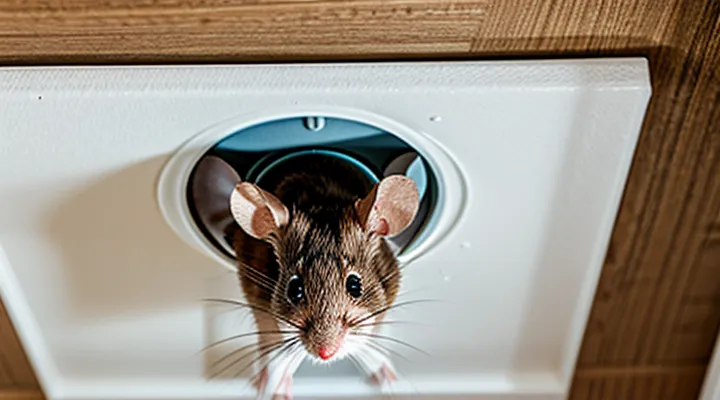
Identifying the Problem
Signs of a Mouse Presence
Unusual Sounds
Detecting a mouse concealed beneath a tension‑mounted ceiling often begins with auditory clues. Unusual sounds—soft scuttling, intermittent scratching, or faint squeaks—appear at irregular intervals and differ from typical building noises such as HVAC whirring or pipe vibrations. Recognizing these anomalies provides the first indication of rodent activity and guides subsequent removal actions.
To interpret the sounds accurately, follow these steps:
- Silence all mechanical equipment for several minutes; record ambient noise levels.
- Use a handheld ultrasonic detector or a stethoscope placed against the ceiling surface to isolate irregular acoustics.
- Note the frequency, duration, and location of each sound; higher‑pitched squeaks usually originate from confined spaces, while low‑tone scrapes suggest movement along structural members.
- Correlate sound maps with visual inspections of ceiling seams, joints, and access points.
Once the acoustic pattern is mapped, integrate it into the overall extraction plan. Target the identified zones with bait stations or humane traps, positioning them directly beneath the loudest source. If access panels are required, cut only the minimal section of the stretch material to avoid compromising ceiling integrity. After placement, monitor sound activity continuously; a decrease or cessation indicates successful capture, while persistent noises demand repositioning of traps or a secondary inspection.
Final verification involves a thorough post‑removal acoustic sweep. Re‑activate building equipment, record baseline sounds, and compare them to pre‑removal data. Absence of the previously logged anomalies confirms that the rodent has been eliminated and that the ceiling system remains functional.
Droppings and Odor
Mouse feces and the accompanying odor present immediate health risks and must be addressed before any removal effort. Droppings typically appear as dark, pellet‑shaped deposits on the ceiling surface, framing the mouse’s travel routes and nesting sites. Their presence indicates possible pathogen contamination and a source of unpleasant smell that can permeate the room.
To eliminate droppings safely:
- Wear disposable gloves, a mask rated N95, and eye protection.
- Use a stiff‑bristled disposable brush to loosen pellets without dispersing dust.
- Collect debris with a damp paper towel, place it in a sealed plastic bag, and discard according to local hazardous‑waste guidelines.
- Clean the affected area with a solution of 1 part bleach to 9 parts water; allow it to remain for at least five minutes before wiping dry.
- Rinse with clean water and let the surface air‑dry completely.
Odor removal requires thorough ventilation and neutralization. Open windows and activate any mechanical exhaust fans to increase air exchange. Apply an enzymatic cleaner specifically formulated for organic odors; these agents break down protein residues that cause the smell. After treatment, position activated‑carbon filters or ozone generators in the room for several hours, ensuring no occupants remain inside during ozone use.
Final verification includes a visual inspection for residual stains and a scent assessment. If any odor persists, repeat the enzymatic cleaning and ventilation cycle. Proper disposal of contaminated materials and adherence to protective protocols prevent re‑contamination and protect indoor air quality.
Initial Assessment and Safety
Precautions Before Action
Electrical Safety
When working beneath a stretch‑ceiling to remove a rodent, the first priority is preventing electric shock or fire. Identify all power sources that run through or near the ceiling cavity. Turn off the circuit breaker for the affected area and verify that voltage is absent with a calibrated tester before touching any wiring, fixtures, or metal components.
Secure the work zone by placing insulated barriers around exposed conductors. Use non‑conductive tools such as plastic or fiberglass handles; avoid metal implements that could bridge live parts. If lighting or HVAC ducts contain electrical connections, disconnect them at their service panels and label each disconnection to avoid accidental re‑energization.
Maintain a clear path for emergency shut‑off. Keep the breaker panel accessible and ensure that a qualified electrician is on call should unexpected live wires be encountered. Document the location of all cables, junction boxes, and conduit runs before cutting any ceiling material.
Follow these procedural checks:
- Switch off the relevant breaker and confirm de‑energization with a tester.
- Isolate any live wires by capping them with insulated connectors.
- Cover exposed conductors with heat‑shrink tubing or electrical tape.
- Use a battery‑powered flashlight instead of mains‑powered lighting.
- After rodent removal, inspect for gnawed insulation or damaged wiring; replace compromised sections before restoring power.
Finally, restore power only after a thorough visual inspection confirms that all electrical components are intact, insulated, and free of rodent damage. Re‑enable the breaker, test the circuit, and monitor for abnormal heat or arcing during the first hours of operation.
Ceiling Material Assessment
Assessing the stretch‑ceiling material is the first practical step before attempting to eliminate a mouse hidden beneath it. Accurate evaluation determines whether the ceiling can be safely cut, lifted, or accessed without compromising structural integrity or causing extensive damage.
Begin by identifying the composition of the ceiling. Common materials include PVC film, fabric‑coated polyester, and lightweight metal panels. Verify the material by visual inspection, tactile feel, and, if necessary, a small test cut in an inconspicuous area. Record the type, thickness, and surface finish.
Next, examine the mounting system. Determine whether the ceiling is tension‑mounted from the perimeter, suspended from a grid, or adhered directly to the substrate. Locate the anchoring points, typically concealed along walls or ceiling edges, and note the fastening method (e.g., springs, clips, adhesive). This information guides the selection of tools and the sequence of disassembly.
Evaluate the condition of the material. Look for tears, seams, or areas of delamination that could provide entry points for the rodent. Document any damage, as it may indicate the mouse’s location and influence the removal technique.
Consider the surrounding environment. Measure the distance between the ceiling and the structural ceiling above, and identify any insulation, wiring, or HVAC components that intersect the space. Ensure that any planned intervention will not disturb electrical or ventilation systems.
Summarize the findings in a concise checklist:
- Material type (PVC, fabric, metal) and thickness
- Mounting method (tension, suspension, adhesive)
- Anchor locations and fastening style
- Visible damage or seams
- Clearance to structural ceiling and presence of utilities
Use this assessment to select an appropriate approach—cutting a strategic access panel, loosening tensioned rails, or removing a section of film—while minimizing repair work after the mouse is removed.
Locating the Mouse Entry Point
Visual Inspection
Begin the eradication process by confirming the rodent’s presence through systematic visual examination. Use a bright flashlight or a high‑intensity LED to illuminate the ceiling surface while standing on a stable platform. Scan for the following indicators:
- Small droppings or urine stains on the ceiling tiles or surrounding walls.
- Gnaw marks on the perimeter of the stretch‑fabric, on supporting rails, or on adjacent insulation.
- Fresh burrow entrances, often visible as tiny holes surrounded by frayed material.
- Tracks or smears of saliva, especially near concealed wiring or ventilation ducts.
- Signs of nesting material, such as shredded paper, fabric fibers, or dried food particles.
If the inspection reveals any of these clues, note their exact locations on a floor plan. Photograph each finding for later reference. Should no evidence appear, repeat the inspection after 24 hours, adjusting the light angle to expose hidden shadows. This visual verification stage determines whether further interventions—traps, exclusion devices, or professional removal—are required.
Using a Stethoscope
A stethoscope can serve as a precise detection tool when a rodent hides beneath a suspended ceiling. By amplifying faint sounds, it allows you to pinpoint the animal’s location without damaging the ceiling surface.
Procedure
- Prepare the equipment – Attach a disposable ear tip, verify that the diaphragm is clean, and set the volume knob to a low‑medium level.
- Create an acoustic window – Remove a small removable tile or open a discreet access panel to expose a short section of the ceiling cavity. Keep the opening no larger than 5 cm to maintain structural integrity.
- Place the stethoscope – Insert the diaphragm into the opening and press gently against the ceiling material. Avoid excessive pressure that could deform the stretch fabric.
- Listen for activity – Focus on irregular rustling, squeaking, or breathing sounds. The stethoscope’s amplification will differentiate mouse movements from ambient noises such as HVAC flow.
- Mark the spot – Once the source is identified, use a pencil or removable marker on the ceiling surface directly above the sound.
- Deploy a capture method – Insert a humane trap or baited snap trap through the same access point, aligning it with the marked location. Ensure the trap’s trigger is positioned where the mouse is most likely to pass.
- Seal the opening – After the trap is set, replace the tile or close the panel, restoring the ceiling’s appearance.
- Monitor and verify – Return after 12–24 hours, repeat the stethoscope check to confirm the mouse’s absence, and remove any captured rodent according to local regulations.
Key considerations
- Conduct the process during the night when mouse activity peaks; sound levels are clearer and the animal is more likely to be moving.
- Use disposable ear tips to prevent cross‑contamination between different ceiling sections.
- Maintain a quiet environment; external vibrations can mask the rodent’s noises.
By integrating a stethoscope into the detection phase, you achieve accurate localization, reduce unnecessary ceiling disruption, and increase the success rate of removal efforts.
Non-Invasive Removal Methods
Humane Trapping Techniques
Setting Up Live Traps
To capture a mouse that has taken refuge beneath a stretch ceiling, live traps must be positioned and baited correctly. The following procedure ensures maximum capture efficiency while preserving the animal for release.
- Choose a trap sized for rodents, featuring a sturdy spring mechanism and a secure holding compartment.
- Inspect the ceiling cavity for signs of activity—droppings, gnaw marks, or nesting material—to locate the most likely travel routes.
- Place the trap directly in these pathways, ensuring the entrance faces the direction the mouse is expected to approach.
- Use high‑protein bait such as peanut butter, cooked egg, or small pieces of cheese. Apply a thin layer to the trigger plate, avoiding excess that could cause the mouse to avoid the trap.
- Set the trigger mechanism according to the manufacturer’s instructions, confirming that the door snaps shut when pressure is applied.
- Close any alternative entry points around the trap area to funnel the mouse toward the device.
- Check the trap at least twice daily; release captured rodents at least one mile from the building, following local wildlife regulations.
- After release, clean the trap with mild detergent, rinse thoroughly, and allow it to dry before redeployment if additional captures are necessary.
Proper placement, appropriate bait, and regular monitoring are critical to eliminating the mouse without causing damage to the stretch‑ceiling system.
Baiting Strategies
Effective baiting eliminates a mouse hidden beneath a suspended ceiling with minimal disruption. Choose attractants that match the rodent’s diet, secure them to prevent accidental contact with occupants, and position them where the animal is most likely to travel.
- Peanut butter or soft cheese on a small disposable dish; strong scent draws mice and the soft texture encourages gnawing.
- Commercial rodent blocks containing anticoagulant or bromadiolone; pre‑formed shape fits into narrow gaps and resists crumbling.
- Seed mix with dried fruit; natural flavor appeals to foraging behavior while remaining stable in low‑light environments.
- High‑protein cat food morsels; compact size allows placement on thin ledges without sagging the ceiling tiles.
Placement guidelines:
- Identify entry points by inspecting seams, fixtures, and any visible droppings; concentrate bait within 12‑18 inches of these locations.
- Attach bait to a thin wire or adhesive strip, then slide it into the cavity using a flexible rod or a small drill bit to avoid tearing the ceiling membrane.
- Install a protective cover—such as a piece of rigid cardboard—over the bait to keep it out of reach from children and pets while maintaining mouse access.
- Replace bait every 48 hours to preserve potency; monitor for removal or damage and adjust positioning accordingly.
Safety measures:
- Wear disposable gloves when handling toxic blocks; wash hands thoroughly afterward.
- Keep the work area ventilated; avoid inhaling dust from the ceiling material.
- Store unused bait in a sealed container away from food preparation zones.
Consistent application of these strategies, combined with regular inspection, ensures the mouse is attracted, captured, and removed without compromising the integrity of the stretch‑ceiling system.
Regular Monitoring
Regular monitoring is a critical component of any eradication program for rodents concealed beneath a stretch‑ceiling system. Continuous observation confirms whether removal actions are effective, identifies new activity, and prevents re‑infestation.
Key elements to monitor include:
- Evidence of droppings, gnaw marks, or urine stains on the ceiling surface and surrounding structures.
- Activity captured by motion‑activated cameras positioned at entry points or along the ceiling grid.
- Trap performance: count of captures, bait consumption, and trap integrity.
- Environmental conditions that may encourage rodent movement, such as temperature fluctuations or moisture accumulation.
The monitoring schedule should follow a defined cadence:
- Initial assessment immediately after the first removal attempt.
- Daily visual inspections for the first week to detect residual activity.
- Bi‑weekly camera reviews for the subsequent month.
- Monthly comprehensive audits for the remainder of the year, adjusting frequency if signs of resurgence appear.
Documentation must be systematic. Use a log sheet that records date, location, observed signs, trap status, and corrective actions taken. Consistent entries enable trend analysis and facilitate rapid response when new activity is detected.
When monitoring reveals persistent signs, integrate additional measures: reinforce sealing of openings, replace ineffective traps, or apply alternative bait. The feedback loop created by regular monitoring ensures that the eradication plan remains responsive and that the stretch‑ceiling environment stays rodent‑free.
Deterrents and Repellents
Natural Repellents
Natural repellents provide a chemical‑free method for encouraging a mouse to leave the space beneath a stretch ceiling. Their effectiveness relies on strong odors that rodents find intolerable, prompting relocation without direct contact.
Typical household items that work as repellents include:
- Peppermint oil: saturate cotton balls and place them at ceiling edges, ventilation openings, and any visible entry points. Replace every 48 hours to maintain potency.
- Clove oil: apply a few drops to small fabric squares and position them similarly to peppermint.
- Citronella spray: mix citronella essential oil with water (1 % concentration) in a spray bottle; mist the perimeter of the ceiling cavity weekly.
- Dryer sheets: tuck unused sheets into gaps and seams; the fragrance deters rodents for several days before losing intensity.
Application steps:
- Identify all accessible gaps in the ceiling grid, lighting fixtures, and any penetrations for ducts or cables.
- Clean the area to remove food particles or nesting material that could attract the mouse.
- Deploy the chosen repellent materials in the identified locations, ensuring even distribution.
- Monitor the ceiling cavity for signs of activity (droppings, gnaw marks) over a 5‑day period.
- If activity persists, rotate to a different repellent or combine two scents for increased effect.
Safety considerations:
- Use only food‑grade essential oils; avoid direct skin contact and keep out of reach of children and pets.
- Ensure adequate ventilation when spraying liquids to prevent buildup of strong vapors.
- Do not apply repellents near electrical components; wipe any excess liquid with a dry cloth.
Natural repellents serve as a non‑lethal, low‑cost component of a broader strategy for removing a mouse from the concealed area beneath a stretch ceiling. When applied methodically, they can compel the rodent to exit, allowing subsequent sealing of entry points and final verification of a mouse‑free environment.
Ultrasonic Devices
Ultrasonic devices emit high‑frequency sound waves that rodents perceive as hostile, prompting avoidance behavior without chemicals or traps. The emitted frequencies, typically 20–50 kHz, exceed human hearing but irritate mouse auditory systems, causing them to vacate confined spaces.
When choosing a unit for a concealed area beneath a stretch ceiling, consider:
- Frequency range: 25–30 kHz offers optimal deterrence for common house mice.
- Coverage radius: select a model rated for at least 30 m² to ensure full penetration of the cavity.
- Power source: battery‑operated units enable placement without wiring; plug‑in models provide continuous operation.
- Adjustable timers: allow scheduling during peak activity periods (dusk and dawn).
Placement follows a logical sequence:
- Identify entry points—gaps around light fixtures, ventilation ducts, or ceiling seams.
- Position the emitter one meter from each opening, directing the transducer toward the interior of the cavity.
- Secure the device to a stable surface using brackets or adhesive pads to prevent movement.
- Verify line‑of‑sight coverage; obstacles such as insulation panels can block ultrasonic waves.
- Activate the unit, set the timer for 12‑hour cycles, and monitor for audible clicks indicating proper operation.
Integrating ultrasonic deterrence into a broader elimination plan involves initial inspection, sealing identified ingress routes with steel wool or caulk, and deploying the devices as the final barrier. Continuous operation for a minimum of three days typically forces the mouse to relocate, after which a follow‑up inspection confirms absence.
Safety precautions include keeping devices out of reach of children, avoiding placement near pet habitats, and checking battery levels weekly. Cleaning the exterior with a dry cloth prevents dust accumulation that could impair sound transmission.
Ultrasonic deterrents are ineffective against established nests or heavily insulated cavities. In such cases, combine them with mechanical exclusion or professional trapping to achieve complete removal.
When Professional Help is Needed
Recognizing Complex Situations
Inaccessible Areas
Inaccessible zones are the primary obstacle when addressing a rodent hidden beneath a stretched ceiling. These spaces are sealed by the membrane, often leaving only small gaps at fixtures, seams, or edge trims. Because the mouse can move freely within this concealed cavity, any control effort must first identify and reach these hidden sections.
- Inspect all ceiling fixtures (lights, vents, speakers) for removable covers; gaps around them often provide the only entry points.
- Use a flexible inspection camera to scan the cavity from each access point, noting the mouse’s location and any nesting material.
- Record the dimensions of each opening; openings smaller than 2 cm may require enlargement to allow tool insertion without compromising the membrane’s integrity.
When an opening is identified, select the appropriate method to gain access:
- Cutting a small access panel – use a sharp utility knife or a fine-toothed saw to create a 5 × 5 cm panel in the membrane, ensuring cuts follow the tension direction to avoid tearing.
- Installing a removable hatch – attach a lightweight metal or plastic hatch with screws that can be opened later for inspection or bait placement.
- Utilizing a flexible suction device – insert a narrow suction nozzle through an existing gap to pull the mouse toward the opening, reducing the need for larger cuts.
Safety considerations are mandatory:
- Disconnect electricity to any fixtures whose covers are removed.
- Wear protective gloves and a mask to avoid contact with droppings or allergens.
- Support the surrounding membrane with temporary braces while cutting to prevent collapse.
After establishing access, proceed with the next steps of the eradication plan: place bait stations, set traps, or use a humane catch‑and‑release device within the newly created opening. Seal all access points after confirming the mouse has been removed, restoring the ceiling’s structural integrity and preventing future incursions.
Multiple Mice
Multiple rodents can inhabit the cavity beneath a stretch‑mounted ceiling, creating damage and health risks. Effective removal requires a systematic approach that addresses entry, capture, and prevention.
Begin with a thorough inspection. Locate droppings, gnaw marks, and any openings in the ceiling’s perimeter, adjacent walls, or ventilation ducts. Use a flashlight and a flexible inspection camera to view hidden sections without dismantling the ceiling.
Seal identified gaps before trapping. Apply steel‑wool or copper mesh to small cracks, then cover with a durable silicone sealant. For larger openings, install hardware cloth or metal flashing to block access while maintaining structural integrity.
Deploy traps in the cavity. Choose snap traps or electronic devices designed for confined spaces, positioning them along walls and near suspected pathways. Bait with high‑protein foods such as peanut butter or dried meat. Set a minimum of three traps per identified hotspot to increase capture probability for multiple rodents.
Monitor traps daily. Remove captured mice promptly, disinfect the trap surface, and reset with fresh bait. Record capture dates and locations to identify persistent activity zones.
After confirming no further captures for a week, reinforce preventive measures. Install a continuous metal strip or trim around the ceiling’s edge to deter future entry. Maintain regular housekeeping to eliminate food sources and inspect for new openings quarterly.
Step‑by‑step plan
- Inspect cavity with flashlight and camera; note all signs of activity.
- Seal all entry points using steel‑wool, mesh, and sealant.
- Place snap or electronic traps in each hotspot; bait appropriately.
- Check traps each day, dispose of catches, and reset.
- Continue monitoring for seven consecutive days without captures.
- Install permanent edge barrier; schedule quarterly inspections.
Following this protocol removes existing mice and creates a durable barrier against future infestations in the stretch‑ceiling space.
Consulting a Pest Control Specialist
Professional Assessment
A professional assessment is the first critical phase in eliminating a rodent concealed beneath a stretch‑mounted ceiling. It provides an objective diagnosis, identifies structural vulnerabilities, and outlines the safest, most effective intervention.
During the evaluation, a qualified technician will:
- Inspect the ceiling grid for signs of gnawing, droppings, or entry points.
- Use fiber‑optic cameras or endoscopic tools to locate the animal without damaging the membrane.
- Measure humidity, temperature, and ventilation conditions that could affect both the mouse and the ceiling material.
- Assess the surrounding building envelope for adjacent gaps, such as wall penetrations or utility openings, that may serve as alternative pathways.
- Document findings with photographs and written reports to support decision‑making and compliance with health‑safety regulations.
The assessment report typically includes:
- A concise description of the infestation scope.
- Recommendations for immediate containment, such as temporary sealing of identified openings.
- A step‑by‑step remediation plan that aligns with manufacturer guidelines for the ceiling system.
- Cost estimates for required repairs, pest‑control services, and any necessary structural reinforcement.
- Post‑remediation monitoring procedures to verify the absence of re‑infestation.
Engaging a certified specialist ensures that the removal process respects the integrity of the ceiling, minimizes disruption to occupants, and complies with local building codes. The data gathered during the assessment forms the foundation for a targeted, efficient solution.
Specialized Tools and Techniques
Effective removal of a rodent concealed beneath a suspended ceiling requires equipment that can reach tight spaces, detect movement, and capture the animal without damaging the ceiling membrane.
A typical toolkit includes:
- Inspection camera with a flexible, LED‑illuminated probe to locate the mouse through small access holes.
- Small‑diameter, rigid suction gun capable of extracting the rodent through the same opening.
- Live‑capture traps with a narrow entry point, designed to fit within the ceiling cavity.
- Disposable gloves, sealed bags, and disinfectant wipes for safe handling after capture.
- Sealant tape or expanding foam to close any gaps that could allow re‑entry.
The technique proceeds in three phases. First, create a 2‑cm inspection port at a convenient location, insert the camera, and map the mouse’s position relative to structural supports. Second, insert the chosen capture device—either the suction gun or live trap—through the same port, ensuring alignment with the animal’s location; apply gentle pressure to engage the trap or activate the suction, then withdraw the rodent safely. Third, seal the access opening with tape or foam, inspect the surrounding area for signs of additional activity, and implement preventive measures such as sealing utility penetrations and installing rodent‑proof vent covers.
Each tool is selected for minimal impact on the ceiling’s tension system, while the stepwise approach limits the need for extensive demolition and reduces the risk of damaging lighting fixtures or wiring.
Preventing Future Incidents
Sealing Entry Points
Inspecting and Repairing Gaps
A mouse can enter a suspended ceiling through any opening that connects the cavity to the building envelope. Identifying and sealing those openings prevents re‑entry after removal.
Begin with a visual sweep of the ceiling perimeter, wall–ceiling junctions, and any fixtures that penetrate the membrane. Use a flashlight to highlight shadows where the surface is uneven. Mark each suspect location with a removable sticker.
Next, verify the existence of a gap by probing with a thin, flexible rod or a sturdy wire. A gap larger than the diameter of a pencil (≈5 mm) offers a viable passage for rodents.
When a gap is confirmed, follow the repair sequence:
- Clean the area of dust, debris, and any residual insulation.
- Apply a primer compatible with the ceiling material to improve adhesion.
- Fill the opening with a flexible, rodent‑resistant sealant (e.g., silicone‑based or polyurethane caulk) and smooth it with a putty knife.
- For larger voids, insert a metal or heavy‑duty mesh patch before sealing to reinforce structural integrity.
- Allow the sealant to cure according to the manufacturer’s instructions before restoring the ceiling finish.
After all gaps are sealed, conduct a final inspection to ensure no remaining openings exist. Document the locations repaired and the materials used for future maintenance. This systematic approach eliminates the primary access points, reducing the likelihood of the mouse returning.
Using Appropriate Materials
When dealing with a rodent concealed beneath a tensioned ceiling, the choice of materials determines both safety and effectiveness. Select items that withstand the unique environment of a suspended ceiling and prevent damage to the structure.
- Heavy‑duty gloves and safety goggles – protect hands and eyes from sharp edges and potential droppings.
- Stainless‑steel snap traps or live‑catch cages – resist corrosion and allow precise placement without contaminating the ceiling surface.
- Flexible steel or carbon‑fiber rod – enables reaching the cavity through small access holes while maintaining rigidity.
- Expanding polyurethane foam sealant – fills gaps after removal, expands to block re‑entry, and adheres to both metal and gypsum.
- Acoustic deterrent speaker – emits ultrasonic frequencies that discourage further rodent activity without harming occupants.
- Plastic sheeting and tape – isolates the work area, preventing debris from falling onto occupied rooms below.
Prepare the work zone by laying down the plastic barrier and securing it with tape. Wear gloves and goggles before inserting the rod or trap through the pre‑drilled opening. After the mouse is captured, withdraw the device, seal the entry point with foam sealant, and apply the acoustic deterrent for ongoing protection. Each material listed serves a specific function, ensuring the removal process is controlled, hygienic, and does not compromise the integrity of the stretch ceiling.
Maintaining a Clean Environment
Food Storage Best Practices
Proper food storage is a critical element in any effort to eliminate a mouse that has taken refuge beneath a stretch ceiling. Food left unsecured attracts rodents, encouraging them to explore hidden spaces and establish nests. By removing this incentive, the likelihood of a mouse remaining in the ceiling cavity decreases dramatically.
Store dry goods in airtight containers made of metal or heavy‑wall plastic. Ensure lids seal tightly and inspect containers regularly for damage. Keep pantry shelves clear of crumbs and spills; clean surfaces after each use. Place containers away from walls to reduce easy access for a rodent that might climb or jump.
Maintain refrigeration units at appropriate temperatures and check door seals for gaps. Store perishable items in sealed bags or containers, and discard expired food promptly. Use a dedicated trash bin with a lid that closes securely; empty it daily to prevent odors that draw mice.
Implement a routine inspection schedule. Weekly, examine storage areas for signs of gnaw marks, droppings, or displaced packaging. Replace compromised containers immediately. Document any findings to track patterns and adjust preventive measures accordingly.
By adhering to these storage protocols, the environment becomes less appealing to mice, supporting the broader strategy of removing the animal from the concealed space beneath the ceiling.
Regular Housekeeping
Regular housekeeping is essential when addressing a rodent lodged beneath a suspended ceiling. Maintaining a clean environment reduces food sources, eliminates hiding spots, and simplifies detection of activity.
- Remove all food debris from kitchen countertops, cabinets, and dining areas. Store dry goods in airtight containers.
- Vacuum floors, corners, and baseboards daily. Pay special attention to hidden spaces near walls and under appliances.
- Empty trash bins each night. Use bins with tight‑closing lids and replace liners regularly.
- Inspect and clean the area around ceiling fixtures. Light fixtures, vents, and grills often hide droppings or gnaw marks.
- Seal gaps in walls, floorboards, and around plumbing penetrations with steel wool and caulk. Rodents can travel through openings as small as a quarter‑inch.
- Keep storage rooms organized. Stack boxes away from walls, label containers, and discard unused items that could serve as shelter.
- Schedule periodic deep cleaning of the ceiling cavity. Use a long‑handled brush or a portable vacuum with an extension wand to remove dust and cobwebs that mask signs of infestation.
Consistent execution of these tasks creates an environment where a mouse cannot thrive, facilitating any subsequent removal measures and preventing recurrence.
Ongoing Monitoring
Periodic Inspections
Regular monitoring of the stretch‑ceiling cavity is essential for early detection of rodent activity. Inspections should be scheduled at consistent intervals to verify that previous control measures remain effective and to identify new entry points before an infestation escalates.
A practical inspection routine includes:
- Visual scan of ceiling tiles and surrounding walls for droppings, gnaw marks, or nesting material.
- Use of a flashlight or low‑intensity LED to illuminate hidden corners.
- Deployment of motion‑triggered cameras at suspected pathways to capture nocturnal movement.
- Verification that seals around fixtures, ducts, and lighting points are intact.
Frequency depends on building usage and previous infestation history. In residential or office settings, a bi‑weekly check during warmer months and a monthly review in colder periods provides sufficient coverage. Commercial facilities with higher traffic may require weekly assessments.
Document each visit with a brief report noting:
- Date and inspector name.
- Areas examined.
- Findings (evidence of rodents, damaged seals, debris).
- Actions taken (clean‑up, resealing, bait placement).
Maintaining this record creates a traceable timeline that supports decision‑making for escalated interventions, such as professional pest‑control services, if recurring signs appear.
Integrating periodic inspections with other steps—such as sealing gaps, installing traps, and removing food sources—forms a comprehensive strategy that prevents mice from re‑establishing themselves under the stretch ceiling. Consistency in monitoring ensures that any breach is addressed promptly, preserving the integrity of the ceiling system and the surrounding environment.
Addressing New Signs Promptly
When evidence of rodent activity appears under a suspended ceiling, immediate verification prevents escalation. Early detection of fresh droppings, gnaw marks, or audible scurrying signals that the animal has established a foothold. Delaying assessment allows nesting, population growth, and structural damage to progress.
Prompt actions
- Inspect the area as soon as any sign is observed; use a flashlight and a flexible mirror to locate the source without disturbing the ceiling.
- Record the exact location, type of sign, and time of discovery; this data guides trap placement and barrier installation.
- Seal visible entry points within 24 hours; apply steel wool or caulk to gaps around ducts, pipes, and fixtures.
- Deploy snap or live‑capture traps directly beneath the identified spot; position bait (peanut butter or dried fruit) to attract the mouse.
- Monitor traps twice daily; remove captured specimens and reset traps until no activity is recorded for three consecutive days.
- Conduct a follow‑up inspection to confirm the absence of new signs; if any appear, repeat the cycle without delay.
By treating each new indication as a priority, the infestation is contained before it compromises the ceiling’s integrity or spreads to adjacent spaces.