
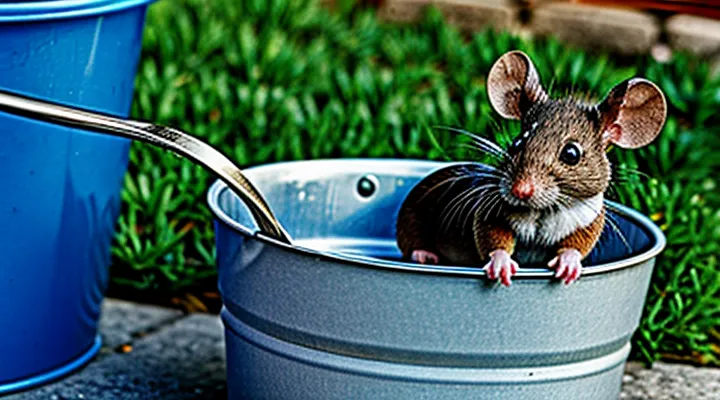
Understanding the Mouse Problem
Signs of a Mouse Infestation
Mice leave unmistakable evidence that signals a growing problem. Recognizing these indicators early allows the bucket‑trap method to be applied before damage spreads.
- Small droppings, typically 1‑2 mm long, darkened by age, found along walls, behind appliances, or in pantry corners.
- Gnaw marks on food packaging, wires, wood, or plastic; teeth create clean, crescent‑shaped cuts.
- Nests constructed from shredded paper, fabric, or insulation, often hidden in concealed spaces such as under cabinets or inside wall voids.
- Persistent, musky odor that intensifies as the population expands.
- Audible activity at night: scratching, scurrying, or squeaking sounds emanating from ceilings, attics, or floor cavities.
- Presence of live or dead mice, as well as shed fur or skin fragments.
Each sign confirms the need for immediate intervention. Deploying a simple bucket trap—using bait to lure the rodent into a container where it cannot escape—relies on accurate identification of these symptoms to position the device where activity is highest. Prompt action based on observable evidence prevents structural damage, contaminates food supplies, and reduces the risk of disease transmission.
Why Traditional Traps Might Fail
Traditional snap or glue traps often underperform when the goal is to lure a mouse into a bucket. Mice quickly learn to avoid devices that present sudden movement or unfamiliar surfaces. The presence of a rigid, metallic trap can trigger a flight response, causing the animal to retreat before contact with the bait.
- Limited bait exposure: Conventional traps expose a small amount of food, which may not entice a cautious mouse.
- Sensory mismatch: Many traps emit odors or vibrations that differ from the natural environment of a bucket, alerting the rodent.
- Mechanical failure: Spring mechanisms can lose tension, and glue surfaces may lose adhesiveness in humid conditions.
- Placement constraints: Effective trap positioning requires precise alignment with mouse pathways; misplacement leads to missed captures.
- Hygiene concerns: Traps that retain blood or residue discourage further attempts, reducing long‑term efficacy.
In contrast, a bucket approach relies on a simple, unobtrusive entry point and a gradual descent, minimizing stress signals. By understanding these failure points, users can adjust their strategy—selecting low‑profile bait stations, ensuring stable mechanics, and maintaining cleanliness—to improve capture rates without resorting to traditional traps.
The Bucket Trap: A Humane and Effective Solution
Required Materials for the Bucket Trap
The Bucket
The bucket serves as the primary containment device in a mouse‑capture system that relies on gravity and a trigger mechanism. Its rigid walls prevent escape once the animal falls inside, while its open top allows easy placement of bait and rapid entry.
Choosing the appropriate material reduces the risk of damage and improves durability. Metal buckets resist chewing and maintain shape under repeated impacts; sturdy plastic alternatives offer lighter weight and easier cleaning. Avoid thin, flexible containers that can be punctured or deformed.
Size determines both the likelihood of capture and the ease of handling. A capacity of 3–5 liters provides sufficient depth for a mouse to fall without reaching the bottom, yet remains manageable for transport and disposal. Larger volumes increase the chance of multiple captures but complicate placement and increase visibility to non‑target animals.
Effective deployment follows a simple sequence:
- Position the bucket on a stable, level surface to prevent tipping.
- Secure the rim with a non‑slip mat or adhesive tape to maintain grip.
- Align the trigger (e.g., a seesaw plank or a tilting board) so that the bucket’s edge is directly under the release point.
- Verify that the bucket’s interior is empty and free of debris before each use.
Preparation of the interior enhances success rates. Line the bottom with a thin layer of absorbent material to reduce noise and provide a comfortable landing surface. Place a small amount of attractive food—such as peanut butter or dried fruit—near the center of the trigger platform, ensuring the bait is within reach but does not obstruct the mouse’s fall.
By adhering to these specifications, the bucket functions reliably as the core element of a straightforward, gravity‑based mouse capture technique.
The Ramp
A ramp directs the mouse toward the bucket while maintaining a smooth, unobstructed path. Construct the ramp from sturdy wood or plastic, ensuring the surface is non‑slippery to prevent the animal from losing footing. Position the ramp at an angle between 30° and 45°; steeper angles increase the likelihood of the mouse slipping into the bucket, while shallower angles may allow hesitation.
Key design elements:
- Length: 12–18 inches, sufficient to reach the bucket’s rim without excessive protrusion.
- Width: 3–4 inches, matching the mouse’s body width to avoid gaps.
- Surface texture: fine sandpaper or a thin layer of non‑toxic adhesive film for traction.
- Secure attachment: brackets or clamps that hold the ramp firmly to the bucket’s edge, preventing movement when the mouse steps onto it.
Place bait at the far end of the ramp to draw the mouse forward. Align the bucket’s opening directly beneath the ramp’s terminus; a shallow lip (½ inch) helps guide the animal into the container without allowing escape. Regularly inspect the ramp for wear, cleaning debris that could alter the angle or surface texture.
By adhering to these specifications, the ramp functions as an efficient conduit, increasing capture success while minimizing stress on the mouse.
The Bait
Effective bait selection determines the success of a bucket trap for a mouse. Choose attractants that stimulate a rodent’s natural foraging instincts while remaining safe for the environment.
- Peanut butter – strong scent, adheres to trap surfaces.
- Sunflower seeds – high protein, easy to handle.
- Dried fruit pieces – sweet aroma, suitable for omnivorous mice.
- Soft cheese – pungent odor, attractive to many species.
Prepare the bait by applying a thin layer of peanut butter to a small piece of cardboard or directly onto the bucket’s rim. Avoid excessive amounts that could slip into the bucket and obscure the trigger mechanism. Secure the bait so it does not detach when the mouse grasps it.
Place the bait at the edge of the bucket opening, ensuring the mouse must step onto the trigger platform to reach it. Check the trap regularly; replace stale bait and clean residue to maintain scent strength. Adjust the bait type if capture rates decline, as individual mice may prefer different flavors.
The Release Agent (Optional)
The release agent, when used, ensures the mouse can exit the bucket without injury after capture. It is applied to the interior surface of the bucket before the trap is set. A thin, even coating of a non‑toxic, lubricating substance—such as vegetable oil, silicone spray, or a commercial animal‑safe release gel—reduces friction and prevents the mouse from becoming stuck.
Key considerations for optional use:
- Choose a product that does not emit strong odors, which could deter the animal.
- Verify that the substance is safe for both the mouse and any household pets that might encounter the bucket.
- Apply the agent sparingly; excess can create a slippery surface that compromises the bucket’s stability.
Application steps:
- Clean the bucket interior with mild soap and water; dry thoroughly.
- Dispense a small amount of the chosen agent onto a cloth.
- Rub the cloth evenly around the inner walls, covering the bottom and sides.
- Allow the coating to air‑dry for a few minutes before placing the bait.
If a release agent is omitted, the mouse may cling to the bucket’s surface, increasing stress and the risk of injury. Using the optional agent improves the humane aspect of the trap while maintaining simplicity and effectiveness.
Step-by-Step Assembly Instructions
Preparing the Bucket
Choosing an appropriate bucket is the first decisive step. Opt for a container with a diameter of 20–30 cm and a depth of at least 15 cm; this size accommodates a typical house mouse while allowing sufficient space for bait and movement. Plastic buckets are preferred because they are lightweight, durable, and easy to clean, but metal containers work if they are rust‑free and have smooth interiors.
The interior surface must be smooth to prevent the animal from gaining traction. Inspect the walls for rough spots, seams, or protruding rims, and sand or tape any irregularities. A uniform surface encourages the mouse to slip toward the opening once it steps onto the rim.
Position the bucket at ground level, aligning the rim with the surrounding floor. Elevating the bucket creates a gap that the mouse can step into, but a level placement eliminates the need for additional ramps and reduces the risk of escape. Ensure the bucket sits on a stable, non‑slippery surface to avoid wobbling when the animal enters.
Bait selection and placement are critical for drawing the mouse inside. Use a small amount of high‑fat food such as peanut butter, cheese, or dried fruit. Apply the bait to a thin strip of paper or a small piece of cardboard and attach it to the inner edge of the rim, so the mouse must step onto the rim to reach the treat. This arrangement forces the animal to balance on the edge, increasing the likelihood of falling into the bucket.
If additional encouragement is needed, add a shallow layer of water (approximately 1 cm deep) to the bottom of the bucket. The liquid creates a slippery surface that reduces the mouse’s ability to climb out once it lands. Ensure the water does not drown the animal; the goal is to prevent escape, not to cause harm.
Preparation checklist
- Select a 20–30 cm diameter, ≥15 cm deep bucket (plastic preferred).
- Smooth interior walls; eliminate rough edges.
- Place bucket level on a stable surface.
- Attach bait to a strip positioned on the rim.
- Add a 1 cm water layer for slip resistance.
Following these precise steps creates a ready‑to‑use trap that maximizes capture efficiency while maintaining humane considerations.
Constructing the Ramp
A functional ramp is essential for directing a mouse into a bucket without forcing the animal to climb steep surfaces. The ramp must be sturdy, smooth, and positioned at an angle that encourages natural movement.
Materials required:
- 1 × 2 inch (25 mm) wooden board, 12‑inch (30 cm) length
- ½‑inch (12 mm) plywood sheet, 8‑inch (20 cm) width
- Non‑slip adhesive tape or rubber matting
- Small brackets or L‑shaped nails
- Wood glue
- Saw and sandpaper
- Measuring tape
Design considerations:
- Angle: 30–45 degrees provides a gentle incline that a mouse can ascend easily.
- Surface: Smooth finish prevents claws from catching, while a thin layer of non‑slip material maintains traction.
- Stability: Brackets must secure the ramp to the bucket rim, preventing wobble.
Construction steps:
- Cut the wooden board to the desired length; sand edges to eliminate splinters.
- Attach the plywood sheet to the board’s top surface with wood glue; press firmly and allow drying.
- Apply non‑slip tape or rubber matting along the center of the plywood to create a textured walking path.
- Position the ramp so its lower end rests on the floor and the upper end aligns with the bucket’s rim.
- Secure the ramp to the rim using brackets or L‑shaped nails; verify that the structure remains rigid when pressure is applied.
After assembly, test the ramp by gently nudging a small object up the incline. Adjust the angle or reinforce connections if the ramp shifts. Once stable, place bait at the far end of the ramp to entice the mouse toward the bucket.
Attaching the Bait Mechanism
The bait mechanism must be secured to the bucket so that the mouse triggers a release when it reaches the food. Begin by selecting a sturdy rod or thin dowel that fits through the bucket’s rim without bending. Drill a small hole near the top edge of the bucket, aligning it with the rod’s length. Insert the rod through the hole, leaving a short section protruding inside the bucket.
Attach the bait to the exposed end of the rod using a bite‑resistant clip or a small piece of elastic cord. Position the bait at the bucket’s center, ensuring the mouse can reach it without disturbing the rod’s balance. Verify that the rod moves freely when pressure is applied, and that the clip releases the bait only under sufficient weight.
- Choose a rod diameter of ¼‑½ inch for durability.
- Drill a hole ½ inch larger than the rod to allow smooth movement.
- Use a metal clip with a spring tension of 0.2–0.3 N for reliable release.
- Test the mechanism with a weight equivalent to a mouse (≈ 20 g) before deployment.
After assembly, place the bucket on a stable surface, conceal the entrance, and monitor for activity. The mechanism remains functional until the rod is displaced or the bait is consumed.
Optimal Placement of the Trap
The effectiveness of a bucket-based mouse capture technique depends largely on where the trap is positioned. Correct placement maximizes the likelihood that a mouse encounters the device while seeking food or shelter.
Key factors influencing placement:
- Proximity to known feeding stations or crumbs.
- Alignment with typical travel routes, such as along walls or under cabinets.
- Accessibility of the bucket’s opening without obstruction.
- Distance from predator or human traffic that could disturb the mouse.
Practical steps for optimal positioning:
- Identify the area with the highest mouse activity by observing droppings, gnaw marks, or fresh damage.
- Place the bucket near that hotspot, ensuring the rim sits flush with the floor to prevent escape.
- Position the bait or trigger mechanism at the bucket’s center, directly above the opening.
- Verify that the bucket is stable; a slight tilt can hinder entry.
- Monitor the setup for several hours, adjusting the location if no captures occur.
Following these guidelines positions the trap where mice naturally converge, increasing capture rates while maintaining a simple, low‑maintenance solution.
Monitoring and Maintenance
Checking the Trap
After setting the bucket trap, verify its readiness before baiting. Ensure the bucket stands stable on a flat surface; any wobble can allow the mouse to escape. Position the trigger mechanism so that the mouse’s forward motion will tip the support. Test the trigger by applying gentle pressure to the bait platform; the platform should release instantly when the weight exceeds a few grams.
Inspect the trap for the following conditions:
- Support rod or bridge is securely attached and not bent.
- Release latch moves freely without obstruction.
- Bucket rim is smooth, preventing the mouse from climbing out.
- Bait holder is clean and free of residue that could deter the mouse.
- Surrounding area is clear of debris that may interfere with the trigger.
Conduct a final check by lightly pressing the bait holder with a finger. The platform should drop, causing the bucket to tip. If any component fails to respond, adjust or replace it before proceeding. Regular inspection after each catch maintains effectiveness and reduces the risk of false triggers.
Safe Release of the Mouse
After securing the mouse in the bucket, move the container to a location far from the home, preferably a garden, field, or wooded area where natural predators exist. Hold the bucket level and gently tilt it to allow the animal to exit without injury.
Key actions for a humane release:
- Choose a spot with ample cover and food sources; avoid roads, fences, or areas with heavy human activity.
- Ensure the bucket’s interior is dry and free of sharp objects that could harm the mouse during the transition.
- Position the bucket so the opening faces away from you, then slowly lower it until the mouse can climb out on its own.
- Remain still for a few seconds after the mouse emerges to prevent it from fleeing back into the bucket.
After the mouse has left, inspect the bucket for debris and clean it with mild soap and water before reuse. This routine minimizes stress for the captured animal and reduces the risk of accidental escape back into the dwelling.
Cleaning and Re-setting the Trap
After a mouse is captured, the bucket trap must be cleared promptly to prevent odor buildup and preserve bait effectiveness. Remove the animal, dispose of it according to local regulations, and discard any torn bedding or food remnants. Rinse the interior with hot water, then apply a mild detergent to eliminate residue. Rinse again thoroughly, ensuring no soap film remains, and allow the bucket to dry completely before reuse.
Resetting the trap involves re‑establishing the lure and the triggering mechanism. Follow these steps:
- Place a fresh piece of cheese, peanut butter, or commercial rodent attractant on the bait platform.
- Verify that the release lever or rope is free of debris and moves smoothly.
- Adjust the tension so the bucket tilts only when the mouse steps onto the platform, avoiding premature activation.
- Secure the bucket on a stable surface, ensuring the edge is level to facilitate a clean drop.
Regular maintenance—cleaning after each capture and inspecting all moving parts—extends the trap’s reliability and minimizes the chance of escape.
Prevention and Ongoing Management
Identifying Entry Points
When setting a bucket trap, the first step is to locate the routes mice use to reach the bait. Observation of droppings, gnaw marks, and worn pathways reveals the most frequented passages. Focus on areas where walls meet floors, behind appliances, and near stored food.
- Examine baseboards for small holes or cracks; mice can squeeze through openings as narrow as a pencil.
- Check utility lines, vent shafts, and pipe entries; these often serve as concealed conduits.
- Inspect gaps around doors and windows; even a gap of a few millimeters permits entry.
- Look for damaged or missing weather stripping; such defects provide direct access from the exterior.
After identifying each potential entry, seal the opening with steel wool, copper mesh, or appropriate caulking. Reducing the number of viable routes forces the rodent toward the bucket trap, increasing capture efficiency. Continuous monitoring for new signs ensures that any emerging entry points are addressed promptly.
Sealing Gaps and Cracks
Sealing gaps and cracks is a prerequisite for the bucket capture method. Unsealed openings allow rodents to re‑enter the area after the trap is set, rendering the effort ineffective. By eliminating these pathways, the mouse is forced to use the designated route toward the baited bucket.
Identify all potential entry points around the target zone. Common locations include:
- Gaps around baseboards and floorboards
- Holes in walls, especially near utility lines
- Openings around pipe sleeves and cable conduits
- Cracks in foundation or exterior siding
Use appropriate sealants for each material. Expandable foam works well for larger voids, while silicone caulk provides a durable seal on joints and trim. For structural cracks, apply epoxy filler before finishing with a weather‑resistant sealant. Ensure the surface is clean and dry before application to achieve optimal adhesion.
After sealing, place the baited bucket in the only remaining accessible path. The mouse, unable to bypass the sealed barriers, will be guided directly into the container. Regular inspection of the sealed areas prevents new gaps from forming and maintains the effectiveness of the technique.
Food Storage Best Practices
A bucket trap relies on a food lure to attract a rodent, then uses gravity to drop the animal into the container. The success of this method depends on the quality and placement of the bait, which in turn is governed by how food is stored.
- Keep all dry goods in airtight containers to eliminate odors that could distract a mouse from the trap bait.
- Store perishable items in refrigeration units set to appropriate temperatures; avoid leaving open packages on countertops.
- Separate raw meat from other foods, using sealed containers or dedicated compartments, to prevent cross‑contamination and reduce strong scents.
- Rotate inventory regularly; discard items past their prime to remove potential attractants.
- Clean storage areas weekly, wiping down shelves and disposing of crumbs or spills promptly.
Applying these practices ensures that the only food scent present is the intentional lure, increasing the likelihood of capture while maintaining a hygienic environment. Proper storage also protects other household members from exposure to rodent‑borne pathogens, aligning pest control with overall food safety standards.
Maintaining a Clean Environment
A hygienic setting directly influences the effectiveness of the bucket method for capturing a mouse. Residue, spills, and clutter create alternative pathways for the rodent, reduce the bait’s visibility, and complicate the placement of the trap. Keeping the area around the bucket free of debris ensures that the mouse encounters the bait and follows the intended route into the container.
- Remove food crumbs, pet food, and open containers from the floor and countertops.
- Sweep or vacuum the surface where the bucket will sit, then wipe with a mild disinfectant.
- Place the bucket on a stable, non‑slippery surface; use a rubber mat if the floor is smooth.
- Dispose of any waste generated during the setup in a sealed bag to prevent secondary attractants.
- Inspect the area after each capture attempt; clean any droppings or spilled bait promptly.
Consistent cleaning eliminates distractions, reduces the risk of secondary infestations, and maintains the integrity of the bucket trap. The result is a reliable, repeatable technique that operates efficiently without additional complications.