
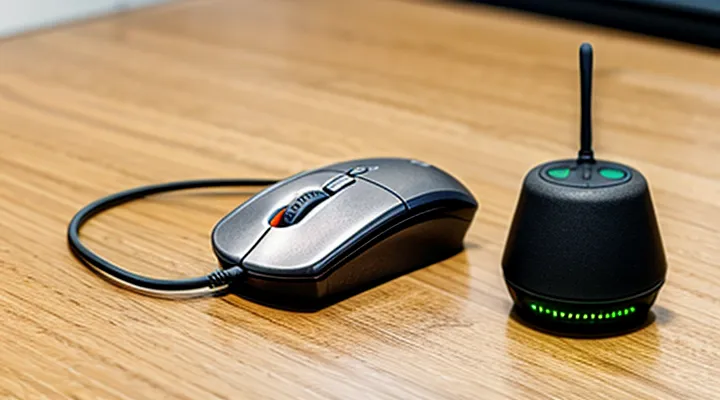
Understanding Ultrasonic Sound
What is Ultrasound?
Ultrasound refers to sound waves with frequencies above the upper limit of human hearing, typically exceeding 20 kHz. These waves are generated by piezoelectric transducers that convert electrical signals into rapid mechanical vibrations. The resulting acoustic energy propagates through air or other media, attenuating with distance due to absorption and scattering.
Key characteristics of ultrasonic radiation include:
- Frequency range: 20 kHz – several megahertz, with higher frequencies offering shorter wavelengths and more directional beams.
- Propagation speed: approximately 343 m/s in air at 20 °C, similar to audible sound.
- Attenuation: exponential loss of intensity with distance; higher frequencies diminish more rapidly.
- Perceptual threshold: most mammals, including rodents, detect frequencies up to 80–100 kHz, whereas humans cannot perceive them.
Rodents possess auditory systems tuned to ultrasonic frequencies, enabling them to hear distress calls and predator cues. An ultrasonic deterrent exploits this sensitivity by emitting tones within the rodents’ hearing range, creating an uncomfortable acoustic environment that discourages nesting and foraging. Because the signal is inaudible to people, the device can operate continuously without causing nuisance.
The effectiveness of a repellent depends on maintaining sufficient sound pressure level at the target zone, selecting frequencies that avoid habituation, and ensuring the transducer’s placement minimizes obstacles that would block the wave path. Properly designed systems emit a patterned series of tones, often varying frequency or modulation, to prevent rodents from adapting to a static signal.
Frequencies Used in Repellers
Ultrasonic mouse deterrents emit sound waves at frequencies beyond human hearing, typically between 20 kHz and 65 kHz. The selected band exploits the auditory sensitivity of rodents, whose hearing peaks around 50 kHz, while remaining inaudible to most adults.
- 20 kHz – 30 kHz: Low‑end range; detectable by some larger rodents, offers broader coverage but lower discomfort level.
- 30 kHz – 45 kHz: Mid‑range; aligns with the peak hearing of common house mice, creates moderate irritation without excessive power consumption.
- 45 kHz – 65 kHz: High‑end range; targets the most sensitive frequencies for mice, induces strong aversive response, requires precise transducer design to maintain efficiency.
Devices often cycle through multiple frequencies within these intervals to prevent habituation. Pulse modulation—brief bursts of ultrasonic energy—adds temporal variation, further discouraging rodents from adapting to a constant tone. The combination of frequency selection and modulation defines the effectiveness of the repellent system.
The Principle Behind Repelling
How Mice Perceive Sound
Hearing Range of Mice
Mice detect airborne sounds from roughly 1 kHz up to 100 kHz, with peak sensitivity between 10 kHz and 20 kHz. Their cochlear hair cells are tuned to these high frequencies, allowing rapid localization of predators and conspecific calls.
Human hearing spans 20 Hz–20 kHz; therefore, most mouse‑detectable sounds lie beyond the upper limit of human perception. This disparity permits the use of ultrasonic emissions that are inaudible to people yet clearly perceived by rodents.
Ultrasonic repellents exploit the mouse hearing range by emitting tones within the 15 kHz–30 kHz band, often modulated to prevent habituation. The device’s effectiveness depends on:
- Frequency placement inside the mouse’s most sensitive window
- Sufficient sound pressure level to trigger startle or avoidance responses
- Continuous or intermittent pattern that avoids auditory fatigue
Understanding the auditory limits of mice is essential for designing devices that deter them without affecting humans.
Impact of High-Frequency Sounds
Ultrasonic mouse deterrents emit sound waves beyond the audible range for humans, typically between 20 kHz and 65 kHz. These frequencies trigger auditory receptors in rodents, causing discomfort and prompting avoidance of the treated area.
The physiological impact on mice includes:
- Rapid increase in heart rate and stress hormone levels.
- Disruption of communication signals used for mating and territorial marking.
- Interference with navigation by masking low‑frequency environmental cues.
Behavioral responses manifest as:
- Immediate retreat from the source.
- Reduced foraging activity in the vicinity.
- Elevated vigilance and erratic movement patterns.
Repeated exposure can lead to habituation, diminishing effectiveness over time. Adjusting frequency, pulse duration, or using multiple emitters mitigates this risk and sustains deterrent performance.
The Discomfort Factor
Stress and Disorientation
Ultrasonic rodent deterrents emit sound waves between 20 kHz and 70 kHz, a range audible to mice but inaudible to humans. The signal penetrates walls and furniture, creating a pervasive acoustic field that reaches hidden nesting sites.
When a mouse detects the high‑frequency stimulus, its nervous system interprets it as a threat. The brain activates the hypothalamic‑pituitary‑adrenal axis, releasing stress hormones that increase heart rate, elevate blood pressure, and suppress appetite. Prolonged exposure maintains this heightened state, discouraging the animal from remaining in the area.
Simultaneously, the ultrasonic field disrupts the animal’s spatial hearing. Mice rely on precise acoustic cues to gauge distance, locate obstacles, and navigate tunnels. Continuous interference blurs these cues, producing disorientation that impedes foraging and escape routes. The resulting confusion often leads to avoidance behavior and migration to quieter zones.
Key physiological responses include:
- Activation of stress hormone cascade
- Elevated cardiovascular activity
- Impaired acoustic localization
- Reduced feeding and nesting activity
Together, stress induction and sensory disorientation form the primary mechanisms by which ultrasonic deterrents deter rodent presence.
Nesting and Foraging Disruption
Ultrasonic mouse deterrents emit sound waves above the human hearing threshold, typically between 20 kHz and 65 kHz. These frequencies provoke a physiological stress response in rodents, disrupting the two primary activities required for population persistence: nesting and foraging.
When the device is active, mice experience continuous acoustic irritation. The irritation interferes with the formation of stable nests in concealed areas such as wall voids, attics, or stored‑food compartments. The stress signal reduces the likelihood that a mouse will commit to a nesting site, prompting frequent relocation and preventing the accumulation of bedding material, body heat, and pheromonal cues that reinforce colony cohesion.
Foraging is similarly affected. Mice rely on brief, low‑risk excursions to locate food. The ultrasonic field creates a perceived threat zone that extends beyond the immediate source, forcing rodents to alter their travel routes. This alteration leads to:
- Increased travel distance between food sources and shelter.
- Longer exposure to open areas, raising predation risk.
- Reduced feeding frequency due to heightened vigilance.
Both disruptions combine to lower overall energy intake and impede reproductive success. Continuous exposure prevents habituation; when the signal is intermittent, mice may attempt to resume normal behavior, but the repeated interruptions still impose a cumulative deficit in nesting stability and food acquisition.
In practice, effective deployment requires placement of emitters near typical entry points, along walls, and adjacent to known food storage locations. Overlapping coverage ensures that the acoustic barrier encloses the entire habitation zone, maximizing interference with nesting construction and foraging pathways.
Components of an Ultrasonic Repeller
Transducer Technology
Piezoelectric Transducers
Piezoelectric transducers convert electrical energy into high‑frequency acoustic waves through the deformation of piezoelectric crystals. When an alternating voltage is applied, the crystal expands and contracts at the signal’s frequency, generating pressure oscillations in the surrounding air. These oscillations become ultrasonic sound when the frequency exceeds the human hearing range (typically above 20 kHz).
In a device designed to deter rodents, the transducer is driven by an oscillator circuit tuned to a specific ultrasonic band that interferes with the auditory perception of mice. The crystal’s resonant frequency determines the efficiency of sound generation; selecting a material with a high electromechanical coupling coefficient maximizes output while minimizing power consumption. The generated ultrasonic field propagates through the environment, creating a zone of audible disturbance for rodents but remaining inaudible to humans.
Key technical aspects of the transducer include:
- Material choice: Lead zirconate titanate (PZT) and newer lead‑free ceramics offer high strain response.
- Geometry: Thin discs or plates provide a broad radiation pattern; thicker elements focus energy in a narrower beam.
- Electrical drive: Square‑wave or sinusoidal signals at the crystal’s resonance reduce thermal losses and sustain stable output.
- Impedance matching: Matching networks align the transducer’s impedance with the driver circuit, optimizing power transfer.
The overall performance of an ultrasonic rodent deterrent relies on the precise interaction between the oscillator, the piezoelectric element, and the acoustic environment. Proper selection and integration of the transducer ensure reliable generation of ultrasonic waves that effectively repel mice without audible side effects.
Electrostatic Transducers
Electrostatic transducers convert an electrical audio signal into mechanical motion by exploiting the attraction and repulsion between a charged diaphragm and a grounded back‑plate. A high‑voltage bias charges the diaphragm, while the audio waveform modulates this charge, causing the diaphragm to oscillate at the same frequency as the input signal.
When the driving signal contains frequencies above the human hearing threshold, the diaphragm’s rapid motion generates pressure waves in the surrounding air. Typical ultrasonic deterrent devices operate in the 20‑50 kHz band, a range that interferes with rodent auditory perception and communication. The transducer’s ability to reproduce these frequencies with low distortion makes it suitable for continuous emission in a compact housing.
Key design parameters include:
- Diaphragm material (polymer film, Mylar) selected for low mass and high tensile strength.
- Gap distance between diaphragm and back‑plate, which determines capacitance and thus the efficiency of force generation.
- Resonant frequency, tuned by diaphragm tension and geometry to align with the target ultrasonic band.
- Impedance matching network, ensuring that the high‑impedance transducer receives adequate power from the driver circuit.
Advantages of electrostatic devices for ultrasonic rodent repellents are:
- High conversion efficiency, requiring modest power consumption.
- Minimal mechanical wear, as the diaphragm experiences only flexural motion.
- Simple construction, allowing integration into small, battery‑operated units.
In operation, the driver circuit supplies a continuous high‑voltage bias and superimposes the ultrasonic waveform. The resulting acoustic field propagates through the environment, creating a deterrent zone that discourages mouse activity without audible disturbance to humans.
Power Source
Ultrasonic mouse deterrents rely on a compact power system to generate high‑frequency sound waves that rodents cannot tolerate. The device typically integrates one of the following energy sources:
- Disposable alkaline or lithium batteries – 1.5 V cells (AA, AAA) or 3 V coin cells; provide several weeks of operation before replacement.
- Rechargeable lithium‑ion packs – 3.7 V cells mounted internally; support multiple charge cycles and reduce waste.
- Mains‑powered AC adapters – 5 V or 12 V DC output via wall plug; enable continuous operation without battery maintenance.
- Hybrid configurations – battery backup combined with an AC adapter; ensure uninterrupted function during power outages.
Power consumption remains low because ultrasonic transducers require only a few milliwatts to emit frequencies above 20 kHz. Typical current draw ranges from 10 mA to 30 mA, allowing small batteries to sustain operation for extended periods. Voltage regulation circuits stabilize the supply, protecting the transducer from fluctuations and preserving audio output consistency.
Design considerations include selecting a source that matches the device’s enclosure size, expected deployment duration, and user maintenance preferences. Batteries offer portability and ease of placement, while mains power guarantees constant protection in fixed locations. Rechargeable units balance longevity with environmental concerns, provided the user has access to a compatible charger.
Control Circuitry
The control circuitry in an ultrasonic rodent deterrent converts user settings into precise acoustic output. A microcontroller receives input from a potentiometer or digital interface, calculates the desired frequency range, and drives a voltage‑controlled oscillator (VCO). The VCO generates a sinusoidal signal typically between 20 kHz and 50 kHz, which is then amplified by a class‑D power stage to produce sufficient sound pressure for the target species.
A typical schematic includes the following elements:
- Power‑management unit: stabilizes supply voltage, provides over‑current protection, and isolates the high‑power stage.
- Microcontroller or DSP: stores frequency tables, implements pulse‑width modulation (PWM) for the VCO, and handles user interface logic.
- Voltage‑controlled oscillator: produces the base ultrasonic waveform, its control voltage set by the microcontroller.
- Driver transducer stage: consists of a MOSFET bridge or H‑bridge that switches the VCO signal at high speed, delivering power to the ultrasonic transducer.
- Feedback loop: monitors output amplitude via a current sensor, adjusts duty cycle to maintain consistent acoustic intensity.
The firmware executes a short loop: read user input → map to frequency → update VCO control voltage → adjust PWM duty → verify output level. This deterministic cycle ensures rapid response to changes and reliable operation under varying load conditions.
Effectiveness and Limitations
Factors Affecting Performance
Obstacles and Absorption
Ultrasonic deterrents rely on high‑frequency sound waves that travel through air and encounter physical barriers. When a wave meets an object, part of its energy reflects, part transmits, and the remainder converts to heat. The proportion of each outcome depends on the material’s acoustic impedance and its thickness relative to the wavelength.
- Solid surfaces (wood, drywall, glass) reflect most of the energy; thin panels allow some transmission but also introduce phase shifts that reduce effective intensity.
- Soft, porous materials (fabric, foam, carpet) absorb ultrasonic energy, converting it into thermal motion. Absorption rises sharply with frequency; a 30 kHz signal loses up to 6 dB per meter in typical household carpet, whereas a 20 kHz signal may lose only 2 dB per meter.
- Air humidity and temperature alter sound speed and attenuation. Higher humidity increases molecular relaxation losses, adding roughly 0.5 dB per meter per 10 % relative humidity increase at 25 °C. Elevated temperature lowers air density, modestly reducing attenuation but also shifting the device’s resonant frequency.
Obstructions reduce the effective coverage zone. A single wall can cut the field strength by more than half, while multiple obstacles compound the loss exponentially. Placement strategies mitigate these effects:
- Position the emitter at a height where line‑of‑sight to target areas is clear.
- Avoid placing the unit directly behind dense furniture or cushions.
- Use multiple emitters in larger spaces to overlap coverage and compensate for localized absorption.
Understanding how materials and environmental conditions absorb or block ultrasonic waves enables precise deployment of mouse repellers, ensuring the intended acoustic field reaches intended zones with sufficient intensity to deter rodents.
Repeller Placement
Effective positioning of an ultrasonic rodent deterrent determines the area where ultrasonic waves can reach the target species. The device emits high‑frequency sound that travels in straight lines and is absorbed by obstacles; therefore, the placement must consider line‑of‑sight and reflective surfaces.
- Mount the unit at a height of 12–18 inches (30–45 cm) above the floor, where mouse activity is observed.
- Position it centrally within the intended coverage zone; avoid corners that limit propagation.
- Ensure an unobstructed path to typical mouse pathways (e.g., along walls, under cabinets, near entry points).
- Keep the device at least 6 inches (15 cm) away from large furniture, appliances, or metal objects that could reflect or block the sound.
- Install multiple units in large rooms, spacing them 10–12 ft (3–3.5 m) apart to create overlapping fields.
- Avoid placement near open windows or doors that allow external noise to dilute the ultrasonic output.
Additional considerations include maintaining a stable power source, securing the unit to prevent displacement, and periodically checking for dust accumulation that could impair the speaker. Proper alignment with mouse traffic routes and removal of physical barriers maximize the deterrent’s efficacy.
Size of Infestation
The magnitude of a rodent problem determines the configuration and deployment of an ultrasonic deterrent system. A small infestation—typically fewer than ten mice confined to a single room—requires a single unit positioned centrally, with the device’s coverage radius matching the room’s dimensions. A medium infestation—approximately ten to fifty individuals spread across multiple adjoining spaces—demands at least two units, each placed to overlap coverage zones and eliminate blind spots. A large infestation—over fifty rodents occupying an entire building—calls for a network of devices, calibrated to maintain continuous ultrasonic fields throughout hallways, storage areas, and exterior perimeters.
Key considerations linked to infestation size:
- Coverage area: Select devices whose advertised effective radius exceeds the longest distance between walls in the target space.
- Device density: Increase unit count proportionally to the number of distinct zones where activity is reported.
- Power source: Larger deployments benefit from hardwired units to ensure uninterrupted operation, whereas small setups can rely on battery‑powered models.
- Frequency range: Maintain a spectrum that includes the 20–50 kHz band, which remains audible to mice regardless of population density.
- Monitoring: Implement motion sensors or acoustic detectors to verify that ultrasonic fields persist across all occupied zones.
Accurate assessment of infestation size enables precise placement, prevents gaps in acoustic coverage, and maximizes the deterrent’s efficacy.
Potential for Acclimation
Ultrasonic rodent deterrents emit sound waves above 20 kHz, a range inaudible to humans but detectable by mice. The emitted pulses create a perceived threat, prompting avoidance behavior. Repeated exposure, however, can trigger neural adaptation, reducing the aversive response.
Key factors influencing acclimation:
- Frequency stability: Constant tones allow the auditory system to filter the signal; frequency modulation disrupts habituation.
- Pulse pattern: Irregular intervals prevent predictive learning, maintaining the sensation of unpredictability.
- Intensity level: Sufficient SPL (sound pressure level) must exceed the mouse’s hearing threshold; overly low levels accelerate desensitization.
- Environmental complexity: Presence of obstacles and varied acoustic reflections interferes with the formation of a consistent auditory map, slowing habituation.
Research indicates that mice exposed to a single, unchanging frequency for more than 48 hours exhibit a measurable decline in avoidance distance. Introducing random frequency shifts every few minutes restores the deterrent effect, suggesting that adaptive neural mechanisms can be countered by dynamic signal design.
Effective deployment therefore relies on programmable devices capable of altering frequency, pulse width, and repetition rate. Static configurations risk long‑term ineffectiveness as rodents learn to ignore the stimulus. Continuous variation preserves the perceived threat and sustains repellent performance.
Comparison with Other Pest Control Methods
Traps and Baits
Ultrasonic mouse repellers emit high‑frequency sound that deters rodents without physical contact. Traps and baits represent the traditional, contact‑based approach to rodent control and are often employed alongside or in place of electronic devices.
Mechanical traps, such as snap, live‑catch, and glue varieties, rely on immediate physical capture. They provide definitive evidence of capture, allowing rapid assessment of infestation levels. However, traps require regular inspection, proper placement, and safe disposal of captured animals. Improper positioning can reduce efficacy and increase the risk of accidental injury to humans or non‑target species.
Bait stations deliver toxic or anticoagulant substances that rodents ingest. They are effective for large populations and can be concealed to limit exposure to children and pets. Bait efficacy depends on palatability, proper dosage, and compliance with local regulations concerning hazardous substances. Continuous monitoring is essential to detect bait avoidance, resistance development, or secondary poisoning of predators.
When integrating traps and baits with ultrasonic repellers, consider the following points:
- Complementary action: Ultrasonic devices create an unfavorable acoustic environment, encouraging rodents to seek shelter elsewhere, where traps or baits can be strategically placed.
- Placement synergy: Position traps and bait stations near walls, corners, and entry points that the repeller’s sound waves reach most intensely.
- Safety protocols: Ensure bait stations are tamper‑resistant and that traps are checked frequently to prevent prolonged suffering.
- Monitoring: Record capture rates and bait consumption to evaluate the combined system’s performance and adjust device settings or trap density accordingly.
- Regulatory compliance: Verify that the use of toxic baits conforms to regional pest‑control legislation, especially when electronic devices are also deployed.
In practice, a balanced program utilizes ultrasonic deterrence to reduce rodent activity while employing traps and baits to eliminate individuals that have already infiltrated the environment. This dual strategy maximizes control efficiency, minimizes reliance on chemical agents, and provides measurable outcomes through captured specimens and bait uptake data.
Chemical Repellents
Chemical repellents constitute a non‑electronic method for deterring mice, often mentioned alongside ultrasonic deterrents. Their action relies on sensory irritation or toxicity that discourages rodents from entering treated areas.
The primary mechanisms are:
- Olfactory overload: strong odors overwhelm the mouse’s sense of smell, prompting avoidance.
- Gustatory aversion: bitter or toxic taste compounds discourage feeding.
- Physiological toxicity: substances interfere with metabolic processes, causing discomfort or death at sufficient concentrations.
Commonly employed chemicals include:
- Peppermint oil – volatile, high‑odor compound that creates an inhospitable scent environment.
- Ammonia – releases pungent vapour that irritates nasal passages.
- Naphthalene – sublimates into a strong smell, repelling rodents while posing fire risk.
- Rodenticides (e.g., bromadiolone, brodifacoum) – anticoagulant agents that affect blood clotting after ingestion.
- Capsaicin extracts – produce a burning sensation when contacted.
Effectiveness varies with concentration, ventilation, and rodent habituation. Olfactory agents often lose impact as mice acclimate, while toxicants retain efficacy but introduce health and environmental hazards. Proper placement, regular re‑application, and compliance with safety regulations are essential to maintain performance.
When combined with ultrasonic devices, chemical repellents can address both auditory and sensory deterrence pathways. The ultrasonic system disrupts the mouse’s hearing, while the chemical layer creates an aversive scent or taste barrier, reducing the likelihood of habituation to a single stimulus. Integration requires careful timing to avoid interference; for instance, placing scent‑emitting pads away from the ultrasonic emitter prevents acoustic masking.