
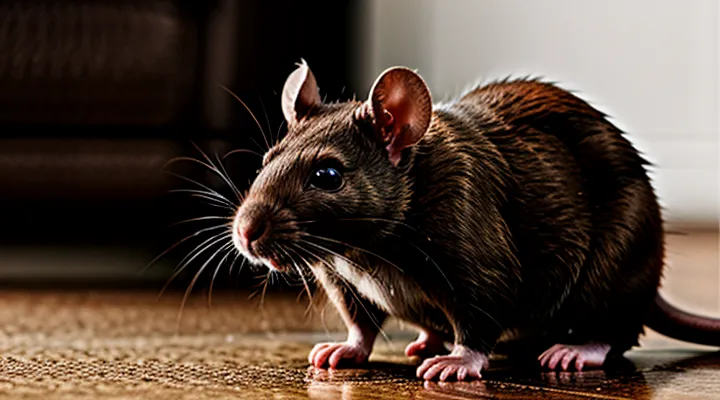
Why Chocolate is Dangerous for Rats
Theobromine Toxicity
How Theobromine Affects Rats
Theobromine, the primary alkaloid in chocolate, is rapidly absorbed in rats after oral ingestion. Peak plasma concentrations occur within 30–60 minutes, and the compound distributes to the heart, brain, and skeletal muscle. Metabolism proceeds mainly via hepatic cytochrome P450 enzymes, producing demethylated metabolites that retain pharmacological activity. Elimination half‑life in rats ranges from 2 to 4 hours, shorter than in humans, but sufficient to cause acute physiological effects at modest doses.
Cardiovascular response includes dose‑dependent tachycardia and elevated systolic pressure. At concentrations above 50 mg kg⁻¹, rats exhibit arrhythmias and reduced myocardial contractility. Central nervous system stimulation manifests as hyperactivity, tremors, and, at higher exposures, seizures. Gastrointestinal irritation appears as vomiting and diarrhea, reflecting direct mucosal irritation and increased gastric motility. Renal excretion of unchanged theobromine contributes to diuresis, potentially exacerbating dehydration if fluid intake is limited.
Key toxicological thresholds for rats:
- Low dose (≤10 mg kg⁻¹): mild stimulant effect, no observable adverse signs.
- Moderate dose (10–50 mg kg⁻¹): increased heart rate, mild tremor, reduced appetite.
- High dose (>50 mg kg⁻¹): severe cardiovascular disturbances, seizures, possible fatality.
These data indicate that even small amounts of chocolate can produce measurable physiological changes in rats, and doses approaching the moderate range present a clear risk of toxicity.
Dosage and Severity
Chocolate contains theobromine, a methylxanthine that rodents metabolize slowly. Toxicity is measured in milligrams of theobromine per kilogram of body weight (mg/kg). Rats weighing approximately 250 g are especially vulnerable because their metabolic capacity is limited.
- Mild exposure: 10 mg/kg – transient hyperactivity, mild gastrointestinal upset.
- Moderate exposure: 20–40 mg/kg – pronounced tremors, rapid heart rate, vomiting, possible seizures.
- Severe exposure: >40 mg/kg – cardiac arrhythmia, severe seizures, respiratory failure, death within hours.
Severity escalates with dose. At the mild level, clinical signs resolve within 12 hours with supportive care. Moderate doses produce sustained neurological disturbances and may require intensive monitoring. Severe doses overwhelm cardiac and respiratory systems, leading to irreversible damage unless aggressive intervention occurs promptly.
Because any detectable amount of chocolate introduces theobromine above the mild threshold for a typical laboratory rat, the safest practice is to forbid chocolate entirely. If ingestion is observed, calculate the estimated dose based on the rat’s weight, then initiate emergency veterinary treatment without delay.
Other Harmful Ingredients
Sugar Content and Obesity
Chocolate typically contains 45‑60 % sucrose, with dark varieties ranging from 30 % to 45 % and milk chocolate reaching up to 55 %–60 %. A standard 10 g piece delivers approximately 4 g of sugar, a dose that exceeds the daily recommended carbohydrate intake for an average laboratory rat (≈5 g).
High sugar consumption elevates plasma insulin, stimulates hepatic lipogenesis, and reduces leptin sensitivity. In rodents, these mechanisms accelerate adipocyte hypertrophy and increase visceral fat mass. Studies that administered sucrose‑rich solutions to rats reported a 15 %–25 % rise in body weight over eight weeks, independent of caloric restriction.
Experimental groups receiving chocolate ad libitum showed comparable weight gain to those given sucrose water, confirming that the sugar fraction drives obesity rather than cocoa polyphenols. Body‑composition analysis revealed a disproportionate increase in fat percentage (up to 12 % above control) while lean mass remained unchanged.
- Sugar concentration in chocolate exceeds typical rodent diets.
- Chronic intake correlates with elevated insulin and leptin resistance.
- Resulting metabolic disturbances produce measurable obesity within weeks.
- Researchers should limit or eliminate chocolate as a dietary supplement in rat studies to avoid confounding weight‑related outcomes.
Fat Content and Digestive Issues
Chocolate contains a substantial amount of fat, primarily from cocoa butter. In rats, dietary fat is digested by pancreatic lipase, but the enzyme’s capacity is limited compared to omnivores that regularly consume high‑fat foods. Excessive fat overwhelms the rat’s digestive system, leading to malabsorption and increased intestinal transit time. The result is steatorrhea—fatty, loose stools—and a higher risk of obesity due to caloric density.
Rats also lack the physiological mechanisms to efficiently process the saturated and trans‑fatty acids present in many chocolate products. These fatty acids can provoke inflammation of the pancreatic ducts, potentially progressing to pancreatitis. Symptoms include:
- Abdominal swelling
- Reduced food intake
- Lethargy
- Rapid weight loss after initial gain
The sugar and dairy components of most chocolate formulations exacerbate the digestive burden. Lactose intolerance is common in laboratory rodents, and added sugars ferment in the colon, producing gas and further disrupting gut flora. The combined effect of high fat, sugar, and lactose creates a hostile environment for the rat’s gastrointestinal tract, increasing the likelihood of colitis and bacterial overgrowth.
In summary, the fat content of chocolate imposes a metabolic load that exceeds the rat’s digestive capacity, while the accompanying ingredients amplify gastrointestinal distress. Consequently, chocolate should not be incorporated into a rat’s diet.
Caffeine and Stimulant Effects
Chocolate contains methylxanthines, primarily caffeine and theobromine, which act as central nervous system stimulants. In rodents, caffeine is rapidly absorbed through the gastrointestinal tract, reaching peak plasma concentrations within 30 minutes. Binding to adenosine receptors reduces inhibitory signaling, producing increased locomotor activity, heightened arousal, and reduced fatigue. Theobromine exhibits weaker adenosine antagonism but contributes to vasodilation and diuresis.
Experimental data define toxic thresholds for rats: a single oral dose of 150 mg kg⁻¹ caffeine produces severe tremors, seizures, and mortality; the median lethal dose (LD₅₀) lies between 190 mg kg⁻¹ and 200 mg kg⁻¹. Theobromine’s LD₅₀ in rats is approximately 1 g kg⁻¹, reflecting lower acute toxicity. Typical commercial milk chocolate delivers roughly 5 mg kg⁻¹ caffeine and 15 mg kg⁻¹ theobromine per gram of product. Consequently, a 30‑g portion supplies about 150 mg caffeine and 450 mg theobromine, approaching the lower limit of adverse effects for a 250‑g rat.
Observed stimulant effects in rats consuming chocolate include:
- Increased open‑field exploration and rearing frequency.
- Elevated heart rate and respiration measured by telemetry.
- Reduced latency to consume a palatable reward in operant tasks.
- Onset of anxiety‑like behaviors at doses exceeding 100 mg kg⁻¹ caffeine.
These responses correlate with plasma concentrations above 5 µg ml⁻¹ for caffeine, a level that reliably induces hyperactivity in laboratory rodents. Below this concentration, behavioral changes are modest and may be interpreted as mild enrichment rather than toxicity.
In practice, feeding chocolate to rats requires strict control of portion size and frequency. Small, infrequent pieces (≤ 2 g) keep caffeine intake under 10 mg kg⁻¹, a dose generally regarded as non‑toxic. Repeated exposure can lead to cumulative stimulant load, especially when combined with other caffeine sources. Researchers recommend monitoring heart rate, body temperature, and activity levels after administration to detect early signs of overstimulation.
Common Misconceptions About Rats and Chocolate
«Small Amounts Are Safe»
Chocolate contains theobromine, a compound toxic to many mammals at relatively low concentrations. Rats process theobromine more efficiently than larger species, yet the substance remains hazardous when intake exceeds their metabolic capacity. Research indicates that a dose below 10 mg of theobromine per kilogram of body weight typically does not produce observable adverse effects in laboratory rats. Consequently, a limited portion of milk chocolate—approximately 0.2 g per 100 g of rat body mass—falls within this safety margin.
Practical guidelines for offering chocolate to rats:
- Choose low‑theobromine varieties (milk or white chocolate) rather than dark or baking chocolate.
- Limit the portion to the calculated safe dose based on the animal’s weight.
- Introduce the treat gradually, observing for signs of gastrointestinal upset, hyperactivity, or tremors.
- Discontinue use immediately if any abnormal behavior or physiological response appears.
When these precautions are observed, occasional miniature chocolate treats do not compromise rat health. Nevertheless, chocolate should remain an occasional supplement, not a regular component of a rat’s diet, because nutritional balance and long‑term wellbeing depend on appropriate feed composition.
«Dark Chocolate is Worse»
Rats can ingest chocolate, but the type of chocolate determines toxicity. Dark chocolate contains significantly higher concentrations of cocoa solids, which increase the levels of theobromine and caffeine—both potent stimulants for rodents. Theobromine dosage that proves lethal in rats is approximately 100 mg kg⁻¹; dark chocolate typically provides 5–10 mg per gram, whereas milk chocolate supplies less than 2 mg per gram. Consequently, a small portion of dark chocolate can deliver a toxic dose more quickly than an equivalent amount of milk chocolate.
Key factors that make dark chocolate more hazardous for rats:
- Higher theobromine content – directly correlates with cardiac arrhythmia and seizures.
- Elevated caffeine levels – cause hyperactivity, tremors, and metabolic stress.
- Greater fat and sugar concentration – exacerbate gastrointestinal upset and obesity risk.
- Reduced palatability – may lead rats to consume larger quantities to achieve desired taste, unintentionally increasing toxin intake.
Given these points, offering dark chocolate to rats poses a greater health risk than lighter varieties and should be avoided.
«Rats Know What's Bad for Them»
Rats possess innate mechanisms that steer them away from harmful substances, including chocolate. Their gustatory system detects bitterness, a common attribute of toxic compounds such as theobromine and caffeine. Laboratory observations show rapid rejection of bitter solutions, indicating a sensory warning system. Metabolic studies reveal that rats process theobromine more efficiently than humans, yet excessive doses still cause cardiotoxic effects, seizures, and death. Consequently, rats demonstrate both behavioral avoidance and physiological limits that protect them from chocolate toxicity.
Key points supporting this conclusion:
- Taste aversion: Rats refuse bitter-tasting foods, reducing voluntary intake of chocolate.
- Physiological threshold: Toxic effects appear at theobromine concentrations above ~100 mg/kg body weight.
- Learning capacity: Rats quickly associate adverse post‑consumption symptoms with specific foods, reinforcing avoidance.
These facts confirm that rats are capable of recognizing and rejecting chocolate when presented in amounts that exceed their safe metabolic capacity. Offering chocolate to rats, even as a treat, poses a significant risk of poisoning and should be avoided.
What to Do if Your Rat Eats Chocolate
Recognizing Symptoms of Chocolate Poisoning
Mild Symptoms
Chocolate contains theobromine and caffeine, compounds that rats metabolize slowly. When a rat ingests a small amount of chocolate, observable effects are typically limited to mild physiological changes.
Common mild responses include:
- Slight loss of appetite or temporary reduction in food intake.
- Mild gastrointestinal irritation, manifested as soft stools or brief episodes of diarrhea.
- Increased locomotor activity or brief periods of heightened alertness.
- Low‑grade tremor of the whiskers or paws, usually resolving within an hour.
- Slight elevation in heart rate detectable by pulse monitoring.
These signs appear at doses roughly equivalent to 5–10 mg of theobromine per kilogram of body weight. Below this threshold, many rats show no discernible effect. Observation for at least two hours after exposure is sufficient to confirm the presence or absence of the listed symptoms. Continuous monitoring beyond this period is unnecessary unless severe signs develop, which would indicate a dosage above the mild range.
Severe Symptoms
Chocolate contains theobromine, a stimulant toxic to rodents at relatively low doses. When rats consume chocolate, the compound accumulates rapidly, overwhelming metabolic pathways and producing life‑threatening effects.
Severe physiological responses include:
- Persistent tremors and uncontrolled muscle contractions
- Hyperthermia exceeding normal body temperature by several degrees
- Cardiac arrhythmias, potentially leading to ventricular fibrillation
- Convulsive seizures that do not cease without intervention
- Rapid respiratory depression culminating in apnea
These manifestations develop within minutes to a few hours after ingestion, depending on the amount and the animal’s size. Immediate veterinary care is required; supportive therapy may involve intravenous fluids, anti‑arrhythmic agents, and seizure control medications. Without prompt treatment, mortality rates approach 100 % for doses above the established toxic threshold.
Immediate Actions to Take
Contacting a Veterinarian
Chocolate poses a genuine toxicity risk for rats. If a rat has ingested chocolate, immediate veterinary consultation is essential to assess potential harm and determine appropriate treatment.
Signs that may indicate chocolate poisoning include rapid breathing, tremors, seizures, vomiting, and abnormal heart rhythm. Absence of symptoms does not guarantee safety; delayed effects are possible.
When contacting a veterinarian, provide precise information to enable accurate evaluation:
- Rat’s age, weight, and overall health status.
- Type of chocolate consumed (dark, milk, white) and estimated quantity.
- Time elapsed since ingestion.
- Observed symptoms, if any.
Call the clinic during business hours or use an emergency animal‑health hotline if symptoms are severe. Follow the veterinarian’s instructions regarding transport, medication, and monitoring. Document the conversation and any prescribed treatment for future reference.
First Aid at Home (If Advised by Vet)
Rats that accidentally eat chocolate can develop rapid heart‑rate increase, tremors, or seizures because of theobromine toxicity. If a veterinarian confirms that immediate home care is appropriate, follow these precise actions.
- Remove any remaining chocolate and isolate the rat to prevent further ingestion.
- Observe for signs such as hyperactivity, panting, vomiting, or loss of coordination.
- If instructed, give a single dose of activated charcoal (approximately 0.5 g per kg body weight) to bind residual toxins; mix with a small amount of water and administer with a syringe.
- Provide fresh water in a shallow dish to encourage hydration; do not force drinking.
- Keep the rat in a warm, quiet environment to reduce stress and support normal body temperature.
- Record the time of ingestion, amount of chocolate, and any observed symptoms for later veterinary review.
Contact the veterinarian immediately if any of the following occur: persistent vomiting, uncontrolled shaking, collapse, or difficulty breathing. Prompt professional intervention may be required despite initial home measures.
Safe Treats for Rats
Recommended Food Options
Fruits and Vegetables
Chocolate contains theobromine, a compound that rats metabolize slowly, leading to potential cardiac and neurological effects. Even small amounts can cause vomiting, tremors, or death. Consequently, chocolate should never be offered to pet rats or laboratory subjects.
Fruits and vegetables provide safe, nutrient‑rich alternatives for rat diets. When selecting produce, consider sugar content, acidity, and seed toxicity.
- Apple (core removed): Low‑moderate sugar, source of fiber and vitamin C.
- Blueberries: Antioxidants, minimal sugar, suitable in small portions.
- Carrots: Beta‑carotene, low calories, can be offered raw or lightly steamed.
- Broccoli florets: Vitamin K and calcium, best served raw to preserve nutrients.
- Spinach (limited): Iron and folate, avoid excessive amounts due to oxalates.
- Bell pepper: Vitamin C, low sugar, safe raw.
- Cucumber: High water content, mild flavor, safe in moderation.
Avoid produce with toxic seeds or pits, such as peach pits, cherry stones, and apricot kernels. Citrus fruits high in acidity may cause stomach upset if overfed. Introduce any new item gradually and monitor for adverse reactions.
Providing a balanced mix of safe fruits and vegetables reduces the temptation to offer chocolate and supports overall health, weight maintenance, and dental hygiene in rats.
Grains and Proteins
Chocolate presents a toxic risk to rats because it contains theobromine, a stimulant metabolized slowly in rodents. When evaluating a rat’s diet, the balance of grains and proteins becomes critical to offset potential deficiencies and to maintain overall health, especially if occasional treats are considered.
Grains supply carbohydrates, fiber, and essential micronutrients. Common rodent diets include corn, wheat, oats, and barley, each offering varying starch content and digestibility. High‑quality grain blends provide energy for activity and support gut motility, reducing the likelihood of gastrointestinal upset that could be aggravated by chocolate ingestion.
Proteins deliver amino acids required for tissue repair, immune function, and enzymatic processes. Sources such as soy, casein, fish meal, and insect protein are typical in formulated rat feeds. Adequate protein levels (18–22 % of diet dry matter) help maintain lean body mass and support metabolic pathways that process xenobiotics, including theobromine.
When chocolate is introduced, even in small quantities, the following considerations apply:
- Theobromine toxicity: onset symptoms appear at 100 mg/kg body weight; a single piece of milk chocolate can exceed this threshold for a 200‑g rat.
- Nutrient dilution: chocolate displaces grain and protein calories, potentially leading to short‑term deficits in fiber and essential amino acids.
- Digestive stress: high fat and sugar content of chocolate may disrupt normal gut flora, counteracting the fiber benefits of grains.
To mitigate risks, maintain a diet where grains constitute at least 50 % of total calories and protein sources meet the recommended percentage. Any chocolate exposure should be limited to negligible amounts, ensuring that the primary nutritional profile remains dominated by balanced grain‑protein blends.
Foods to Avoid Besides Chocolate
Avocados and Citrus
Rats are frequently examined for their ability to tolerate chocolate, a food containing theobromine and caffeine, both of which pose serious health risks. When evaluating alternative treats, avocados and citrus fruits emerge as common candidates, yet each presents distinct nutritional and safety considerations.
Avocados supply monounsaturated fats, potassium, and fiber. The fruit also contains persin, a compound toxic to some mammals. In rats, persin toxicity manifests at concentrations above 0.1 % of body weight, producing respiratory distress and cardiac abnormalities. Small, infrequent portions—no more than 5 g of flesh per 100 g of rat body mass—avoid observable adverse effects while delivering beneficial nutrients.
Citrus fruits contribute vitamin C, flavonoids, and soluble fiber. High acidity can irritate the gastric lining of rodents, potentially leading to reduced feed intake and mild ulceration. Recommended serving sizes limit citrus pulp to 2 g per 100 g of rat body weight, administered in a single daily offering to minimize gastrointestinal stress.
Key comparative points:
- Toxic agents: chocolate – theobromine and caffeine; avocado – persin; citrus – citric acid.
- Safe dosage: chocolate – none; avocado – ≤5 g/100 g body weight; citrus – ≤2 g/100 g body weight.
- Nutrient contribution: avocado – healthy fats and potassium; citrus – vitamin C and antioxidants.
When substituting chocolate with avocado or citrus, strict adherence to the indicated limits prevents toxicity while providing supplemental nutrients.
Salty and Processed Foods
Rats that are offered chocolate often receive additional dietary components that can mask underlying nutritional problems. Salty and processed foods belong to a category of items that provide high sodium, artificial additives, and low-quality protein, all of which conflict with the physiological needs of rodents.
High sodium intake disrupts the rat’s electrolyte balance, leading to hypertension, renal strain, and dehydration. Processed snacks frequently contain preservatives such as nitrites and sulfites, which can irritate the gastrointestinal lining and provoke inflammatory responses. When combined with chocolate’s methylxanthine content, these stressors amplify the risk of cardiac arrhythmias and seizures.
Key considerations for feeding rats include:
- Avoidance of foods with more than 0.2 % sodium by weight.
- Exclusion of products containing artificial flavor enhancers (e.g., MSG) and excessive sugar substitutes.
- Preference for whole‑grain or natural protein sources that supply essential amino acids without excess additives.
If a caretaker wishes to test chocolate tolerance, the animal’s diet must remain free of salty and processed items for at least two weeks prior to exposure. This control eliminates confounding variables and ensures that any adverse reaction can be attributed to the chocolate itself rather than cumulative dietary stress.