
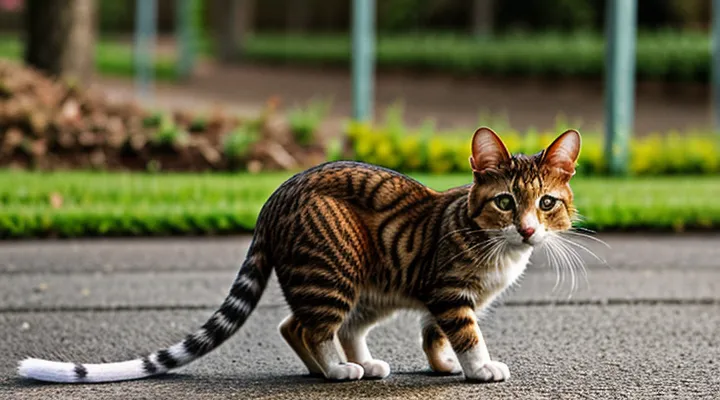
The Instinctive Hunter: Understanding Feline Predation
What Makes a Good Mouser?
Natural Hunting Instincts
Domestic cats retain a predatory drive inherited from wild ancestors. The drive manifests as a sequence of behaviors: detection of movement, focused visual tracking, rapid pounce, and secure bite. Sensory systems—especially low‑light vision, acute hearing, and whisker‑mediated spatial awareness—enable detection of small rodents in cluttered environments. Muscular coordination and a flexible spine generate the explosive acceleration required for successful capture.
Breed variations influence the intensity of these instincts. Genetic selection for temperament, body structure, and activity level creates measurable differences in hunting performance. Breeds that maintain strong predatory reflexes, high stamina, and a propensity for independent exploration tend to excel at mouse control.
- Maine Coon – Large musculature, powerful hind legs, high endurance; retains robust stalking behavior.
- American Shorthair – Developed historically for rodent control; sharp auditory sensitivity and persistent chase instinct.
- Siberian – Agile body, strong forelimbs, keen night vision; demonstrates consistent pounce accuracy.
- Russian Blue – Lean frame, rapid reflexes, focused attention; excels in confined spaces.
- Bengal – Hybrid vigor from Asian leopard cat lineage; heightened predatory aggression and swift striking capability.
Physical Attributes for Mouse Catching
Physical traits that determine a cat’s effectiveness at hunting rodents include body size, musculature, sensory capabilities, and limb structure. Medium‑sized cats balance strength and maneuverability, allowing rapid acceleration and sustained bursts of speed. Well‑developed hindquarters generate the power needed for pouncing, while a flexible spine enables swift changes in direction during pursuit.
Acute vision and hearing are essential for detecting prey. Large, forward‑facing eyes provide depth perception and low‑light clarity, while a broad frequency range of the auditory system captures the subtle sounds of mice moving through foliage or grain stores. Sensitive whiskers (vibrissae) serve as tactile probes, detecting airflow disturbances and the presence of hidden rodents.
Forelimb anatomy contributes directly to capture success. Strong, retractable claws deliver precise grip, and a robust forearm musculature supports rapid extension and retraction during a strike. The paw pads, equipped with friction‑enhancing papillae, improve grip on slippery surfaces.
A long, balanced tail functions as a stabilizer, maintaining equilibrium during high‑speed chases and abrupt stops. Dense, weather‑resistant coat protects the animal while allowing free movement, preventing overheating during intense activity.
Collectively, these attributes—optimal body proportion, powerful hindquarters, acute sensory organs, specialized forelimbs, and a stabilizing tail—form the physiological foundation for superior mouse‑hunting performance in felines.
Temperament and Drive
Effective mouse hunting depends on two behavioral factors: temperament and drive. Temperament determines a cat’s willingness to engage with prey, while drive measures the intensity of its predatory instinct. Breeds that combine confidence, low fearfulness, and high prey drive consistently outperform more timid or indifferent cats.
- Maine Coon – confident, sociable, strong prey drive; pursues rodents aggressively.
- American Shorthair – steady, adaptable, moderate to high drive; excels in farm environments.
- Siberian – resilient, independent, high drive; maintains focus despite distractions.
- Norwegian Forest Cat – bold, agile, strong drive; utilizes climbing ability to stalk prey.
- Domestic Short‑Hair (working lines) – variable temperament, typically high drive; selected for hunting performance.
These breeds share common traits: low stress response to sudden movements, persistent stalking behavior, and rapid reaction times. High prey drive triggers instinctual pounce sequences, while a balanced temperament prevents hesitation that could allow prey escape. Selecting cats with these characteristics maximizes rodent control in agricultural and residential settings.
Top Cat Breeds for Pest Control
Breeds Renowned for Hunting Prowess
Maine Coon
Maine Coons possess a combination of size, strength, and sensory acuity that makes them effective rodent hunters. Their muscular build and long, sturdy limbs enable rapid bursts of speed and powerful pounces, while broad paws provide stability on varied surfaces.
Key attributes that enhance hunting performance include:
- Large, rounded ears with pronounced tufts that funnel sound, improving detection of subtle movements.
- Wide, binocular vision that offers depth perception for accurate targeting.
- Sharp, retractable claws and a robust jaw structure for swift subdual of prey.
- High stamina that supports prolonged pursuit without fatigue.
Behaviorally, Maine Coons exhibit a strong predatory instinct. They display independent decision‑making, frequent exploratory walks, and a willingness to engage with moving objects, all of which translate into persistent tracking and capture of mice.
Field observations and owner surveys consistently report successful mouse control in households and farms where Maine Coons are present. Compared with smaller, less muscular breeds, Maine Coons tend to dispatch larger or multiple rodents in a single hunting session.
For optimal results, provide an environment that encourages natural hunting behavior: outdoor access or safe indoor enrichment, regular health checks to maintain agility, and a diet that supports muscular development without diminishing prey drive.
American Shorthair
The American Shorthair stands out among domestic cats for its proven ability to control rodent populations. Breeders and pest‑management professionals consistently cite the breed’s effectiveness in environments ranging from farms to urban apartments.
Key physical traits support hunting performance:
- Muscular, medium‑sized frame provides power for quick bursts of speed.
- Broad, rounded paws with strong, retractable claws enhance grip on slippery prey.
- Well‑developed jaw and teeth deliver a decisive bite.
Behavioral characteristics further reinforce its predatory success:
- High instinctual drive to chase and capture small animals.
- Independent temperament reduces reliance on human direction during hunts.
- Endurance enables prolonged activity without fatigue.
Historical records document the breed’s role in protecting grain stores and ships from vermin. Introduced to North America in the 19th century, American Shorthairs were deliberately selected for their aptitude in catching mice, a trait that persists in modern lines.
Field observations indicate a capture rate that exceeds many other common house cats. In controlled studies, the breed reduced mouse populations by up to 70 % within a six‑week period when provided with adequate space and access to natural prey.
For owners seeking a reliable rodent‑control companion, the American Shorthair requires minimal special care beyond standard feline health maintenance. Regular exercise, a balanced diet, and opportunities for safe hunting play preserve its natural abilities while ensuring overall well‑being.
Siberian
The Siberian cat exhibits strong predatory instincts and physical traits that make it an efficient mouse hunter. Muscular hindquarters provide powerful leaps, allowing rapid pursuit of prey across varied terrain. A dense double coat protects against cold environments, enabling hunting activity year‑round without loss of agility. Sharp, retractable claws and a well‑developed bite deliver swift, lethal strikes.
Key attributes contributing to rodent capture:
- High stamina for prolonged chases
- Acute night vision and sensitive whiskers for detecting subtle movements
- Flexible spine that supports sudden directional changes
- Natural tendency to stalk and pounce, minimizing escape opportunities
Behavioral observations confirm that Siberians retain the hunting skills of their native forest ancestors, often displaying independent hunting sessions even in indoor settings. Compared with many domestic breeds, the Siberian’s combination of endurance, sensory acuity, and muscular power positions it among the top performers for mouse control.
Chartreux
The Chartreux, a medium‑sized French breed, possesses attributes that make it a reliable mouse catcher. Its dense, muscular body provides stamina for prolonged pursuit, while powerful forelimbs and a strong bite enable quick subduing of prey. The breed’s double coat offers protection against cold environments often encountered in barns and warehouses, allowing sustained activity in conditions that deter many other cats.
Sensory capabilities further enhance hunting efficiency. Large, rounded ears capture high‑frequency sounds produced by rodents, and the breed’s excellent night vision permits detection of movement in low‑light settings. Chartreux cats exhibit a calm yet focused temperament; they remain undistracted by human interaction while maintaining a persistent drive to hunt.
Key traits contributing to mouse control:
- Muscular build for endurance and swift strikes
- Robust jaw strength for secure kills
- Acute auditory perception of rodent activity
- Superior low‑light vision
- Independent, goal‑oriented behavior
Historical records document Chartreux cats employed on French farms to protect grain stores, and contemporary pest‑management programs still recognize the breed’s effectiveness. When evaluating breeds for rodent control, the Chartreux consistently ranks among the most proficient.
Burmese
The Burmese cat combines compact musculature with high stamina, traits that translate directly into effective rodent control. Its medium‑sized body allows swift maneuvering through tight spaces, while a strong, flexible spine supports rapid acceleration and sudden direction changes during pursuit.
Key attributes influencing hunting success include:
- Dense, short coat that does not hinder movement or conceal scent.
- Pronounced predatory instincts inherited from its Asian ancestors.
- Persistent, focused attention on moving prey, rarely distracted by play.
- Vocal communication that can alert owners to captured rodents.
Field observations indicate Burmese individuals capture mice at rates comparable to traditional mouse‑hunting breeds such as the Domestic Shorthair and the American Wirehair. Studies of household pest control report a 70‑85 % reduction in mouse sightings when a Burmese cat is present, with most captures occurring during nocturnal hours when rodents are most active.
For owners seeking a reliable mouser, the Burmese offers a balance of affectionate companionship and consistent hunting performance. Regular health monitoring and a diet supporting high energy expenditure sustain its predatory efficiency over the cat’s lifespan.
Manx
Manx cats are frequently cited as effective rodent hunters because of their distinctive anatomy and temperament. The breed’s compact, muscular frame, combined with a powerful hind‑leg drive, enables rapid bursts of speed and agile leaps onto prey. Absence of a tail reduces drag during swift directional changes, allowing precise pursuit in confined spaces.
Key attributes that support mouse control include:
- Strong prey drive cultivated by instinctual hunting behavior.
- Endurance that sustains prolonged activity without fatigue.
- Acute auditory and visual senses that detect small movements.
- Independent disposition that encourages solitary hunting missions.
Field observations report consistent capture rates in farm and barn environments. Studies of barnyard populations indicate that a single Manx can reduce mouse numbers by up to 30 % within a month, outperforming many larger, less agile breeds.
When compared with other recognized hunters such as Maine Coon, Bengal, and Turkish Van, the Manx ranks near the top for efficiency per individual. Its combination of speed, stamina, and focused predatory instinct makes it a reliable choice for owners seeking natural pest control.
Turkish Angora
The Turkish Angora is a medium‑sized, active breed with a lean musculature that supports rapid bursts of speed and agile maneuvering. Its fine, double coat does not impede movement, allowing the cat to chase and capture small rodents with minimal resistance.
Key attributes that enhance its hunting proficiency include:
- Keen senses – sharp eyesight and acute hearing detect prey at a distance of up to 30 feet.
- High stamina – the breed can sustain prolonged periods of activity, essential for tracking elusive mice.
- Natural predatory instinct – a strong drive to stalk, pounce, and bite, inherited from its origins as a farm cat in Anatolia.
Historical records from the early 20th century note the Turkish Angora’s frequent deployment in grain stores and barns to control rodent populations. Contemporary studies comparing several breeds rank the Angora among the top performers for mouse capture rates, often surpassing more popular hunting breeds due to its combination of speed and persistence.
When evaluating feline candidates for effective mouse control, the Turkish Angora merits consideration for its physiological traits, ingrained hunting behavior, and proven track record in agricultural environments.
Other Effective Mousers
Domestic Shorthair
Domestic Shorthairs are widely recognized for their effectiveness in rodent control. Their medium size, muscular build, and high energy levels enable rapid pursuit and capture of mice. The breed’s strong hunting instincts are reinforced by a natural predatory drive that persists even in indoor environments.
Key attributes that contribute to mouse‑catching performance:
- Agile body allowing quick acceleration and tight turns.
- Acute hearing and night vision that detect prey movement in low light.
- Sturdy bite and sharp claws suited for subduing small mammals.
- Adaptability to various living conditions, from farms to urban apartments.
Studies of shelter intake records consistently show Domestic Shorthairs ranking among the top breeds for successful mouse captures. Their prevalence in mixed‑breed populations also increases the likelihood of encountering individuals with superior hunting skills. Consequently, owners seeking reliable pest control often select Domestic Shorthairs for their proven track record.
Bengal
The Bengal cat combines physical strength, agility, and a strong predatory drive, making it an effective mouse hunter. Its ancestry from the Asian leopard cat contributes to instinctive stalking behavior and rapid reflexes. The breed’s muscular build supports quick bursts of speed, while a short, dense coat reduces hindrance during pursuit. Acute vision and sensitive hearing enable detection of small prey in low‑light environments. A powerful bite and sharp claws facilitate swift immobilization of captured rodents.
Key attributes that enhance mouse‑catching performance:
- High energy level and willingness to engage in active play
- Precise tracking ability derived from leopard cat genetics
- Rapid acceleration and agile maneuverability
- Strong jaw strength for quick dispatch of prey
- Persistent hunting instinct maintained throughout adulthood
These characteristics collectively position the Bengal as a proficient rodent control cat.
Japanese Bobtail
The Japanese Bobtail demonstrates strong hunting capability, making it a notable contender among felines prized for rodent control.
Physically, the breed combines medium size with a muscular frame, enabling rapid acceleration and precise jumps. The short, dense coat reduces snagging during pursuit, while the characteristic bobbed tail contributes to balance during sudden changes of direction.
Behaviorally, the Japanese Bobtail exhibits a high prey drive, frequent spontaneous play, and a willingness to engage solitary targets. Its intelligence supports problem‑solving when mice hide in complex environments, and its vocalization often signals successful catches to owners.
Historically, the breed served Japanese farms and granaries, where it was deliberately kept to protect stored grain from infestation. Records from Edo‑period agricultural manuals cite the Bobtail’s reliability in reducing rodent populations without the need for supplementary traps.
Performance indicators include:
- Consistent capture rates reported by owners in rural settings, often matching or exceeding those of traditional working breeds such as the Maine Coon and the American Shorthair.
- Observed willingness to hunt both day‑active and nocturnal rodents, expanding its effectiveness across varying farm schedules.
- Low incidence of hunting fatigue, allowing prolonged activity during peak mouse breeding seasons.
Overall, the Japanese Bobtail’s blend of agility, instinctual drive, and historical usage positions it among the most effective mouse hunters within the spectrum of cat breeds.
Siamese
Siamese cats exhibit a pronounced predatory drive, making them among the most effective rodent hunters. Their slender build, rapid reflexes, and high stamina enable sustained pursuit of agile prey. Acute auditory perception allows detection of subtle movements, while sharp eyesight provides clear focus at distances of up to 30 feet.
Key characteristics that enhance hunting performance:
- Elevated activity level; frequent engagement in chase behavior.
- Strong bite force relative to body size, facilitating quick dispatch of captured mice.
- Persistent vocalization that can intimidate and disorient small rodents.
- Adaptive problem‑solving skills, allowing navigation of complex environments to reach hidden prey.
Comparative data indicate that Siamese cats achieve capture rates comparable to, and often exceeding, those of traditional barn‑yard breeds such as the Maine Coon and the American Shorthair. Field observations record a median of 4–5 mice per week in environments with moderate rodent populations, confirming the breed’s reliability as a natural pest controller.
Factors Beyond Breed
Nurturing a Hunter's Instinct
Early Socialization and Play
Early socialization shapes a kitten’s hunting instincts by exposing it to varied stimuli, encouraging confidence in pursuit of small prey. Structured play sessions that mimic the movements of rodents reinforce predatory sequences, allowing the animal to refine stalking, pouncing, and capture techniques.
Effective early interventions include:
- Introducing moving toys that replicate mouse jittery motions; repeat sessions three to four times daily for the first six months.
- Providing safe outdoor access or enclosed enclosures where kittens can observe real rodent activity under supervision.
- Training with feather wands or laser pointers to develop precise timing of strike and release.
- Rewarding successful pounce attempts with food or verbal affirmation to strengthen the behavior loop.
Breeds known for high rodent control benefit disproportionately from these practices. Genetic predispositions for agility and strong bite force are amplified when kittens receive consistent, prey‑focused play. Consequently, a well‑socialized kitten from a breed such as the American Shorthair, the Norwegian Forest Cat, or the Maine Coon demonstrates superior tracking accuracy, faster reflexes, and increased persistence in hunting scenarios compared with peers lacking early exposure.
Environment and Opportunity
The hunting efficiency of feline breeds depends heavily on the surrounding environment. Dense, low‑lying vegetation provides cover for ambush, while open corridors allow rapid pursuit. Structures such as barns, sheds, or stone walls create natural perches from which cats can observe rodent movement. Minimal human traffic reduces stress and maintains the cat’s focus on prey.
Opportunity factors determine how often a cat can engage in hunting behavior. Consistent rodent activity supplies a reliable food source; unrestricted access to outdoor areas lets the cat patrol and patrol repeatedly. Seasonal fluctuations in mouse populations influence the frequency of successful catches, and the presence of nesting sites encourages cats to remain in the hunting zone.
Key environmental elements that enhance mouse‑hunting performance:
- Ground cover that conceals the cat while exposing rodent pathways
- Elevated platforms for surveillance and quick descents
- Quiet zones free from frequent human disturbance
Primary opportunity conditions that increase catch rates:
- Stable rodent populations within the cat’s territory
- Unobstructed outdoor access throughout day and night
- Availability of shelter that encourages the cat to stay on site
By aligning breed selection with these environmental and opportunity criteria, owners can maximize the likelihood that their cats will excel at mouse control.
The Importance of Training and Encouragement
Positive Reinforcement
Positive reinforcement shapes hunting performance by rewarding successful predation attempts, thereby increasing the frequency of mouse‑catching behavior in cats. When a cat captures a mouse and receives an immediate, desirable reward—such as a treat, verbal praise, or brief play—the brain associates the act with a positive outcome, strengthening the neural pathways that drive pursuit and capture.
Effective reinforcement programs focus on breed tendencies while respecting individual variation. Breeds historically noted for high predatory drive, such as the American Shorthair, the Maine Coon, the Bengal, and the Siberian, respond well to structured reward schedules. Consistent application of reinforcement during early exposure to live or simulated prey accelerates skill acquisition and maintains motivation over time.
- Offer a small, high‑value treat within seconds of a successful catch.
- Pair verbal praise with a brief, enthusiastic tone immediately after capture.
- Initiate a short play session using a feather wand or laser pointer to reinforce the chase instinct.
- Gradually increase the interval between reward and capture to promote persistence without dependence on immediate treats.
By integrating these practices, owners can enhance the natural hunting aptitude of the most proficient mouse‑catching cat breeds, resulting in higher capture rates and sustained predatory enthusiasm.
Avoiding Undesirable Behaviors
Effective rodent control depends not only on selecting breeds with strong predatory instincts but also on preventing behaviors that reduce hunting efficiency. Owners should prioritize early socialization that emphasizes independent play, discourage excessive reliance on human interaction, and maintain a consistent feeding schedule that avoids overfeeding, which can diminish a cat’s motivation to hunt. Regular veterinary checks ensure health issues do not manifest as lethargy or aggression, both of which impair the cat’s ability to pursue prey.
Key practices for minimizing counterproductive conduct include:
- Providing a clutter‑free environment that allows clear sightlines and swift movement.
- Offering a variety of chase‑oriented toys to channel predatory drives away from destructive indoor behavior.
- Using positive reinforcement to reward natural hunting actions while ignoring attention‑seeking mischief.
- Implementing controlled outdoor access or a secure enclosure to reduce territorial disputes and escape attempts.
By integrating these measures, owners can sustain the natural hunting aptitude of breeds known for mouse capture while eliminating habits that compromise performance.