
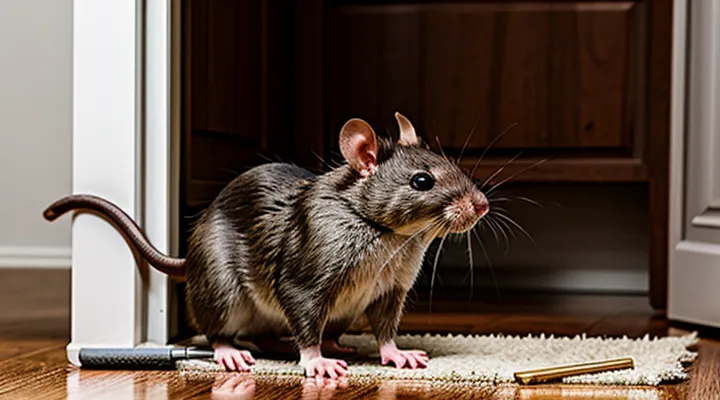
Understanding the Rat Problem
Identifying Rat Infestation Signs
«Droppings and Urine Trails»
Rats leave small, dark droppings that resemble grain or black rice, typically 0.5–1 cm long. Fresh droppings are glossy, while older ones become dry and crumbly. Urine stains appear as yellowish, oily patches, often on surfaces near food storage, walls, or in hidden corners. Both signs confirm active infestation and pinpoint high‑traffic routes.
Identifying these markers enables targeted action:
- Locate droppings and urine to map the rat’s pathways.
- Prioritize cleaning in areas where droppings accumulate, such as attics, basements, and pantry shelves.
- Use the mapped routes to position traps, bait stations, or exclusion devices where activity is greatest.
Cleaning must eliminate health hazards. Wear disposable gloves and a mask, seal waste in a plastic bag, and dispose of it in a locked trash container. Apply a disinfectant containing bleach (5 % solution) or an enzymatic cleaner to break down urine residues, then rinse with water and dry the surface thoroughly. Avoid sweeping dry droppings, as this can aerosolize pathogens.
After sanitation, reinforce control measures. Seal entry points identified near droppings, install snap traps or electronic devices along established trails, and place bait stations at least 1 m from food preparation zones. Regularly inspect the same spots for new droppings or urine to assess progress and adjust trap placement accordingly. Continuous monitoring ensures that residual activity is detected early, preventing re‑infestation.
«Gnaw Marks and Damage»
Rats leave distinctive gnaw marks that reveal both the extent of their activity and the urgency of intervention. Their incisors create paired, shallow cuts on wood, plastic, and wiring, often spaced ¼‑½ inch apart. The marks appear on baseboards, kitchen cabinets, and structural beams, indicating routes used for nesting and foraging. When gnawing reaches cables, the risk of electrical short circuits and fire increases sharply; damaged insulation can also expose live wires, creating a direct hazard to occupants.
Inspecting a property for these signs should follow a systematic approach:
- Examine exposed wooden surfaces for clean, crescent‑shaped bite edges.
- Trace gnaw marks along conduit and plumbing to locate potential entry points.
- Test suspect electrical wiring with a multimeter; replace any compromised sections immediately.
- Document the location, material, and severity of each damage spot to prioritize repairs.
Repair work must restore structural integrity and eliminate attractants. Replace gnawed wood with treated lumber, seal cracks with steel‑wool and caulk, and install conduit sleeves over vulnerable cables. After repairs, integrate bait stations, traps, or exclusion devices to prevent re‑infestation. Continuous monitoring of previously damaged areas confirms the effectiveness of control actions and prevents recurrence.
«Noises and Sightings»
Rats reveal their presence through distinct sounds and visual signs that demand immediate attention. Scratching along walls, gnawing on wood, and rapid scurrying in ceilings generate high‑pitched squeaks and thumping that intensify at night. These noises indicate active burrowing or movement within concealed spaces.
Visible evidence includes droppings, greasy smears along baseboards, and shredded insulation. Fresh droppings appear as dark, rice‑sized pellets; older ones may crumble. Chewed wires, plastic, or food packaging confirm foraging activity.
When noises and sightings occur, follow a systematic response:
- Verify the source by listening from multiple rooms; pinpoint the area with the loudest activity.
- Inspect walls, attics, and crawl spaces for fresh droppings, gnaw marks, and nesting material.
- Seal entry points larger than a quarter‑inch with steel wool, metal flashing, or concrete.
- Set appropriate traps or bait stations near identified hotspots; place them against walls where rats travel.
- Monitor traps daily, record capture rates, and adjust placement if activity persists.
Prompt identification of auditory and visual indicators prevents infestation growth and guides targeted elimination measures.
«Nests and Burrows»
Rats build nests and burrows in concealed areas such as wall voids, attic insulation, crawl spaces, and garden beds. These structures provide shelter, breeding sites, and food storage, making them central to a rat infestation in a private residence. Recognizing the locations and characteristics of these habitats is essential for effective control.
Inspecting a property involves systematic checks for signs of activity: gnaw marks on wood or wiring, droppings along pathways, and fresh bedding material. Use a flashlight to examine dark corners, lift floorboards, and probe soil near foundations for tunnels. Record each finding to target treatment precisely.
Eliminate nests and burrows by following a structured approach:
- Seal entry points larger than a quarter‑inch with steel wool, cement, or metal flashing.
- Remove bedding material by vacuuming or disposing of contaminated insulation in sealed bags.
- Apply rodent‑specific bait stations or traps directly inside identified burrows, ensuring placement along established runways.
- Treat surrounding soil with approved rodent repellents or granules to discourage re‑excavation.
- Re‑inspect after two weeks, repairing any new gaps and confirming the absence of fresh droppings or gnaw marks.
Consistent monitoring and prompt repair of compromised structures prevent rats from reestablishing nests, sustaining a rat‑free environment.
Assessing the Scale of Infestation
«Determining Entry Points»
Identifying how rodents infiltrate a residence is the first decisive step in any eradication program. Without sealing the pathways, traps and poisons lose efficacy and reinfestation becomes inevitable.
Begin the inspection by examining the building envelope from the exterior inward. Focus on the following areas:
- Gaps around utility penetrations (pipes, cables, vents) larger than ¼ inch.
- Openings at the foundation, including cracks in concrete, mortar joints, and displaced bricks.
- Unsealed spaces beneath decks, porches, and crawl‑space vents.
- Damaged or missing weatherstripping on doors and windows.
- Roof eaves, soffits, and attic vents where birds or squirrels may have created access.
After locating suspect openings, verify activity by placing non‑toxic tracking powder or fluorescent dust near each site and inspecting for rodent footprints after several hours. Additionally, look for gnaw marks, droppings, and greasy pathways along walls and baseboards.
Seal confirmed entry points using materials resistant to chewing: steel wool combined with expanding foam for small gaps, cement or mortar for foundation cracks, and metal flashing for larger openings. Install self‑closing door sweeps and replace deteriorated weatherstripping.
Repeat the inspection quarterly, especially after severe weather, to detect new breaches before populations expand. Continuous monitoring and prompt repair maintain a barrier that prevents re‑entry, sustaining long‑term control.
«Estimating Rat Population»
Estimating the number of rats present in a private residence provides the data needed to design an effective control program. Accurate counts prevent under‑treatment, which can lead to persistent infestation, and avoid unnecessary use of resources.
Observable signs indicate population size. Common indicators include:
- Fresh droppings in kitchens, attics, and behind appliances; a cluster of 10‑12 pellets per square foot suggests several active individuals.
- Gnaw marks on wood, insulation, or wiring; multiple fresh bites within a confined area often correlate with higher densities.
- Grease or oil trails left by rodent feet; continuous tracks across the same route imply repeated use by a group.
- Burrows or nesting material in concealed spaces; larger piles of shredded fabric or shredded paper signal a breeding colony.
Direct measurement techniques complement visual cues:
- Tracking stations – place inked cards or powdered surfaces along walls; count distinct footprints over a 24‑hour period and apply a conversion factor (e.g., 1–2 prints per rat per night).
- Live‑capture traps – set a known number of traps for a fixed duration; calculate capture rate and extrapolate using the Lincoln‑Petersen estimator.
- Dropping counts – collect a sample of fresh pellets, determine average daily output per rat (approximately 30–50 pellets), and divide total daily droppings by this figure.
- Professional inspection – engage certified pest‑control specialists who employ infrared cameras and bait‑station monitoring to produce a quantitative report.
The resulting estimate guides the selection of control measures. Small populations (1‑5 rats) may be eliminated with targeted trapping and baiting. Larger groups (10+ rats) typically require integrated approaches, including exclusion of entry points, sanitation improvements, and strategic placement of rodenticides. Continuous monitoring after intervention confirms reduction and prevents resurgence.
Prevention Strategies
Securing Your Home
«Sealing Entry Points»
Sealing entry points prevents rats from accessing a home and eliminates the need for repeated trapping or poisoning. Identify all potential openings; rodents can enter through gaps as small as a quarter‑inch. Conduct a systematic inspection of the building envelope, focusing on the following areas:
- Foundations and crawl‑space vents – fill cracks with concrete, steel wool, or expanding foam.
- Exterior walls – repair damaged siding, replace missing bricks, and caulk around window frames.
- Roof eaves and soffits – install metal flashing and seal gaps around vent pipes.
- Utility penetrations – use metal plates or silicone sealant around cables, pipes, and conduit.
- Doors and windows – fit weatherstripping, ensure thresholds are tight, and install screens on vents.
After repairs, apply a durable, rodent‑resistant material such as stainless‑steel mesh or hardware cloth to cover larger openings. Verify that all seals remain intact after seasonal temperature changes; re‑inspect after heavy rain or snow melt. Maintaining a sealed envelope reduces the likelihood of re‑infestation and supports long‑term control of rodent populations in private residences.
«Repairing Structural Damage»
Rats compromise the integrity of a private residence by gnawing through wood, insulation, and wiring; untreated damage creates new pathways for infestation and threatens safety.
Inspecting the building envelope reveals weakened studs, chewed baseboards, and breached roof sheathing. Replace any timber reduced to less than half its original cross‑section, install fire‑rated drywall where electrical wiring has been exposed, and apply rodent‑resistant insulation to fill gaps.
- Seal all openings larger than ¼ inch with steel wool, copper mesh, or cement‑based caulk.
- Repair or replace damaged vent covers, chimney caps, and eaves with hardware‑grade metal.
- Reinforce door frames and window sills using hardwood or metal flashing.
- Treat reclaimed wood with borate preservatives before reinstallation.
After repairs, schedule quarterly visual checks of vulnerable areas, record any fresh gnaw marks, and reapply sealants as needed to maintain a barrier against future rodent activity.
«Screening Vents and Chimneys»
Screened vents and chimneys create a physical barrier that blocks rodent entry while allowing necessary airflow. Install metal mesh with openings no larger than ¼ inch over all exterior vents, including attic, crawl‑space, and bathroom exhausts. Replace damaged or rusted screens promptly, as gaps enlarge quickly under weather exposure.
Secure chimney flues with a stainless‑steel chimney cap fitted tightly to the top of the stack. The cap should incorporate a solid base and a mesh guard to prevent rats from climbing inside. Verify that the cap sits flush against the chimney crown and that the mesh is firmly attached to eliminate potential escape routes.
Key actions for effective screening:
- Measure each vent opening and select mesh that meets the ¼‑inch specification.
- Use corrosion‑resistant screws or rivets to fasten screens, preventing loosening over time.
- Inspect vent frames annually for cracks or warping; replace compromised sections immediately.
- Fit chimney caps with a sealed flange to stop water intrusion and maintain structural integrity.
- Conduct a visual check after severe weather to confirm that screens and caps remain intact.
Implementing these measures reduces the likelihood that rats will infiltrate a private dwelling, complementing other control strategies aimed at eliminating infestations.
Eliminating Food and Water Sources
«Proper Food Storage»
Proper food storage is a fundamental component of rodent control in a residence. Rats are attracted to unsecured food sources; eliminating access reduces the likelihood of infestation.
Store all dry goods in airtight containers made of metal or heavy‑wall plastic. Seal lids tightly and place containers on shelves rather than on the floor. Keep pet food in the same manner and remove leftovers promptly.
Maintain a clean pantry by discarding expired items and wiping shelves regularly. Use a dedicated trash can with a lid and empty it daily; line the can with a sturdy bag that can be tied securely.
Implement the following practices:
- Transfer opened packages to sealed containers within 24 hours.
- Keep countertops clear of crumbs and spills; clean with a damp cloth after each meal.
- Store fruits, vegetables, and other perishables in the refrigerator or in sealed bins.
- Position food storage areas away from walls and utility lines to prevent rats from nesting nearby.
By restricting food availability, the environment becomes unsuitable for rats, supporting broader eradication efforts without reliance on chemicals or traps.
«Managing Waste Effectively»
Effective waste management reduces food sources that attract rodents to a residential property. Secure containers with tight-fitting lids prevent rats from accessing garbage. Regularly empty indoor trash bins and keep outdoor dumpsters away from building foundations. Compost bins should be enclosed and positioned at a distance that discourages rodent activity.
Maintain cleanliness in kitchens, pantries, and storage areas. Remove food debris from countertops, floors, and under appliances. Store dry goods in sealed, rodent‑proof containers. Inspect and repair cracks or gaps in walls, floors, and utility openings that could allow entry.
- Use metal or heavy‑duty plastic bins with lockable lids.
- Position waste containers on elevated platforms or pallets to deter climbing.
- Schedule weekly trash removal and avoid overnight accumulation.
- Install baffles on trash chute openings to block upward movement of rodents.
- Conduct routine inspections of waste storage areas for signs of gnawing or droppings.
Implementing these practices eliminates readily available nourishment, thereby decreasing the likelihood of infestation and supporting broader rodent‑control measures in a private house.
«Fixing Leaks and Standing Water»
Rats are attracted to moisture; leaking pipes, roof penetrations, and puddles provide drinking sources and concealment. Eliminating these water sources removes a primary incentive for infestation.
Identify all water‑leak points. Inspect kitchens, bathrooms, basements, and exterior walls for drips, condensation, and corrosion. Use a flashlight and moisture meter to locate hidden seepage behind cabinets and under flooring.
Repair measures include:
- Tighten or replace worn fittings on supply lines.
- Seal cracks around sinks, bathtubs, and appliances with silicone caulk.
- Install splash guards on washing machines and dishwashers.
- Redirect downspout runoff away from the foundation using extensions or drainage pipes.
- Level grading around the house to prevent surface water from pooling near the foundation.
Remove standing water promptly. Empty pet water dishes nightly, dry mop up spills, and clear clogged gutters. Store firewood and debris off the ground to improve airflow and discourage condensation.
Regular maintenance prevents new leaks. Schedule quarterly checks of plumbing fixtures, roof flashing, and foundation walls. Document repairs and monitor moisture levels to verify that conditions remain unfavorable for rodents.
Maintaining Your Property
«Yard and Garden Cleanup»
Keeping the yard and garden free of conditions that attract rodents is essential for preventing infestations in a private residence. Remove all sources of food, shelter, and water that could sustain rats.
- Collect fallen fruit, seeds, and vegetable waste daily; store compost in sealed containers with a tight‑fitting lid.
- Trim overgrown vegetation, especially low‑lying shrubs and vines, to eliminate hiding places.
- Clear debris such as piles of wood, rocks, or garden tools that provide nesting sites.
- Maintain a tidy lawn by mowing regularly and disposing of grass clippings promptly.
- Inspect and repair any gaps in fences, gates, or drainage systems that allow rats to enter the property.
- Eliminate standing water by fixing leaks, draining puddles, and using proper irrigation scheduling.
A well‑maintained outdoor environment reduces the likelihood that rats will seek shelter near the house, thereby supporting broader control measures inside the dwelling. Regular upkeep of the yard and garden sustains a hostile habitat for rodents and contributes to long‑term prevention.
«Clearing Clutter»
Clutter provides rats with hidden pathways, nesting sites, and easy access to food residues. Eliminating unnecessary objects reduces shelter options and limits movement corridors, forcing rodents into exposed areas where traps and baits are more effective.
- Remove all stored boxes, bags, and miscellaneous items from attics, basements, and crawl spaces.
- Sort belongings, discarding or donating items that are no longer needed.
- Store remaining items in sealed, rodent‑proof containers made of metal or thick plastic.
- Keep floor space clear; sweep and vacuum regularly to eliminate debris and droppings.
- Organize outdoor storage sheds and garages, stacking materials away from walls and ensuring ventilation openings are covered with mesh.
A decluttered environment deprives rats of concealment, making detection easier and control measures more reliable. Consistent maintenance of open, organized spaces sustains the reduced risk of infestation over time.
«Trimming Vegetation»
Keeping garden and yard plants well‑trimmed reduces shelter and food sources for rodents that invade a private residence. Overgrown shrubs, tall grasses, and dense ground cover create pathways that allow rats to move unseen from the exterior to the home’s foundation.
- Cut back shrubs to a maximum height of 12 inches, maintaining a clear space of at least 18 inches between foliage and the house wall.
- Mow lawns weekly during the growing season, leaving no more than 2 inches of grass height.
- Remove dead or decaying vegetation, including fallen branches and leaf piles, within a 10‑foot radius of the structure.
- Thin back vines and climbing plants that touch the roof or exterior walls, preventing direct access to entry points.
- Dispose of trimmed material in sealed containers or away from the property to avoid attracting rodents.
Regular trimming also improves visibility for inspection of potential entry gaps, such as cracks in siding or gaps around utility lines. By eliminating dense vegetation, homeowners deny rats convenient cover, making it easier to detect and seal openings before infestations develop. Integrating vegetation management with other control measures—like sealing foundation cracks and maintaining clean storage areas—creates a comprehensive strategy for rodent exclusion.
Eradication Methods
Trapping Techniques
«Snap Traps»
Snap traps offer a rapid, humane solution for rodent control in a residence. They function by delivering a swift, lethal strike that kills the animal instantly, minimizing suffering and preventing the spread of disease.
- Choose a spring‑loaded model with a sturdy wooden base and a sharp metal bar. Plastic variants are lighter but may lack durability.
- Position traps along walls, behind appliances, and near known activity zones. Rats travel close to surfaces; placing traps perpendicular to the wall, with the trigger end facing the wall, maximizes contact.
- Bait with high‑protein attractants such as peanut butter, dried meat, or boiled egg. Apply a pea‑sized amount to the trigger platform to encourage quick engagement.
- Set traps each evening and inspect them at dawn. Remove captured rodents promptly, wearing thick gloves and sealing the carcass in a disposable bag before discarding in a sealed trash container.
- Reset or replace traps after each capture. A single trap can catch multiple rodents if the trigger mechanism remains functional.
- Keep traps out of reach of children and pets. Use lockable bait stations or place traps in inaccessible crawl spaces when necessary.
Advantages include immediate results, low cost, no reliance on chemicals, and ease of disposal. Limitations involve the need for regular monitoring, potential exposure risk to non‑target animals, and the requirement for proper placement to achieve high capture rates. Proper implementation of snap traps can significantly reduce rodent presence in a private home when combined with sanitation and exclusion measures.
«Live-Catch Traps»
Live‑catch traps provide a humane alternative for removing rats from a private residence. The devices capture rodents without killing them, allowing owners to relocate the animals away from the home.
Several designs are available. Snap‑free cages made of wire mesh or durable plastic feature a hinged door that closes when the rat enters. Multi‑catch models contain a series of chambers, increasing the number of rodents captured before the trap requires emptying. Both types are reusable and eliminate the need for chemical poisons.
Effective placement follows a few principles:
- Position traps along walls, behind appliances, and in dark corners where rats travel.
- Align the entrance with the animal’s natural path; rats prefer to run close to surfaces.
- Keep traps at least 12 inches off the floor to avoid interference from debris.
- Use multiple traps in a single infested area to reduce capture time.
Bait choice influences success. Peanut butter, dried fruit, or small pieces of meat generate strong odor cues. Apply a pea‑sized amount to the trigger platform, ensuring the scent remains fresh by replacing bait every two days.
After capture, inspect traps daily. Wearing gloves, transport the cage to a release site at least five miles from the property. Open the door gently, allowing the rat to exit onto natural ground. Clean the trap with hot, soapy water before redeploying it in a new location.
When integrated with sanitation measures—sealing entry points, removing food sources, and maintaining a tidy environment—live‑catch traps become a reliable component of a comprehensive rat‑control strategy for homeowners.
«Electronic Traps»
Electronic traps provide a rapid, humane solution for rodent control in residential settings. The devices emit a high‑frequency shock that instantly incapacitates rats upon contact, eliminating the need for poisons or snap traps.
Key characteristics of electronic traps:
- Immediate lethality – a single contact delivers a fatal dose within milliseconds, preventing suffering and reducing the chance of escape.
- Closed containment – most models feature a sealed chamber that prevents exposure to dead rodents, simplifying disposal and minimizing health risks.
- Reusable design – batteries or mains power supply the unit; the trap can be emptied, cleaned, and redeployed repeatedly.
- Low maintenance – routine cleaning removes debris; battery replacement occurs only after extended use, typically every six months to a year.
- Safety features – built‑in sensors disable the shock circuit when the lid is opened, protecting children and pets.
Installation guidelines ensure optimal performance. Position traps along established runways, near walls, or close to entry points such as basements, attics, and crawl spaces. Align the device perpendicular to the wall to force rats into the entry slot. Secure the trap to prevent displacement by wind or vibrations.
Effective use also requires monitoring. Check traps daily for captured rodents, record capture rates, and relocate units if activity declines. Replace batteries promptly when indicator lights signal low power. Maintain a clean environment by sealing food sources, sealing cracks, and removing clutter that provides shelter.
Cost considerations favor electronic traps over disposable alternatives in the long term. Although the initial purchase price exceeds that of traditional snap traps, the ability to reuse the device eliminates recurring expenses for bait and new traps. Additionally, the rapid kill rate reduces property damage and potential health hazards, delivering overall economic benefit.
«Proper Trap Placement and Baiting»
Proper trap placement and baiting are essential components of any rodent control program in a private residence. Position traps where rats travel, hide, or feed to maximize contact and reduce the time required for an effective reduction.
- Install traps along walls, behind appliances, and near known entry points such as gaps around pipes and vents.
- Target concealed pathways: soffits, crawl spaces, and attic joists.
- Place traps perpendicular to the wall, with the trigger end facing the expected direction of travel.
- Avoid locations with high human traffic to prevent accidental activation.
Selecting appropriate bait and applying it correctly increases trap success. Use food items that appeal to the local rat population and resist rapid spoilage.
- Peanut butter, dried fruit, or small pieces of meat provide strong odor and texture.
- Secure bait to the trigger mechanism with a thin layer of wax or petroleum jelly to prevent removal.
- Replace bait daily to maintain freshness and eliminate scent loss.
- Store unused bait in airtight containers to preserve potency.
Regular monitoring and maintenance ensure continued effectiveness. Check traps at consistent intervals, record captures, and adjust placement based on observed activity.
- Inspect traps every 12–24 hours; remove dead rodents promptly to prevent disease spread.
- Reset or relocate traps that have not been triggered after several days.
- Dispose of captured rats in sealed bags and follow local regulations for waste handling.
- Rotate bait types periodically to prevent bait aversion.
By adhering to these precise placement and baiting practices, homeowners can achieve rapid and sustained reduction of rat infestations.
Rodenticides (Baits)
«Types of Rodenticides»
Rodenticides constitute a chemical component of rat‑control programs for homeowners. They are classified by mode of action, toxicity level, and regulatory status, allowing selection that matches the infestation severity and safety requirements.
- First‑generation anticoagulants (e.g., warfarin, chlorophacinone). Require multiple feedings, low acute toxicity, suitable for low‑density infestations.
- Second‑generation anticoagulants (e.g., brodifacoum, difenacoum). Single‑feed lethal, high potency, effective against resistant populations.
- Bromethalin. Neurotoxic agent that disrupts cellular energy production; lethal after a single ingestion, useful when anticoagulant resistance is present.
- Cholecalciferol (vitamin D3). Induces hypercalcemia leading to organ failure; relatively low secondary poisoning risk, appropriate for households with pets.
- Zinc phosphide. Releases phosphine gas in the stomach, fast‑acting; restricted to outdoor or well‑sealed indoor use due to high acute toxicity.
- Sodium fluoroacetate (1080). Metabolic poison, limited availability in many regions; reserved for severe, hard‑to‑manage cases.
Safety and compliance dominate practical deployment. Place bait stations out of reach of children and non‑target animals, secure them on elevated surfaces or within tamper‑proof containers. Follow label instructions regarding dosage, exposure time, and disposal of dead rodents. Verify local regulations, as several jurisdictions ban or restrict second‑generation anticoagulants and zinc phosphide for residential use.
Integrating rodenticides with sanitation, structural sealing, and mechanical traps enhances overall efficacy. Reducing food sources, sealing entry points, and monitoring bait consumption create a comprehensive approach that minimizes reinfestation risk.
«Safe Use and Placement»
Effective rat control in a private residence requires precise placement and responsible handling of all devices and chemicals. Incorrect positioning can reduce efficacy, while mishandling may endanger occupants and pets.
- Position snap traps along walls, behind appliances, and near known runways; rats prefer to travel close to surfaces.
- Install bait stations at least 12 inches off the floor, away from children’s reach and food preparation areas.
- Keep rodenticide containers sealed, store them in a locked cabinet, and place stations in concealed locations such as crawl spaces or attics.
- Use ultrasonic emitters in occupied rooms only after confirming no pets are sensitive to high‑frequency sound; mount devices at a height of 4–6 feet for optimal coverage.
- Ensure all devices are secured to prevent accidental displacement; use zip ties or mounting brackets as recommended by the manufacturer.
- Verify ventilation in areas where poison baits are used; avoid sealed enclosures that could concentrate fumes.
- Conduct regular inspections; replace traps and refill bait stations before they become ineffective or depleted.
Maintain a log of installation dates, locations, and inspection results. Promptly remove and dispose of used traps and expired baits according to local regulations. Following these placement and usage protocols maximizes removal success while safeguarding household members.
«Minimizing Risk to Pets and Children»
Effective rat control must protect vulnerable household members. Strategies that eliminate rodents should not expose pets or children to toxic substances, choking hazards, or accidental injury.
- Seal all openings larger than a quarter‑inch with steel wool, metal flashing, or cement. This prevents entry without introducing chemicals.
- Deploy snap traps in concealed locations such as behind appliances, within wall voids, or inside crawl spaces. Position traps out of reach of children and animals; use tamper‑resistant bait stations when necessary.
- Choose bait alternatives that are low‑toxicity, such as grain‑based or non‑poisonous attractants, and place them in secured containers designed to block unauthorized access.
- If rodenticides are required, select products approved for indoor use with child‑proof and pet‑proof packaging. Install bait stations at heights or locations inaccessible to non‑target occupants, and monitor them daily.
- Engage licensed pest‑control professionals for high‑infestation scenarios. Professionals can apply targeted treatments, conduct thorough inspections, and advise on safe placement of control devices.
Regularly inspect the property for new entry points, remove food sources, and maintain cleanliness to reduce attraction. Supervise children and pets in areas where traps or bait are deployed, and educate family members on recognizing and avoiding potential hazards.
«Disposing of Carcasses»
When a rat dies inside a residence, the carcass becomes a source of disease, odor, and attraction for other pests. Prompt, secure removal eliminates these risks and supports the overall eradication effort.
Handle the body with disposable nitrile gloves. Place the carcass in a heavy‑duty, sealable plastic bag. Expel excess air, seal tightly, and label the bag as “dead animal.”
Choose one of the following disposal methods:
- Burial: Dig a pit at least 12 inches deep, far from vegetable gardens and water lines. Bury the sealed bag, cover with soil, and compact. Verify local regulations permit burial.
- Incineration: Use a dedicated outdoor fire pit or a metal container designed for animal carcass burning. Maintain flame until the bag is completely reduced to ash. Allow ash to cool, then scatter in a non‑cultivated area.
- Municipal collection: Contact the local waste authority for dead‑animal pickup. Follow their packaging instructions and schedule a collection.
- Professional pest‑removal service: Engage a licensed exterminator who offers carcass disposal as part of a comprehensive rodent‑control program.
After disposal, disinfect the area where the carcass was found. Apply a diluted bleach solution (1 part bleach to 9 parts water) to surfaces, then rinse with clean water. Dispose of gloves and any contaminated materials in a sealed trash bag.
Maintain sanitation to prevent future deaths: seal food containers, eliminate standing water, and inspect entry points regularly. These actions reduce the likelihood of new infestations and the need for repeated carcass handling.
Natural and Repellent Methods
«Peppermint Oil and Other Scents»
Peppermint oil functions as a repellent because rats detect its volatile compounds through the olfactory system. A 10‑15 % solution diluted in water or carrier oil, applied to cotton balls or cloth strips, creates a scent barrier that rats avoid entering. Reapply every 48 hours, especially after cleaning or ventilation, to maintain potency.
Other aromatic substances exhibit similar deterrent properties:
- Eucalyptus oil (10 % solution) placed near entry points.
- Citronella oil (5‑10 % solution) applied to baseboards.
- Clove oil (5 % solution) soaked into rag corners.
- Ammonia‑scented pads (undiluted) positioned in concealed cavities.
Effectiveness depends on consistent exposure; rats quickly habituate if the odor dissipates. Rotate scents weekly to prevent adaptation.
Safety measures include wearing gloves during preparation, ensuring pets and children cannot access treated materials, and avoiding direct application to food‑prep surfaces. Combine scent deterrents with structural exclusion and trapping for comprehensive control.
«Ultrasonic Devices»
Ultrasonic devices emit high‑frequency sound waves that are inaudible to humans but disturb the nervous system of rodents, prompting them to vacate the treated area. The technology relies on continuous or intermittent pulses, usually ranging from 20 kHz to 60 kHz, to create an environment that rats find uncomfortable.
Key factors influencing performance:
- Frequency spectrum: broader ranges affect a larger portion of the rat population, which exhibits varied hearing sensitivities.
- Coverage area: manufacturers specify square footage; overlapping units may be required for multi‑room houses.
- Power source: plug‑in models provide consistent output, while battery‑operated units offer flexibility but may suffer reduced intensity over time.
- Placement: devices should be positioned at rodent pathways, near entry points, and away from large furniture that could block sound propagation.
Effective deployment involves installing units at least 12 inches above the floor, avoiding direct contact with walls, and ensuring no obstacles impede wave transmission. For homes with multiple levels, a unit per floor typically yields optimal results. Periodic verification of device operation—checking indicator lights or audible alerts—helps maintain efficacy.
Limitations include reduced impact in environments with high ambient noise, open doors that allow rats to bypass treated zones, and the possibility of habituation if the same frequency is used continuously. Rotating frequencies or combining ultrasonic devices with sealing of entry points and sanitation measures enhances overall success.
When selecting a system, prioritize models with adjustable frequency settings, documented field testing, and warranties that cover component failure. Integrating ultrasonic technology into a comprehensive rodent‑control plan increases the likelihood of eliminating infestations while minimizing chemical exposure.
«Natural Predators (e.g., Cats)»
Cats are widely recognized as effective biological controls for rodent populations in residential settings. Their predatory instincts drive frequent hunting behavior, which reduces rat activity in areas where cats have access. Introducing a cat or allowing an existing pet to roam safely around the perimeter, attic, and basement creates a deterrent environment that discourages rats from establishing nests.
Key factors for maximizing feline impact include:
- Health status: ensure the cat is vaccinated, dewormed, and free of illnesses that could compromise hunting ability.
- Age and vigor: younger, agile cats exhibit higher predation rates than older or sedentary individuals.
- Access control: provide safe pathways to potential rat habitats while preventing the cat from entering hazardous zones (e.g., chemical-treated storage).
- Supplemental enrichment: interactive toys and feeding schedules maintain the cat’s motivation to hunt rather than rely solely on food provision.
When combined with structural exclusion measures—such as sealing entry points and maintaining cleanliness—cats contribute a reliable, low‑maintenance component of an integrated rat‑control program for private homes.
Post-Eradication Measures
Cleaning and Sanitization
«Removing Droppings and Nests»
Rats leave droppings and nests that can contaminate food, spread disease, and attract additional pests. Eliminating these remnants reduces the likelihood of re‑infestation and protects indoor air quality.
Before beginning, wear disposable gloves, a mask rated for particulates, and eye protection. Ventilate the area by opening windows or using an exhaust fan. Dispose of all waste in sealed bags and remove them from the residence promptly.
- Identify all visible droppings, urine stains, and nesting material. Common locations include attics, crawl spaces, behind appliances, and within wall cavities.
- Sweep loose debris into a disposable container. Avoid shaking to prevent aerosolization of particles.
- Apply a disinfectant solution (e.g., a 1:10 dilution of bleach in water) to surfaces with droppings. Allow a minimum of five minutes of contact time before wiping.
- Scrub the treated area with a stiff brush or disposable scrub pad. Rinse with clean water if the surface is non‑porous; otherwise, let it air‑dry.
- Remove nests by pulling apart the material and placing it directly into a sealed bag. Do not reuse any nesting material for cleaning or compost.
- After removal, vacuum the surrounding area with a HEPA‑rated vacuum to capture residual particles.
- Seal all entry points discovered during inspection to prevent future nesting. Use steel wool, metal flashing, or cement as appropriate.
Complete the process by washing hands thoroughly with soap and water, even if gloves were worn. Regular inspection and prompt cleaning of any new droppings or nests sustain a rat‑free environment.
«Disinfecting Contaminated Areas»
Disinfecting areas contaminated by rodents eliminates pathogens, reduces odor, and prevents re‑infestation. After trapping or exterminating rats, all surfaces that have been touched, chewed, or soiled must be treated before repairs or cleaning continue.
- Remove visible debris, droppings, and urine with disposable gloves and a sturdy shovel or scraper. Place waste in sealed plastic bags.
- Apply an enzymatic cleaner to break down organic matter. Allow the solution to sit for the manufacturer‑specified contact time, typically 10–15 minutes.
- Rinse the treated area with hot water, then dry thoroughly. Moisture encourages bacterial growth and may attract new pests.
- Disinfect with a registered rodent‑borne disease sanitizer (e.g., a 10% bleach solution, hydrogen peroxide, or an EPA‑approved disinfectant). Ensure the product remains on the surface for the required dwell period, usually 5–10 minutes.
- Ventilate the space for at least 30 minutes to disperse fumes. Use fans or open windows if weather permits.
Safety considerations include wearing protective gloves, goggles, and a mask rated for particulate matter. Dispose of cleaning materials that cannot be decontaminated in sealed containers. Verify that all disinfectants are compatible with the underlying material to avoid corrosion or damage.
Completing these steps restores sanitary conditions, limits health risks, and supports the overall success of rat control measures in a private residence.
«Odor Removal»
Rats leave strong, lingering odors that attract more pests and indicate unsanitary conditions. Immediate removal of these smells is essential for a thorough eradication effort.
- Identify all contaminated areas: nesting sites, droppings, urine stains, and food storage locations.
- Clean surfaces with hot water and a detergent that breaks down organic residues.
- Apply an enzymatic cleaner to degrade proteins and fats that cause odor; follow manufacturer instructions for dilution and contact time.
- Disinfect with a solution containing at least 5 % hydrogen peroxide or a quaternary ammonium compound to eliminate remaining bacteria.
- Place activated charcoal, baking soda, or commercial odor absorbers in each treated room to capture volatile compounds.
- Increase ventilation by running exhaust fans and opening windows for several hours after each cleaning cycle.
Seal entry points and repair damage promptly to prevent re‑infestation, which would reintroduce odor sources. Regularly inspect and repeat the cleaning protocol until no trace of rat scent remains.
Ongoing Monitoring
«Regular Inspections»
Regular inspections form a cornerstone of any successful rat‑control program in a private residence. By systematically checking vulnerable areas, homeowners can detect early signs of activity and intervene before populations expand.
A practical inspection routine includes:
- Frequency: Conduct a thorough sweep at least once a month, increasing to weekly during peak seasons (late summer to early autumn).
- Target zones: Examine foundations, crawl spaces, attics, utility rooms, and any location where food, water, or shelter is available.
- Indicators: Look for droppings, gnaw marks, shredded insulation, grease stains, and fresh burrows. Use a flashlight to reveal hidden pathways.
- Tools: Employ a handheld UV light to spot urine traces, a magnifying glass for small droppings, and a moisture meter to identify damp spots that attract rodents.
- Documentation: Record findings in a logbook or digital spreadsheet, noting date, location, type of evidence, and any remedial actions taken. This history guides future decisions and helps assess the effectiveness of control measures.
Integrating inspections with other tactics—such as sealing entry points, removing food sources, and setting traps—creates a layered defense. When evidence persists despite DIY efforts, enlist a licensed pest‑management professional for a comprehensive assessment and targeted treatment. Regular, methodical checks enable timely response, reduce the need for extensive eradication measures, and protect the structural integrity of the home.
«Maintaining Prevention Efforts»
Consistent prevention safeguards a home after a rat infestation has been eliminated. Regular inspection of structural gaps, utility lines, and foundation cracks reveals entry points before rodents can exploit them. Seal identified openings with steel wool, caulk, or hardware cloth, and replace damaged weatherstripping promptly.
Maintain a clean environment that deprives rats of food and shelter. Store pantry items in airtight containers, dispose of waste in sealed bins, and keep compost away from the house. Trim vegetation, remove debris, and keep firewood elevated to reduce cover near the foundation.
Key actions for ongoing protection
- Conduct a visual sweep of the exterior and interior monthly; note any new holes or gnaw marks.
- Test door sweeps and window screens for wear; reinstall or repair as needed.
- Position metal or plastic traps in high‑traffic zones for early detection; check them weekly.
- Schedule professional rodent‑proofing assessments annually to verify compliance with building codes.
- Record all maintenance activities in a log to track trends and plan timely interventions.
«Addressing Re-infestations Promptly»
Prompt detection of a renewed rat presence prevents population growth and structural damage. Regular inspections of known entry points, food storage areas, and waste zones reveal early signs such as droppings, gnaw marks, or audible activity.
When evidence emerges, immediate action limits the infestation’s scope. Recommended measures include:
- Seal all openings larger than a quarter‑inch with steel wool and caulking.
- Deploy snap traps or electronic devices at identified pathways.
- Apply a targeted bait station, ensuring compliance with safety regulations.
- Remove accessible food sources by storing perishables in airtight containers and cleaning spills promptly.
After the initial response, maintain vigilance for at least three weeks. Conduct daily visual checks and replace traps or bait as needed. Record observations in a log to identify patterns and adjust control tactics accordingly.
If re‑infestation recurs despite these steps, reassess structural vulnerabilities. Reinforce foundation cracks, repair damaged vent screens, and install door sweeps. Consider professional pest‑management services for comprehensive exclusion and population assessment.
Sustained monitoring, combined with swift remedial actions, curtails rat resurgence and protects the home’s integrity.