
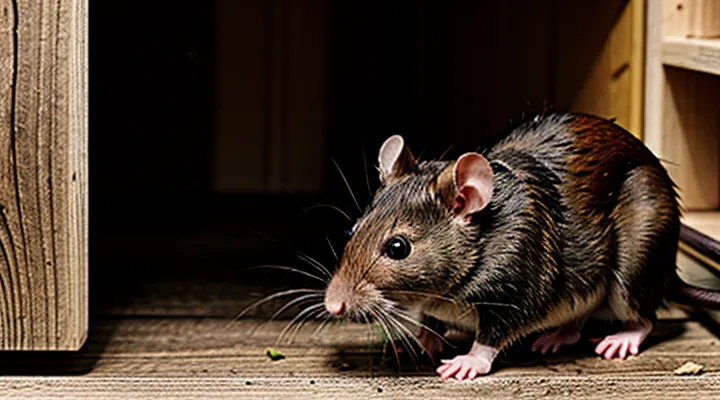
Understanding the Rat Problem in Wooden Houses
Why Wooden Houses Attract Rats
Food Sources and Shelter
Effective rat management in timber residential structures depends on removing both nutrition and refuge. Rats survive by exploiting readily available food and by nesting in concealed cavities.
Typical food sources include:
- Unsealed pantry containers and pantry shelves.
- Pet food left out overnight or stored in open bins.
- Fruit, vegetables, and crumbs on kitchen counters or floors.
- Birdseed, squirrel feeders, and outdoor compost piles.
- Garbage bags or dumpsters without tight-fitting lids.
Shelter opportunities arise from the nature of wooden construction:
- Gaps around windows, doors, and utility penetrations that exceed ¼ inch.
- Openings at the foundation, such as crawl‑space vents or unsealed basement doors.
- Loose or rotted timber, especially in attics, wall voids, and roof eaves.
- Unfinished basements or storage rooms with clutter that creates hiding spots.
- Exterior siding or decking where nails are missing or boards are warped.
Control measures focus on exclusion and sanitation:
- Seal all entry points with steel wool, metal flashing, or caulking.
- Install tight‑fitting lids on all food containers; store pet feed in metal bins.
- Maintain a clean kitchen, promptly sweep debris, and empty trash daily.
- Reduce outdoor attractants by moving feeders away from the house and covering compost.
- Inspect wooden elements for decay; replace compromised sections and repair damaged siding.
Eliminating these attractants removes the primary incentives for rats to colonize wooden private dwellings.
Vulnerabilities in Construction
Rats exploit structural weaknesses that are common in timber residential buildings. Identifying and sealing these vulnerabilities is essential for reliable pest management.
- Gaps around pipe and cable entries, often left unfilled after installation, provide direct routes to interior spaces.
- Cracks in foundation walls or slab edges allow access from the ground level.
- Unfinished joist bays and attic eaves contain open voids that serve as nesting sites and travel corridors.
- Improperly sealed window and door frames create narrow openings that rodents can squeeze through.
- Roof vent flaps without mesh screens permit entry from the exterior.
- Exterior siding joints that are not overlapped or caulked leave persistent seams.
Construction materials also influence susceptibility. Untreated timber absorbs moisture, leading to rot and softened surfaces that rats can gnaw through. Insulation placed directly against wooden studs without a vapor barrier retains humidity, accelerating decay and attracting pests.
Remediation steps focus on eliminating each entry point and reinforcing the building envelope:
- Apply steel wool or copper mesh to all utility penetrations, then seal with fire‑rated caulk.
- Inject epoxy or hydraulic cement into foundation cracks, ensuring a smooth, continuous surface.
- Install solid blocking in joist bays and seal attic eaves with metal flashing.
- Fit compression strips and weather‑resistant sealant around doors and windows.
- Attach stainless‑steel mesh to all vent openings, securing edges with corrosion‑resistant screws.
- Replace or treat exposed wood with borate‑based preservatives, and install a vapor barrier behind insulation.
Regular inspections should verify the integrity of seals and the condition of wood components. Prompt repair of any new cracks or gaps prevents re‑infestation and sustains long‑term rodent control.
Initial Assessment and Prevention
Inspecting Your Property
Identifying Entry Points
Identifying how rats gain access to timber residences is the first step in any successful control program. Without locating and eliminating these openings, other measures such as trapping or baiting will yield only temporary results.
Typical entry points in wooden private houses include:
- Gaps around foundation vents and crawl‑space openings larger than ¼ inch.
- Cracks in sill plates, joists, and wall studs where timber meets concrete.
- Unsealed gaps around utility penetrations (pipes, wires, conduit).
- Openings beneath eaves, soffits, and roof sheathing.
- Damaged or missing weather‑stripping on doors and windows.
- Holes in siding, clapboard, or board‑and‑batten panels caused by rot or insect activity.
Inspection should begin with a systematic visual sweep of the building envelope, using a flashlight to highlight shadowed cracks. Follow with a tactile test: insert a thin probe or a piece of wire to gauge gap width. Employ a low‑level infrared camera at night to detect rodent movement near suspected breaches. Document each opening with measurements and photographs for prioritization.
Sealing methods depend on material and gap size. For small cracks, apply high‑quality silicone or polyurethane caulk. Larger voids require expanding foam, metal flashing, or pressure‑treated lumber cut to fit. Replace deteriorated siding sections with pressure‑treated boards and reinstall weather‑stripping to achieve a continuous barrier. After sealing, re‑inspect the treated areas after 48 hours to confirm integrity.
Completing the identification and closure of all entry points establishes a physical barrier that prevents further infestation, allowing subsequent control tactics to operate effectively.
Signs of Rat Activity («Droppings», «Gnaw Marks», «Nests»)
Detecting rat presence early prevents structural damage and health risks in wooden residences. Visible evidence appears before populations expand enough to cause extensive harm.
- Droppings: Small, dark, cylindrical pellets about ½ inch long; commonly found along walls, behind appliances, and in attic insulation. Fresh droppings are moist and emit a faint, ammonia‑like odor, while older ones become dry and crumbly.
- Gnaw marks: Parallel, shallow incisions on wood, plastic, or wiring, typically ¼ inch deep. Fresh gnawing leaves clean, shiny edges; older marks show frayed wood fibers and may be accompanied by splintered material.
- Nests: Compact bundles of shredded paper, fabric, insulation, or dried vegetation. Nests are located in concealed areas such as wall cavities, under floorboards, or inside ceiling joists. Presence of saliva‑stained material indicates active construction.
Regular inspection of these indicators enables prompt intervention, limiting infestation growth and safeguarding the integrity of wooden structures.
House Sealing and Proofing
Repairing Gaps and Cracks
Sealing gaps and cracks eliminates the primary pathways rats use to enter wooden residences. Unfilled openings in floorboards, wall sheathing, window frames, and roof eaves provide direct access to shelter and food sources. By removing these entry points, the likelihood of infestation drops dramatically, reducing the need for chemical or trap‑based interventions.
Effective repair involves the following actions:
- Identify all visible and hidden openings with a flashlight and a thin probe; prioritize gaps larger than ¼ inch.
- Clean debris, dust, and rotted wood from each opening to ensure proper adhesion of sealing materials.
- Apply a durable, rod‑resistant filler such as polyurethane caulk, expanding foam, or epoxy putty, depending on the substrate and size of the gap.
- Reinforce large cracks with metal mesh or steel wool before sealing to prevent future chewing.
- Finish with a weather‑proof coating or paint to protect the repaired area from moisture and decay.
Regular inspection maintains the integrity of the seal. Conduct a visual check twice yearly, focusing on areas prone to movement, such as foundation joints and attic vents. Promptly address new cracks caused by settlement or temperature fluctuations to keep the structure inhospitable to rodents.
Protecting Vents and Pipes
Rats frequently exploit ventilation openings and utility conduits to infiltrate wooden residences, compromising structural integrity and health safety. Effective prevention begins with eliminating all access routes that connect the interior to the exterior environment.
- Install stainless‑steel mesh or hardware cloth (minimum ¼‑inch gauge) over vent louvers, chimneys, and dryer exhausts; secure with corrosion‑resistant fasteners.
- Apply expanding polyurethane foam or low‑expansion sealant around pipe penetrations, vent flues, and cable entries; ensure the sealant remains flexible to accommodate thermal movement.
- Replace plastic or thin‑metal vent covers with reinforced, rat‑proof models featuring overlapping seams and locking hinges.
- Wrap water and gas pipes with metal conduit or heavy‑gauge steel sleeves, especially in crawl spaces and basements where rodents can gnaw exposed surfaces.
- Install removable access panels fitted with self‑closing latches to allow routine inspection without creating permanent gaps.
Regular inspection reinforces these barriers. Schedule quarterly checks of vent screens, pipe sleeves, and sealant integrity; repair any damage immediately. Use motion‑activated cameras or inspection mirrors to detect hidden activity. Integrating these measures with broader rodent management—such as sanitation, trapping, and habitat reduction—provides a comprehensive defense for wooden private houses.
Eradication Strategies
Trapping Methods
Snap Traps
Snap traps provide rapid, humane removal of rats that have infiltrated timber-framed residences. Their metal spring mechanism delivers a single, decisive strike, minimizing the chance of escape and reducing the likelihood of injury to non‑target species when correctly positioned.
Effective deployment requires careful assessment of rodent pathways. Identify gnaw marks, droppings, and burrow openings near structural beams, wall cavities, and attic access points. Place traps perpendicular to the wall, with the trigger end facing the anticipated direction of travel. Secure the bait—peanut butter, dried fruit, or small meat pieces—directly on the trigger plate to ensure immediate contact.
Key considerations for optimal performance:
- Size and gauge – Choose traps rated for rats, typically 200 g or larger, with a robust spring capable of delivering at least 1 kg of force.
- Bait placement – Apply a thin layer of adhesive to the trigger surface to prevent bait from being removed without activating the mechanism.
- Safety – Position traps out of reach of children and pets; use protective gloves when handling to avoid accidental discharge.
- Maintenance – Check traps daily, dispose of deceased rodents in sealed bags, and reset or replace the spring after each capture.
Advantages include immediate results, low cost, and no reliance on chemicals. Limitations involve the need for regular monitoring and the potential for trap avoidance if rats become wary. Integrating snap traps with exclusion measures—sealing entry points, removing food sources, and maintaining dry timber—creates a comprehensive strategy for controlling rat populations in wooden private homes.
Live Traps
Rats infiltrate wooden residential structures through gaps around foundations, eaves, and utility penetrations. Their presence threatens structural integrity, contaminates food supplies, and spreads disease. Live traps offer a non‑lethal method to remove individual rodents while preserving the home’s wooden framework.
Effective live‑trap deployment relies on selecting appropriate models, positioning devices strategically, and maintaining traps for repeated use. Recommended trap types include:
- Multi‑catch cages with spring‑loaded doors, suitable for high‑traffic areas.
- Single‑catch box traps equipped with a trigger plate, ideal for targeted placement.
- Portable mesh cages that allow quick relocation and release.
Key selection criteria:
- Size sufficient to accommodate adult rats (minimum interior dimensions 10 × 7 × 7 cm).
- Durable construction resistant to chewing.
- Easy‑to‑clean interior surfaces.
- Secure latch mechanism that prevents escape once triggered.
Placement guidelines:
- Position traps along walls, near suspected runways, and close to entry points such as cracks in sill plates or gaps around vent pipes.
- Set traps at ground level or on low platforms where rats travel.
- Bait with high‑protein items (e.g., peanut butter, cooked egg) to increase capture rates.
After a catch, relocate the animal at least 5 km from the residence, release it in a suitable natural habitat, and disinfect the trap before resetting. Regular inspection prevents trap failure, reduces stress on captured rodents, and maintains efficacy throughout the control program.
Electronic Traps
Electronic traps provide a rapid, non‑chemical method for reducing rodent populations in timber‑frame residences. The devices emit a high‑frequency pulse or a brief electric shock that instantly incapacitates rats when they enter a baited chamber. Because the action is immediate, the risk of disease transmission and property damage diminishes sharply.
Key characteristics to evaluate when selecting a unit include:
- Power source: mains‑connected models guarantee continuous operation; battery‑powered units offer flexibility in locations lacking outlets.
- Trigger mechanism: infrared or pressure sensors reduce false activations and conserve energy.
- Capacity: larger chambers accommodate multiple captures, lowering service frequency.
- Safety features: insulated housings and automatic shut‑off prevent accidental contact with humans or pets.
- Monitoring options: some models integrate Wi‑Fi alerts or LED indicators that signal a capture, facilitating timely removal.
Installation guidelines focus on placement and concealment. Position traps along established runways—near walls, under eaves, or adjacent to entry points such as gaps around utility penetrations. Secure the unit flush with the surrounding surface to prevent rats from detecting gaps. Ensure the device is mounted at a height of 6–12 inches, matching the typical movement plane of house‑bound rodents.
Maintenance routines consist of regular inspection, removal of deceased specimens, and verification of power integrity. For mains‑connected units, test the circuit after any electrical work in the house. Replace batteries in portable models at least once a month, or sooner if the indicator signals low charge.
When combined with structural exclusion—sealing cracks, installing metal mesh on vents, and trimming nearby vegetation—electronic traps form an integral component of an overall rodent‑management program. Their rapid lethality, minimal chemical footprint, and capacity for remote monitoring make them especially suited to wooden private dwellings where aesthetic preservation and occupant safety are paramount.
Baits and Lures
Safe Bait Placement
Safe bait placement is a fundamental element of rat management in timber homes. Proper positioning limits accidental exposure, maximizes bait effectiveness, and reduces the likelihood of non‑target species contact.
Key considerations for locating bait stations:
- Install stations at least 1.5 m above ground and 0.5 m away from edges where children or pets might climb.
- Position near known rodent pathways: behind baseboards, in wall voids, under kitchen cabinets, and close to food storage areas.
- Use concealed, tamper‑resistant containers that lock securely and prevent weather damage.
- Keep stations out of direct sunlight to preserve bait potency.
Select bait formulations that match the target species and local regulations. Secure the bait within sealed stations designed to release only when a rat triggers the mechanism. Avoid open‑sourced pellets or loose grain that can be scattered.
Routine maintenance ensures continued safety and efficacy:
- Inspect each station weekly for damage, spoilage, or depletion.
- Replace spent bait with fresh dose, adhering to the recommended quantity per station.
- Relocate stations if activity patterns shift, guided by fresh droppings or gnaw marks.
- Record inspection dates and observations to track control progress.
By adhering to these practices, homeowners protect occupants while maintaining an effective, targeted approach to rat suppression.
Types of Bait
Effective rat management in timber homes requires bait selection that matches the species’ feeding habits and the building’s construction. Proper bait choice maximizes consumption, reduces non‑target exposure, and facilitates long‑term control.
- Anticoagulant rodenticides – second‑generation compounds (e.g., brodifacoum, difethialone) cause internal bleeding after multiple ingestions. Suitable for enclosed bait stations where rats can feed repeatedly without immediate detection.
- Non‑anticoagulant rodenticides – substances such as bromethalin or cholecalciferol disrupt nervous or calcium metabolism after a single dose. Preferred where rapid mortality is required and secondary poisoning risk must be minimized.
- Food‑based attractants – grain, peanut butter, or dried fruit mixed with low‑dose poison improve palatability. Effective in wooden structures where rats exploit cracks and crevices to access stored food.
- Natural baits – formulations containing plant‑derived toxins (e.g., derived from castor oil) provide an alternative for owners preferring reduced chemical load. Typically used in low‑traffic areas to avoid habituation.
- Mechanical bait stations – sealed containers that house any of the above poisons while preventing access by children, pets, and wildlife. Essential for residential settings to comply with safety regulations.
Selection depends on infestation severity, occupancy patterns, and local regulations. Combining multiple bait types in a rotation schedule prevents bait shyness and sustains population decline. Regular inspection of bait stations ensures effectiveness and allows timely replacement of depleted units.
Professional Pest Control
When to Call an Expert
Professional assessment becomes necessary when a wooden residence shows any of the following conditions:
- Visible droppings, gnaw marks, or urine stains on structural timber, insulation, or stored food.
- Persistent rustling, squeaking, or scratching noises originating from walls, attics, or crawl spaces, especially during nighttime.
- Damage to wiring, plumbing, or ventilation ducts that suggests chewing activity.
- Repeated sightings of live rats or their carcasses despite routine traps or bait stations.
- Unexplained odors of ammonia or a strong, musky scent indicative of rodent colonies.
When these signs appear, a licensed pest‑management operator can conduct a thorough inspection, identify entry points, and design a targeted eradication plan that respects the integrity of wooden framing. Professional services provide access to certified rodenticides, calibrated trapping systems, and exclusion techniques that homeowners typically lack.
Choosing an expert requires verification of current certification, proof of insurance, and documented success in residential wood‑frame environments. Request a detailed work plan, including monitoring schedules and post‑treatment verification, before authorizing any intervention.
Benefits of Professional Services
Professional rat‑control firms provide specialized knowledge of rodent behavior in timber structures, enabling accurate identification of entry points and nesting sites. Their experience reduces the risk of incomplete treatment, which can lead to recurring infestations.
- Certified technicians conduct comprehensive inspections, documenting damage to wooden framing and locating concealed pathways.
- Integrated pest‑management plans combine baiting, trapping, and structural sealing, targeting rats while minimizing exposure to residents and pets.
- Use of industry‑approved products ensures effectiveness against resistant populations and complies with safety regulations.
- Ongoing monitoring schedules detect early signs of activity, allowing prompt corrective action before substantial damage occurs.
- Service contracts often include warranties, guaranteeing remediation and covering future re‑treatments if necessary.
- Professional interventions typically lower total costs by preventing extensive wood deterioration, structural repairs, and loss of personal property.
Engaging experts eliminates reliance on trial‑and‑error DIY methods, delivering consistent results and preserving the integrity of wooden private homes.
Post-Eradication Measures
Sanitation and Cleanup
Disposing of Carcasses
Proper disposal of dead rodents prevents disease spread, deters other pests, and eliminates attractants that could compromise a wooden residence. Immediate removal reduces the risk of bacterial growth and odor penetration into structural timber.
Effective disposal follows these steps:
- Wear disposable gloves and a mask to limit direct contact.
- Place the carcass in a sealed, puncture‑resistant bag; double‑bag for added protection.
- Refrigerate the sealed bag if disposal will occur later than 24 hours, preventing decomposition.
- Transport the bag to a licensed animal waste facility, a municipal composting site that accepts dead rodents, or arrange a professional pest‑control service for removal.
- Disinfect the handling area with a solution of 1 % bleach or an EPA‑approved sanitizer; clean gloves and tools before disposal.
After removal, inspect wooden walls, joists, and crawl spaces for residual fluids or debris. Apply a suitable wood preservative to any compromised sections, then seal cracks or gaps that could allow future ingress. Regular monitoring and prompt carcass disposal maintain a sanitary environment and support long‑term rodent management in wooden private homes.
Cleaning Contaminated Areas
Effective rat management in wooden residences requires thorough sanitation of areas contaminated by droppings, urine, and nesting material. Contaminated zones typically appear as darkened spots on walls, floors, or beams, with visible feces, shredded wood, or gnawed insulation. Immediate action prevents disease transmission and deters further infestation.
- Isolate the area. Close doors, seal vents, and restrict access to occupants and pets.
- Equip personnel with disposable gloves, N‑95 respirators, eye protection, and disposable coveralls.
- Wet the surface with a 10 % bleach solution or an EPA‑registered rodent disinfection product. Moistening prevents aerosolization of pathogens.
- Scrape and collect all solid waste into sealable, puncture‑resistant bags. Dispose of bags according to local hazardous‑waste regulations.
- Apply the disinfectant for the manufacturer‑specified contact time, then rinse with clean water.
- Remove excess moisture using absorbent towels or a dehumidifier; allow the wood to dry completely before re‑occupying the space.
- Perform a visual inspection after drying. Repeat cleaning if residues remain.
Document each step, including dates, chemicals used, and personnel involved. Maintain records for future audits and to evaluate the effectiveness of the sanitation protocol. Regular monitoring of previously treated zones helps identify re‑contamination early, enabling prompt remedial action.
Long-Term Prevention
Regular Inspections
Regular inspections provide the primary means of detecting early signs of rodent activity in timber residences. Visible indicators include gnaw marks on structural beams, droppings near entry points, and fresh burrow openings in insulation. Identifying these signs promptly prevents population establishment and limits damage to wooden components.
A systematic inspection schedule reduces the likelihood of unnoticed infestations. Recommended intervals are:
- Quarterly visual checks of the foundation, crawl spaces, and attic.
- Monthly examination of exterior walls, windows, and doors for gaps larger than ¼ inch.
- Seasonal assessment of stored food, compost piles, and garden waste adjacent to the house.
Effective inspection procedures combine visual observation with targeted tools. Use a high‑intensity flashlight to reveal droppings in dim areas, and a flexible inspection mirror for concealed corners. Employ a calibrated moisture meter to locate damp wood, which attracts rodents seeking shelter. Document findings in a log, noting location, type of evidence, and date, to track trends and guide subsequent control actions.
Maintaining the Exterior
Maintaining the exterior of a timber residence is essential for preventing rat infestations. Regular inspection of the building envelope reveals gaps, cracks, and damaged siding that provide entry points. Seal openings with steel‑wool, caulk, or metal flashing; prioritize areas around utility penetrations, window frames, and roof eaves. Trim vegetation that contacts the house, as vines and overgrown shrubs create bridges for rodents. Keep firewood, compost, and debris at least three feet away from the foundation and elevate stacks on concrete pads. Ensure gutters and downspouts are clear to prevent water accumulation that can soften wood and attract burrowing activity. Install metal grates over vent openings and crawl‑space access points; mesh should have openings no larger than ¼ inch. Conduct these tasks seasonally, with intensified focus before winter when rats seek shelter.
Food Storage Practices
Proper food storage is essential for minimizing rodent activity in timber residences. Secure containers prevent rats from detecting odors and accessing nutrients, reducing the likelihood of infestation.
- Store dry goods in airtight, reinforced plastic or metal bins equipped with locking lids.
- Keep pantry shelves clear of spills; clean surfaces immediately after handling food.
- Position storage units away from exterior walls and foundation gaps, creating a physical barrier between the interior and potential entry points.
- Rotate stock regularly; discard items past their expiration date to eliminate stale, attractive material.
- Use sealed, moisture‑proof bags for pet food and treats, and place them on elevated platforms rather than on the floor.
Implementing these practices complements structural rodent mitigation measures, such as sealing cracks and installing traps, by removing primary food sources that draw rats into wooden houses.