
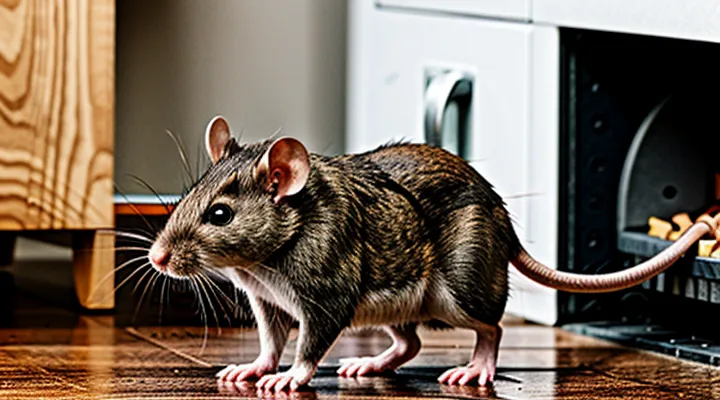
Understanding Rodent Behavior
Signs of Infestation
Droppings and Urine Marks
Droppings and urine marks provide the most reliable evidence of rodent activity. Fresh feces appear as small, dark, cylindrical pellets, typically 0.2–0.5 cm in length, with a glossy surface. Older droppings darken, become brittle, and may crumble when handled. Urine deposits are invisible until they dry, leaving a faint, often powdery residue that can be detected by a characteristic ammonia odor.
Health risks stem from pathogens carried in rodent waste. Salmonella, Leptospira, and Hantavirus can survive on droppings for weeks, contaminating surfaces, food, and air when disturbed. Direct contact or inhalation of aerosolized particles may lead to gastrointestinal, renal, or respiratory illnesses.
Effective detection and response involve three steps:
- Survey – Conduct systematic visual inspections in suspected zones, focusing on corners, behind appliances, and along walls. Use a UV flashlight to reveal urine stains that fluoresce under black light.
- Sampling – Collect a representative sample of droppings in a sealed container for laboratory analysis if disease monitoring is required.
- Sanitation – Apply a disinfectant containing at least 0.5 % sodium hypochlorite to all contaminated surfaces. Allow a minimum dwell time of 10 minutes before wiping. Dispose of waste material in sealed bags and remove from the premises.
Integrating waste monitoring into rodent management programs enhances early detection, allowing prompt intervention before populations expand. Regular cleaning schedules, combined with exclusion measures such as sealing entry points, reduce the availability of food and shelter, thereby limiting the conditions that encourage droppings and urine accumulation.
Gnaw Marks and Damage
Gnaw marks reveal the presence of rodents and indicate the severity of infestation. Characteristic features include parallel grooves, rough edges, and a crescent‑shaped bite pattern. Wood surfaces display shallow, uniform cuts; plastic and rubber show deeper, irregular pits. Damage to electrical wiring appears as exposed conductors or stripped insulation, creating fire hazards.
Identifying gnaw damage supports timely intervention. Key indicators are:
- Fresh bite marks on baseboards, furniture, or structural timber.
- Chewed food packaging, cords, and tubing.
- Accumulated droppings near damaged areas.
- Unusual noises from concealed spaces, suggesting active gnawing.
Consequences of unchecked gnawing extend beyond aesthetic loss. Compromised structural components weaken load‑bearing capacity. Damaged wiring can trigger short circuits, leading to equipment failure or electrical fires. Contaminated food supplies increase the risk of disease transmission.
Control measures target the source of gnawing. Strategies include:
- Seal entry points larger than ¼ inch with steel wool, cement, or metal flashing.
- Replace or protect vulnerable materials using metal sheathing, conduit, or chew‑resistant plastics.
- Install bait stations and traps in proximity to identified gnaw sites.
- Conduct regular inspections of high‑risk zones, documenting new marks and repairing damage promptly.
Monitoring gnaw marks allows assessment of control effectiveness. A decline in fresh bites indicates reduced rodent activity, while persistent or expanding damage signals the need for intensified measures.
Unusual Noises
Unusual sounds often reveal hidden rodent activity before visual signs appear. Scratching on walls or ceiling panels typically indicates nesting or movement within concealed cavities. High‑pitched squeaking heard at night suggests a breeding pair or juvenile presence, while intermittent thumping may result from larger rats traversing overhead ducts. Persistent rustling in stored grain bins points to foraging behavior and potential infestation expansion.
Identifying these acoustic cues enables timely intervention in pest management programs. When a noise pattern is observed, follow a systematic response:
- Record location, time, and duration of each sound.
- Inspect adjacent structural elements for entry holes, gnaw marks, or droppings.
- Deploy targeted traps or bait stations near the identified source.
- Seal discovered openings with steel wool, cement, or metal flashing to prevent reentry.
Accurate interpretation of atypical noises reduces reliance on extensive chemical treatments and supports integrated control measures that focus on exclusion, monitoring, and rapid response.
Rodent Sightings
Rodent sightings provide the primary indicator that a property is experiencing an infestation. Each observation—whether a live animal, droppings, gnaw marks, or nesting material—confirms the presence of rats or mice and signals the need for immediate intervention.
Typical evidence includes:
- Fresh droppings, ½‑inch long for mice and 1‑inch long for rats
- Gnaw marks on wood, plastic, or wiring
- Grease trails along walls or baseboards
- Burrows or holes measuring ¼‑inch (mouse) to ½‑inch (rat) in diameter
- Scratching noises in ceilings or attics, especially at night
Documenting the type, location, and frequency of sightings enables precise targeting of control measures. Multiple reports from the same area suggest a resident population, while isolated incidents may indicate transient activity. Accurate records guide the selection of traps, baits, or exclusion techniques and help evaluate the effectiveness of ongoing actions.
Effective response steps:
- Verify each sighting with physical evidence before deploying control tools.
- Deploy species‑specific traps or bait stations at identified hotspots.
- Seal entry points larger than the observed hole size to prevent re‑entry.
- Monitor trap and bait activity daily; adjust placement based on new sightings.
- Conduct a follow‑up inspection after a two‑week period to confirm the absence of fresh evidence.
Common Rodent Species
Norway Rats
Norway rats (Rattus norvegicus) are the most common urban rodent, distinguished by robust bodies, brown to black fur, and a blunt snout. They thrive in sewers, basements, and any location with abundant food and water, often establishing colonies of 30–50 individuals. Their nocturnal foraging habits lead to contamination of food stores, damage to structures through gnawing, and transmission of pathogens such as leptospira, hantavirus, and salmonella.
Effective management requires an integrated approach that combines habitat modification, population suppression, and monitoring. Key components include:
- Sanitation and exclusion: Eliminate accessible food sources, store waste in sealed containers, repair leaky pipes, and seal entry points larger than ¼ in.
- Mechanical control: Deploy snap traps or electronic devices in high‑activity zones; position traps perpendicular to walls, with bait placed at the rear.
- Chemical control: Apply anticoagulant baits (first‑generation warfarin, second‑generation bromadiolone) in tamper‑resistant stations; rotate active ingredients to prevent resistance.
- Biological control: Introduce predatory species (e.g., barn owls) where feasible, recognizing limited impact on established colonies.
- Monitoring: Conduct regular inspection of trap counts, bait consumption, and signs of activity (droppings, gnaw marks) to adjust tactics promptly.
Successful reduction of Norway rat populations depends on consistent implementation of these measures, thorough documentation of results, and compliance with local regulations governing rodent control products.
Roof Rats
Roof rats (Rattus rattus) are agile climbers that inhabit attics, eaves, and roof spaces. Their slender bodies and long tails enable movement through narrow gaps, allowing access to upper levels of residential and commercial structures. Typical signs of activity include gnaw marks on insulation, shredded wiring, droppings resembling dark rice grains, and audible scratching in ceiling voids.
Damage caused by roof rats includes electrical faults from chewed wiring, insulation loss, and contamination of stored food. Their presence also raises health concerns, as they can transmit pathogens such as Leptospira and hantavirus through urine and feces.
Effective management relies on an integrated approach:
- Inspection and sealing: Identify entry points (e.g., gaps around vents, soffits, and roof penetrations) and seal with steel wool, metal flashing, or cement.
- Sanitation: Remove food sources by storing items in rodent‑proof containers, eliminating standing water, and maintaining a tidy perimeter.
- Trapping: Deploy snap traps or multi‑catch live traps in active runways; position bait (peanut butter, dried fruit) at the trigger. Check traps daily and dispose of captured rodents promptly.
- Baiting: Use anticoagulant or non‑anticoagulant rodenticides in tamper‑resistant stations, following label instructions and local regulations.
- Exclusion: Install metal mesh or hardware cloth on vent openings and chimney flues to prevent re‑entry after removal.
Monitoring after intervention confirms success; a decline in droppings and absence of new gnaw marks indicate effective control. Continuous maintenance of barriers and sanitation reduces the likelihood of recurrence.
House Mice
House mice (Mus musculus) thrive in residential buildings, exploiting food sources, shelter, and warmth. Their small size, rapid reproduction, and ability to squeeze through openings as thin as 6 mm make them difficult to eradicate without systematic effort.
Signs of infestation include gnaw marks on wiring and furniture, droppings measuring 3–5 mm, urine stains, and audible scurrying in walls. Observations of nesting material—soft fibers, paper, or insulation—confirm active colonies. Prompt identification prevents population escalation.
Preventive actions focus on habitat denial. Store food in sealed containers, eliminate standing water, and remove clutter that offers concealment. Inspect the building envelope for gaps around pipes, vents, and doors; seal openings with steel wool, caulk, or metal mesh to block entry.
- Snap traps: immediate kill, reusable, placement along walls and travel routes.
- Electric traps: rapid electrocution, containment of carcass, reduced risk of secondary poisoning.
- Live‑catch traps: capture for humane removal, require frequent monitoring and proper disposal.
Chemical control relies on anticoagulant or non‑anticoagulant rodenticides placed in tamper‑resistant bait stations. Rotate active ingredients to avoid resistance, and position stations away from children, pets, and non‑target wildlife. Follow label instructions for dosage and disposal.
Effective management integrates prevention, mechanical, and chemical tactics. Conduct regular inspections, maintain exclusion measures, and adjust trap or bait placement based on activity patterns. Document findings to evaluate progress and refine the control plan.
Rodent Habitats and Entry Points
Indoor Hiding Spots
Rats and mice exploit concealed spaces within residential and commercial interiors to avoid detection and access food. Effective rodent control relies on locating these refuges before treatment.
Typical indoor hiding locations include:
- Wall voids behind baseboards or cabinetry
- Ceiling joist gaps and attic insulation
- Under floorboards and crawl‑space openings
- Behind appliances such as refrigerators, dishwashers, and ovens
- Inside wall cavities near plumbing stacks and electrical conduits
- In closets, especially behind hanging rods or piled clothing
- Inside furniture cushions, upholstered chairs, and mattresses
- Within stored boxes, bins, or stacked cardboard
Inspection should follow a systematic approach: examine structural seams, probe for droppings or gnaw marks, and use a flashlight to reveal movement in concealed zones. Seal identified entry points with steel wool, copper mesh, or cement‑based caulk; avoid temporary fixes such as rubber or fabric that rodents can chew. Replace damaged insulation and repair cracked drywall to eliminate shelter.
Integrating thorough spot identification with durable exclusion measures reduces reinfestation risk and enhances overall pest management outcomes.
Outdoor Nesting Areas
Outdoor nesting sites provide shelter, food storage, and breeding locations for rats and mice, directly influencing population density and the success of any control program. Identifying these habitats is a prerequisite for targeted interventions.
Typical outdoor nests appear in dense vegetation, under debris piles, within compost bins, beneath sheds, and in burrows adjacent to structures. Materials such as shredded leaves, grass clippings, insulation, and soft soil are commonly used to construct nests. Proximity to water sources and food waste increases site attractiveness.
Regular surveillance using motion‑activated cameras, tracking plates, and visual inspections reveals activity patterns and nest locations. Mapping findings allows prioritization of high‑risk zones and efficient allocation of resources.
Control actions focus on habitat alteration, exclusion, and direct removal:
- Remove vegetation within a 2‑meter perimeter of buildings; keep grass short and trim shrubs.
- Eliminate debris piles, firewood stacks, and stored materials that create nesting voids.
- Install solid‑bottomed trash containers with tight‑fitting lids; regularly clean compost areas.
- Seal gaps larger than ¼ inch in building foundations, walls, and utility openings using metal flashing, concrete, or hardware cloth.
- Deploy snap traps or electronic traps at identified nest entrances; space devices 1–2 meters apart for maximum coverage.
- Apply rodenticide baits in tamper‑proof stations, positioning them near but not inside nests to reduce non‑target exposure.
- Introduce natural predators such as barn owls by installing nesting boxes in suitable locations.
Consistent execution of these measures reduces available nesting space, limits reproductive success, and lowers overall rodent pressure in outdoor environments.
Access Points in Structures
Access points are openings that allow rodents to enter buildings, including cracks, gaps around utilities, vents, and poorly fitted doors. Identifying these pathways is a prerequisite for any successful rodent management program.
Typical entry routes include:
- Gaps exceeding ¼ inch in foundation walls or slab joints
- Openings around plumbing, electrical, and HVAC penetrations
- Unsealed vent louvers and exhaust fans
- Damaged or missing weather stripping on doors and windows
- Roof eaves, soffits, and attic hatch gaps
Inspection should begin at the ground level, progress to the interior, and conclude with the roof cavity. Use a flashlight and mirror to examine concealed spaces; apply a smoke pencil or infrared camera to detect airflow that indicates potential entry.
Sealing methods depend on material and location:
- Hydraulic cement for foundation cracks and concrete joints
- Steel wool or copper mesh combined with expanding foam for utility penetrations
- Metal flashing or mesh for vent openings, secured with screws and sealant
- Self‑adhesive weather stripping or door sweeps for exterior doors
After sealing, implement a monitoring schedule. Re‑inspect access points quarterly, especially after seasonal temperature changes or construction activity, to verify the integrity of closures and address new vulnerabilities promptly.
Prevention Strategies
Exclusion Techniques
Sealing Gaps and Cracks
Sealing gaps and cracks eliminates the primary pathways rodents use to enter buildings, directly reducing infestation risk. Identify all potential openings by inspecting exterior walls, foundations, windows, doors, utility penetrations, and roof eaves. Measure each opening before selecting a sealing material.
Choose products that resist chewing and weathering. Recommended options include:
- Steel wool combined with expanding polyurethane foam for irregular gaps.
- Cement‑based caulk for masonry joints.
- Silicone or acrylic sealant for small cracks around fixtures.
- Metal flashing or hardware cloth for larger openings around vents and pipes.
Apply sealants according to manufacturer specifications. For expanding foam, insert steel wool into the void first, then fill with foam to create a dual barrier. Smooth the surface after curing to prevent moisture accumulation. Ensure seams overlap and are fully adhered to the substrate.
After sealing, conduct a follow‑up inspection to verify integrity. Test for remaining drafts with a smoke pencil or incense stick; any movement indicates unfinished sealing. Schedule periodic checks, especially after seasonal temperature changes or building renovations, to maintain a continuous barrier.
Implementing a systematic sealing program complements other control measures, such as bait placement and habitat reduction, by removing the initial access point rodents require for entry.
Repairing Damaged Screens
Screens form a critical barrier in rodent management systems, preventing entry through vents, windows, and utility openings. Damage compromises the barrier, allowing rats and mice to infiltrate premises and undermine control efforts.
Typical damage includes tears, punctures, corrosion at hinges, and warped frames caused by moisture or physical impact. Identifying the specific fault determines the repair approach and restores the integrity of the barrier.
Repair procedure
- Isolate the screen area, remove any debris, and inspect for hidden tears.
- Clean the frame with a mild detergent, rinse, and dry completely to eliminate rust promoters.
- For tears smaller than 2 cm, apply a polyester repair patch using a heavy‑duty adhesive; press firmly and allow curing according to manufacturer instructions.
- Larger openings require a replacement mesh segment. Cut the new mesh to match the damaged area, secure it with stainless‑steel staples or a screw‑fastened spline, ensuring tension matches the original installation.
- Re‑attach the frame to the opening, verify alignment, and test for gaps by sliding a thin card edge along the perimeter.
- Apply a weather‑resistant sealant to joints and fasteners to prevent future corrosion.
Preventive actions include regular inspections, lubrication of moving parts, and the use of corrosion‑inhibiting coatings on metal components. Prompt repair of minor defects eliminates the need for extensive replacement and sustains the effectiveness of rodent control programs.
Installing Door Sweeps and Vents
Sealing gaps at entry points prevents rodents from accessing interior spaces, making it a critical component of any pest‑management program. Door sweeps and vent modifications directly block common pathways used by rats and mice, reducing the likelihood of infestation without reliance on chemical controls.
Installing a door sweep involves selecting a product that matches the door’s width and material, then following these steps:
- Measure the door’s bottom opening to determine the required sweep length.
- Cut the sweep, if necessary, to fit the measured width.
- Attach the sweep using screws or adhesive, ensuring the brush or rubber strip contacts the floor evenly when the door is closed.
- Test the door’s closure; adjust the sweep’s position so there is no visible gap but the door still moves freely.
Vent treatment requires both inspection and physical alteration:
- Identify all exterior vents, including dryer, bathroom, and HVAC openings, that lack mesh protection.
- Choose stainless‑steel or heavy‑duty aluminum mesh with openings no larger than ¼ inch.
- Secure the mesh over each vent using self‑tapping screws or a strong, weather‑resistant sealant, making certain the mesh is taut and fully covers the vent opening.
- Verify that airflow remains adequate; if airflow is impeded, replace the mesh with a finer gauge that still permits ventilation.
Regularly inspect sweeps and vent screens for wear, displacement, or damage, and replace components promptly to maintain an uninterrupted barrier against rodent entry.
Sanitation Practices
Proper Food Storage
Proper food storage is a critical component of any rodent management program. Secure containers, sealed bags, and airtight bins prevent access to edible material, thereby removing a primary attraction for rats and mice. Store dry goods on elevated shelves, away from walls and floor level, to eliminate climbing routes. Maintain a regular inventory rotation so that older items are used first, reducing the chance of spoilage that emits odors appealing to rodents.
Key practices include:
- Use metal or heavy‑duty plastic containers with screw‑top lids that rodents cannot gnaw through.
- Keep all food items inside cabinets that close tightly; avoid leaving open boxes on countertops or tables.
- Clean spills immediately; residues left on surfaces serve as feeding sites.
- Dispose of waste in sealed, rat‑proof bins and remove garbage from the premises at least daily.
- Inspect storage areas weekly for signs of gnaw marks, droppings, or chew damage, and address breaches promptly.
By eliminating accessible food sources, the environment becomes inhospitable to pest populations, supporting the overall effectiveness of rodent control strategies.
Waste Management
Effective rodent control relies on disciplined waste handling. Improper disposal creates food sources that attract rats and mice, undermining any trapping or baiting program.
Key waste‑management practices include:
- Seal all containers with tight‑fitting lids; use metal or heavy‑duty plastic to prevent chewing.
- Remove garbage from premises at least daily; store collection bins away from building walls.
- Separate organic waste from trash; compost piles must be covered, turned regularly, and located at a distance that hinders rodent access.
- Eliminate standing water in and around waste areas; dry conditions reduce attraction.
- Conduct routine inspections for spillage, torn bags, or damaged containers; repair immediately.
Consistent application of these measures reduces food availability, lowers population density, and limits the spread of disease. When waste is managed properly, bait stations remain effective because rodents are less likely to find alternative nourishment.
Implementation steps:
- Develop a written waste‑handling protocol that aligns with local health regulations.
- Train staff on proper bagging, sealing, and transport procedures.
- Install clearly marked collection points and enforce scheduled pickups.
- Record disposal times and audit compliance weekly; adjust practices based on observed rodent activity.
By integrating disciplined waste management into any rodent‑control program, the likelihood of infestation drops sharply, allowing chemical and mechanical tactics to achieve their intended outcomes.
Eliminating Water Sources
Rodents require frequent water intake; limiting accessible moisture directly reduces their survival and reproduction rates.
Key actions for removing water sources include:
- Conduct a thorough inspection of interior and exterior spaces to locate dripping pipes, condensation on pipes, and standing water in containers.
- Repair all leaks promptly; replace worn seals, tighten fittings, and install drip‑catch devices where necessary.
- Eliminate puddles by grading soil away from foundations, installing proper drainage, and using absorbent mats under equipment that generates moisture.
- Store liquids in sealed containers; keep lids tight and place containers on raised platforms to prevent condensation.
- Remove pet water dishes overnight, and use automatic dispensers that limit spillover.
After modifications, schedule regular checks—weekly for high‑risk areas such as kitchens, basements, and utility rooms—to verify that no new moisture points have emerged. Persistent monitoring sustains the reduction in water availability and reinforces overall rodent management efforts.
Landscaping and Yard Maintenance
Trimming Vegetation
Trimming vegetation reduces shelter and foraging opportunities for rats and mice, directly limiting population growth. Dense ground cover, overgrown shrubs, and tall grasses create hidden pathways and nesting sites; removing this excess plant material eliminates those advantages.
Lowered cover forces rodents onto exposed surfaces, increasing their vulnerability to predators and to detection by monitoring devices. Open ground also discourages burrowing, as soil becomes compacted and less attractive for tunnel construction.
Practical steps for vegetation management:
- Cut grass to a height of 2–3 inches, maintaining regular mowing schedules.
- Prune shrubs and hedges to a width that prevents dense foliage, keeping branches at least 12 inches apart.
- Remove leaf litter, fallen branches, and debris from building perimeters.
- Clear weeds and invasive plants from foundation cracks, utility lines, and drainage ditches.
- Dispose of trimmed material away from structures; composting should occur only after thorough heat treatment to kill any hidden pests.
Integrating vegetation trimming with bait placement, trap deployment, and habitat modification creates a comprehensive rodent control program. Consistent upkeep of cleared areas sustains the reduction in shelter, supporting long‑term effectiveness of the overall pest management effort.
Removing Debris
Removing debris is a critical step in any rodent management program. Accumulated trash, wood piles, and discarded packaging create shelter, foraging sites, and travel pathways that attract rats and mice. Eliminating these resources reduces habitat suitability and forces pests to seek food and shelter elsewhere, lowering population density and limiting infestation spread.
Practical actions include:
- Collecting and disposing of litter daily; use sealed containers to prevent scavenging.
- Storing firewood at least 30 cm off the ground and away from building foundations.
- Cutting back dense vegetation and removing leaf litter within a 3‑meter perimeter of structures.
- Securing compost bins with tight-fitting lids and keeping them at least 1 meter from entry points.
- Regularly cleaning gutters and downspouts to prevent water accumulation that supports insect prey.
Implementing these measures creates an environment that discourages rodent activity and enhances the effectiveness of broader control tactics.
Storing Firewood Away from Structures
Storing firewood at a safe distance from buildings reduces the likelihood that rats and mice will use the woodpile as a shelter and travel into homes. Wood that is placed directly against a wall, under eaves, or within a few feet of a foundation creates a continuous habitat that encourages rodent nesting and foraging.
Maintain a clear perimeter of at least three feet between the firewood stack and any structure. Keep the ground beneath the pile level and free of debris; a raised platform or pallet prevents moisture accumulation, which attracts insects and, consequently, rodents. Cover the top of the stack with a breathable tarp to shield the wood from rain while allowing air flow.
- Position the pile on a hard, non‑soil surface such as concrete or compacted gravel.
- Elevate the wood at least six inches off the ground.
- Store the wood at least three feet away from walls, doors, and vents.
- Inspect the stack weekly for signs of gnawing, burrows, or droppings.
- Rotate the wood regularly, placing newer pieces at the bottom to avoid long‑term exposure of any single section.
By following these practices, the firewood remains a low‑risk resource and does not serve as a conduit for rodent populations seeking shelter near human dwellings.
Trapping Methods
Types of Traps
Snap Traps
Snap traps provide rapid, humane termination of rats and mice when installed correctly. Their steel spring mechanism delivers a sudden, lethal force that minimizes suffering and eliminates the need for chemical agents.
Key characteristics influencing performance include:
- Spring tension calibrated for target size; heavier springs for rats, lighter for mice.
- Trigger sensitivity adjustable to prevent false releases caused by debris.
- Barbed jaws positioned to ensure a clean neck fracture.
- Durable construction resistant to rust and weather exposure.
Effective deployment follows a systematic approach:
- Identify high‑traffic zones by observing rodent pathways, droppings, and gnaw marks.
- Place traps perpendicular to walls, with the trigger end facing the wall and the bait side toward the travel route.
- Maintain a spacing of 1–2 feet in parallel runs to cover multiple runways.
- Use baits that appeal to the specific species, such as peanut butter for mice and small pieces of meat for rats.
- Check traps daily; remove and dispose of captured rodents promptly to prevent odor attraction.
Safety considerations are essential. Position traps out of reach of children and non‑target animals, employing bait stations or protective covers where necessary. Wear gloves when handling set traps to avoid accidental activation.
Advantages of snap traps:
- Immediate result, eliminating ongoing infestation.
- No residual toxicity, preserving food safety and environmental health.
- Low cost and reusable after resetting.
Limitations to acknowledge:
- Requires regular monitoring and maintenance.
- Ineffective if placement does not intersect rodent pathways.
- Potential for non‑target captures if not properly protected.
Selecting an appropriate snap trap involves matching spring strength to the target species, ensuring reliable trigger mechanisms, and choosing models with corrosion‑resistant materials for long‑term use. Proper installation, vigilant inspection, and safe handling maximize the trap’s contribution to an overall rodent management program.
Live Traps
Live traps capture rats and mice without killing them, allowing relocation away from occupied structures. The device consists of a trigger mechanism, a containment compartment, and a secure latch that remains closed until manual release.
Key design elements include:
- Sensitive trigger plates calibrated for the target species’ weight range.
- Smooth interior surfaces that prevent escape once the animal is inside.
- Ventilation openings that maintain airflow while preserving containment.
- Durable construction materials resistant to chewing and weather exposure.
Effective placement relies on identifying high‑traffic pathways: along walls, near food sources, and at entry points. Position traps perpendicular to the wall with the trigger side facing the anticipated travel direction. Ensure the bait is fresh and placed directly on the trigger plate to maximize activation rates.
Inspection should occur at least twice daily to reduce stress on captured animals. When release is required, transport the trap to a suitable outdoor location at least two miles from the original site, open the latch slowly, and allow the rodent to exit independently.
Advantages of live capture include compliance with humane regulations and the ability to monitor population dynamics. Limitations involve the need for frequent monitoring, risk of injury to non‑target species, and the responsibility of proper relocation to prevent re‑infestation elsewhere.
Electronic Traps
Electronic traps deliver a rapid, humane end to rodent activity by applying a high‑voltage shock. The device consists of a baited platform, a sensor that detects weight, and a power source that releases an electric pulse when a rat or mouse steps onto the platform. The shock incapacitates the animal instantly, preventing suffering and eliminating the need for poison or manual handling.
Key characteristics of electronic traps include:
- Immediate result – the animal is killed within seconds, reducing the chance of escape.
- Reusable design – the unit can be emptied, cleaned, and redeployed repeatedly, lowering long‑term costs.
- Safety features – insulated housing and a lockable trigger prevent accidental discharge while handling the trap.
- Low odor – no chemical scent attracts non‑target species, making the device suitable for indoor environments such as kitchens and food‑processing areas.
- Data tracking – many models incorporate a counter that records each activation, providing clear evidence of infestation levels and treatment efficacy.
When selecting an electronic trap, consider the following criteria:
- Power source – battery‑operated units offer portability; mains‑connected models deliver continuous operation without battery replacement.
- Bait capacity – larger platforms accommodate multiple baits, increasing attraction for larger or more cautious rodents.
- Voltage rating – a minimum of 2,000 V is required to ensure rapid incapacitation of both rats and mice.
- Construction material – stainless steel or heavy‑gauge plastic resists corrosion and facilitates sanitation.
- Regulatory compliance – verify that the device meets local pest‑control standards and carries appropriate certifications.
Proper maintenance maximizes performance. After each kill, disconnect the power, dispose of the carcass according to local regulations, and clean the interior with a mild detergent to remove residue. Periodic inspection of the sensor and wiring prevents malfunction, while battery replacement or verification of the power cord safeguards consistent operation.
Integrating electronic traps into a comprehensive rodent‑management program reduces reliance on chemical baits and enhances control precision. Their rapid action, reusability, and data‑recording capabilities make them a valuable component of any strategy aimed at minimizing rat and mouse populations in residential, commercial, and industrial settings.
Glue Traps (with ethical considerations)
Glue traps provide a rapid, non‑chemical means of capturing rats and mice. The device consists of a flat surface coated with a strong adhesive that immobilizes rodents upon contact. When positioned along established travel routes—such as walls, baseboards, and near food sources—glue boards can reduce population levels within days.
Key operational considerations:
- Placement – Align traps perpendicular to walls, with the adhesive side facing the expected direction of travel; rodents typically follow edges.
- Density – Deploy multiple units per 100 ft² in high‑traffic zones to prevent individuals from bypassing isolated traps.
- Monitoring – Inspect traps at least once daily; prolonged confinement increases stress and risk of secondary injury.
- Disposal – Use sealed containers for captured rodents; follow local regulations for humane disposal or euthanasia.
Ethical concerns focus on the suffering caused by prolonged immobilization, potential for non‑target capture, and the difficulty of humane euthanasia after entrapment. Mitigation strategies include:
- Timely removal – Check traps frequently to minimize distress.
- Targeted deployment – Limit use to indoor areas where non‑target species are unlikely.
- Alternative methods – Consider snap traps, electronic devices, or exclusion techniques when welfare criteria are paramount.
Regulatory agencies in several jurisdictions classify glue traps as restricted or prohibited due to animal welfare considerations. Compliance with regional legislation may require documentation of trap usage, justification for selection, and evidence of regular monitoring.
When integrated into a comprehensive rodent management program—combining sanitation, structural sealing, and population monitoring—glue traps can contribute to rapid reduction of infestations while adhering to ethical standards, provided that operators implement strict monitoring and humane disposal protocols.
Effective Baiting Techniques
Attractants for Rats
Attractants are a central element of any rodent management program, directing rats toward traps, bait stations, or monitoring devices. Proper selection improves capture rates and reduces non‑target exposure.
- Grain and cereal products – wheat, corn, oats, and rice attract omnivorous rats due to high carbohydrate content.
- Protein sources – dried fish, meat scraps, and soymeal appeal to opportunistic feeders, especially in colder months when natural prey declines.
- Fat‑rich foods – peanut butter, cheese, and animal fat emit strong odors that stimulate the rat’s olfactory receptors.
- Fruit and vegetable residues – apple cores, banana peels, and carrot tops provide sugars and moisture, attracting rats in warm climates.
- Synthetic pheromones – commercially formulated rat pheromone blends mimic territorial or sexual cues, prompting exploratory behavior.
- Fermented or spoiled items – rotting grain, moldy cheese, and decomposing organic matter produce volatile compounds that lure rats from a distance.
Choosing an attractant requires consideration of local rat species, seasonal food availability, and the environment where control measures are deployed. Freshness enhances potency; stale or contaminated bait reduces effectiveness and may deter target animals. Placement near known runways, burrow entrances, or food sources maximizes contact while minimizing interference from pets or wildlife.
Integrating attractants with mechanical or chemical control devices strengthens overall efficacy. Bait stations equipped with sealed compartments prevent spillage, while snap traps benefit from a small amount of attractant applied to the trigger mechanism. Continuous monitoring of bait consumption and trap performance allows rapid adjustment of attractant type or concentration, maintaining optimal pressure on rat populations.
Attractants for Mice
Attractants are the primary lure used to bring mice into traps or bait stations. Effective selection depends on species preference, environmental conditions, and the intended control device.
Common food-based attractants include:
- Peanut butter – high fat content, strong odor, sticky texture that adheres to trap surfaces.
- Chocolate – sweet, aromatic, appeals to omnivorous rodents.
- Grain mixtures – wheat, corn, or oats provide familiar staple foods.
- Sunflower seeds – oil‑rich, palatable, often used in outdoor settings.
- Processed meats – canned fish or sardines release potent scent cues.
Non‑food lures exploit behavioral drives:
- Pheromone lures – synthetic mouse pheromones trigger territorial or mating responses, increasing movement toward bait points.
- Nesting material – shredded paper or cotton fibers simulate safe shelter, encouraging exploration.
- Moisture sources – damp cotton or small water droplets attract mice seeking hydration.
Commercial attractants combine these elements, offering pre‑mixed formulas that balance odor intensity, durability, and low toxicity. When deploying attractants, follow these guidelines:
- Position near established mouse pathways, such as along walls or behind appliances.
- Use minimal quantities to prevent saturation, which can deter feeding.
- Replace regularly to maintain freshness, especially in warm climates.
- Ensure compatibility with trap type; adhesive surfaces require sticky substances, while snap traps benefit from compact, high‑energy baits.
Selection should align with the overall pest management plan, emphasizing targeted attraction while minimizing exposure to non‑target species and human occupants.
Placement Strategies
Strategic positioning of traps and bait stations determines the success of rodent management programs. Locating devices along established travel routes maximizes encounter rates while minimizing exposure to non‑target species.
- Place devices within 12‑18 inches of walls, aligning with rodents’ tendency to run parallel to surfaces.
- Target junctions where pipes, cables, or structural gaps converge, as these points concentrate activity.
- Deploy in concealed areas such as behind appliances, under cabinets, or inside wall voids to avoid detection and tampering.
- Use multiple devices spaced 6‑10 ft apart in high‑traffic zones; increase density in infestation hotspots.
- Position bait stations on stable platforms to prevent displacement by vibrations or cleaning operations.
Consistent monitoring of placement effectiveness and prompt relocation of underperforming devices sustain control pressure and reduce population rebound.
Safe Trap Placement
High-Traffic Areas
High‑traffic zones such as kitchens, dining areas, warehouses, and entryways provide rodents with easy access to food, water, and shelter, making them prime targets for infestation. Persistent activity in these spaces creates pathways that rats and mice exploit, so control measures must focus on eliminating attractants and blocking movement.
- Seal cracks, gaps, and utility openings no larger than ¼ inch; use steel wool, caulk, or metal flashing to create a durable barrier.
- Install door sweeps and weather stripping on all exterior doors to prevent entry during frequent use.
- Maintain a strict sanitation schedule: remove food residues, store bulk items in airtight containers, and dispose of waste in sealed bins.
- Deploy snap traps or electronic devices along established runways, positioning them perpendicular to walls where rodent activity is observed.
- Apply targeted bait stations in concealed locations, ensuring they are inaccessible to non‑target species and positioned away from high‑traffic human pathways.
Regular monitoring of these areas is essential. Inspect traps and bait stations weekly, record capture data, and adjust placement based on observed patterns. Prompt removal of carcasses and renewal of bait reduce the risk of secondary poisoning and deter re‑infestation.
Integrating structural repairs, rigorous housekeeping, and strategic trapping creates a comprehensive approach that reduces rodent presence in heavily used environments, safeguarding health and property.
Away from Pets and Children
When implementing rodent‑management solutions, the first priority is protecting non‑target occupants—especially household pets and young children. Select products that carry clear safety certifications and bear low toxicity ratings. Avoid formulations based on anticoagulants, heavy metals, or strong attractants, as these pose ingestion hazards.
Placement of devices must consider accessibility. Snap traps, electronic units, and bait stations should be installed behind appliances, inside wall voids, or in crawl spaces where animals cannot reach them. If bait is necessary, enclose it in tamper‑proof containers that lock shut with a key or combination. Position traps at least 12 inches above floor level to deter dogs and cats from stepping on them, and keep all stations out of children’s sight lines.
Maintenance routines reinforce safety:
- Inspect each unit weekly for signs of tampering or damage.
- Replace depleted baits promptly to prevent accidental consumption.
- Record the location of every trap to ensure regular monitoring and proper disposal.
If a pet or child is suspected of contact with a control device, follow the manufacturer’s emergency instructions immediately and seek veterinary or medical assistance. Documentation of product batch numbers and contact information for poison‑control centers should be readily available in the home.
By adhering to these precautions, rodent‑reduction efforts remain effective without compromising the wellbeing of family members or companion animals.
Regular Monitoring and Removal
Regular monitoring is a foundational component of any rodent management program. Systematic inspection identifies activity patterns, population size, and entry points before infestations become severe.
- Conduct visual checks of interior spaces weekly, focusing on kitchens, storage areas, and utility rooms.
- Inspect exterior perimeters bi‑weekly for signs of gnawing, burrows, or droppings.
- Use motion‑activated cameras or infrared sensors to confirm nocturnal activity.
- Record findings in a centralized log to track trends and evaluate control efficacy.
Prompt removal of detected rodents reduces health risks and prevents property damage. Immediate action combines humane trapping with environmental sanitation.
- Deploy snap or electronic traps in validated activity zones; replace bait daily to maintain effectiveness.
- Employ live‑capture cages where relocation is required, ensuring release complies with local regulations.
- Seal identified entry points with steel wool, cement, or metal flashing after each capture event.
- Eliminate food and water sources by storing perishables in sealed containers and repairing leaks.
Integrating monitoring data with removal actions creates a feedback loop that refines control measures over time. Schedule quarterly reviews of the log to adjust trap placement, increase inspection frequency, or introduce additional deterrents as needed. Consistent execution of these steps maintains rodent populations below economic injury levels.
Rodenticide Application
Types of Rodenticides
Anticoagulants
Anticoagulant rodenticides interrupt the blood‑clotting cascade, causing internal hemorrhage after a single lethal dose. The disruption occurs primarily at the vitamin K cycle, where the synthesis of clotting factors II, VII, IX, and X is blocked. Without functional clotting proteins, rodents succumb within 2–7 days, often after feeding on a secondary source that contains a sublethal amount of bait.
Common first‑generation compounds include warfarin, chlorophacinone, and diphacinone. Second‑generation agents—brodifacoum, difenacoum, and bromadiolone—exhibit higher potency and longer biological half‑life, allowing effective control of resistant populations. Resistance mechanisms involve mutations in the VKORC1 gene, reducing binding affinity for the anticoagulant molecule.
Key considerations for deployment:
- Select a product matched to the target species’ susceptibility profile.
- Use bait stations that limit access by non‑target wildlife and domestic animals.
- Apply the minimum effective concentration; over‑application increases secondary poisoning risk.
- Rotate active ingredients when resistance is documented to preserve efficacy.
- Follow local regulatory limits on concentration, placement density, and disposal of unused bait.
Safety protocols require personal protective equipment during handling, thorough documentation of bait locations, and prompt removal of stations after the control period. Monitoring for dead rodents and signs of secondary exposure in predators supports responsible use and compliance with environmental guidelines.
Non-Anticoagulants
Non‑anticoagulant rodenticides represent a distinct class of baits used in modern rodent management programs. They complement anticoagulant products by targeting physiological pathways that differ from blood‑clotting inhibition, thereby reducing the risk of cross‑resistance.
Typical modes of action include:
- Vitamin D₃ analogs (e.g., cholecalciferol) that cause hypercalcemia and cardiac failure.
- Neurotoxic agents (e.g., bromethalin) that disrupt mitochondrial function, leading to cerebral edema.
- Metabolic poisons (e.g., zinc phosphide) that release phosphine gas upon ingestion, impairing cellular respiration.
- Glutamate antagonists (e.g., diphacinone‑free formulations) that interfere with neurotransmitter signaling.
Key benefits of these agents are rapid mortality, minimal secondary poisoning of predators, and efficacy against populations that have developed anticoagulant resistance. Their use also supports rotation strategies designed to delay resistance development.
Effective deployment requires:
- Selecting bait matrix compatible with target species’ feeding habits.
- Placing baits in tamper‑resistant stations near runways, burrow entrances, and food sources.
- Adjusting dosage to species‑specific lethal thresholds while avoiding over‑exposure.
- Monitoring environmental conditions that may degrade active ingredients, such as moisture and temperature extremes.
Regulatory frameworks mandate labeling that specifies maximum application rates, required personal protective equipment, and disposal procedures for unused product. Compliance ensures occupational safety and limits environmental contamination.
Post‑application monitoring should include:
- Inspection of bait stations for consumption patterns.
- Trapping to assess mortality rates and detect potential survivors.
- Laboratory testing of captured rodents for signs of resistance to the employed toxin.
Integrating non‑anticoagulant baits within a comprehensive pest control strategy enhances overall efficacy while mitigating the drawbacks associated with sole reliance on anticoagulant compounds.
Safety Precautions
Proper Handling and Storage
Proper handling and storage are essential for maintaining the efficacy and safety of rodent control tools and substances. Mishandling can reduce potency, increase the risk of accidental exposure, and compromise overall program success.
When transporting or deploying devices, follow these guidelines:
- Keep traps, bait stations, and monitoring equipment sealed until use.
- Use insulated containers for chemical baits to protect against temperature extremes.
- Label each item with active ingredient, concentration, and expiration date.
- Separate hazardous materials from food‑grade supplies to prevent cross‑contamination.
Storage practices must ensure stability and accessibility:
- Store all products in a locked, well‑ventilated area away from direct sunlight and moisture.
- Maintain a temperature range specified by the manufacturer, typically 15‑25 °C (59‑77 °F).
- Implement a first‑in‑first‑out (FIFO) system to rotate stock and avoid using expired items.
- Conduct regular inspections for leaks, damage, or pest intrusion; discard compromised units promptly.
Documentation supports compliance and accountability. Record receipt dates, batch numbers, and disposal actions in a centralized log. Review the log quarterly to verify adherence to regulatory requirements and to identify trends that may indicate storage deficiencies.
Securing Bait Stations
Securing bait stations is essential for any rodent management program. Proper placement reduces accidental exposure and maximizes bait effectiveness. Install stations at least 1.5 m away from food preparation areas, along walls, and near known rodent pathways. Ensure stations are anchored to prevent removal by wildlife or unauthorized persons.
Use tamper‑resistant containers that lock with a key or combination. Choose models with weather‑sealed lids to protect bait from rain, snow, and direct sunlight, which can degrade toxicity. Verify that the material is resistant to rust and UV radiation for long‑term durability.
Label each station with clear warnings, including hazard symbols and instructions for authorized personnel only. Record the location, installation date, and bait type in a logbook or digital system. Regularly inspect stations for damage, bait depletion, or non‑target interference; replenish bait according to manufacturer guidelines.
Maintain a schedule for cleaning and sanitizing stations. Remove debris, replace worn seals, and dispose of expired bait according to local regulations. Keep records of all maintenance activities to demonstrate compliance with health and safety standards.
When multiple stations are deployed, map their positions to avoid overlap and ensure complete coverage of the target area. Adjust spacing based on rodent activity density, typically 10–15 m between stations in high‑traffic zones and up to 30 m in low‑activity areas. This systematic approach supports consistent control outcomes while protecting humans, pets, and non‑target wildlife.
Preventing Secondary Poisoning
Secondary poisoning occurs when predators, scavengers, or pets ingest rodent poison indirectly, typically by consuming poisoned rodents or contaminated material. The risk extends beyond the target species, compromising ecological balance and public health.
- Select baits formulated with reduced toxicity to non‑target organisms, such as non‑anticoagulant products or low‑dose anticoagulants that require multiple feedings to be lethal.
- Deploy bait within tamper‑proof stations that restrict access to rodents while preventing accidental exposure by wildlife and domestic animals.
- Position stations away from known foraging routes of birds of prey, cats, dogs, and other mammals; maintain a minimum clearance distance of 10 m from water sources and feeding areas.
- Use biodegradable or sealed bait packets to eliminate spillage and limit environmental contamination.
- Implement mechanical control methods—traps, exclusion devices, habitat modification—to lower reliance on chemical agents.
- Conduct regular inspections of bait stations, replace expired or damaged units, and record placement data for traceability.
- Educate household members and maintenance personnel on safe handling, storage, and disposal procedures for unused poison and carcasses.
Monitoring programs verify the effectiveness of preventive actions. Collect carcasses of deceased rodents for laboratory analysis to confirm toxin levels and ensure they remain below thresholds that could harm secondary consumers. Document incidents of non‑target exposure and adjust bait type or placement accordingly. Compliance with local regulations and best‑practice guidelines reinforces responsible pest management while safeguarding wildlife and pets from unintended poisoning.
Risks and Environmental Impact
Non-Target Animals
Effective rodent management inevitably involves the possibility of affecting species that are not the intended targets. Understanding which organisms are at risk, how they become exposed, and what measures reduce unintended harm is essential for responsible control programs.
Non‑target exposure pathways include:
- Bait consumption by birds, small mammals, reptiles, or amphibians that encounter placed food sources.
- Traps triggered by wildlife larger or smaller than the intended rodents, leading to injury or death.
- Secondary poisoning when predators or scavengers consume dead rats or mice that have ingested anticoagulant poisons.
Risk assessment should begin with a survey of local fauna. Identify protected or endangered species, domestic pets, and beneficial wildlife such as pollinators or natural rodent predators. Map habitats—wetlands, hedgerows, nesting sites—and avoid placing control devices within or adjacent to these zones.
Mitigation techniques that limit collateral damage:
- Use tamper‑resistant bait stations that restrict access to rodents of a specific size range.
- Deploy snap or live traps fitted with escape mechanisms that release non‑target captures unharmed.
- Select rodenticides with low secondary toxicity, such as first‑generation anticoagulants, and apply them in calibrated, minimal quantities.
- Schedule bait placement during periods of reduced activity for vulnerable species (e.g., nighttime for diurnal birds).
- Employ physical barriers—mesh guards, protective cages—to shield bait from larger mammals and birds.
Monitoring after deployment confirms effectiveness and reveals unintended impacts. Record any non‑target incidents, adjust device locations, and, when necessary, replace lethal methods with habitat modification or exclusion techniques that deter rodents without chemical or mechanical harm.
Integrating these practices ensures that rodent suppression achieves its objective while preserving ecological balance and complying with wildlife protection regulations.
Water Contamination
Rats and mice frequently contaminate water supplies with urine, feces, and pathogens, creating health hazards that undermine pest‑management efforts. Contaminated water attracts additional rodents, increases disease transmission, and compromises the efficacy of bait stations and traps.
Primary pathways of contamination include:
- Direct deposition of waste into open water sources such as troughs, ponds, and drainage channels.
- Leaching of excreta from burrows that intersect underground pipes or septic systems.
- Spillover from feeding stations placed near water bodies, allowing rodents to carry contaminants into the water.
When water becomes a vector for disease, control programs must adjust dosage rates, placement density, and monitoring frequency to maintain lethal thresholds. Failure to address contamination results in reduced bait consumption, increased bait avoidance, and higher reinfestation rates.
Effective mitigation requires:
- Securing all water containers with rodent‑proof lids and screens.
- Installing drip‑free gutters and runoff diversion to prevent pooling near entry points.
- Regularly cleaning and sanitizing water troughs, cooling towers, and HVAC condensate lines.
- Conducting periodic microbial testing to detect early signs of contamination.
- Integrating physical barriers, such as concrete or metal grates, around vulnerable water infrastructure.
Implementing these measures preserves water quality, limits rodent access, and enhances the overall success of rodent control operations.
Resistance Development
Resistance development refers to the progressive loss of susceptibility among rat and mouse populations to chemical, biological, or mechanical control agents. Repeated exposure to a single toxin creates selective pressure, allowing individuals with survival‑enhancing traits to reproduce and dominate the population.
Genetic mechanisms underpin most cases. Mutations in target-site proteins reduce binding affinity for anticoagulants, while enhanced expression of detoxifying enzymes accelerates metabolism of active compounds. These changes are inheritable and spread rapidly in dense colonies.
Behavioral adaptations complement genetic shifts. Rodents learn to avoid bait stations, develop neophobia toward novel formulations, and adjust foraging patterns to reduce contact with lethal agents. Such learned avoidance can emerge within weeks of deployment.
Reduced efficacy manifests as higher bait consumption without corresponding mortality, increased time to achieve population suppression, and greater expenditure on control measures. Persistent resistance may render previously reliable products obsolete, forcing reliance on less selective or more hazardous alternatives.
Mitigation strategies:
- Rotate active ingredients with distinct modes of action on a predefined schedule.
- Integrate non‑chemical tactics—trapping, habitat modification, exclusion—to lower reliance on poisons.
- Employ bait mixtures that combine synergistic compounds, delaying resistance onset.
- Conduct periodic susceptibility testing to detect early shifts in tolerance.
- Limit bait availability to targeted zones, preventing unnecessary exposure of non‑target individuals.
Implementing these measures preserves the long‑term effectiveness of rodent management programs and curtails the escalation of resistance within pest populations.
Advanced and Integrated Control
Professional Pest Control Services
When to Call an Expert
Signs that indicate professional assistance is necessary include extensive gnaw damage to wiring or structural components, repeated sightings despite traps or bait, presence of droppings in multiple rooms, and evidence of disease‑carrying rodents in food‑handling areas. When these conditions appear, a qualified pest‑control specialist can assess risk, apply targeted treatments, and ensure compliance with health regulations.
Key situations for contacting an expert:
- Infestation spreads beyond a single room or building section.
- Traps, bait stations, or exclusion methods fail after several attempts.
- Rodents have accessed insulated or electrical systems, creating fire hazards.
- Property owners must meet legal or insurance requirements for pest management.
- Specialized equipment, such as tamper‑proof bait stations or electronic monitoring devices, is needed.
Professional intervention provides accurate identification of species, selection of appropriate control measures, and ongoing monitoring to prevent recurrence. Delaying expert involvement can increase damage costs, elevate health risks, and prolong disruption to daily operations.
Integrated Pest Management (IPM) Approach
Integrated Pest Management (IPM) provides a systematic framework for reducing rodent populations while minimizing reliance on chemicals. The approach combines preventive measures, regular monitoring, and targeted interventions to achieve sustainable control.
The IPM process begins with thorough inspection and identification of rodent activity. Inspectors record signs such as gnaw marks, droppings, and burrows, establishing baseline data for future comparison. Continuous monitoring, using trap counts or motion‑sensing devices, supplies quantitative metrics that guide decision‑making.
Sanitation and exclusion form the core of preventive actions. Eliminating food sources, securing waste containers, and repairing structural gaps remove attractants and entry points. Physical barriers—steel mesh, door sweeps, and sealed utility penetrations—prevent ingress and reduce indoor infestations.
Mechanical controls complement exclusion. Snap traps, electronic traps, and live‑capture cages are deployed according to monitoring data. Placement follows a grid pattern that targets high‑activity zones, and trap density is adjusted based on catch rates.
Chemical controls are reserved for situations where non‑chemical methods prove insufficient. Bait stations are positioned away from non‑target species, and rodenticides are applied following label instructions and local regulations. Rotation of active ingredients mitigates resistance development.
Evaluation completes the cycle. Post‑treatment surveys compare new monitoring data with pre‑intervention levels, confirming efficacy or indicating the need for additional actions. Documentation of all steps ensures accountability and supports continuous improvement.
Key components of the IPM strategy include:
- Inspection and accurate identification
- Ongoing monitoring with measurable indicators
- Sanitation and structural exclusion
- Targeted mechanical trapping
- Restricted, regulated chemical use
- Systematic evaluation and record‑keeping
By integrating these elements, practitioners achieve effective rodent suppression, reduced environmental impact, and compliance with health and safety standards.
Biological Control
Natural Predators (with limitations)
Natural predators can reduce rat and mouse populations, but their impact depends on ecological conditions and management constraints.
Common predators and typical effectiveness:
- Barn owls – hunt primarily at night; suppress small rodent numbers in open fields; require nesting boxes and minimal disturbance.
- Hawks and falcons – target larger rodents during daylight; effectiveness limited by hunting range and need for perching sites.
- Snakes – consume rodents opportunistically; performance varies with temperature, habitat complexity, and species toxicity concerns.
- Feral cats – capture both rats and mice; control limited by territorial behavior, potential predation on native wildlife, and public health regulations.
- Domestic dogs – can deter rodents through scent and activity; not a primary killing agent; effectiveness declines without continuous training.
- Weasels and martens – specialize in small mammals; require dense cover and are sensitive to pesticide exposure.
Key limitations:
- Habitat specificity – predators thrive only where suitable roosting, nesting, or shelter is available; urban environments often lack these resources.
- Seasonal variability – breeding cycles and prey availability cause fluctuations in predation pressure throughout the year.
- Prey preference – many predators favor alternative food sources when abundant, reducing focus on rodents.
- Human safety and legal issues – some species (e.g., snakes, feral cats) pose health risks or are subject to wildlife protection statutes.
- Non‑target impacts – predation on birds, amphibians, or beneficial insects may offset rodent control benefits.
- Population dynamics – predator numbers cannot increase rapidly enough to match sudden rodent outbreaks; biological control remains a gradual process.
Integrating natural predators into broader rodent management requires habitat enhancement, monitoring of predator‑prey interactions, and compliance with local wildlife regulations.
Ultrasonic Devices and Repellents
Efficacy and Limitations
Rodent control programs rely on a combination of chemical, mechanical, and biological tactics, each delivering measurable reductions in population density when applied correctly. Bait stations containing anticoagulant or non‑anticoagulant rodenticides achieve rapid mortality rates, often exceeding 80 % within 48 hours for susceptible species. Snap traps and electronic devices provide immediate capture, delivering near‑instant removal of individual pests. Habitat modification—sealing entry points, removing food sources, and maintaining sanitation—prevents reinfestation and sustains long‑term suppression.
- Chemical agents – high lethality, quick action; resistance development and secondary poisoning limit effectiveness.
- Mechanical traps – precise targeting, no chemical residues; labor‑intensive, low scalability for large infestations.
- Biological controls – use of predators or pathogens; environmentally benign, slow population impact, variable acceptance in urban settings.
- Environmental management – eliminates attractants, reduces ingress; requires ongoing maintenance, limited impact without complementary measures.
Limitations arise from behavioral adaptation, bait aversion, and regulatory constraints. Subpopulations may develop tolerance to specific rodenticides, reducing kill rates and necessitating rotation of active ingredients. Trap shyness can diminish capture efficiency after initial exposure. Legal restrictions on certain poisons restrict their deployment in residential or food‑handling areas, compelling reliance on less potent alternatives. Moreover, incomplete sealing of structural gaps permits re‑entry, undermining any initial success.
Effective rodent mitigation therefore depends on integrating multiple methods, monitoring outcomes, and adjusting tactics in response to observed resistance or behavioral shifts. Continuous evaluation ensures that the chosen approach maintains high efficacy while mitigating the inherent limitations of each individual technique.
Ongoing Monitoring and Maintenance
Regular Inspections
Regular inspections form the backbone of any successful rodent management program. They provide early detection of activity, verify the effectiveness of control measures, and identify conditions that encourage infestations.
Inspection frequency depends on risk level. High‑risk environments—food processing, warehouses, restaurants—require weekly checks. Moderate‑risk premises, such as offices or residential buildings, benefit from bi‑weekly or monthly visits. Low‑risk sites can be surveyed quarterly, but any sign of activity mandates immediate re‑evaluation.
Key inspection elements:
- Visual confirmation of droppings, gnaw marks, and nests.
- Examination of entry points, including gaps around pipes, vents, and doors.
- Assessment of food and waste storage practices.
- Evaluation of structural integrity, focusing on damaged walls, flooring, and insulation.
- Review of existing traps, bait stations, and monitoring devices for placement and functionality.
Documentation must capture location, type of evidence, and severity rating. Recorded data guide adjustments to bait density, trap locations, and exclusion work. Prompt corrective action—sealing openings, improving sanitation, or increasing bait coverage—prevents population growth and reduces reliance on chemical controls.
Integrating systematic inspections with other control tactics sustains low rodent numbers, protects health standards, and minimizes economic loss.
Adapting Strategies
Adapting rodent control strategies requires continuous assessment of infestation patterns and environmental variables. Successful adjustment hinges on accurate detection, timely response, and integration of multiple control modalities.
Factors that drive adaptation include species-specific habits, habitat characteristics, bait resistance, and seasonal activity shifts. Each factor alters the efficacy of a given method and must be reflected in the operational plan.
Practical steps for dynamic adjustment:
- Conduct regular inspections to map population density and movement corridors.
- Record bait consumption rates and signs of tolerance.
- Modify bait types and concentrations based on resistance data.
- Rotate mechanical traps with chemical applications to prevent habituation.
- Align control schedules with peak activity periods identified through monitoring.
Performance metrics such as capture counts, damage reports, and non‑target impacts provide feedback for iterative refinement. Ongoing analysis ensures that tactics remain aligned with evolving conditions and sustain long‑term reduction of rodent activity.