
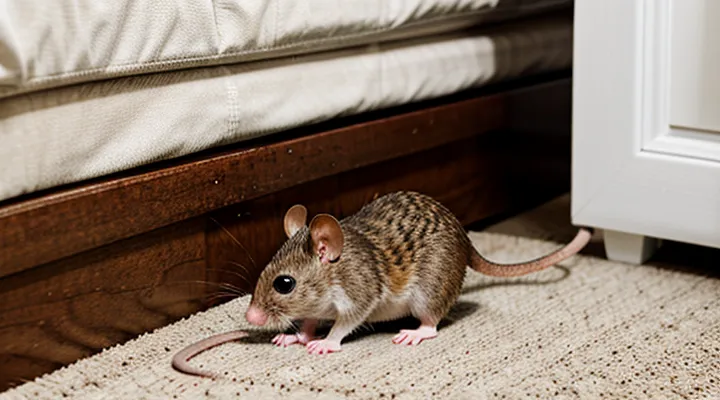
Understanding the Mouse Problem
Signs of a Mouse Infestation
Droppings and Urine Trails
Droppings and urine trails provide the most reliable evidence of mouse activity inside a residence. Fresh feces appear as small, dark pellets about 4–6 mm long, usually found along walls, behind appliances, and in hidden corners. Urine leaves a faint, oily sheen that may become visible under ultraviolet light; it also leaves a distinct odor that intensifies in confined spaces.
Identifying these signs allows rapid assessment of infestation severity and helps target control measures. The following points summarize their practical significance:
- Location of droppings indicates travel routes and nesting sites. Concentrations near food storage suggest immediate contamination risk.
- Urine trails mark scent‑marking paths used by mice to communicate territory. Disrupting these paths reduces the likelihood of repeated visits.
- Both waste products carry pathogens such as Hantavirus, Salmonella, and leptospirosis. Direct contact or inhalation of aerosolized particles poses health hazards.
- Cleaning contaminated surfaces with a detergent‑based solution followed by a disinfectant containing at least 70 % ethanol eliminates residual bacteria and deactivates scent markers.
Effective eradication strategies incorporate these observations. Traps and bait stations should be placed along identified runways, preferably a few centimeters from droppings clusters. Sealing entry points along the same routes prevents re‑entry. After removal of the rodents, thorough decontamination of all affected areas is essential to break the scent cycle and protect occupants’ health.
Gnaw Marks and Damage
Mice leave distinctive gnaw marks that reveal the extent of their activity and the urgency of control measures. Teeth continuously grow, prompting rodents to chew on a variety of household materials. The resulting damage compromises structural integrity, creates health hazards, and facilitates further infestation.
Typical gnaw evidence includes:
- Clean, parallel grooves on wood, plastic, or insulation, often 2‑3 mm wide.
- Shredded wiring insulation exposing copper conductors, increasing fire risk.
- Chewed holes in baseboards, door frames, and cabinet sides that serve as entry points.
- Damaged furniture legs, picture frames, and curtain rods, indicating repeated access routes.
- Evidence of gnawed food packaging, leading to contamination and waste.
Identifying these signs enables targeted interventions. Immediate steps:
- Seal all visible entry holes with steel wool and caulk or with hardware cloth to prevent re‑entry.
- Replace or repair compromised wiring and insulation to eliminate fire hazards.
- Remove and discard gnawed food items; store remaining supplies in airtight containers.
- Apply rodent‑resistant materials—cement blocks, metal sheeting, or hard‑plastic trims—where gnaw marks appear frequently.
- Deploy proven control tools such as snap traps, electronic traps, or bait stations in proximity to the damage zones, ensuring placement follows safety guidelines.
Regular inspection of walls, ceilings, and stored items detects new gnaw marks early, allowing swift remediation before structural or health consequences intensify.
Strange Noises
Strange noises often signal rodent presence before visible signs appear. Typical sounds include intermittent scratching in walls, high‑pitched squeaks from attic spaces, and rapid scurrying on flooring after dark. Recognizing these auditory cues enables prompt intervention, reducing damage and infestation growth.
To convert noise detection into actionable control, follow these steps:
- Identify the source: trace the sound to a specific wall, ceiling, or floor section using a flashlight and listening device.
- Seal entry points: apply steel wool or caulk to gaps larger than ¼ inch around pipes, vents, and foundation cracks.
- Deploy bait or traps: place snap traps or bait stations within 2‑3 feet of the noise origin, positioning them perpendicular to travel paths.
- Monitor and adjust: record noise frequency daily; increase trap density if sounds persist, and replace ineffective devices after 48 hours.
Consistent attention to abnormal sounds complements other control measures such as sanitation, habitat reduction, and professional extermination, forming a comprehensive approach to rodent management in a private residence.
Unpleasant Odors
Mice infestations generate a range of strong, unpleasant odors that signal the presence of rodents and can hinder control efforts. Urine and feces release ammonia‑rich vapors, while nesting material soaked in body oils produces a sour, musky scent. These odors permeate walls, insulation, and stored food, creating an environment that attracts additional pests and deters occupants from thorough cleaning.
Identifying and eliminating odor sources is a prerequisite for any successful rodent‑management plan in a residence. The following actions address the most common odor contributors:
- Remove contaminated bedding: Dispose of shredded fabrics, shredded paper, and insulation that have been soiled by urine or droppings. Clean remaining surfaces with an enzymatic cleaner designed to break down protein‑based residues.
- Sanitize storage areas: Empty cabinets and pantry shelves, discard any food items that show signs of rodent damage, and wash surfaces with a dilute bleach solution (1 part bleach to 10 parts water) to neutralize lingering smells.
- Ventilate affected rooms: Open windows and use exhaust fans to increase air exchange, reducing the concentration of volatile compounds.
- Apply odor‑absorbing agents: Place activated charcoal, baking soda, or commercial odor‑absorbing gels in corners and under appliances where mice have been active.
Persistent odors often indicate hidden activity. Regular inspection of crawl spaces, attics, and behind appliances can reveal fresh droppings or urine stains that require immediate treatment. Prompt odor removal not only improves indoor air quality but also eliminates chemical cues that encourage mice to remain in the home, thereby enhancing the overall effectiveness of rodent‑control measures.
Why Mice Are Attracted to Your Home
Food Sources
Mice are attracted to readily available nutrition; eliminating accessible food is a prerequisite for any control program in a residence. Secure storage of dry goods in airtight containers removes a primary incentive for foraging. Promptly clean crumbs and spills from countertops, floors, and appliances to deny opportunistic feeding sites. Dispose of garbage in sealed bags and keep outdoor bins tightly covered to prevent rodents from scavenging.
Effective food‑management actions include:
- Transfer pantry items to plastic or metal containers with locking lids.
- Store pet food in sealed bins; feed pets only at designated times and remove leftovers.
- Clean under kitchen appliances and furniture weekly; use a vacuum with a hose attachment to extract hidden debris.
- Regularly inspect and repair cracks or gaps around doors, windows, and utility entries that could allow food‑carrying mice to enter.
By removing sustenance, the attractant pressure diminishes, making traps and baits more effective and reducing the likelihood of reinfestation.
Shelter and Warmth
Mice seek insulated spaces that protect them from drafts and temperature fluctuations. Loose insulation, stored cardboard, fire‑wood piles, and cluttered basements provide the warmth and shelter necessary for breeding and survival. Removing these areas eliminates the conditions that encourage infestation.
- Inspect attic, walls, and crawl spaces for exposed insulation; replace damaged sections and compress any loose material.
- Store fire‑wood at least 30 cm away from the house foundation and elevate stacks on a dry platform.
- Keep basements and garages free of cardboard boxes, paper, or fabric bundles; use sealed plastic containers for storage.
- Seal gaps around pipes, vents, and utility penetrations with steel wool and caulk to deny entry points.
By denying rodents access to warm, concealed environments, the likelihood of colonization declines sharply, supporting broader pest‑management strategies in a private residence.
Entry Points
Mice infiltrate homes through openings as small as a quarter‑inch; closing these gaps removes the primary avenue for infestation.
Common pathways include:
- Gaps around plumbing, gas, and electrical lines
- Cracks in foundation walls or slab edges
- Unscreened vents and exhaust fans
- Openings around utility meters and cable entry points
- Door sweeps that are worn or missing
- Loose window frames and sidelights
- Roof eaves and soffit cracks
- Gaps around chimneys and flues
- Attic ventilation louvers without mesh
- Pet doors lacking tight seals
To seal entry points effectively:
- Conduct a thorough visual inspection of exterior walls, foundation, and roof.
- Measure each opening and select a durable barrier—steel wool for small gaps, hardware cloth for larger holes, silicone or polyurethane caulk for cracks, and expanding foam for irregular spaces.
- Install door sweeps and weather‑stripping on all exterior doors.
- Attach mesh screens to vents, chimney openings, and attic louvers.
- Replace damaged siding, trim, or flashing where necessary.
Maintain a preventive routine by rechecking sealed areas quarterly, especially after seasonal temperature changes or landscaping work that may shift foundations. Promptly repair any new cracks or wear to sustain a mouse‑free environment.
Prevention: The First Line of Defense
Sealing Entry Points
Inspecting the Exterior
Inspecting the exterior of a residence is the first step in a comprehensive rodent‑control program. Identifying entry points, food sources, and habitat conditions outside the home prevents mice from establishing a foothold and reduces the need for interior interventions.
Key inspection tasks include:
- Walking the perimeter at ground level and noting gaps larger than ¼ inch in siding, foundation, and utility openings.
- Examining roof eaves, soffits, and vent screens for damage or missing mesh.
- Checking the condition of doors, windows, and garage doors; ensuring weather‑stripping is intact and seals properly.
- Surveying the landscape for dense vegetation, debris piles, and stored firewood that provide shelter.
- Observing drainage patterns; standing water or damp soil near the foundation creates attractive foraging sites.
After documenting deficiencies, prioritize sealing or repairing each opening with steel wool, copper mesh, or appropriate caulking. Replace damaged vent covers with hardware‑cloth screens. Trim vegetation to maintain a clearance of at least three feet from the house, and relocate firewood and compost bins away from the structure. Maintain a clean perimeter by removing litter, fallen fruit, and birdseed that could lure rodents.
Regularly repeat the exterior inspection, especially after severe weather or seasonal changes, to ensure that new gaps have not formed and that the environment remains inhospitable to mice. This disciplined approach reduces infestation risk and supports long‑term rodent management within the home.
Blocking Gaps and Cracks
Mice enter homes through openings as small as a pencil‑point. Identifying and sealing these passages removes the primary route of access, directly reducing infestation risk.
Begin with a systematic inspection. Examine the foundation, exterior walls, and roof for visible cracks, gaps around pipes, vents, and utility lines. Pay special attention to areas where different building materials meet, such as where siding meets brick or where windows are installed.
Choose sealing materials based on the size and location of each opening. For gaps larger than ¼ inch, use steel wool backed with expanding foam or a cement‑based sealant; steel wool resists gnawing, while foam expands to fill irregular spaces. For cracks under ¼ inch, apply caulk formulated for exterior use. Seal gaps around doors and windows with weatherstripping that compresses tightly when closed.
Apply sealants according to manufacturer instructions. Clean surfaces, dry them thoroughly, and press the material firmly into the opening to eliminate voids. Allow curing time before exposing the area to moisture or temperature fluctuations.
Maintain the barrier. Conduct quarterly checks for new cracks caused by settlement, weather, or pest activity. Repair any deterioration promptly to preserve the integrity of the seal.
Key actions for effective gap and crack blocking:
- Inspect all potential entry points thoroughly.
- Select appropriate material—steel wool, expanding foam, exterior caulk, or weatherstripping.
- Prepare surfaces and apply sealant correctly.
- Allow proper curing time.
- Perform regular maintenance inspections.
By eliminating structural openings, the house becomes inhospitable to mice, supporting broader pest‑control measures without reliance on chemical or trap‑based solutions.
Protecting Vents and Drains
Mice enter homes through openings that provide easy access to shelter, food, and water. Vents and drains are common entry points because they are often left uncovered or poorly sealed. Securing these passages reduces the likelihood of infestation and limits the routes available for rodents to travel inside the house.
- Install metal mesh (1/4‑inch or smaller) over all external vent openings. Stainless steel or galvanized wire resists chewing and withstands weather exposure.
- Fit drain covers made of heavy‑gauge steel or reinforced plastic. Ensure the cover sits flush with the surrounding surface to prevent mice from slipping underneath.
- Seal gaps around vent ducts and drain pipes with silicone‑based rodent‑proof caulk. Apply caulk after the mesh or cover is in place to eliminate residual cracks.
- Use expandable foam designed for pest control to fill irregular voids behind vent housings and pipe sleeves. Foam should be low‑expansion to avoid damaging surrounding structures.
- Inspect vent and drain assemblies quarterly. Replace damaged mesh, tighten loose screws, and re‑apply sealant where wear is evident.
By integrating these measures into routine home maintenance, owners create a physical barrier that deters mice from exploiting ventilation and drainage systems, thereby supporting overall rodent‑control efforts.
Eliminating Food Sources
Proper Food Storage
Proper food storage eliminates the primary attractant for house mice. Seal all containers with airtight lids; glass or heavy‑plastic jars are preferable to cardboard boxes. Store bulk items such as grains, cereals, and pet food in small, manageable portions that can be resealed after each use.
Maintain a clean pantry. Remove crumbs, spills, and packaging residues daily. Dispose of waste in bins equipped with tight‑closing lids and empty them regularly to prevent odor buildup.
Implement the following practices:
- Transfer opened packages to sealed containers within 24 hours.
- Keep pantry shelves free of clutter; use a single‑layer arrangement to allow visual inspection.
- Position food storage areas away from walls and baseboards, reducing mouse access routes.
- Use metal shelving where possible, as rodents cannot gnaw through steel.
- Inspect containers weekly for signs of damage or infestation; replace compromised units immediately.
Consistent application of these measures reduces food availability, discourages mouse activity, and supports broader pest‑control strategies in a private residence.
Regular Cleaning
Regular cleaning eliminates food residues that attract mice, reducing the likelihood of infestation.
- Sweep and vacuum floors daily to remove crumbs and droppings.
- Wipe countertops after each meal; use a disinfectant that leaves no scent.
- Empty trash cans nightly, seal lids tightly, and keep containers away from walls.
- Store pantry items in airtight containers; inspect packaging for damage before use.
Bathrooms and basements require the same routine: mop surfaces, clear clutter, and eliminate standing water.
Cleaning schedules should align with household activity levels; high‑traffic areas merit multiple daily passes, while rarely used rooms can be addressed weekly.
Consistent removal of potential nourishment deprives mice of sustenance, forcing them to seek alternative habitats and diminishing population growth within the home.
Waste Management
Proper waste handling reduces food sources that attract rodents. Store refuse in containers with tight-fitting lids, inspect seals regularly, and replace damaged lids promptly. Keep garbage areas dry; moisture encourages mouse activity.
Schedule weekly removal of household trash. Use outdoor bins with secure lids and position them away from building foundations. Clean bins after each collection to eliminate residue that could lure mice.
Separate organic waste from dry waste. Compost bins should be insulated, equipped with fine mesh, and located at a distance from the home. Turn compost regularly to accelerate decomposition and discourage nesting.
Avoid leaving pet food uncovered. Transfer uneaten portions to sealed containers and discard them with regular trash. Clean feeding stations after each use to eliminate crumbs.
Implement the following waste‑management actions:
- Seal all food packages, including pantry items, in airtight containers.
- Place recyclables in bins with lids; rinse containers before recycling.
- Remove kitchen scraps promptly; store them in a separate, sealed container.
- Inspect and clean garbage chutes or indoor disposal areas weekly.
- Keep exterior dumpsters on concrete pads, not directly against walls or doors.
Consistent application of these practices eliminates readily available nourishment, making the residence less appealing to mice and supporting broader rodent‑control strategies.
Reducing Shelter Opportunities
Decluttering and Organization
Clutter creates hiding places and food sources that attract mice; eliminating excess items removes the conditions that support infestation.
- Clear floor space under appliances, in cabinets, and behind furniture.
- Store all edible products in airtight containers made of metal or heavy‑wall plastic.
- Dispose of damaged packaging, crumbs, and spilled grains promptly.
- Organize stored items on pallets or shelving that keep them off the floor and away from walls.
A systematic arrangement reduces the likelihood that rodents will discover shelter. Regular inspections of storage areas reveal new debris before it becomes a problem. Rotating stock prevents prolonged exposure of food to potential contamination. Maintaining a routine cleaning schedule—vacuuming corners, wiping countertops, and sweeping basements—keeps the environment inhospitable to mice and supports any additional control measures applied in the residence.
Landscaping and Yard Maintenance
Landscaping and yard maintenance directly influence rodent activity around a residence. Overgrown vegetation, accumulated leaf litter, and unsecured compost create shelter and food sources that attract mice, allowing them to infiltrate the home through gaps near the foundation.
Effective yard management reduces these opportunities:
- Keep grass trimmed to a maximum height of 4 inches; short turf eliminates cover for rodents.
- Remove piles of wood, stones, or debris that could serve as nesting sites.
- Store firewood off the ground and away from the house, preferably in a sealed container.
- Maintain a clear perimeter of at least 18 inches between soil and the building foundation; use metal or concrete edging to prevent vegetation from contacting the wall.
- Install a rigid barrier—such as concrete, stone, or metal flashing—around the base of the house to block entry points.
- Manage compost bins with tight‑fitting lids; avoid adding meat, dairy, or oily food scraps that attract mice.
- Position bird feeders and pet food stations at least 10 feet from the structure and use spill‑proof containers.
Regular inspection of irrigation systems, drainage ditches, and garden beds identifies cracks or holes that could serve as passages. Prompt repair of damaged siding, siding seams, and foundation cracks eliminates the most common routes for indoor intrusion.
Integrating these landscaping practices with indoor sanitation creates a comprehensive barrier, limiting mouse presence and protecting the household from damage and disease.
Effective Extermination Methods
Trapping Strategies
Snap Traps: Pros and Cons
Snap traps remain a widely used option for mouse control in residential settings. Their design delivers a rapid, lethal strike that eliminates the target instantly, reducing the risk of prolonged suffering and preventing reproduction.
-
High immediate mortality rate
-
Low purchase cost compared with electronic or bait stations
-
No reliance on chemicals; safe for use around food preparation areas when placed correctly
-
Simple to set up; requires only basic handling skills
-
Reusable mechanism after each capture
-
Requires precise placement to achieve contact; misaligned traps result in missed catches
-
Single‑kill capacity; multiple traps needed for larger infestations, increasing labor
-
Potential for accidental injury to humans or pets if not secured properly
-
Visible dead rodents may cause psychological discomfort for occupants
-
Disposal of carcasses demands hygienic handling to avoid disease spread
When selecting snap traps, balance the rapid efficacy and affordability against the need for careful positioning, safety precautions, and proper carcass disposal.
Live Traps: Humane Options
Live traps provide a non‑lethal solution for homeowners who need to remove mice without causing unnecessary harm. The devices consist of a cage or box with a trigger mechanism that closes securely once a mouse enters, allowing the animal to be captured alive and unharmed.
Key considerations for successful use of live traps:
- Choose traps made of sturdy metal or durable plastic; avoid flimsy models that may break under repeated use.
- Position traps along walls, behind appliances, and near known activity sites; mice prefer tight, concealed routes.
- Bait each trap with high‑protein attractants such as peanut butter, sunflower seeds, or bits of cooked meat; place a small amount directly on the trigger plate.
- Check traps at least twice daily; prolonged confinement can cause stress or injury to the captured mouse.
- Release captured mice at least 200 meters from the residence, preferably in a wooded or field area where they can find shelter and food.
Proper maintenance extends trap effectiveness. Clean cages with mild detergent after each capture to remove scent traces that might deter future entrants. Replace worn springs or trigger plates promptly to preserve sensitivity. By following these practices, live traps become a reliable, humane component of a comprehensive mouse‑control program in a private dwelling.
Electronic Traps: Modern Solutions
Electronic traps provide a rapid, humane alternative to traditional snap or poison devices. They deliver a high‑voltage shock that kills rodents instantly, eliminating the risk of prolonged suffering and preventing secondary poisoning of pets or humans.
Key characteristics of modern electronic traps include:
- Instant lethality – a single 0.5‑second pulse is sufficient to terminate a mouse.
- Containment – built‑in chambers trap the body, allowing safe disposal without direct contact.
- Detection sensors – infrared or pressure sensors trigger the shock only when a mouse is present, reducing false activations.
- Battery or mains power – models operate on rechargeable batteries for portability or on AC adapters for continuous protection.
When selecting a trap, consider the following criteria:
- Power source suitability – battery‑operated units are ideal for rooms without easy access to outlets; mains‑powered devices ensure uninterrupted operation.
- Capacity – larger chambers accommodate multiple captures, decreasing the frequency of emptying.
- Safety features – insulated housing and child‑proof locks prevent accidental exposure.
- Warranty and service – reputable manufacturers offer at least a one‑year warranty and accessible customer support.
Installation requires placing the trap along established rodent pathways, such as near walls, behind appliances, or beneath cabinets. Position the device on a flat surface, ensure the sensor faces the expected travel direction, and keep the area free of clutter to maintain sensor accuracy.
Maintenance involves regular inspection of the capture chamber, disposal of deceased rodents in sealed bags, and verification of battery charge or power‑line connection. Most units provide visual or audible alerts when the battery is low or the chamber is full.
Cost analysis shows that while the initial purchase price exceeds that of simple snap traps, the longevity of electronic devices—typically three to five years—offsets recurring expenses for bait, glue boards, or replacement traps. Moreover, the reduced risk of accidental poisoning and the ease of disposal contribute to overall household safety.
In summary, electronic traps combine rapid lethality, secure containment, and reliable detection technology, making them a practical component of a comprehensive rodent‑control strategy for residential environments.
Proper Trap Placement and Baiting
Proper trap placement maximizes capture rates by targeting mouse pathways. Identify routes where rodents travel: behind appliances, under cabinets, along baseboards, and near entry points. Place traps perpendicular to walls, with the trigger side facing the wall, so mice encounter the mechanism while following the edge.
Select bait that appeals to the specific species and season. Preferred options include:
- Peanut butter (small amount, fresh)
- Soft cheese (high fat content)
- Sunflower seeds (unsalted)
- Commercial rodent attractants (as directed)
Apply bait sparingly; excess material can be pushed aside, allowing mice to avoid the trap. Position bait directly on the trigger mechanism, ensuring contact when the mouse attempts to feed.
Secure traps on stable surfaces to prevent movement. In multi‑level homes, distribute traps evenly across floors, focusing on identified traffic zones. Check traps daily; remove captured rodents, replace bait, and reposition any trap that shows little activity.
Maintain a clean environment to enhance effectiveness. Seal gaps larger than ¼ inch, eliminate food debris, and store pantry items in airtight containers. Regular inspection and adjustment of trap locations sustain long‑term control.
Baits and Rodenticides
Understanding Different Bait Types
Understanding Different Bait Types
Mice control in a residential setting relies heavily on selecting the appropriate bait. Knowledge of bait categories, active ingredients, and usage guidelines determines success and minimizes risks to occupants and pets.
-
Anticoagulant baits
Active ingredients: warfarin, brodifacoum, bromadiolone.
Mechanism: interfere with blood clotting, causing death after several days of feeding.
Advantages: high potency, effective against resistant populations.
Considerations: secondary poisoning risk, require secure placement to prevent accidental ingestion. -
Non‑anticoagulant baits
Active ingredients: zinc phosphide, cholecalciferol, bromethalin.
Mechanism: produce rapid physiological disruption, often lethal within hours.
Advantages: lower secondary toxicity, useful where anticoagulant resistance is documented.
Considerations: some formulations emit strong odors, may deter cautious rodents. -
Natural and food‑based baits
Examples: peanut butter, dried fruit, grain mixes, cheese.
Advantages: high palatability, safe for non‑target species when used in enclosed traps.
Considerations: limited lethality, primarily suited for trapping rather than poisoning. -
Electronic or ultrasonic deterrents (non‑bait adjuncts)
Function: emit high‑frequency sounds to discourage activity.
Advantages: no chemical exposure, reusable.
Considerations: efficacy varies with species and environmental noise; not a standalone solution.
Placement and safety
- Position baits along wall edges, behind appliances, and within concealed entry points.
- Use tamper‑resistant stations to protect children and pets.
- Rotate bait types every 2–3 weeks to prevent habituation and mitigate resistance development.
- Record bait locations and consumption rates to assess effectiveness and adjust strategy promptly.
By matching bait characteristics to the specific infestation pattern and household constraints, homeowners can achieve reliable mouse suppression while maintaining safety standards.
Safe Application and Placement
When dealing with rodent control inside a residence, safety must guide both the choice of product and its location. Select devices that pose minimal risk to children, pets, and non‑target wildlife. Certified snap traps, electronic devices, and sealed bait stations meet this criterion; avoid loose poison pellets or glue boards that can be inadvertently handled.
Proper placement maximizes efficacy while reducing hazards:
- Position snap or electronic traps along walls, behind appliances, and in dark corners where mouse activity has been observed.
- Install sealed bait stations at a height of 4–6 inches above the floor, away from food preparation surfaces and pet feeding areas.
- Keep all devices out of reach of children; use child‑proof latches or mount traps on the underside of cabinets.
- Ensure ventilation when applying liquid repellents; spray only in concealed crevices and avoid contact with skin or eyes.
- Store all unused products in locked containers, clearly labeled, and out of sight.
Before deployment, read manufacturer instructions for dosage, exposure limits, and disposal methods. After use, remove and dispose of traps or bait stations according to local regulations, sealing them in plastic bags to prevent accidental contact. Regular inspection of placement sites allows timely replacement and maintains a safe environment throughout the control program.
Risks and Precautions
Controlling a mouse infestation in a residence involves hazards that must be managed to protect occupants and property.
Risks
- Poison ingestion by children, pets, or non‑target wildlife.
- Respiratory irritation from dust generated during trap placement or bait handling.
- Damage to electrical wiring or insulation when traps are positioned near concealed conduits.
- Spread of pathogens through mouse droppings, urine, and saliva that may become airborne during cleanup.
Precautions
- Store rodenticides in locked containers, label clearly, and keep out of reach of vulnerable individuals.
- Use tamper‑resistant traps and place them away from high‑traffic areas; check and dispose of captured rodents promptly.
- Wear disposable gloves, masks, and eye protection when handling bait, traps, or contaminated materials.
- Seal entry points before deploying control measures to limit movement of rodents and reduce exposure.
- Follow manufacturer instructions for dosage, placement, and disposal; consult local regulations regarding pesticide use.
Adhering to these measures minimizes health threats and ensures that mouse control actions remain effective and safe.
Natural and Repellent Methods
Peppermint Oil and Other Scents
Peppermint oil works as a repellent because mice find its strong menthol scent overwhelming. Apply a 10‑15 % solution of peppermint essential oil diluted in water or a carrier oil, then soak cotton balls and place them in areas where activity is observed—behind appliances, under sinks, and within wall voids. Replace cotton balls every three to four days to maintain potency.
Other aromatic substances also deter rodents. Their effectiveness varies with concentration, ventilation, and placement.
- Eucalyptus oil: similar menthol profile; use 5‑10 % solution on fabric strips.
- Citronella oil: citrus aroma disrupts mouse olfactory cues; apply 5 % solution on cotton pads.
- Clove oil: strong phenolic scent; dilute to 2‑3 % and treat entry points.
- Ground black pepper: dry powder creates an irritant barrier; sprinkle along baseboards and near gaps.
- Vinegar: acetic acid odor repels; spray undiluted in corners and on surfaces that cannot be damaged.
Scent treatments should complement structural exclusion (sealing cracks, installing door sweeps) and, when necessary, mechanical traps. Avoid applying oils directly to painted surfaces or plastics that may discolor. Ensure pets and children are not exposed to undiluted oils; store containers out of reach.
Regular monitoring of mouse activity determines whether scent deterrents remain effective or require reinforcement. Combining aromatic repellents with physical barriers yields a consistent reduction in rodent presence within a private residence.
Ultrasonic Devices
Ultrasonic pest repellents emit high‑frequency sound waves that are inaudible to humans but disturb the nervous system of rodents. The devices are powered by batteries or mains electricity and can be placed in rooms, basements, attics, or crawl spaces where mouse activity is observed.
Key operational characteristics:
- Frequency range typically 20–65 kHz, tuned to target rodent hearing sensitivity.
- Continuous emission or cyclic mode to prevent habituation.
- Coverage radius of 15–30 m depending on model and obstacle density.
- Automatic shut‑off when temperature exceeds safe limits.
Advantages:
- No chemical residues, safe for children and pets.
- Simple installation: plug‑in or wall‑mount without structural modifications.
- Low maintenance: occasional battery replacement or cleaning of the speaker grille.
Limitations:
- Effectiveness declines in cluttered environments where walls and furniture block sound propagation.
- Mice may acclimate to a constant frequency; rotating frequencies or combining with other control measures improves results.
- Devices do not eliminate existing infestations; they are preventive or reduction tools.
Best‑practice deployment:
- Identify entry points and high‑traffic zones; position a unit at least 1 m from walls to maximize dispersion.
- Use multiple units in large or multi‑level homes, ensuring overlapping coverage without excessive overlap that can cause device interference.
- Schedule periodic frequency changes, either manually or via models with built‑in frequency‑sweep functions, to maintain deterrent effect.
- Complement ultrasonic repellents with sealing gaps, trapping, and sanitation to achieve comprehensive mouse management.
When selected and installed according to these guidelines, ultrasonic devices provide a non‑toxic, low‑effort component of an integrated strategy for controlling mouse populations in residential settings.
Encouraging Natural Predators
Utilizing natural predators provides a direct, chemical‑free approach to reducing mouse populations in residential settings.
Domestic cats are the most accessible predator. Keep cats indoors during daylight to protect wildlife, but allow supervised outdoor access during evening hours when mice are active. Provide scratching posts, elevated resting spots, and regular feeding to maintain health and hunting motivation.
Birds of prey can be encouraged by installing raptor perches and owl nesting boxes on the property’s exterior walls. Position perches at least three meters above ground, facing open sky, and ensure surrounding vegetation offers clear flight paths. Minimize nighttime lighting to create a favorable hunting environment for nocturnal hunters.
Other effective predators include ferrets, snakes, and certain wild birds such as shrikes. Introducing these animals requires compliance with local regulations and humane handling practices.
Practical steps to attract natural predators
- Install a sturdy owl box with a 30 cm entrance hole, mounted 4–6 m high, away from direct sunlight.
- Place a wooden raptor perch at least 2 m from any building edge, secured to a pole or wall.
- Provide a sheltered, elevated platform for domestic cats, preferably near the kitchen or pantry where mouse activity is common.
- Maintain a tidy garden, removing dense groundcover that could conceal snakes, while preserving rock piles or logs that serve as reptile hideouts.
- Avoid using rodenticides or strong repellents that may deter or poison beneficial predators.
By integrating these measures, homeowners create an ecosystem that naturally suppresses mouse incursions without reliance on toxic substances.
Post-Extermination and Long-Term Control
Cleaning Up After an Infestation
Disinfecting Contaminated Areas
Mice leave urine, feces, and saliva that can harbour pathogens such as Hantavirus, Salmonella, and leptospirosis. Immediate disinfection of contaminated zones eliminates health risks and removes attractants that encourage reinfestation.
- Wear disposable gloves and a mask before entering the area.
- Ventilate the room for at least 15 minutes; open windows and use a fan to direct airflow outward.
- Remove visible debris with a disposable mop or paper towels; place waste in a sealed bag.
- Apply an EPA‑registered disinfectant (e.g., a 1 % bleach solution, quaternary ammonium compound, or hydrogen peroxide 3 %). Follow the product label for contact time, typically 10–15 minutes.
- After the required dwell time, rinse surfaces with clean water if the disinfectant advises, then allow to air‑dry completely.
- Dispose of all cleaning materials in a sealed container; clean protective equipment before removal.
Repeated disinfection after each mouse sighting prevents accumulation of pathogens and reduces the scent cues that draw new rodents. Integrating this protocol with structural sealing, bait placement, and trapping creates a comprehensive strategy for eliminating mice from a residence.
Removing Dead Rodents Safely
Removing dead rodents promptly prevents disease spread and deters other pests.
Wear disposable gloves, a mask, and an eye shield before handling any carcass. Replace gloves if they become contaminated.
Use a sturdy plastic bag or a sealed container to collect the body. Place the animal inside, press out excess air, and tie the bag tightly. Avoid direct contact with surfaces; use tongs or a disposable scoop.
Dispose of the sealed bag according to local regulations. Common options include:
- Placing the bag in a sealed outdoor trash bin that is collected weekly.
- Delivering the bag to a licensed animal carcass disposal service.
- Burying the bag at least 12 inches deep, away from water sources and vegetable gardens.
After removal, clean the area thoroughly. Apply a disinfectant solution (e.g., 1 % bleach in water) to surfaces that touched the carcass. Allow the solution to remain for at least five minutes before wiping. Ventilate the room for 15–20 minutes to reduce airborne contaminants.
Finally, discard or sanitize all protective equipment. Wash hands with soap and water for at least 20 seconds, even if gloves were worn.
Ongoing Monitoring and Maintenance
Regular Inspections
Regular inspections form a cornerstone of any program aimed at reducing mouse activity inside a dwelling. They provide the data needed to target vulnerable zones, verify the effectiveness of traps or baits, and prevent infestations from escalating.
Inspectations should occur at least once every two weeks during the breeding season and monthly thereafter. Adjust the interval if signs of activity increase or if new food sources appear.
Key locations to examine include:
- Kitchen countertops, cabinets, and pantry shelves
- Behind appliances such as refrigerators and stoves
- Under sinks, especially in the bathroom and utility areas
- Basement and crawl‑space entry points
- Attic insulation and roof eaves
- Exterior foundations, vents, and utility penetrations
During each visit, look for specific indicators:
- Fresh droppings, typically dark and pellet‑shaped
- Gnaw marks on wood, plastic, or wiring
- Chewed food packaging or stored goods
- Nests composed of shredded paper, fabric, or insulation
- Tracks in dusty corners or along walls
Record findings in a simple log, noting date, location, and type of evidence. Use the log to prioritize treatment, schedule follow‑up inspections, and assess whether current control measures require adjustment. Consistent documentation transforms reactive actions into a systematic, evidence‑based approach to mouse management.
Maintaining Prevention Measures
Maintaining prevention measures is essential for long‑term mouse control in a private residence. Consistent application of barriers, sanitation, and monitoring reduces the likelihood of re‑infestation.
- Inspect walls, foundations, and rooflines weekly; seal cracks and gaps with steel wool, caulk, or expanding foam.
- Store all food in airtight containers; remove crumbs and spills immediately after meals.
- Keep garbage bins closed and empty them regularly; use bins with tight‑fitting lids.
- Eliminate clutter in basements, attics, and storage areas; discard cardboard boxes, shredded paper, and other potential nesting material.
- Trim vegetation away from the house; maintain a clear zone of at least two feet around the foundation to discourage rodent access.
- Install door sweeps on exterior doors; check them for wear and replace as needed.
- Place snap traps or electronic devices in known travel routes; check and reset them daily until activity ceases.
- Record observations in a log: date, location of sightings, and actions taken. Review the log monthly to identify patterns and adjust measures accordingly.
Regular upkeep of these practices creates an environment that deters rodents and supports any active control methods employed.
When to Call Professional Pest Control
Large or Persistent Infestations
Large mouse populations in a residence demand a systematic approach that tackles both the current occupants and the conditions that allow them to thrive. Initial inspection should locate nests, droppings, and active pathways; mapping these findings guides subsequent actions.
- Seal all potential entry points, including gaps around pipes, vents, and foundation cracks, using steel wool, caulk, or metal flashing.
- Deploy multiple trap types—snap traps, electronic traps, and live‑catch devices—placed along identified runways, each baited with high‑protein attractants such as peanut butter or dried meat.
- Apply rodenticide baits in tamper‑resistant stations, positioning them near walls and concealed areas while complying with safety regulations to protect occupants and pets.
- Reduce available food and shelter by storing pantry items in airtight containers, removing clutter, and maintaining clean surfaces free of crumbs or spills.
- Conduct a thorough cleaning of all contaminated zones, disposing of droppings and nesting material in sealed bags to prevent disease transmission.
- Schedule regular monitoring visits, resetting traps and checking bait stations for activity; document findings to assess progress.
When infestation levels remain high despite these measures, enlist a licensed pest‑control professional. Experts can perform structural assessments, introduce advanced baiting systems, and implement long‑term exclusion strategies that homeowners may lack the resources to execute effectively. Continuous vigilance and prompt remediation of any new signs of mouse activity are essential to prevent recurrence.
Health and Safety Concerns
Mice infestations introduce pathogens that can cause food‑borne illness, allergic reactions, and respiratory problems. Their urine and droppings often contain hantavirus, salmonella, and leptospira, which survive for weeks in indoor environments. Direct contact with contaminated surfaces or inhalation of dried particles poses a clear health risk for occupants, especially children and immunocompromised individuals.
Control measures carry their own safety hazards. Chemical rodenticides may be toxic if ingested, inhaled, or absorbed through the skin, and accidental exposure can affect pets and non‑target wildlife. Snap traps and electronic devices present mechanical dangers, including cuts, puncture wounds, and electrical shock. Improper placement of bait stations can lead to accidental poisoning of household members or domestic animals.
Adhering to strict safety protocols reduces these risks:
- Wear disposable gloves and a mask when handling traps, bait, or cleaning contaminated areas.
- Seal and dispose of mouse droppings in double‑layered bags; disinfect surfaces with a solution containing at least 1 % bleach.
- Store rodenticides out of reach of children and pets, preferably in locked containers.
- Follow manufacturer instructions for dosage, placement, and disposal of toxic baits.
- Install traps away from high‑traffic zones, using protective barriers to prevent accidental activation.
- Conduct a thorough inspection after treatment to confirm removal of all devices and verify that no residues remain accessible.
Implementing these precautions safeguards human health, protects household members, and ensures that pest‑control actions do not create secondary hazards.