
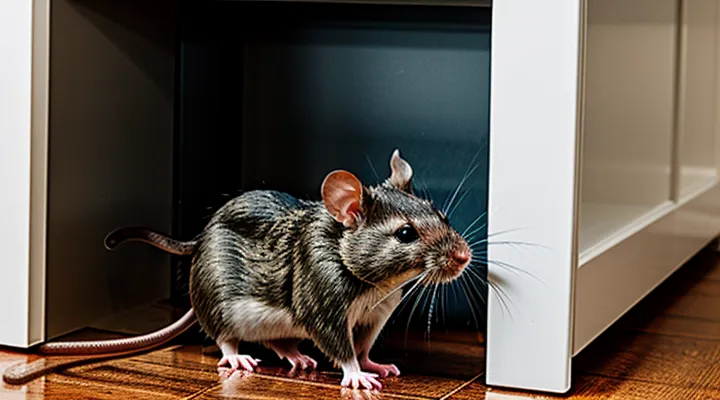
Understanding the Threat: Why Rodent Control is Crucial
Health Risks Associated with Rodents
Rodent presence in a private residence creates direct exposure to pathogens that cause serious illness.
- Hantavirus pulmonary syndrome – transmitted through inhalation of aerosolized rodent urine, droppings, or saliva.
- Leptospirosis – spread by contact with contaminated urine; may lead to kidney failure, liver damage, or meningitis.
- Salmonellosis – results from ingestion of food or surfaces tainted with rodent feces; symptoms include fever, diarrhea, and abdominal cramps.
- Lymphocytic choriomeningitis virus (LCMV) – carried by mice; infection can cause meningitis, encephalitis, or congenital defects in pregnant women.
- Rat‑bite fever (spirochetal infection) – occurs after a bite or wound contaminated with rodent saliva; produces fever, rash, and joint pain.
Contamination pathways extend beyond direct bites. Rodent droppings and urine settle on countertops, pantry items, and heating ducts; disturbances release particles that become airborne. Parasites such as fleas, mites, and ticks hitch rides on rodents, subsequently infesting human occupants and pets.
Allergenic proteins in rodent dander and urine exacerbate asthma and trigger hypersensitivity reactions, particularly in children and individuals with pre‑existing respiratory conditions.
Collectively, these health threats increase medical expenses, reduce quality of life, and amplify the urgency of implementing robust rodent‑management strategies within homes.
Structural Damage Caused by Pests
Rats and mice compromise the integrity of residential structures through continuous gnawing, burrowing, and contamination. Their incisors can sever wooden beams, drywall, and baseboards, creating openings that weaken load‑bearing elements and allow further infiltration by insects and moisture.
Typical damage includes:
- Chewed support timber and joists, reducing load capacity.
- Perforated insulation, leading to heat loss and condensation.
- Severed electrical wiring, increasing fire risk.
- Damaged plaster and drywall, exposing interior surfaces to pests and mold.
- Contaminated stored food and surfaces with urine and feces, promoting bacterial growth and odor.
Structural compromise accelerates repair costs and creates hazards that interfere with effective rodent management. Identifying and sealing entry points, reinforcing vulnerable components, and removing contaminated materials are essential steps before implementing control measures such as traps, baits, or exclusion devices.
Prompt remediation of rodent‑induced damage restores building stability, reduces health threats, and enhances the efficacy of any pest‑control program employed in a private dwelling.
Identifying Rodent Infestation Signs
Droppings and Urine Stains
Droppings and urine stains are the most reliable signs that rodents are present in a residence. Fresh feces appear as small, dark pellets, usually 4–7 mm in length for mice and 10–20 mm for rats. Urine marks often show as yellowish discolorations on wood, fabric, or plaster, and may emit a strong ammonia odor. The pattern of deposition—along walls, behind appliances, or near food storage—reveals the preferred pathways and nesting sites.
These waste products carry pathogens such as Hantavirus, Leptospira, and Salmonella, which can survive for weeks in dry conditions. Direct contact or inhalation of aerosolized particles during cleaning poses a significant health risk. Immediate removal and thorough disinfection reduce the likelihood of infection and prevent contamination of food surfaces.
- Wear disposable gloves, a mask rated N95, and eye protection.
- Ventilate the area by opening windows and using fans.
- Collect solid droppings with a damp paper towel; avoid sweeping or vacuuming dry material.
- Apply a registered rodent‑specific disinfectant (e.g., a quaternary ammonium solution) to all stained surfaces; allow the contact time specified by the manufacturer.
- Rinse with clean water and dry completely.
- Dispose of contaminated materials in sealed bags and remove them from the home.
After cleaning, seal entry points, store food in airtight containers, and maintain low clutter to deter re‑infestation. Regular inspection of known travel routes ensures early detection before populations expand.
Gnaw Marks and Damage
Rodents leave distinctive gnaw marks that reveal the extent of their activity. Teeth continuously grow, prompting animals to chew on wood, plastic, wiring, and insulation. Visible evidence includes shallow crescent-shaped cuts on furniture, parallel lines on baseboards, and frayed electrical cords. Damage often progresses from cosmetic wear to structural compromise, such as weakened door frames or breached insulation, and can create fire hazards when wiring is exposed.
Identifying gnaw patterns enables homeowners to locate entry points and prioritize interventions. Concentrated bite marks near gaps under doors, around utility penetrations, or along ceiling joists indicate preferred pathways. Mapping these locations directs sealing efforts, reduces the likelihood of re‑infestation, and focuses placement of control devices.
Effective mitigation includes:
- Installing steel wool or copper mesh in all discovered openings, followed by a durable sealant.
- Replacing damaged wiring with conduit‑protected cable to prevent short circuits.
- Deploying snap traps or electronic traps at the interior ends of gnawed pathways.
- Using bait stations with anticoagulant or non‑anticoagulant rodenticides, positioned away from children and pets.
- Maintaining a clean environment: storing food in airtight containers, removing spillage promptly, and eliminating clutter that offers concealment.
- Conducting regular inspections of known gnaw sites, documenting new marks, and adjusting control measures accordingly.
Prompt response to gnaw marks limits repair costs, safeguards structural integrity, and supports long‑term rodent management in a private residence.
Sounds and Sights of Activity
The presence of rats and mice in a residence is most reliably confirmed through auditory and visual cues. Scratching or scurrying sounds typically occur behind walls, under floorboards, or within attic insulation, especially during nighttime when rodents are most active. High‑frequency squeaks may indicate a breeding pair, while continuous rustling suggests a larger infestation.
Visible indicators include:
- Gnaw marks on wood, plastic, or wiring, often appearing as clean, crescent‑shaped cuts.
- Small, dark droppings roughly the size of a grain of rice, found along walls, near food sources, or in concealed corners.
- Grease or oil trails left by rodents as they travel along pathways.
- Nest material such as shredded paper, fabric, or insulation, commonly located in hidden voids.
- Fresh footprints in dust, ash, or soft surfaces, revealing recent movement.
Correlating sound patterns with these signs enables precise placement of traps, baits, or exclusion measures. Persistent noises without accompanying visual evidence may warrant inspection of concealed spaces using flashlights or fiber‑optic cameras. Conversely, abundant droppings or gnaw marks with minimal sound suggest a sedentary population that can be targeted through localized bait stations.
Accurate interpretation of these auditory and visual signals reduces unnecessary chemical use and focuses intervention on active zones, thereby improving the efficiency of rodent control strategies within a private home.
Prevention is Key: Securing Your Home
Sealing Entry Points
Inspecting Foundation and Walls
Inspecting the foundation and exterior walls provides the first line of defense against rodent intrusion. Gaps, cracks, and deteriorated sealants create direct pathways for rats and mice to enter a residence. Detecting and sealing these openings eliminates the structural access points that support infestations.
Key inspection actions include:
- Walk the perimeter at ground level, using a flashlight to highlight fissures in concrete, brick, or siding.
- Examine the base of all interior walls for signs of moisture damage, which often accompanies burrowing activity.
- Probe joints where utilities penetrate the structure (pipes, cables, vents) for gaps wider than ¼ inch.
- Verify that foundation vents are fitted with metal mesh of appropriate gauge.
- Check for displaced or missing weather‑stripping around doors and windows that abut the foundation.
Typical indicators of rodent activity within the foundation and walls are:
- Fresh gnaw marks on wood or plastic components.
- Accumulated droppings near cracks or utility openings.
- Presence of shredded insulation material.
- Unexplained grease or urine stains on walls and floor joists.
- Audible scratching or scurrying sounds, especially at night.
Remediation measures should focus on structural repair and exclusion:
- Fill all identified cracks with hydraulic cement or expanding foam designed for pest sealing.
- Install stainless‑steel mesh or metal flashing over vent openings and utility penetrations.
- Replace compromised weather‑stripping with durable, rodent‑resistant profiles.
- Apply a continuous bead of silicone sealant around exterior door thresholds and window frames.
- Conduct a follow‑up inspection after repairs to confirm that no new openings have emerged.
Systematic evaluation of the foundation and walls, combined with prompt sealing of vulnerabilities, markedly reduces the likelihood of rat and mouse colonization in a private dwelling.
Repairing Gaps Around Pipes and Wires
Sealing openings around pipes and wires eliminates the pathways rodents use to enter a residence. Even gaps as small as a quarter‑inch allow mice and rats to infiltrate walls, attics, and crawl spaces, compromising structural integrity and health safety.
Typical entry points include:
- Spaces surrounding water supply lines, drainpipes, and vent stacks.
- Gaps around electrical conduit, cable bundles, and telephone lines.
- Openings where HVAC ducts intersect wall framing.
To repair these gaps effectively, follow the procedure below:
- Inspect each penetration from the interior and exterior, noting the size and material of the surrounding structure.
- Clean the area to remove debris, insulation, and moisture that could impede adhesion.
- Select an appropriate sealant: high‑quality silicone caulk for flexible joints, expanding polyurethane foam for larger voids, or cement‑based mortar for masonry.
- Apply the sealant, ensuring it fills the gap completely and adheres to both the pipe/wire and the surrounding wall.
- Smooth the surface with a putty knife or gloved finger to create a continuous barrier.
- Allow the material to cure according to the manufacturer’s specifications before exposing it to moisture or pressure.
Regularly verify the integrity of sealed areas, especially after renovations or seasonal temperature shifts. Reapply sealant where cracks develop, and replace damaged pipe insulation promptly. Consistent maintenance of these closures sustains a rodent‑free environment in a private dwelling.
Securing Doors and Windows
Securing doors and windows eliminates the most common pathways for rats and mice to enter a residence. Unsealed gaps, damaged screens, and worn weatherstripping provide easy access for rodents seeking shelter and food.
- Inspect all exterior doors for gaps larger than ¼ inch; install tight-fitting sweeps and replace worn seals.
- Fit metal or hardware cloth over any ventilation openings, ensuring mesh size does not exceed ¼ inch.
- Replace torn or loosely fitted window screens with reinforced material; use fine mesh for basement and attic windows.
- Apply silicone or expanding foam to seal cracks around door frames, window casings, and utility penetrations.
- Install door jambs with self‑closing mechanisms to prevent doors from remaining ajar.
Regular maintenance preserves barrier integrity. Verify the condition of sweeps and seals quarterly, reapply caulk after seasonal temperature shifts, and repair any damage caused by weather or pests promptly. A systematic inspection schedule reduces the likelihood of new entry points developing unnoticed.
By implementing these measures, homeowners create a physical deterrent that significantly reduces rodent intrusion, complementing other control strategies within the overall pest‑management plan.
Eliminating Food Sources
Proper Food Storage
Proper food storage is a critical factor in preventing rat and mouse activity within a residence. Secure containers eliminate easy access to nourishment, reducing the attractiveness of the environment for pests.
- Use airtight, metal or heavy‑plastic containers with snap‑lock lids for dry goods, grains, and pet food.
- Store bulk items in smaller, sealed packages before placing them in larger containers.
- Keep pantry shelves clear of spills; clean crumbs immediately after handling food.
- Position containers on shelving rather than directly on the floor to deter gnawing.
- Rotate stock regularly; discard items past their expiration date to avoid softening that encourages chewing.
Refrigerators and freezers must remain closed when not in use. Inspect door seals for gaps and replace damaged gaskets promptly. Avoid leaving uncovered dishes or leftovers on countertops; return them to sealed storage within minutes of consumption.
In kitchens and dining areas, maintain a routine of wiping down surfaces after meals. Remove food waste from bins daily, and use bins equipped with tight‑fitting lids. Compost containers should be kept outdoors, away from the house foundation, and secured with a lid that rodents cannot breach.
By implementing these storage practices, homeowners remove the primary incentive for rodents to infiltrate living spaces, thereby supporting broader pest‑control strategies.
Waste Management Best Practices
Proper waste handling directly reduces food sources that attract rats and mice in residential environments. Eliminate accessible refuse to deny rodents the nourishment they need for survival and reproduction.
- Store garbage in containers with tight-fitting lids; verify that seals remain intact after each use.
- Transfer waste to outdoor bins no later than 24 hours after collection day to prevent overflow.
- Position outdoor bins away from the house, on a non‑soil surface, and elevate them at least 12 inches off the ground.
- Keep the area around bins clear of debris, vegetation, and standing water that could provide shelter.
- Clean bin interiors regularly with a disinfectant solution to remove residue and odor.
Separate compost from household waste. Use a sealed compost system with a secure lid and maintain a temperature that discourages rodent entry. Avoid placing food scraps in open piles near the foundation.
Implement a schedule for routine inspection of waste containers, checking for damage, cracks, or signs of gnawing. Replace compromised containers promptly. Dispose of pet food, birdseed, and other attractants in sealed packages rather than leaving them exposed.
By integrating these practices into daily household routines, the availability of edible waste diminishes, thereby lowering the likelihood of rodent infestation.
Cleaning Up Spills and Crumbs
Keeping surfaces free of food residues is essential for preventing rodent activity in a residence. Rodents locate food by scent; even minor crumbs or liquid spills provide a strong attractant. Immediate removal of these sources eliminates a primary motivation for entry and nesting.
Effective practices include:
- Wipe countertops, tables, and kitchen appliances after each use with a clean, damp cloth.
- Sweep or vacuum floors promptly after meals, paying special attention to edges and corners where debris can accumulate.
- Mop spills using a detergent solution; avoid leaving standing water, which can also attract rodents.
- Store food in sealed containers; discard packaging that has been opened.
- Empty trash bins daily and use lids that close tightly.
Regular inspection of high‑traffic areas helps identify hidden accumulations. Maintaining a habit of thorough cleaning reduces the likelihood that rats or mice will find the environment hospitable, thereby supporting broader control strategies in the home.
Maintaining a Clean Environment
Decluttering Indoor Spaces
Decluttering indoor areas removes the shelter and food sources that attract rats and mice, directly reducing the likelihood of infestation. Clutter provides hidden pathways, nesting sites, and storage for crumbs, all of which support rodent populations. By eliminating unnecessary items, homeowners create an environment that is hostile to these pests.
Key actions for effective decluttering include:
- Removing boxes, bags, and piles of paper from floors and corners.
- Storing seasonal clothing and linens in sealed containers rather than open wardrobes.
- Organizing pantry shelves so that food is kept in airtight packages and placed away from walls.
- Disposing of damaged furniture, especially items with holes or fabric that can serve as nesting material.
- Regularly sweeping and vacuuming to eliminate debris that can conceal droppings or insects that rodents feed on.
Each step should be performed systematically. Begin with the most cluttered rooms, assess the necessity of each item, and either relocate it to proper storage, donate it, or discard it. After removal, clean the cleared space thoroughly with a disinfectant to eliminate residual odors that may attract rodents.
A consistently tidy interior limits the opportunities for rats and mice to establish colonies, complementing other control measures such as sealing entry points and setting traps. Maintenance of a clutter‑free environment sustains long‑term protection without reliance on chemical interventions.
Landscaping and Outdoor Maintenance
Proper landscaping reduces shelter and food sources that attract rodents. Trim shrubs and trees regularly to eliminate low branches that provide pathways into the house. Keep grass at a moderate height; overgrown lawns create dense cover for rats and mice.
Maintain a clear perimeter around the foundation. Remove leaf litter, pine needles, and mulch that accumulate against walls, as these materials offer nesting material. Store firewood at least two feet away from the house and elevate it on a platform to prevent rodents from using it as a bridge.
Implement routine waste management. Secure trash cans with tight‑fitting lids and place them on a non‑ground surface. Dispose of garden debris promptly; compost piles should be covered and turned frequently to deter infestation.
- Cut back groundcover within one meter of the building.
- Seal cracks and gaps in exterior walls, vents, and utility openings.
- Install metal flashing or concrete barriers under decks and porches.
- Use rodent‑proof feeders for birds and wildlife, positioned away from the house.
Effective Control Methods: When Prevention Isn't Enough
Trapping Strategies
Snap Traps
Snap traps remain a cornerstone of rodent management in residential settings. Their mechanical action delivers rapid, lethal force, eliminating the need for chemical agents and reducing the risk of secondary poisoning.
Effective deployment requires strategic placement. Position traps along established runways, typically within 1–2 feet of walls, where rodents travel close to surfaces. Target high‑traffic zones such as kitchens, pantry shelves, basement corners, and behind appliances. Ensure the trigger mechanism faces the expected direction of approach to maximize contact.
Selection of bait influences capture rates. Fresh food items—peanut butter, dried fruit, or small pieces of cheese—provide strong olfactory cues. Secure the bait to the trigger plate to prevent premature removal. Rotate bait types weekly to maintain novelty and prevent habituation.
Safety considerations protect occupants and pets. Use traps with enclosed chambers or spring‑loaded plates that conceal the killing mechanism. Place traps out of reach of children and non‑target animals, employing protective covers when necessary. Inspect traps daily; remove and dispose of dead rodents promptly, wearing gloves and sealing remains in a plastic bag before discarding in an outdoor trash container.
Maintenance extends trap effectiveness. Reset the trigger after each capture, replace worn springs, and clean the mechanism with mild detergent to prevent rust. Replace bait if it dries or becomes contaminated.
Advantages of snap traps include immediate results, low cost, and ease of use. Limitations involve the need for regular monitoring and the potential for non‑lethal injuries if the trap is improperly set. Integrating snap traps with complementary measures—such as sealing entry points, employing rodent‑proof storage, and using bait stations—creates a comprehensive control program that minimizes reinfestation.
Live Traps
Live traps capture rodents without killing them, allowing humane removal from a residence. The devices consist of a sturdy cage, a trigger mechanism, and a secure latch that closes when a rat or mouse activates the trigger.
Key considerations for selecting an effective live trap:
- Size matches target species; a 4‑inch cage suits mice, while a 12‑inch cage accommodates rats.
- Transparent or mesh walls enable visual monitoring without opening the trap.
- Durable construction resists chewing and weather exposure.
Proper placement maximizes capture rates. Position traps along established runways, near walls, behind appliances, or close to food sources. Align the trigger end perpendicular to the wall to guide the animal into the cage. Elevate traps a few inches off the floor to prevent escape by digging.
Bait selection influences success. Preferred attractants include:
- Peanut butter or nut butter – strong odor, adheres to trigger plate.
- Small pieces of fruit or dried meat – appeals to omnivorous rodents.
- Commercial rodent lure – formulated for rapid uptake.
Apply a thin layer of bait to the trigger platform, avoiding excess that could allow the animal to eat without activating the mechanism.
Check traps at least twice daily. Prompt removal prevents stress, injury, or the development of trap aversion. When releasing captured rodents, transport the cage to a location at least two miles from the home, preferably a wooded area with natural cover. Release the animal by opening the latch while wearing gloves to minimize direct contact.
Maintenance ensures long‑term reliability. After each capture, clean the cage with mild detergent, rinse thoroughly, and dry. Inspect the trigger spring and latch for wear; replace worn components to maintain sensitivity.
Advantages of live trapping include:
- No toxic chemicals, eliminating secondary poisoning risk.
- Ability to verify species, informing targeted control measures.
- Compliance with regulations that restrict lethal methods in certain jurisdictions.
Limitations involve the need for regular monitoring, potential for trap shyness after repeated exposure, and the responsibility of relocating captured animals safely. Integrating live traps with complementary tactics—such as sealing entry points, removing food attractants, and employing exclusion devices—creates a comprehensive, non‑lethal rodent management program for private homes.
Placement and Baiting Techniques
Strategic placement of bait stations determines the success of any rodent management program in a residence. Position devices along established runways, typically within 1–2 feet of walls, behind appliances, under sinks, and in attic corners where gnawing activity is observed. Ensure each station is anchored to prevent displacement by curious pets or children. Use a minimum of three stations per identified infestation zone; increase density in large, cluttered areas to eliminate gaps in coverage.
Select bait formulations that match the target species’ feeding preferences and local regulations. For rats, anticoagulant blocks or liquid emulsions containing bromadiolone, difenacoum, or brodifacoum provide rapid consumption and lethal effect. For mice, low‑dose anticoagulants such as diphacinone or non‑anticoagulant options like zinc phosphide are appropriate. Pair each bait with a palatable attractant—peanut butter, grain, or dried fruit—to encourage immediate uptake. Rotate active ingredients every 30 days to mitigate resistance development.
Safety considerations must accompany every deployment. Enclose bait stations in tamper‑resistant containers certified for residential use; label each unit with hazard warnings and placement dates. Record the exact location, bait type, and expiration date in a logbook for future reference and regulatory compliance. Inspect stations weekly, removing any that show signs of spoilage, non‑target interference, or reduced efficacy, and replace them promptly.
Maintain environmental conditions that discourage reinfestation. Seal entry points larger than ¼ inch with steel wool, copper mesh, or silicone caulk. Reduce food sources by storing pantry items in airtight containers, promptly cleaning crumbs, and managing compost bins. Regularly monitor for fresh droppings or gnaw marks; adjust station placement accordingly to address emerging activity patterns.
Rodenticides: Usage and Safety
Types of Rodenticides
Rodenticides are chemical agents specifically formulated to eliminate rats and mice in residential settings. Their effectiveness depends on active ingredients, mode of action, and delivery format.
- First‑generation anticoagulants (e.g., warfarin, chlorophacinone): disrupt vitamin K recycling, causing fatal internal bleeding after several days of ingestion. Typically require multiple feedings to achieve lethal dose.
- Second‑generation anticoagulants (e.g., brodifacoum, difethialone): more potent, single‑dose lethal potential. Possess longer biological half‑life, increasing risk of secondary exposure.
- Bromethalin: a neurotoxin that interferes with mitochondrial ATP production, leading to rapid paralysis and death. Effective after a single meal; resistant to some anticoagulant‑tolerant populations.
- Cholecalciferol (vitamin D₃): induces hypercalcemia, resulting in kidney failure. Requires precise dosing to avoid accidental toxicity.
- Zinc phosphide: releases phosphine gas in the acidic stomach environment, causing acute respiratory failure. Often used in pellet form for outdoor perimeters but applicable indoors with strict containment.
- Metaldehyde: acts on the central nervous system, producing convulsions. Less common for rodents, more typical for slug control, yet occasionally employed in mixed‑pest programs.
Formulations include bait blocks, pellets, and liquid concentrates. Bait blocks provide a dense, chew‑resistant matrix suitable for concealed placement; pellets allow discreet distribution along walls and entry points; liquid concentrates enable targeted application on surfaces where rodents travel.
Safety considerations demand secure storage in locked containers, placement of bait out of reach of children and non‑target animals, and adherence to label‑specified application rates. Monitoring for signs of secondary poisoning—such as predator illness after consuming poisoned prey—is essential for maintaining a balanced household ecosystem.
Safe Application and Disposal
When applying rodent‑control products in a home, follow precise safety protocols to protect occupants and pets. Wear disposable gloves, long sleeves, and eye protection. Measure the exact amount of bait or pesticide indicated on the label; excess material increases risk of accidental ingestion. Place baits only in sealed, tamper‑resistant stations positioned away from food preparation areas, children's reach, and animal pathways. Do not scatter granules or powders on open surfaces; use a calibrated applicator to confine the product to targeted zones such as wall voids, attic corners, and crawl‑space entry points.
After treatment, observe the following disposal procedures:
- Unused bait: Seal in its original container, place within a secondary airtight bag, and discard with regular household waste according to local regulations. Do not recycle or reuse the material.
- Empty containers: Rinse with water, remove residual product with a disposable cloth, and recycle only if the label confirms the container is safe for recycling. Otherwise, treat as hazardous waste.
- Dead rodents: Use thick gloves to transfer each carcass into a double‑bagged, puncture‑proof bag. Add a small amount of disinfectant, seal, and dispose of in a secured outdoor trash bin. Do not compost or flush.
- Used traps: Submerge snap traps in a solution of diluted bleach (1 % sodium hypochlorite) for at least five minutes, then rinse and place in a sealed bag for trash collection. Glue boards should be wrapped tightly in plastic film before disposal to prevent accidental contact.
Maintain a log of application dates, product types, and quantities used. Store all rodent‑control agents in a locked cabinet, out of sight from children and animals, and retain safety data sheets for reference. Regularly inspect bait stations for tampering or spillage; replace compromised units promptly to avoid unintended exposure.
Risks to Pets and Children
Rats and mice present direct hazards to household animals and young children. Their presence increases the chance of accidental ingestion of toxic substances, contact with mechanical traps, and exposure to pathogens carried by rodents.
Key risks include:
- Poison baits can be swallowed by pets or children, leading to acute toxicity or delayed organ damage.
- Snap or glue traps may cause severe injuries if triggered by a pet’s paw or a child’s hand.
- Rodent‑borne diseases such as leptospirosis, hantavirus, and salmonellosis can be transmitted through droppings, urine, or contaminated food sources.
- Secondary poisoning occurs when a pet consumes a poisoned rodent, resulting in internal hemorrhage or neurological impairment.
Mitigation measures:
- Use tamper‑resistant bait stations that lock shut unless accessed with a key, and place them behind appliances or in crawl spaces out of reach.
- Select snap traps with protective shields that limit the opening to the size of a rodent only; position them along walls where pets and children do not travel.
- Employ electronic or live‑catch traps that do not involve poison and can be inspected without direct handling.
- Store all rodent control products in locked cabinets, away from pet food and children’s toys.
- Conduct regular inspections of the property to identify and seal entry points, reducing the need for hazardous control devices.
Adhering to these precautions maintains effective rodent management while protecting vulnerable family members from unintended harm.
Natural and Repellent Approaches
Peppermint Oil and Other Scents
Peppermint oil is a natural repellent that interferes with rodents’ olfactory receptors, causing discomfort and prompting avoidance of treated areas. Apply a 10‑15 % solution to cotton balls, cloth strips, or spray bottles; place them in entry points, pantry corners, and behind appliances. Reapply every 3–5 days because the scent dissipates quickly. Use a sealed container for storage to preserve potency.
Other aromatic compounds exhibit similar deterrent effects.
- Eucalyptus oil: strong, menthol‑like odor; effective when diluted to 5 % and applied to the same locations as peppermint.
- Cedarwood oil: contains cedrol, which repels rodents; apply undiluted on wood shavings or felt pads.
- Clove oil: high eugenol content; use a 5 % spray for cracks and crevices.
- Citronella oil: citrus scent disrupts rodent navigation; dilute to 10 % for use on fabric strips.
For maximum impact, combine scents in a single mixture, maintaining total concentration below 20 % to avoid irritation of household occupants. Rotate oils weekly to prevent habituation; rodents may become desensitized to a single odor if exposure persists.
Safety considerations: keep essential‑oil applications away from pets, especially cats, and avoid direct skin contact. Test a small area for material compatibility before widespread use. When integrated with sealing gaps, proper sanitation, and trapping, aromatic repellents contribute to a comprehensive rodent‑management plan for private residences.
Ultrasonic Repellents
Ultrasonic repellents emit high‑frequency sound waves that rodents cannot tolerate. The devices are powered by batteries or mains electricity and are placed in areas where rats or mice are active.
Studies show that continuous exposure can reduce rodent activity, but effectiveness declines when animals become habituated or when obstacles block the sound path. Devices work best in open spaces with minimal furniture, walls, or clutter that could reflect or absorb the waves.
Proper placement follows these guidelines:
- Position units at least 12 inches above the floor.
- Install one device per 500 sq ft, adjusting for ceiling height.
- Avoid locations near large metal objects, as they interfere with sound transmission.
- Keep devices away from pet habitats, since some animals may be sensitive to ultrasonic frequencies.
Routine maintenance includes:
- Replacing batteries every six months, or verifying mains connection quarterly.
- Cleaning the exterior with a dry cloth to prevent dust buildup that can dampen sound output.
- Testing the unit with a handheld detector after relocation to confirm proper operation.
Safety considerations: ultrasonic emissions are inaudible to humans but may affect wildlife and certain pets. Turn off devices in rooms occupied by birds, reptiles, or small mammals. If rodents persist despite correct usage, combine ultrasonic repellents with physical barriers, traps, or professional extermination for comprehensive control.
Feral Cat Programs (with caveats)
Feral cat programs are sometimes employed as a biological component of rodent management in a private residence. Cats hunt small mammals, reducing visible activity and limiting breeding opportunities for rats and mice that have gained access to the home’s exterior.
Effectiveness depends on cat health, hunting skill, and the availability of prey. Well‑conditioned, outdoor‑oriented felines can capture individual rodents, but they rarely eradicate an established infestation. Cats also tend to focus on easy prey, leaving hidden populations untouched.
Key considerations for using feral cats include:
- Health risks – Cats may carry diseases (e.g., toxoplasmosis, rabies) that can affect humans and pets.
- Legal restrictions – Municipal ordinances often regulate feeding or releasing feral animals.
- Ecological impact – Non‑target wildlife, especially birds, can suffer significant predation.
- Population control – Unmanaged colonies can grow rapidly, creating additional sanitation problems.
- Behavioral variability – Not all cats hunt; some are disinterested or domesticated.
Integrating feral cat programs with structural exclusion, sanitation, and mechanical traps yields more reliable results. Regular monitoring of rodent signs, combined with humane cat management (spaying/neutering, health checks), mitigates the outlined risks while enhancing overall control efficacy.
Post-Control Measures and Ongoing Monitoring
Sanitation After Rodent Removal
After eliminating rats or mice, thorough sanitation prevents re‑infestation and protects health. Begin by removing all food sources: store pantry items in sealed containers, discard spoiled goods, and clean crumbs from countertops, floors, and appliances. Wash dishes immediately and keep garbage bins covered, emptying them regularly.
Next, sanitize surfaces that rodents may have contaminated. Use a solution of one part bleach to ten parts water, or a commercial disinfectant approved for food‑preparation areas. Apply the solution to countertops, cabinets, shelves, and any visible droppings or urine stains. Allow the disinfectant to remain in contact for the manufacturer‑specified dwell time before wiping clean.
Address structural debris that can harbor pests. Dispose of shredded insulation, damaged wiring, and any nesting material in sealed bags. Vacuum carpets and upholstery thoroughly, then empty the vacuum canister into an external trash container. For hard floors, mop with a detergent solution followed by a disinfectant rinse.
Finally, establish a maintenance routine:
- Inspect storage areas weekly for signs of gnawing or new droppings.
- Rotate pantry stock, using older items first, and discard anything past its expiration date.
- Clean pet feeding stations daily and store pet food in rodent‑proof containers.
- Schedule quarterly deep‑cleaning of basements, garages, and crawl spaces, focusing on corners and hidden crevices.
Consistent execution of these sanitation measures eliminates residual attractants, reduces disease risk, and supports long‑term rodent control in a private residence.
Repairing Damages Caused by Rodents
Rodent activity often leaves visible damage to wood, insulation, wiring, and stored food. Prompt repair prevents further structural weakening and reduces health hazards.
First, conduct a thorough inspection. Identify gnawed wood, chewed cables, shredded insulation, and contaminated surfaces. Document each affected area with photographs and notes to track progress and support insurance claims.
Next, secure entry points. Apply steel wool or copper mesh to holes larger than ¼ inch, then seal with cement or expanding foam. Reinforce doors and windows with weather‑stripping to eliminate gaps.
Repair structural components. Replace damaged studs, joists, or floorboards with pressure‑treated lumber. Use appropriate fasteners and adhesives to ensure durability. For insulation, remove contaminated sections, clean the cavity, and install new fiberglass or mineral wool batts, following manufacturer guidelines.
Address electrical hazards. Cut power to affected circuits before handling wiring. Remove chewed cords, trim exposed conductors, and install new cable sections rated for residential use. Verify connections with a voltage tester and, if uncertain, enlist a licensed electrician.
Sanitize contaminated areas. Dispose of droppings, urine‑soaked materials, and food residues in sealed bags. Apply an EPA‑approved disinfectant to surfaces, allowing the recommended dwell time before drying.
Finally, implement preventive maintenance. Schedule quarterly inspections, replace worn sealing materials, and keep storage areas free of food debris. Maintain a clean perimeter by removing vegetation and debris that attract rodents.
Following these steps restores the home’s integrity, eliminates immediate safety risks, and creates conditions that discourage future infestations.
Regular Inspections for Re-infestation
Regular inspections are essential to detect early signs of rodent return and to maintain a pest‑free environment.
A systematic inspection schedule should include:
- Monthly visual checks of all possible entry points, such as gaps around doors, windows, utility penetrations, and foundation cracks.
- Quarterly examination of concealed areas: attic insulation, crawl spaces, under appliances, and behind stored items.
- Immediate assessment after any weather event that could displace rodents, focusing on exterior walls and roof eaves.
During each inspection, look for specific indicators of activity: fresh droppings, gnaw marks, urine stains, shredded material, and audible scratching. Use a flashlight and a thin probe to explore tight spaces; a handheld infrared camera can reveal hidden nests.
Document findings with dates, locations, and severity levels. Record-keeping enables trend analysis, helps prioritize remediation, and provides evidence for professional pest‑control interventions when necessary.
If evidence of re‑infestation appears, act promptly: seal identified openings with steel wool and caulk, replace compromised screens, and set appropriate traps or bait stations in the affected zone. Re‑evaluate the inspection schedule after corrective measures to ensure the problem does not recur.
Consistent, thorough monitoring reduces the likelihood of a full‑scale outbreak, protects property integrity, and supports long‑term rodent management in a private residence.