
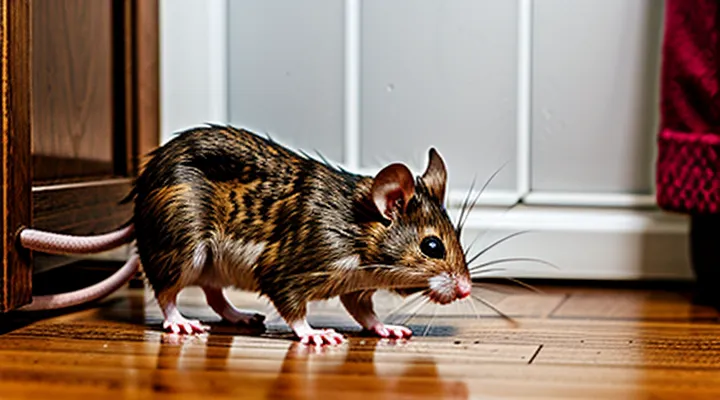
Understanding the Mouse Problem
Signs of Mice Infestation
Droppings and Urine Trails
Droppings and urine trails serve as reliable evidence of rodent activity. Fresh droppings appear as small, dark pellets, typically 3–5 mm long, found along walls, behind appliances, and in pantry corners. Urine trails leave faint, often invisible, wet lines that become detectable when a white cloth is pressed against surfaces; the cloth darkens where moisture is present.
Presence of these waste products creates health hazards. Pathogens such as hantavirus and salmonella may survive in droppings for weeks, while urine emits ammonia, attracting additional pests and contaminating food supplies. Immediate removal reduces disease risk and diminishes the scent cues that encourage mice to remain.
Traditional deterrents focus on disrupting olfactory signals. Effective natural agents include:
- Peppermint essential oil: soak cotton balls, place at entry points and near known trails; oil’s strong aroma masks urine scent.
- Clove oil: dilute with water, spray along baseboards; clove compounds repulse rodents.
- Ground cayenne pepper: sprinkle a thin layer on pathways; irritation discourages travel.
- Dried lavender buds: distribute in cabinets and cupboards; lavender’s scent interferes with mouse communication.
Cleaning should eliminate residual odors. Procedure:
- Wear disposable gloves and mask; collect droppings with a damp paper towel, dispose of in sealed bag.
- Apply a solution of equal parts white vinegar and water to contaminated areas; let sit 10 minutes.
- Scrub with a brush, then rinse with clean water.
- Sprinkle baking soda on the surface, allow to dry, then vacuum to absorb lingering smells.
Consistent monitoring of droppings and urine trails, combined with regular application of the listed natural repellents, creates an environment hostile to mice without reliance on synthetic chemicals.
Gnaw Marks and Damage
Gnaw marks appear as crescent‑shaped chips on wood, plastic, or insulation, often accompanied by rough edges and powdery residue. Presence of such markings indicates active chewing activity, confirming that mice have accessed the area.
Damage caused by continuous gnawing includes compromised structural integrity of beams, exposed wiring that heightens fire risk, and contamination of food stores with urine and feces. Repeated bites on insulation reduce thermal efficiency, leading to higher energy consumption.
Folk deterrents rely on precise placement near identified gnaw sites. Strong‑scented herbs such as peppermint, cloves, and dried lavender create an unfriendly odor gradient that discourages further chewing. Natural repellents formulated from vinegar and citrus oil can be applied to surfaces bearing fresh bite marks, forming a barrier that mice avoid. When chew damage is observed on entry points, sealing gaps with a mixture of steel wool and natural latex preserves the barrier while maintaining a non‑chemical approach.
Typical signs and corresponding folk actions:
- Fresh gnaw marks on cabinetry → Apply peppermint oil soaked cotton balls directly onto the affected area.
- Chewed insulation in walls → Insert cloves or dried rosemary in adjacent cavities to repel rodents.
- Irregular bite patterns on wires → Sprinkle a thin layer of powdered cayenne pepper around the exposed sections.
- Multiple gnaw sites along baseboards → Lay a continuous strip of dried lavender sachets along the baseboard line.
Prompt identification of gnaw marks enables targeted deployment of traditional, plant‑based repellents, reducing the likelihood of extensive structural and health‑related damage.
Strange Noises
Unusual sounds heard at night or within walls frequently signal the presence of rodents. The acoustic pattern differs from ordinary household noises, allowing occupants to identify infestation without visual confirmation.
Typical auditory indicators include:
- Scratching or scurrying on ceilings, pipes, or insulation, especially during twilight hours.
- High‑pitched squeaks emitted from concealed cavities, often increasing in intensity after sunset.
- Soft thudding or footfalls heard through floorboards, suggesting movement along concealed pathways.
When such noises are detected, traditional home‑based rodent deterrents can be applied promptly. Effective measures comprise:
- Placement of aromatic repellents, such as dried lavender or peppermint oil, on entry points and near suspected nesting sites.
- Deployment of homemade traps using oats and peanut butter, positioned along walls where sounds originate.
- Sealing of gaps and cracks with natural sealants like beeswax or cotton‑filled caulk to eliminate travel routes.
Monitoring the persistence of the sounds after implementing these interventions provides immediate feedback on their efficacy. Continued acoustic activity indicates the need for additional barriers or the replacement of repellent substances.
Why Choose Folk Remedies
Advantages of Natural Solutions
Safety for Pets and Children
When applying traditional mouse‑deterrent methods inside a residence, the well‑being of pets and children must remain the primary concern. Many homemade solutions rely on strong odors, chemical agents, or physical traps that can pose accidental hazards.
Key safety principles:
- Choose deterrents based on natural, non‑toxic ingredients such as peppermint oil, dried lavender, or crushed cloves. Apply them to areas inaccessible to animals and toddlers, using cotton balls or sachets secured inside cabinets or behind baseboards.
- Avoid substances known to cause respiratory irritation or skin reactions, including ammonia, bleach, or rodent‑specific poison powders. These compounds can be absorbed through inhalation or contact, leading to serious health effects.
- Employ live‑catch traps that release captured rodents outdoors. Ensure trap mechanisms are shielded to prevent fingers or paws from being pinched. Check traps frequently to reduce stress on captured animals.
- Position any bait—such as cheese, peanut butter, or grain—inside sealed containers that open only when a mouse enters. Containers should be placed on elevated surfaces unreachable by small children.
- Maintain clear labeling of all homemade mixtures. Use durable, waterproof labels that state ingredients and warn of potential hazards. Store prepared solutions in locked cabinets away from food supplies.
Additional precautions:
- Conduct a thorough inventory of household plants. Certain herbs, while effective as repellents, may be toxic if ingested (e.g., rue or pennyroyal). Limit placement to high shelves or outdoor areas.
- Regularly inspect entry points and seal gaps with steel‑wool or caulking. Structural repairs eliminate the need for ongoing chemical deterrents.
- Educate family members about the purpose of each deterrent. Visual cues, such as colored markers on safe zones, help children recognize areas to avoid.
By adhering to these guidelines, folk‑based mouse control can coexist with a safe environment for both young residents and animal companions.
Environmental Friendliness
Eco‑friendly folk strategies for household rodent control prioritize natural substances that minimize ecological impact while deterring mice.
- « peppermint oil » applied to entry points and baseboards creates an olfactory barrier without chemical residues.
- Dried lavender bundles placed in cupboards emit a scent mice avoid, offering a reusable, biodegradable option.
- Powdered cayenne pepper sprinkled along wall voids irritates rodents’ nasal passages, prompting relocation without harming non‑target species.
- Garlic‑infused water sprayed on surfaces provides a non‑toxic repellent that degrades naturally in the environment.
These methods rely on plant‑derived compounds that decompose rapidly, reducing soil and water contamination. Implementation requires regular reapplication to maintain potency, as volatile aromas diminish over time. Selecting locally sourced herbs further lowers transportation emissions, reinforcing the sustainability of the approach.
Cost-Effectiveness
Cost‑effectiveness of traditional rodent deterrents depends on material expense, application frequency, and long‑term efficacy. Low‑cost ingredients such as dried peppermint, powdered cayenne, and vinegar require minimal purchase outlay; a single household bottle supplies several weeks of treatment. Reusable barriers fashioned from steel wool or copper mesh incur higher initial cost but eliminate recurring purchases, extending protection for months.
Key cost factors:
- Initial material price: inexpensive herbs versus metal mesh.
- Labor input: simple sprinkling versus installation of physical deterrents.
- Replacement interval: weekly reapplication for volatile oils versus quarterly inspection of mesh.
- Success rate: higher efficacy reduces indirect costs associated with damage repair.
When total expenditure is divided by the estimated period of mouse‑free occupancy, traditional remedies often match or surpass commercial traps and poisons. Selecting a solution that balances upfront outlay with minimal maintenance maximizes economic advantage while maintaining household safety.
Popular Folk Remedies for Mice
Herbal Deterrents
Peppermint Oil
Peppermint oil contains menthol and other volatile compounds that create an odor mice find intolerable. The scent interferes with their olfactory navigation, prompting avoidance of treated areas.
Application methods include:
- Soaking cotton balls with undiluted oil and placing them in corners, behind appliances, and along known pathways.
- Mixing 10 ml of oil with 500 ml of water, adding a few drops of dish‑soap, and spraying the solution along baseboards, entry points, and storage shelves.
- Using a small electric diffuser to release a steady vapor in rooms where activity has been observed.
Safety measures require keeping oil‑treated materials out of reach of children and pets, avoiding direct skin contact, and storing the bottle in a cool, dark place. In case of accidental ingestion, seek medical assistance promptly.
Peppermint oil functions as a deterrent rather than an extermination tool; it reduces the likelihood of re‑entry but does not eliminate established infestations. Optimal results occur when the oil is combined with structural interventions such as sealing cracks, removing food sources, and maintaining regular cleaning routines.
Bay Leaves
Bay leaves possess aromatic oils that repel rodents through scent aversion. The strong, spicy aroma interferes with the olfactory receptors of mice, discouraging them from entering treated areas.
Application methods include:
- Placing whole leaves in concealed corners, behind appliances, and along baseboards.
- Refreshing the leaves weekly to maintain potency.
- Combining leaves with other aromatic deterrents, such as dried lavender, for synergistic effect.
Effectiveness relies on sustained exposure; fresh leaves release volatile compounds longer than dried fragments. For optimal results, distribute a handful of leaves per 10 square‑feet, ensuring coverage of potential entry points.
Bay leaves are non‑toxic to humans and pets, making them suitable for indoor use. However, prolonged contact may stain fabrics; remove leaves after two weeks to prevent discoloration. Regular replacement sustains the repellent action while preserving household cleanliness.
Cloves
Cloves contain eugenol, a volatile oil that irritates the olfactory receptors of rodents and discourages entry into living spaces. The compound’s strong scent masks food odors, reducing attraction to potential nesting sites.
Efficacy relies on sustained release of vapour. Ground cloves or whole buds placed in cloth sachets emit a persistent aroma that mice avoid. Recommended deployment includes:
- One to two teaspoons of ground cloves per sachet, or three to four whole buds per pouch.
- Placement near known pathways, entry points, and storage areas.
- Replacement every ten days to maintain potency.
Safety considerations demand avoidance of direct contact with pets and children; sachets should be sealed in breathable fabric and positioned out of reach. Combining cloves with complementary deterrents—such as peppermint oil or steel wool barriers—enhances overall control without chemical pesticides. Regular inspection of sachets ensures continuous protection and early detection of rodent activity.
Chili Powder
Chili powder contains capsaicin, a compound that irritates the nasal passages and sensory receptors of rodents, causing avoidance of treated areas. When applied correctly, the powder creates a hostile environment that deters mice from entering or remaining in a dwelling.
Effective deployment involves the following steps:
- Identify common travel routes, such as gaps beneath doors, cracks in walls, and the edges of baseboards.
- Lightly dust a thin layer of chili powder along these pathways, concentrating near entry points and around food storage zones.
- Reapply after cleaning, heavy foot traffic, or after a period of two weeks, as the potency of capsaicin diminishes with exposure to air and moisture.
- Combine with complementary methods, such as sealing openings and maintaining a clutter‑free interior, to enhance overall efficacy.
Safety considerations require keeping the substance out of reach of children and pets, and avoiding direct contact with eyes or mucous membranes. In households with individuals sensitive to strong spices, use a reduced amount or opt for an alternative repellent. Proper handling and regular renewal of the application ensure sustained deterrence of mice without reliance on chemical pesticides.
Food-Based Repellents
Vinegar
Vinegar, a dilute acetic acid solution, interferes with the olfactory cues mice rely on for navigation and food identification. The pungent scent masks familiar scent trails, discouraging rodents from re‑entering treated areas.
Application methods emphasize direct contact and environmental saturation:
- Mix equal parts white vinegar and water; soak a cloth and place it near suspected entry points, gaps, and along baseboards.
- Soak cotton balls in undiluted vinegar; hide them in corners, behind appliances, and inside wall cavities.
- Clean countertops, shelves, and pantry surfaces with a vinegar‑water solution to eliminate residual food odors that attract rodents.
- Combine vinegar with a few drops of essential oil (e.g., peppermint) to enhance repellent properties while maintaining a non‑toxic profile.
Safety considerations note that vinegar is harmless to humans and pets when used as described, but prolonged exposure may damage marble, limestone, or untreated wood finishes. Regular reapplication, every 2–3 days, sustains the deterrent effect.
Vinegar alone does not eradicate an established infestation; it functions best as part of an integrated approach that includes sealing entry points, eliminating food sources, and, when necessary, employing mechanical traps.
Onions and Garlic
Onions and garlic are traditional deterrents employed to reduce rodent activity within residential interiors. Their strong sulfur‑based aromas interfere with the highly developed olfactory system of mice, causing avoidance of treated areas.
Application methods include:
- Slicing fresh onions or crushing garlic cloves, then placing the pieces in sealed perforated bags or mesh pouches. Position the containers along baseboards, behind appliances, and near known entry points.
- Preparing a spray by steeping equal parts chopped onion and garlic in hot water for ten minutes, allowing the mixture to cool, and transferring it to a spray bottle. Apply the solution to corners, shelving edges, and crevices where mice travel.
- Combining dried onion powder or powdered garlic with a carrier oil to form a paste. Spread a thin layer on wooden surfaces or within wall gaps; reapply weekly to maintain potency.
Effectiveness relies on regular renewal of the scent, as volatile compounds dissipate within 24–48 hours. The approach is non‑toxic to humans and pets when used in moderate quantities, but strong odors may be unpleasant for occupants. Overreliance on these aromatics without addressing structural vulnerabilities—such as gaps in flooring, unsealed vents, or food sources—limits long‑term success.
Monitoring involves inspecting bait stations or traps placed adjacent to the treated zones. A noticeable decline in mouse sightings or droppings indicates efficacy. If activity persists, augment the regimen with additional physical barriers or professional pest‑management interventions.
«The pungent odor of garlic repels rodents, disrupting their foraging routes». This principle underlies the use of both vegetables as low‑cost, readily available components of an integrated rodent‑control strategy.
Potato Flakes
Potato flakes serve as an inexpensive, low‑toxicity option for discouraging house mice. The dehydrated product absorbs moisture, creating an unappealing environment when spread in potential travel routes and nesting sites. Mice avoid areas where the flakes become soggy and hard, as the texture interferes with their ability to move silently.
Application steps:
- Identify entry points, wall voids, and concealed pathways.
- Sprinkle a thin layer of potato flakes along these zones, focusing on corners and behind appliances.
- Moisten the flakes lightly with water to form a semi‑solid barrier; allow the mixture to dry for 12–24 hours.
- Reapply after cleaning or when the flakes crumble visibly.
Effectiveness relies on the flakes’ capacity to retain humidity and create a gritty surface that hampers the rodents’ grip. The method does not rely on chemicals, making it safe for households with children and pets. Regular monitoring and replenishment maintain the deterrent effect, especially during seasonal increases in rodent activity.
Mechanical Folk Methods
Sticky Traps (DIY)
Sticky traps represent a time‑tested, low‑cost tool for reducing mouse activity inside dwellings. The method relies on a strong adhesive surface that immobilizes rodents when they cross the trap, allowing swift removal without chemical exposure.
Materials required:
- Thick cardboard or sturdy paperboard
- Non‑drying adhesive such as contact cement, rubber cement, or a commercial glue stick
- Scissors
- Protective gloves
- Small container for discarded traps
Preparation steps:
- Cut the cardboard into rectangles measuring roughly 15 × 20 cm.
- Apply a uniform layer of adhesive to one side, spreading it thinly to avoid dripping.
- Allow the glue to set for the manufacturer‑specified time, ensuring it remains tacky.
- Place the prepared traps on a flat surface, adhesive side up, and wear gloves to prevent skin contact.
Placement guidelines:
- Position traps along known mouse pathways: behind appliances, under cabinets, and near entry points.
- Align traps perpendicular to walls, with the adhesive surface facing the anticipated direction of travel.
- Avoid areas accessible to children or pets; elevate traps on low shelves if necessary.
Maintenance and disposal:
- Inspect traps daily; replace any that have captured a mouse or lost adhesive effectiveness.
- Dispose of used traps in a sealed container, then discard according to local waste regulations.
- Reapply fresh adhesive to reusable cardboard if structural integrity remains intact.
When integrated with complementary folk strategies—such as sealing entry gaps and maintaining cleanliness—DIY sticky traps provide an effective, chemical‑free option for managing indoor mouse populations.
Water Traps (DIY)
Water traps provide a simple, non‑chemical method for reducing rodent presence in residential settings. The device relies on a shallow container filled with water, positioned so that a mouse falls in and drowns, preventing escape.
Materials required:
- Shallow plastic or metal bowl (diameter 15‑20 cm)
- Water (enough to cover the base to a depth of 2‑3 cm)
- Small piece of cardboard or wooden plank (length 10‑15 cm)
- Cotton ball or soft cloth (optional, for comfort)
Construction steps:
- Fill the bowl with water to the specified depth.
- Place the cardboard or plank across the rim, leaving a narrow gap (≈1 cm) on one side.
- Position the trap along walls, behind appliances, or near known activity zones, ensuring the gap faces a wall so that a mouse can enter but not exit.
- Refresh water daily to maintain freshness and prevent stagnation.
Effectiveness factors:
- Mice are attracted to the dark, moist environment and the gap mimics a safe passage.
- Continuous water replacement eliminates odor and reduces risk of bacterial growth.
- Placement near entry points maximizes capture probability.
Safety considerations:
- Keep traps out of reach of children and pets; water depth should not exceed 3 cm to avoid drowning hazards for small animals.
- Use containers without sharp edges to prevent injury to handlers.
Maintenance protocol:
- Empty and clean the container after each capture.
- Inspect for debris that could obstruct the gap.
- Replace the cardboard or plank if warped or damaged.
«Water traps are a non‑toxic alternative that integrates easily into household pest‑management routines».
Implementing Folk Remedies Safely and Effectively
Preparation Before Application
Sealing Entry Points
Sealing gaps and cracks eliminates the primary pathways mice use to infiltrate a dwelling, forming the foundation of any traditional rodent‑deterrent strategy.
Typical entry locations include:
- Openings around utility pipes and cables
- Gaps beneath doors and windows
- Cracks in foundation walls or floor joists
- Holes around vent covers and chimney flues
Effective sealing employs durable, non‑toxic materials that are readily available in most households. Recommended options are:
- Steel wool, compressed tightly into openings, then covered with caulk to prevent gnawing.
- Expanding polyurethane foam, applied to larger gaps and trimmed after curing.
- Weather‑proof silicone sealant for seams around doors, windows, and baseboards.
Application procedure:
- Inspect the interior and exterior of the structure to locate all potential ingress points.
- Clear debris and dry the surface to ensure adhesion.
- Insert steel wool into narrow cracks, then apply a thin layer of sealant over the filler.
- For wider gaps, dispense foam, allow expansion, then cut excess material flush with the surface.
- Finish with a silicone bead around movable fixtures to maintain flexibility while blocking rodents.
Regular maintenance involves visual checks every month, focusing on areas exposed to moisture or structural movement. Reapply sealant as needed to preserve an airtight barrier, thereby sustaining the efficacy of folk‑based mouse prevention methods.
Eliminating Food Sources
Eliminating food sources is a cornerstone of any traditional approach to rodent control within a residence. Mice are attracted to accessible nourishment; removing that attraction disrupts their foraging behavior and reduces population pressure.
- Store dry goods in airtight containers made of glass, metal, or heavy‑wall plastic. Ensure lids seal completely.
- Keep countertops, tables, and kitchen surfaces free of crumbs and spills. Wipe down after each meal preparation.
- Place garbage in bins with tight‑fitting lids. Empty bins regularly and clean the interior to prevent odor buildup.
- Secure pet food in sealed containers and remove leftovers promptly. Feed pets in areas that can be easily cleaned.
- Inspect pantry shelves for torn packaging or exposed grains. Replace damaged containers and relocate items to higher shelves if possible.
- Clean behind appliances, under cabinets, and in storage closets where food particles may accumulate. Use a vacuum or damp cloth to remove debris.
By systematically denying mice access to edible material, the environment becomes inhospitable, encouraging the pests to seek sustenance elsewhere and facilitating the effectiveness of folk remedies that rely on deterrence rather than direct eradication.
Cleaning and Sanitization
Cleaning and sanitization form a critical layer in traditional mouse‑deterrent strategies for residential environments. Removing food residues, crumbs, and spills eliminates attractants that draw rodents into living spaces. Regularly sweep floors, vacuum carpets, and wipe countertops with a solution of water and vinegar or a mild bleach mixture; the acidity and disinfectant properties disrupt scent trails left by mice.
Sanitizing storage areas prevents hidden food sources. Seal containers with airtight lids, and wipe shelves with a solution of diluted hydrogen peroxide before restocking. Dispose of waste in sealed bags and empty trash bins daily to reduce odor cues.
Implementing routine maintenance reduces nesting opportunities. Inspect and clean behind appliances, under furniture, and within wall voids. Use a stiff brush to dislodge dust and debris that could serve as bedding material. Replace shredded paper or fabric with clean, washable alternatives.
A systematic cleaning schedule enhances effectiveness:
- Daily: wipe kitchen surfaces, sweep floors, empty trash.
- Weekly: vacuum upholstery, mop hard floors with vinegar solution, clean pantry shelves.
- Monthly: deep‑clean behind appliances, disinfect storage containers, inspect for hidden food sources.
Consistent application of these practices deprives mice of food and shelter, reinforcing the overall efficacy of folk‑based rodent control methods in the home.
Application Techniques
Strategic Placement of Repellents
Strategic placement of repellents maximizes their impact by targeting the routes mice typically use to enter and move within a dwelling. Rodents prefer low, concealed pathways along walls, behind appliances, and near points where food is stored. Positioning deterrents in these zones interrupts travel patterns and reduces the likelihood of infestation.
Effective positioning guidelines:
- Install scent‑based repellents, such as peppermint oil or crushed cloves, within 15 cm of known entry gaps, including door frames, window sills, and utility openings.
- Place ultrasonic devices at the center of each room, ensuring an unobstructed line of sound toward adjacent walls and ceilings.
- Set mechanical traps directly opposite walls where droppings or gnaw marks indicate active movement.
- Deploy natural deterrent sachets in pantry corners, cabinet interiors, and under sinks, areas prone to food spillage.
Different repellent categories require specific adjustments. Oil‑infused cotton balls lose potency after 48 hours; replace them regularly to maintain concentration. Ultrasonic units should be mounted at a height of 1–1.5 m to cover the full vertical space of a room. Mechanical traps benefit from periodic relocation, preventing mice from learning fixed positions.
Monitoring and rotation are essential. Record capture rates and scent effectiveness weekly; shift devices to alternate wall sections if activity persists. Regular inspection of potential entry points, followed by immediate sealing, reinforces the strategic layout and sustains long‑term rodent deterrence.
Regular Replacement and Maintenance
Regular replacement and maintenance form the backbone of any traditional household rodent deterrent system. Without consistent upkeep, even the most time‑tested folk methods lose potency, allowing mouse populations to rebound quickly.
A disciplined schedule ensures each component operates at peak efficiency. Traps—whether snap, live‑catch, or homemade—must be inspected weekly. Worn springs, dulled jaws, or compromised enclosures require immediate substitution. Bait stations, especially those employing natural attractants such as grain or dried herbs, should be refreshed every 10 days to preserve scent strength and prevent spoilage. Sealants applied to entry points need re‑application after seasonal temperature shifts, as expansion and contraction create new gaps.
Key maintenance actions include:
- Clearing clutter from corners, shelves, and pantry aisles to eliminate hiding spots.
- Sweeping crumbs and spills promptly; residual food sources attract foraging rodents.
- Rotating trap placement every three days to disrupt learned avoidance patterns.
- Conducting a perimeter walkaround monthly to locate fresh gnaw marks, burrows, or droppings.
- Recording observations in a simple log to track infestation trends and intervention outcomes.
Adhering to these practices sustains the efficacy of folk‑based rodent control, minimizes chemical reliance, and supports a long‑term, low‑maintenance living environment.
What to Avoid
Ineffective or Dangerous Methods
Many household practices marketed as mouse deterrents fail to reduce infestations and may create health hazards.
Common ineffective or hazardous approaches include:
- Glue boards that trap rodents but cause prolonged suffering and can be accidentally handled by children or pets.
- Chemical rodenticides placed in unsecured areas, risking accidental poisoning of non‑target animals and humans.
- Ultrasonic emitters advertised to repel mice, yet studies show inconsistent results and no lasting impact.
- Homemade traps fashioned from sharp objects without proper containment, leading to injury and escape.
These methods often lack scientific validation, produce temporary relief at best, and introduce safety concerns. Reliance on such tactics can mask the need for proven, low‑risk folk solutions that employ natural deterrents, proper sanitation, and structural exclusion.
Adopting safe, evidence‑based practices reduces the likelihood of secondary problems while effectively managing rodent presence.
Prevention and Long-Term Control
Maintaining a Mouse-Free Home
Regular Housekeeping
Regular housekeeping directly reduces the attractiveness of a dwelling to rodents. Consistent removal of food residues eliminates the primary incentive for mice to enter living spaces.
- Store all dry goods in airtight containers.
- Clean kitchen surfaces after each meal; wipe crumbs and spills immediately.
- Sweep and vacuum floors daily, focusing on edges and under furniture.
- Empty garbage bins nightly; use bins with tight‑closing lids.
- Wash dishes promptly; avoid leaving utensils in soaking water.
Maintaining the building envelope prevents entry. Inspect walls, doors, and windows for gaps; seal openings with steel wool and caulk. Repair damaged screens and weatherstripping to block concealed routes.
Moisture control curtails the conditions mice seek for nesting. Fix leaks in plumbing and roofing; ensure proper ventilation in basements and crawl spaces. Keep indoor humidity below 50 % where feasible.
Proper waste handling outside the home limits food sources. Store outdoor trash in sealed containers; relocate bins away from the building’s foundation. Compost piles should be contained and positioned at a distance from the house.
Implementing these routine measures creates an environment that discourages rodent habitation, reinforcing the effectiveness of traditional mouse‑deterrent practices.
Proper Food Storage
Proper food storage eliminates attractive scent trails that draw rodents into living spaces. Seal all dry goods in airtight containers made of glass, metal, or heavy‑wall plastic. Keep pantry shelves clear of spills and discard expired items promptly.
Effective storage practices include:
- Using containers with tight‑locking lids for grains, cereals, and pet food.
- Placing bulk items in secondary sealed bags inside the primary containers.
- Storing perishables in the refrigerator or freezer, ensuring doors close fully.
- Cleaning countertops and floors after each meal preparation to remove crumbs.
- Rotating stock so older products are used first, reducing the chance of spoilage.
By maintaining these habits, the home environment becomes inhospitable to mice, supporting broader traditional rodent control strategies.
Outdoor Area Maintenance
Maintaining the exterior of a residence directly influences the success of traditional mouse‑deterrent practices inside the home. By eliminating shelter, food, and entry points in gardens, yards, and surrounding structures, the pressure on indoor environments decreases, allowing folk solutions to work more effectively.
Key actions for outdoor upkeep include:
- Trimming vegetation to create a clear zone of at least one metre around the building, preventing rodents from nesting close to the foundation.
- Removing debris, piles of firewood, and compost heaps that provide cover and food sources.
- Sealing cracks in exterior walls, foundations, and utility penetrations with cement or steel wool.
- Storing animal feed in airtight containers and positioning it away from the house.
- Installing smooth, metal flashing on the lower edges of siding and eaves to block climbing.
Natural repellents can be positioned around the perimeter without compromising the environment. Planting strong‑scented herbs such as mint, rosemary, and lavender in borders deters rodents. Dispersing powdered cayenne pepper or crushed garlic near potential entry points creates an olfactory barrier. Deploying predator scent products, for example powdered fox urine, adds an additional layer of deterrence.
Consistent application of these measures reduces the likelihood of mice seeking shelter indoors, thereby enhancing the efficacy of community‑based, non‑chemical control methods. The result is a healthier, less inviting habitat for rodents around the dwelling, supporting long‑term pest‑free living spaces.