
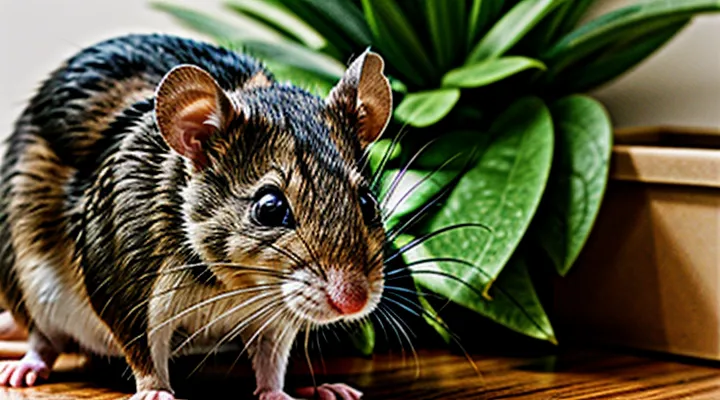
Understanding the Mouse Problem
Why Mice Enter Homes
Shelter and Warmth
Mice seek out insulated spaces that protect them from cold and predators. By eliminating such refuges, homeowners reduce the attraction of rodents without resorting to toxic substances.
Seal gaps around doors, windows, and utility penetrations with weather‑resistant caulk or steel wool. Replace damaged insulation in walls and attics, and install metal flashing at the base of exterior walls. These measures remove the temperature‑controlled cavities mice prefer.
Maintain a dry interior environment. Repair leaky pipes, clean up condensation on cold surfaces, and use dehumidifiers in moisture‑prone rooms. Dry conditions discourage nesting and limit the comfort mice find in hidden corners.
Create a barrier between outdoor structures and the house. Install solid, non‑porous trim around siding, and attach metal mesh to vent openings. Mesh with openings no larger than ¼ inch prevents rodents from entering while allowing airflow.
Consider humane deterrents that exploit the need for warmth:
- Place heated, sealed containers of repellent herbs (e.g., peppermint oil on cotton) near potential entry points; warmth disperses the scent more effectively.
- Deploy ultrasonic devices calibrated to emit frequencies that disturb rodents, especially in insulated attic spaces where heat amplifies sound transmission.
Regularly inspect storage areas such as basements, garages, and sheds. Remove stacked firewood, cardboard boxes, and fabric piles that provide shelter. Store items in sealed plastic bins rather than cardboard.
By systematically removing insulated hideaways, controlling moisture, and installing physical barriers, homeowners create an environment that lacks the shelter and warmth mice require, encouraging them to seek alternative habitats away from the residence.
Food and Water Sources
Eliminating accessible food and water deprives rodents of the resources they need to thrive, making it a cornerstone of any non‑chemical mouse management plan. Secure storage eliminates attraction; airtight containers of metal or heavy‑wall plastic prevent gnawing. Place pantry items on shelves rather than on the floor, and keep the floor clear of crumbs by sweeping and vacuuming after each meal.
Identify accidental sources. Pet food should be offered only at feeding times and removed when not in use. Birdseed, fruit bowls, and open trash cans create additional incentives. Transfer waste to sealed bins and clean lids regularly. A simple routine of wiping countertops, wiping down appliance exteriors, and rinsing dishes before loading the dishwasher removes residual residues that mice can detect.
Water availability must be limited as well. Repair leaky faucets, pipes, and roof gutters promptly; even slow drips generate moisture that rodents exploit. Store water for pets in containers with tight‑fitting lids, and empty saucers after each use. In areas prone to condensation, use a dehumidifier or increase ventilation to keep humidity below 50 percent.
Practical actions can be listed as follows:
- Store all dry goods in containers with snap‑tight seals.
- Clean up spills immediately; mop floors after cooking.
- Remove pet food after feeding; keep bowls on raised platforms.
- Seal trash cans with metal lids; empty them daily.
- Fix all leaks; install drip‑catch trays under sinks.
- Reduce indoor humidity with ventilation or dehumidifiers.
- Eliminate standing water in plant saucers; use absorbent stones.
By systematically removing food and water opportunities, mouse populations decline without resorting to toxic baits, supporting a sustainable, humane approach to rodent exclusion.
Risks of Mouse Infestations
Health Concerns
Mice carry pathogens such as hantavirus, salmonella, and leptospirosis, which can contaminate food, surfaces, and air. Direct contact with droppings, urine, or saliva introduces these agents into the household environment, increasing the risk of respiratory and gastrointestinal illnesses for occupants, especially children and immunocompromised individuals.
Traditional rodenticides release toxic chemicals that may linger on surfaces, be absorbed through skin, or enter the food chain. Inhalation of dust from powdered baits or accidental ingestion by pets creates additional health hazards. Chronic exposure to anticoagulant compounds has been linked to bleeding disorders and liver damage in humans and animals.
Eco‑friendly eviction strategies eliminate these chemical risks while still addressing disease vectors. Effective non‑toxic measures include:
- Sealing entry points with steel wool, copper mesh, or caulk to prevent mice from entering living spaces.
- Deploying snap traps or electronic traps that kill instantly, reducing the chance of prolonged suffering and contamination.
- Using natural repellents such as peppermint oil, cloves, or dried lavender placed in strategic locations; these substances deter rodents without leaving harmful residues.
- Maintaining a clutter‑free environment, regularly cleaning crumbs and spills, and storing food in airtight containers to remove attractants.
Implementing these practices reduces the probability of pathogen transmission, limits exposure to hazardous substances, and supports overall household health. Regular monitoring and prompt removal of any captured rodents prevent secondary contamination from carcasses or urine stains.
Property Damage
Mice gnaw wiring, insulation, and structural timber, creating fire hazards and compromising building integrity. Their nesting material can block ventilation ducts, leading to reduced airflow and moisture buildup that promotes mold growth. Food contamination and droppings introduce bacterial risks, further devaluing property and increasing remediation costs.
Implementing non‑toxic, environmentally safe mouse control measures limits these losses. Physical barriers, such as steel mesh around entry points, prevent access without chemical intervention. Traps made of biodegradable materials capture rodents for release, eliminating the need for poison and reducing the likelihood of secondary damage caused by dead mice in walls. Ultrasonic emitters deter activity without contaminating surfaces, preserving indoor air quality.
Typical property damage caused by mice:
- Cut wires and cables, raising fire risk
- Compromise insulation, lowering energy efficiency
- Damage wooden beams, weakening structural support
- Obstruct ventilation, encouraging mold
- Contaminate food stores, leading to waste
Eco‑friendly eviction actions that protect property:
- Seal gaps with copper‑clad mesh or silicone caulk.
- Install snap or live‑catch traps constructed from recycled plastics.
- Deploy ultrasonic deterrents calibrated to frequencies that rodents avoid.
- Use natural repellents such as peppermint oil on cotton balls placed near potential entryways.
- Maintain a clean environment by storing food in sealed containers and removing clutter that offers shelter.
By focusing on prevention, containment, and humane removal, homeowners preserve structural soundness and avoid the extensive repairs associated with rodent infestations.
Prevention is Key
Sealing Entry Points
Inspecting Foundation and Walls
Inspecting the foundation and walls is the first defensive measure against rodent intrusion. Mice locate entry points through tiny openings in concrete, mortar, or siding; identifying these gaps eliminates the primary pathway without chemicals.
During inspection, follow a systematic approach:
- Walk the exterior perimeter, shining a flashlight along the base of the house.
- Run a fingertip or a thin wire along seams, searching for gaps wider than ¼ inch.
- Look for signs of gnawing, nesting material, or droppings near foundations, vents, and window frames.
- Examine interior wall surfaces for fresh chew marks, especially around utility penetrations.
After detection, seal each opening with durable, non‑toxic methods:
- Pack steel wool into gaps, then cover with exterior‑grade silicone or acrylic caulk.
- Apply hardware cloth or metal mesh over larger cracks before sealing.
- Install door sweeps and weatherstripping on all exterior doors.
- Repair cracked mortar using lime‑based mix that deters rodent chewing.
Maintain the barrier by scheduling quarterly visual checks, reapplying sealants as weather erodes them, and monitoring for fresh signs of activity. Consistent inspection and reinforcement keep the home’s envelope mouse‑proof while preserving an eco‑friendly environment.
Securing Doors and Windows
Sealing entry points is the most reliable way to prevent rodents from entering a residence. Mice locate gaps around doors and windows, then exploit them to gain indoor access; eliminating those gaps stops infestations before they begin.
Inspect each door and window for openings larger than a quarter‑inch. Common problem areas include weatherstripping, hinge pins, and the space between the frame and the door slab. Apply the following actions:
- Remove old or damaged weatherstripping; replace it with silicone‑based or natural rubber strips that compress tightly when the door or window closes.
- Fit metal or brass door sweeps to the bottom of exterior doors, ensuring the sweep contacts the threshold without dragging.
- Seal gaps around hinges and locksets with stainless‑steel mesh or copper wire, then cover the mesh with a thin layer of non‑toxic sealant.
- Install tight‑fitting window screens made of fiberglass or aluminum; repair any tears with epoxy‑free adhesive.
- Apply expanding, plant‑based caulk to seal cracks in the frame, paying special attention to the corners and joints.
Choose materials that do not release harmful chemicals. Natural latex, untreated wood, and recycled metal provide durability without contaminating indoor air. Avoid petroleum‑based foams, which can emit volatile compounds.
Regular maintenance prolongs the barrier’s effectiveness. Conduct a quarterly walk‑through to verify that weatherstripping remains intact, that sweeps have not shifted, and that caulk has not cracked. Replace worn components promptly to keep the enclosure airtight.
Addressing Utility Line Openings
Utility line openings provide direct pathways for mice to enter walls, attics, and crawl spaces. Unsealed gaps around electrical conduits, plumbing pipes, and HVAC ducts allow rodents to bypass exterior barriers and reach food sources. Addressing these openings eliminates a primary access point, reducing the need for chemical deterrents.
Inspect all exposed sections of utility lines before sealing. Follow a systematic approach:
- Locate entry points by examining exterior walls, foundation, and roof penetrations. Use a flashlight and a mirror to view hidden areas.
- Remove debris and clean surfaces to ensure adhesion of sealing materials.
- Choose non‑toxic, durable sealants such as silicone caulk, expanding foam rated for indoor use, or metal flashing for larger gaps.
- Apply sealant in layers, filling the opening completely while maintaining clearance for future maintenance access.
- Verify that the seal does not impede heat dissipation or electrical safety standards; consult manufacturer guidelines when necessary.
Regular maintenance prevents re‑opening. Schedule quarterly checks of utility penetrations, especially after renovations or seasonal temperature changes that can shift building materials. Replace degraded sealant promptly and reinforce high‑traffic areas with steel wool or copper mesh, which mice cannot gnaw through.
Integrating these practices into an overall rodent‑deterrence plan minimizes reliance on toxic baits. By eliminating utility line pathways, homeowners create a structural barrier that aligns with environmentally responsible pest management.
Eliminating Food Sources
Proper Food Storage
Proper food storage eliminates the primary attraction that draws mice into living spaces. Sealing all edible items prevents scent trails and access points, reducing the likelihood of infestation.
- Use airtight glass or stainless‑steel containers for dry goods such as grains, cereals, and nuts. Plastic bags with zip closures are acceptable if they are thick and resealable.
- Store pet food in the same manner; keep it in sealed containers and place it in a pantry rather than on the floor.
- Refrigerate or freeze perishable items promptly. Low temperatures inhibit mouse activity and preserve food quality.
- Label containers with purchase dates and practice first‑in‑first‑out rotation. Removing older items minimizes the time food remains exposed.
- Clean spills immediately. Wipe countertops, floors, and cabinet interiors with a damp cloth; avoid harsh chemicals that could harm the environment.
Maintain a regular inspection schedule. Check seals for cracks, verify that lids remain tight, and discard any food that shows signs of spoilage. Consistent adherence to these practices creates an environment that discourages rodents without relying on toxic substances.
Regular Cleaning Practices
Consistent cleaning eliminates food residues and shelter that attract rodents. Removing crumbs, spills, and pet food promptly deprives mice of essential nutrition, forcing them to seek alternative habitats.
- Sweep and vacuum daily, focusing on kitchen counters, dining areas, and corners where debris accumulates.
- Wipe surfaces with a mild, non‑toxic detergent after each meal preparation.
- Store dry goods in airtight containers; avoid open boxes or bags.
- Empty trash bins regularly, using lids that close securely.
- Clean under appliances and behind furniture where dust and crumbs often hide.
Maintaining a clutter‑free environment reduces hiding spots. Declutter shelves, stacks of paper, and unused items, especially in basements, garages, and storage rooms. Regularly inspect and repair gaps around doors, windows, and utility penetrations; sealing these openings prevents entry.
By integrating these cleaning routines into daily household management, occupants create conditions that discourage mouse activity without resorting to chemical controls. The approach relies on hygiene and structural maintenance, offering a sustainable solution for rodent prevention.
Managing Pet Food
Proper handling of pet food reduces the attraction of rodents and supports non‑chemical mouse deterrence. Food left exposed or stored improperly provides a reliable food source, encouraging mice to enter homes and persist despite other control measures.
Store dry kibble in airtight containers made of glass or heavy‑wall plastic. Choose containers with sealed lids that cannot be opened by small rodents. Keep the storage area clean, dry, and away from walls where mice travel. Rotate stock regularly to prevent spoilage that might emit odors.
Clean feeding areas after each meal. Remove crumbs and spilled food with a damp cloth rather than sweeping, which can disperse particles. Use a shallow, washable feeding mat that can be emptied and sanitized daily. Avoid leaving bowls on the floor overnight; elevate them on a stand that is difficult for mice to climb.
Implement feeding schedules that limit the time food is available. Offer measured portions at set intervals and collect uneaten food promptly. Consider using puzzle feeders that dispense small amounts, reducing waste and engaging pets while limiting accessible food for rodents.
- Choose containers with child‑proof, rodent‑proof seals.
- Place containers on elevated shelves, at least 12 inches above the floor.
- Wipe feeding surfaces with a mild, non‑toxic solution after each use.
- Store bulk purchases in freezer‑safe bags and transfer only needed amounts to daily containers.
- Inspect storage areas weekly for signs of gnawing or droppings and replace compromised containers immediately.
By integrating these practices, households eliminate a primary food incentive for mice, reinforcing eco‑friendly, poison‑free deterrence strategies.
Reducing Attractants
Clutter Removal
Removing excess items from living spaces eliminates shelter and food sources that invite rodents.
Clutter creates hidden cavities where mice can nest, and it often hides crumbs or spills that provide nourishment. By eliminating these conditions, the environment becomes inhospitable, reducing the likelihood of infestation without resorting to chemical agents.
Practical steps for decluttering:
- Sort belongings; discard or donate items no longer needed.
- Store remaining objects in sealed containers made of glass, metal, or heavy‑wall plastic.
- Keep storage areas off the floor; use shelving to maintain clear ground space.
- Vacuum and sweep regularly to remove debris and food particles.
- Relocate pet food to airtight bins and clean feeding stations after each use.
Routine inspections reinforce the effort. Check under furniture, inside cabinets, and behind appliances for accumulated dust or forgotten objects. Promptly address any new buildup to prevent re‑establishment of hideouts.
A consistently tidy home lowers mouse activity, thereby diminishing reliance on traps or toxic deterrents and supporting environmentally responsible pest management.
Garden Maintenance
Effective garden upkeep directly reduces indoor mouse activity while adhering to environmentally safe pest control methods. Trim dense vegetation around the foundation to eliminate shelter and travel routes. Remove fallen fruit, seeds, and compost piles that attract rodents; store organic waste in sealed containers. Keep grass at a moderate height and mow regularly to discourage nesting. Install physical barriers such as fine mesh or metal flashing at the base of garden beds and around irrigation lines to block entry points.
Maintain clean pathways and clear debris that could serve as hiding places. Use natural repellents—sprinkling crushed mint leaves, dried lavender, or powdered cayenne pepper along perimeters creates an unpleasant scent for mice without harming other wildlife. Encourage predatory birds and beneficial insects by installing birdhouses, bat boxes, and insectary plants; these natural allies help control rodent populations.
Schedule seasonal inspections to identify and repair cracks in walls, gaps around doors, and openings near utility lines. Replace damaged siding or siding sealant promptly. Apply non-toxic, plant-based deterrent sprays to vulnerable zones, reapplying after heavy rain. Consistent garden maintenance, combined with these eco-friendly barriers, creates an inhospitable environment for mice while preserving the health of the surrounding ecosystem.
Humane Eviction Methods
Live Traps
Choosing the Right Trap
Choosing the appropriate trap determines the success of a humane mouse exclusion strategy. Evaluate each option against three criteria: effectiveness, reusability, and impact on non‑target species.
- Live‑capture cages – capture without injury, allow release at a safe distance, and can be reset repeatedly. Ensure the cage has a tight seal to prevent escape.
- Snap traps with wooden or plastic jaws – kill instantly, eliminating suffering. Select models with enclosed killing chambers to protect pets and children.
- Electronic traps – deliver a rapid electric shock, cause immediate death, and feature automatic reset mechanisms. Verify that the device meets local safety standards.
When selecting a trap, prioritize models constructed from sustainable materials such as recycled plastics or responsibly sourced wood. Verify that the trap’s design minimizes the risk of accidental activation by humans or pets. Consider placement: position traps along walls, behind appliances, and near known entry points, where mice travel most frequently.
Maintain traps according to manufacturer instructions. Clean reusable devices after each capture, disinfect surfaces, and replace any worn components. Regular monitoring prevents prolonged confinement, which can lead to stress or death of captured rodents. By adhering to these guidelines, homeowners can implement an eco‑conscious, poison‑free approach to mouse control.
Proper Baiting Techniques
Proper baiting relies on attracting mice with natural food sources while avoiding toxic substances. Effective bait selection, placement, and monitoring create a sustainable barrier that discourages rodents from re‑entering treated areas.
- Choose foods mice readily consume in the wild, such as peanut butter, sunflower seed butter, oats, or dried fruit. Combine the attractant with an edible, biodegradable carrier like shredded cardboard or cotton fabric to facilitate removal after capture.
- Position bait stations near known activity zones: along walls, behind appliances, and in concealed corners. Secure stations on the floor to prevent accidental displacement by pets or children.
- Deploy bait during the evening when mice are most active. Replace or refresh bait every 48 hours to maintain potency and prevent spoilage.
- Use live‑catch traps that accommodate the selected bait. Check traps at least twice daily; release captured mice at least one mile from the residence to reduce the likelihood of return.
- Clean the surrounding area after each capture, removing droppings and nesting material that could mask the bait’s scent and attract additional rodents.
Consistent application of these techniques reduces reliance on chemical poisons while maintaining a humane, environmentally responsible approach to rodent control.
Safe Release Protocols
When a mouse is captured using a humane device, follow a structured release procedure to protect both the animal and the household environment.
First, choose a trap that isolates the rodent without causing injury; snap‑freezer, live‑catch, or bucket traps meet this criterion. Ensure the trap is clean, functional, and equipped with a secure lid that can be opened without exposing hands to the mouse.
Second, prepare a release site at least 200 meters from the residence, preferably in a wooded area, field, or garden with natural cover and access to food sources. Verify that local regulations permit releasing wild rodents in the selected location.
Third, transport the trapped mouse promptly. Place the trap in a sturdy container, cover it with a breathable fabric, and keep it shaded to reduce stress. Avoid handling the animal directly; use gloves if contact is unavoidable, and wash hands afterward.
Fourth, release the mouse by opening the trap gently on the ground, allowing the animal to exit on its own. Observe from a short distance to confirm departure, then close the trap to prevent escape.
Fifth, after release, disinfect the trap with a diluted vinegar solution or mild bleach, rinse thoroughly, and dry before storage. Clean any surfaces the mouse may have touched, such as countertops or floorboards, using a non‑chemical disinfectant to remove scent trails that could attract additional rodents.
Finally, monitor the property for signs of re‑entry. Install exclusion measures—seal gaps, install door sweeps, and maintain clutter‑free zones—to reduce future incursions. Consistent application of these steps ensures humane removal while maintaining an environmentally responsible household.
Natural Repellents
Peppermint Oil
Peppermint oil works as a natural rodent repellent because mice find its strong menthol scent overwhelming. The oil interferes with their olfactory receptors, causing avoidance of treated areas.
To apply peppermint oil effectively:
- Dilute 10–15 drops of pure peppermint essential oil in 250 ml of water.
- Add a few teaspoons of mild dish soap to improve surface tension and ensure even distribution.
- Soak cotton balls in the solution and place them in corners, behind appliances, and along baseboards where activity has been observed.
- Replace cotton balls every 3–4 days to maintain potency.
For persistent problems, combine peppermint oil with other scent-based deterrents such as eucalyptus or citrus extracts. This multi‑scent approach reduces the likelihood of mice habituating to a single odor.
Peppermint oil is safe for humans and pets when used as described, but avoid direct skin contact with undiluted oil and keep it away from food preparation surfaces. Store the essential oil in a tightly sealed, amber‑colored bottle to protect it from light and oxidation.
Regular sanitation enhances the oil’s effect. Seal food in airtight containers, eliminate water sources, and repair structural gaps. When these measures accompany peppermint oil treatment, rodent intrusion drops dramatically without reliance on toxic chemicals.
Dryer Sheets
Dryer sheets are a practical, low‑impact tool for discouraging mice from entering living spaces. The strong fragrance—often lavender, citrus, or pine—creates an environment that rodents find unpleasant, prompting them to avoid treated areas.
To employ dryer sheets effectively, follow these steps:
- Place a sheet in each known entry point, such as gaps under cabinets, behind appliances, and in the corners of closets.
- Refresh the sheets every two weeks, or when the scent fades, to maintain deterrent strength.
- Combine with other non‑toxic barriers, like steel wool or silicone caulk, for a comprehensive exclusion strategy.
The material’s scent is non‑volatile and poses no risk to humans or pets when used as directed. Because dryer sheets are inexpensive and disposable, they can be swapped out without generating significant waste; many brands also offer recyclable packaging.
Limitations include diminished effectiveness in heavily infested homes and reduced impact in areas with strong competing odors. In such cases, increase the density of placement or integrate additional eco‑friendly measures, such as peppermint oil‑infused cotton balls or ultrasonic repellents.
Overall, dryer sheets provide a straightforward, chemical‑free option for homeowners seeking sustainable rodent control.
Ultrasonic Devices
Ultrasonic devices emit high‑frequency sound waves that rodents find uncomfortable, prompting them to vacate treated areas without the use of chemicals. The frequencies typically range from 20 kHz to 65 kHz, a band inaudible to humans but irritating to mice, which perceive the tones as a predatory threat.
Effectiveness depends on proper placement. Install units along walls, near entry points, and in concealed spaces such as cabinets and basements. Overlap coverage zones to prevent safe corridors where mice could avoid exposure. A single device rarely reaches an entire dwelling; multiple units ensure continuous acoustic pressure throughout the structure.
Power sources vary. Plug‑in models provide constant operation but require proximity to outlets, while battery‑operated units offer flexibility in hard‑to‑reach locations. Select models with adjustable timers and frequency modulation; static frequencies allow rodents to habituate, whereas varying patterns maintain deterrence.
Safety considerations include keeping devices away from pets that can hear ultrasonic sounds, such as rodents, certain birds, and some small mammals. Verify that the product complies with FCC or equivalent regulatory standards to avoid interference with other electronic equipment.
Maintenance involves periodic cleaning of speaker grills and monitoring indicator lights for malfunction. Replace units after the manufacturer‑specified lifespan, typically 2–3 years, because speaker degradation reduces output intensity.
Key criteria for choosing an ultrasonic solution:
- Frequency range covering 20–65 kHz
- Adjustable timer and frequency sweep
- Certified low electromagnetic emissions
- Warranty covering at least one year
When integrated with complementary non‑toxic strategies—such as sealing entry gaps, removing food sources, and employing traps—ultrasonic devices contribute to a comprehensive, chemical‑free approach to mouse control.
Home Remedies
DIY Sprays
DIY sprays provide a practical, non‑chemical option for discouraging mice from entering living spaces. Homemade mixtures rely on strong odors or irritants that rodents find unpleasant, creating an environment they avoid without harming them or the household occupants.
A basic peppermint‑oil spray consists of:
- 1 cup water
- 15–20 drops peppermint essential oil
- 1 tablespoon white vinegar
Combine ingredients in a spray bottle, shake well, and apply to entry points, baseboards, and known travel routes. Reapply every 48 hours or after cleaning.
Citrus‑based formulations use the same carrier liquid with added orange or lemon oil. The acidity of citrus peel extracts adds an extra deterrent effect. Recommended ratio: 1 cup water, 2 tablespoons citrus peel juice, 10–12 drops citrus essential oil.
For households preferring a dry application, a powdered spray can be prepared by mixing:
- 2 parts dried rosemary leaves, crushed
- 1 part dried mint leaves, ground
- 1 part powdered cayenne pepper
Combine dry ingredients, place in a resealable bag, and shake to coat surfaces such as pantry shelves or behind appliances. The fine powder should be applied sparingly to avoid dust accumulation.
Key considerations when using DIY sprays:
- Test a small, hidden area first to ensure no discoloration or damage to surfaces.
- Keep sprays away from food preparation zones and children’s reach.
- Store bottles in a cool, dark place to preserve oil potency.
- Rotate between different scent profiles weekly to prevent mice from habituating.
Regular maintenance amplifies effectiveness. Seal cracks, install door sweeps, and keep food storage airtight. When combined with targeted DIY sprays, these measures create a persistent, eco‑friendly barrier that deters rodents without resorting to toxic poisons.
Strategically Placed Food Items (as deterrents)
Strategically placed food items can discourage mice by exploiting their dietary preferences and foraging instincts. By offering unattractive or misleading food sources in targeted locations, homeowners create zones that redirect rodent activity away from living spaces.
- Spicy or strongly scented foods – cinnamon sticks, cloves, or cayenne pepper placed near entry points deter rodents because the strong aromas irritate their sensitive nasal passages.
- Hard, unpalatable items – whole cloves, peppercorns, or dried citrus peels positioned on shelves or in cabinets make these areas less inviting.
- Decoy feeders – shallow containers filled with a mixture of dried mint, rosemary, and a small amount of grain placed at the periphery of a room attract mice to a controlled spot, allowing easier capture or removal.
- Absorbent deterrents – cotton balls soaked in peppermint oil and tucked into cracks or behind appliances release a persistent scent that mice avoid.
Effective placement follows three principles: proximity to suspected entryways, distribution along established travel routes, and regular renewal of the deterrent material. Replace aromatic items every two to three weeks to maintain potency; otherwise, mice may acclimate. Avoid using edible baits that could provide nutrition; instead, select items that are unappealing or mildly irritating.
Monitoring the chosen spots for signs of activity—droppings, gnaw marks, or disturbed deterrents—provides feedback on the method’s success. When evidence of continued presence appears, adjust the locations or increase the concentration of the deterrent. Combining these food‑based strategies with physical barriers, such as sealing gaps and maintaining cleanliness, yields a comprehensive, non‑chemical approach to mouse control.
Post-Eviction Measures
Sanitation and Disinfection
Cleaning Affected Areas
Cleaning areas where mice have been active eliminates food sources, scent trails, and disease‑carrying debris, making the environment inhospitable to future intruders.
- Remove visible droppings, urine stains, and gnawed material with disposable gloves and a paper towel.
- Disinfect surfaces using a solution of one part white vinegar to one part water or a mixture of hydrogen peroxide (3 %) and water. Both agents break down odor compounds without harming pets or children.
- For porous items such as upholstery or insulation, place them in a sealed plastic bag for at least 48 hours before discarding; this suffocates any hidden particles and prevents re‑contamination.
- Vacuum cracks, crevices, and behind appliances with a HEPA‑rated filter. Empty the vacuum canister into a sealed bag and dispose of it outdoors.
After sanitation, allow the treated area to dry completely. Dryness discourages mice, which prefer moist environments for nesting. Finally, store cleaning supplies in sealed containers and keep food items in airtight bins to maintain a mouse‑free home.
Preventing Future Infestations
Maintain a clean, dry environment. Store food in sealed containers, promptly clean crumbs, and dispose of garbage in tightly closed bins. Eliminate moisture sources by fixing leaks and using dehumidifiers in damp areas.
Seal entry points. Inspect walls, foundations, and utility openings for gaps larger than a quarter‑inch. Apply steel wool, caulk, or expanding foam to block cracks, vents, and pipe sleeves. Install door sweeps and weather stripping on exterior doors.
Implement habitat disruption. Trim vegetation and remove debris within two meters of the house to reduce cover for rodents. Keep firewood, compost, and recycling bins away from the building, elevating them on platforms or storing them indoors.
Adopt natural deterrents. Place cotton balls soaked in peppermint oil, cloves, or dried lavender near suspected pathways; these scents discourage mice without harming them. Rotate locations regularly to prevent habituation.
Monitor activity. Deploy snap‑free, humane traps equipped with biodegradable bait such as sunflower seed or oat. Check traps daily, recording capture locations to identify hot spots and reinforce barriers accordingly.
Schedule regular inspections. Conduct quarterly walkthroughs of the property’s exterior and interior, focusing on vulnerable zones identified during previous monitoring. Document findings and address new vulnerabilities promptly.
By integrating sanitation, structural sealing, habitat management, non‑toxic repellents, vigilant monitoring, and systematic inspections, homeowners create a persistent, eco‑friendly defense that minimizes the likelihood of future mouse invasions.
Monitoring for Re-entry
Regular Inspections
Regular inspections form the backbone of any non‑chemical rodent‑control program. By systematically surveying the interior and exterior of a residence, homeowners can locate entry points, food sources, and nesting sites before mouse populations expand.
A practical inspection routine includes the following steps:
- Exterior survey – Examine foundation cracks, gaps around utility penetrations, and openings at vents or eaves. Seal all openings with steel‑wool, caulk, or hardware cloth.
- Interior perimeter check – Inspect baseboards, cabinets, and behind appliances for gnaw marks, droppings, or shredded material.
- Food storage audit – Verify that all dry goods are stored in airtight containers; remove spillage from countertops and floors.
- Moisture assessment – Identify leaks under sinks, behind refrigerators, and in bathrooms; repair to eliminate water sources that attract rodents.
- Sanitation review – Ensure trash cans have tight‑fitting lids and are emptied regularly; keep compost bins outside and sealed.
Conduct these checks at least once per month, increasing frequency to weekly during peak activity periods (late summer through early winter). Document findings in a simple log, noting location, type of evidence, and corrective action taken. Consistent record‑keeping enables trend analysis and informs targeted sealing or habitat‑removal measures.
Integrating regular inspections with other eco‑friendly tactics—such as using live traps, deploying ultrasonic deterrents, and maintaining a clutter‑free environment—creates a comprehensive, poison‑free strategy that prevents mouse infestations from establishing.
Addressing New Signs of Activity
When fresh evidence of mouse presence appears—fresh droppings, gnaw marks, or scent trails—prompt verification is essential. Begin by tracing the activity to its source: follow droppings to the nearest wall, inspect behind appliances, and examine stored food containers. Document each location to guide subsequent actions.
Secure the interior against re‑entry. Apply steel wool or copper mesh to gaps larger than ¼ inch, then seal with caulk or expanding foam. Repair damaged screens, weather‑strip doors, and close attic or crawl‑space vents with fine‑mesh screening. These barriers prevent further infiltration without chemicals.
Deploy non‑lethal deterrents focused on the identified hotspots. Options include:
- Ultrasonic emitters positioned near entry points; emit high‑frequency sound that mice avoid.
- Peppermint oil soaked cotton balls placed in concealed corners; strong scent deters for several days.
- Scented sachets of dried lavender or cloves; refresh weekly to maintain potency.
- Live‑catch traps baited with peanut butter or oatmeal; release captured rodents at least one mile from the residence.
After placement, monitor traps and deterrents daily. Replace depleted baits, refresh oil‑scented materials, and record any new signs. If activity persists, reassess for overlooked openings and repeat sealing procedures.
Maintain a clean environment to discourage recurrence. Store food in airtight containers, promptly clean crumbs, and eliminate standing water. Regularly inspect stored items and waste bins for signs of intrusion, adjusting preventative measures as needed. This systematic response addresses emerging mouse activity while adhering to environmentally responsible practices.