
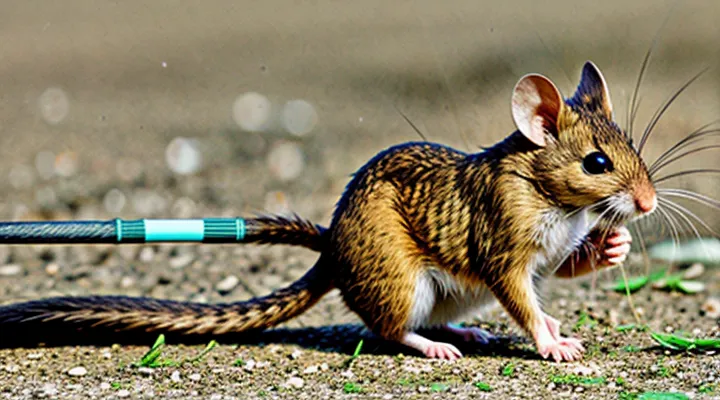
Introduction to Mice Species
Classification and Taxonomy
Common Mouse Families
Rodents classified as mice belong primarily to two families: Muridae and Cricetidae. The Muridae family contains the true mice, while Cricetidae includes several species that are colloquially referred to as field mice.
-
Muridae (subfamily Murinae)
- Genus Mus: species such as the house mouse (Mus musculus) that thrive in human dwellings and exhibit strong social structures.
- Genus Apodemus: includes wood mice and yellow-necked mice that inhabit forests, grasslands, and agricultural fields; they display solitary foraging patterns.
- Genus Rattus: occasionally grouped with mice in lay terminology; species like the Norway rat (Rattus norvegicus) occupy both urban and rural environments.
-
Cricetidae (subfamily Neotominae)
- Genus Peromyscus: known as deer mice; occupy a wide range of habitats from deserts to woodlands and display nocturnal activity.
- Genus Reithrodontomys: harvest mice; prefer moist meadows and exhibit burrowing behavior.
- Genus Microtus: while primarily voles, some species are identified locally as field mice; they construct extensive tunnel systems.
Domestic mouse populations are dominated by Mus musculus, which adapts to indoor conditions, reproduces year‑round, and tolerates higher population densities. Field mouse species, represented mainly by Apodemus, Peromyscus, and Reithrodontomys, occupy outdoor niches, display seasonal breeding cycles, and rely on natural shelters such as burrows and dense vegetation. These taxonomic distinctions clarify the behavioral differences observed between indoor and outdoor mouse populations.
Differences in Scientific Naming
The house mouse, commonly found in human dwellings, bears the binomial Mus musculus. This designation places the animal in the genus Mus and identifies the species as musculus, reflecting its long association with domestic environments.
Field mice comprise several distinct taxa that differ from the house mouse at both genus and species levels. Representative examples include:
- Apodemus sylvaticus – the wood mouse, prevalent across European woodlands.
- Apodemus agrarius – the striped field mouse, occupying grasslands and agricultural margins.
- Peromyscus maniculatus – the North American deer mouse, inhabiting diverse temperate habitats.
These taxa belong to separate genera (Apodemus and Peromyscus), indicating divergent evolutionary lineages. The house mouse’s classification within Mus contrasts with field mice’s placement in other genera, underscoring differences in phylogeny, morphology, and ecological niches.
Subspecific designations further refine the taxonomy of Mus musculus. Laboratory strains often carry the subspecies label M. m. domesticus, while wild populations in Eurasia may be identified as M. m. musculus. In contrast, field mouse species generally lack recognized subspecies in standard references, reflecting broader geographic variation without formal subdivision.
Overall, scientific nomenclature distinguishes domestic and wild murine forms by assigning them to separate genera and, where applicable, distinct species or subspecies, providing a precise framework for comparative research and conservation planning.
Distinguishing Domestic and Field Mice
Physical Characteristics
Size and Body Shape
House mice typically measure 6–10 cm in head‑body length, while field mice range from 9–13 cm. Average mass for the domestic form falls between 12–30 g; wild counterparts commonly weigh 20–45 g. Tail length reflects these differences: house mice possess tails equal to or slightly shorter than the body (5–9 cm), whereas field mice exhibit tails longer than the body (10–14 cm).
Body proportions further separate the groups. Domestic mice display a compact, rounded torso with a relatively short, robust skull. Field mice have a more elongated torso, a slender neck, and a pointed snout. The dorsal and ventral fur of house mice is uniformly soft and dense; field mice carry coarser, longer guard hairs that give a slightly ragged appearance.
Key morphological distinctions:
- Head‑body ratio: 1:1.2 in house mice; 1:1.4 in field mice.
- Tail‑to‑body ratio: ≤1.0 for domestic form; >1.0 for wild form.
- Ear size: Proportionally larger in house mice, aiding heat dissipation in indoor environments.
- Leg length: Shorter in domestic mice, supporting a sedentary, nest‑bound lifestyle; longer in field mice, facilitating rapid movement across open terrain.
These size and shape characteristics influence locomotion, foraging strategies, and predator avoidance, providing reliable criteria for species identification in research and field surveys.
Fur Color and Texture
Domestic mice typically display a uniform coat ranging from light gray to brown, often with a subtle dorsal stripe. The hair is fine, densely packed, and smooth to the touch, facilitating movement through confined spaces and human-made structures. In contrast, field mice present a more varied palette: reddish‑brown, darker gray, or even black dorsal fur, frequently accompanied by a pale under‑belly and distinct flank markings. Their pelage is coarser, with longer guard hairs that provide protection against abrasive vegetation and fluctuating outdoor temperatures.
Key distinctions in texture reflect ecological demands. The soft, short fur of house mice reduces friction within tight burrows and nesting materials, while the thicker, slightly wiry coat of field mice offers insulation against wind and moisture. Seasonal molting patterns further differentiate the species; domestic mice maintain a relatively constant coat year‑round, whereas field mice develop a denser winter pelage with increased length and lower sheen.
Typical characteristics:
- Color range: domestic – gray to brown; field – reddish‑brown, dark gray, black, often with contrasting ventral patches.
- Hair structure: domestic – fine, uniform, minimal guard hairs; field – mixed, with prominent guard hairs and a softer underlayer.
- Adaptation: domestic – optimized for indoor environments; field – suited for outdoor habitats, providing camouflage and weather resistance.
These fur attributes serve as reliable identifiers when distinguishing between the two rodent groups in field surveys or laboratory settings.
Ear and Tail Features
Ear and tail morphology provide reliable criteria for separating house mice (Mus musculus domesticus) from their wild relatives such as field mice (Apodemus spp.). These external features reflect adaptations to distinct habitats and behaviors.
Domestic mice possess relatively large, hair‑free pinnae that extend outward at a shallow angle. The lack of surrounding fur enhances auditory sensitivity in confined, indoor environments. Field mice display smaller, rounded ears partially covered by fine pelage, reducing heat loss and protecting the auditory canal from debris encountered in open terrain.
Tail characteristics differ markedly. House mice have tails that are shorter than the combined head‑body length, sparsely furred, and uniformly colored. The reduced length supports balance during rapid, erratic movements within confined spaces. Field mice exhibit tails equal to or exceeding head‑body length, densely furred, and often darker on the dorsal surface with a lighter ventral side. The elongated, tufted tail aids in thermoregulation and provides additional stability when navigating vegetation and uneven ground.
Key distinctions:
- Ear size: domestic > field
- Ear fur coverage: absent > present
- Tail length (relative to body): shorter < equal/longer
- Tail fur density: sparse > dense
- Tail coloration: uniform > bicolored
These morphological markers enable accurate identification and support investigations into the ecological and behavioral divergence between the two mouse groups.
Eye Characteristics
House mice (Mus musculus) and their wild relatives exhibit distinct ocular adaptations that reflect divergent ecological pressures. The domestic form possesses relatively larger corneal diameters, facilitating broader visual fields necessary for navigating cluttered indoor environments. In contrast, field mice display a more tapered cornea, optimizing focus on distant objects encountered in open terrains.
Key ocular differences include:
- Pupil morphology: House mice have round pupils that contract rapidly, supporting swift adjustment to fluctuating artificial light. Field mice retain elongated, horizontal pupils that maintain a stable aperture under variable natural illumination.
- Retinal composition: The domestic variant shows a higher proportion of cone photoreceptors, enhancing color discrimination in well‑lit interiors. Wild counterparts exhibit rod‑dominant retinas, improving sensitivity to low‑light conditions typical of dusk and nocturnal foraging.
- Visual acuity: Measured in cycles per degree, house mice achieve approximately 0.8, sufficient for detecting fine details on household surfaces. Field mice reach around 0.5, adequate for recognizing predator silhouettes against open horizons.
- Lens curvature: Domestic mice present a flatter lens curvature, reducing spherical aberration when focusing on near objects. Field mice possess a steeper curvature, extending focal depth for distant prey detection.
These characteristics collectively illustrate how eye morphology aligns with the behavioral strategies of each mouse type, influencing foraging patterns, predator avoidance, and habitat utilization.
Habitat and Environment
Preferred Dwellings of Domestic Mice
Domestic mice, scientifically classified as Mus musculus domesticus, habitually occupy environments that provide shelter, stable microclimate, and immediate access to food resources. Their selection criteria reflect adaptation to human‑controlled settings rather than the open habitats favored by wild relatives.
Typical indoor locations include:
- Wall voids and ceiling cavities where insulation material creates a constant temperature range of 20‑25 °C.
- Areas beneath appliances such as refrigerators, stoves, and dishwashers, which offer both warmth and proximity to food waste.
- Stored grain, cereal boxes, and pantry shelves, especially when packaging is compromised.
- Soft furnishings—fabric piles, upholstery, and bedding—where shredded material serves as nesting substrate.
Nesting behavior demonstrates a preference for soft, pliable substances. Domestic mice collect shredded paper, cotton fibers, and dried plant matter to construct compact, dome‑shaped nests. These structures are typically positioned in concealed corners, behind wall panels, or within stored items to minimize disturbance.
Moisture levels influence site selection. Mice avoid overly damp areas that promote fungal growth, yet they favor locations with slight humidity that prevents desiccation of nest material. Consequently, basements with moderate moisture and well‑ventilated crawl spaces are common occupancy zones.
Seasonal variation modestly alters dwelling choices. During colder months, mice gravitate toward heated rooms and insulated cavities, while in warmer periods they may occupy cooler storage areas such as garages or shed interiors, provided food remains accessible.
Overall, domestic mice prioritize habitats that combine thermal stability, concealment, and easy food acquisition, exploiting structural gaps and human‑generated waste to sustain populations within residential and commercial buildings.
Natural Habitats of Field Mice
Field mice, often classified within the genus Apodemus or Microtus, occupy a range of ecosystems that provide shelter, food, and breeding sites. Their preferred environments include:
- Temperate deciduous and mixed forests, where leaf litter and fallen logs create insulated burrows.
- Grassland and meadow habitats, offering abundant seed and insect resources.
- Agricultural margins, such as field edges and hedgerows, which supply both cover and crop residues.
- Riparian zones, where moist soils support dense vegetation and higher invertebrate density.
In forested areas, field mice construct complex tunnel systems beneath the litter layer, selecting sites with stable humidity and temperature. Burrows often feature multiple chambers for nesting, food storage, and predator avoidance. In open grasslands, individuals use shallow depressions and dense tussocks for concealment, relying on rapid movement to evade aerial and terrestrial predators.
Seasonal variations influence habitat use. During winter, mice retreat to deeper burrows or insulated nest sites, reducing exposure to cold and predation. In spring and summer, they expand foraging ranges to include newly germinated seeds and arthropods, frequently exploiting temporary shelters such as abandoned rabbit warrens or debris piles.
Human-modified landscapes, particularly the perimeters of cultivated fields, provide supplemental resources. Field mice exploit grain spillage, stored feed, and crop residues while maintaining distance from intensive agricultural practices that increase pesticide exposure. This adaptability allows them to persist across fragmented habitats, provided sufficient vegetative cover remains.
Overall, the natural habitats of field mice are characterized by structural complexity, moisture availability, and abundant food sources, which together sustain their reproductive cycles and population stability.
Adaptation to Human Environments
Domestic mice (Mus musculus) and field mice (Apodemus spp.) frequently occupy spaces altered by human activity, yet each species responds to those conditions in distinct ways.
Human structures provide abundant, predictable food sources. Domestic mice exploit this by developing heightened olfactory sensitivity to processed grains and waste, allowing rapid detection of caloric deposits. Field mice retain a broader dietary range, incorporating seeds, insects, and occasional anthropogenic scraps, which supports survival in more variable suburban margins.
Key adaptations include:
- Shelter selection – Domestic mice favor concealed gaps in walls, insulation, and stored‑goods compartments; field mice preferentially occupy gardens, hedgerows, and debris piles adjacent to buildings.
- Reproductive timing – Domestic mice can initiate breeding cycles year‑round when temperature and food remain stable; field mice restrict litters to warmer months, aligning offspring emergence with peak natural food availability.
- Predator avoidance – Domestic mice rely on stealth within confined indoor niches; field mice employ rapid darting movements and use of external cover to evade cats, birds, and human disturbance.
- Disease tolerance – Domestic mice exhibit increased resistance to pathogens common in urban waste, while field mice maintain immunity to a broader spectrum of parasites encountered in natural habitats.
Behavioral flexibility distinguishes the two groups. Domestic mice display reduced neophobia, readily entering novel human environments, whereas field mice demonstrate cautious exploration, retreating when human presence intensifies. Both species adjust foraging routes in response to seasonal waste patterns, but domestic mice can synchronize activity with human schedules, often becoming nocturnal to avoid direct contact.
Overall, adaptation to human‑dominated landscapes results from a combination of sensory refinement, reproductive plasticity, and habitat exploitation. These mechanisms enable domestic mice to thrive within buildings, while field mice persist at the interface of natural and built environments, preserving ecological roles despite ongoing anthropogenic pressure.
Dietary Habits
Domestic Mouse Foraging
Domestic mice exhibit foraging strategies that differ markedly from those of their wild counterparts. In a controlled environment, food availability is predictable, prompting reliance on short‑range movements and repeated use of known feeding sites. Sensory cues such as scent marks and visual landmarks guide these excursions, reducing the need for extensive exploration.
Energy intake is optimized through selective consumption of high‑calorie items. Typical domestic diets include:
- Commercial rodent pellets rich in protein and carbohydrates
- Small portions of fresh fruits and vegetables for micronutrients
- Occasional treats (e.g., nuts) that provide fats
These choices reflect an innate bias toward nutrient‑dense resources, reinforced by conditioning during early development.
Temporal patterns of foraging are governed by circadian rhythms. Activity peaks occur during the early dark phase, when locomotor drive is greatest. During these periods, mice perform rapid, repeated trips between the nest and feeding stations, minimizing exposure to predators that are absent in laboratory settings.
Learning mechanisms further refine foraging efficiency. Repeated exposure to variable food locations strengthens spatial memory, enabling mice to anticipate resource placement after a few trials. This adaptability, while less pronounced than in field mice, demonstrates the capacity of domestic mice to modify search behavior in response to environmental cues.
Field Mouse Diet Variety
Field mice exhibit a broad dietary spectrum that distinguishes them from their domestic counterparts. Their foraging habits reflect adaptation to fluctuating resource availability across habitats and seasons.
Typical food items include:
- Seeds and grains: wheat, oats, millet, and wild grass seeds.
- Invertebrates: beetles, larvae, spiders, and earthworms, especially during breeding periods.
- Fruits and berries: blackberries, raspberries, and small wild cherries.
- Vegetative material: tender shoots, leaf buds, and herbaceous stems.
- Fungal structures: mushroom caps and mycelial mats when present.
Seasonal shifts drive dietary adjustments; early spring emphasizes protein‑rich invertebrates, while late summer favors abundant seeds and fruit. Opportunistic consumption of human‑derived waste occurs near agricultural fields, expanding the nutrient profile but also exposing mice to toxins.
Nutritional balance, achieved through this varied intake, supports rapid growth, high reproductive rates, and resilience to environmental stressors. The diet’s diversity also influences seed dispersal patterns, contributing to plant community dynamics.
Reproductive Patterns
Breeding Cycles in Domestic Mice
Domestic mice (Mus musculus domesticus) exhibit a well‑characterized reproductive pattern that enables rapid population growth under laboratory or household conditions. The estrous cycle lasts 4–5 days and proceeds through proestrus, estrus, metestrus, and diestrus. Ovulation occurs spontaneously at the transition from proestrus to estrus, eliminating the need for a mating trigger. Females become receptive to males for approximately 12 hours during estrus, after which they enter a refractory period until the next cycle.
Gestation endures 19–21 days, after which a typical litter contains 5–8 pups. Neonates reach weaning weight by day 21, and females may become fertile again within 24 hours of giving birth if a male remains present, a phenomenon known as postpartum estrus. Consequently, a single breeding pair can produce 4–5 litters per year under optimal conditions.
Key factors influencing cycle regularity include:
- Photoperiod: longer daylight periods shorten the inter‑estrous interval.
- Nutrition: protein‑rich diets accelerate puberty onset and increase litter size.
- Temperature: ambient temperatures above 25 °C can suppress estrus expression.
- Social environment: overcrowding elevates stress hormones, extending the diestrus phase.
Comparatively, wild mouse populations display longer intervals between litters, lower average litter sizes, and heightened sensitivity to environmental cues, reflecting adaptation to fluctuating resources. Understanding these temporal dynamics is essential for managing breeding colonies, predicting population trajectories, and designing experiments that rely on synchronized reproductive timing.
Reproductive Strategies of Field Mice
Field mice employ reproductive tactics that maximize offspring survival in fluctuating environments. Breeding typically commences in early spring when temperatures rise and food becomes abundant, extending through late summer. Males reach sexual maturity within six weeks, females slightly later, enabling multiple reproductive cycles within a single season.
Key components of the strategy include:
- Short gestation: Approximately 19–21 days, allowing rapid turnover of litters.
- Large litters: Average of 5–8 pups, with occasional litters exceeding ten individuals.
- High frequency: Females can produce 4–5 litters per breeding season, contingent on resource availability.
- Early weaning: Pups are weaned after 21–23 days, after which they attain independence and may reproduce in the same season.
- Polygynous mating: Males defend territories that overlap with several female home ranges, increasing mating opportunities.
- Sperm competition: Males exhibit elevated testes mass relative to body size, enhancing sperm output to outcompete rivals.
- Nest selection: Females construct concealed nests in dense vegetation or burrows, providing thermal insulation and predator avoidance.
Environmental cues such as photoperiod, temperature, and food abundance trigger hormonal cascades that initiate estrus cycles. In years of poor forage, females may suppress ovulation, reducing litter size or delaying breeding entirely. Conversely, abundant conditions lead to maximal reproductive output, reinforcing population growth.
These adaptive mechanisms differentiate wild mouse reproduction from that of their domesticated counterparts, whose breeding is regulated by human-managed conditions rather than natural seasonal signals.
Litter Size and Frequency
Domestic mice typically produce larger litters than their wild counterparts, reflecting selection for rapid population growth under controlled conditions. A laboratory or house mouse can generate between five and twelve offspring per birth, with an average of eight. Breeding cycles are short; females become fertile again within three weeks after parturition, allowing up to six litters per year in optimal environments.
Field mice exhibit more conservative reproductive output. Litter sizes range from three to seven, averaging five. The interval between litters extends to four–six weeks, limiting the annual number of litters to three or four, depending on food availability and predation pressure.
-
Domestic mouse
• Litter size: 5‑12 (average ≈ 8)
• Inter‑litter interval: ≈ 21 days
• Potential litters per year: up to 6 -
Field mouse
• Litter size: 3‑7 (average ≈ 5)
• Inter‑litter interval: 28‑42 days
• Potential litters per year: 3‑4
These differences stem from distinct ecological pressures: captive environments provide constant resources and reduced mortality, while wild habitats impose variable food supplies and higher predation risk, driving a strategy of fewer, more spaced offspring.
Behavioral Patterns
Social Structures
Domestic Mouse Social Dynamics
Domestic mice (Mus musculus domesticus) form hierarchical groups that fluctuate with population density, resource availability, and environmental stability. Dominance is established through brief aggressive encounters, typically involving upright posture, tail flicking, and rapid bites. The victor gains priority access to food, nesting sites, and mating opportunities, while subordinates adopt avoidance strategies and reduced activity levels.
Reproductive behavior follows a clear pattern: dominant males monopolize estrous females, whereas subordinate males experience delayed or suppressed sexual maturation. Females preferentially associate with the most aggressive male, resulting in skewed paternity distribution within a litter. Social grooming reinforces bonds among compatible individuals, decreasing stress hormones and fostering group cohesion.
Communication relies on multimodal signals:
- Ultrasonic vocalizations (30–100 kHz) emitted during courtship and territorial disputes.
- Scent marking with urine and glandular secretions to delineate territory and convey individual identity.
- Tactile cues from whisker contact during nest building and hierarchical assessments.
Kin recognition operates through olfactory similarity, guiding cooperative behaviors such as communal nesting and shared parental care. In the absence of kin, mice may form alloparental alliances, but these are less stable and often dissolve when resources become limited.
Group composition adapts to external pressures. High pathogen load prompts increased grooming and reduced aggression, while food scarcity intensifies competition and accelerates turnover of dominant individuals. Laboratory colonies exhibit predictable cycles: an initial expansion phase, followed by a plateau where social structures stabilize, and finally a decline as overcrowding triggers dispersal or increased mortality.
Understanding these dynamics informs experimental design, pest management, and welfare protocols. Manipulating cage density, enrichment, and resource distribution can modify aggression levels, reproductive success, and overall health of captive domestic mouse populations.
Field Mouse Social Organization
Field mice, such as the meadow vole (Microtus pennsylvanicus) and the wood mouse (Apodemus sylvaticus), exhibit a social organization that varies with season, population density, and habitat structure. Individuals maintain exclusive foraging territories, especially males during the breeding season, and defend these areas through scent marking and brief aggressive encounters. Females typically occupy overlapping home ranges that intersect with the territories of one or more males, facilitating access to multiple mates.
Reproductive groups form in spring when resource abundance lowers competition. A dominant male may sire the majority of offspring within his territory, while subordinate males experience reduced breeding success. Litters consist of three to eight pups; mothers provide sole parental care, constructing nests from grass and shredded vegetation in concealed locations such as dense cover or burrows.
Communication relies on chemical and acoustic signals. Urine and glandular secretions convey individual identity, reproductive status, and territorial boundaries. Short chirps and squeaks function in alarm contexts and maintain cohesion among closely spaced females.
Seasonal shifts prompt behavioral adjustments. In autumn, declining food supplies and shortening days trigger increased aggregation, leading to larger communal foraging patches that reduce individual exposure to predation. Winter brings reduced activity, with mice occupying insulated nests and limiting movements to conserve energy.
Key aspects of field mouse social organization include:
- Territoriality: male‑centric, scent‑based, seasonal intensity.
- Mating structure: polygynous dominance hierarchies, female‑driven nest sharing.
- Parental investment: exclusive maternal care, nest construction.
- Communication: pheromonal marking, brief vocalizations for alarm and coordination.
- Seasonal plasticity: aggregation in resource‑scarce periods, reduced activity in winter.
Activity and Nocturnality
Daily Rhythms of Domestic Mice
Domestic mice exhibit a robust circadian cycle that governs locomotion, feeding, and social interactions. Activity peaks during the dark phase, with a rapid surge in wheel running, exploratory behavior, and nest construction occurring within the first two hours after lights off. Light onset triggers a swift decline in movement, followed by a period of rest and grooming that lasts approximately three to four hours.
Food intake aligns closely with the active window. Mice consume the majority of their daily caloric load between Zeitgeber Time (ZT) 12 and ZT 20, distributing meals in short bouts of 5–10 minutes. Water consumption mirrors this pattern, increasing during the early dark period and declining sharply after the light phase resumes.
Physiological processes follow predictable rhythms. Core body temperature rises by 1–2 °C during the active phase, while melatonin secretion peaks in the late night, supporting sleep consolidation. Corticosterone levels exhibit a pre‑dark surge that facilitates alertness and energy mobilization.
Typical daily schedule:
- Lights off (ZT12): Immediate activation of locomotor circuits; exploratory bouts begin.
- ZT13–ZT16: Highest feeding frequency; intense grooming and nest rearrangement.
- ZT16–ZT20: Sustained activity with intermittent rest periods; social contacts increase.
- Lights on (ZT0): Rapid reduction in movement; initiation of the main sleep episode.
- ZT1–ZT4: Deep sleep phase; body temperature and metabolic rate decline.
- ZT4–ZT12: Light phase quiescence; occasional brief arousals for maintenance behaviors.
These rhythms are consistent across laboratory strains and are regulated by the suprachiasmatic nucleus, which integrates photic cues to synchronize peripheral clocks. Disruption of the light‑dark cycle leads to measurable alterations in activity onset, feeding timing, and hormonal profiles, underscoring the dependence of domestic mice on a stable environmental timetable.
Field Mouse Activity Periods
Field mice exhibit distinct periods of activity that align with environmental cues and resource availability. Their behavior is predominantly nocturnal, with peak foraging occurring shortly after sunset and extending into the early hours of darkness. This pattern reduces exposure to diurnal predators and exploits cooler temperatures.
Seasonal shifts modify activity windows. During summer, heightened temperatures may prompt brief midday retreats to shaded burrows, while activity resumes at dusk. In winter, reduced daylight compresses active phases, often concentrating movement within the limited twilight periods and occasional warm spells.
Key factors influencing these periods include:
- Light intensity: Low illumination triggers heightened locomotion and exploratory behavior.
- Temperature: Optimal foraging temperatures range between 15 °C and 25 °C; deviations cause reduced surface activity.
- Food scarcity: Limited resources extend activity into crepuscular periods to maximize intake.
- Predation pressure: Elevated predator presence shifts activity to later night hours.
Physiological rhythms, governed by the circadian clock, synchronize with external cues to ensure energy efficiency and survival. Field mice adjust their schedules rapidly in response to abrupt changes in weather or habitat disturbance, demonstrating behavioral flexibility essential for thriving in diverse field environments.
Communication Methods
Vocalizations
Mice produce a repertoire of sounds that differ markedly between domesticated house mice and wild field mice. Acoustic recordings reveal three principal categories: ultrasonic squeaks, audible chirps, and low‑frequency thumps. Each category serves specific functions in social interaction, predator avoidance, and offspring care.
- Ultrasonic squeaks (30–100 kHz): Emitted during male courtship, female estrus signaling, and aggressive encounters. House mice generate rapid frequency‑modulated sweeps lasting 10–30 ms; field mice produce longer, more harmonic bursts with slower rise times.
- Audible chirps (2–20 kHz): Used for mother‑pup communication and group cohesion. Domestic mice emit short, high‑pitch chirps when pups solicit nursing; wild mice produce lower‑pitch calls that persist longer, facilitating coordination in complex burrow systems.
- Low‑frequency thumps (0.5–5 kHz): Associated with threat assessment and territorial displays. Both species generate brief, percussive sounds by foot‑stomping; however, field mice exhibit higher amplitude and longer duration, reflecting the need to convey warning over greater distances in open habitats.
Behavioral experiments demonstrate that ultrasonic courtship calls trigger immediate approach responses in conspecific females, while audible distress chirps elicit rapid retrieval behavior from mothers. Playback studies indicate that low‑frequency thumps suppress exploratory activity in neighboring individuals, reinforcing spatial boundaries.
Neurophysiological measurements show that domestic mice possess a more pronounced auditory cortex response to high‑frequency components, whereas field mice display heightened sensitivity to mid‑range frequencies. This divergence aligns with ecological demands: house mice operate in confined indoor environments where ultrasonic communication reduces interference, while field mice rely on a broader frequency spectrum to navigate heterogeneous outdoor territories.
Overall, vocalization patterns provide reliable indicators of species identity, reproductive status, and environmental pressures, enabling precise discrimination between the two mouse groups without visual cues.
Scent Marking
Scent marking serves as the primary communication channel for both house and wild mouse species. Individuals deposit urine, glandular secretions, and fecal pellets onto familiar surfaces, creating chemical signatures that convey identity, reproductive status, and territorial boundaries. The composition of these marks varies with species, sex, and hormonal state, allowing conspecifics to extract detailed information without visual contact.
In domestic settings, scent marking concentrates around nesting material, food storage areas, and entry points, reinforcing the animal’s perceived domain and reducing intruder incursions. Wild counterparts extend markings along travel corridors, burrow entrances, and foraging sites, establishing a network that maps resource distribution and predator avoidance routes. The frequency of deposition rises during breeding seasons, when males intensify marking to attract mates and deter rivals.
Key characteristics of scent marking:
- Chemical diversity: Urine contains volatile compounds; flank glands release fatty acids; anal glands produce pheromonal blends.
- Spatial patterning: Marks cluster near high‑traffic zones; spacing reflects territory size.
- Temporal dynamics: Freshness of deposits influences response strength; older marks lose efficacy.
- Sexual dimorphism: Males typically produce larger volumes; females supplement with estrus‑related cues.
Problematic Behaviors
Domestic Mice as Pests
Domestic mice frequently infiltrate residential and commercial structures, causing material loss, contamination, and health risks. Their small size and rapid reproduction enable populations to expand from a single breeding pair to several hundred individuals within months. Infestations compromise food stores, gnaw electrical wiring, and spread pathogens such as Salmonella and hantavirus through urine, feces, and saliva.
Key characteristics that facilitate pest status include:
- Adaptability to indoor environments – Ability to navigate tight spaces, exploit hidden voids, and utilize human-provided shelter.
- Omnivorous diet – Consumption of grains, stored products, pet food, and organic waste sustains growth even when preferred foods are scarce.
- High reproductive rate – Gestation of 19–21 days, litter sizes of 5–8 pups, and sexual maturity reached at six weeks drive exponential population increase.
- Nocturnal activity – Preference for night-time foraging reduces detection by occupants.
Effective management combines preventive measures with targeted interventions:
- Exclusion – Seal cracks, gaps, and utility penetrations larger than ¼ inch; install door sweeps and metal mesh on vents.
- Sanitation – Store food in sealed containers, remove debris, and maintain regular waste disposal to eliminate attractants.
- Monitoring – Deploy snap traps or electronic sensors in high-traffic zones; record captures to assess infestation levels.
- Population reduction – Apply snap traps, glue boards, or approved rodenticides in accordance with safety regulations; rotate bait types to prevent bait aversion.
- Professional assistance – Engage licensed pest‑control operators for extensive infestations, ensuring compliance with local health codes.
Failure to address domestic mouse infestations promptly leads to structural damage, increased utility costs, and elevated disease exposure. Integrated pest‑management practices, grounded in exclusion, sanitation, and controlled eradication, provide the most reliable solution for maintaining rodent‑free environments.
Field Mice and Agricultural Damage
Field mice (genus Apodemus) inhabit open habitats such as grasslands, crop fields, and hedgerows. Their diet consists primarily of seeds, grains, and emerging seedlings, which brings them into direct contact with cultivated plants. Seasonal fluctuations in food availability drive population peaks during the growing season, increasing the likelihood of field incursions into agricultural plots.
Damage manifests in several distinct ways:
- Seed predation: Consumption of sown seeds reduces germination rates and lowers stand density.
- Stem gnawing: Boring into young stems disrupts vascular flow, causing wilting or death of individual plants.
- Grain contamination: Excreta and nesting material contaminate harvested grain, leading to quality degradation and increased processing costs.
- Soil disturbance: Burrowing activity alters soil structure, promoting erosion and creating micro‑habitats favorable to other pests.
Economic assessments attribute up to 10 % yield loss in cereals and legumes to field‑mouse activity in temperate regions. The impact varies with crop type, planting density, and timing of mouse population surges. Integrated monitoring programs that track trap captures and field signs enable early detection of population spikes, allowing timely intervention.
Management strategies combine cultural, mechanical, and chemical measures:
- Habitat modification: Removing field margins, managing weeds, and maintaining clean storage areas reduce shelter and food sources.
- Exclusion devices: Installing rodent‑proof fencing and sealing entry points around storage facilities limit access.
- Population control: Deploying snap traps, live‑capture systems, or targeted rodenticides during peak activity periods lowers numbers while minimizing non‑target exposure.
- Biological agents: Encouraging predators such as barn owls and raptors contributes to natural regulation of mouse populations.
Effective reduction of agricultural damage requires coordinated application of these tactics, continuous field surveillance, and adaptation to local ecological conditions.
Coexistence and Management
Prevention Strategies
Securing Homes from Domestic Mice
Domestic mice commonly enter residences seeking food, shelter, and water. Effective prevention relies on eliminating access points, reducing attractants, and deploying control devices.
- Inspect exterior walls, foundations, and roof eaves for gaps larger than ¼ inch; seal with steel wool, caulk, or cement.
- Install door sweeps on all exterior doors and ensure windows close tightly.
- Repair damaged screens, vents, and utility openings; cover vent openings with mesh of ¼ inch or smaller.
- Store food in metal or glass containers; keep pantry shelves clean and free of crumbs.
- Remove standing water sources, fix leaky pipes, and dry damp areas such as basements and crawl spaces.
- Maintain vegetation at least 2 feet from the building; trim tree branches that touch the roof.
- Place snap traps or electronic traps along walls, behind appliances, and near suspected runways; check and reset daily.
- Use bait stations with anticoagulant rodenticides only where children or pets cannot access; follow label instructions precisely.
- Deploy ultrasonic repellents in rooms where traps are impractical; verify device coverage before installation.
- Conduct monthly inspections to confirm that entry points remain sealed and that no new activity signs appear.
Consistent application of these measures reduces indoor mouse populations and prevents re‑infestation.
Protecting Crops from Field Mice
Field mice inflict measurable loss on grain, vegetable, and fruit crops; their foraging habits differ markedly from those of house mice, demanding targeted protection measures.
- Reduce shelter by clearing dense vegetation, discarding crop residues, and eliminating debris that offer nesting sites.
- Install barriers such as metal mesh fences buried 30 cm underground, and cover rows with tightly woven fabric during vulnerable growth stages.
- Deploy traps strategically along field edges and near known activity zones; snap traps should be placed perpendicular to mouse runways, while live traps require frequent checking to prevent stress.
- Apply rodenticides according to label instructions, rotating active ingredients to mitigate resistance; use bait stations that restrict access to non‑target species.
- Encourage natural predators by installing perches for raptors, maintaining hedgerows for owls, and managing feral cat populations responsibly.
Maintain a systematic monitoring program: conduct weekly walk‑throughs, record damage levels, tally trap captures, and adjust tactics based on observed efficacy.
Integrate these actions within an overarching pest‑management plan that balances chemical, mechanical, and biological controls, complies with agricultural regulations, and minimizes environmental impact.
Ethical Considerations
Humane Trapping Methods
Humane trapping addresses the need to control both house mice and wild field mice without causing unnecessary suffering. Behavioral differences—domestic mice habituate to indoor environments, while field mice prefer outdoor cover—require trap designs that accommodate varied movement patterns and habitat preferences.
Effective live traps share essential attributes: secure capture chamber, smooth interior surfaces, quick-release mechanism, and easy sanitation. Materials such as stainless steel or high‑density polyethylene prevent gnawing damage and reduce stress on captured animals.
- Multi‑compartment box traps with a one‑way entry door; bait placed at the far end encourages full entry before closure.
- Funnel‑style traps that guide mice through a narrow passage into a holding compartment; the narrow entrance limits escape.
- Fold‑down cage traps equipped with a spring‑loaded latch; simple to set and release with minimal handling.
- Snap‑free live‑capture tubes featuring a transparent side for monitoring; allow rapid assessment without disturbance.
Placement strategies maximize capture rates while preserving welfare: position traps along established runways, near walls, or adjacent to food sources; use low‑odor, protein‑based baits such as peanut butter or dried insects; check traps at two‑hour intervals to prevent prolonged confinement; release captured mice at least 100 meters from the building, preferably in a habitat offering shelter and food.
Implementing these practices yields reliable population management, respects animal welfare standards, and reduces reliance on lethal methods.
Pest Control Alternatives
Effective management of commensal and wild rodent populations requires strategies that minimize reliance on toxic chemicals while addressing the distinct habits of house mice and their field counterparts. Non‑chemical approaches target the environmental conditions that attract rodents and exploit their behavioral patterns.
Habitat modification reduces shelter and food availability. Sealing cracks, installing door sweeps, and maintaining clean storage areas limit nesting sites for domestic mice. For field mice, clearing dense vegetation, removing debris, and managing compost piles diminish cover and foraging opportunities.
Physical barriers create exclusion zones. Metal mesh with apertures no larger than ¼ inch prevents entry into buildings and storage facilities. Wire‑screened vents and sealed utility penetrations stop rodents from accessing interior spaces.
Mechanical trapping provides immediate population reduction. Snap traps, electronic devices, and multi‑catch cages deliver rapid results when positioned along travel routes identified through droppings or gnaw marks. Proper placement and regular monitoring maintain efficacy.
Biological control introduces natural predators or competitors. Barn owls, feral cats, and predatory insects such as certain beetle species reduce rodent numbers through predation. Deploying pheromone‑based repellents disrupts social communication, decreasing aggregation in targeted zones.
Integrated pest management (IPM) combines these methods with systematic monitoring. Routine inspection, data‑driven decision making, and adaptation of tactics ensure sustained control while limiting environmental impact.
- Seal entry points and eliminate food sources.
- Install fine‑mesh barriers around vulnerable structures.
- Deploy appropriately placed traps for immediate reduction.
- Encourage natural predators and use pheromone disruptors.
- Conduct regular assessments to refine the control program.