
Understanding Glue Traps
What Are Glue Traps?
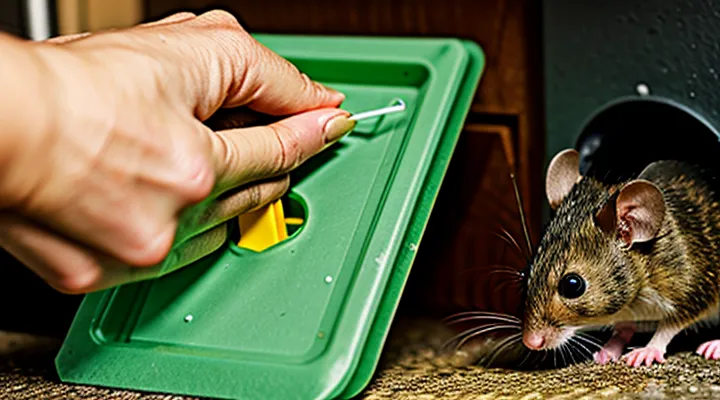
Glue traps are flat devices coated with a strong, non‑drying adhesive that immobilizes rodents upon contact. The adhesive layer is typically a clear, tacky resin applied to a cardboard or plastic backing. When a mouse steps onto the surface, the sticky surface adheres to the animal’s feet and tail, preventing movement and eventually leading to death by exhaustion, dehydration, or trauma.
Key characteristics of glue traps include:
- Immediate capture: No delay between contact and entrapment.
- Compact design: Thin, lightweight panels fit in tight spaces such as wall voids, cabinets, and under appliances.
- Passive operation: No mechanical or electronic components; placement alone determines effectiveness.
- Disposable nature: After use, the trap is sealed in a plastic bag and discarded, reducing the risk of secondary infestation.
The traps function by exploiting the natural exploratory behavior of mice, which repeatedly test surfaces with their paws and whiskers. Once an animal encounters the adhesive, the high shear resistance of the resin prevents release, making glue traps a reliable, low‑maintenance option for short‑term rodent management.
How Glue Traps Work
The Adhesive Mechanism
Adhesive mouse traps rely on a high‑tack polymer coating that remains liquid‑like until contact, then rapidly solidifies under pressure. The coating typically consists of a blend of polyacrylate or polyurethane resins combined with tackifiers such as mineral oil or synthetic rosins. This formulation provides a surface energy that exceeds that of rodent fur and paw pads, causing immediate wetting and molecular interlocking when a mouse steps onto the trap.
Key characteristics of the adhesive mechanism:
- Viscoelastic response: The polymer matrix exhibits low shear modulus, allowing it to deform around the animal’s foot while maintaining sufficient shear strength to prevent escape.
- Rapid cure: Mechanical stress triggers cross‑linking reactions that increase viscosity within seconds, locking the mouse in place.
- Temperature tolerance: Formulated to stay pliable between 0 °C and 35 °C, ensuring consistent performance across typical indoor environments.
- Non‑volatile composition: Low evaporation rates prevent drying of the surface, preserving tack over weeks of deployment.
The effectiveness of the trap depends on the interaction between the adhesive’s surface tension and the microstructure of the mouse’s pad hairs. When contact occurs, capillary forces draw the adhesive into the hair bundles, creating a suction effect that immobilizes the animal without the need for mechanical springs or poisons. Environmental contaminants such as dust or moisture can reduce adhesion; regular inspection and placement in low‑traffic, dry areas mitigate this risk.
Overall, the adhesive mechanism combines chemical tack, controlled viscoelasticity, and rapid curing to deliver a reliable, passive capture method for rodent control.
Placement Strategies
Effective placement determines the success of adhesive devices in reducing mouse activity. Position traps where rodents travel, hide, or seek food, and avoid areas frequented by humans or pets.
Identify high‑traffic zones, then distribute traps to cover those points. Use a systematic approach: start at the perimeter of the infestation, then move inward, ensuring overlapping coverage.
- Along walls, close to baseboards, and behind appliances
- Inside cabinets, pantry shelves, and under sinks
- Near entry points such as gaps around doors, windows, and utility openings
- In concealed pathways, including behind furniture and inside crawl spaces
Place each trap perpendicular to the wall, with the adhesive surface facing outward, so mice encounter it while moving along the edge. Mount traps at a height of 2–4 inches above the floor, matching the typical rodent run line. Secure devices to prevent displacement by vibrations or accidental contact.
Inspect traps daily. Replace saturated units promptly to maintain efficacy, and record capture locations to refine future placement. Continuous monitoring allows adjustment of trap density and relocation to emerging activity zones.
Advantages of Using Glue Traps
Effectiveness in Catching Mice
Adhesive traps capture mice by immobilizing them on a coated surface, eliminating the need for lethal mechanisms. Field studies report capture rates between 70 % and 95 % when traps are positioned along established runways and near food sources. Laboratory trials confirm that a single trap can retain multiple individuals, reducing the number of devices required for effective control.
Key variables influencing capture efficiency include:
- Placement accuracy: traps aligned with walls, baseboards, and concealed pathways increase encounter probability.
- Bait selection: high‑protein or grain‑based attractants raise initial contact rates by 15–30 % compared to unbaited traps.
- Environmental conditions: temperature above 10 °C preserves adhesive strength; humidity below 80 % prevents premature loss of tack.
- Trap maintenance: replacing compromised traps every 7–10 days sustains optimal performance.
Maximizing results involves systematic inspection of infestation zones, strategic deployment of baited traps at intervals of 1–2 m, and regular replacement to counter degradation. When integrated into a comprehensive integrated pest management plan, adhesive devices provide a reliable, non‑chemical solution for reducing mouse populations.
Ease of Use
Adhesive mouse traps provide a straightforward solution for rodent control. The device arrives pre‑coated, eliminating the need for additional bait or complex assembly. Users can handle the trap with a single pair of gloves, reducing exposure to contaminants.
- Remove the protective film from the adhesive surface.
- Position the trap along runways, behind appliances, or near entry points.
- Press firmly for a few seconds to ensure full contact with the floor or wall.
Installation requires no tools, no calibration, and no electricity. The trap remains effective for several weeks, maintaining consistent stickiness under normal indoor conditions.
When a capture occurs, the trap can be sealed in a disposable bag and discarded according to local waste regulations. This process limits contact with the captured animal and prevents secondary infestations. The overall procedure—from unpacking to disposal—completes within minutes, supporting rapid response in residential or commercial settings.
Non-Toxic Nature
Adhesive mouse traps rely on a non‑toxic formulation that eliminates the need for poisons, anticoagulants, or volatile chemicals. The glue surface consists of food‑grade polymers that remain inert to humans and domestic animals while retaining sufficient tackiness to immobilize rodents instantly.
Key safety aspects include:
- No hazardous residues; the polymer matrix does not release toxins when handled or disposed of.
- Compatibility with children’s environments; the material poses no ingestion risk because it is not edible and does not contain allergens.
- Minimal environmental impact; the glue degrades slowly without leaching harmful substances into soil or water.
Disposal procedures require sealing the trap in a rigid container before removal, preventing accidental contact and ensuring that the immobilized mouse is contained securely. This approach satisfies regulatory standards for non‑chemical pest control and supports responsible pest management practices.
Disadvantages and Concerns
Ethical Considerations
Animal Welfare Issues
Adhesive traps intended for rodent control raise significant animal welfare concerns. The mechanism relies on immobilizing mice with a sticky surface, preventing escape and causing prolonged suffering. Physical restraint leads to dehydration, starvation, and severe stress responses, which can culminate in self‑inflicted injuries as the animal attempts to free itself. The pain associated with the adhesive’s contact with fur and skin is documented in veterinary studies, indicating a high level of distress.
Non‑target capture compounds the ethical issue. Small mammals such as shrews, voles, and even domestic pets may become ensnared inadvertently. Once trapped, these animals experience the same physiological trauma as the intended rodent, without any justification for their capture. This collateral impact undermines humane pest‑management objectives and conflicts with legal protections for wildlife in many jurisdictions.
Regulatory frameworks address these problems variably. Some regions have enacted bans or restrictions on adhesive devices for pest control, citing humane standards and consumer safety. Enforcement typically requires manufacturers to label products with warnings about non‑target risks and to provide instructions for humane disposal. Compliance monitoring, however, remains inconsistent, leading to continued use in residential and commercial settings.
Alternatives that mitigate welfare concerns include:
- Snap traps with quick‑kill designs, calibrated to cause instantaneous death.
- Live‑capture cages combined with immediate release or humane euthanasia by qualified personnel.
- Integrated pest‑management (IPM) strategies that emphasize sanitation, exclusion, and population monitoring to reduce reliance on lethal devices.
Adopting these methods reduces the incidence of prolonged suffering and aligns pest control practices with recognized animal welfare standards.
Prolonged Suffering
Glue‑based mouse traps immobilize rodents by adhering them to a sticky surface. The adhesive prevents escape, forcing the animal to remain in place until death occurs. This immobilization produces several physiological stressors that extend the dying process.
The primary mechanisms of prolonged suffering include:
- Respiratory distress – the animal’s weight compresses its chest, limiting airflow and causing gradual asphyxiation.
- Dehydration – inability to reach water leads to fluid loss over several hours.
- Thermoregulatory failure – trapped mice cannot regulate body temperature, resulting in hypothermia or hyperthermia depending on ambient conditions.
- Self‑inflicted injury – attempts to free themselves cause abrasions, tearing of fur, and damage to limbs.
- Neurological stress – sustained panic and fear elevate cortisol levels, intensifying pain perception.
These factors combine to produce a death timeline that can extend from minutes to many hours, contrasting sharply with instantaneous kill methods such as snap traps. The extended period of agony raises ethical concerns and may violate animal welfare regulations in jurisdictions that require humane pest control.
Mitigation strategies focus on replacing adhesive devices with alternatives that deliver rapid, fatal outcomes. Options include:
- Snap mechanisms that kill instantly.
- Electronic devices delivering a lethal shock.
- Live‑capture traps combined with immediate release or euthanasia according to humane standards.
Adopting such alternatives eliminates the prolonged distress associated with glue traps while maintaining effective rodent management.
Safety Risks
Accidental Trapping of Non-Target Animals
Adhesive mouse traps are widely employed for rodent control, yet their indiscriminate nature often captures unintended wildlife. Small mammals such as shrews, voles, and chipmunks are frequently caught because they share habitats with mice and cannot differentiate the trap’s surface. Ground‑dwelling reptiles, including lizards and small snakes, may become ensnared while searching for insects. Juvenile birds that forage near floor level, especially sparrows and finches, are at risk when traps are placed in open areas or near nesting sites. Insects and arthropods, while not the primary target, can also be immobilized, leading to unnecessary mortality.
Mitigation measures include:
- Positioning traps along interior walls, away from corners and baseboards where non‑target animals travel.
- Elevating traps on platforms or shelves to exceed the typical height of small mammals and reptiles.
- Using bait that specifically attracts mice, such as peanut butter, while avoiding attractants favored by other species.
- Monitoring traps at least twice daily to release non‑target captures promptly.
- Employing alternative control methods—live‑catch traps, exclusion devices, or targeted baits—in environments with known wildlife activity.
Regulatory guidelines often require documentation of non‑target captures and may restrict adhesive traps in ecologically sensitive areas. Compliance with local wildlife protection statutes reduces legal liability and supports biodiversity preservation while maintaining effective rodent management.
Risk to Children and Pets
Adhesive mouse traps rely on a sticky surface that immobilizes rodents upon contact. The same adhesive can cause severe injury if a child or pet touches the trap, leading to skin tearing, pain, and potential infection.
Children are at risk of accidental contact. Small hands can grasp the trap, pulling it onto skin or nails. Ingestion may occur if a child places a trapped mouse or the trap itself in the mouth, resulting in gastrointestinal blockage or mucosal damage. Skin exposure can cause painful detachment of fur or hair, and the strong adhesive may adhere to clothing, creating secondary hazards.
Pets face similar dangers. Dogs and cats may investigate the trap out of curiosity, stepping on or biting it. Consequences include:
- Skin lacerations where the adhesive bonds to fur or paws
- Oral injuries if the animal bites the trap
- Gastrointestinal complications if the animal swallows a trapped mouse or part of the trap
Preventive actions reduce exposure:
- Position traps inside sealed containers or behind low‑profile barriers
- Install traps in areas inaccessible to children and pets, such as crawl spaces or utility closets
- Use bait that does not attract non‑target species
- Monitor trap locations regularly and remove traps promptly after capture
- Consider alternative control methods, such as snap traps with safety shields or electronic devices, when households include vulnerable members
If contact occurs, immediate steps are essential:
- Remove the animal or child from the trap without pulling the adhesive.
- Apply a mineral oil or petroleum jelly to the affected area to loosen the glue.
- Gently peel the adhesive away; seek medical attention if skin damage is extensive or if ingestion is suspected.
- Document the incident and reassess trap placement to prevent recurrence.
Limited Efficacy for Large Infestations
Adhesive mouse traps can reduce small numbers of rodents, but they lose effectiveness when infestations exceed a few individuals per hundred square feet. The traps capture only a fraction of the population, allowing the remaining mice to continue breeding and spreading.
- Limited capture capacity; a single trap holds one or two mice before becoming unusable.
- Rapid saturation in high‑density areas reduces overall kill rate.
- Mice learn to avoid surfaces that feel sticky, especially after encountering a dead conspecific.
- Placement challenges increase as larger infestations require extensive coverage, raising labor and material costs.
- Environmental factors such as dust or moisture diminish adhesive strength, further lowering success.
Consequently, reliance on sticky traps alone rarely achieves eradication in extensive infestations. Integrated pest management (IPM) strategies—combining bait stations, exclusion techniques, and sanitation—are necessary to suppress populations to levels where adhesive devices become practical.
Effective implementation includes sealing entry points, reducing food sources, monitoring activity with snap traps, and employing chemical baits only where regulatory guidelines permit. This multi‑modal approach compensates for the inherent limitations of adhesive traps and accelerates population decline.
Best Practices and Alternatives
Proper Disposal of Trapped Mice
When a mouse is caught in an adhesive trap, immediate and safe disposal prevents disease spread and environmental contamination. Follow these procedures:
- Wear disposable nitrile gloves to avoid direct contact with the rodent and glue residue.
- Place the entire trap, including the mouse, into a sturdy, sealable plastic bag.
- Expel excess air, seal the bag tightly, and double‑bag for added security.
- Transfer the sealed bag to a regular household waste container that is collected by a licensed landfill service.
- Record the disposal date on the bag’s exterior; this assists in tracking pest‑control activities and compliance with local ordinances.
After removal, clean the surrounding area:
- Apply a commercial adhesive remover or a solution of warm water and mild detergent to dissolve residual glue.
- Wipe surfaces with a disposable cloth, then discard the cloth in a sealed bag.
- Disinfect the cleaned zone with an EPA‑approved sanitizer, allowing the recommended contact time before reuse.
Adhere to municipal regulations regarding rodent carcass disposal; some jurisdictions require placement in a designated biohazard container or submission to a pest‑control professional. Failure to comply may result in fines or increased health risks.
Maintain a log of trap locations, capture dates, and disposal actions. This record supports effective monitoring, informs future placement strategies, and demonstrates responsible pest‑management practices.
Humane Release Options
Glue traps capture mice by adhesion, creating a situation where immediate removal is often required to avoid prolonged suffering. When a humane approach is desired, the following release methods can be employed safely and effectively.
- Apply a few drops of vegetable oil or mineral oil to the adhesive surface, allowing the mouse to detach without tearing skin.
- Use a thin, flexible spatula to gently lift the mouse from the glue, supporting the body to prevent stress.
- Transfer the mouse into a container with soft bedding, then release it outdoors at least 100 meters from the original capture site to reduce the chance of re‑entry.
Before release, inspect the animal for injuries such as torn fur or skin. If damage is evident, consult a wildlife rehabilitator rather than attempting release. After handling, clean the trap with a solvent recommended by the manufacturer, then dispose of it according to local regulations to prevent accidental capture of non‑target species.
Implementing these steps ensures that the use of adhesive devices aligns with ethical standards while maintaining control over rodent populations.
Integrated Pest Management Approaches
Snap Traps
Snap traps are mechanical devices that kill rodents instantly by applying a rapid, high‑force spring to the mouse’s neck or spine. The trap consists of a base, a spring‑loaded bar, and a trigger plate that releases the bar when the mouse contacts the bait.
The operating principle relies on a tensioned spring held in a cocked position. When the mouse steps on the trigger, the spring releases, driving the bar forward at speeds exceeding 10 m/s. This kinetic energy produces a lethal impact without the need for poisons or chemicals.
Key advantages and limitations
- Immediate kill reduces suffering and prevents disease transmission.
- Reusable after each capture; no consumable components required.
- Low cost per unit; inexpensive materials allow widespread deployment.
- Visible kill may deter additional rodents in the vicinity.
- Requires careful placement to avoid accidental activation by humans or pets.
- May be less effective in cluttered environments where mice can avoid the trigger.
When choosing snap traps, consider the following criteria:
- Spring strength: stronger springs deliver faster bar movement, increasing lethality.
- Trigger sensitivity: adjustable triggers accommodate different mouse sizes and activity levels.
- Bait compatibility: traps should hold a variety of attractants without compromising the trigger mechanism.
- Construction material: stainless steel or hardened plastic resist corrosion and extend service life.
Effective deployment follows a systematic approach. Position traps along walls, behind appliances, and near known gnawing sites, as mice travel close to edges. Place the trigger side facing the wall to align with the natural travel path. Use a small amount of high‑protein bait—such as peanut butter or dried seed—to entice the rodent onto the trigger plate.
Safety measures include wearing gloves during setup, inspecting traps for damage before each use, and securing captured rodents in sealed containers before disposal. After a capture, reset the spring, replace the bait, and relocate the trap if activity shifts. Regular monitoring—daily or every other day—ensures timely removal of dead mice and maintains trap effectiveness.
Live Traps
Live traps provide a non‑lethal alternative to adhesive mouse control devices. They capture rodents without causing injury, allowing release outdoors after verification of species and health status. Construction typically involves a sturdy cage, a spring‑loaded door, and a bait compartment that lures the mouse into the enclosure.
Advantages include:
- Prevention of secondary poisoning when other pest‑control methods are present.
- Compatibility with humane‑policy regulations in residential and commercial settings.
- Reusability after thorough cleaning and disinfection.
Effective deployment requires strategic placement near walls, behind appliances, and along known travel routes. Bait selection influences success; high‑protein options such as peanut butter or dried fruit improve capture rates. Regular monitoring—at least once daily—ensures timely release and reduces stress on captured animals.
Limitations consist of higher initial cost compared to single‑use adhesive traps and the need for ongoing maintenance. Additionally, live traps do not eliminate the attraction sources that draw mice into a building; comprehensive sanitation and exclusion measures remain essential. Integrating live traps with these preventive actions creates a balanced approach to mouse management that respects both efficacy and animal welfare.
Professional Pest Control
Professional pest‑control operators rely on adhesive mouse traps as a rapid‑response tool for detecting and reducing rodent activity in commercial and residential settings. The devices capture individuals instantly, providing clear evidence of infestation and enabling timely intervention.
Effective trap selection follows strict criteria. Operators choose products with high‑strength adhesive, weather‑resistant backing, and a size appropriate for the target species. Certified manufacturers supply traps that meet regulatory standards for humane treatment and environmental safety.
Placement follows a systematic grid based on rodent travel paths. Traps are positioned within 2 ft of walls, behind appliances, and in concealed corners where mice seek shelter. Each unit is secured to a flat surface to prevent displacement and to maximize contact with the animal’s paws.
Safety protocols protect occupants and service personnel. Operators wear disposable gloves, avoid direct handling of captured rodents, and store used traps in sealed containers before disposal. Local health codes dictate that adhesive traps be removed and destroyed within a specified timeframe to prevent secondary contamination.
Monitoring includes recording trap locations, capture dates, and specimen counts. Data are entered into a centralized log, allowing trend analysis and adjustment of control strategies. Regular inspection cycles, typically weekly, ensure that trap efficacy remains high and that any resurgence is addressed promptly.
Adhesive trapping integrates with broader pest‑management programs. It complements exclusion measures, sanitation improvements, and, when necessary, baiting operations. A layered approach reduces reliance on any single method, enhances overall success rates, and aligns with integrated pest‑management (IPM) principles.