
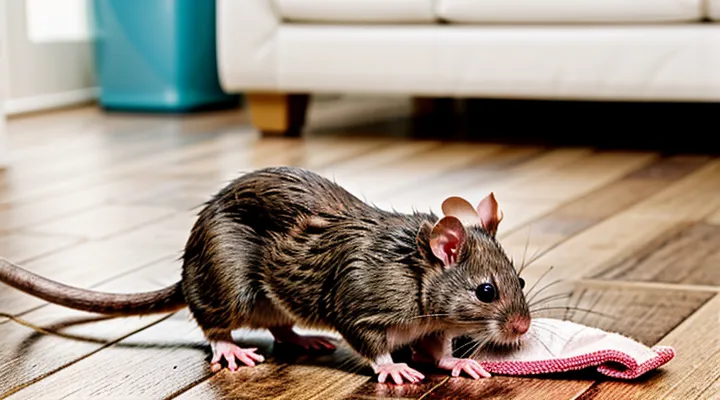
Understanding the Problem
Identifying the Source
Signs of a Dead Rodent
A dead rodent hidden beneath flooring produces distinct indicators that signal its presence.
- Persistent, foul odor resembling rot or ammonia, especially after the space has been sealed for several hours.
- Small, dark droppings near baseboards, vents, or along the floor edges, often accompanied by urine stains that appear wet or glossy.
- Visible gnaw marks on wooden joists, insulation, or plastic sheeting, suggesting scavenging activity.
- Accumulation of insects such as beetles or flies, which are attracted to decomposing tissue.
- Localized discoloration or staining of carpet, tile grout, or floorboards caused by fluid leakage from the carcass.
These signs typically emerge within 24–48 hours after the animal dies. Prompt identification allows for targeted removal and effective odor mitigation.
Locating the Carcass
Finding the source of a foul odor beneath flooring requires a systematic approach. Begin by clearing the area of furniture, rugs, and any loose debris to expose the floor surface. Use a bright flashlight to scan seams, cracks, and gaps where a small body could be concealed. Pay particular attention to areas around pipes, vents, and baseboards, as rodents often seek shelter near these structures.
Next, employ a probing tool such as a thin, rigid rod or a long screwdriver. Gently insert the instrument into suspect openings, feeling for resistance that may indicate solid tissue. A sudden change in texture or a soft, spongy sensation often marks the presence of a carcass.
If visual and tactile methods are inconclusive, introduce a flexible inspection camera. Feed the camera through the same openings to obtain a real‑time view of hidden spaces. Record any anomalies for later reference.
Supplement the search with a moisture meter. Elevated moisture readings can signal decomposition fluids, guiding the probe toward the exact location. Follow the highest reading with a targeted probe or camera insertion.
Finally, document the identified spot, mark it with tape, and prepare for safe removal. This precise identification minimizes unnecessary demolition and accelerates odor elimination.
Health and Safety Concerns
Potential Risks
Removing the odor of a deceased rodent hidden beneath flooring can expose occupants and property to several hazards.
- Bacterial contamination: Decomposing tissue releases pathogens such as Salmonella, E. coli, and leptospira, which may cause gastrointestinal and respiratory infections when inhaled or contacted.
- Mold growth: Moisture retained in the carcass creates an ideal substrate for mold spores, leading to indoor air quality deterioration and allergic reactions.
- Structural decay: Acidic decomposition fluids can corrode wooden joists, drywall, and insulation, weakening load‑bearing elements and increasing the risk of collapse.
- Chemical exposure: Disinfectants, ozone generators, and enzymatic cleaners used to neutralize odor may emit volatile organic compounds (VOCs) that irritate eyes, skin, and lungs.
- Toxic gases: Putrefaction produces ammonia, hydrogen sulfide, and methane; prolonged inhalation can cause headaches, nausea, and, at high concentrations, loss of consciousness.
- Pest resurgence: Incomplete removal of carcass remnants can attract flies, beetles, and other scavengers, creating a secondary infestation.
- Legal liability: Failure to address hazardous conditions promptly may violate health‑and‑safety regulations, exposing property owners to fines or litigation.
- Property value decline: Persistent odor and visible damage lower marketability and resale price.
Assessing these risks before initiating odor‑removal procedures ensures appropriate protective measures, such as personal protective equipment, ventilation, and professional remediation, are implemented.
Protective Measures
When dealing with a decomposing rodent hidden beneath floorboards, safety must precede any odor‑removal effort. Wear a disposable respirator or N‑95 mask, chemical‑resistant gloves, and a disposable coverall to prevent skin contact with toxic gases and bodily fluids. If available, add eye protection to shield against splashes.
Ensure adequate airflow before beginning work. Open windows, use portable fans, and position a high‑efficiency particulate air (HEPA) filter unit to draw fumes away from occupied areas. Seal adjacent rooms with plastic sheeting and tape to contain the smell.
Contain the carcass and contaminated debris in a double‑bagged, sealable plastic bag. Tie the inner bag tightly, place it inside a second bag, and label it as hazardous waste. Follow local regulations for disposal, typically by delivering to a licensed biohazard collection service.
After removal, clean the affected floor surface with an enzymatic cleaner designed to break down organic residues. Apply the solution according to the manufacturer’s instructions, allow sufficient dwell time, then rinse with clean water. Follow with a disinfectant containing at least 70 % alcohol or a quaternary ammonium compound to eliminate remaining pathogens.
Finally, discard all protective gear and cleaning materials in sealed waste containers. Wash hands thoroughly with soap and water, even if gloves were worn. Perform a final ventilation cycle for at least 30 minutes before reoccupying the space.
Remediation Steps
Accessing the Area
Methods for Access
Accessing the cavity beneath flooring is a prerequisite for eliminating the odor of a deceased rodent. The following procedures ensure safe and efficient entry:
- Remove baseboard trim with a pry bar, taking care not to damage surrounding wall material.
- Cut a small inspection panel in the subfloor using a circular saw set to the appropriate depth; seal the opening after removal of the carcass.
- Locate a pre‑existing access hatch or utility opening; if present, clear any debris to reach the affected area.
- Use a flexible inspection camera through a floor vent or gap to confirm the exact position of the source before committing to larger demolition.
- In homes with raised flooring, lift a section of floorboards by loosening nails or screws; replace the boards after cleaning and drying.
Each method requires proper protective equipment, including gloves, mask, and eye protection. After gaining entry, remove the carcass, clean the space with an enzymatic cleaner, and allow thorough ventilation before resealing the opening.
Tools and Equipment
When tackling odor elimination from a decomposed rodent concealed beneath flooring, selecting the proper instruments determines effectiveness and safety.
A portable respirator with a P100 filter protects the airway from volatile compounds and dust. A sturdy utility knife or oscillating multitool enables precise removal of damaged floor sections without excessive damage to surrounding material. Heavy‑duty gloves made of nitrile or cut‑resistant fabric prevent skin contact with bacterial residue. A flashlight with a flexible neck illuminates hidden cavities, allowing inspection of the affected area.
To neutralize the odor, employ the following equipment:
- Activated‑charcoal bags or filters, positioned directly over the cavity for adsorbing volatile organic compounds.
- Enzyme‑based cleaner, sprayed onto contaminated surfaces to break down organic matter.
- Ozone generator, set to a low‑dose cycle for a limited period to oxidize lingering smell molecules.
- HEPA‑rated shop vacuum, fitted with a sealed container, to extract debris and residual moisture after cleaning.
- Sealant or epoxy filler, applied after the area is fully dried to close gaps and prevent future odor ingress.
Additional tools that facilitate the process include a pry bar for lifting floorboards, a moisture meter to verify dryness before sealing, and disposable plastic sheeting to contain contaminants during removal. Using this combination of protective gear and odor‑mitigating devices ensures complete eradication of the unpleasant scent while maintaining structural integrity.
Carcass Removal
Handling and Disposal
When a rodent carcass lies beneath flooring, the odor persists until the body is removed and the area is properly sanitized. Effective handling and disposal require strict adherence to safety protocols and thorough cleaning.
First, equip yourself with disposable gloves, a N‑95 respirator, eye protection, and a disposable coverall. Ventilate the space by opening windows and using fans to direct air outward. Locate the exact position of the dead animal by inspecting for discoloration, moisture, or a distinct odor trail. If the floor covering can be lifted without damage, carefully remove the panel or tile to expose the carcass.
The removal process should follow these steps:
- Containment – Place the carcass in a sealed, heavy‑duty plastic bag. Double‑bagging prevents leakage of fluids and odor.
- Disinfection – Spray the exposed area with a hospital‑grade disinfectant (e.g., a 10% bleach solution). Allow the solution to remain for at least 10 minutes to kill bacteria and neutralize odors.
- Cleaning – Scrub the surface with a stiff brush, then rinse with clean water. Dry thoroughly to inhibit mold growth.
- Sealing – Apply a thin layer of odor‑blocking sealant or primer to the wood or subfloor before reinstalling the flooring material.
- Waste disposal – Dispose of the sealed bags according to local hazardous‑waste regulations. Do not place them in regular trash if prohibited by municipal codes.
After the carcass is removed and the area treated, monitor the space for residual smell over the next 24–48 hours. If odor persists, repeat the disinfection step and consider using an activated‑charcoal absorber or an enzymatic cleaner specifically designed for organic residues. Proper handling and disposal eliminate the source of the foul smell and protect indoor air quality.
Cleaning the Area
When the odor originates from a deceased rodent beneath flooring, thorough decontamination of the affected zone is essential to eliminate the nuisance and prevent health hazards.
Begin by protecting yourself. Wear disposable gloves, a mask rated for organic vapors, and eye protection. Open windows and use fans to increase airflow, directing stale air toward the exterior.
Step‑by‑step cleaning protocol
- Locate and remove the source – Cut a small access panel in the floor covering, extract the carcass, and place it in a sealed bag for disposal according to local regulations.
- Dispose of contaminated material – Discard any absorbent pads, insulation, or wooden fragments that have absorbed fluids. Seal them in a separate bag before removal.
- Sanitize the cavity – Apply an enzymatic cleaner or a solution of 1 part bleach to 9 parts water to all surfaces. Scrub with a stiff brush, ensuring contact with crevices and joist gaps.
- Rinse and dry – Flush the area with clean water, then use a wet‑vac or absorbent towels to remove excess moisture. Deploy a dehumidifier until the space is completely dry.
- Neutralize residual odor – Sprinkle baking soda or place activated charcoal sachets inside the cavity for several hours. Replace with fresh material if the smell persists.
- Seal the opening – Repair the floor panel using appropriate flooring material and sealant to prevent future ingress of pests and moisture.
After completing these actions, monitor the area for any lingering odor over the next 24‑48 hours. If the smell remains, repeat the sanitizing and neutralizing steps, or consider professional ozone treatment.
Odor Neutralization
Initial Deodorizing Techniques
The first step in eliminating the odor of a deceased rodent hidden under flooring involves rapid removal of moisture and surface contaminants, followed by application of absorptive and neutralizing agents.
- Ventilate the area: open windows, use fans to create cross‑draft, and keep airflow continuous for at least several hours.
- Absorb excess liquid: place disposable towels or absorbent pads on the affected spot, replace when saturated.
- Apply an enzymatic cleaner: spray a solution specifically designed to break down animal proteins; allow the product to sit according to manufacturer instructions, then blot dry.
- Deploy activated charcoal or baking soda: spread a thin layer over the source area, let it sit for 12–24 hours, then vacuum thoroughly.
- Use a commercial odor‑neutralizing spray: choose a product containing cyclodextrin or ozone‑generating technology; mist the space lightly, ensuring even coverage without over‑saturation.
These actions create a dry, well‑ventilated environment while chemically degrading the source of the foul smell, preparing the site for any further deep‑cleaning measures.
Long-Term Solutions
Eliminate the source of odor by removing the carcass and any contaminated material from beneath the floorboards. After extraction, clean the area with an enzymatic cleaner that breaks down organic residues, then rinse with a mild disinfectant. This step prevents the smell from re‑emerging and prepares the surface for further treatment.
Control moisture to inhibit bacterial growth. Install a vapor barrier beneath the flooring, repair any leaks in plumbing or roofing, and use a dehumidifier to keep relative humidity below 50 %. Dry conditions reduce the likelihood of future decomposition odors.
Create a sealed environment that blocks pest entry. Apply a silicone‑based sealant around gaps, vents, and utility penetrations. Replace damaged insulation with mold‑resistant material, and consider installing metal flashing around the perimeter of the floor cavity. A continuous barrier stops rodents from re‑infesting the space.
Adopt a maintenance schedule that includes:
- Quarterly inspection of the subfloor for signs of moisture, damage, or rodent activity.
- Annual application of a professional-grade odor‑neutralizing treatment.
- Periodic engagement of a licensed pest‑control service for monitoring and preventative measures.
Consistent implementation of these measures provides lasting odor control and safeguards the living area from recurring contamination.
Ventilation Strategies
Eliminating the odor caused by a deceased rodent beneath flooring requires rapid removal of contaminated air and introduction of fresh air. Increasing air exchange prevents the scent from lingering and reduces the risk of secondary contamination.
- Open all accessible windows and exterior doors to create a path for indoor air to exit.
- Place a high‑velocity floor fan near the affected area, directing airflow outward through an open window or door.
- Install a temporary exhaust fan in a nearby vent or attic opening, ensuring continuous draw of stale air.
- Deploy an air purifier equipped with an activated‑carbon filter; position it centrally to treat circulating air.
- If the building’s HVAC system includes a fresh‑air intake, set it to “outside air” mode and increase fan speed.
- Use a dehumidifier to lower humidity, which slows the release of odor molecules.
- For severe cases, consider a calibrated ozone generator; operate only in unoccupied space and ventilate thoroughly afterward.
Position fans to achieve cross‑ventilation: one fan pushes air out, another pulls fresh air in. Run the system for at least 24 hours, checking that airflow remains steady. Replace filters on purifiers and exhaust units after each use. Once the smell dissipates, seal cracks and gaps in the floor to prevent future odor migration. Continuous monitoring of air quality with a portable sensor confirms successful remediation.
Prevention and Follow-Up
Rodent Control Measures
Sealing Entry Points
Sealing entry points is a critical step in eliminating lingering odor from a deceased rodent beneath flooring. Properly closed gaps prevent airflow that carries the smell into living spaces and block future infestations.
Identify all potential openings. Inspect the perimeter of the room, baseboards, utility penetrations, and gaps around pipes or vents. Use a flashlight to reveal cracks as small as a quarter inch.
Apply durable sealing materials. Choose silicone caulk for flexible joints, expanding foam for larger voids, and steel wool combined with caulk for rodent-sized holes. Ensure the surface is clean and dry before application to achieve a strong bond.
After sealing, verify the work. Run a hand along sealed areas to detect any remaining drafts. Reapply sealant where necessary. Finally, monitor for odor recurrence; a properly sealed environment should show a rapid reduction in smell.
Trapping and Baiting
Dead rodents hidden beneath flooring generate persistent odor that will not dissipate until the carcass is removed and future intrusions are stopped. Trapping and baiting provide a practical method for locating and extracting the source while discouraging additional pests.
Choose a trap type that matches the situation. Snap traps deliver rapid death and are suitable for confined spaces; live‑catch traps allow relocation when humane handling is required; adhesive boards reveal activity without killing the animal. Position devices directly over suspected entry points, along walls, and in any voids where movement has been detected. Secure each trap firmly to prevent displacement by foot traffic or vibration.
Effective bait combinations include:
- Peanut butter mixed with oats – strong scent, adheres to trap surface.
- Fresh fruit (apple or banana) – attracts omnivorous rodents, short‑lived appeal.
- Commercial rodent attractant gel – formulated for consistent release, low waste.
Apply a pea‑sized amount to the trigger mechanism, ensuring the lure does not obscure the trap’s sensitivity. Replace bait daily until activity ceases, then remove all devices.
After the carcass is recovered, seal identified gaps with steel wool, caulk, or expanding foam to block re‑entry. Follow up with a thorough vacuum of debris, then treat the area with an enzymatic deodorizer to break down odor‑causing compounds. Continuous monitoring with a single trap for two weeks confirms that the problem has been fully resolved.
Monitoring and Maintenance
Post-Removal Inspection
After the carcass has been extracted, a thorough inspection confirms that the odor source is eliminated and that the floor structure remains sound. Begin by ventilating the area for at least 30 minutes; use high‑capacity fans to circulate fresh air. While the space is still moist, inspect the following elements:
- Surface condition – Examine wood, drywall, or laminate for discoloration, swelling, or lingering stains that indicate residual fluids.
- Insulation and cavity walls – Peel back any accessible panels to verify that insulation fibers are dry and free of contamination. Replace any material that shows signs of decay.
- Seals and joints – Check gaps around baseboards, vent ducts, and pipe penetrations. Apply a sealant that resists moisture and odor absorption if any openings are detected.
- Odor testing – Use a calibrated olfactory meter or a professional-grade electronic nose to measure volatile organic compounds (VOCs). Readings below 0.5 ppm confirm acceptable air quality.
- Moisture levels – Deploy a hygrometer or moisture meter on the subfloor. Values under 12 % relative humidity indicate that no hidden seepage remains.
Document each observation with photographs and measurement data. If any parameter exceeds the acceptable threshold, repeat cleaning, decontamination, or replace the affected component before closing the job. A final walk‑through with a neutral‑nose assessor ensures that the space is ready for normal occupancy.
Addressing Residual Odor
Eliminate lingering odor by targeting the source, treating the affected area, and preventing re‑emission. Begin with thorough inspection to locate any concealed tissue, droppings, or moisture that can sustain the smell. Remove all visible debris, then scrub the subfloor surface with a detergent solution to dissolve organic residues.
- Apply an enzymatic cleaner specifically formulated for protein‑based odors; follow manufacturer’s contact time to ensure complete breakdown.
- Rinse the area with clean water and extract excess liquid with a wet‑vac or shop‑vac.
- Disinfect with a diluted bleach solution (1 part bleach to 10 parts water) to destroy remaining bacteria.
- Sprinkle a layer of activated charcoal or baking soda; allow it to sit for 24 hours, then vacuum thoroughly.
- Seal the subfloor with a low‑odor epoxy or polyurethane coating to trap any residual molecules.
Enhance ventilation by installing fans or using a portable air mover for several days. Monitor the space with an odor detector or by periodic sniff tests; repeat the neutralization step if any scent persists. Proper drying, thorough cleaning, and sealing together ensure the odor does not return.