
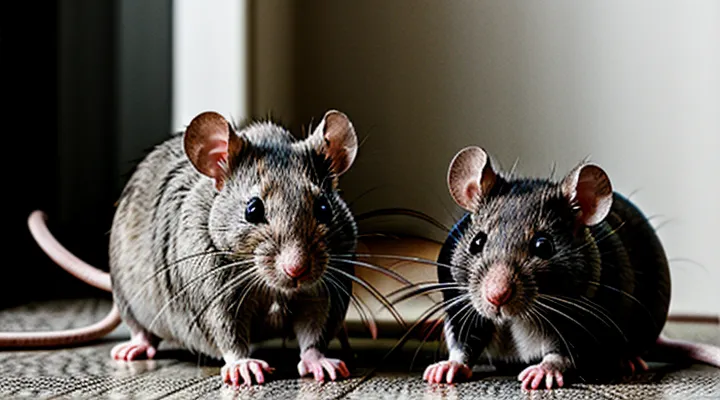
The Distinct Worlds of Rats and Mice
Species Differences and Classifications
Rodentia Order
Rats and mice belong to the order Rodentia, the most diverse mammalian group, encompassing over 2,400 species. Members share a single pair of continuously growing incisors in each jaw, a dental adaptation that drives gnawing behavior and influences habitat selection. The order divides into suborders Myomorpha (including Muridae, the family that houses common rats and mice) and others such as Sciuromorpha and Hystricomorpha, each reflecting distinct evolutionary paths.
Within Muridae, the genera Rattus (rats) and Mus (house mice) exhibit overlapping ecological niches. Both thrive in environments offering abundant food, shelter, and limited predation, such as urban sewers, agricultural storage facilities, and residential structures. Their coexistence results from:
- Similar dietary flexibility (grains, waste, insects)
- Tolerance of high population densities
- Ability to exploit microhabitats (burrows, wall voids, attic spaces)
Competition is moderated by size and behavioral differences: rats, larger and more aggressive, dominate open spaces, while mice, smaller and more agile, occupy narrower crevices. This partitioning reduces direct conflict and enables simultaneous occupancy of the same building.
Reproductive strategies further support joint presence. Rats produce multiple litters annually, each with 6–12 offspring, whereas mice generate larger litters (5–10) at a faster rate. The combined reproductive output sustains robust populations, ensuring that both species can persist even when resources fluctuate.
Understanding the Rodentia order clarifies why rats and mice frequently share habitats. Shared morphological traits, adaptable diets, and complementary behaviors create conditions where both can thrive side by side without exclusive exclusion.
Muridae Family
Rats and mice belong to the family Muridae, the largest rodent family, encompassing over 700 species worldwide. Members share common anatomical traits such as a single pair of continuously growing incisors, a robust skull, and a flexible body plan that enables adaptation to diverse habitats.
Within Muridae, the subfamilies Murinae (true rats and mice) and Deomyinae (spiny mice) represent the primary groups encountered in human‑dominated environments. True rats (genus Rattus) and true mice (genus Mus) often inhabit overlapping urban and agricultural settings, yet they display distinct ecological preferences. Rats typically exploit larger burrows, sewers, and storage facilities, while mice favor smaller crevices, grain stores, and indoor wall voids.
Key factors influencing their cohabitation:
- Resource partitioning – rats consume larger food items and waste, whereas mice specialize in fine grains and seeds; this reduces direct competition.
- Territorial behavior – adult rats establish extensive home ranges that may encompass multiple mouse territories, limiting aggressive encounters.
- Reproductive cycles – mice breed more frequently, producing rapid population spikes that can coexist with slower‑growing rat colonies.
Field observations confirm that mixed Muridae populations are common in densely populated areas, especially where food availability is abundant and shelter options are plentiful. However, competition intensifies when resources become scarce, leading to displacement of mice by more dominant rats.
Understanding the taxonomic relationships and ecological dynamics of the Muridae family clarifies why rats and mice can share the same environment yet maintain separate niches, allowing both groups to persist side by side in many human‑altered ecosystems.
Rattus vs. Mus Genus
Rats and mice rarely share the same nest, and the primary reason lies in the biological separation of their genera.
Rattus (the true rats) and Mus (the true mice) belong to distinct branches of the Muridae family. Both genera share a common ancestor, yet they diverged millions of years ago, resulting in separate evolutionary pathways.
Key distinctions between the two genera include:
- Size: Rattus species typically weigh 150–500 g; Mus species average 10–30 g.
- Morphology: Rats possess longer tails, larger ears, and a more robust skull; mice have proportionally shorter tails and finer facial features.
- Reproductive rate: Mus females can produce up to 10 litters per year, each with 5–8 pups; Rattus females average 5–7 litters, each with 6–12 pups.
- Territorial behavior: Rats establish extensive burrow systems and defend them aggressively; mice maintain smaller, more fluid territories and display less overt aggression.
- Dietary breadth: Rattus species are omnivorous opportunists, often exploiting larger food sources; Mus species favor seeds, grains, and insects, requiring less caloric intake.
Ecologically, rats dominate urban sewers, basements, and agricultural storage, where they can exploit abundant waste. Mice thrive in grain stores, fields, and interior spaces with limited food caches. Overlap occurs in densely populated environments where resources are plentiful, but direct encounters usually result in avoidance or conflict, with rats outcompeting mice for space and food.
Consequently, while both genera may inhabit the same building, they typically occupy different microhabitats and rarely co‑nest. Their divergent size, reproductive strategies, and territoriality maintain a functional separation that limits sustained cohabitation.
Habitat and Niche Overlap
Urban Environments
Rats and mice frequently occupy the same city districts, especially where food waste, water sources, and shelter are abundant. Both species exploit human‑generated resources, leading to overlapping territories in residential blocks, alleys, and commercial zones.
Co‑habitation patterns depend on several variables:
- Resource availability: Open dumpsters, grain stores, and leaking pipes provide sustenance for both rodents.
- Habitat structure: Cracks in foundations, utility tunnels, and abandoned structures offer nesting sites suitable for each species.
- Population density: High densities increase encounters, yet competitive exclusion rarely forces complete segregation.
- Species behavior: Rats tend to dominate larger, more open areas, while mice prefer tighter, concealed spaces; the proximity of these microhabitats facilitates shared use of a broader environment.
Health and pest‑management implications arise from their joint presence. Shared habitats raise the risk of disease transmission, complicate control measures, and require integrated strategies that address both species simultaneously rather than targeting one in isolation.
Rural Settings
Rural environments provide abundant food sources, shelter, and nesting sites that attract both rats and mice. Grain storage facilities, livestock feed bins, and compost heaps create overlapping foraging zones where the two species frequently encounter each other.
Competition for resources shapes their coexistence. Rats, being larger and more aggressive, dominate high‑calorie items such as stored grain, while mice specialize in smaller seeds and insect larvae. This partitioning reduces direct conflict and allows both populations to persist in the same field or barn.
Health implications arise from shared habitats. Pathogens carried by one species can be transmitted to the other, increasing the risk of disease spread to livestock and humans. Effective control programs must address both rodents simultaneously to prevent reinfestation.
Key factors influencing joint occupancy in rural areas:
- Availability of unsecured food stores
- Presence of structural clutter offering nesting cavities
- Moisture levels supporting insect prey for mice
- Predator pressure that may alter activity patterns
Understanding these elements enables targeted management strategies that limit the simultaneous presence of rats and mice on farms and in countryside dwellings.
Resource Competition
Rats and mice frequently share the same habitat, and their coexistence generates direct competition for limited resources. Both species require food, water, shelter, and nesting material; when these supplies are scarce, individuals of each species engage in aggressive encounters, displacement, and opportunistic foraging to secure their share.
Key aspects of resource competition include:
- Food overlap: Rats and mice consume overlapping diets—grains, seeds, insects, and human waste. Rats, being larger, can dominate high‑calorie items, forcing mice to exploit smaller or less nutritious sources.
- Shelter competition: Burrows, wall voids, and stored‑food chambers are contested. Rats often enlarge existing cavities, reducing available space for mouse nests and increasing the likelihood of mouse displacement.
- Water access: Limited water sources attract both species. Rats typically establish control points near drip lines or leaky pipes, compelling mice to travel farther for hydration, which raises predation risk.
- Reproductive impact: Resource scarcity accelerates reproductive suppression in subordinate mice, decreasing litter size and frequency, while rats maintain higher reproductive output under the same conditions.
Empirical observations confirm that when resource abundance rises—through waste management failures or seasonal food surpluses—both populations expand, and direct conflict diminishes. Conversely, effective sanitation and controlled food storage reduce overlap, allowing each species to occupy distinct micro‑niches within the same structure.
Interactions Between Rats and Mice
Interspecies Aggression
Dominance Hierarchies
Rats and mice can share the same enclosure, but their interactions are governed by clear social structures. Dominance hierarchies develop quickly when individuals of both species are placed together, influencing access to food, nesting sites, and safe zones.
The hierarchy emerges through a series of observable behaviors:
- Aggressive posturing, such as upright stance and tail flicking, signals an attempt to claim higher rank.
- Physical confrontations, including biting and chasing, resolve disputes over resources.
- Submissive signals, like crouching, grooming by a dominant individual, or retreating to peripheral areas, indicate lower status.
Dominant rats typically dominate mixed groups, suppressing mouse activity in preferred zones. Mice may adapt by occupying peripheral corners or establishing separate micro‑niches within the same habitat. When the dominant rat is removed, mice expand into previously occupied spaces, demonstrating flexibility in the hierarchy.
Stable cohabitation requires careful management of group composition. Introducing individuals of similar age and size reduces the intensity of initial conflicts. Providing multiple feeding stations and nesting options distributes resources, limiting the need for overt competition. Monitoring behavioral cues allows early detection of excessive aggression, enabling timely intervention to preserve the welfare of both species.
Predatory Behavior of Rats
Rats frequently encounter mice in shared environments such as farms, warehouses, and urban sewers. Their interaction is dominated by the rat’s predatory instincts, which determine the likelihood of coexistence.
Rats are omnivorous opportunists. When small rodents are available, they capture and consume them. This behavior is driven by:
- Size advantage: adult rats outweigh most mouse species by 2–3 times, enabling swift subjugation.
- Sensory acuity: whiskers and acute hearing locate concealed mice.
- Aggressive bite: powerful incisors and jaw muscles deliver lethal bites within seconds.
- Seasonal variation: predation peaks in winter when alternative food sources decline.
Predatory actions affect mouse populations directly. Captured mice are typically killed, partially eaten, or stored for later consumption. In densely populated colonies, rats may also engage in intra‑specific cannibalism, targeting juvenile or weakened mice that wander into their tunnels.
Territoriality reinforces predation. Rats defend burrow systems and foraging routes, chasing intruding mice away or killing them to eliminate competition for food and shelter. This aggression limits the spatial overlap of the two species, often resulting in separate micro‑habitats within the same structure.
Consequences for cohabitation are clear: high rat densities reduce mouse survival rates, while low rat presence allows mice to establish stable colonies. Management strategies that control rat numbers consequently improve conditions for mouse populations.
Defensive Strategies of Mice
Mice employ a range of defensive mechanisms to survive in environments where they may encounter larger rodents such as rats. These strategies reduce predation risk, limit competition, and protect offspring.
- Rapid escape: Muscular hind limbs enable bursts of speed up to 8 m s⁻¹. Mice dash into narrow crevices, burrows, or overhead structures inaccessible to larger species.
- Scent masking: Specialized glands release volatile compounds that dilute individual odor signatures, making it harder for predators and rival rodents to locate them.
- Auditory vigilance: Large, movable ears detect high‑frequency sounds beyond the hearing range of many predators. Immediate freezing or fleeing follows detection.
- Social signaling: Ultrasonic vocalizations convey alarm to conspecifics. Playback experiments show rapid group dispersal when a single mouse emits distress calls.
- Burrow architecture: Tunnel networks feature multiple entrances, dead‑ends, and reinforced walls. This design creates escape routes and shelters against intruders.
- Aggressive deterrence: When cornered, mice bite with incisors capable of inflicting painful wounds, discouraging further attacks.
These behaviors collectively enhance mouse survival in mixed‑species habitats, allowing them to coexist with larger competitors while maintaining population stability.
Resource Partitioning
Food Sources
Rats and mice often occupy the same environment, and their survival depends on the availability of edible resources. Overlapping diets create both opportunities for coexistence and sources of competition.
Common natural foods include:
- Seeds from grasses and weeds
- Grain kernels fallen from crops
- Insects and larvae encountered on the ground
- Fruit fragments and berries
Human‑derived foods expand the resource pool. Typical items found in homes, farms, and warehouses are:
- Processed grains such as rice, pasta, and cereals
- Bread crumbs, pastries, and other bakery waste
- Pet food left uncovered or spilled
- Vegetable scraps and fruit peelings
When both species access the same supplies, competition intensifies. Rats, larger and more aggressive, frequently dominate high‑calorie items, while mice exploit smaller portions and harder‑to‑reach spots. Spatial segregation of food stores—e.g., keeping grain in sealed containers and limiting clutter—reduces direct conflict and supports coexistence.
Shelter Preferences
Rats and mice often inhabit the same environment, yet each species selects distinct shelter characteristics that influence the likelihood of cohabitation.
Rats prefer large, secure burrows or nests constructed from thick material such as shredded paper, fabric, or insulation. These shelters are typically situated deep within walls, attics, or underground chambers where temperature and humidity remain stable. The size of a rat’s nest accommodates multiple individuals, allowing for complex social structures and shared resources.
Mice favor smaller, hidden cavities. Common choices include gaps behind appliances, cracks in flooring, and narrow spaces within cabinetry. Their nests consist of fine nesting material—cotton, dried plant fibers, or shredded paper—arranged in compact, insulated balls. The limited space discourages the presence of larger rodents.
When both species occupy a single building, the following patterns emerge:
- Spatial separation: Rats occupy expansive, structurally robust sites; mice occupy narrow, concealed niches.
- Resource partitioning: Rats store larger food items; mice focus on small seeds and crumbs.
- Temporal avoidance: Mice tend to be more active during daylight hours, while rats are predominantly nocturnal, reducing direct encounters.
These preferences reduce direct competition, allowing rats and mice to coexist in the same structure without sharing the same shelter.
Temporal Activity Patterns
Rats and house mice display distinct daily activity cycles that influence their likelihood of sharing the same space.
Rats are primarily nocturnal, with peak foraging and movement occurring between dusk and midnight. Activity declines sharply after the early morning hours, and a brief resurgence may appear during late afternoon in some urban populations.
Mice exhibit a more flexible pattern. While also active at night, they frequently show significant crepuscular peaks just before sunset and after sunrise. Laboratory strains often maintain continuous low‑level activity throughout the night, whereas wild mice may concentrate activity in shorter bursts.
The temporal overlap between the two species typically spans the central portion of the night, roughly from 22:00 to 02:00. During this window, both rats and mice are engaged in feeding, nesting, and social interactions, increasing the probability of direct encounters. Outside this period, rats dominate the dark phase, and mice may retreat to sheltered microhabitats, reducing competition.
Key points regarding cohabitation:
- Overlap window (22:00‑02:00) creates opportunities for resource competition.
- Rats’ broader nocturnal activity can displace mice from preferred foraging sites.
- Mice’s crepuscular peaks allow exploitation of early evening and dawn niches when rats are less active.
- Seasonal variations in temperature and food availability can shift activity timing for both species, altering overlap intensity.
Understanding these temporal dynamics clarifies why rats and mice sometimes coexist in the same structure yet often partition resources based on differing activity schedules.
Factors Influencing Coexistence
Environmental Conditions
Availability of Resources
Rats and mice often occupy the same environments, but the extent of their co‑existence hinges on the supply of essential resources. When food, shelter, and water are plentiful, competitive pressure diminishes, allowing both species to share space with minimal aggression.
- Food abundance: Overlapping diets include grains, seeds, and insect larvae. High stock levels reduce direct contests for meals, enabling simultaneous foraging.
- Shelter availability: Dense vegetation, crevices, and stored materials provide multiple nesting options. Sufficient hiding places permit separate colonies to coexist without territorial disputes.
- Water sources: Access to open containers, leaky pipes, or damp debris satisfies hydration needs for both groups. When water points are numerous, competition for this resource declines.
Human activities amplify resource provision. Improper waste management, unsecured grain bins, and cluttered storage create constant food supplies and numerous nesting sites, fostering mixed‑species populations. Conversely, rigorous sanitation, sealed containers, and removal of clutter limit resource access, often resulting in one species outcompeting the other.
In summary, the density and distribution of food, shelter, and water directly influence whether rats and mice can inhabit the same area. Resource-rich settings promote coexistence; resource‑scarce conditions typically trigger competitive exclusion.
Population Density
Population density directly influences the likelihood of rats and mice sharing the same environment. High densities increase competition for food, shelter, and nesting sites, which can force the two species into closer proximity. In urban settings where waste is abundant and space is limited, both rodents often occupy the same sewers, basements, and storage areas. Conversely, low‑density rural habitats typically provide sufficient resources for each species to maintain separate territories, reducing direct interaction.
Key factors linking density to cohabitation:
- Resource availability: Overabundant food sources diminish the need for territorial segregation.
- Shelter scarcity: Limited nesting sites compel rats and mice to occupy shared structures such as wall voids or attic spaces.
- Human activity: Dense human populations generate waste streams that sustain larger rodent populations, encouraging overlap.
- Predation pressure: High predator presence can concentrate rodents in safer, densely packed refuges, increasing interspecific contact.
Empirical observations confirm that areas with rodent population estimates exceeding 200 individuals per hectare frequently report simultaneous captures of both species in trap surveys. In contrast, regions with counts below 50 individuals per hectare rarely show mixed captures, indicating a threshold where coexistence becomes statistically probable.
Understanding the relationship between population density and interspecific coexistence assists pest‑management strategies. Monitoring density indicators—such as waste volume, trap catch rates, and sighting frequency—enables targeted interventions before mixed infestations reach levels that complicate control measures.
Human Presence
Human activity shapes the spatial relationship between rats and mice. Buildings, waste disposal, and food storage create environments that can support both species simultaneously. When humans provide abundant, unsecured food sources and shelter, rats and mice often occupy the same structure, exploiting overlapping niches.
Key factors that promote cohabitation include:
- Food abundance – unsecured garbage, spilled grain, or improperly sealed containers supply continuous nutrition for both rodents.
- Structural complexity – wall voids, ceiling spaces, and crawl‑under passages allow separate colonies to intersect without direct competition.
- Disturbance frequency – low human traffic reduces stress, enabling rats and mice to coexist peacefully; frequent disturbance tends to fragment populations.
Conversely, human interventions that limit resources or alter architecture can separate the species. Regular cleaning, sealed waste containers, and sealed entry points reduce the likelihood of shared occupancy, often favoring one species over the other based on competitive adaptability.
Understanding these dynamics helps design effective pest‑management strategies. By controlling the environmental conditions that humans create, it is possible to influence whether rats and mice share the same premises or remain segregated.
Behavioral Adaptations
Scent Marking
Scent marking provides rodents with a reliable means of establishing territory, identifying individuals, and signaling reproductive status. The chemical cues deposited on surfaces allow both rats and mice to assess the presence of conspecifics and potential competitors without direct contact.
Rats and mice employ several secretion sources:
- Urine droplets placed at entry points and along walls.
- Fecal pellets left in latrine sites.
- Secretions from flank glands, anal glands, and preputial glands spread by rubbing against objects.
These signals create a spatial map that each species interprets according to its own sensory thresholds. Rats, with a stronger olfactory sensitivity, often detect mouse scent and adjust their movement patterns to avoid overlap. Conversely, mice recognize rat odor as a cue of higher predation risk and limit their activity in areas heavily marked by rats.
The resulting chemical landscape influences whether the two species occupy the same environment. When scent marks are dense and clearly species‑specific, rats and mice tend to partition space, reducing direct encounters. In environments lacking strong scent cues, opportunistic overlap may occur, but the underlying chemical communication still governs hierarchy and access to resources.
Key implications for shared habitats:
- Strong, species‑specific markings promote segregation.
- Overlapping scent zones increase competition and stress.
- Management of scent cues (e.g., cleaning or disrupting marks) can alter cohabitation patterns.
Communication Methods
Rats and mice frequently occupy the same structures, sewers, or grain stores, creating opportunities for direct interaction. Their ability to convey information determines whether mixed populations persist or avoid each other.
Chemical signals dominate communication. Both species release pheromones in urine and glandular secretions that indicate reproductive status, territorial boundaries, and individual identity. Scent marks persist on surfaces, allowing distant individuals to assess occupancy without visual contact.
Auditory exchanges occur primarily through ultrasonic vocalizations. Frequencies above 20 kHz transmit distress, aggression, or mating intent. Playback experiments demonstrate that rats and mice recognize species‑specific call patterns and adjust behavior accordingly.
Tactile contact supplements other modalities. Whisker brushing, nose‑to‑nose touching, and grooming exchanges convey social hierarchy and reinforce group cohesion. Laboratory observations reveal rapid escalation of dominance when tactile cues are restricted.
Visual cues, though limited by nocturnal activity, include body posture, tail position, and locomotor patterns. Subtle changes in stance signal threat or submission, influencing immediate decisions to approach or retreat.
Key communication methods in shared environments
- Pheromonal marking (urine, glandular secretions)
- Ultrasonic vocalizations (distress, aggression, mating)
- Whisker and nose contact (hierarchy, affiliation)
- Grooming interactions (bonding, stress reduction)
- Postural and locomotor signals (threat, submission)
These mechanisms enable rats and mice to negotiate space, resources, and reproductive opportunities when they coexist.
Avoidance Behaviors
Rats and mice rarely share the same nesting area because each species relies on avoidance mechanisms that maintain separate territories.
- Rats emit strong urine and glandular secretions that signal dominance; mice detect these chemicals and retreat to avoid confrontation.
- Mice produce high‑frequency vocalizations when a rat approaches; the sounds trigger a rapid flight response, limiting direct contact.
- Both species display heightened vigilance at the entrance of burrows; rats occupy larger, deeper tunnels, while mice prefer shallow, concealed routes, creating physical separation.
- When food resources are limited, rats outcompete mice for larger portions; mice respond by foraging at different times or in distinct microhabitats, reducing overlap.
Laboratory observations confirm that introducing a rat into a mouse‑occupied enclosure leads to immediate mouse displacement, increased stress hormone levels, and reduced breeding activity. Conversely, mouse presence does not alter rat behavior significantly, indicating a unilateral avoidance pattern.
Understanding these avoidance behaviors clarifies why natural coexistence between the two rodents is uncommon, despite occasional opportunistic overlap in densely populated urban environments.
Implications for Pest Control
Integrated Pest Management
Species-Specific Strategies
Rats and mice rarely share the same nest despite overlapping habitats. Their distinct reproductive cycles, territorial marking, and foraging habits create barriers that limit direct coexistence.
Rats establish large, permanent burrows with complex tunnel networks. They use urine and glandular secretions to delineate territory, deterring other rodents. Their aggressive defense of these boundaries reduces the likelihood of mouse intrusion.
Mice occupy smaller, shallow nests often located in crevices or stored food containers. They rely on rapid breeding and high mobility to exploit transient resources. Their scent markings are less potent, making them vulnerable to rat aggression.
Key species‑specific strategies influencing cohabitation:
- Territorial aggression – Rats confront intruders with physical attacks; mice avoid confrontation by retreating to concealed sites.
- Resource partitioning – Rats consume larger food items and waste; mice focus on grains and seeds, minimizing direct competition when resources are abundant.
- Reproductive timing – Rats breed seasonally with fewer litters; mice reproduce continuously, allowing swift population turnover that can temporarily outpace rat suppression.
- Habitat selection – Rats favor subterranean, damp environments; mice prefer dry, elevated structures, reinforcing spatial separation.
When environmental pressure forces overlap, rats typically dominate, expelling mice from shared spaces. Consequently, stable long‑term coexistence is uncommon, and each species relies on specialized behavioral and ecological adaptations to maintain separate niches.
Habitat Modification
Rats and mice may occupy the same building, but the likelihood of cohabitation depends heavily on how the environment is altered. Modifying the habitat can either promote shared occupancy or force species separation.
Key adjustments that influence the presence of both rodents include:
- Structural sealing – sealing cracks, gaps, and entry points limits access for both species, reducing overall infestation.
- Vertical space management – installing smooth, uncluttered surfaces on walls and ceilings discourages climbing, a behavior favored by rats more than mice.
- Sanitation practices – eliminating food residues and storing waste in sealed containers removes attractants that draw both rodents.
- Nesting site reduction – removing piles of insulation, cardboard, and debris deprives both species of shelter, but rats, which prefer larger burrows, are more affected.
- Lighting enhancement – bright, well‑lit areas deter nocturnal activity, affecting mice more strongly due to their reliance on darkness for foraging.
When these modifications are applied consistently, the environment becomes less suitable for simultaneous habitation, often resulting in one species dominating while the other declines. Conversely, neglecting such changes creates a conducive setting for both rats and mice to coexist, increasing competition for resources and the potential for disease transmission.
Exclusion Techniques
Rats and mice often occupy the same structures, creating competition for resources and increasing the risk of disease transmission. Effective exclusion prevents simultaneous habitation and limits damage to property.
Physical barriers constitute the first line of defense. Seal cracks, gaps around pipes, vents, and foundation walls. Install metal flashing or hardware cloth with openings no larger than ¼ inch to block entry. Replace deteriorated weather stripping on doors and windows. Reinforce roof eaves and attic access points with durable mesh.
Environmental management reduces attractants that draw both species into a building. Store food in sealed containers made of glass or heavy‑wall plastic. Remove spilled grain, crumbs, and pet food promptly. Keep garbage in containers with tight‑fitting lids and empty them regularly. Eliminate standing water sources by fixing leaks and draining puddles.
Chemical control targets individuals that have already infiltrated a space. Place tamper‑resistant bait stations along established runways, avoiding areas accessible to children or non‑target wildlife. Use anticoagulant rodenticides according to label instructions, rotating active ingredients to prevent resistance. Monitor bait consumption and replace stations as needed.
Biological deterrents complement other measures. Deploy snap traps or electronic traps in concealed locations where activity is high. Install ultrasonic repellents, acknowledging limited efficacy and positioning them away from solid surfaces that can block sound waves. Encourage natural predators, such as barn owls, by installing nesting boxes on the exterior of the structure.
Integrated pest management (IPM) coordinates all techniques. Conduct regular inspections to identify new entry points or signs of activity. Document findings, adjust barrier installations, and rotate chemical agents based on observed effectiveness. Maintain a schedule of sanitation audits and trap checks to ensure sustained exclusion.
Understanding Rodent Dynamics
Monitoring Populations
Effective population monitoring provides the data needed to assess whether rats and mice occupy the same environments and to quantify their relative abundance. Accurate counts inform pest‑management decisions, disease‑risk evaluations, and ecological research.
Common techniques include:
- Live‑trap grids arranged in systematic patterns; trap success rates yield capture‑per‑unit‑effort values for each species.
- Motion‑activated cameras positioned near food sources; image analysis distinguishes species by size, coloration, and behavior.
- Environmental DNA (eDNA) sampling from soil, water, or debris; quantitative PCR assays detect species‑specific genetic markers and estimate biomass.
- Mark‑recapture protocols using ear tags or passive integrated transponder (PIT) tags; recapture frequencies generate population size estimates with confidence intervals.
Data interpretation requires species‑specific detection probabilities. Adjusted models, such as hierarchical Bayesian frameworks, separate true abundance from observation bias. Spatial analysis maps overlapping activity zones, revealing coexistence hotspots and segregation patterns.
Monitoring outcomes guide interventions. When both species are abundant in the same area, integrated control measures—bait stations, habitat modification, and sanitation—target shared resources. If one species dominates, tailored strategies focus on its ecological niche, reducing collateral impact on non‑target fauna. Continuous surveillance ensures that management adapts to fluctuations in population dynamics.
Identifying Infestations
Rats and mice often occupy the same structures, yet their presence requires distinct detection methods. Accurate identification prevents misdirected control measures and reduces property damage.
Visible evidence includes:
- Droppings: larger, blunt‑ended pellets indicate rats; smaller, pointed pellets suggest mice.
- Gnaw marks: rats produce gnaw marks up to ¼ inch wide, while mice leave finer, ⅛‑inch scratches.
- Pathways: rats favor established routes along walls and utilities; mice use tighter gaps and climb vertically.
- Nest material: shredded paper, fabric, or insulation found in concealed areas signals active habitation.
Auditory clues support visual inspection. Rats emit deep, rattling sounds, especially at night; mice produce high‑pitched squeaks. Both species may create scratching noises when moving through walls.
Inspection protocol:
- Conduct a systematic sweep of the building, focusing on concealed spaces such as attics, basements, and crawl spaces.
- Collect droppings for species verification; compare size and shape against reference standards.
- Examine structural damage for gnaw marks and evaluate the size of entry points.
- Install motion‑activated cameras or infrared detectors to capture nocturnal activity.
- Document findings with photographs and timestamps for later analysis.
Professional assessment may involve bait stations, live traps, or DNA analysis of collected material. Prompt identification of the specific rodent type enables targeted eradication, minimizes reinfestation risk, and safeguards health and structural integrity.
Preventing Co-infestations
Rats and mice frequently occupy the same buildings, making simultaneous infestations a common problem for homeowners and businesses. Overlapping food sources, shelter, and entry points allow both species to thrive together, increasing health risks and property damage.
Identifying a co‑infestation requires attention to distinct signs. Rat droppings are larger, about ½ inch long, and have blunt ends; mouse droppings are smaller, about ¼ inch, and tapered. Both species leave gnaw marks, but rats produce more substantial damage to structural elements, while mice often target wiring and insulation. Observing tracks, nests, and odor can confirm the presence of both pests.
Effective prevention combines several actions:
- Seal all exterior cracks larger than ¼ inch with steel wool, caulk, or metal flashing.
- Install door sweeps and weather stripping on all openings.
- Store food in airtight containers and eliminate spillage promptly.
- Remove clutter that provides nesting material, especially in basements, attics, and storage areas.
- Maintain landscaping by trimming vegetation away from building walls and keeping garbage bins closed.
- Deploy snap traps or electronic devices in identified activity zones, positioning them perpendicular to walls.
- Conduct quarterly inspections to detect new entry points or evidence of activity.
An integrated pest‑management plan coordinates sanitation, exclusion, monitoring, and control methods. Regular assessment of the environment and prompt remediation of vulnerabilities reduce the likelihood that rats and mice will establish a shared infestation. Continuous vigilance ensures that preventive measures remain effective over time.