
Understanding Expanded Clay
What is Expanded Clay?
Expanded clay, also known as lightweight expanded clay aggregate (LECA), is a porous ceramic material produced by heating natural clay particles to temperatures around 1,200 °C. The intense heat causes the clay to expand, forming a honey‑comb structure of hollow spheres that retain a high degree of internal void space.
The manufacturing process involves the following steps:
- Pre‑drying: raw clay is ground and dried to reduce moisture content.
- Pelletizing: dried clay is rolled into small pellets, typically 5–20 mm in diameter.
- Sintering: pellets enter a rotary kiln where rapid temperature increase creates gas bubbles within each particle, causing expansion.
- Cooling and grading: expanded pellets are cooled, screened, and sorted by size for specific applications.
Key characteristics of expanded clay include:
- Low bulk density (typically 300–600 kg m⁻³), which reduces load on structural elements.
- High compressive strength (up to 10 MPa for larger grades), suitable for load‑bearing uses.
- Excellent drainage and aeration, making it valuable in horticulture and hydroponics.
- Thermal insulation properties, contributing to energy efficiency in building construction.
- Chemical inertness, ensuring durability in aggressive environments.
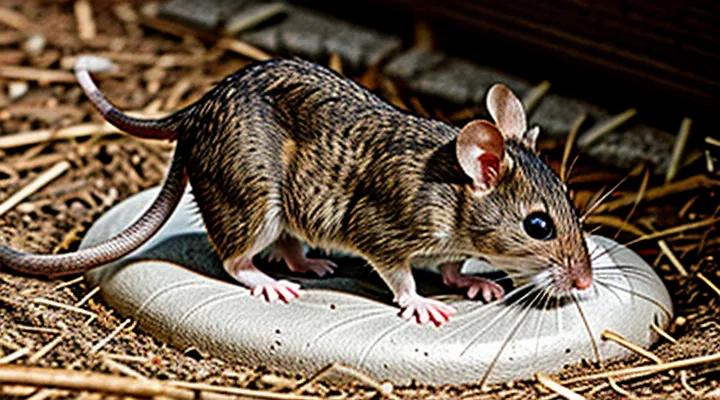
These attributes explain why expanded clay appears in contexts where rodents might encounter it; its porous matrix can provide shelter, while its lightweight nature allows easy placement in walls, planters, and insulation layers. Understanding the material’s composition and behavior is essential for assessing any potential interaction with mice and for implementing effective prevention measures.
Properties of Expanded Clay Relevant to Pests
Expanded clay, also known as lightweight aggregate, consists of sintered clay granules with a porous internal structure. The material exhibits high bulk porosity, low bulk density, and a network of interconnected voids that retain air and moisture. Its thermal inertia moderates temperature fluctuations, while its compressive strength remains sufficient for structural applications.
- Porous matrix – creates cavities that can serve as shelter for small mammals.
- Moisture retention – elevated humidity within the aggregate attracts rodents seeking a hydrated environment.
- Thermal stability – steady internal temperatures reduce the need for external heat sources, making the material comfortable for nesting.
- Low density – allows easy displacement of aggregate particles, enabling rodents to reshape the substrate.
- Surface texture – rough granule surfaces provide grip for climbing and burrowing activity.
These characteristics collectively influence rodent attraction and nesting potential. High porosity and moisture create microhabitats that satisfy shelter and hydration requirements. Thermal consistency eliminates temperature-driven displacement, while the lightweight nature permits rodents to rearrange the material without excessive effort. Rough surfaces facilitate entry and movement within the aggregate.
Mitigation strategies focus on altering the relevant properties. Sealing surface voids with waterproof coatings reduces moisture availability and eliminates shelter spaces. Incorporating fine sand or cementitious binders decreases overall porosity, limiting cavity formation. Adding deterrent chemicals to the aggregate matrix discourages rodent activity without compromising structural performance. Regular inspection and prompt repair of damaged areas prevent the development of accessible nesting sites.
Mice Behavior and Habitat Preferences
Why Mice Seek Shelter
Mice look for shelter to maintain body temperature, protect themselves from predators, and secure a reliable food source. The need for a stable microclimate drives them toward insulated materials that retain heat, such as compacted soil, wood shavings, or porous construction products. Predator avoidance pushes them into concealed spaces where visual and auditory cues are minimized; cracks, voids, and cavities offer the necessary concealment. Access to stored food, whether crumbs, grain residues, or waste, further motivates mice to occupy areas that combine safety with proximity to nourishment.
When lightweight building aggregates are present, their porous structure creates hidden chambers that satisfy these three requirements. The material’s low density reduces heat loss, while the internal network of pores shields mice from external disturbances. Additionally, the aggregate’s tendency to accumulate dust and debris provides a secondary food source, reinforcing its attractiveness as a nesting site.
Preventive measures focus on eliminating the conditions that make such materials inviting:
- Seal all gaps larger than ¼ inch to block entry points.
- Apply rodent‑resistant barriers, such as steel mesh, around exposed aggregate surfaces.
- Reduce moisture levels to discourage the accumulation of organic matter.
- Maintain regular inspection schedules to detect early signs of infestation and remove debris promptly.
By addressing temperature regulation, predator avoidance, and food accessibility, property owners can diminish the incentive for mice to colonize expanded clay and similar substrates.
Common Nesting Materials for Mice
Mice select nesting media that provide insulation, structural support, and concealment. Typical choices include shredded paper, tissue, cotton fibers, dried grass, corn husks, soft plastic, and fine wood shavings. These substances are readily gathered from household waste, storage areas, and outdoor debris, allowing rapid construction of compact, warm chambers.
When evaluating the likelihood of nests forming in lightweight ceramic aggregates, the presence of alternative materials is decisive. Reducing accessibility to paper, fabric fragments, and plant matter—by sealing entry points, employing sealed containers, and maintaining a clean environment—diminishes the incentive for mice to exploit expanded clay as a substitute nesting substrate. Regular inspection and prompt removal of stray fibers further limit nesting opportunities.
The Possibility of Mice Nesting in Expanded Clay
Assessing the Suitability of Expanded Clay
Insulation Properties
Expanded clay provides thermal resistance by trapping air within its porous matrix. The material’s low density reduces heat transfer, making it suitable for walls, floors, and roof assemblies. When rodents infiltrate the cavity, their nests introduce additional material that fills voids, altering the intended air pockets. This compression lowers the overall R‑value, diminishing the insulation’s effectiveness.
Mice create nests using shredded fibers, paper, and organic debris. Their activity can also introduce moisture through urine and excrement, which further degrades thermal performance by increasing conductivity. The combined effect of physical blockage and moisture accumulation compromises the energy efficiency of the building envelope.
Key considerations for maintaining insulation integrity:
- Seal all exterior openings larger than ¼ inch to prevent entry.
- Install metal or mesh barriers at the perimeter of the expanded‑clay cavity.
- Conduct regular inspections for signs of gnawing or nesting material.
- Apply rodent‑resistant coatings or repellents to the surface of the insulation.
- Replace compromised sections promptly to restore design R‑value.
By preserving the air‑filled structure and preventing contamination, the insulation retains its specified thermal resistance and contributes to stable indoor temperatures.
Material Texture and Stability
Expanded clay, commonly used as a lightweight aggregate in horticulture and construction, consists of porous granules with a rough, irregular surface. The granules retain air within their cavities, creating a low‑density matrix that feels gritty to the touch. This texture provides mice with footholds and nesting niches, especially when the material is moist or partially compacted.
Stability of the aggregate depends on particle size distribution and the degree of compaction. When granules are loosely packed, interstitial spaces remain open, allowing rodents to wedge themselves and build nests. Conversely, a densely packed layer reduces voids, limiting the ability of mice to create secure chambers. However, excessive compaction can fracture granules, generating finer particles that further increase surface roughness and attract gnawing behavior.
Preventive actions focus on altering texture and enhancing structural integrity:
- Apply a fine‑grained sealant or polymer coating to smooth exposed surfaces and block entry points.
- Compact the expanded clay to a specified density, measured in kilopascals, ensuring void ratios fall below the threshold that supports nest construction.
- Incorporate a thin barrier layer of metal mesh or rigid foam between the clay and surrounding soil to impede rodent penetration.
- Maintain low humidity levels within the substrate; dry conditions reduce the material’s cohesiveness, discouraging nesting activity.
Monitoring the condition of the aggregate over time is essential. Regular inspections for surface cracking, displacement, or signs of burrowing enable timely reinforcement, preserving both the functional performance of the material and its resistance to rodent habitation.
Accessibility and Location
Expanded clay, a lightweight aggregate used in construction and horticulture, provides a porous matrix that can be penetrated by small rodents. Its internal cavities and surface texture create potential nesting sites when the material is left exposed or improperly sealed.
Accessibility drives infestation. Cracks, unfilled joints, and gaps around pipe penetrations act as entry points. When these openings exceed a few millimeters, mice can squeeze through and reach the interior of the material. Loose or poorly compacted blocks further increase the likelihood of burrowing, because the structure offers little resistance to gnawing.
Location influences colonization. Installations situated near food storage, waste bins, or water sources attract rodents, as the expanded clay offers both shelter and proximity to resources. Outdoor applications exposed to vegetation or soil moisture create humid microenvironments that encourage nesting behavior. Indoor use in basements or crawl spaces without adequate ventilation can also retain moisture, making the material more appealing.
Preventive actions:
- Seal all joints, cracks, and service penetrations with steel wool, caulk, or metal flashing before installing expanded clay.
- Apply a rodent-resistant barrier (e.g., metal mesh or hardware cloth) on the exterior face of the material.
- Maintain a clear perimeter: remove debris, trim vegetation, and store food in sealed containers away from the installation area.
- Ensure proper drainage and ventilation to keep humidity levels low.
- Conduct regular inspections for signs of gnawing or droppings, and address breaches immediately.
By limiting entry routes, controlling environmental conditions, and monitoring the surrounding area, the risk of mouse nesting within expanded clay can be substantially reduced.
Signs of Mice Infestation
Visual Cues
Mice readily exploit gaps and loose material in expanded clay installations. Their presence can be confirmed through distinct visual signs that appear before structural damage becomes evident.
Visible evidence includes:
- Small, shredded fibers or paper fragments scattered near seams.
- Dark, irregular droppings about 3‑5 mm long, often found along walls or under flooring.
- Gnaw marks on the clay surface, revealing pale, fresh cuts contrasting with the surrounding material.
- Nesting material such as shredded insulation, cotton, or plant debris gathered in corners or behind panels.
- Tracks in dust or loose soil, showing a pattern of forward and rear paw prints.
These cues serve as early indicators of infestation, allowing timely intervention. Prompt removal of identified debris and sealing of entry points—using metal mesh, concrete patches, or expanding foam—interrupts the mice’s access to the expanded clay matrix. Regular visual inspections, combined with strategic placement of snap traps or bait stations near observed activity, reduce population growth and prevent extensive nesting.
Maintaining a clean work environment, eliminating food sources, and applying rodent‑resistant barriers around the clay installation are proven preventive measures. Continuous monitoring of visual cues ensures that any resurgence is detected before nests develop, preserving the integrity of the expanded clay structure.
Sounds
Acoustic activity provides reliable evidence of mouse presence in expanded clay structures. Mice generate distinct sounds while constructing nests, enabling early identification of infestations before visual signs appear.
Typical noises include:
- Scratching against the clay surface, producing high‑frequency clicks.
- Gnawing on the material, creating repetitive, low‑to‑mid‑range chattering.
- Squeaking during movement, audible as short, sharp tones.
- Scurrying across hollow sections, yielding soft thudding pulses.
Detection relies on passive acoustic monitoring devices calibrated to the 2–8 kHz range, where mouse-generated frequencies dominate. Continuous recording allows pattern analysis; spikes in event count correlate with nesting activity, while background noise remains stable.
Preventive actions that target sound‑related cues are:
- Install ultrasonic emitters tuned above 20 kHz to disrupt mouse communication without affecting humans.
- Seal gaps and cavities that amplify acoustic resonance, reducing echo pathways that attract rodents.
- Apply acoustic dampening material to interior surfaces of expanded clay to mute scratching and gnawing sounds.
- Conduct regular acoustic surveys to verify the effectiveness of interventions and adjust measures promptly.
Odors
Odors often provide the earliest indication that rodents have taken up residence in expanded clay products. The smell originates primarily from mouse urine, which contains ammonia and sulfur compounds that become detectable as the material absorbs moisture. Fecal deposits add a distinct, musky scent, while the decomposition of nesting fibers releases volatile organic compounds that further aggravate the odor profile.
Several factors intensify these smells. Moisture accumulation within the porous structure of expanded clay creates a favorable environment for bacterial growth, accelerating the breakdown of organic matter and amplifying volatile emissions. High ambient temperatures increase the rate of chemical reactions, making odors more pronounced during warm periods. Poor ventilation traps gases, allowing concentrations to rise to levels noticeable by humans.
Preventive measures focus on eliminating the conditions that support odor development:
- Seal all cracks, joints, and openings in the clay assembly to block rodent entry.
- Install metal or hard‑plastic mesh at ventilation points to deter intrusion while maintaining airflow.
- Apply odor‑absorbing materials, such as activated charcoal or zeolite, in storage areas to capture volatile compounds.
- Maintain low humidity through dehumidifiers or proper drainage to inhibit bacterial proliferation.
- Conduct regular inspections, removing any droppings or urine stains promptly with enzymatic cleaners designed to break down organic residues.
Implementing these actions reduces the likelihood of mouse nesting, curtails odor generation, and preserves the functional integrity of expanded clay installations.
Droppings and Gnaw Marks
Mice that occupy expanded clay structures leave two unmistakable traces: fecal pellets and gnaw marks. Droppings appear as small, dark, cylindrical pieces, typically 3–5 mm long, scattered near food sources, entry points, and nesting sites. Their presence confirms active foraging and indicates a population that can reproduce quickly if undisturbed. Gnaw marks manifest as shallow, crescent-shaped bites on the porous surface of the clay, often concentrated around seams, corners, and ventilation openings. These impressions reveal the rodents’ effort to enlarge passages for movement and escape.
Identifying these signs early prevents infestation escalation. Key observations include:
- Concentrated droppings on the floor of storage bins or near wiring conduits.
- Fresh gnaw scars with visible shavings or powdery residue.
- Increased odor from urine and feces, especially in confined areas.
The underlying causes are straightforward. Expanded clay provides a stable, insulated environment that protects mice from predators and extreme temperatures. Its lightweight composition offers easy access through small cracks, while the material’s durability resists immediate collapse, allowing rodents to create permanent burrows. Food spillage and water leaks further attract mice, making the substrate an ideal nesting medium.
Effective prevention focuses on eliminating entry points and removing attractants. Recommended actions are:
- Seal all gaps larger than 6 mm with metal mesh or steel wool, then apply a silicone-based sealant.
- Install rigid barriers—such as hardened steel plates—around vents and conduit openings.
- Conduct routine inspections for droppings and gnaw marks, cleaning affected areas with a disinfectant solution.
- Maintain a dry environment by repairing leaks and using dehumidifiers in storage zones.
- Store food in sealed, rodent‑proof containers and promptly remove waste.
By monitoring droppings and gnaw marks, property managers can confirm mouse activity, address the factors that encourage nesting in expanded clay, and implement targeted control measures before the infestation spreads.
Preventing Mice in Expanded Clay
Sealing Entry Points
Sealing entry points is the most effective barrier against mouse intrusion in structures that incorporate expanded clay. Mice locate gaps as small as a quarter‑inch, exploit utility penetrations, and use poorly fitted doors or windows to gain access. Once inside, they can construct nests within the porous matrix of expanded clay, leading to damage and contamination.
Identify all potential openings before sealing. Conduct a visual inspection of the building envelope, focusing on:
- Gaps around pipes, wires, and vents
- Spaces beneath foundation walls and slab edges
- Unsealed door frames, window sills, and garage doors
- Cracks in walls, ceilings, and roof sheathing
- Openings around HVAC ducts and exhaust fans
Apply appropriate sealing materials for each location:
- Steel wool or copper mesh backed by silicone caulk for small rodent‑size holes
- Expanding polyurethane foam for larger voids, ensuring the foam is rodent‑resistant
- Weather‑stripping or door sweeps on all exterior doors
- Metal flashing and cement‑based sealant on foundation cracks
- Rigid metal collars around pipe penetrations, secured with stainless‑steel screws
After sealing, verify integrity by conducting a light‑air test: close all exterior doors, turn on interior lighting, and observe for any light leakage through sealed areas. Re‑apply sealant to any detected deficiencies.
Maintain the barrier by scheduling quarterly inspections, especially after seasonal temperature shifts or construction activity. Replace worn weather‑stripping and repair any new cracks promptly to sustain a continuous exclusion system.
Maintaining Cleanliness
Maintaining cleanliness in areas where expanded clay is installed reduces the likelihood of rodent nesting. Dust, food residues, and moisture create attractive conditions for mice; eliminating these factors deprives them of shelter and food sources.
Key actions include:
- Regularly sweep and vacuum surfaces surrounding the clay to remove debris and droppings.
- Seal cracks, gaps, and joints in walls, floors, and ceilings with appropriate caulking or metal flashing.
- Store grain, pet food, and waste in sealed containers; place trash bins on lids that close tightly.
- Control humidity by fixing leaks, using dehumidifiers, and ensuring proper ventilation.
- Conduct routine inspections of the expanded clay installation, looking for signs of gnaw marks, nesting material, or burrows, and address findings promptly.
Implementing these measures creates an environment where mice find no viable nesting sites, thereby mitigating the risk associated with the use of lightweight aggregate in construction.
Repellents and Deterrents
Natural Repellents
Mice frequently occupy expanded clay components because the material provides warmth, shelter, and a stable nesting environment. Their presence can compromise structural integrity and promote bacterial growth.
Natural deterrents exploit sensory aversion, metabolic disruption, or predator cues to discourage rodents without chemical hazards.
- Peppermint oil: apply 10–15 drops per cup of water, spray on clay surfaces; strong menthol scent overwhelms olfactory receptors.
- Clove oil: dilute 5 ml in 250 ml water, mist the area; eugenol irritates respiratory pathways.
- Cayenne or chili powder: sprinkle a thin layer along seams; capsaicin creates a burning sensation upon contact.
- Dried lavender or rosemary: place sachets or sprinkle foliage; volatile compounds act as repellents.
- Predator urine (fox, coyote): distribute small amounts in concealed containers; chemical signals trigger fear response.
Effective use requires regular reapplication, especially after rain or cleaning, and placement at entry points, seams, and interior corners where mice are likely to explore. Concentrations must be sufficient to maintain potency without damaging the clay matrix.
Combine natural repellents with physical barriers—mesh screens, sealant caulking—to restrict access. Conduct periodic inspections to verify absence of gnaw marks or droppings, adjusting repellent distribution as needed. This integrated, chemical‑free strategy reduces nesting activity while preserving the functional properties of expanded clay.
Commercial Repellents
Mice can infiltrate lightweight aggregate used in horticultural applications, compromising structural integrity and plant health. Commercial repellents provide a practical means of deterring rodent activity within these media.
- Chemical repellents: formulations containing capsaicin, peppermint oil, or ammonia derivatives; applied as sprays or granules directly to the aggregate surface.
- Ultrasonic devices: emit frequencies above 20 kHz; positioned around beds or containers to create an environment hostile to rodents.
- Bait stations: enclosed containers with anticoagulant or bromethalin pellets; placed at entry points to reduce population pressure.
- Predator‑derived scents: synthetic ferret or fox urine products; dispersed periodically to maintain a perceived threat.
Effectiveness depends on correct dosage, coverage, and reapplication schedule. Chemical agents require uniform distribution and may lose potency after rain or irrigation; ultrasonic units need unobstructed line‑of‑sight and regular battery replacement. Bait stations must comply with local regulations, be secured from non‑target species, and be inspected weekly. Predator scents lose efficacy after 48 hours and should be refreshed according to manufacturer instructions.
Selecting EPA‑registered products, following label directions, and integrating repellents with exclusion techniques—such as sealing gaps, installing metal mesh barriers, and maintaining clean work areas—maximizes control. Continuous monitoring for signs of activity enables timely adjustment of repellent strategy and prevents re‑infestation.
Professional Pest Control Measures
Mice are attracted to expanded clay because the material provides insulation and creates crevices that protect nests from temperature extremes. The porous structure can retain moisture, supporting the food sources mice seek. Effective pest‑control programs focus on eliminating these conditions and preventing re‑infestation.
- Conduct a thorough inspection of all expanded‑clay installations; identify gaps, cracks, and loose joints where rodents can enter.
- Seal openings with stainless‑steel mesh, high‑grade silicone, or expandable polyurethane foam; prioritize entry points larger than ¼ inch.
- Reduce moisture by improving drainage and applying vapor‑barrier coatings to the clay surface.
- Remove food and water sources within a 10‑foot radius; store feed in sealed containers and repair leaking pipes.
- Install snap traps or electronic kill devices in established activity zones; position devices perpendicular to walls for optimal contact.
- Deploy bait stations containing anticoagulant or bromethalin formulations; locate stations out of reach of non‑target animals and follow label instructions.
- Apply rodent‑repellent granules or aerosol treatments to the perimeter of the clay area; reapply according to product durability.
- Establish a monitoring schedule; record trap catches, inspect for new gnaw marks, and adjust control measures quarterly.
Integration of these steps creates an environment unsuitable for nesting, minimizes population growth, and sustains long‑term protection of expanded‑clay structures.
Addressing an Existing Infestation
Safe Removal Methods
Mice can establish nests within lightweight aggregate used in construction, creating health and structural concerns. Removing these infestations safely requires methods that avoid chemical hazards, preserve building integrity, and minimize stress to the animals.
Physical exclusion is the most reliable first step. Identify all entry points—cracks, gaps around pipes, and openings in the aggregate surface—and seal them with steel wool, metal flashing, or high‑density foam that resists chewing. After sealing, inspect the area for remaining nesting material and remove it with disposable gloves, placing debris in sealed bags for disposal.
Trapping provides direct removal without poison. Use live‑capture traps baited with grain or peanut butter; check traps frequently to release captured mice in a distant, suitable habitat. For situations where humane release is impractical, quick‑kill snap traps positioned near active tunnels offer an immediate solution, provided they are placed away from children and pets.
Chemical repellents can complement physical measures. Apply natural rodent deterrents, such as peppermint oil or predator urine, to the aggregate surface and surrounding zones. Reapply according to product guidelines, especially after cleaning or moisture exposure.
Professional pest‑control services may be necessary for extensive infestations. Certified technicians can employ integrated pest‑management techniques, combining exclusion, trapping, and targeted rodenticide application in a controlled manner that limits exposure to occupants.
Routine maintenance reduces recurrence. Keep the area dry, eliminate food sources, and conduct periodic inspections of the aggregate for signs of new activity. Promptly address any new openings to prevent re‑nesting.
Safe removal checklist
- Seal all ingress points with chew‑resistant materials.
- Remove and dispose of nesting debris in sealed containers.
- Deploy live‑capture traps with appropriate bait; release captured rodents responsibly.
- Position snap traps strategically if humane release is not feasible.
- Apply natural repellents and reapply after cleaning.
- Engage licensed pest‑control professionals for large‑scale problems.
- Maintain dry conditions and regular inspections.
Following these steps eliminates rodents from lightweight aggregate environments while protecting human health, preserving structural components, and adhering to humane standards.
Disinfection and Cleanup
Mice that establish nests within expanded clay present a dual risk: structural damage and contamination from urine, feces, and pathogens. Effective disinfection and cleanup eliminate health hazards and prevent re‑infestation.
First, isolate the affected area. Seal vents, doors, and any openings that could allow rodents to re‑enter. Wear disposable gloves, N‑95 respirator, and eye protection to avoid exposure to dust and bio‑hazardous material.
Remove all debris. Use a vacuum equipped with a HEPA filter to collect loose droppings, nesting material, and dust. Transfer the collected waste into sealed, puncture‑resistant bags and label them for hazardous‑waste disposal according to local regulations.
Apply a registered rodent‑specific disinfectant. Follow the manufacturer’s concentration guidelines—typically a 1 % solution of quaternary ammonium compounds or a 0.5 % bleach mixture (1 part sodium hypochlorite to 9 parts water). Saturate the expanded clay surface, ensuring coverage of crevices where residues may remain. Allow the contact time specified on the product label (usually 10–15 minutes).
Rinse the area with clean water to remove chemical residue. Use a mop or low‑pressure sprayer, then extract excess moisture with a wet‑vacuum. Dry the surface completely; moisture encourages mold growth and may attract new rodents.
Finally, inspect for signs of activity. Set up snap traps or electronic monitors at entry points and maintain regular cleaning schedules. Document the procedures performed, including dates, chemicals used, and disposal records, to support compliance with health‑safety standards.
Long-Term Solutions for Mouse Prevention
Regular Inspections
Regular inspections are essential for detecting early signs of rodent activity within expanded clay structures. Inspectors should focus on visible entry points, such as gaps around pipes, cracks in the clay matrix, and poorly sealed joints. Evidence of nesting material, gnaw marks, droppings, or urine stains indicates an established presence and requires immediate remediation.
A practical inspection schedule includes:
- Monthly visual checks of exterior walls and foundation seams.
- Quarterly detailed examinations of interior cavities, insulation layers, and utility conduits.
- Annual professional assessment using infrared cameras or motion‑activated traps to locate hidden colonies.
During each visit, document the location, size, and condition of any damage. Compare findings with previous reports to identify trends; repeated activity in the same area suggests persistent ingress points that need reinforcement. Seal identified openings with appropriate materials—metal flashings, steel wool, or caulking compounds compatible with expanded clay—to prevent re‑entry.
Prompt action following inspection reduces the likelihood of extensive nesting, structural compromise, and health hazards associated with rodent infestations. Consistent monitoring, thorough documentation, and swift remediation together form an effective defense against mice colonizing expanded clay installations.
Landscape Management
Mice can exploit expanded clay used in landscaping for drainage and soil amendment, turning it into a nesting substrate. The material’s porous structure, moisture retention, and proximity to vegetation create conditions conducive to rodent habitation.
Primary factors encouraging nesting
- High moisture content within the aggregate
- Access to nearby food sources such as seed heads or compost
- Gaps or cracks that provide entry points
- Dense groundcover that offers concealment
- Warm microclimate generated by decomposing organic matter
Landscape‑management strategies to deter rodents
- Install a geotextile membrane beneath the clay to block burrowing
- Apply a thin layer of coarse sand or gravel over the aggregate to reduce surface contact
- Maintain clear zones around the perimeter, removing low‑lying shrubs and weeds
- Use rodent‑resistant plant species that produce less seed litter
- Encourage natural predators by installing raptor perches or hedgehog shelters
Ongoing maintenance practices
- Conduct quarterly visual inspections for signs of activity
- Replace displaced or compacted aggregate promptly
- Position snap traps or live‑capture devices along identified pathways
- Record observations to adjust management tactics seasonally
Effective control relies on integrating these measures into the overall site plan, ensuring that expanded clay fulfills its engineering purpose without becoming a rodent refuge.