
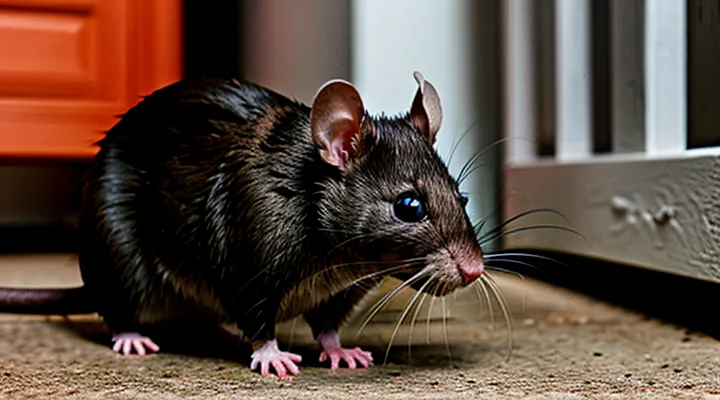
Understanding Rat Behavior
Why Rats Invade Your Home
Rats enter residential buildings primarily to satisfy basic survival needs. Food, water, and shelter drive their behavior, and human structures readily provide these resources.
- Unsecured food sources: open pantry containers, pet food left out, and spilled crumbs create attractive feeding sites.
- Accessible water: leaky pipes, dripping faucets, and standing water in basements offer hydration.
- Warm, protected environments: cluttered attics, crawl spaces, and wall voids supply insulation from weather and predators.
- Structural gaps: cracks in foundations, gaps around utility penetrations, and unsealed vents serve as entry points.
- Poor waste management: overflowing garbage cans and compost piles generate consistent food supplies.
Each factor independently increases the likelihood of infestation; combined, they accelerate population growth. Identifying and eliminating these attractants reduces entry opportunities and discourages colonization. Implementing simple sealing techniques, regular sanitation, and routine inspections forms the foundation of effective rat control strategies.
Common Entry Points
Rats exploit small openings to infiltrate homes, garages, and sheds. Identifying and sealing these breaches prevents infestations and reduces the need for reactive measures.
- Gaps around utility pipes (water, gas, electrical) often exceed a quarter‑inch.
- Cracks in foundation walls or slab edges provide direct access to interior spaces.
- Unscreened vents, including dryer, attic, and crawl‑space openings, serve as natural pathways.
- Damaged or missing weatherstripping on doors and windows leaves a continuous gap.
- Openings at the base of exterior doors, especially where a threshold is absent or worn.
- Holes in siding, soffits, or eaves created by weather or previous repairs.
- Small holes around HVAC ducts and condensate lines that lack proper sealing.
- Gaps where cables or cables trays enter the building envelope.
Inspect each potential entry point from the exterior inward. Use a flashlight to detect darkness behind insulation, and a thin rod or wire to probe suspicious gaps. Apply steel wool, copper mesh, or expanding foam sealant to close openings larger than a quarter‑inch; for larger voids, install metal flashing or hardware cloth. Replace deteriorated weatherstripping and ensure door sweeps contact the floor evenly. Regularly verify that vent covers remain intact and that any repairs maintain a continuous barrier. By systematically addressing these common entry points, a DIY rat control plan becomes proactive rather than reactive.
Signs of Rat Infestation
Rats leave unmistakable evidence of their presence, and recognizing these indicators is essential for effective control.
- Fresh droppings, typically ¼‑inch long, dark brown to black, found along walls, in cupboards, or near food sources.
- Gnaw marks on wood, plastic, wiring, or packaging; teeth leave V‑shaped incisions that enlarge over time.
- Scratching noises in ceilings, attics, or walls, especially at night when rodents are most active.
- Strong, musky odor emanating from nesting sites; the smell intensifies as the population grows.
- Grease or urine stains on surfaces; urine appears as yellowish rings or shiny patches, often near food.
- Presence of shredded material such as paper, fabric, or insulation used for bedding.
Additional signs include tracks in dusty areas, tail‑skirted footprints, and occasional sightings of live rats or carcasses. Prompt identification of these clues enables swift implementation of preventive measures and targeted removal strategies.
Prevention is Key
Sealing Entry Points
Materials to Use
When constructing rat accessories, prioritize safety, durability, and ease of cleaning. Choose materials that resist chewing damage, do not release toxins, and can be shaped with basic tools.
- Untreated softwood (pine, balsa) – light, easy to cut, safe if sanded smooth.
- PVC pipe – sturdy, water‑resistant, suitable for tunnels and climbing poles.
- Acrylic sheet – transparent, strong, ideal for observation panels.
- Corrugated cardboard – inexpensive, replaceable, works for temporary shelters.
- Metal wire (galvanized) – supports frames, must be coated to prevent rust.
- Non‑toxic silicone sealant – seals joints, remains flexible under gnawing pressure.
- Natural fiber rope – provides climbing texture, must be untreated and regularly inspected.
Select adhesives that are labeled non‑hazardous, such as cyanoacrylate formulated for pet use or water‑based wood glue. Avoid epoxy or super‑glue unless specifically marked safe for rodents.
Before assembly, sterilize all components with warm water and mild detergent, then rinse thoroughly. After building, inspect for sharp edges, loose fittings, or frayed rope; repair or replace immediately to maintain a secure environment.
How to Identify Gaps
Identifying gaps is a prerequisite for effective rat‑focused DIY projects. Gaps refer to any opening, oversight, or inconsistency that allows rodents to access unwanted areas or compromises the durability of a solution.
Physical inspection begins with a systematic sweep of walls, floors, and ceilings. Use a bright flashlight to reveal dark seams, and run a thin ribbon of paper along joints; any movement indicates a breach. Follow the perimeter of containers, cages, and feeding stations, noting where materials meet or where hinges expose gaps.
Verification methods include:
- Smoke test: release a brief puff of incense smoke near suspected openings; drift indicates airflow.
- Light‑sheet test: hold a thin sheet of paper against a joint; fluttering confirms a gap.
- Water spray: apply a gentle mist to exterior walls; moisture seeping inside signals a breach.
Assessing design gaps requires comparing the planned layout with the finished structure. List each component, then mark any deviation such as mismatched dimensions, missing fasteners, or incomplete seals. Cross‑reference the list with the intended function to expose gaps that could undermine rodent control.
Prioritize identified gaps based on size, location, and likelihood of rat entry. Seal larger openings first with steel wool, expanding foam, or metal mesh. Apply caulk or weather‑strip to smaller seams. After sealing, repeat verification tests to confirm closure.
A concise checklist reinforces consistency:
- Scan all interfaces with light and paper.
- Perform smoke or light‑sheet test on doubtful spots.
- Document design discrepancies.
- Rank gaps by risk level.
- Apply appropriate sealing material.
- Re‑test to ensure integrity.
By adhering to this systematic approach, any hidden or overlooked openings are eliminated, ensuring that rat‑related DIY solutions remain robust and reliable.
Food Storage and Sanitation
Proper Food Storage Techniques
Proper food storage is essential for maintaining a healthy rat environment and preventing waste. Secure containers protect feed from moisture, pests, and contamination, ensuring that each bite remains nutritionally intact.
Use airtight, opaque bins with snap‑tight lids. Place them on a stable surface away from direct sunlight and drafts. Clean the containers weekly with mild soap and hot water; rinse thoroughly before refilling.
Key practices:
- Store dry pellets and seeds in separate containers to avoid cross‑contamination.
- Keep a small portion of fresh food in an open dish for daily consumption; replenish it each morning and discard leftovers by night.
- Label each container with the type of food and the date of purchase to monitor freshness.
- Rotate stock by using older supplies first, following a “first‑in, first‑out” system.
Implementing these techniques reduces spoilage, minimizes the risk of mold or bacterial growth, and supports consistent nutrition for pet rats.
Waste Management Best Practices
Effective waste handling is critical for any rat‑focused DIY project. Proper disposal prevents odors, discourages pests, and protects the health of both rodents and their caretakers.
- Separate solid waste (cage liners, paper, cardboard) from organic material (food scraps, bedding). Use labeled containers to avoid cross‑contamination.
- Store waste containers in a cool, dry location away from direct sunlight. Replace liners daily to limit bacterial growth.
- Compost only untreated, rat‑safe plant waste. Avoid adding meat, dairy, or oily residues, which attract unwanted insects.
- Seal all waste bags before removal. Dispose of sealed bags in municipal trash or, if permitted, a dedicated animal‑waste composter.
- Clean waste containers with a mild, non‑toxic disinfectant weekly. Rinse thoroughly and allow to air‑dry before reuse.
Regularly inspecting waste areas for spills or leaks further reduces health risks. Implementing these practices ensures a hygienic environment that supports successful rat‑related DIY endeavors.
Yard Maintenance
Trimming Vegetation
Trimming vegetation around rat enclosures prevents foliage from creating hidden shelters where pests can hide and reduces the risk of accidental gnawing on plant stems. Properly managed greenery also improves airflow, helping to maintain a dry environment that discourages mold and respiratory issues.
- Remove any overgrown vines or tall grasses within a one‑meter radius of the cage.
- Cut back bushes to a height of no more than 30 cm, ensuring stems are short enough that rats cannot climb them.
- Use clean, sharp garden shears; disinfect tools with a diluted bleach solution before each session.
- Dispose of trimmed material in sealed bags to avoid attracting insects or wild rodents.
- Inspect the trimmed area weekly for new growth and repeat the process as needed.
Regular pruning keeps the surrounding area tidy, limits escape routes, and supports a healthier habitat for domesticated rats. Maintaining a routine schedule of vegetation control reduces the need for emergency interventions and extends the lifespan of enclosure components.
Removing Debris
Keeping a rat’s environment free of debris is essential for health, odor control, and equipment longevity. Regular removal prevents buildup of waste, food particles, and nesting material that can harbor bacteria and attract pests.
Begin each cleaning cycle by isolating the animal in a secure temporary enclosure. This prevents stress and accidental ingestion of cleaning agents. Next, dismantle removable components such as wheels, ladders, and tunnels. Place them in a sink or basin for separate washing.
- Use warm water and a mild, unscented detergent to scrub surfaces. Avoid harsh chemicals that can irritate a rat’s respiratory system.
- Rinse thoroughly to eliminate soap residue; lingering chemicals can be toxic when the animal returns.
- Disinfect with a diluted solution of white vinegar (1 part vinegar to 4 parts water) or a pet‑safe disinfectant. Apply, let sit for 2–3 minutes, then rinse again.
- Dry all items completely before reassembly. Moisture encourages mold growth, which compromises air quality.
After components are clean, sweep the cage base with a soft brush to collect loose debris. A handheld vacuum equipped with a HEPA filter can extract fine particles without dispersing them into the air. Dispose of waste in a sealed bag to eliminate odor and prevent recontamination.
Finally, reassemble the habitat, add fresh bedding, and return the rat. Perform this routine weekly for optimal conditions; increase frequency if the cage houses multiple rodents or if the animal is prone to excessive shedding. Consistent debris removal sustains a safe, hygienic environment and prolongs the lifespan of cages and accessories.
DIY Rat Control Methods
Trapping Techniques
Snap Traps
Snap traps provide a rapid, humane method for reducing rat populations in domestic and workshop environments. The mechanism consists of a spring‑loaded bar that releases with minimal force, delivering a lethal strike to the animal’s neck. Homemade versions can be assembled from inexpensive components, such as a sturdy wooden base, a metal spring, and a trigger lever fashioned from a coat hanger or plastic clip.
Construction steps:
- Cut a 4‑inch wooden block to serve as the base; sand edges to prevent splinters.
- Secure a steel spring (approximately 2 inches long) to the rear of the block using a small nail or screw.
- Attach a thin metal rod as the trigger; bend one end to create a notch that holds the spring under tension.
- Position a wooden or plastic platform on the front edge to act as the strike bar; ensure alignment with the rod for direct contact with the rod’s head.
- Install a bait holder, such as a small cup or folded paper, on the platform to attract the rodent.
Effective placement follows these principles:
- Locate traps along walls, behind appliances, and in dark corners where rats travel.
- Position the trigger so that the rodent must step onto the platform to reach the bait, guaranteeing activation.
- Set traps at night when rat activity peaks, then inspect each morning.
Maintenance guidelines:
- Check traps daily; remove captured rats promptly to prevent odor buildup.
- Reset the spring mechanism after each capture, inspecting for wear or corrosion.
- Replace the spring and trigger components after several uses to maintain consistent force.
Disposal recommendations:
- Wear disposable gloves when handling captured rodents.
- Place the carcass in a sealed bag, then dispose of it according to local regulations for pest control waste.
- Clean the trap with a mild detergent solution, rinse, and dry before reassembly.
Snap traps, when built and deployed correctly, deliver a reliable solution for controlling rat infestations without reliance on chemical poisons. Their low cost, ease of construction, and immediate results make them a valuable tool for anyone seeking practical rat management techniques.
Live Traps
Live traps provide a humane method for capturing unwanted rats while allowing for release elsewhere. Constructing an effective trap requires sturdy material, reliable trigger, and appropriate bait.
Materials such as sturdy wire mesh, a wooden frame, or a repurposed plastic container form the enclosure. The opening must be large enough for a rat to enter but small enough to prevent escape once the door closes. A simple spring‑loaded latch or a weighted door can serve as the trigger; the mechanism should activate with minimal force to avoid injury.
Bait selection influences capture success. High‑protein foods—peanut butter, cooked egg, or small pieces of meat—emit strong scent and attract rats quickly. Apply a thin layer to the trigger area to encourage interaction without contaminating the trap interior.
Placement determines effectiveness. Position traps along walls, behind appliances, or near known gnaw marks, as rats travel close to surfaces. Elevate traps 4–6 inches off the floor to match typical rodent pathways. Ensure the surrounding area is free of competing food sources to increase trap appeal.
Maintenance involves regular inspection, cleaning, and resetting. After each capture, wear gloves, release the animal at least one mile from the original location, and disinfect the trap with a mild bleach solution. Check latch integrity and replace worn components to maintain consistent operation.
Safety considerations include using gloves to avoid disease transmission, securing traps out of reach of children and pets, and complying with local wildlife regulations regarding relocation. By following these guidelines, DIY enthusiasts can create reliable live traps that reduce rat populations without lethal methods.
Trap Placement Strategies
Effective rat control begins with precise trap positioning. Rats travel along established routes that hug walls, follow utility lines, and avoid open spaces. Identifying these pathways allows traps to intercept movement with minimal effort.
- Locate areas with fresh droppings, gnaw marks, or grease streaks; these indicate active travel lanes.
- Position traps perpendicular to the wall, with the trigger end facing the wall, forcing the rodent to encounter the mechanism while moving along its preferred edge.
- Place traps near food sources, such as pantry shelves, garbage bins, or pet feeders, but keep them out of direct sight to prevent avoidance.
- Use multiple traps spaced 12–18 inches apart in high‑traffic zones to create a barrier that reduces the chance of a rat bypassing a single device.
- Rotate trap locations weekly; rats quickly learn static patterns, so shifting placement maintains effectiveness.
Maintain a clean environment, remove competing food items, and inspect traps daily. Prompt removal of captured rats prevents scent buildup that could deter further activity, ensuring sustained success of the placement strategy.
Natural Deterrents
Peppermint Oil
Peppermint oil is a natural rodent deterrent that can be incorporated into simple, low‑cost solutions for rat control. Its strong scent overwhelms a rat’s olfactory receptors, prompting avoidance of treated areas without the need for chemicals.
Effective applications include:
- Soak cotton balls in a few drops of peppermint oil and place them in corners, behind appliances, and along baseboards where rats travel. Replace every 3–5 days to maintain potency.
- Mix 10 ml of peppermint oil with 250 ml of water in a spray bottle. Lightly mist furniture, shelving, and entry points; the mist creates a lingering vapor barrier.
- Add 5 ml of oil to a small dish of baking soda; the combination absorbs moisture while releasing scent, useful for storage rooms and pantries.
Safety considerations demand proper handling: avoid direct skin contact by wearing gloves, keep the oil away from pets and children, and store it in a sealed container away from heat. Overuse can cause respiratory irritation for humans; a few drops per application are sufficient for deterrence.
Ammonia
Ammonia serves as a versatile component in rat care projects, offering strong cleaning power and odor mitigation. When diluted correctly, it removes urine stains, disinfects cages, and neutralizes lingering smells without leaving residue. A typical safe mixture for routine cleaning consists of one part clear household ammonia to ten parts water; apply with a spray bottle, let sit for a few minutes, then rinse with fresh water to prevent skin irritation.
Safety considerations are non‑negotiable. Always work in a well‑ventilated area, wear gloves, and keep the solution away from food dishes. Never use undiluted ammonia on soft bedding or directly on the animals; exposure can damage respiratory tissues. Store the concentrate in a sealed container, labeled clearly, and keep out of reach of pets.
Practical applications include:
- Spot‑cleaning cage corners: spray diluted solution, scrub with a brush, rinse.
- Neutralizing litter box odor: add a small amount (≈1 ml per liter) to a bucket of water, soak litter, then drain and dry.
- Preparing a disinfectant soak for plastic accessories: immerse items for 5 minutes, then rinse thoroughly.
Cayenne Pepper
Cayenne pepper serves as a natural repellent for rodents when applied correctly. Its strong scent and irritant properties discourage rats from entering treated areas.
- Sprinkle a thin layer of powdered cayenne along baseboards, entry points, and behind appliances. Reapply after cleaning or when moisture dampens the powder.
- Mix equal parts cayenne powder and flour, then dust the blend onto surfaces where rats travel. The flour helps the spice adhere without creating a visible residue.
- Create a spray by dissolving one tablespoon of cayenne powder in a cup of water, adding a few drops of dish soap, and shaking vigorously. Spray the solution around cracks, vents, and the perimeter of storage spaces. Reapply weekly or after rain.
- Combine cayenne with other deterrents such as peppermint oil or steel wool to enhance effectiveness and cover a broader range of sensory cues.
Safety considerations include wearing gloves and a mask during handling to avoid skin irritation and inhalation. Store the spice in a sealed container away from food supplies to prevent accidental contamination. Monitor treated zones for signs of reduced activity; a noticeable decline in droppings or gnaw marks indicates successful deterrence. If rats persist, increase the concentration or supplement with mechanical exclusion methods.
Homemade Baits
Peanut Butter and Oats
Peanut butter combined with rolled oats creates a nutrient‑dense, aromatic mixture that rats readily accept. The high protein content of peanut butter supplies essential amino acids, while oats contribute complex carbohydrates and soluble fiber that support digestive health.
To prepare the blend, mix equal parts smooth peanut butter and dry oats in a bowl until a thick paste forms. Add a small quantity of warm water—no more than one tablespoon per cup of mixture—to achieve a pliable consistency suitable for shaping. Stir until the texture is uniform, then allow the mixture to rest for five minutes before use.
Practical applications include:
- Treats: Form small balls or thin strips; place them in cages for spontaneous foraging.
- Enrichment: Embed the paste in wooden blocks or cardboard tubes, encouraging chewing and problem‑solving.
- Training: Use as a high‑value reward during clicker or scent‑training sessions; the strong scent of peanut butter improves focus.
- Health support: Offer a modest portion to rats recovering from illness, providing extra calories without excessive fat.
Store the prepared mixture in an airtight container within the refrigerator; limit storage to three days to prevent rancidity. Discard any portion that shows signs of mold, discoloration, or off‑odor.
Other Attractants
When standard food baits fail, consider alternative stimuli that exploit rats’ sensory preferences.
- Protein powders: Unflavored whey or soy protein mixed with a small amount of water creates a moist, aromatic paste that draws rodents seeking nitrogen sources.
- Fermented extracts: Diluted apple cider vinegar or low‑strength soy sauce emit volatile acids that mimic decomposing matter, encouraging foraging.
- Essential oil blends: A few drops of peppermint, clove, or citronella combined with carrier oil form a potent scent trail; rats investigate the unfamiliar olfactory cue before avoiding it, making the blend useful for both attraction and deterrence in controlled experiments.
- Texture enhancers: Adding fine cornmeal or shredded wheat to bait increases tactile interest, prompting tactile exploration that leads to consumption.
Implement these attractants by applying a thin layer to trap surfaces or embedding them within homemade bait stations. Rotate between options every 48–72 hours to prevent habituation. Monitor placement daily; replace any degraded material to maintain optimal potency.
Safety and Best Practices
Handling Rats Safely
Handling rats safely requires preparation, proper equipment, and consistent technique. Begin each session by washing hands thoroughly and wearing clean gloves to protect both the animal and the handler from potential disease transmission.
- Use a sturdy, well‑ventilated cage with secure lid; avoid open tops that allow escape.
- Approach the rat calmly, keeping movements slow to reduce stress.
- Support the rat’s body with both hands: one hand cradles the chest, the other supports the hindquarters. This distributes weight evenly and prevents injury.
- Keep the rat’s head level with its spine; never lift by the tail or limbs.
- Limit handling time to five‑ten minutes for unfamiliar animals; gradually increase duration as trust develops.
- After handling, place the rat back in its cage, allow it to settle, and clean any surfaces that contacted the animal.
Maintain a clean environment by disinfecting cages and tools regularly. Store food and bedding separately to prevent contamination. Record any signs of illness or injury and consult a veterinarian promptly. Consistent adherence to these practices ensures the well‑being of the rat and the safety of the handler.
Avoiding Harm to Pets and Children
When creating rat-friendly projects, protect other household members by eliminating hazards before work begins. Secure all chemicals, adhesives, and sharp tools in locked cabinets; children and pets cannot access them. Choose non‑toxic materials such as untreated wood, natural fibers, and water‑based glues, which reduce the risk of poisoning if ingested.
Maintain a clean workspace. Remove stray wires, screws, and small parts that could be swallowed. Install barriers—such as pet gates or child‑proof locks—around the area where the rat enclosure is assembled or modified.
Implement the following safety checklist:
- Store hazardous substances out of reach, ideally above 5 feet or in a locked drawer.
- Use only pet‑safe, child‑safe components; verify product safety data sheets.
- Keep the rat enclosure covered when not in use to prevent accidental entry by other animals.
- Supervise any interaction between the rat and children, limiting direct handling to brief, controlled sessions.
- Inspect the finished setup for loose parts, exposed edges, or protruding wires before allowing free access.
Regularly review the environment for signs of wear or damage. Replace compromised elements promptly to maintain a secure setting for both the rat and other occupants.
Disposal of Rodents
When a rat must be removed from a project, immediate and secure handling prevents contamination and odor buildup. Wear disposable gloves, a mask, and eye protection before contacting the animal or its carcass.
Choose a disposal method that complies with local regulations and eliminates health risks:
- Seal the carcass in a double‑layered plastic bag, expel excess air, and tie tightly.
- Place the sealed package in an outdoor trash container that is emptied weekly.
- For large numbers, arrange collection by a licensed animal waste service; provide a clear, sealed container as instructed.
- If permitted, bury the animal at a depth of at least 12 inches, away from water sources and vegetable gardens, using a biodegradable liner to prevent scavenger access.
After disposal, disinfect all tools and surfaces with a solution containing at least 0.1 % bleach or an EPA‑approved sanitizer. Wash hands thoroughly with soap and water, then dispose of any disposable protective equipment in the same sealed bag used for the carcass.
Maintain a log of disposal dates, methods, and quantities to track compliance and identify patterns that may require preventive measures.
Advanced DIY Solutions
Creating a Rodent-Proof Barrier
A rodent-proof barrier protects structures, food storage, and workspaces from unwanted entry. Effective barriers combine solid materials, proper sealing techniques, and strategic placement.
Select durable, non‑chewable components such as metal flashing, heavy‑gauge hardware cloth, or thick polycarbonate sheets. Cut each piece to fit the exact dimensions of openings, gaps, and seams. Use a fine mesh (¼‑inch or smaller) for hardware cloth to block even the smallest rodents.
Secure the material with corrosion‑resistant screws or rivets. Apply a continuous bead of silicone or polyurethane sealant around the perimeter to eliminate cracks and prevent moisture infiltration. For doorways and windows, install sweep strips that overlap the barrier and attach firmly to the frame.
Maintain the barrier by inspecting it weekly for signs of wear, rust, or displacement. Repair any damage promptly, replacing compromised sections with matching material. Keep the surrounding area free of debris, vegetation, and food remnants that could attract rodents and encourage attempts to breach the barrier.
Key steps
- Measure all potential entry points accurately.
- Choose a suitable, chew‑resistant material.
- Cut and fit the material with minimal gaps.
- Fasten securely using rust‑proof hardware.
- Seal edges with high‑quality caulk.
- Add overlapping sweep strips where movement occurs.
- Conduct regular inspections and repairs.
By following this systematic approach, the barrier remains impermeable, reducing the likelihood of rodent intrusion and preserving the integrity of the environment.
Electronic Repellents (DIY Versions)
Electronic repellents offer a practical, low‑cost solution for deterring rats without chemicals. The core of a DIY device is an ultrasonic transducer that emits frequencies above 20 kHz, which are uncomfortable for rodents but inaudible to humans. Pair the transducer with a simple oscillator circuit—commonly built from a 555 timer or a microcontroller such as an Arduino Nano—to generate a modulated signal that prevents habituation.
Key components include:
- Ultrasonic transducer (piezoelectric ceramic, 20–30 kHz rating)
- Oscillator circuit (555 timer, microcontroller, or dedicated ultrasonic driver)
- Power source (9 V battery or DC adapter)
- Enclosure (plastic or metal housing with ventilation)
- Optional: infrared LED for visual indication of operation
Assembly steps:
- Solder the transducer leads to the output pins of the oscillator circuit, observing correct polarity.
- Connect the power supply to the circuit, incorporating a reverse‑polarity protection diode.
- Mount the transducer inside the enclosure, directing it outward toward the target area.
- Secure the enclosure, ensuring no exposed wires.
- Test the device with an ultrasonic detector to confirm emission frequency and amplitude.
Safety considerations are essential. Verify that the output does not exceed 120 dB SPL at 1 m to avoid harming pets or humans. Use insulated tools and verify connections before powering the circuit. Periodically replace the battery or inspect the transducer for degradation, as performance diminishes over time.
Effectiveness improves when devices are placed near entry points, along walls, and in dark corners where rats travel. Multiple units spaced 3–5 m apart create overlapping fields, reducing the likelihood of escape routes. Regular rotation of frequency patterns—achievable through programmable microcontrollers—prevents rodents from adapting to a constant tone.
By following these guidelines, a functional electronic repellent can be constructed with minimal expense, providing a reliable, humane deterrent for rat infestations.