
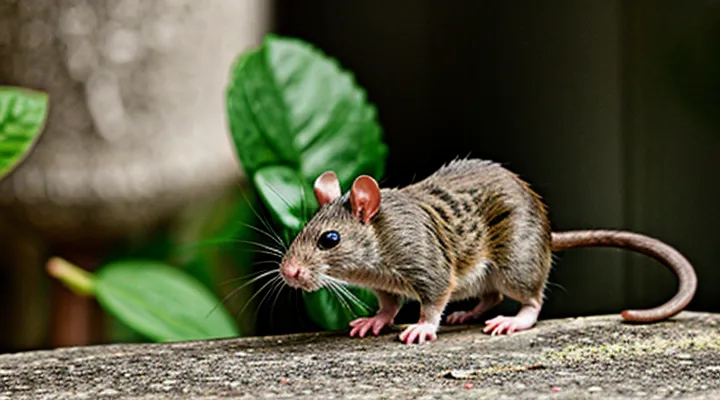
The World of Rats
Understanding «True Rats»
What Defines a Rat?
Rats belong to the family Muridae, subfamily Murinae, and are classified within the genus Rattus and several related genera. Their definition rests on a combination of taxonomic, morphological, genetic, and ecological criteria.
- Taxonomic placement: Order Rodentia, family Muridae, subfamily Murinae; primary genus Rattus with species such as R. norvegicus (brown rat) and R. rattus (black rat).
- Skull and dental structure: Robust skull, high‑arched nasal bones, and a single pair of continuously growing incisors with enamel restricted to the front surface, creating a sharp chisel edge.
- Body proportions: Tail length equal to or exceeding body length, relatively small ears, and a flexible, hair‑covered body adapted for climbing and burrowing.
- Genetic markers: Mitochondrial DNA sequences (e.g., cytochrome b) and nuclear gene loci that differentiate rat lineages from other murids.
- Reproductive traits: Short gestation (≈ 21–23 days), large litter sizes (5–12 offspring), and rapid sexual maturity, enabling high population turnover.
- Behavioral patterns: Omnivorous diet, nocturnal activity, strong exploratory drive, and social structures ranging from solitary to loosely organized colonies.
These characteristics collectively delineate a rat from other rodents and provide a framework for distinguishing the numerous species documented in visual and descriptive surveys of rat diversity.
Common Misconceptions
Rats are often perceived as a single, uniform group, yet extensive photographic records and morphological descriptions reveal a complex assemblage of species spread across continents. This diversity generates several persistent misconceptions that hinder accurate identification and understanding.
- All rats are brown and identical in size. Photographs demonstrate a spectrum of coat colors—from the silvery-grey of the Asian house rat to the reddish-brown of the bush rat—and a range of body lengths and tail proportions that differ markedly between species.
- Only one species lives in urban environments. Urban habitats host multiple taxa, including the Norway rat (Rattus norvegicus), the black rat (Rattus rattus), and increasingly, the Pacific rat (Rattus exulans), each exhibiting distinct behavioral adaptations.
- Rats lack ecological significance. Detailed descriptions show that many species act as seed dispersers, predators of insects, and prey for raptors, contributing to ecosystem stability.
- All rats carry the same diseases. Pathogen profiles vary; for example, Rattus tanezumi is a primary reservoir for certain hantaviruses, whereas Rattus rattus more commonly transmits murine typhus.
- Visual identification is impossible without a microscope. High‑resolution images capture key diagnostic features such as ear size, whisker length, and tail scaling, enabling reliable field identification.
Clarifying these points aligns public perception with the documented variety of rat species, ensuring that visual and descriptive evidence informs both scientific study and everyday awareness.
Major Rat Species
Brown Rat («Rattus norvegicus»)
Habitat and Distribution
The variety of rat species occupies a broad spectrum of ecosystems, each adapted to specific environmental conditions that determine their geographic range. Habitat selection influences population density, reproductive success, and interspecific interactions, thereby shaping the overall distribution of the group.
Typical habitats include:
- Urban environments: sewers, buildings, and waste sites provide abundant food and shelter.
- Agricultural fields: grain stores, irrigation canals, and crop residues support large colonies.
- Forested areas: leaf litter, fallen logs, and canopy hollows offer protection and foraging opportunities.
- Arid regions: rocky outcrops and sparse vegetation serve as refuges for species tolerant of low moisture.
- Wetlands: marshes and riverbanks supply water and aquatic invertebrates for opportunistic feeders.
Distribution patterns reflect continental and climatic divisions. In North America, the Norway rat (Rattus norvegicus) dominates temperate cities, while the deer mouse (Peromyscus maniculatus) extends across boreal and mountainous zones. In Asia, the black rat (Rattus rattus) thrives in tropical coastal regions and densely populated towns. African savannas host the multimammate rat (Mastomys natalensis), a species adapted to seasonal rainfall and open grasslands. South American rainforests contain several endemic species, such as the spiny rat (Proechimys spp.), confined to humid understory habitats. Oceania exhibits isolated island populations, often limited to volcanic islands with limited predator presence.
These habitat preferences and biogeographic trends illustrate the ecological flexibility of rat species, explaining their successful colonization of diverse environments worldwide.
Physical Characteristics
Rats exhibit a broad spectrum of physical traits that reflect adaptation to distinct habitats and ecological niches. Body length ranges from 10 cm in the diminutive African pygmy rat to over 30 cm in the giant bamboo rat, while weight varies from less than 30 g to more than 2 kg. Fur coloration spans uniform brown, gray, or black coats to complex patterns such as the striped dorsal pelage of the banded rat, providing camouflage in varied environments.
Tail morphology distinguishes species as well. Some, like the Norway rat, possess a scaly, hair‑less tail equal to or exceeding body length, whereas others, such as the marsh rat, have a shorter, fur‑covered tail that aids in thermoregulation. Ear size correlates with auditory sensitivity; large, thin‑membraneed ears are typical of desert‑dwelling species, while forest species exhibit smaller, rounded ears that reduce heat loss.
Key anatomical features include:
- Incisor structure: ever‑growing, chisel‑shaped teeth with enamel limited to the front surface, enabling continuous gnawing.
- Whisker (vibrissae) arrangement: dense, asymmetrical arrays on the rostrum provide tactile mapping of narrow tunnels.
- Foot composition: plantigrade stance with five toes, elongated hind feet in some arboreal rats for enhanced climbing ability, and interdigital pads bearing specialized scent glands.
Skeletal adaptations further differentiate taxa. The vertebral column of burrowing rats shows reinforced lumbar vertebrae for digging, while species that navigate arboreal pathways possess more flexible cervical vertebrae and elongated clavicles to support extended reach. Collectively, these physical characteristics define the remarkable morphological diversity within the rat clade.
Behavioral Traits
Across the spectrum of rat species, behavioral patterns illustrate adaptation to varied ecological niches. The brown rat (Rattus norvegicus) exhibits opportunistic foraging, exploiting human waste and agricultural crops. It forms hierarchical colonies, with dominant individuals defending burrow entrances and subordinate members focusing on food collection. Nocturnal activity peaks during twilight, reducing predation risk while maximizing access to temporary food sources.
The black rat (Rattus rattus) demonstrates arboreal tendencies, navigating vegetation to reach fruit and seeds. Social groups are smaller than those of the brown rat, emphasizing cooperative breeding; a pair often shares a nest, and offspring assist in rearing younger siblings. Vocalizations and scent marking facilitate territory delineation and mate attraction.
Polynesian rats (Rattus exulans) display high reproductive efficiency, producing multiple litters annually in island environments where predators are scarce. Their dispersal behavior includes long-distance swimming, enabling colonization of isolated islands. Aggressive territorial defense is limited; instead, individuals tolerate overlapping home ranges, reducing conflict in resource‑rich habitats.
Key behavioral traits observed across diverse rat species include:
- Foraging flexibility: ability to exploit anthropogenic and natural food sources.
- Social organization: ranging from large, stratified colonies to pair‑bonded units.
- Activity timing: predominantly nocturnal, with crepuscular peaks.
- Territorial strategies: scent marking, vocal calls, and spatial tolerance.
- Reproductive tactics: variable litter size, frequency, and parental investment.
- Problem‑solving capacity: use of tools, maze navigation, and adaptation to novel obstacles.
These traits collectively reflect evolutionary responses to habitat complexity, resource distribution, and interspecific competition, underscoring the functional diversity within the rat genus.
Photographic Showcase
The photographic showcase presents a curated collection of high‑resolution images that illustrate the morphological variety among rat species worldwide. Each photograph captures distinctive traits such as fur coloration, tail length, ear size, and facial structure, enabling visual comparison across habitats ranging from tropical forests to arid plains.
Key elements of the visual compilation include:
- Rattus norvegicus (Norway rat) – robust body, coarse brownish fur, short tail with a dark dorsal stripe.
- Rattus rattus (Black rat) – slender silhouette, glossy black or dark brown coat, long tail exceeding body length.
- Praomys tullbergi (Tullberg’s soft‑furred mouse) – soft gray‑brown pelage, short tail, prominent whiskers suited for forest floor navigation.
- Bandicota indica (Greater bandicoot rat) – large size, thick gray fur, powerful hind limbs adapted for burrowing.
- Niviventer confucianus (Chinese white‑toothed rat) – pale underbelly, mottled dorsal fur, relatively long whiskers for nocturnal foraging.
Accompanying captions provide concise taxonomic identifiers, geographic distribution, and notable ecological adaptations. The arrangement follows a logical progression from common urban species to less familiar forest dwellers, supporting comparative analysis without extraneous commentary.
Black Rat («Rattus rattus»)
Habitat and Distribution
Rats occupy a broad spectrum of environments, from pristine ecosystems to densely populated cities. Each species exhibits adaptations that define its preferred habitat and geographic range.
- Norway rat (Rattus norvegicus) – thrives in temperate regions, commonly found near water sources such as rivers, canals, and sewers; distribution spans North America, Europe, and parts of Asia.
- Black rat (Rattus rattus) – favors warm, humid climates; inhabits tropical forests, agricultural fields, and human dwellings; native to Southeast Asia, now widespread across Africa, the Pacific islands, and the Mediterranean basin.
- Brown rat (Rattus brunneus) – limited to arid and semi‑arid zones of the Middle East; shelters in rocky crevices and sparse vegetation.
- Polynesian rat (Rattus exulans) – adapted to island ecosystems; occupies coastal forests and cultivated lands throughout Oceania and parts of South America.
- Himalayan field rat (Rattus nitidus) – resides in high‑altitude grasslands and alpine meadows; range includes the Himalayas and adjacent mountainous regions of Central Asia.
Beyond these examples, many rat species specialize in niche habitats such as mangrove swamps, desert oases, and underground burrow systems. Their distribution patterns often reflect historical dispersal events facilitated by human trade routes, natural land bridges, and climatic shifts. Consequently, rat populations can be highly localized, with some species confined to single islands or isolated mountain valleys, while others achieve a cosmopolitan presence across multiple continents.
Physical Characteristics
Rats display a broad range of physical traits that facilitate adaptation to diverse habitats. Body length varies from 10 cm in the diminutive African pygmy rat to over 30 cm in the large brown rat, while tail length typically mirrors or exceeds body length, providing balance and thermoregulation. Fur texture and coloration differ markedly: some species possess dense, coarse hair in shades of brown or black, whereas others, such as the desert-dwelling sand rat, exhibit sparse, light‑colored pelage that reflects solar heat.
Key morphological features include:
- Ears: Size ranges from minute, recessed ears in subterranean species to large, mobile ears in arboreal rats, enhancing auditory detection of predators and prey.
- Snout: Length and shape correlate with diet; elongated, narrow snouts in seed‑eating rats improve foraging efficiency, while broader snouts in omnivorous species accommodate varied food intake.
- Digits: Forepaws often feature elongated, dexterous fingers with well‑developed pads, enabling manipulation of objects and climbing; hind feet may possess elongated claws for digging.
Skeletal structure reflects ecological specialization. The lumbar vertebrae of burrowing rats are reinforced to withstand substrate pressure, whereas tree‑climbing species exhibit flexible spines that permit agile movement among branches. Dental formula remains consistent across the group (1/1 incisors, no canines, 0/0 premolars, 3/3 molars), but enamel thickness and wear patterns differ, indicating dietary preferences.
Overall, physical characteristics such as size, fur, tail, ear morphology, snout configuration, digit dexterity, skeletal adaptation, and dental specialization collectively distinguish rat species and reveal their evolutionary responses to distinct environmental pressures.
Behavioral Traits
Rats exhibit a wide range of behavioral adaptations that reflect their ecological diversity. Across the various species, the following traits are consistently observed:
- Foraging strategies – Some species rely on opportunistic scavenging, while others specialize in seed collection or insect predation. Food handling techniques vary from simple gnawing to complex caching behaviors.
- Social organization – Colony-forming rats maintain hierarchical structures, with dominant individuals defending resources and subordinate members performing cooperative tasks such as nest maintenance. Solitary species display minimal social interaction, focusing on territorial defense.
- Territoriality – Marking with urine, scent glands, and vocalizations delineates individual ranges. Overlap between territories is limited, reducing direct competition.
- Activity patterns – Predominantly nocturnal, many rats adjust their circadian rhythms to avoid predators and exploit cooler temperatures. Certain alpine species exhibit crepuscular peaks aligned with limited daylight.
- Communication – A repertoire of ultrasonic calls conveys alarm, mating readiness, and social status. Visual signals, such as tail flicks and ear positioning, supplement acoustic messages in dense habitats.
- Reproductive behavior – Polygynous mating systems dominate, with females exhibiting estrous cycles synchronized to resource abundance. Parental care is limited; offspring are weaned rapidly to maximize reproductive turnover.
- Habitat flexibility – Behavioral plasticity enables some rats to thrive in urban environments, exploiting human waste, while others remain restricted to pristine forest floors or arid scrublands.
These traits illustrate how behavioral diversity underpins the successful colonization of varied ecosystems by rat species worldwide.
Photographic Showcase
The photographic showcase presents a curated collection of images that illustrate the extensive range of rat species found across continents. Each photograph captures distinguishing morphological traits, habitat context, and behavioral cues, providing visual evidence of the taxonomic breadth within the group.
Key elements of the showcase include:
- Rattus norvegicus (Brown Rat): High‑resolution close‑up of the sleek, dark pelage and robust body; background shows urban sewer environment.
- Rattus rattus (Black Rat): Image highlights the slender tail, agile posture, and lighter coloration; set against a tropical attic interior.
- Bandicota indica (Greater Bandicoot Rat): Photograph emphasizes the large, spiny fur and massive skull; field setting displays cultivated rice paddies.
- Niviventer confucianus (Chinese White‑toothed Rat): Picture features the pale under‑belly and distinct dental pattern; forest floor litter provides context.
- Pseudomys delicatulus (Delicate Mouse‑Rat): Close‑up reveals delicate whiskers and small size; arid scrubland backdrop illustrates adaptation to dry habitats.
Accompanying captions summarize taxonomic identifiers, geographic distribution, and notable ecological roles, allowing viewers to compare visual characteristics directly. The arrangement of images follows a logical progression from common urban species to more specialized rural and wild forms, reinforcing the concept of species variation without reliance on textual elaboration.
Other Notable Rat Species
Roof Rat
The roof rat (Rattus rattus), also known as the black rat, is a globally distributed rodent distinguished by its slender body, long tail, and agile climbing ability. Adults typically measure 16–20 cm in body length, with tails extending an additional 18–25 cm. Fur is glossy black or dark brown, while the ears are relatively large and hairless, aiding thermoregulation in warm environments.
Habitat preferences include attics, eaves, and other elevated structures where the species can exploit human food sources while remaining out of reach of ground‑dwelling predators. Populations thrive in tropical and subtropical regions but have adapted to temperate zones through human‑mediated transport. The species’ diet is omnivorous; it consumes grains, fruits, insects, and waste, contributing to its success in urban and rural settings.
Key identification features:
- Gray‑brown to black dorsal coloration, lighter ventral side
- Tail longer than the head‑body length, scaly and hairless
- Large, pointed ears with minimal fur
- Long, narrow skull with a pronounced nasal bone
Reproductive capacity is high; females can produce up to five litters per year, each containing 5–7 pups. Rapid turnover enables swift population expansion when food and shelter are abundant. Control measures focus on sealing entry points, removing food sources, and employing bait stations in accordance with local regulations.
Photographic documentation benefits from low‑angle lighting to highlight the rat’s elongated tail and ear morphology. Close‑up shots captured at 1 m distance with a 50 mm lens provide sufficient detail for species verification while minimizing disturbance.
Polynesian Rat
The Polynesian rat (Rattus exulans), the smallest member of the genus Rattus, measures 13–16 cm in body length with a tail of similar length. Its fur is uniformly brown to gray, and the ears are relatively small and hair‑less. The species originated in Southeast Asia and spread across the Pacific islands through human maritime activity, reaching locations such as New Zealand, Hawaii, and Easter Island.
In tropical and subtropical environments, the rat occupies forest edges, agricultural fields, and human settlements. It is omnivorous, consuming seeds, fruits, insects, and carrion, and it exhibits opportunistic foraging behavior that allows rapid adaptation to new food sources. Reproduction peaks during warm months; females produce litters of 3–7 young after a gestation period of 21 days, with multiple litters possible per year.
The Polynesian rat has significant ecological impact on island ecosystems. Its predation on native birds’ eggs and seedlings contributes to the decline of endemic species. Control measures on vulnerable islands often involve trapping and baiting programs that target R. exulans populations while minimizing non‑target effects.
Photographic documentation typically highlights the rat’s compact body, distinct tail, and characteristic whisker arrangement. Images captured in natural settings show individuals foraging on the ground or perched on low vegetation, providing visual reference for identification and study.
Key identification points:
- Body length: 13–16 cm; tail length: 13–16 cm
- Uniform brown/gray dorsal fur, lighter ventral side
- Small, hair‑less ears; long whiskers
- Tail sparsely haired, slightly longer than head‑body length
Understanding the distribution, morphology, and behavior of the Polynesian rat informs conservation strategies aimed at protecting fragile island biodiversity.
Gambian Pouched Rat
The Gambian pouched rat (Cricetomys gambianus) exemplifies the extensive variation within murine rodents. Native to sub‑Saharan Africa, it occupies savannas, wooded areas, and agricultural fields where it constructs nests in burrows or abandoned termite mounds. Its distribution spans from Senegal to Ethiopia and southward to Angola, reflecting adaptability to diverse climates and food resources.
Physically, the species reaches a head‑body length of 30–45 cm, with a tail of comparable length. Dense, coarse fur ranges from brown to reddish‑brown, while a distinctive large cheek pouch expands for temporary food storage. Teeth are robust, suited for crushing seeds, insects, and small vertebrates. Reproductive capacity is high; females produce up to three litters annually, each containing up to eight offspring.
Key attributes:
- Excellent olfactory acuity, enabling detection of explosive residues and disease‑bearing rodents.
- Social structure characterized by loose colonies, with communication through vocalizations and scent marking.
- Diet flexibility: grains, fruits, insects, carrion, and occasional small mammals.
- Conservation status listed as Least Concern, though habitat alteration can affect local populations.
Photographic documentation highlights the animal’s elongated body, prominent whiskers, and the expandable cheek pouch, providing visual confirmation of its morphological adaptations. The Gambian pouched rat’s ecological role and utility in bio‑detection underscore its significance among the many rat species worldwide.
Lesser-Known Varieties
Rats exhibit a remarkable range of forms beyond the common laboratory and sewer species. Among the obscure members of this group, several display adaptations that illuminate evolutionary pathways and ecological niches.
- Tarsier Rat (Micromys minutus) – diminutive, weighing less than 10 g, it inhabits dense grasslands of East Asia. Its elongated hind limbs enable rapid leaps, while a finely tuned olfactory system assists in locating seeds.
- Sulawesi Water Rat (Paraleptomys rufilatus) – endemic to high‑altitude streams on Sulawesi, this semi‑aquatic species possesses partially webbed hind feet and a waterproof pelage. Its diet consists mainly of aquatic insects and small crustaceans.
- Andean Hairy‑Tail Rat (Chinchillomys alpinus) – confined to the páramo ecosystems of the Andes, it features a dense, insulating tail covered in coarse fur. The tail functions as a thermal regulator during cold nights.
- Borneo Spiny‑Back Rat (Maxomys surifer) – found in lowland rainforests, this rat bears a series of keratinized spines along its dorsal ridge. The spines deter predators and aid in navigating through tangled underbrush.
- Desert Jerboa‑Rat (Jaculus jaculus) – although technically a rodent, it shares many rat characteristics. Adapted to arid deserts, it exhibits elongated hind legs for bounding and large auditory bullae for detecting distant sounds.
These species illustrate how morphological specializations support survival in diverse habitats, from alpine tundra to tropical waterways. Photographic documentation, when available, highlights distinctive traits such as the spiny dorsal ridge of the Borneo species or the webbed feet of the Sulawesi water rat, providing visual confirmation of their unique adaptations.
Understanding these lesser‑known varieties enriches the broader picture of rat diversity, emphasizing the importance of field surveys and taxonomic research for preserving biodiversity.
Adaptations and Survival Strategies
Ecological Niches
Rats occupy a wide spectrum of ecological niches, reflecting their adaptive radiation across continents. Each niche sustains specific morphological and behavioral traits that enable survival under distinct environmental pressures.
- Urban environments – Species such as the Norway rat (Rattus norvegicus) exploit human waste, exhibit high reproductive rates, and tolerate close proximity to humans.
- Arid grasslands – The desert rat (Gerbilliscus afra) utilizes burrow systems to escape extreme temperatures, feeds on seeds and insects, and displays nocturnal activity to conserve water.
- Tropical forest understory – The black rat (Rattus rattus) thrives in dense vegetation, climbs trees to access fruit and arthropods, and demonstrates agility in arboreal navigation.
- Wetland margins – The marsh rat (Holochilus sciureus) constructs floating nests, consumes aquatic vegetation, and exhibits swimming proficiency for predator avoidance.
- High‑altitude plateaus – The Himalayan rat (Rattus nitidus) tolerates low oxygen levels, forages on alpine herbs, and possesses dense fur for thermal regulation.
These niche specializations contribute to the overall diversity of rat species documented through photographic records and morphological descriptions. The combination of habitat selection, diet breadth, and reproductive strategy defines each species’ ecological role within its ecosystem.
Dietary Habits
Rats exhibit a wide range of feeding strategies that correspond to their ecological niches and morphological adaptations. Species inhabiting urban environments often exploit human refuse, consuming carbohydrates, processed foods, and discarded meat. Rural and forest-dwelling rats rely on natural resources such as seeds, nuts, fruits, insects, and small vertebrates.
Key dietary patterns among representative species include:
- Norway rat (Rattus norvegicus): Omnivorous; diet comprises grains, vegetables, carrion, and occasional insects.
- Black rat (Rattus rattus): Primarily frugivorous; prefers fruits, berries, and seeds, supplemented with insects and grain.
- Polynesian rat (Rattus exulans): Opportunistic omnivore; feeds on coastal invertebrates, plant material, and human waste.
- Bush rat (Rattus fuscipes): Insectivorous focus; consumes beetles, larvae, and other arthropods, supplemented by seeds.
- Rice-field rat (Rattus argentiventer): Granivorous; specializes in rice grains and other cereals, with occasional consumption of aquatic invertebrates.
Seasonal fluctuations influence food availability, prompting dietary shifts. During dry periods, many species increase consumption of stored seeds and insects, while wet seasons allow greater intake of fruits and aquatic prey. Digestive physiology reflects these variations: enlarged ceca support fermentation of fibrous plant matter, whereas a shorter intestine facilitates rapid processing of protein-rich diets.
Understanding these feeding habits is essential for habitat management, pest control, and conservation planning, as dietary preferences determine population distribution, reproductive success, and interspecific competition.
Social Structures
Rats exhibit a wide range of social arrangements that correlate with ecological niche and evolutionary lineage. Species occupying dense urban habitats often form large, fluid colonies where individuals interact loosely, sharing foraging territories and nesting sites. In contrast, forest‑dwelling rats such as Rattus norvegicus maintain stable hierarchies, with dominant males defending exclusive breeding zones and subordinate members assisting in pup care.
Key patterns observed across the group include:
- Dominance hierarchies – rank established through aggressive encounters, influencing access to food and mates.
- Cooperative breeding – subordinate adults help rear offspring, enhancing survival in environments with high predation risk.
- Territoriality – defined boundaries marked by scent glands or vocalizations, typical of species that rely on limited resource patches.
- Fission‑fusion dynamics – groups repeatedly split and reconvene, allowing flexible response to fluctuating resource availability.
Social structure directly impacts disease transmission, reproductive output, and population resilience. Understanding these patterns aids in interpreting photographic records and morphological variation among rat species.
The Role of Rats in Ecosystems
Predators and Prey
Rats represent a wide range of species, each occupying distinct ecological niches that influence their interactions with predators and prey. Small ground-dwelling rats often feed on seeds, insects, and detritus, while larger arboreal species supplement their diet with fruits, nectar, and occasional vertebrate prey. Their foraging habits affect seed dispersal patterns, population dynamics of invertebrates, and the flow of energy through terrestrial ecosystems.
Typical predators of rat species include:
- Owls (e.g., barn owl, tawny owl) – nocturnal hunters that capture ground and canopy rats using silent flight.
- Snakes (e.g., rat snakes, vipers) – ambush predators that exploit rat burrows and climbing routes.
- Mammalian carnivores (e.g., foxes, mustelids, small felids) – pursue rats across open terrain and vegetation layers.
- Raptors (e.g., hawks, eagles) – attack rats in flight or from perches, especially larger arboreal forms.
Rats, in turn, act as prey for these predators, providing a reliable food source that supports predator reproduction and survival. Their defensive adaptations—such as keen hearing, rapid escape responses, and burrowing behavior—reduce predation risk and shape predator hunting strategies. The balance between rat predation pressure and their own consumption of organisms maintains biodiversity across habitats where rat populations thrive.
Impact on Human Environments
Rats represent a broad taxonomic group whose presence in human habitats generates measurable consequences. Their diverse ecological adaptations determine the scale and nature of these effects.
Key impacts on residential, commercial, and agricultural settings include:
- Disease transmission – several species carry pathogens such as hantavirus, leptospira, and salmonella, facilitating outbreaks in densely populated areas.
- Food security threats – grain stores, orchards, and livestock feed are susceptible to consumption and contamination, reducing yields and increasing waste.
- Structural damage – gnawing behavior compromises wiring, insulation, and plumbing, raising fire risk and repair costs.
- Economic burden – control programs, veterinary treatment, and loss mitigation collectively impose significant expenses on municipalities and private enterprises.
- Biodiversity alteration – invasive rat populations outcompete native rodents and small vertebrates, reshaping local ecosystems and affecting ecosystem services.
Mitigation strategies rely on species‑specific knowledge, including habitat preferences, reproductive cycles, and foraging patterns. Accurate photographic identification and morphological description support targeted surveillance, enabling authorities to allocate resources efficiently and reduce human‑rat conflicts.