
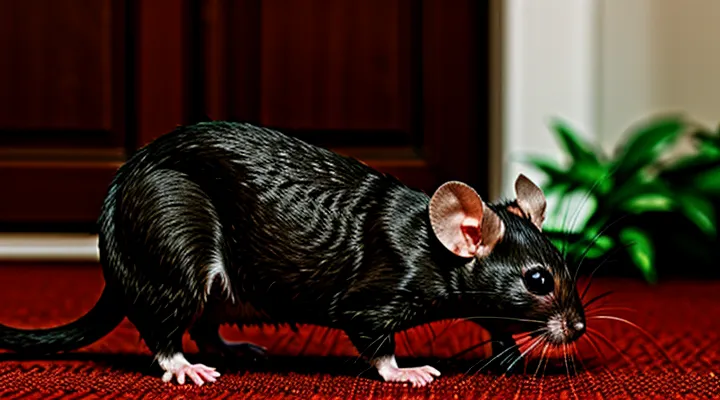
Understanding Fancy Pet Rat Nutritional Needs
Essential Nutrients for Optimal Health
Proteins
Proteins provide the essential amino acids required for tissue growth, repair, and enzymatic functions in domesticated rats kept for companionship.
Adult fancy rats need approximately 18–20 % of their caloric intake from protein; juveniles require 20–22 %. Translating to weight, a 200‑gram adult rat should receive 4–5 grams of protein daily, while a 100‑gram juvenile needs about 2.5–3 grams.
Common high‑quality protein sources include:
- Cooked chicken breast, skinless, finely chopped
- Hard‑boiled egg, minced
- Low‑fat cottage cheese, crumbled
- Commercial rat pellets formulated with animal‑based protein
- Insect larvae (e.g., mealworms), offered in moderation
Protein digestibility varies among sources; animal‑derived proteins exhibit higher bioavailability than plant proteins. Excess protein can overload renal function and displace necessary fiber and fat, leading to gastrointestinal disturbances.
Feeding practice: distribute the daily protein amount across two meals, mixing with a balanced grain or vegetable base to ensure uniform intake. Adjust quantities when the rat is pregnant, lactating, or recovering from illness, increasing protein by 10–15 % of the standard recommendation.
Regular monitoring of body condition and coat quality helps verify that protein provision meets physiological needs without causing excess.
Carbohydrates
Carbohydrates supply the primary energy required for the active metabolism of domesticated rats. Their digestive system efficiently converts simple sugars and complex starches into glucose, which fuels muscle activity, thermoregulation, and brain function.
Preferred carbohydrate sources include:
- Whole grains such as oats, barley, and brown rice, providing sustained energy and fiber.
- Legume pellets that contain cooked peas or lentils, offering protein‑carbohydrate synergy.
- Fresh fruits like apple slices or berries, delivering simple sugars and vitamins in limited quantities.
- Vegetables such as carrots or sweet potatoes, contributing starches and beta‑carotene.
Guidelines for carbohydrate inclusion:
- Total carbohydrate content should represent 45‑55 % of the diet’s caloric intake.
- Simple sugars from fruits must not exceed 5 % of daily calories to prevent rapid blood‑glucose spikes.
- Fiber‑rich carbohydrates help maintain gastrointestinal motility; a minimum of 5 % dietary fiber is advisable.
- Introduce new carbohydrate items gradually, monitoring for digestive upset or weight changes.
Excessive carbohydrate consumption can lead to obesity, insulin resistance, and dental plaque buildup. Balanced inclusion, combined with adequate protein, fat, vitamins, and minerals, supports optimal growth, coat condition, and reproductive health in pet rats.
Fats
Fats supply the majority of caloric energy in a pet rat’s nutritional plan and provide essential fatty acids that support cell membrane integrity, hormone synthesis, and neural development.
Suitable fat sources include:
- Salmon oil, rich in omega‑3 fatty acids EPA and DHA
- Flaxseed oil, high in alpha‑linolenic acid (ALA)
- Sunflower or safflower oil, offering omega‑6 linoleic acid
- Small amounts of cooked lean meat or low‑fat cheese for animal‑derived lipids
In a balanced diet, fats should constitute 5–10 % of total metabolizable energy, roughly 0.5–1 g per 100 g of body weight per day for an adult rat weighing 250–300 g. Adjustments are necessary for growth phases, lactation, or reduced activity levels.
Prefer fresh, sealed containers to prevent oxidation; discard oil that develops off‑odors or discoloration. Limit saturated fat intake to under 2 % of total calories to avoid excessive weight gain. Monitor body condition scores regularly; rapid increases indicate over‑feeding of energy‑dense fats.
Providing a consistent, measured amount of high‑quality fats ensures optimal growth, reproductive performance, and overall health in fancy pet rats.
Vitamins
Vitamins are indispensable components of the nutritional regimen for ornamental pet rats, supporting growth, immune competence, and metabolic balance. Rats synthesize vitamin C internally, but require dietary sources of vitamins A, D, E, K, and the B‑complex group.
- Vitamin A – promotes visual health and epithelial integrity; abundant in liver, carrots, and fortified pellets.
- Vitamin D – regulates calcium absorption and bone development; provided by exposure to ultraviolet light and fortified diets; excess can cause hypercalcemia.
- Vitamin E – acts as an antioxidant protecting cellular membranes; found in sunflower seeds, wheat germ, and commercial rat feed.
- Vitamin K – essential for blood clotting; present in leafy greens such as kale and spinach.
- B‑complex vitamins – include thiamine (B1), riboflavin (B2), niacin (B3), pantothenic acid (B5), pyridoxine (B6), biotin (B7), folate (B9), and cobalamin (B12); they facilitate energy metabolism, nerve function, and red blood cell formation. Sources comprise whole grains, legumes, eggs, and fortified mixes.
Deficiency symptoms manifest as poor coat condition, weight loss, lethargy, skeletal abnormalities, or neurological disturbances. Laboratory analysis can confirm specific deficits, guiding precise supplementation.
Supplementation should follow manufacturer guidelines, typically 1 % of the diet’s weight for mixed vitamin premixes. Over‑supplementation risks hypervitaminosis, particularly with fat‑soluble vitamins A, D, E, K; monitoring intake prevents toxicity.
Storage considerations include protection from light, heat, and moisture to preserve vitamin potency. Use airtight containers and rotate stock to ensure freshness.
Integrating a balanced vitamin profile into the daily feed schedule sustains optimal health and longevity for fancy pet rats.
Minerals
Minerals are essential components of a balanced nutritional regimen for fancy pet rats, supporting bone development, nerve function, and enzymatic activity.
Calcium supplies the material needed for strong skeletal growth and aids in blood clotting. Rats obtain calcium primarily from fortified pellets, dairy substitutes, and leafy greens such as kale. Adequate intake prevents skeletal deformities and maintains dental health.
Phosphorus works synergistically with calcium to form hydroxyapatite, the mineral matrix of bone. Sources include whole grains, seeds, and meat-based treats. A typical diet should provide a calcium‑to‑phosphorus ratio of approximately 1.5:1 to avoid mineral imbalance.
Magnesium participates in over 300 enzymatic reactions, including energy metabolism and muscle contraction. Dark leafy vegetables, nuts, and whole‑grain products deliver sufficient magnesium for active rats.
Potassium regulates fluid balance and supports proper nerve transmission. Bananas, sweet potatoes, and small portions of fruit provide this electrolyte without excess sugar.
Sodium is required in minute quantities for nerve impulse conduction. Commercial rat diets contain controlled sodium levels; supplemental salt should be avoided to prevent hypertension.
Zinc contributes to immune competence and skin integrity. Meat, legumes, and fortified feeds are reliable zinc sources. Deficiency may manifest as impaired wound healing and hair loss.
Iron is vital for oxygen transport via hemoglobin. Fresh meat, liver, and iron‑fortified pellets meet the modest iron needs of rats, preventing anemia.
Copper aids in iron metabolism and connective tissue formation. Liver, nuts, and specialized supplements supply copper in safe amounts.
Manganese supports skeletal formation and antioxidant defenses. Whole grains and seeds provide adequate manganese.
Selenium functions as an antioxidant, protecting cellular membranes. Small quantities of Brazil nuts or selenium‑fortified feeds fulfill this requirement.
Key mineral sources for fancy pet rats
- Calcium: fortified pellets, kale, broccoli
- Phosphorus: whole grains, seeds, lean meat
- Magnesium: spinach, almonds, oats
- Potassium: banana slices, sweet potato cubes
- Zinc: cooked chicken, lentils, fortified diet
- Iron: liver, beef strips, iron‑fortified kibble
- Copper: liver, pumpkin seeds
- Manganese: brown rice, sunflower seeds
- Selenium: Brazil nut pieces, selenium‑enhanced feed
Monitoring mineral intake through balanced commercial diets supplemented with occasional fresh foods ensures optimal health and longevity for pet rats. Regular veterinary check‑ups can detect deficiencies early and guide precise dietary adjustments.
Dietary Considerations for Different Life Stages
Weanlings and Juveniles
Weanlings and juveniles require a diet that supports rapid growth, bone development, and immune function. At three weeks of age, they transition from maternal milk to solid foods; the diet must supply adequate protein, fat, calcium, phosphorus, and essential vitamins.
Protein sources such as high‑quality rodent pellets, cooked egg white, and small amounts of lean meat provide the building blocks for muscle and organ development. Fat, supplied by sunflower oil, flaxseed, or modest quantities of nuts, contributes energy and aids absorption of fat‑soluble vitamins. Calcium and phosphorus ratios should be maintained near 1.2:1; fortified pellets, crushed mineral blocks, and occasional plain yogurt meet this requirement. Vitamins A, D, and E are critical for vision, bone health, and antioxidant protection; a balanced commercial pellet formulation typically delivers these, but supplemental vitamin drops may be added under veterinary guidance.
Water must be fresh, clean, and available at all times. Dehydration signs appear quickly in young rats, so bottle‑feeding may be necessary during the initial weaning period.
Recommended daily feeding schedule:
- Morning: 1 – 2 g of high‑protein pellets, supplemented with a teaspoon of cooked egg white.
- Midday: Small portion of fresh vegetables (e.g., carrot, broccoli) and a few drops of vitamin supplement if advised.
- Evening: 1 – 2 g of pellets, a teaspoon of softened fruit (e.g., banana) and a pinch of calcium mineral block.
Monitor body condition by weighing rats weekly; a steady weight gain of 2–3 g per week indicates an appropriate diet. Adjust portions if growth slows or excess weight accumulates. Avoid sugary treats, raw beans, and processed human foods, as they can cause digestive upset and nutritional imbalances. Regular veterinary checks ensure that dietary needs remain aligned with developmental milestones.
Adult Rats
Adult fancy pet rats require a balanced diet that supports growth, reproduction, and longevity. Protein should constitute 18‑25 % of daily intake; high‑quality sources include cooked chicken, boiled eggs, and commercial rat pellets formulated for adult rodents. Fat provides essential energy, with a target of 5‑10 % of calories; small amounts of unsalted nuts, seeds, or vegetable oil meet this need without excess.
Carbohydrates supply readily available fuel. Whole‑grain cereals, oats, and cooked sweet potatoes deliver complex sugars and fiber, aiding digestion. Fresh vegetables contribute vitamins and minerals; recommended choices are kale, broccoli, carrots, and bell peppers, offered in moderate portions to prevent gastrointestinal upset.
Water must be available at all times in a clean, leak‑proof bottle. Rats readily drink, and dehydration can develop quickly, especially when diet is high in dry pellets.
A typical feeding schedule:
- Morning: measured portion of high‑protein pellets (approximately 1 g per 100 g body weight).
- Midday: a small serving of cooked lean meat or egg.
- Evening: fresh vegetables and a carbohydrate source, such as a spoonful of cooked oatmeal.
- Throughout the day: fresh water and occasional treat (unsalted nut or seed, no more than 5 % of total calories).
Supplemental calcium is crucial for bone health. Crushed eggshell powder or a commercial calcium supplement added to food at 0.2 % of the diet meets this requirement. Vitamin D can be supplied through limited exposure to natural sunlight or a fortified supplement, especially for rats kept indoors.
Avoid foods that are toxic or cause digestive distress: chocolate, caffeine, citrus peels, raw beans, and processed salty snacks. Monitor body condition weekly; a healthy adult rat maintains a smooth, glossy coat and a body length of 20‑25 cm with a weight of 250‑300 g.
Consistent feeding practices, appropriate nutrient ratios, and regular health checks ensure that adult fancy pet rats thrive and remain active companions.
Pregnant and Lactating Does
Pregnant and lactating female rats require a feeding regimen that supplies additional protein, calcium, and essential fatty acids to support fetal development and milk production. Energy intake should increase by 15‑20 % during gestation and by 25‑30 % while nursing, achieved by offering larger portions of high‑quality pellets and supplementing with fresh foods.
- Protein sources: boiled egg white, cooked chicken breast, low‑fat cottage cheese (2‑3 g per 100 g of body weight).
- Calcium: crushed eggshells (1 tsp per day), fortified yogurt, leafy greens such as kale or bok choy.
- Fatty acids: small amounts of unsalted sunflower or flaxseed oil (½ tsp daily) to provide omega‑3s.
- Vitamins and minerals: a multivitamin supplement formulated for rodents, administered according to manufacturer dosage.
- Hydration: constant access to clean water; consider a water bottle with a sipper to prevent spills.
Monitor body condition weekly; weight gain of 2‑3 g per week indicates adequate nutrition. Adjust portions if the rat appears overly thin or gains weight rapidly. Regular veterinary checks ensure that nutritional needs remain met throughout the reproductive cycle.
Senior Rats
Senior pet rats experience a gradual slowdown in metabolism, reduced dental wear, and a higher risk of organ decline. Their diet must shift from the high‑energy formula used for juveniles to a balanced plan that supports maintenance, immune function, and joint health.
Key nutrient adjustments for rats over twelve months:
- Protein: 14–16 % of total calories; sources include cooked lean poultry, low‑fat cottage cheese, and soy‑based pellets formulated for adults.
- Fiber: 5–7 % of diet; provide plain cooked vegetables such as carrots, broccoli, and leafy greens to aid gastrointestinal motility.
- Calcium / Phosphorus ratio: maintain approximately 1 : 1 to prevent bone demineralization; supplement with calcium‑rich foods like plain yogurt or a calibrated mineral block.
- Vitamin E and selenium: antioxidant support for cellular aging; incorporate small amounts of wheat germ or a fortified rat supplement.
- Omega‑3 fatty acids: anti‑inflammatory effect for joint health; offer a teaspoon of fish oil mixed into wet food once weekly.
Portion size should be reduced to 80 % of the amount given to younger rats, divided into two meals per day to prevent overeating and to accommodate slower digestion. Fresh water must be available at all times; replace daily to avoid bacterial growth.
Treats must be low in sugar and fat. Acceptable options include a single slice of apple, a few pieces of raisin‑free dried apricot, or a small cube of unsalted cheese. Avoid seeds, nuts, and high‑fat snacks, which can strain the liver and pancreas.
Regular health checks should include weight monitoring, dental inspection, and evaluation of coat condition. Adjust the diet promptly if weight loss, hair loss, or changes in activity level occur.
Recommended Diet Components
Commercial Rat Blocks and Pellets
Advantages of Commercial Diets
Commercially formulated rat feeds provide consistent nutrient profiles, eliminating the variability inherent in homemade mixtures. Manufacturers test each batch for protein, fat, fiber, vitamins, and minerals, ensuring that every gram meets established standards for rodent health.
- Balanced composition – Precise ratios of essential amino acids, calcium‑phosphorus balance, and micronutrients support growth, reproduction, and skeletal integrity.
- Safety assurance – Production follows strict hygiene protocols; contaminants such as mycotoxins, heavy metals, and pathogens are monitored and minimized.
- Convenient storage – Shelf‑stable pellets resist spoilage, reduce waste, and simplify inventory management for breeders and owners.
- Cost efficiency – Bulk packaging lowers per‑unit expense compared with sourcing individual ingredients and preparing custom blends.
- Ease of feeding – Uniform pellet size encourages natural foraging behavior while allowing accurate portion control to prevent obesity or undernutrition.
Adopting a reputable commercial diet streamlines nutrition management, promotes predictable health outcomes, and frees caretakers from the complexities of formulating balanced meals for their fancy rats.
Selecting High-Quality Brands
Choosing reliable manufacturers is essential for maintaining the health and vitality of ornamental rats. Evaluate each brand against objective criteria rather than relying on marketing claims.
- Verify that the producer adheres to recognized pet‑food safety standards (e.g., AAFCO, EU feed legislation).
- Inspect ingredient lists for whole‑food components such as whole grains, legumes, and dehydrated vegetables; avoid products that list generic “by‑products” or “animal derivatives” without specification.
- Confirm the presence of essential nutrients—protein (15‑20 % for adult rats), fiber (5‑7 % for digestive health), vitamins A, D, E, and B‑complex, plus minerals calcium and phosphorus in balanced ratios.
- Review third‑party testing results or certifications that demonstrate contaminant limits for heavy metals, mycotoxins, and pesticide residues.
- Assess batch traceability; reputable brands provide lot numbers and production dates to facilitate recalls if necessary.
Consistent sourcing from brands that meet these standards reduces the risk of nutritional deficiencies, gastrointestinal upset, and long‑term health complications. Regularly compare product specifications, monitor the rats’ condition, and adjust selections based on observed performance and veterinary recommendations.
Fresh Fruits and Vegetables
Safe and Nutritious Options
Providing pet rats with safe and nutritious food directly influences their health, growth, and lifespan. A balanced regimen must supply high‑quality protein, adequate fiber, essential vitamins, and minerals while avoiding contaminants and toxins.
Protein sources should be animal‑based and low in fat. Suitable options include cooked chicken breast, boiled egg white, and commercially formulated rat pellets that meet established nutritional standards. These foods deliver the amino acids necessary for muscle development and immune function.
Fresh produce adds fiber and micronutrients. Recommended vegetables are kale, broccoli florets, carrots, and cucumber slices; fruits may be offered sparingly, such as apple wedges (seedless), blueberries, and banana slices. All produce must be washed thoroughly to remove pesticide residues.
Safe and nutritious options
- Commercial rat pellets formulated for laboratory or pet use
- Cooked, unseasoned lean meats (chicken, turkey) and egg white
- Fresh leafy greens (kale, romaine, spinach) and cruciferous vegetables (broccoli, cauliflower)
- Small portions of low‑sugar fruits (apple, blueberry, banana)
- Whole grain cooked pasta or brown rice in limited quantities
- Calcium supplement (e.g., crushed calcium carbonate tablet) administered according to weight guidelines
Avoid foods known to be toxic: raw potatoes, onion, garlic, chocolate, citrus peels, and processed snacks containing salt or artificial additives. Store fresh items in the refrigerator and discard any that become moldy or wilted within 24 hours.
Regularly monitor body condition and adjust portion sizes to maintain a lean, active appearance. Consistent provision of the listed foods ensures a diet that meets the physiological demands of fancy pet rats while minimizing health risks.
Fruits to Offer Sparingly
Fruit should be a minor component of a pet rat’s diet, providing occasional flavor and micronutrients without overwhelming carbohydrate intake.
- Apple (core removed): offers vitamin C; limit to a few bite‑size pieces weekly to avoid excess sugar.
- Blueberries: rich in antioxidants; one or two berries twice a week suffice.
- Pear (skin removed): supplies fiber; serve in small cubes no more than twice weekly.
- Mango: high in natural sugars; provide a single teaspoon once a week at most.
- Kiwi: source of vitamin K and potassium; offer a thin slice once weekly.
Over‑feeding fruit can lead to weight gain, digestive upset, and nutrient imbalances. Balance fruit treats with a staple of high‑quality rodent pellets, fresh vegetables, and clean water.
Vegetables to Avoid
Vegetable choices impact the health of ornamental pet rats. Certain vegetables contain compounds that can cause digestive upset, hemolytic anemia, or renal stress in these small mammals.
- Potatoes (raw or green) – Solanine toxicity leads to gastrointestinal irritation and neurological symptoms.
- Rhubarb leaves – Oxalic acid precipitates calcium, risking kidney failure.
- Tomatoes (green or unripe) – High levels of solanine and tomatine can damage red blood cells.
- Spinach and Swiss chard – Oxalates bind calcium, contributing to bladder stone formation.
- Cabbage family (broccoli, cauliflower, kale) – Excessive glucosinolates may cause gas and bloating.
- Eggplant (raw) – Contains solanine similar to potatoes, unsuitable for rat consumption.
Providing safe alternatives such as carrots, bell peppers, and leafy lettuce ensures balanced nutrition while avoiding the risks associated with the listed vegetables. Regular monitoring of stool consistency and weight helps detect adverse reactions early.
Healthy Protein Sources
Cooked Meats
Cooked meats provide high‑quality protein and essential amino acids that support rapid growth and muscle maintenance in ornamental rats. The cooking process eliminates pathogens, reduces fat content, and improves digestibility compared to raw meat.
Suitable options include:
- Chicken breast, skinless, boiled or baked
- Turkey thigh, boneless, steamed
- Lean beef cuts such as sirloin, grilled lightly
- Rabbit meat, poached without seasoning
- White fish (e.g., cod or tilapia), gently poached
Preparation guidelines: remove all bones, visible fat, and skin; cook to an internal temperature of at least 74 °C (165 °F); avoid added salt, spices, oils, or sauces. Cool the meat to room temperature before serving to prevent thermal injury.
Recommended portion size is 5–10 g per 100 g of body weight, offered 2–3 times weekly. Excessive frequency can lead to obesity and nutrient imbalance. Store cooked portions in airtight containers, refrigerate for up to 48 hours, or freeze for longer preservation; discard any meat showing discoloration or odor.
Integrating these protein sources into a balanced feeding program ensures adequate caloric intake while complementing vegetable, grain, and supplement components essential for the overall health of fancy pet rats.
Eggs
Eggs provide a concentrated source of high‑quality protein, essential amino acids, and a range of micronutrients valuable for the health of ornamental pet rats. The yolk supplies fat‑soluble vitamins A, D, E, and K, while the white contributes primarily protein and riboflavin. Together, these components support muscle development, vision, and immune function.
When incorporating eggs into a rat’s feeding plan, follow these guidelines:
- Cook eggs thoroughly; boiled or scrambled without added salt, butter, or oil prevents bacterial contamination and reduces the risk of digestive upset.
- Offer only a small portion at a time—approximately one teaspoon of chopped egg per 100 g of body weight—to avoid excess calorie intake.
- Introduce eggs gradually, monitoring the animal for any signs of intolerance such as soft stools or reduced appetite.
- Store cooked egg in a sealed container in the refrigerator and discard any leftovers after 24 hours to maintain freshness.
Eggs should complement, not replace, the staple components of a balanced rat diet, which include high‑fiber grain mixes, fresh vegetables, and limited fruit. Regular inclusion, limited to two–three times per week, delivers nutritional benefits without overwhelming the animal’s caloric budget.
Legumes
Legumes provide a valuable source of protein, dietary fiber, and essential micronutrients for ornamental rats. When incorporated into a balanced feeding regimen, they complement commercial pellets and fresh vegetables.
Nutritional composition of common legumes includes 20‑25 % protein, 10‑15 % soluble fiber, B‑vitamins, iron, potassium, and magnesium. The protein supports tissue growth and maintenance, while fiber promotes gut motility and microbial diversity.
Potential advantages of legumes are enhanced muscle development, stable blood‑sugar levels, and reduced incidence of constipation. The presence of resistant starch also contributes to short‑chain fatty acid production, which benefits colon health.
Risks arise from raw legumes, which contain lectins and phytic acid that can impair nutrient absorption and cause gastrointestinal irritation. Proper cooking eliminates most anti‑nutrients; over‑cooking may degrade heat‑sensitive vitamins.
Preparation and serving recommendations:
- Rinse thoroughly, then boil until tender (minimum 10 minutes).
- Cool to room temperature before offering.
- Serve in small portions: 1 – 2 grams per 100 grams body weight, 2–3 times per week.
- Preferred varieties: lentils, split peas, chickpeas, and mung beans.
- Exclude canned legumes with added salt or sauces.
Regular inclusion of properly cooked legumes, within the specified limits, contributes to a nutritionally complete diet for fancy pet rats without displacing other essential food groups.
Grains and Seeds
Whole Grains
Whole grains supply essential carbohydrates, fiber, and micronutrients that support the energy needs and digestive health of pet rats kept for exhibition. Their complex starches release glucose gradually, preventing rapid spikes in blood sugar that can stress a small mammal’s metabolism.
Key whole grains suitable for inclusion:
- Brown rice: high in B‑vitamins, low in fat; serve cooked, cooled portions no larger than a tablespoon per rat per day.
- Oats: soluble fiber promotes gut motility; offer rolled oats softened in warm water, limited to two teaspoons weekly.
- Quinoa: complete protein source, rich in magnesium; rinse thoroughly, cook without salt, provide a teaspoon twice a week.
- Barley: source of selenium and manganese; use hulled barley, steam until soft, limit to one teaspoon weekly.
Preparation guidelines:
- Cook grains without added salt, sugar, or seasonings.
- Cool to room temperature before offering.
- Introduce a new grain gradually, observing for signs of intolerance such as loose stools or reduced appetite.
- Maintain a balanced overall diet by combining grains with high‑quality protein pellets, fresh vegetables, and occasional fruit.
Potential concerns include excessive fiber leading to diarrhea, and the risk of mold if grains are stored damp. Store grains in airtight containers in a cool, dry place and discard any that appear discolored or odoriferous.
Incorporating whole grains in measured amounts enhances stamina, promotes healthy coat condition, and contributes to the overall well‑being of exhibition rats while preserving the nutritional equilibrium required for optimal performance.
Seeds as Treats
Seeds provide concentrated energy, essential fatty acids, and micronutrients that complement the staple diet of fancy pet rats. When offered as occasional treats, they reinforce coat health, support dental wear, and can serve as enrichment during training sessions.
Select seeds that are low in anti‑nutritional factors and free from additives. Recommended varieties include:
- Sunflower kernels (unsalted, de‑husked) – rich in vitamin E and linoleic acid.
- Pumpkin seeds – source of zinc, magnesium, and omega‑3 fatty acids.
- Flaxseed – high in alpha‑linolenic acid; grind to improve digestibility.
- Hemp seeds – balanced omega‑6 to omega‑3 ratio; provide protein.
Portion control prevents excess caloric intake. A single rat should receive no more than ¼ teaspoon of mixed seeds per day, divided into two brief offerings. Store seeds in airtight containers at cool temperatures to preserve freshness and prevent mold growth.
Monitor weight and stool consistency after introducing seeds. Observe for signs of gastrointestinal upset or allergic reactions; discontinue use if symptoms appear. Incorporate seeds within a balanced feeding program that includes high‑quality pellets, fresh vegetables, and clean water to maintain optimal health.
Hydration
Importance of Fresh Water
Fresh water must be continuously available to pet rats with refined diets. Dehydration impairs kidney function, reduces blood volume, and compromises thermoregulation. Without adequate hydration, metabolic processes slow, leading to weight loss and diminished immune response.
Key physiological benefits of regular water intake include:
- Maintenance of electrolyte balance, preventing sodium and potassium disturbances.
- Support of digestive efficiency; water aids in the breakdown and absorption of nutrients from specialized feeds.
- Promotion of healthy skin and fur condition, as moisture contributes to cellular turnover.
- Facilitation of waste elimination; sufficient fluid intake ensures proper urination and reduces the risk of urinary tract blockage.
Water quality directly influences health outcomes. Tap water should be filtered or treated to remove chlorine, heavy metals, and microbial contaminants. Bottled or distilled water, when stored in a clean container, provides a reliable alternative. Temperature matters: water at room temperature encourages regular drinking, while excessively cold or warm water deters consumption.
Monitoring water consumption offers an early indicator of health status. A sudden decrease may signal illness, stress, or environmental changes. Routine checks of bottle or bowl levels, combined with observation of drinking behavior, enable prompt intervention.
In summary, consistent provision of clean, temperate water underpins the physiological stability of pet rats receiving specialized nutrition. Proper hydration safeguards organ function, enhances nutrient utilization, and prevents common health complications.
Water Bottle vs. Bowl
Providing fresh water is a non‑negotiable element of any nutritional plan for fancy rats. The method of delivery influences hygiene, consumption rates, and overall health.
Water bottles attach to the cage, dispense water through a sipper tube, and maintain a sealed environment that limits evaporation. Advantages include reduced spillages, lower bacterial growth, and ease of monitoring intake when the bottle is transparent. Limitations involve the need for regular cleaning of the tube, potential blockage from bedding, and the requirement that the bottle be positioned at a height suitable for the rat’s reach.
Water bowls sit openly on the cage floor, allowing unrestricted access. Benefits consist of immediate visibility of water level, simple cleaning without disassembly, and compatibility with any cage design. Drawbacks include higher evaporation, increased risk of contamination from food or droppings, and the propensity for rats to tip the bowl, creating mess and waste.
Key comparison
- Hygiene: Bottle – sealed, lower contamination; Bowl – open, higher exposure.
- Evaporation: Bottle – minimal; Bowl – significant, especially in warm environments.
- Ease of cleaning: Bottle – requires tube disassembly; Bowl – straightforward wash.
- Rat interaction: Bottle – encourages natural sipping behavior; Bowl – permits drinking while moving, but may promote mess.
Selecting the appropriate system depends on cage layout, caretaker routine, and the priority placed on water purity versus accessibility.
Foods to Avoid and Harmful Substances
Unsafe Fruits and Vegetables
Specific Examples and Reasons for Avoidance
Pet rats require a carefully balanced feeding regimen; certain foods introduce health risks and must be excluded. The following items illustrate common pitfalls and the physiological rationale for their avoidance.
- Citrus fruits (e.g., oranges, lemons). High acidity disrupts the delicate pH balance of the gastrointestinal tract, leading to ulceration and reduced nutrient absorption.
- Raw beans and legumes (e.g., kidney beans, lentils). Contain lectins and phytohemagglutinins that damage intestinal lining and can trigger severe digestive distress.
- Chocolate and cocoa products. Theobromine and caffeine exert cardiotoxic effects on rodents, causing arrhythmias and heightened stress responses.
- Salty snacks (e.g., chips, pretzels). Excess sodium elevates blood pressure, strains renal function, and predisposes rats to edema.
- Artificial sweeteners, particularly xylitol. Metabolized differently in rodents, xylitol induces rapid insulin release, leading to hypoglycemia and potential seizures.
- High‑fat processed meats (e.g., bacon, sausage). Saturated fats accumulate in hepatic tissue, promoting fatty liver disease and obesity.
- Dairy products (e.g., cheese, milk). Rats lack sufficient lactase enzyme activity; lactose intolerance results in bloating, diarrhea, and nutrient loss.
Each exclusion aligns with a clear physiological outcome: gastrointestinal injury, metabolic disruption, cardiovascular strain, renal overload, or toxic reaction. By eliminating these substances, caretakers preserve optimal digestion, maintain stable blood chemistry, and support long‑term vitality in their companion rodents.
Toxic Human Foods
Chocolate
Chocolate is frequently offered to small mammals as a treat, yet it presents significant health risks for domesticated rats kept for companionship.
The primary hazardous agents in chocolate are the methylxanthines theobromine and caffeine. Both compounds are metabolized slowly in rodents, resulting in prolonged systemic exposure. Toxic thresholds for rats are low; ingestion of as little as 0.5 g of dark chocolate per kilogram of body weight can produce measurable physiological disturbance.
Observed clinical signs after exposure include rapid heart rate, tremors, hyperactivity, vomiting, and, in severe cases, seizures or death. Laboratory analysis shows elevated plasma concentrations of theobromine, leading to cardiac arrhythmias and central nervous system stimulation.
Professional guidelines for pet rat nutrition advise absolute exclusion of chocolate from the diet. Acceptable alternatives that satisfy a desire for sweet flavor without health hazards include:
- Fresh fruit pieces (apple, banana) in limited quantities
- Unsweetened yogurt prepared for rodents
- Small portions of commercially formulated rat treats free of methylxanthines
Owners should monitor food labels for hidden sources of theobromine, such as cocoa powder, baking chocolate, and certain confectionery coatings. Immediate veterinary consultation is required if accidental ingestion is suspected.
Caffeine
Caffeine is a stimulant that affects the central nervous system of rodents, including domesticated rats kept for companionship. Rats metabolize caffeine more rapidly than humans, yet even small doses can produce increased heart rate, heightened alertness, and possible stress responses. Acute exposure may lead to tremors, hyperactivity, or loss of coordination, while chronic intake risks adrenal fatigue and gastrointestinal irritation.
Safety thresholds for caffeine in a pet rat’s diet are narrow. Scientific literature on rodent pharmacology suggests that a dose exceeding 5 mg per kilogram of body weight per day can cause observable adverse effects. For an average fancy pet rat weighing 250 g, this translates to a maximum of approximately 1.25 mg of caffeine, equivalent to less than a tenth of a typical cup of coffee. Providing any food or treat containing caffeine—such as chocolate, coffee-flavored snacks, or tea residues—should be avoided to stay well below this limit.
Practical recommendations for managing caffeine exposure:
- Exclude all human foods known to contain caffeine from the rat’s feeding area.
- Verify that commercial rat treats and enrichment items are free of coffee, tea, or cocoa extracts.
- If a rat unintentionally ingests a caffeinated substance, monitor for signs of restlessness, rapid breathing, or vomiting and contact a veterinarian promptly.
- Maintain a diet focused on high‑quality rodent pellets, fresh vegetables, and occasional protein sources, ensuring that any novel ingredient is introduced gradually and documented.
Adhering to these guidelines supports a balanced nutritional plan for pet rats while preventing the physiological disruptions associated with caffeine.
Alcohol
Alcohol is not a nutritional component for domesticated fancy rats and should be excluded from their regular feeding program.
Rats possess hepatic enzymes capable of oxidizing ethanol, yet their metabolic capacity is limited compared to humans. Small doses produce rapid blood‑alcohol elevations, leading to sedation, loss of coordination, and respiratory depression.
Toxicity thresholds are well documented. A single oral dose of 5 g kg⁻¹ body weight can cause lethal intoxication; doses as low as 1 g kg⁻¹ produce observable impairment. Chronic exposure to sub‑lethal concentrations accelerates liver damage, lowers immune function, and shortens lifespan.
Guidelines for caretakers:
- Prohibit any alcoholic beverages, flavored spirits, or fermented foods in the cage environment.
- Remove fermented fruit or waste that may contain residual ethanol.
- If accidental ingestion occurs, monitor for signs of incoordination, excessive sleepiness, or vomiting; seek veterinary assistance promptly.
Veterinary professionals advise that even trace amounts of ethanol offer no health benefit and introduce unnecessary risk. Maintaining a diet composed of balanced rodent pellets, fresh vegetables, and occasional protein treats ensures optimal wellness without the hazards associated with alcohol.
Processed Foods
Processed foods are commercially prepared items such as pelleted mixes, fortified biscuits, and flavored treats that supply a defined proportion of protein, fat, fiber, vitamins, and minerals. They are formulated to meet the energy demands of active, small‑bodied rodents and to provide consistent nutrient levels that are difficult to achieve with homemade diets alone.
Key considerations for including processed products in a pet rat’s feeding plan:
- Nutrient balance – Look for formulations that contain at least 18–20 % protein, 4–6 % fat, and a measurable fiber content to support gastrointestinal health.
- Ingredient quality – Prefer products with named animal protein sources (e.g., chicken, egg) and limited filler grains or artificial additives.
- Caloric density – Processed foods are often energy‑dense; monitor portion sizes to prevent obesity, especially in sedentary or older rats.
- Shelf stability – Store in a cool, dry place; discard any product that shows signs of spoilage or excessive moisture.
Common processed options include:
- Complete pelleted diets – Provide a balanced foundation; recommended as the primary food source.
- Fortified biscuits – Offer additional calcium and vitamin D; useful for breeding or growing individuals.
- Flavor‑enhanced treats – Serve as enrichment; should not exceed 5 % of total daily intake.
Veterinary nutrition guidelines advise rotating between a high‑quality complete pellet and occasional fortified biscuits, while limiting treats to prevent nutrient imbalances. Regularly assess body condition and adjust portions accordingly.
Understanding Dietary Restrictions and Allergies
Common Rat Allergens
The nutritional regimen for fancy pet rats often includes commercial pellets, fresh vegetables, and occasional protein treats; each component can introduce allergens that affect both the animal and its caretaker.
Common allergens found in rat diets include:
- Animal proteins – chicken, beef, and fish meal may trigger IgE‑mediated reactions.
- Dairy derivatives – powdered milk and cheese powders are frequent sources of casein sensitivity.
- Grains and cereals – wheat, barley, and rye contain gluten and avenin proteins that can provoke responses.
- Nuts and seeds – peanuts, almonds, and sunflower seeds provide lipid‑rich nutrients but also introduce arachin and other allergenic proteins.
- Additives and preservatives – BHA, BHT, and synthetic colorants are linked to contact dermatitis and respiratory irritation.
Cross‑reactivity occurs when proteins share structural similarities; for example, rodent serum albumin can resemble cat or dog allergens, increasing the risk of sensitization. Accurate ingredient labeling on pellet packages enables owners to identify potential triggers and avoid exposure.
Management strategies focus on minimizing allergen load while preserving nutritional balance:
- Select grain‑free or low‑gluten pellet formulations that replace wheat‑based binders with cellulose or beet pulp.
- Opt for single‑source protein treats, such as boiled egg whites, to reduce the variety of allergenic proteins.
- Incorporate fresh, unsprayed vegetables—broccoli, kale, and carrots—as primary fiber sources, eliminating processed snack mixes.
- Rotate protein sources quarterly to prevent chronic exposure to a single allergen.
- Store food in airtight containers, limiting mold growth that can generate mycotoxin‑related sensitivities.
By scrutinizing ingredient composition and applying targeted dietary adjustments, owners can reduce the incidence of allergic reactions without compromising the health and vitality of their pet rats.
Signs of Dietary Intolerance
Fancy rats require a balanced feeding regimen that matches their metabolic needs. When a component of the diet exceeds the animal’s tolerance, physiological stress appears promptly.
Typical manifestations of intolerance include:
- Persistent diarrhea or soft stools
- Frequent vomiting or regurgitation
- Unexplained weight loss despite adequate food intake
- Excessive scratching, fur loss, or skin lesions near the abdomen
- Lethargy and reduced activity levels
- Swelling of the muzzle, eyes, or limbs
- Sudden onset of respiratory distress without infection signs
Observation of any of these symptoms should trigger a review of the current menu. Eliminate suspect ingredients one at a time, monitor the rat for improvement over 48–72 hours, and document the response. If symptoms persist, consult a veterinarian experienced with small rodents for diagnostic testing and tailored nutritional guidance.
Supplementation and Special Diets
When and How to Supplement
Vitamin and Mineral Supplements
Vitamin and mineral supplementation is essential for maintaining optimal health in ornamental rats. These animals require specific nutrients that may be insufficient in standard rodent pellets, especially when a specialized diet is emphasized for coat quality, activity level, and breeding performance.
Key nutrients include:
- Vitamin A – supports vision and epithelial integrity; supplement at 2,500 IU per kilogram of body weight weekly.
- Vitamin D3 – regulates calcium absorption; provide 400 IU per kilogram of body weight daily, monitoring serum calcium to avoid hypercalcification.
- Vitamin E – antioxidant protecting cell membranes; include 50 mg per kilogram of body weight weekly.
- B‑complex vitamins – facilitate metabolism; a balanced B‑complex powder delivering 5 mg thiamine, 5 mg riboflavin, and 10 mg niacin per kilogram of body weight weekly is adequate.
- Calcium – crucial for skeletal development; aim for 1 % of the diet by weight, adjusting based on age and reproductive status.
- Phosphorus – works with calcium; maintain a calcium‑to‑phosphorus ratio of approximately 2:1.
- Magnesium – contributes to neuromuscular function; target 0.2 % of the diet.
- Zinc – supports immune function and skin health; provide 30 mg per kilogram of body weight weekly.
- Selenium – antioxidant trace element; supplement at 0.05 mg per kilogram of body weight weekly.
Supplement delivery methods:
- Powdered mixes – blend with fresh vegetables or water; ensure uniform distribution to avoid localized overdosing.
- Gel capsules – administer orally using a calibrated pipette; useful for precise dosing in small or ill animals.
- Fortified treats – incorporate into commercial chew toys; verify nutrient content to prevent excess accumulation.
Safety considerations:
- Perform quarterly blood panels to detect hypervitaminosis or mineral imbalances.
- Adjust dosages for juveniles, pregnant females, and seniors, as metabolic demands differ.
- Store supplements in a cool, dry environment to preserve potency; discard any product beyond its expiration date.
By integrating these targeted supplements into a carefully balanced feeding program, caretakers can promote robust growth, vibrant fur, and sustained reproductive success in their pet rats.
Probiotics
Probiotics support gastrointestinal balance in decorative pet rats, enhancing nutrient absorption and reducing the incidence of diarrhea. Viable bacterial strains such as Lactobacillus acidophilus, Bifidobacterium animalis, and Enterococcus faecium colonize the intestinal tract, compete with pathogenic microbes, and produce short‑chain fatty acids that fuel colonocytes.
Key advantages include:
- Improved feed conversion efficiency
- Stabilized fecal consistency
- Strengthened immune response through modulation of gut‑associated lymphoid tissue
Effective sources are:
- Commercial rodent probiotic powders formulated for small mammals
- Freeze‑dried cultures mixed into moist feed
- Yogurt or kefir administered in minimal quantities (no added sugars or artificial flavors)
Dosage recommendations:
- Initiate with 1 × 10⁸ CFU per kilogram of body weight daily for a two‑week acclimation period.
- Maintain 5 × 10⁷ CFU per kilogram daily for long‑term health.
- Adjust upward during stress events (e.g., relocation, breeding) or after antibiotic treatment, not exceeding 2 × 10⁸ CFU per kilogram.
Monitoring includes weekly observation of stool form, body weight, and appetite. Sudden changes may indicate the need to modify the probiotic regimen or consult a veterinarian specialized in exotic small mammals.
Dietary Adjustments for Health Conditions
Obesity Management
Obesity in ornamental rats compromises lifespan, mobility, and organ health. Effective control relies on precise nutrition, regular activity, and systematic weight tracking.
Key components of a weight‑management program:
- Calculate daily caloric needs based on age, sex, and activity level; adjust portions to stay within the target range.
- Offer a balanced base diet of high‑fiber pellets or lab‑formulated mash, limiting high‑fat and sugary treats to no more than 5 % of total intake.
- Distribute meals into two to three scheduled feedings to prevent constant grazing and reduce excess consumption.
- Incorporate fresh vegetables such as kale, broccoli, and carrots for bulk and micronutrients while maintaining low caloric density.
- Provide daily enrichment that encourages climbing, tunneling, and foraging, thereby increasing energy expenditure.
- Record body weight weekly using a calibrated scale; intervene promptly if gain exceeds 2 % of ideal weight.
- Schedule regular veterinary examinations to assess body condition score, metabolic markers, and rule out underlying disorders.
Consistent application of these measures stabilizes body composition, supports cardiovascular function, and promotes overall vitality in fancy pet rats.
Diabetes Care
Diabetes is a common metabolic disorder in pet rats, especially those kept for show or companionship. Early detection and consistent management are essential to prevent complications such as cataracts, neuropathy, and reduced lifespan.
Accurate diagnosis relies on regular blood glucose measurements using a calibrated glucometer. Observable indicators include increased thirst, frequent urination, weight loss despite normal appetite, and lethargy. Veterinary confirmation should follow any abnormal readings.
Nutritional adjustments form the cornerstone of diabetic care. A feeding plan should prioritize low‑glycemic carbohydrates, high fiber, and moderate protein while eliminating sugary treats. Recommended components include:
- Pelleted diets formulated for small rodents with reduced starch content.
- Fresh vegetables such as kale, broccoli, and carrots, offered in small, measured portions.
- Limited amounts of whole‑grain oat flakes or barley for slow‑release energy.
- Avoidance of fruit, honey, and processed snacks that spike blood glucose.
Medication management typically involves insulin therapy. Dosage must be calculated based on the rat’s weight and glucose levels, administered subcutaneously at consistent intervals. Owners should record injection times, doses, and subsequent glucose readings to adjust treatment promptly.
Lifestyle measures support metabolic stability. Daily opportunities for safe exercise—such as a reinforced wheel or supervised play area—help maintain healthy body weight. Routine veterinary examinations enable monitoring of organ function and early identification of secondary issues.
Consistent application of these protocols sustains glucose control, improves quality of life, and extends the longevity of diabetic pet rats.
Renal Issues
Renal health in pet rats depends heavily on water intake, protein quality, and mineral balance. Excessive protein or high‑phosphorus foods increase glomerular workload, accelerating nephron decline. Low‑sodium diets reduce hypertension risk, while adequate potassium supports tubular function.
Common renal signs include polyuria, polydipsia, weight loss, and reduced activity. Laboratory evaluation should measure blood urea nitrogen, creatinine, and electrolytes. Early detection allows dietary adjustment before irreversible damage occurs.
Dietary strategies to protect kidney function
- Offer fresh, clean water at all times; replace daily.
- Limit high‑protein treats; primary protein source should be a balanced rat pellet containing 14‑16 % protein.
- Reduce phosphorus by avoiding excessive dairy, nuts, and organ meats.
- Include moderate amounts of low‑oxalate vegetables (e.g., zucchini, cucumber) for fiber without mineral overload.
- Supplement with omega‑3 fatty acids (fish oil) to mitigate inflammation.
- Monitor calcium‑phosphorus ratio, aiming for 1.2 : 1 or lower.
Regular weight checks and urine observation help identify problems promptly. Adjusting the nutritional plan according to veterinary recommendations prolongs renal function and improves overall quality of life for fancy pet rats.
Homemade Rat Diets
Benefits and Risks
A well‑balanced feeding program for fancy pet rats provides essential nutrients that support growth, reproduction, and overall health. Protein sources such as cooked eggs, lean meat, or high‑quality rodent pellets supply amino acids needed for tissue repair and muscle development. Complex carbohydrates from whole grains and vegetables deliver steady energy, while fiber from leafy greens promotes gastrointestinal motility and prevents impaction. Vitamins and minerals, particularly calcium, phosphorus, and B‑complex vitamins, maintain bone density, nerve function, and metabolic processes. Adequate hydration, supplied through fresh water and moisture‑rich foods, sustains cellular function and assists thermoregulation.
Benefits
- Enhanced immune response through provision of antioxidants and trace elements.
- Improved coat condition and skin integrity due to essential fatty acids.
- Stabilized weight management when caloric intake matches activity level.
- Reduced incidence of dental overgrowth when diet includes appropriate chewable textures.
Risks
- Excessive protein may burden renal function, leading to chronic kidney issues.
- High‑fat treats increase the likelihood of obesity, hepatic lipidosis, and cardiovascular strain.
- Inadequate calcium‑phosphorus ratio can cause skeletal deformities and dental problems.
- Introduction of toxic foods (e.g., chocolate, raw beans, citrus peels) results in acute poisoning or gastrointestinal irritation.
- Improper storage of wet foods encourages bacterial growth, posing infection risk.
Monitoring portion sizes, adjusting nutrient composition to life stage, and eliminating harmful ingredients are critical for maintaining a safe and effective dietary regimen for fancy rats.
Essential Components for a Balanced Homemade Diet
A balanced homemade feeding plan for fancy pet rats must contain several distinct nutrient groups, each meeting specific physiological requirements.
- High‑quality protein: Cooked lean meats (chicken, turkey), boiled eggs, or low‑fat cottage cheese provide essential amino acids for tissue growth and repair. Aim for 15–20 % of the total caloric intake.
- Complex carbohydrates: Whole‑grain oats, barley, or brown rice supply steady energy and support digestive health. Limit refined grains to avoid rapid blood‑sugar spikes.
- Fresh vegetables: Dark leafy greens (kale, spinach), carrots, and broccoli deliver fiber, antioxidants, and micronutrients. Offer a variety daily, ensuring any wilted portions are removed.
- Limited fruit: Small portions of apple, berries, or pear add natural sugars and vitamins; keep servings under 5 % of the diet to prevent obesity.
- Calcium source: Unsweetened powdered milk or a small amount of calcium‑rich cheese prevents skeletal deficiencies. Supplement with a commercial rodent calcium block if needed.
- Vitamin D and B‑complex: Sunlight exposure or a few drops of fortified liquid vitamin supplement address common deficiencies in indoor‑kept rats.
- Essential fatty acids: A teaspoon of cold‑pressed flaxseed oil or a few pieces of fish oil capsule provide omega‑3 fatty acids that support skin and neural function.
- Clean water: Fresh, filtered water should be available at all times; replace daily and check for contamination.
The diet should be prepared fresh each day, stored in airtight containers for no more than 24 hours, and served at room temperature to encourage consumption. Regular monitoring of body condition and stool quality will indicate whether adjustments are required.
Feeding Practices and Troubleshooting
Feeding Schedule and Portion Control
Daily Feeding Routines
A healthy diet for a pet rat that is kept for show or companionship requires a predictable feeding schedule. Consistency prevents digestive upset and supports the animal’s coat, activity level, and overall condition.
Morning feeding should include a measured portion of high‑quality rat pellets, typically 1 – 1.5 grams per 100 g of body weight. Add a small amount of fresh vegetables such as kale, carrot shreds, or broccoli florets. Remove any uneaten fresh produce after 30 minutes to avoid spoilage.
Mid‑day offering can consist of a handful of dried fruit or a few pieces of unsalted nuts. Limit these treats to no more than 5 % of the daily caloric intake to prevent obesity.
Evening meal mirrors the morning portion: pellets plus a different selection of vegetables to provide variety. Offer a protein boost, such as a boiled egg fragment or a teaspoon of plain cooked chicken, once or twice per week.
Water must be available at all times in a metal bottle with a sipper tube. Change the water daily and clean the bottle weekly to prevent bacterial growth.
Typical daily routine
- 06:00–07:00 – Pellets + fresh veg (small portion)
- 12:00–13:00 – Limited dried fruit or nuts (optional)
- 18:00–19:00 – Pellets + different veg + occasional protein treat
- All day – Fresh water, checked and refreshed each morning
Monitoring the rat’s weight and stool consistency each week helps adjust portion sizes promptly. A disciplined feeding plan maintains optimal health and enhances the animal’s appearance for exhibition standards.
Monitoring Food Intake
Accurate measurement of daily consumption is essential for maintaining optimal health in ornamental pet rats. Record the exact weight of each food item before offering it, then weigh leftovers after a predetermined interval (typically 24 hours). Subtract the residual weight from the initial amount to calculate actual intake.
- Use a digital scale with a precision of at least 0.1 g.
- Provide food in a consistent container to avoid spillage.
- Record data in a spreadsheet, noting date, individual identifier, and any deviations from the standard diet.
- Adjust portions based on trends: sustained decrease may indicate illness, while excessive increase could signal metabolic imbalance.
Regular audits of the recorded figures help identify patterns such as seasonal appetite shifts or reactions to dietary changes. Correlate intake data with weight measurements and health assessments to refine feeding protocols and prevent nutritional deficiencies.
Introducing New Foods
Gradual Introduction Techniques
Introducing new foods to ornamental rats requires a systematic approach to prevent digestive upset and ensure acceptance. Sudden changes can trigger stress, reduce appetite, and compromise gut health. A step‑by‑step method allows the animal’s microbiome and palate to adjust safely.
- Baseline assessment: Record current intake, weight, and stool consistency before any alteration.
- Ingredient isolation: Offer a single novel ingredient in a minimal portion (approximately 5 % of daily caloric intake) mixed with familiar feed.
- Observation period: Monitor behavior and stool for 48–72 hours; discontinue if signs of diarrhea or loss of appetite appear.
- Incremental increase: Raise the novel component by 5 % every two days, maintaining a stable total volume.
- Combination phase: Once the ingredient is tolerated at 20 % of the diet, blend it with other new items using the same incremental schedule.
- Rotation schedule: Cycle introduced foods every 4–6 weeks to maintain variety while preserving gut stability.
Continuous documentation of weight trends and stool quality confirms successful integration. If adverse reactions occur, revert to the previous tolerated level and extend the observation window before proceeding. This disciplined protocol supports a balanced nutritional plan for fancy pet rats while minimizing health risks.
Observing for Adverse Reactions
When a new element is added to a fancy rat’s feeding program, systematic observation is required to detect negative health responses. Immediate detection prevents escalation and supports swift corrective action.
Key indicators of adverse reactions fall into three categories:
- Physical signs: swelling, skin discoloration, respiratory distress, abnormal eye discharge, or sudden weight loss.
- Behavioral signs: lethargy, agitation, excessive grooming, or refusal to eat.
- Digestive signs: diarrhea, constipation, bloating, or vomit‑like regurgitation.
Observation protocol should include:
- Baseline recording: document each rat’s weight, coat condition, and activity level before dietary change.
- Frequency: inspect all individuals at least twice daily for the first 72 hours, then once daily for the following week.
- Documentation: log any deviation from baseline in a structured sheet, noting time, symptom, and severity.
- Response: at the first sign of a serious symptom—such as respiratory difficulty or rapid weight loss—remove the new food item, provide supportive care, and contact a qualified veterinarian.
If mild symptoms appear, adjust the portion size or revert to the previous diet for a minimum of five days before re‑introducing the new component. Continuous monitoring throughout the adjustment period ensures that the nutritional plan remains safe and effective for the pet rats.
Common Dietary Problems and Solutions
Picky Eaters
Fancy rats often develop selective feeding habits that can compromise a balanced nutritional regimen. Owners must recognize the specific textures, flavors, and aromas that trigger acceptance or rejection, as these preferences directly affect nutrient intake.
Typical signs of selective eating include:
- Preference for soft, moist foods over dry pellets.
- Rejection of high-fiber vegetables while favoring sweet fruits.
- Acceptance of protein sources with strong scents, such as boiled egg or cooked chicken, but avoidance of bland grains.
- Frequent nibbling on treats that lack essential vitamins and minerals.
Managing picky eaters requires systematic adjustment:
- Introduce new items gradually, mixing a small portion with a favored staple.
- Rotate protein sources weekly to prevent monotony and ensure amino‑acid diversity.
- Provide a consistent supply of fresh water and monitor body condition scores to detect deficiencies early.
- Use fortified treats sparingly, supplementing with a balanced pellet base that meets the species’ dietary guidelines.
Consistent observation and methodical variety prevent nutritional gaps and support optimal health in ornamental pet rats.
Diarrhea
Diarrhea in fancy pet rats often signals an imbalance in nutrition or a health issue that requires immediate attention. Rapid stool passage, loosened consistency, and increased frequency can lead to dehydration, electrolyte loss, and weight decline. Monitoring fecal output is essential for early detection.
Common dietary triggers include:
- Excessive fruit or sugary treats that overwhelm the digestive tract.
- Sudden changes in feed composition without gradual adaptation.
- Low‑fiber pellets that fail to provide adequate bulk.
- Contaminated or moldy food introducing harmful bacteria.
Preventive measures focus on balanced nutrition and stable feeding routines. Provide a high‑quality rat mix enriched with appropriate fiber levels, supplement with limited fresh vegetables, and restrict fruits to occasional treats. Introduce any new food over several days to allow gut adaptation.
If diarrhea occurs, implement the following steps:
- Suspend treats and fresh produce; revert to a bland, fiber‑rich diet.
- Offer fresh water constantly; add unflavored electrolyte solution if dehydration signs appear.
- Observe for additional symptoms such as lethargy, blood in stool, or weight loss.
- Contact a veterinarian promptly when symptoms persist beyond 24 hours or worsen.
Effective management reduces the risk of long‑term complications and supports overall gastrointestinal health in pet rats.
Constipation
Constipation in pet rats often signals an imbalance in their feeding regimen. Fiber deficiency, excessive dry foods, and insufficient hydration are the most common dietary contributors.
- Low‑fiber pellets or seed mixes reduce intestinal motility.
- High‑fat treats increase stool hardness.
- Lack of fresh vegetables or hay limits bulk formation.
- Inadequate water intake concentrates feces.
Veterinary recommendations for prevention and treatment focus on adjusting nutrient composition and fluid availability. Incorporate at least 10 % edible fiber by weight, using items such as shredded carrots, broccoli florets, or commercially prepared rat-safe fiber supplements. Offer fresh water daily, and consider a shallow water dish or bottle with a drip tip to encourage regular drinking.
When constipation is observed, immediate dietary modification is essential. Provide a small portion of plain, unsweetened applesauce or a few drops of mineral oil to soften stool, followed by a high‑fiber snack within 24 hours. Monitor bowel movements for 48 hours; if no improvement occurs, seek veterinary intervention for possible laxative administration or diagnostic imaging.
Regular assessment of dietary variety and moisture content maintains optimal gastrointestinal function, reducing the risk of chronic constipation and supporting overall health in fancy pet rats.
Obesity
Obesity in fancy pet rats results from excessive caloric intake combined with insufficient physical activity. The condition manifests as a noticeable increase in body mass, reduced mobility, and a higher incidence of metabolic disorders.
Key factors contributing to weight gain include:
- High‑energy commercial mixes formulated for rapid growth.
- Frequent treats such as fruit pieces, nuts, or cheese.
- Limited cage space restricting running and climbing.
- Lack of structured feeding schedules, leading to constant grazing.
Health implications of obesity are severe. Excess fat deposits impair cardiovascular function, elevate blood pressure, and predispose rats to insulin resistance, hepatic lipidosis, and joint degeneration. Early detection through regular weighing and body condition scoring prevents progression.
Management strategies focus on dietary modification and activity enhancement:
- Replace calorie‑dense pellets with a balanced mix containing 18–20 % protein, 5–7 % fat, and adequate fiber.
- Limit treat portions to no more than 5 % of daily caloric intake.
- Implement scheduled feeding times, typically two to three meals per day, to regulate intake.
- Enrich the environment with tunnels, wheels, and climbing structures to stimulate exercise.
- Monitor weight weekly; adjust ration size if gain exceeds 1 % of body weight per week.
Consistent application of these measures reduces adiposity, restores metabolic health, and extends the lifespan of fancy pet rats.
Importance of Variety in Diet
A varied diet supplies essential nutrients that a single‑ingredient regimen cannot provide. Different food groups contribute unique vitamins, minerals, amino acids, and fiber, ensuring balanced physiological functions and optimal growth.
- Protein sources such as cooked eggs, low‑fat meat, and insect larvae deliver essential amino acids for muscle development and tissue repair.
- Fresh vegetables and fruits introduce antioxidants, vitamin C, and soluble fiber that support immune health and digestive regularity.
- Whole grains and seeds offer complex carbohydrates and healthy fats, sustaining energy levels and promoting coat condition.
- Specialized rat treats fortified with calcium and phosphorus complement natural foods, preventing skeletal deficiencies.
Rotating these components prevents nutrient excesses and deficiencies, reduces the risk of food aversion, and encourages natural foraging behavior. Consistent inclusion of safe, diverse items maintains gut microbiota diversity, which correlates with improved digestion and disease resistance.