
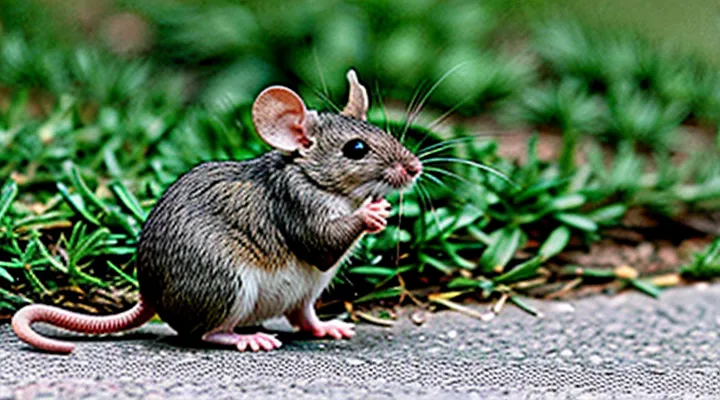
Understanding Dichlorvos
Chemical Properties and Mechanism of Action
Organophosphate Pesticide Classification
Organophosphate pesticides are synthetic compounds derived from phosphoric, phosphonic, or phosphorothioic acids. Their primary biological effect is irreversible inhibition of acetylcholinesterase, leading to accumulation of acetylcholine at neural synapses. Dichlorvos, a volatile organophosphate, is employed in rodent management because it delivers rapid neurotoxic action upon inhalation or dermal contact.
Classification of organophosphates follows several criteria:
- Chemical backbone: phosphates (ester linkages), phosphonates (C‑P bond), phosphorothioates (P=S group).
- Substituent pattern: presence of alkyl, aryl, or halogen groups influencing volatility and lipid solubility.
- Physical properties: volatility (high, moderate, low), water solubility, and persistence in the environment.
- Regulatory hazard tier: WHO toxicity class (Ia–IV), EPA acute toxicity category (I–IV), and EU pesticide classification (highly hazardous, moderately hazardous, etc.).
Regulatory frameworks assign dichlorvos to the highest acute toxicity categories because of its low LD₅₀ values in mammals and rapid onset of symptoms. The compound is listed as a Class I (highly hazardous) pesticide by WHO and as a Category I substance by the U.S. Environmental Protection Agency.
In the context of mouse control, dichlorvos’ attributes are:
- High vapor pressure – ensures dispersion throughout enclosed spaces.
- Rapid symptom onset – leads to swift mortality of target rodents.
- Short environmental half‑life – reduces long‑term residue buildup.
Conversely, the same characteristics generate significant occupational risk and require strict containment measures, including sealed applicators, personal protective equipment, and compliance with exposure limits set by occupational safety authorities.
Inhibition of Cholinesterase
Dichlorvos, an organophosphate insecticide applied for rodent management, exerts its toxic effect by binding to the active site of acetylcholinesterase (AChE). The covalent attachment prevents hydrolysis of acetylcholine, leading to accumulation of the neurotransmitter at cholinergic synapses. Sustained cholinergic stimulation causes paralysis, respiratory failure, and death in mice.
Key biochemical consequences of AChE inhibition by dichlorvos:
- Irreversible phosphorylation of serine residue in the enzyme’s catalytic pocket.
- Loss of catalytic efficiency measured as a decrease in Vmax without significant change in Km for acetylcholine.
- Prolonged depolarization of neuromuscular junctions, resulting in tonic contraction followed by flaccid paralysis.
Dose‑response relationship:
- Sub‑lethal concentrations (0.1–0.5 µg g⁻¹ of body weight) produce measurable AChE activity reduction (30–60 %).
- Lethal doses (LD₅₀ ≈ 0.5 µg g⁻¹) achieve >90 % enzyme inhibition within minutes of exposure.
Factors influencing efficacy:
- Ambient temperature accelerates enzymatic turnover and dichlorvos volatilization, enhancing uptake.
- Presence of metabolic detoxification pathways (e.g., cytochrome P450) can modestly reduce inhibition in resistant strains.
Safety considerations:
- Non‑target species with similar cholinesterase profiles are susceptible; protective equipment and containment reduce accidental exposure.
- Environmental persistence is low; hydrolysis in soil and water yields dimethyl phosphate and dichloroacetaldehyde, diminishing long‑term toxicity.
Understanding the precise mechanism of cholinesterase inhibition clarifies why dichlorvos remains an effective agent for mouse control while informing risk assessments and regulatory guidelines.
Historical Context and Past Applications
Agricultural Use
Dichlorvos is applied in agricultural settings to suppress mouse populations that threaten stored grains and field crops. Formulations typically contain the organophosphate in liquid or granule form, allowing uniform distribution across storage facilities, silos, and field margins. The compound penetrates rodent burrows and feeding areas, delivering rapid neurotoxic action that reduces damage to harvested produce.
Effective deployment follows a defined schedule:
- Initial treatment before harvest or during post‑harvest storage.
- Follow‑up applications at two‑week intervals during peak rodent activity.
- Targeted spot‑treatments in identified infestation hotspots.
Safety protocols are integral to farm use. Operators must wear protective equipment, avoid direct skin contact, and observe ventilation requirements in enclosed storage spaces. Residue limits established by agricultural authorities dictate permissible concentrations on food commodities, ensuring consumer safety while maintaining pest control efficacy.
Regulatory frameworks classify dichlorvos as a restricted pesticide; registration permits are granted only when integrated pest‑management plans demonstrate reduced reliance on broad‑spectrum chemicals. Compliance with label instructions and record‑keeping of application dates and quantities satisfies monitoring obligations and supports traceability in the agricultural supply chain.
Public Health Pest Control
Dichlorvos, an organophosphate insecticide, is employed in mouse control programs to reduce disease transmission and protect food supplies. Its rapid action on the nervous system of rodents makes it effective for short‑term eradication in infested areas. Public health agencies prioritize formulations that limit human exposure while delivering lethal doses to target species.
Effective deployment requires adherence to safety protocols:
- Apply sealed bait stations in locations inaccessible to children and non‑target animals.
- Maintain bait concentrations within regulatory limits to prevent accidental poisoning.
- Conduct routine inspections to replace depleted stations and verify proper placement.
- Record usage data for traceability and compliance audits.
Regulatory frameworks mandate labeling that specifies personal protective equipment, ventilation requirements, and disposal procedures. Training programs for pest‑control personnel emphasize hazard recognition, emergency response, and decontamination methods. Documentation of these measures supports accountability and facilitates incident reporting.
Environmental considerations include the compound’s volatility and potential contamination of water sources. Mitigation strategies involve:
- Selecting low‑emission formulations.
- Restricting application to indoor environments where containment is achievable.
- Monitoring surrounding ecosystems for unintended effects on beneficial insects.
Risk‑benefit analysis conducted by health authorities balances immediate rodent reduction against possible chemical exposure. Evidence indicates that, when applied according to approved guidelines, dichlorvos contributes to lower incidence of rodent‑borne pathogens such as hantavirus and leptospirosis. Continuous surveillance and periodic re‑evaluation of usage criteria ensure that public health objectives remain met while minimizing adverse outcomes.
Dichlorvos for Mouse Control: Efficacy and Risks
Efficacy in Rodent Extermination
Effectiveness Against Mouse Species
Dichlorvos, an organophosphate insecticide, demonstrates variable lethality across common mouse species used in laboratory and pest‑control settings. Laboratory trials report median lethal concentrations (LC50) of 0.12 mg L⁻¹ for Mus musculus and 0.18 mg L⁻¹ for Apodemus sylvaticus, indicating higher susceptibility in the former. Field applications in grain storage facilities show 85 % mortality of house mice (M. domesticus) within 48 hours when bait is formulated at 0.5 % w/w dichlorvos. In contrast, field‑caught Norway rats (Rattus norvegicus) exhibit 40 % mortality under identical conditions, reflecting species‑specific resistance mechanisms.
Key factors influencing efficacy:
- Bait acceptance: Preference for high‑carbohydrate substrates increases ingestion rates in M. musculus and M. domesticus.
- Environmental temperature: Efficacy rises 10–15 % at 25–30 °C; lower temperatures reduce metabolic activation of the compound.
- Resistance prevalence: Populations with documented acetylcholinesterase mutations require bait concentrations up to 1 % to achieve comparable mortality.
- Application density: Uniform distribution of bait stations at 10 m intervals maximizes encounter probability for territorial mice.
Overall, dichlorvos achieves rapid, high‑percent mortality in house mouse species when delivered in appropriately concentrated bait and deployed under optimal environmental conditions. Effectiveness declines in larger rodent species and in populations with documented enzyme resistance, necessitating adjusted dosage or alternative control agents.
Factors Influencing Lethality
Dichlorvos, an organophosphate compound employed for rodent control, exerts lethal effects through inhibition of acetylcholinesterase. The magnitude of mortality among mice depends on several measurable variables.
- Concentration and dose – Higher active‑ingredient percentages and larger administered volumes increase the probability of fatal cholinergic overload.
- Exposure route – Inhalation of vapors, dermal contact, and ingestion each present distinct absorption efficiencies; inhalation typically yields the most rapid onset of toxicity.
- Environmental conditions – Elevated temperature accelerates volatilization, raising airborne concentrations; high humidity can enhance dermal uptake.
- Animal characteristics – Age, body weight, sex, and genetic strain affect metabolic capacity and enzyme susceptibility, altering individual response thresholds.
- Resistance mechanisms – Prior exposure to organophosphates may induce up‑regulation of detoxifying enzymes, reducing susceptibility.
- Formulation type – Granular, liquid, or impregnated bait matrices modify release kinetics and availability to target organisms.
- Application method – Uniform distribution versus localized placement determines the extent of exposure across a population.
- Degradation rate – Photolysis, hydrolysis, and microbial breakdown diminish active concentration over time, shortening the effective lethal window.
- Presence of alternative food sources – Availability of non‑treated feed can lower ingestion rates of the toxic agent.
Accurate assessment of these factors enables prediction of mortality rates and optimization of control protocols.
Health and Environmental Concerns
Toxicity to Non-Target Organisms
Dichlorvos, an organophosphate employed for rodent management, exhibits high acute toxicity to a broad range of non‑target species. Exposure occurs through inhalation of vapors, dermal contact, and ingestion of contaminated feed or water. The compound’s mode of action—acetylcholinesterase inhibition—affects nervous systems across vertebrate and invertebrate taxa, leading to rapid onset of cholinergic symptoms and potential mortality.
Key non‑target groups at risk include:
- Birds: Respiratory absorption of volatilized dichlorvos can cause convulsions and death; egg‑shell thinning reported in some species after chronic exposure.
- Aquatic organisms: Dissolved residues are lethal to fish and amphibian larvae; sub‑lethal concentrations impair swimming behavior and reduce reproductive output.
- Mammals: Domestic pets and wildlife mammals experience neurotoxicity after ingesting treated bait or contaminated surfaces; clinical signs include salivation, tremors, and respiratory distress.
- Beneficial insects: Pollinators such as honeybees and predatory insects suffer acute mortality; sub‑lethal doses diminish foraging efficiency and colony health.
- Soil fauna: Earthworms and nematodes encounter reduced survival rates when soil is treated, potentially disrupting nutrient cycling.
Regulatory frameworks set maximum residue limits (MRLs) for food and feed, and mandate buffer zones to protect adjacent habitats. Mitigation strategies recommended by authorities include:
- Restricting application to enclosed structures or sealed bait stations.
- Employing bait formulations with low volatility to limit airborne dispersion.
- Conducting pre‑application surveys to identify nearby sensitive species and habitats.
- Implementing post‑application monitoring of residue levels in water and soil.
Understanding the breadth of dichlorvos toxicity informs risk assessments and guides the implementation of control measures that minimize adverse impacts on ecosystems while maintaining efficacy against rodent populations.
Human Health Risks
Dichlorvos, an organophosphate insecticide employed for rodent control, presents several health hazards to humans. Exposure occurs through inhalation of vapors, dermal contact with treated surfaces, and accidental ingestion of contaminated food or water. The compound inhibits acetylcholinesterase, leading to accumulation of acetylcholine at neural synapses and resulting in cholinergic overstimulation.
Acute effects manifest within minutes to hours and include:
- Muscarinic symptoms: sweating, salivation, lacrimation, bronchorrhea, bradycardia, gastrointestinal cramps.
- Nicotinic symptoms: muscle fasciculations, weakness, paralysis.
- Central nervous system involvement: headache, dizziness, confusion, seizures, respiratory depression.
Chronic exposure, even at low levels, may produce:
- Persistent neurobehavioral deficits, such as impaired memory and reduced motor coordination.
- Hormonal disruption, including altered thyroid function.
- Potential carcinogenicity, suggested by animal studies indicating increased tumor incidence.
Vulnerable groups comprise agricultural workers, pest‑control personnel, children, pregnant women, and individuals with pre‑existing respiratory or neurological conditions. Children are especially at risk due to higher relative intake of air and hand‑to‑mouth behaviors.
Regulatory agencies have established occupational exposure limits (e.g., 0.1 mg/m³ as an 8‑hour time‑weighted average) and maximum residue limits in food commodities. Exceeding these thresholds correlates with measurable cholinesterase inhibition in biological monitoring.
Mitigation strategies include:
- Use of personal protective equipment (gloves, respirators, goggles) during application.
- Strict adherence to label‑specified dilution ratios and application intervals.
- Immediate decontamination of skin and clothing after contact.
- Installation of ventilation systems in enclosed treatment areas.
- Routine medical surveillance focusing on cholinesterase activity for exposed workers.
Understanding these risk parameters is essential for informed decision‑making and for implementing safeguards that protect human health while employing dichlorvos in rodent management programs.
Pet and Wildlife Exposure
Dichlorvos, an organophosphate insecticide frequently applied for rodent suppression, presents measurable risks to domestic animals and non‑target wildlife. Exposure occurs primarily through ingestion of contaminated bait, dermal contact with treated surfaces, and inhalation of vapors released from volatilizing residues.
Acute toxicity in cats, dogs, and small mammals manifests as salivation, lacrimation, vomiting, tremors, and respiratory depression. Sub‑lethal exposure can produce persistent cholinergic effects, including weakness, ataxia, and reduced appetite. Wildlife such as birds, reptiles, and amphibians experience similar neurologic signs, with heightened sensitivity in species that forage near bait stations or consume insects that have contacted the chemical.
Preventive actions include:
- Securing bait in tamper‑proof containers and positioning stations away from pet pathways and wildlife corridors.
- Employing bait stations with mesh openings sized to exclude non‑target species while allowing rodent access.
- Conducting regular inspections to remove spillage and replace degraded bait promptly.
- Selecting application rates that meet efficacy thresholds without exceeding label‑specified maximum residues.
- Implementing integrated pest‑management strategies that reduce reliance on chemical controls, such as sanitation, exclusion, and trapping.
Regulatory guidelines often require labeling that warns of potential harm to non‑target organisms and mandates record‑keeping of application sites. Compliance with these provisions, combined with diligent site management, mitigates the likelihood of accidental poisoning in pets and wildlife.
Environmental Persistence and Degradation
Dichlorvos, an organophosphate compound applied for rodent control, exhibits limited persistence in most environmental compartments. In aerobic soils, microbial metabolism dominates degradation, producing 2,2-dichlorovinyl dimethyl phosphate and inorganic phosphate; half‑life values range from 1 to 7 days, depending on temperature, moisture, and organic matter content. In anaerobic or low‑pH soils, hydrolysis proceeds more slowly, extending detectable residues to several weeks.
Aquatic environments show rapid loss through photolysis and hydrolysis. Direct sunlight cleaves the vinyl chloride bond, yielding dichlorvos‑oxon and further breakdown products; laboratory studies report half‑lives of 0.5–2 days under natural sunlight. In stagnant water, hydrolytic decay dominates, with rates accelerated by alkaline pH and elevated temperature.
Airborne dichlorvos degrades chiefly by oxidation and photodegradation. Atmospheric half‑life averages 1–3 hours, limiting long‑range transport. Volatilized residues can re‑deposit onto soil or water, where the previously described degradation mechanisms apply.
Key factors influencing environmental persistence:
- Temperature: higher values increase microbial and chemical reaction rates.
- pH: alkaline conditions enhance hydrolysis; acidic environments retard it.
- Organic carbon: sorption to organic matter reduces bioavailability, slowing microbial breakdown.
- Light exposure: direct UV radiation accelerates photolysis in surface waters and soils.
Overall, dichlorvos does not accumulate significantly in the environment; degradation pathways rapidly convert it to less toxic metabolites, minimizing long‑term exposure risks.
Regulatory Status and Restrictions
International Regulations
Dichlorvos, an organophosphate compound employed for rodent management, is subject to a coordinated framework of international regulations that govern its manufacture, distribution, and application. The principal instruments shaping this framework include the Rotterdam Convention, which lists the substance in Annex III, thereby requiring prior informed consent before export to participating countries. The Stockholm Convention does not include dichlorvos, but several regional agreements impose stricter limits.
Key regulatory actions are summarized below:
- European Union – Classified as a hazardous pesticide under Regulation (EC) 1107/2009; approval renewed only for limited indoor use, with maximum residue limits (MRLs) established for food commodities. Member states may impose additional national bans.
- United States – The Environmental Protection Agency (EPA) retains registration for indoor rodent control under strict label instructions; EPA has issued a voluntary phase‑out for certain outdoor applications and requires annual reporting of usage volumes.
- Canada – Health Canada categorizes dichlorvos as a “restricted pesticide”; use is limited to certified applicators, and MRLs are set at lower levels than in the United States.
- Australia – The Australian Pesticides and Veterinary Medicines Authority (APVMA) permits limited indoor use; a 2022 amendment introduced mandatory personal protective equipment (PPE) for handlers and tightened disposal requirements.
- Japan – The Ministry of Health, Labour and Welfare prohibits commercial sales for rodent control, allowing only restricted research use.
International bodies such as the Food and Agriculture Organization (FAO) and the World Health Organization (WHO) provide guidance on occupational exposure limits and recommend integrated pest‑management alternatives to reduce reliance on organophosphates. Compliance monitoring is enforced through mandatory residue testing, reporting obligations, and periodic re‑evaluation of risk assessments. Non‑compliance can trigger trade restrictions, fines, or suspension of product registrations under the aforementioned conventions.
National and Local Laws
The United States Environmental Protection Agency (EPA) registers dichlorvos as a restricted‑use pesticide. Only certified applicators may purchase or apply it, and the product label specifies maximum application rates, required personal protective equipment, and prohibited use sites such as food processing areas, schools, and residential indoor environments. State agencies may impose additional limits; for example, California’s Department of Pesticide Regulation restricts aerial applications and mandates a 30‑day re‑entry interval for treated structures.
In the European Union, dichlorvos is listed under Regulation (EC) No 1107/2009 as a substance whose approval has been withdrawn. Member states enforce the ban, prohibiting sale, import, and use for any pest‑control purpose. The REACH regulation further classifies it as a substance of very high concern, requiring registration and risk‑assessment documentation for any remaining authorized uses.
Canada’s Pest Management Regulatory Agency (PMRA) classifies dichlorvos as a restricted‑use pesticide. The agency’s guidelines limit its application to outdoor settings, require a minimum buffer zone of 10 meters from water bodies, and forbid use in residential indoor spaces. Provincial authorities may add restrictions; Ontario, for instance, requires a written notice to the Ministry of the Environment before any commercial application.
Key regulatory elements common across jurisdictions include:
- Mandatory labeling with detailed safety instructions and first‑aid measures.
- Required licensing or certification for all users.
- Defined maximum residue limits (MRLs) for food and feed commodities.
- Prohibited use in schools, hospitals, and other sensitive locations.
- Mandatory record‑keeping of application dates, locations, and quantities used.
Compliance with these national and local statutes is essential to avoid civil penalties, product confiscation, and liability for adverse health or environmental effects.
Alternatives to Dichlorvos for Mouse Control
Integrated Pest Management (IPM) Strategies
Dichlorvos, an organophosphate insecticide, can be incorporated into an integrated pest management program targeting commensal rodents when non‑chemical methods alone are insufficient. Effective IPM relies on a sequence of actions that reduce reliance on toxicants while maintaining control efficacy.
The program begins with thorough site inspection to identify mouse activity, entry points, and attractants. Data gathered during monitoring guide the selection of appropriate interventions and allow measurement of treatment outcomes.
Core components of a rodent‑focused IPM strategy include:
- Sanitation: removal of spilled grain, discarded packaging, and other food sources that sustain populations.
- Exclusion: sealing cracks, gaps, and utility penetrations to prevent ingress.
- Mechanical control: deployment of snap traps or electronic devices in high‑traffic zones, with regular checking to assess capture rates.
- Biological considerations: discouraging conditions that favor breeding, such as clutter and excessive moisture.
- Chemical application: targeted use of dichlorvos‑based baits in secured stations, positioned away from non‑target species and following label‑specified concentrations. Rotation with alternative active ingredients mitigates resistance development.
- Evaluation: periodic reassessment of infestation levels, trap performance, and bait consumption to adjust tactics promptly.
Safety measures are integral: personnel must wear protective equipment, maintain records of bait placement, and ensure compliance with local regulations governing organophosphate use. Documentation of each step supports accountability and facilitates continuous improvement of the pest‑management cycle.
Non-Chemical Control Methods
Non‑chemical approaches provide viable options for managing rodent populations where organophosphate usage is undesirable or restricted. Effective strategies rely on physical barriers, environmental manipulation, and biological agents.
- Snap or live‑catch traps positioned along established runways reduce entry points and capture individuals quickly.
- Sealant applications close gaps around foundations, pipes, and vents, preventing ingress.
- Sanitation measures eliminate food sources by storing grain, waste, and pet feed in airtight containers.
- Ultrasonic emitters generate frequencies that deter rodents without introducing toxins; regular maintenance ensures consistent output.
- Predatory species such as barn owls or feral cats can be encouraged through nesting boxes or habitat enhancement, increasing natural pressure on mouse numbers.
Integrating these methods with periodic monitoring creates a sustainable framework that limits reliance on chemical insecticides while maintaining effective rodent control.
Trapping
Trapping remains a critical component of integrated mouse management when dichlorvos is employed as a rodent‑control chemical. Mechanical capture reduces population density, limits exposure of non‑target species to the organophosphate, and provides data for assessing treatment efficacy.
- Snap traps: steel‑spring devices that deliver instantaneous lethal force; suitable for indoor and outdoor deployment where rapid kill is required.
- Live‑catch traps: wire cages with trigger mechanisms; allow removal of captured individuals for humane release or laboratory analysis.
- Electronic traps: battery‑powered units that administer a high‑voltage shock; minimize mess and reduce handling risk.
- Glue boards: adhesive surfaces that immobilize rodents; useful for monitoring but not recommended as sole control method due to prolonged suffering and potential contamination with pesticide residues.
Placement guidelines optimize trap performance while minimizing interaction with dichlorvos‑treated areas. Position traps along walls, behind objects, and near known runways; maintain a minimum distance of 30 cm from bait stations containing the chemical to prevent accidental contact. Pre‑baiting with non‑chemical attractants for 24 hours increases capture rates before pesticide application.
Safety protocols protect personnel and occupants. Wear disposable gloves and eye protection when handling traps near dichlorvos applications. Seal and label captured rodents for disposal in accordance with hazardous waste regulations. Clean reusable traps with a solution of mild detergent followed by thorough rinsing; avoid using solvents that could react with residual pesticide.
Monitoring involves daily inspection, recording capture numbers, and evaluating trap success relative to chemical treatment zones. Adjust trap density and type based on observed activity; rotate locations to prevent bait shyness. Data collection informs decisions on re‑application of dichlorvos, supplemental baiting, or escalation to alternative control measures.
Habitat Modification
Effective mouse management that incorporates dichlorvos relies on altering the environment to diminish shelter and food sources. Reducing habitat suitability lowers population pressure and enhances the impact of the chemical agent.
- Remove spilled grain, pet food, and garbage; store all feed in sealed containers.
- Seal entry points: install steel wool or concrete caulk in cracks, gaps around pipes, and foundation seams.
- Repair damaged flooring, walls, and roofing to eliminate hidden nesting sites.
- Trim vegetation and clear debris near structures to prevent external harborage.
- Maintain dry conditions; fix leaks and improve ventilation to discourage moisture‑dependent nesting.
When habitat is optimized, dichlorvos applied as a bait or spray reaches a smaller, more vulnerable mouse cohort, decreasing the quantity required for control and limiting exposure risks. Fewer refuge areas also reduce the likelihood of sublethal exposure, which can foster resistance.
Implementation follows a systematic sequence: assess premises for structural deficiencies, prioritize repairs, enforce strict sanitation protocols, then deploy dichlorvos according to label directions. Continuous monitoring verifies that modifications sustain low mouse activity and that chemical treatment remains effective.
Other Chemical Rodenticides
Chemical rodenticides other than organophosphate agents such as dichlorvos fall into several mechanistic classes. Anticoagulants, both first‑generation (warfarin, chlorophacinone) and second‑generation (bromadiolone, difethialone), inhibit vitamin K epoxide reductase, causing fatal hemorrhage after a latency of 2–7 days. Their prolonged action permits single‑dose placement, yet secondary poisoning of predators remains a concern. Metal phosphides, principally zinc phosphide, release phosphine gas in the acidic environment of the gastrointestinal tract; rapid mortality occurs within hours, but handling requires strict protective measures because phosphine is highly toxic to humans. Bromethalin, a neurotoxic rodenticide, disrupts mitochondrial oxidative phosphorylation, leading to cerebral edema and death within 24–48 hours; it is effective against anticoagulant‑resistant populations but carries a risk of delayed toxicity in non‑target species. Sodium fluoroacetate (1080) interferes with the citric‑acid cycle, producing lethal effects after ingestion; its use is restricted in many jurisdictions due to environmental persistence.
Key considerations for selecting an alternative chemical rodenticide include:
- Mode of action: determines speed of kill and potential for resistance development.
- Regulatory status: many compounds require licensing or are prohibited in specific regions.
- Non‑target risk: secondary poisoning, wildlife exposure, and human safety.
- Residue profile: persistence in the environment and potential for food‑chain contamination.
Effective rodent management programs integrate these agents with sanitation, exclusion, and monitoring to achieve sustainable control while minimizing adverse impacts.
Anticoagulants
Anticoagulant rodenticides interfere with the vitamin K cycle, preventing the synthesis of functional clotting factors. The resulting coagulopathy leads to internal bleeding and death after a period of several hours to days, depending on the dose and the animal’s metabolic rate.
Compared with organophosphate agents such as dichlorvos, anticoagulants act systemically rather than through acute neurotoxicity. Dichlorvos produces rapid paralysis by inhibiting acetylcholinesterase, while anticoagulants require ingestion and subsequent physiological disturbance. The delayed mortality of anticoagulants reduces the likelihood of bait avoidance, but also prolongs exposure risk for non‑target species.
Key considerations for anticoagulant use in mouse management include:
- First‑generation compounds (e.g., warfarin, chlorophacinone) – effective at high concentrations, rapid resistance development.
- Second‑generation compounds (e.g., brodifacoum, difethialone) – potent at low concentrations, extended biological half‑life, higher secondary poisoning potential.
- Formulation type – powder, pellet, or gel; each influences palatability and environmental persistence.
- Resistance monitoring – periodic susceptibility testing prevents control failure.
Regulatory frameworks classify anticoagulant rodenticides as restricted use products in many jurisdictions. Label instructions mandate placement in tamper‑resistant stations, exclusion of children and pets, and proper disposal of unused bait. Environmental assessments recommend minimizing secondary exposure by targeting delivery devices and limiting application to interior spaces where mouse activity is documented.
Acute Rodenticides
Acute rodenticides are compounds designed to cause rapid mortality in rodent populations, typically within hours of ingestion. They are distinguished from chronic agents by high toxicity, swift onset of neurological disruption, and low residual activity in the environment.
Dichlorvos, an organophosphate insecticide, functions as an acute rodenticide when formulated for mouse control. Its chemical structure enables efficient absorption through the gastrointestinal tract, leading to immediate systemic exposure.
The toxic effect results from inhibition of acetylcholinesterase, causing accumulation of acetylcholine at synaptic junctions. Consequences include uncontrolled muscular contraction, respiratory failure, and death at doses as low as 0.5 mg kg⁻¹ in laboratory mice.
Application practices involve:
- Bait stations containing calibrated concentrations of dichlorvos‑based pellets.
- Placement in areas of confirmed mouse activity, avoiding direct contact with food preparation surfaces.
- Monitoring of bait consumption to ensure target exposure while minimizing waste.
Safety considerations require personal protective equipment during handling, strict adherence to label‑specified limits, and exclusion of non‑target wildlife. Regulatory frameworks classify dichlorvos under restricted use pesticides, mandating registration, record‑keeping, and disposal procedures aligned with acute toxicity classifications.