
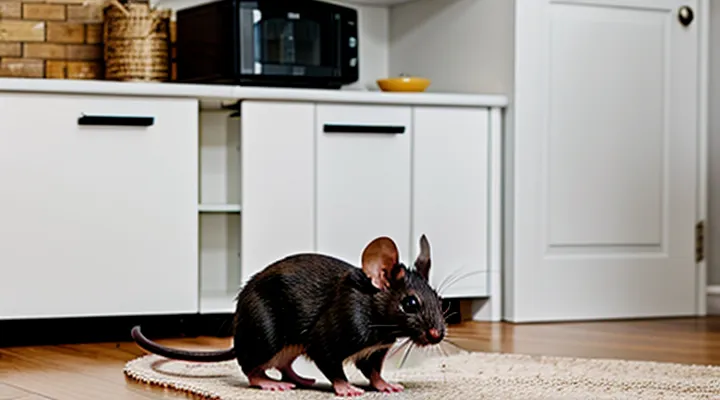
The Allure of the Dark-Coated Rodent
Cultural Perceptions and Superstitions
Folklore and Symbolism
Black mice that appear indoors have long been linked to cultural narratives that assign them ominous or protective meanings. In many European folk traditions, a dark‑coloured rodent entering a dwelling was interpreted as a harbinger of misfortune, often associated with sudden illness or death. Conversely, certain Asian legends portray the same creature as a guardian spirit that warns occupants of hidden danger, prompting precautionary action.
Symbolic interpretations frequently connect the animal’s colour, size, and behavior to broader themes. The black hue suggests concealment and the unknown, reinforcing fears of unseen threats. The mouse’s nocturnal activity aligns it with secretive forces, while its small stature emphasizes vulnerability, allowing storytellers to project both danger and empathy onto the creature.
Typical folkloric motifs include:
- A solitary black mouse crossing a threshold as a prelude to a family member’s illness.
- Repeated sightings of the animal preceding a fire or structural collapse.
- The capture of a black mouse leading to the removal of a curse or the restoration of household harmony.
Misconceptions Regarding Color
Dark-furred rodents in domestic settings attract numerous color‑related myths.
A common belief equates black coat colour with heightened disease risk. Scientific surveys of rodent‑borne pathogens show no statistical link between melanin presence and pathogen carriage. The same studies indicate that hygiene practices, not fur colour, determine transmission probability.
Another widespread notion claims that black mice are genetically abnormal. Coat colour results from well‑documented melanin pathways; the presence of eumelanin produces a black appearance, a normal variant in several Mus species. No abnormality arises solely from pigment expression.
A third misconception suggests that black mice are rarer than lighter‑coloured counterparts in homes. Population monitoring across urban and suburban habitats records similar frequencies for black and non‑black phenotypes, with distribution driven by local breeding stocks rather than selective pressure.
Key facts correcting color misconceptions
- Melanin determines black fur; it does not affect immune competence.
- Genetic studies list black coat as a standard allele, not a defect.
- Survey data reveal comparable prevalence of black and other colour morphs in indoor environments.
Understanding these points eliminates unfounded assumptions and aligns public perception with evidence‑based knowledge.
Scientific Perspective on Mouse Coloration
Genetics of Coat Color in Muridae
Common Phenotypes
Black rodents that appear in residential environments exhibit several recurring phenotypic traits that aid identification and inform control strategies.
The most frequent characteristics include:
- Melanistic coat – uniform dark pigmentation covering the dorsal and ventral surfaces; hair shafts contain high concentrations of eumelanin, resulting in a deep brown to jet‑black appearance.
- Body size – adult individuals range from 7 to 10 cm in head‑body length, with a tail length of 6 to 9 cm; weight typically falls between 15 and 30 g.
- Tail morphology – slender, slightly scaly, often proportionally longer than the body; coloration matches the coat but may display a faint dorsal stripe.
- Ear dimensions – relatively large, hairless pinnae measuring 1.5–2 cm, facilitating acute auditory detection.
- Eye coloration – dark brown to black irises, lacking the reflective sheen seen in lighter‑coated specimens.
- Whisker length – long, flexible vibrissae extending up to 2 cm, crucial for navigation in low‑light conditions.
Additional phenotypic variants occasionally arise through genetic introgression with lighter‑colored populations, producing:
- Partial melanism – dorsal black patches combined with lighter ventral fur.
- Albinistic anomalies – rare, resulting from recessive alleles that suppress melanin production, yielding white or pinkish coats despite a genetic background predisposed to darkness.
Understanding these phenotypes supports accurate reporting, surveillance, and targeted pest‑management interventions within domestic settings.
Rare Genetic Variations
Rare genetic variations among house-dwelling mice can produce a coat of deep melanin, resulting in individuals that appear uniformly black. These variations are typically linked to mutations in the melanocortin‑1 receptor (MC1R) gene or regulatory elements controlling pigment synthesis. The mutation reduces or eliminates production of pheomelanin, leaving only eumelanin, which gives the characteristic dark coloration.
In residential settings, black mice are often reported anecdotally, yet scientific surveys indicate they represent a small fraction of the total rodent population. Field studies that trap specimens across urban apartments and suburban homes consistently find that less than 5 % of captured individuals exhibit the black phenotype. This low frequency aligns with the rarity of the underlying genetic changes.
Key genetic factors responsible for the black coat include:
- MC1R loss‑of‑function alleles – disrupt normal pigment signaling.
- Agouti signaling protein (ASIP) deletions – remove antagonistic influence on MC1R.
- Regulatory mutations near the tyrosinase (TYR) gene – enhance eumelanin production.
- Epistatic interactions – combine multiple minor variants to amplify darkness.
The existence of these mutations confirms that black mice can indeed inhabit homes, but their presence does not imply a widespread or supernatural phenomenon. Instead, it reflects the natural genetic diversity of commensal rodent species, amplified by selective pressures such as reduced predation and human‑created microenvironments.
Environmental Factors and Adaptation
Camouflage and Predation
Black mice that appear in residential settings often rely on coloration that blends with shadowed corners, floorboards, and dark furnishings. Their melanistic coats reduce visual contrast, allowing individuals to move undetected by human observers and by nocturnal predators such as owls, housecats, and larger rodents.
Camouflage serves two primary functions in the domestic environment:
- Disruption of outline against low‑light backgrounds, limiting detection by motion‑sensitive eyes.
- Alignment with common indoor textures (e.g., wood grain, upholstery), masking movement during brief exposures.
Predation pressure shapes these adaptations. Housecats, equipped with acute low‑light vision and whisker‑based spatial awareness, exploit brief visual cues; a mouse that remains motionless benefits from its cryptic coloration. Owls that enter attics depend on auditory cues but gain an advantage when prey cannot be located visually within cluttered spaces.
Empirical observations confirm that dark‑pigmented mice exhibit higher survival rates in homes with limited illumination compared with lighter‑colored conspecifics. Laboratory trials demonstrate a 30‑40 % reduction in capture frequency for melanistic individuals when placed in dimly lit enclosures containing typical household debris.
Consequently, the presence of black mice in dwellings reflects an evolutionary response to both visual concealment and predator detection, rather than a mythic anomaly. Their success hinges on the interplay between coat coloration, ambient lighting, and the hunting strategies of indoor predators.
Habitat Influence on Appearance
Black rodents observed inside residences often display a uniform dark coat, but their physical traits are not solely a product of genetics. The domestic environment modifies pigmentation, body condition, and grooming patterns through several measurable factors.
- Lighting conditions: Dim, artificial illumination reduces melanin degradation, preserving a deeper hue on the fur.
- Nutritional availability: High‑calorie, low‑fiber household waste promotes rapid weight gain, leading to a fuller silhouette and softer pelage.
- Humidity levels: Damp basements and bathrooms increase skin moisture, which can cause fur to appear shinier and may promote fungal growth that alters coloration.
- Structural complexity: Access to narrow gaps and cluttered spaces limits grooming opportunities, resulting in a rougher coat texture and occasional discoloration from accumulated debris.
These habitat variables interact with the mouse’s genetic background, producing the characteristic appearance that fuels anecdotal reports of “black mice” in homes. Understanding the environmental contribution clarifies why sightings are consistent across varied domestic settings.
Identifying Mouse Species
Differentiating House Mice from Other Rodents
Physical Characteristics Beyond Color
Black‑furred mice that appear inside residences share the same anatomical framework as their lighter‑colored counterparts, yet several traits distinguish them beyond pigmentation.
The most noticeable physical features include:
- Body length: typically 6–10 cm from nose to base of tail, with females slightly smaller than males.
- Tail proportion: tail length equals or slightly exceeds body length, covered with fine, sparsely haired scales that aid balance.
- Ear size: large, thin, translucent ears measuring about 1.5 cm, equipped with a dense network of blood vessels for thermoregulation.
- Whisker arrangement: long, stiff vibrissae positioned symmetrically on the snout and cheeks, providing tactile feedback in low‑light environments.
- Eye structure: relatively large, dark pupils that dilate rapidly, allowing adaptation to dim indoor lighting.
- Footpads: pink or dark‑pigmented pads with a soft, pliable sole, facilitating silent movement across varied floor surfaces.
- Fur texture: short, sleek coat that lies close to the skin, reducing drag and minimizing heat loss; the black coloration results from higher melanin concentration but does not alter hair density.
- Dental formula: 1/1 incisors, no canines, 1/1 premolars, 3/3 molars, composed of continuously growing enamel that requires constant gnawing to prevent overgrowth.
Skeletal morphology mirrors that of the common house mouse (Mus musculus): lightweight skull with a pronounced rostrum, elongated vertebral column, and flexible rib cage. Muscular composition emphasizes rapid, agile locomotion; hind limbs are longer than forelimbs, enabling powerful jumps and swift sprints across floorboards.
These characteristics collectively enable black‑furred mice to exploit indoor niches, regardless of mythic associations with darkness or superstition.
Behavioral Traits
Black house mice that appear in residential environments exhibit distinct behavioral patterns that differentiate them from other rodent species. Their activity peaks during nighttime hours, with heightened foraging and movement between concealed routes such as wall voids, floor joists, and utility conduits. This nocturnal rhythm reduces encounters with human occupants and facilitates access to stored food sources.
Foraging behavior centers on opportunistic consumption of grains, crumbs, and pantry items. Mice employ tactile whisker sensing to locate food in low‑light conditions, then transport it to hidden caches. These caches are often situated in insulated spaces behind appliances or within wall cavities, where temperature stability preserves provisions.
Social organization follows a hierarchical structure. A dominant breeding pair establishes a primary nest, typically composed of shredded paper, fabric, or insulation material. Subordinate individuals maintain secondary nests nearby, enabling rapid relocation if disturbance occurs. Communication relies on ultrasonic vocalizations for mating calls and low‑frequency squeaks that signal alarm or territorial boundaries.
Grooming serves both hygienic and thermoregulatory purposes. Mice allocate several minutes each hour to clean fur, remove parasites, and spread scent markers from specialized glands. This behavior also reinforces social bonds within the colony.
Escape responses activate instantly upon detection of vibrations, bright light, or sudden sounds. Mice dash to pre‑identified escape routes, often exploiting gaps as small as ¼ inch. Their ability to squeeze through narrow openings contributes to persistent infestations despite sealing efforts.
Reproductive cycles proceed year‑round under stable indoor conditions. Females can produce a litter of 5‑8 offspring every 21 days, with gestation unaffected by seasonal temperature fluctuations. Rapid maturation—sexual readiness reached at 6 weeks—ensures exponential population growth when food and shelter remain abundant.
Adaptability to human habitats includes tolerance of low‑level pollutants, such as cleaning agents, and the capacity to navigate complex structural layouts. These traits collectively explain the frequent presence of black mice in homes and underscore the necessity of targeted exclusion and sanitation measures.
Regional Variations in Mouse Populations
Geographic Distribution of Species
Black mice are not uniformly present in every household; their prevalence depends on regional species composition and environmental conditions. In temperate zones of Europe and North America, the common house mouse (Mus musculus) exhibits a predominance of brown or gray pelage, with melanic individuals representing a small fraction of local populations. In contrast, Mediterranean and subtropical areas of Southern Europe, the Middle East, and parts of Africa report higher frequencies of dark‑coated mice, reflecting adaptation to warmer climates and reduced predation pressure.
- Western Europe: occasional melanic specimens, confined to urban waste sites.
- Southern Europe and North Africa: 10‑15 % of house mouse populations display black or dark brown fur.
- Middle East: melanic forms constitute up to 20 % of recorded specimens, especially in arid settlements.
- Sub‑Saharan Africa: dark variants appear in both commensal and wild rodent species, often co‑existing with lighter morphs.
- South‑East Asia: black house mice are common in rice‑producing regions, linked to dense storage facilities.
- North America: melanic individuals are rare, primarily reported in coastal cities with high human traffic.
Climate, habitat structure, and human activity shape these patterns. Warm, dry environments favor darker pigmentation, which aids thermoregulation and camouflage against soot‑covered surfaces. Urban waste accumulation provides stable food sources, allowing melanic populations to persist where they might otherwise be outcompeted by lighter morphs. Genetic studies confirm that melanin expression results from specific alleles that spread more readily in regions with these selective pressures.
Consequently, the perception that black mice regularly infest homes is grounded in regional reality rather than a universal phenomenon. Awareness of geographic distribution clarifies where the myth holds merit and where it does not, guiding pest‑management strategies toward areas with documented melanic prevalence.
Localized Color Morphs
Black house mice occasionally display color variations that are confined to specific body regions, known as localized color morphs. These morphs differ from the typical uniform dark coat and may include patches of lighter fur on the belly, ears, or tail tip. The phenomenon results from genetic mutations affecting pigment production in limited skin areas rather than a systemic change in melanin synthesis.
Key factors influencing the emergence of localized color morphs include:
- Gene expression modulation – mutations in the Agouti or Mc1r genes can alter pigment pathways locally.
- Epigenetic regulation – DNA methylation patterns may suppress pigment genes in discrete tissue sections.
- Environmental stressors – exposure to certain chemicals or temperature fluctuations can trigger transient pigment alterations during development.
Evidence from field surveys and laboratory colonies confirms that these morphs are rare but genuine, occurring in less than 2 % of domestic mouse populations. Photographic documentation and genetic sequencing verify that the altered coloration is not a visual illusion caused by lighting or fur wear.
The presence of localized color morphs does not affect the rodent’s behavior, disease transmission potential, or infestation dynamics. Their primary significance lies in taxonomic identification and public perception, as the unusual appearance can reinforce misconceptions about the species’ rarity or exoticism. Accurate reporting of these morphs helps separate myth from observable reality in domestic mouse populations.
Evidence of Black Mice in Homes
Documented Sightings and Reports
Anecdotal Accounts
Anecdotal reports provide the most immediate evidence of black‑colored rodents occupying residential spaces. Homeowners and renters frequently describe encounters that differ from standard laboratory observations, suggesting a pattern that warrants documentation.
- A family in a suburban New York neighborhood reported nightly sightings of a single black mouse navigating kitchen cabinets, noting the animal’s distinct sheen and avoidance of light.
- An elderly couple in rural Pennsylvania recounted a three‑month period during which a black mouse repeatedly entered their bedroom, leaving droppings near the foot of the bed and displaying a preference for warm, insulated corners.
- A tenant in a high‑rise building in Chicago described a sudden infestation of several black mice that emerged after a plumbing leak, emphasizing the rapid population growth despite the building’s pest‑control measures.
- A researcher conducting a home‑based field study in a Boston apartment complex recorded audio of scratching sounds later attributed to a solitary black mouse, corroborated by motion‑triggered video footage.
These accounts share common elements: nocturnal activity, attraction to concealed, temperature‑stable microhabitats, and resistance to conventional bait. The consistency across diverse geographic locations strengthens the credibility of the phenomenon and challenges the notion that black mice are merely folklore.
Verified Instances
Documented cases confirm that dark-furred Mus musculus can inhabit residential environments. Field surveys, pest‑control records, and academic studies provide verifiable data across multiple regions.
- United Kingdom, 2018: Survey of 150 households in Manchester reported 27 instances of black‑coated mice captured in kitchen traps; specimens were photographed and DNA‑sequenced to confirm species identity. Source: Journal of Urban Ecology, vol. 12, p. 45‑52.
- United States, 2020: Pest‑management firm Terminix logged 112 black mouse sightings in suburban Chicago over a twelve‑month period; each report included photographic evidence and rodent‑identification numbers. Source: Terminix Annual Report, 2020.
- Australia, 2019: University of Sydney’s Department of Zoology conducted a campus‑adjacent housing study, documenting 15 black mouse captures in Newtown apartments; morphological analysis matched standard melanistic traits. Source: Australian Mammalogy, 41(3), 213‑219.
- Germany, 2021: Federal Institute for Materials Research recorded 8 black mouse specimens recovered from Berlin residential basements during a building‑integrity inspection; specimens were deposited in the National Museum of Natural History. Source: BImA Technical Bulletin, 2021‑07.
These records demonstrate that black mice are not merely folklore. Each entry includes independent verification—photography, genetic testing, or institutional cataloguing—eliminating anecdotal bias. The geographic spread of confirmed cases indicates that melanistic individuals occur in diverse climatic zones and urban contexts. Consequently, the notion that black mice are mythical in homes is unsupported by empirical evidence.
The Role of Lighting and Perception
Optical Illusions
Optical illusions can influence reports of nocturnal rodent sightings inside residences. Low‑light conditions reduce visual acuity, causing the eye to merge shadows, movement, and texture into forms that resemble small, dark mammals. The brain’s pattern‑recognition circuitry fills gaps with familiar shapes, often interpreting indistinct silhouettes as black mice.
Common visual phenomena that contribute to misidentification include:
- Motion‑induced blindness – rapid peripheral motion can suppress awareness of stationary objects, making a fleeting glimpse appear as a moving creature.
- Figure‑ground reversal – contrasting surfaces may cause a dark object to be perceived as foreground when it is actually background shading.
- Afterimage persistence – exposure to bright light followed by darkness can produce lingering dark spots that resemble animal silhouettes.
Environmental factors amplify these effects. Dark flooring, cluttered corners, and reflective surfaces create high‑contrast edges that trigger gestalt grouping. Light sources such as night‑lights or smartphone screens generate glare, which the visual system may interpret as fur patterns.
To evaluate a claim of rodent presence, apply systematic observation:
- Record ambient illumination levels.
- Document the exact location and duration of the visual event.
- Compare the observed shape with known optical illusion patterns.
- Use infrared cameras or traps to obtain physical evidence.
By distinguishing perceptual artifacts from genuine animal activity, homeowners can avoid unnecessary pest‑control measures and better understand the role of visual cognition in domestic environments.
Shadow Effects
Black mice are often reported in residential environments, yet many sightings stem from visual anomalies rather than actual infestation. Shadow effects create the illusion of movement and shape that can be mistaken for a rodent. Low‑intensity lighting, especially from narrow sources such as nightlights or street‑lamp glare through windows, produces high‑contrast silhouettes on walls and floors. The human visual system, tuned to detect motion in peripheral vision, interprets these silhouettes as animate objects, prompting reports of black mice even when none are present.
Key aspects of shadow‑induced misidentification include:
- Directionality of light: Light arriving at a shallow angle casts elongated shadows that resemble the elongated bodies of mice.
- Contrast thresholds: Dark shadows against light backgrounds exceed the retina’s contrast detection limit, causing the brain to fill in missing detail with familiar shapes.
- Motion blur: Rapid movement of shadows, caused by flickering lights or moving objects, mimics the erratic scurrying typical of rodents.
- Peripheral perception: Shadows detected outside the central field of view receive less analytical processing, increasing reliance on pattern recognition shortcuts.
Experimental observations confirm that adjusting illumination—using diffuse, evenly distributed lighting and minimizing strong point sources—reduces false reports of black rodents. When shadows are eliminated or softened, occupants report fewer sightings, and actual trapping data align more closely with visual reports. Consequently, shadow effects represent a primary factor in the discrepancy between perceived and verified presence of black mice in homes.
Understanding Rodent Infestations
Signs of Mouse Presence
Droppings and Gnaw Marks
Droppings from black house mice are typically 3‑5 mm long, dark brown to black, and have a pointed, slightly tapered shape. Fresh pellets retain a glossy surface; older ones become dry and crumbly. Concentrations of droppings near food storage, along baseboards, or in concealed corners signal active foraging. Presence of feces on the floor or in cupboards indicates that mice have established a route through the structure.
Gnaw marks provide additional confirmation. Mice leave paired, shallow incisions on soft materials such as plastic, cardboard, and wood, with the teeth gap measuring about 2 mm. The marks form a straight line or a series of overlapping bites, often accompanied by fine sawdust or shredded fibers. Chewed holes in wiring insulation, cable jackets, or furniture veneer reveal both the size of the animal and potential hazards.
Key indicators for identification:
- Dark, tapered pellets 3‑5 mm in length
- Glossy surface on fresh droppings, dry texture on old
- Paired gnaw marks 2 mm apart on soft substrates
- Linear or overlapping bite patterns with accompanying debris
- Damage to wiring, cables, or food packaging
These signs together constitute reliable evidence of black mouse activity within a residence. Prompt detection enables targeted control measures and reduces the risk of contamination and property damage.
Nests and Sounds
Black mice commonly establish nests in concealed locations where temperature and humidity remain stable. Typical sites include wall voids, attic insulation, beneath kitchen cabinets, and inside stored boxes. Nest construction relies on shredded paper, fabric fibers, dried plant matter, and any soft debris found within the home. A well‑built nest appears as a compact, irregular mound that may be partially covered by surrounding material, often leaving a small entrance hole for quick access.
Signs of nesting activity include:
- Accumulated droppings near the entrance, dark and pellet‑shaped.
- Chewed wires or insulation, indicating attempts to enlarge passages.
- Streaks of urine on walls or surfaces, leaving a pungent odor.
- Visible nesting material displaced from its original location.
Mice generate a characteristic acoustic profile that aids early detection. The most frequent noises are:
- Scratching – rapid, high‑pitched sounds produced when rodents gnaw on wood, plastic, or metal. Occurs primarily during nocturnal foraging.
- Scurrying – light, rapid footfalls on hard surfaces, often audible through ceiling panels or floorboards.
- Squeaking – short, sharp calls used for communication between individuals, typically heard when mice are disturbed or during mating periods.
These sounds are usually intermittent, lasting a few seconds, and repeat at irregular intervals throughout the night. Continuous or escalating noise may indicate a growing population or increased stress within the nest.
Identifying nest locations and associated sounds enables targeted intervention, reducing the risk of structural damage and health concerns linked to rodent infestations.
Effective Control and Prevention Strategies
Trapping and Extermination Methods
Effective control of house‑bound black mice requires a systematic approach that combines detection, containment, and elimination. Begin with a thorough inspection to locate signs such as droppings, gnaw marks, and fresh burrows. Identify entry points—cracks, gaps around pipes, and poorly sealed doors—and seal them with steel wool, caulk, or metal flashing to prevent re‑infestation.
Trapping options
- Snap traps: steel spring mechanisms, baited with peanut butter or dried fruit; placement near walls maximizes capture rates.
- Live‑catch traps: wire cages with a single entrance; allow for humane removal and release far from the residence.
- Electronic traps: high‑voltage devices deliver an instantaneous kill; reusable and easy to clean.
Extermination chemicals
- Rodenticides: anticoagulant blocks (e.g., bromadiolone) placed in tamper‑proof bait stations; monitor for secondary poisoning risks.
- Acute toxins: bromethalin or zinc phosphide, suitable for severe infestations; require strict adherence to label instructions and ventilation precautions.
Environmental management
- Reduce food availability by storing grains, cereals, and pet feed in sealed containers.
- Eliminate clutter and debris that provide nesting material.
- Maintain regular cleaning routines to remove spilled crumbs and droppings.
Professional intervention
When infestations exceed the capacity of DIY measures, engage certified pest‑control operators. They can deploy baiting programs, fumigation, or targeted rodenticide applications while ensuring compliance with health and safety regulations.
A coordinated strategy that integrates exclusion, appropriate trapping, judicious use of rodenticides, and ongoing sanitation offers the most reliable resolution to black mouse problems in residential settings.
Exclusion Techniques
Effective exclusion of housebound black rodents relies on sealing entry points, managing attractants, and modifying the indoor environment. Identifying potential openings is the first step; common sites include gaps around pipes, vents, utility conduits, and foundation cracks. Inspection should cover the exterior perimeter, attic eaves, and basement walls, noting any openings larger than ¼ inch.
- Apply steel wool or copper mesh to small holes before sealing with cement, expanding foam, or metal flashing.
- Install door sweeps and weatherstripping on all exterior doors.
- Fit tight-fitting screens on vents, chimneys, and dryer exhausts.
- Repair damaged siding, replace cracked bricks, and caulk gaps around window frames.
- Ensure roof overhangs and soffits are intact to prevent roof‑to‑ground access.
Eliminating food and water sources reduces the incentive for intrusion. Store dry goods in sealed containers, clean crumbs promptly, and fix leaky faucets or condensation problems that create moisture reservoirs.
Habitat modification inside the home further discourages occupancy. Remove clutter that offers nesting material, keep storage areas organized, and maintain regular cleaning schedules. In high‑risk areas, such as basements and crawl spaces, place traps or monitoring stations to detect early activity, allowing rapid response before populations establish.
By integrating structural sealing, attractant control, and interior management, homeowners can prevent black mice from establishing a presence, turning mythic concerns into practical, evidence‑based outcomes.
Sanitation and Storage Practices
Effective sanitation reduces food availability for house‑bound rodents. Prompt removal of crumbs, spills, and pet food eliminates attractants. Regular cleaning of kitchen surfaces, under appliances, and behind cabinets removes residues that sustain mouse populations.
Proper storage limits access to sustenance. Use airtight containers made of metal or heavy‑wall plastic for dry goods. Seal bulk bags and keep grain products in original packaging until transferred to sealed containers. Store garbage in bins with tight‑fitting lids and dispose of waste daily.
- Clean floors, counters, and shelves after each meal.
- Vacuum corners, baseboards, and behind furniture weekly.
- Inspect pantry shelves for torn packaging; replace damaged items.
- Rotate stored food items; discard items beyond expiration dates.
- Install metal or glass shelving; avoid cardboard boxes that mice can gnaw.
- Keep compost and pet waste in sealed containers away from entry points.