
What Defines a Wild Rat?
Physical Characteristics
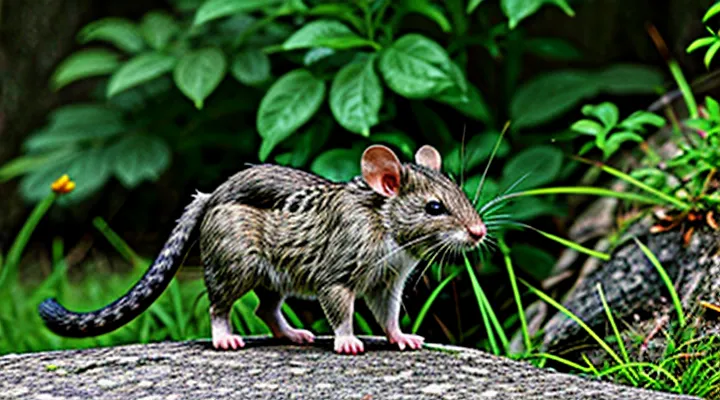
Wild rat species exhibit a range of physical traits that enable adaptation to diverse habitats. Size varies among species, with body lengths from 15 cm to 30 cm and tail lengths often equal to or slightly longer than the torso. Weight typically ranges between 150 g and 500 g, reflecting differences in diet and environment.
Key morphological features include:
- Fur: dense, coarse hair; coloration spans from light brown to dusky gray, often with a dorsal‑ventral gradient.
- Tail: scaly, hairless, capable of prehensile movement; surface texture aids in thermoregulation.
- Ears: large, thin‑skinned, highly vascularized; provide acute auditory detection of low‑frequency sounds.
- Eyes: relatively small, positioned laterally; offer a wide field of view and sensitivity to motion.
- Skull: robust, with a pronounced cranial vault; supports strong jaw muscles.
- Dentition: continuously growing incisors with orange‑tinged enamel; molars adapted for grinding plant material and occasional insects.
- Limbs: short yet powerful fore‑ and hind‑limbs; digits equipped with sharp claws for climbing and burrowing.
These characteristics collectively contribute to the ecological versatility of wild rats, allowing efficient foraging, predator avoidance, and reproductive success across temperate, tropical, and urban ecosystems.
Habitat Preferences
Wild rat taxa occupy a broad spectrum of environments, each species exhibiting distinct preferences that reflect adaptations to climate, food availability, and predator pressure. Understanding these preferences provides essential insight for ecological monitoring and pest management.
Across the group, preference patterns align with three primary factors: proximity to water sources, degree of human disturbance, and vegetation structure. Species favoring riparian zones exploit abundant moisture and invertebrate prey, while others thrive in arid scrublands where seed storage is advantageous. Urban-adapted rats exploit waste streams and shelter in built structures, demonstrating high tolerance for anthropogenic alteration.
Key species and their preferred «habitat» types include:
- Rattus norvegicus – sewer systems, basements, and low‑lying agricultural fields with high soil moisture.
- Rattus rattus – attic spaces, abandoned buildings, and tropical forest edges where fruiting trees provide seasonal food.
- Bandicota indica – rice paddies, floodplain grasslands, and irrigated croplands with dense vegetation cover.
- Rattus tanezumi – suburban gardens, orchards, and peri‑urban forests with mixed shrub layers.
- Rattus exulans – isolated islands, coastal dunes, and scrub habitats with limited human presence.
Habitat selection is further refined by micro‑climatic conditions: temperature stability, shelter availability, and proximity to water dictate colony establishment and reproductive success. Species with broad tolerance occupy multiple zones, whereas specialists restrict distribution to narrowly defined ecosystems.
Dietary Habits
Wild rat species display highly adaptable dietary patterns, allowing survival across diverse environments. Their feeding strategies combine opportunistic predation, scavenging, and consumption of plant material, reflecting omnivorous classification.
Key food sources include:
- Seeds, grains, and cultivated crops
- Insects, larvae, and other arthropods
- Small vertebrates and carrion
- Fruit, nuts, and tubers
- Human‑derived waste and processed foods
Seasonal fluctuations drive dietary shifts; abundant plant matter dominates in temperate spring and summer, while increased reliance on animal protein and refuse occurs during autumn and winter. Urban populations exploit anthropogenic resources more intensively than rural counterparts, resulting in higher intake of processed carbohydrates and fats.
Nutrient intake influences reproductive output, population density, and disease transmission potential. Elevated protein consumption correlates with accelerated breeding cycles, whereas diets rich in carbohydrates support larger colony sizes. Understanding these feeding dynamics informs pest‑management strategies and ecological impact assessments. «Rats exhibit flexible foraging behavior», a characteristic that underpins their ecological success.
Major Wild Rat Species
The Brown Rat («Rattus norvegicus»)
The brown rat, commonly referred to as «Rattus norvegicus», is a globally distributed rodent species.
Taxonomic placement:
- Kingdom: Animalia
- Phylum: Chordata
- Class: Mammalia
- Order: Rodentia
- Family: Muridae
- Genus: Rattus
Adult brown rats measure 20–25 cm in body length, with a tail of comparable length. Weight ranges from 250 g to 500 g. Fur coloration varies from dark brown to gray, with a lighter ventral surface.
Native to East Asia, the species now occupies urban, suburban, and rural environments across all continents except Antarctica. Populations thrive in sewers, basements, agricultural fields, and grain storage facilities.
Dietary habits are omnivorous; consumption includes grains, fruits, insects, carrion, and human waste. High reproductive capacity is evident: females reach sexual maturity at 5 weeks, produce 5–10 litters per year, each containing 6–12 offspring.
Health implications:
- Reservoir for pathogens such as Leptospira spp., hantaviruses, and Yersinia pestis.
- Contamination of food supplies through droppings and urine.
Economic impact:
- Damage to infrastructure through gnawing of wiring, insulation, and structural components.
- Losses in agricultural production due to grain consumption and contamination.
Control strategies emphasize integrated pest management:
- Environmental sanitation to eliminate food and shelter sources.
- Physical barriers, including sealed entry points and rodent-proof containers.
- Trapping and baiting programs, employing anticoagulant or non‑anticoagulant rodenticides under regulatory guidelines.
- Monitoring populations through bait stations and activity tracking.
Effective mitigation relies on coordinated efforts among public health agencies, property owners, and pest‑control professionals.
Geographic Distribution
Wild rat species occupy a broad range of habitats across multiple continents, reflecting high ecological adaptability. Their presence is recorded in temperate, tropical, and arid zones, often linked to human settlements and agricultural landscapes.
- Europe: Rattus norvegicus and Rattus rattus dominate urban and rural environments, extending from the British Isles to the Balkans.
- North America: Rattus norvegicus is widespread in the United States and Canada, while Rattus rattus concentrates along the Gulf Coast and southern states.
- South America: Rattus rattus occupies coastal regions of Brazil, Argentina, and Chile; Rattus norvegicus appears in major cities such as São Paulo and Buenos Aires.
- Asia: Rattus norvegicus thrives in East Asian metropolises, whereas Rattus rattus is common in South‑Asian rural districts and Southeast Asian islands.
- Africa: Rattus rattus is prevalent in sub‑Saharan towns; limited populations of Rattus norvegicus occur in South African urban centers.
- Oceania: Both species are established in Australian coastal cities and New Zealand, primarily through maritime trade routes.
Introduced populations often exceed native ranges, facilitated by global shipping and trade. Established colonies persist in temperate zones despite seasonal temperature fluctuations, demonstrating the species’ capacity for long‑term survival outside original habitats.
Behavioral Patterns
Wild rats exhibit a range of behavioral adaptations that facilitate survival in diverse environments. Daily activity cycles are primarily nocturnal, reducing exposure to predators and human disturbance. Social organization varies among species, with some forming loose colonies while others maintain solitary territories.
Key behavioral patterns include:
- Foraging flexibility: opportunistic diet selection allows exploitation of human waste, crop residues, and natural seed sources.
- Nest construction: use of burrows, abandoned structures, or dense vegetation to create sheltered roosts.
- Communication: ultrasonic vocalizations and scent marking convey territorial boundaries and reproductive status.
- Reproductive strategy: short gestation periods and high litter sizes enable rapid population growth under favorable conditions.
These traits collectively enhance the ecological resilience of wild rat populations and influence their interactions with ecosystems and human settlements.
Ecological Impact
Wild rat taxa inhabit diverse habitats, ranging from urban environments to agricultural fields and natural ecosystems. Their presence influences trophic dynamics, resource distribution, and habitat structure.
Ecological effects of these rodents include:
- Consumption of seeds and fruits, altering plant regeneration patterns.
- Predation on invertebrates and small vertebrates, regulating prey populations.
- Burial of organic material, enhancing soil aeration and nutrient cycling.
- Transmission of pathogens to wildlife, livestock, and humans, affecting health dynamics.
- Competition with native small mammals for shelter and food resources, shaping community composition.
Population fluctuations can precipitate rapid changes in these processes, with high densities intensifying resource depletion and disease spread, while low densities reduce soil disturbance and seed predation rates. Management strategies that monitor abundance and distribution help mitigate negative outcomes while preserving beneficial ecosystem functions.
The Black Rat («Rattus rattus»)
The Black Rat, scientifically designated as «Rattus rattus», is a globally distributed murid with origins in Southeast Asia. It thrives in urban, suburban, and rural environments, often occupying attics, warehouses, and ship holds. Adaptability to human structures facilitates its presence on all inhabited continents except Antarctica.
Key biological traits include:
- Average body length 16–20 cm; tail comparable to body length.
- Coat coloration ranging from dark brown to black, with a lighter belly.
- Nocturnal activity patterns; heightened agility enables climbing and jumping.
- Omnivorous diet comprising grains, fruits, insects, and carrion.
- Reproductive cycle of 21‑23 days; litter size 5‑7 pups; up to ten litters per year under favorable conditions.
Disease transmission is documented for several pathogens, notably plague‑causing Yersinia pestis and various hantaviruses. Surveillance programs prioritize rodent population monitoring to mitigate public‑health risks.
Conservation assessments list the species as of least concern, reflecting its extensive range and high reproductive capacity. Management strategies focus on habitat exclusion, sanitation improvements, and targeted rodenticide application, adhering to integrated pest‑management principles.
Historical Spread
The historical spread of wild rat taxa reflects a pattern of rapid, human‑mediated colonisation across continents. Early populations originated in the tropical forests of Southeast Asia, where ecological diversity supported several endemic species.
- First millennium BC: Expansion into the Indian subcontinent along river valleys and early trade routes.
- 1st–3rd centuries AD: Introduction to the Near East and the Mediterranean through maritime commerce of the Roman Empire.
- 15th–18th centuries: Global dispersal accompanying European exploration; ships carried individuals to the Americas, Africa, and Oceania.
- 19th centuries onward: Intensified spread via railways, urbanisation, and modern freight networks, establishing populations in temperate and polar regions.
Key drivers include commensal relationships with human settlements, the capacity to exploit stored food resources, and physiological tolerance of diverse climates. Adaptability to artificial habitats enables survival in densely populated cities as well as remote agricultural zones.
Present‑day distribution covers all inhabited continents, with established colonies in urban centres, rural landscapes, and coastal ports. The species’ ability to thrive in proximity to humans ensures continued expansion into emerging trade corridors.
Adaptability
Wild rats demonstrate remarkable adaptability across diverse environments, enabling persistence in urban, agricultural, and natural settings. Their capacity to exploit varied resources and withstand fluctuating conditions underpins population stability and range expansion.
Key adaptive traits include:
- Broad dietary spectrum, ranging from grains and fruits to carrion and anthropogenic waste.
- High reproductive output, with short gestation periods and multiple litters per year.
- Tolerance of extreme temperatures and water availability, facilitated by behavioral thermoregulation.
- Behavioral plasticity, allowing rapid adjustment to novel threats and opportunities.
- Robust immune defenses, supporting survival amid dense pathogen loads.
Adaptability influences ecosystem dynamics by affecting seed dispersal, predation pressures, and disease transmission. Management strategies must account for these traits to achieve effective population control and mitigate public‑health risks.
Role in Ecosystems
Wild rats inhabit a broad range of habitats, from temperate forests to arid grasslands, and their presence influences ecological processes at multiple levels. Their foraging activities disturb leaf litter and topsoil, enhancing aeration and promoting microbial activity that accelerates organic matter decomposition. By consuming seeds, fruits, and invertebrates, they affect plant regeneration patterns and regulate arthropod populations, thereby shaping community composition.
Key ecosystem functions performed by wild rat populations include:
- Redistribution of nutrients through excretion, which enriches soils and supports plant growth.
- Predation on insects and other small invertebrates, contributing to pest control.
- Provision of prey for carnivorous mammals, birds of prey, and reptiles, sustaining higher trophic levels.
- Seed dispersal and occasional seed predation, influencing plant dispersal dynamics and germination success.
These interactions create feedback loops that maintain habitat heterogeneity and resilience. In agricultural landscapes, rat activity can both mitigate pest outbreaks and, conversely, facilitate the spread of crop‑affecting pathogens, highlighting their dual impact on human‑modified ecosystems. Understanding these roles is essential for balanced wildlife management and biodiversity conservation.
Other Notable Wild Rat Species
The family Muridae includes several wild rat species that attract scientific interest due to their ecological adaptability and geographic distribution. Among the most frequently documented are:
- «Rattus norvegicus» – commonly known as the brown rat; widespread across temperate regions, frequently associated with urban and agricultural habitats.
- «Rattus rattus» – the black rat; thrives in tropical and subtropical zones, often found in human dwellings and on islands.
- «Rattus exulans» – the Polynesian rat; smallest of the genus, introduced throughout Pacific islands, impacting native flora and fauna.
- «Rattus fuscipes» – the bush rat; inhabits forested areas of Australia and New Guinea, displays nocturnal foraging behavior.
- «Rattus lutreolus» – the swamp rat; occupies wetlands and riparian zones in southeastern Australia, exhibits semi-aquatic tendencies.
- «Rattus argentiventer» – the silver‑backed rat; native to Southeast Asian lowland forests, recognized for its distinctive dorsal coloration.
Each species demonstrates unique physiological traits that support survival in diverse environments, from dense rainforest understories to human‑altered landscapes. Comparative studies of these rodents contribute to understanding disease transmission dynamics, population genetics, and the effects of invasive species on ecosystem balance.
The Polynesian Rat («Rattus exulans»)
The Polynesian rat, scientifically designated «Rattus exulans», represents the smallest extant member of the genus Rattus. Morphologically, it measures 100–127 mm in total length, with a tail approximately equal to body length, and exhibits a sleek, dark brown to gray pelage. Dental formula follows the typical murid pattern: 1/1 incisors, 0/0 canines, 0/0 premolars, 3/3 molars.
Geographically, the species originated in Southeast Asia and expanded across the Pacific through prehistoric human maritime activity. Present distribution includes islands of Polynesia, Micronesia, Melanesia, as well as isolated populations in New Zealand, Easter Island, and parts of the western coast of South America. Island colonization patterns align with archaeological evidence of early seafaring settlements.
Ecologically, the Polynesian rat occupies a broad range of habitats, from coastal forests to agricultural fields. Its omnivorous diet comprises seeds, fruits, insects, and carrion, enabling adaptation to fluctuating resource availability. Foraging behavior displays nocturnal activity peaks, with opportunistic scavenging of human waste in settlements.
Reproductive traits feature rapid maturation; females reach sexual readiness at 2–3 months, producing up to five litters per year, each containing 4–7 offspring. Short gestation (≈21 days) and high juvenile survival rates facilitate swift population increases under favorable conditions.
Impact on island ecosystems includes predation on native invertebrates, competition with endemic rodent species, and seed predation affecting plant regeneration. Archaeological records indicate a correlation between rat introduction and declines in avian and reptilian fauna on several islands.
Human interactions involve both commensalism and pest status. In agricultural contexts, the species damages crops such as taro and sweet potato, prompting control measures that range from trapping to baiting. Conversely, its presence in archaeological sites provides valuable data for reconstructing ancient human migration routes.
Conservation assessment classifies the Polynesian rat as Least Concern on the IUCN Red List, reflecting its wide distribution and robust population dynamics. Nonetheless, localized eradication programs on conservation-sensitive islands aim to protect endemic biodiversity from ongoing rat-mediated pressures.
Specialized Rodents
Specialized rodents represent a distinct subset of wild rat species that have evolved unique morphological and physiological traits to exploit niche environments. Adaptations include enlarged incisors for gnawing hard substrates, elongated tails for balance in arboreal habitats, and enhanced olfactory receptors for locating concealed food sources. These characteristics enable survival in ecosystems ranging from arid deserts to dense tropical forests.
Key ecological functions of these rodents involve seed dispersal, soil aeration through burrowing activity, and regulation of invertebrate populations. Their diets reflect specialization: some consume primarily fungi, others rely on cactus fruits, while a few target carrion. Seasonal shifts in food availability drive metabolic adjustments, such as increased fat storage before periods of scarcity.
Conservation assessments reveal that habitat fragmentation poses the greatest threat to specialized rodent populations. Protected areas that maintain habitat heterogeneity support viable colonies. Monitoring programs focus on population density, reproductive rates, and genetic diversity to inform management strategies.
Typical traits of specialized rodents can be summarized:
- Morphological specialization: robust jaws, modified paws, sensory enhancements.
- Behavioral adaptation: nocturnal foraging, solitary territory defense, complex burrow systems.
- Reproductive strategy: low litter size, extended parental care, delayed sexual maturity.
Research indicates that preserving microhabitats within broader ecosystems sustains these rodents and, by extension, the ecological processes they underpin. Effective conservation requires integration of habitat protection, scientific monitoring, and community engagement.
Ecological Roles and Interactions
Predation and Prey
Wild rats occupy diverse habitats across continents, exposing them to a wide range of predators. Predatory pressure shapes population dynamics, influences behavior, and drives morphological adaptations.
Primary predators include:
- Raptors such as hawks, owls, and eagles, which capture rats during flight or from perches.
- Carnivorous mammals, notably foxes, coyotes, feral cats, and mustelids (e.g., weasels, martens).
- Snakes, especially large constrictors and venomous species, that ambush rats in burrows or on the ground.
- Humans, through trapping, poisoning, and habitat modification, exert significant mortality.
As omnivores, wild rats consume a broad spectrum of prey items, contributing to ecosystem regulation. Common prey categories encompass:
- Invertebrates: insects (beetles, moths, termites), arachnids, and mollusks.
- Vertebrate eggs: bird and reptile clutches found in nests or ground nests.
- Small vertebrates: juvenile amphibians, reptiles, and occasionally other rodents.
- Carrion and organic waste, providing opportunistic protein sources.
The interaction between predation and prey acquisition creates a feedback loop: high predator density reduces rat numbers, which can lessen pressure on prey populations; conversely, abundant food resources support larger rat cohorts, increasing availability for predators. This balance maintains ecological stability across habitats where wild rats thrive.
Seed Dispersal
Wild rodents across various habitats contribute significantly to the movement of plant seeds. Their foraging behavior, nest construction, and territorial activity create multiple pathways for seed transport and establishment.
Key mechanisms of seed dispersal by these mammals include:
- Ingestion of fleshy fruits followed by excretion of viable seeds at distant sites, often after passage through the gastrointestinal tract which can scarify seed coats and enhance germination.
- Carrying of seeds attached to fur or whiskers during nest building or grooming, resulting in passive deposition in sheltered microhabitats.
- Caching of food items, where seeds are buried for later retrieval; unretrieved caches provide a protected environment for seedling development.
Ecological implications are evident in altered plant community composition, increased genetic flow, and colonization of disturbed areas. Species with larger home ranges tend to disperse seeds over greater distances, while those inhabiting dense understory contribute to fine‑scale seed placement. Seasonal variations in diet influence the timing and quantity of seed movement, aligning plant reproductive cycles with optimal dispersal windows.
Understanding these dynamics informs conservation strategies, particularly in ecosystems where native flora relies on mammalian vectors for regeneration. Management practices that maintain habitat connectivity and rodent population health support the natural seed dispersal services essential for biodiversity resilience.
Disease Vectors
Wild rat taxa inhabit diverse ecosystems across continents, frequently occupying urban, agricultural, and natural habitats. Their close association with human settlements and waste streams creates opportunities for pathogen exchange.
Key zoonotic agents linked to these rodents include:
- «Leptospira interrogans» – causative agent of leptospirosis, transmitted through contaminated urine.
- «Hantavirus» – responsible for hemorrhagic fever with renal syndrome, spread via aerosolized rodent excreta.
- «Salmonella enterica» serovars – cause gastroenteritis, transmitted through contaminated food and water.
- «Yersinia pestis» – agent of plague, maintained in flea vectors that feed on rat hosts.
- «Bartonella spp.» – associated with febrile illnesses, transferred through ectoparasites.
Transmission pathways rely on direct contact with infected secretions, ingestion of contaminated resources, and vector-mediated spread by fleas, mites, and ticks. Environmental conditions such as high humidity, dense refuse accumulation, and inadequate sanitation amplify pathogen survival and increase contact rates between rats and humans.
Effective mitigation strategies focus on population reduction, habitat modification, and vector control. Integrated pest management combines baiting, exclusion of food sources, and sanitation improvements. Concurrently, surveillance programs monitor rodent density and pathogen prevalence, guiding targeted interventions and public health responses.
Conservation Status and Challenges
Habitat Loss
Habitat loss severely restricts the geographic range of wild rat species, reducing population connectivity and increasing the likelihood of local extinctions. Urban expansion, agricultural conversion, and infrastructure development replace native vegetation with impermeable surfaces, eliminating shelter, nesting sites, and foraging grounds essential for survival.
Key consequences include:
- Diminished genetic diversity due to isolated subpopulations.
- Elevated exposure to predators and human‑related hazards in fragmented environments.
- Disruption of ecological functions such as seed dispersal and soil aeration performed by these rodents.
Mitigation strategies focus on preserving remaining natural habitats, establishing ecological corridors, and integrating green spaces into urban planning to sustain viable populations of wild rats across their historical distribution.
Human-Wildlife Conflict
Wild rats, as adaptable synanthropic mammals, frequently intersect with human environments, creating direct and indirect conflict. Agricultural fields experience grain loss and contamination, while urban infrastructure suffers from gnawing damage to electrical wiring, water pipes, and structural components. Public health concerns arise from the transmission of pathogens such as leptospirosis, hantavirus, and salmonellosis, which rodents can spread through urine, feces, or direct contact.
Key conflict drivers include:
- Habitat encroachment caused by urban expansion into natural areas.
- Improper waste management that supplies abundant food resources.
- Climate fluctuations that alter population dynamics and migration patterns.
Mitigation strategies focus on integrated pest management, combining habitat modification, sanitation improvement, and targeted population control. Biological control agents, such as predatory birds and domestic cats, complement chemical rodenticides when applied under strict regulatory oversight to minimize non‑target impacts. Community education programs emphasize safe storage of food, secure waste containers, and routine building inspections to reduce attractants and entry points.
Effective resolution requires coordination among municipal authorities, agricultural agencies, and public health institutions. Data‑driven monitoring of rodent densities and disease incidence supports adaptive management, ensuring that interventions remain proportionate to the scale of «human-wildlife conflict» and preserve ecological balance while protecting human interests.
Conservation Efforts
Conservation of wild rat taxa addresses the decline of species that occupy diverse habitats across continents. These mammals provide seed dispersal, soil aeration, and serve as prey for higher trophic levels, thereby supporting ecosystem stability.
Primary threats include fragmentation of natural environments, introduction of predatory mammals, widespread use of rodenticides, and shifts in temperature and precipitation patterns that alter food availability. Each factor reduces population resilience and hampers reproductive success.
Targeted actions comprise:
- Protection of critical habitats through the establishment of reserves and the enforcement of land‑use regulations.
- Legal designation of vulnerable species under national and international wildlife statutes.
- Development of captive‑breeding programs that maintain genetic diversity and supply individuals for reintroduction.
- Engagement of local communities in monitoring efforts and sustainable land‑management practices.
- Allocation of research funding to study population dynamics, disease transmission, and adaptive capacity.
International agreements such as the Convention on Biological Diversity endorse coordinated strategies, while non‑governmental organizations implement field projects and provide technical expertise. Continuous data collection through standardized surveys enables the assessment of population trends and the adjustment of management plans.
«Effective conservation of wild rat species depends on integrating habitat preservation, legislative protection, and community participation».
Research and Future Perspectives
Genetic Studies
Genetic investigations of wild rat taxa provide insight into evolutionary relationships, population structure, and adaptive traits. Mitochondrial markers, such as cytochrome b and COI, reveal phylogenetic lineages that correspond to distinct geographic distributions. Whole‑genome sequencing of representative specimens uncovers species‑specific alleles linked to metabolic efficiency, immune response, and habitat preference.
Key outcomes of recent studies include:
• Identification of cryptic species within traditionally recognized morphological groups.
• Reconstruction of migration routes that explain current continental dispersal patterns.
• Detection of gene flow between urban and rural populations, highlighting the role of anthropogenic environments in shaping genetic diversity.
• Association of specific single‑nucleotide polymorphisms with resistance to rodenticides, informing management strategies.
Population‑genetic analyses employ microsatellite panels and single‑nucleotide polymorphism arrays to estimate effective population size, inbreeding coefficients, and demographic bottlenecks. Results consistently indicate higher heterozygosity in peripheral populations, suggesting long‑term stability in less disturbed habitats. Comparative genomics across multiple species reveal conserved regulatory elements governing olfactory receptor families, reflecting adaptation to diverse food sources.
Applied research integrates genetic data with ecological monitoring to predict disease‑vector potential. Strains carrying alleles that enhance susceptibility to hantaviruses are tracked to assess zoonotic risk. Integration of genomic surveillance into wildlife management enables targeted interventions, reduces reliance on broad‑scale rodenticide application, and supports conservation of native rat species.
Population Management Strategies
Wild rat populations exert significant ecological and public‑health pressures, necessitating systematic management. Effective control relies on integrating multiple tactics that address reproduction, habitat, and human interaction.
- Habitat alteration: Remove food sources, secure waste containers, and seal entry points to reduce shelter availability.
- Fertility regulation: Deploy oral contraceptives or immunocontraceptive vaccines to suppress breeding cycles without lethal impact.
- Mechanical removal: Implement baited snap traps, live‑capture cages, and electronic devices in targeted zones; schedule regular maintenance to prevent bait resistance.
- Biological agents: Introduce predatory species or pathogen‑based controls, ensuring ecological compatibility and monitoring non‑target effects.
- Community outreach: Educate residents on sanitation practices, report sightings, and promote participation in neighborhood monitoring programs.
- Legislative framework: Enforce zoning ordinances, pest‑management certifications, and penalties for violations that encourage compliance with control standards.
Monitoring protocols must track population density, reproductive rates, and disease prevalence to evaluate each strategy’s efficacy and adjust interventions accordingly. Continuous data collection supports adaptive management, optimizing resource allocation while minimizing ecological disruption.