
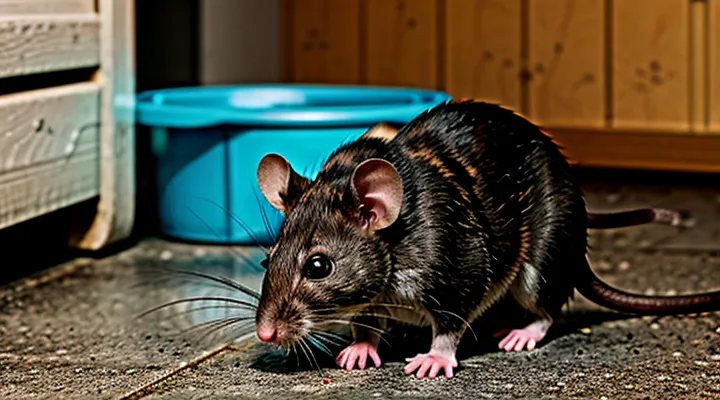
Understanding Rodent Attraction to Rubber Odor
The Chemical Composition of Rubber
Volatile Organic Compounds (VOCs) in Rubber
Rubber products emit a mixture of volatile organic compounds (VOCs) that serve as potent olfactory cues for rodents. The primary VOCs include aromatic hydrocarbons such as benzene, toluene, and xylene, as well as aldehydes like formaldehyde and acetaldehyde, and sulfur‑containing compounds such as dimethyl sulfide. These chemicals evaporate at ambient temperatures, creating a detectable plume that rodents associate with food sources or nesting material.
Rodents possess a highly sensitive olfactory system capable of detecting concentrations as low as parts per billion. The presence of aromatic and sulfur VOCs triggers neural pathways linked to foraging behavior, leading to repeated visits and eventual infestation of rubber items. Additionally, the gradual off‑gassing from uncured or poorly cured rubber prolongs the odor’s persistence, increasing the attraction window.
Mitigation of VOC‑driven rodent attraction requires reduction of both emission intensity and exposure duration. Effective measures include:
- Selecting rubber formulations with low‑VOC additives or employing silicone‑based alternatives.
- Ensuring complete vulcanization during manufacturing to minimize residual monomers.
- Applying barrier coatings (e.g., polyurethane or epoxy) that encapsulate VOCs and inhibit diffusion.
- Implementing controlled ventilation in storage areas to disperse accumulated vapors.
- Conducting periodic air‑exchange cycles combined with activated carbon filtration to adsorb lingering compounds.
Monitoring VOC levels with portable gas‑chromatography devices enables early detection of elevated emissions, allowing prompt corrective action before rodents respond to the scent. By addressing the chemical source directly, the attraction of rats and mice to rubber materials can be substantially diminished.
Odor Profiles of Synthetic vs. Natural Rubber
Synthetic rubber emits a distinct set of low‑molecular‑weight compounds that differ markedly from the volatile profile of natural rubber. The synthetic blend typically contains higher concentrations of aromatic hydrocarbons, such as benzene, toluene, and xylene, along with residual monomers like styrene and butadiene. These substances possess strong, sharp odors detectable by the olfactory receptors of rats and mice, which are highly sensitive to volatile organic compounds (VOCs).
Natural rubber, derived from Hevea brasiliensis latex, releases a mixture dominated by terpenes (e.g., limonene, pinene) and fatty acid esters. The terpene fraction conveys a milder, earthy scent, while the ester component contributes a faint, sweet note. Although natural rubber also produces VOCs, their overall concentration and chemical composition are less attractive to rodents, resulting in weaker behavioral responses.
Key differences in odor composition:
- Aromatic hydrocarbons – prevalent in synthetic polymers; high volatility, strong odor.
- Residual monomers – styrene, butadiene; persist after vulcanization, act as attractants.
- Terpenes – dominant in natural latex; lower volatility, less stimulating to rodent olfactory receptors.
- Fatty acid esters – present in natural rubber; mild fragrance, minimal rodent appeal.
Understanding these profiles informs mitigation strategies. Reducing synthetic rubber odor can involve:
- Post‑curing processes that volatilize residual monomers.
- Application of odor‑absorbing coatings containing activated carbon or zeolites.
- Incorporation of scent‑masking agents, such as citrus or peppermint extracts, which interfere with rodent detection.
By targeting the specific VOCs characteristic of synthetic rubber, it is possible to diminish the olfactory cues that draw rats and mice, thereby lowering infestation risk.
Rodent Sensory Perception
Olfactory Sensitivity of Rats and Mice
Rats and mice possess an exceptionally acute olfactory system that drives their behavior toward a wide range of chemical cues. Their nasal epithelium contains millions of odorant receptors, each tuned to detect specific molecular structures at parts‑per‑billion concentrations. This sensitivity enables rapid identification of food sources, predators, and potential nesting materials.
Key characteristics of rodent olfaction include:
- High receptor density: Approximately 1,000 distinct receptor types per species, far exceeding the human repertoire.
- Low detection thresholds: Volatile organic compounds such as isoprene, benzene derivatives, and certain elastomeric emissions are perceived at concentrations as low as 10 ppb.
- Enhanced airflow dynamics: Large olfactory turbinates create turbulent air currents, maximizing contact between inhaled air and receptor cells.
Rubber products release a mixture of low‑molecular‑weight hydrocarbons and sulfur‑containing compounds during curing and aging. These volatiles fall within the detection range of rodent odorant receptors, particularly those responsive to aliphatic and aromatic hydrocarbons. The resulting odor profile mimics natural food cues, prompting exploratory and gnawing behavior.
Mitigation strategies rely on disrupting the chemical signature that rodents detect. Effective measures involve:
- Surface sealing: Applying polymeric coatings that block volatile release.
- Odor neutralization: Using adsorbents such as activated charcoal or zeolites to capture emitted molecules.
- Environmental ventilation: Increasing air exchange rates to dilute airborne concentrations below behavioral thresholds.
Understanding the precise sensitivity thresholds of rodent olfactory receptors informs the selection of materials and treatments that minimize attractive odors, thereby reducing the likelihood of infestation.
Evolutionary Basis for Odor Attraction
Rodents rely on a highly sensitive olfactory system to locate energy‑dense resources. The volatile profile of cured rubber contains low‑molecular‑weight hydrocarbons, sulfur compounds, and aromatic aldehydes that resemble substances encountered in natural habitats, such as decaying plant material and animal secretions. When these molecules reach detection thresholds, they activate specific olfactory receptors that have been conserved through millions of years of rodent evolution.
Evolutionary pressures favored individuals capable of exploiting transient, high‑calorie patches. The following factors explain the attraction to rubber‑derived odors:
- Chemical similarity to natural cues – many rubber volatiles share structural features with plant terpenes and pheromonal compounds, triggering the same neural pathways that guide foraging.
- Risk‑averse foraging strategy – rodents preferentially investigate novel scents that could indicate unexploited food sources, reducing competition.
- Neurophysiological reinforcement – detection of these odors elicits dopamine release, reinforcing approach behavior and increasing the likelihood of repeated encounters.
The persistence of these sensory biases means that even synthetic materials can inadvertently act as attractants. Understanding the evolutionary basis clarifies why simple odor‑masking measures—such as sealing rubber items, applying activated‑carbon barriers, or using enzymatic cleaners that degrade volatile precursors—effectively reduce rodent interest. By removing or neutralizing the specific chemical signals, the innate attraction is disrupted, diminishing the probability of infestation.
Strategies for Mitigating Rubber Odor Attraction
Identifying Sources of Rubber Odor
Common Household Items with Rubber Components
Rubber components are common in many domestic products, and their scent can draw small rodents. Identifying these items helps target odor sources during pest control.
Typical household objects containing rubber include:
- Electrical cords and power strips – insulation often uses natural or synthetic rubber.
- Appliance gaskets and seals – refrigerators, dishwashers, and microwaves rely on rubber for airtight closure.
- Bathroom fixtures – toilet flappers, shower door seals, and bathtub caulking.
- Kitchen tools – silicone spatulas, rubber-grip handles on pots, and baking mats.
- Flooring accessories – rubber-backed rugs, anti‑slip pads, and door stoppers.
- Toys and pet supplies – chew toys, rubber balls, and leash grips.
- Cleaning equipment – mop heads, rubber gloves, and squeegee blades.
- Furniture – rubberized chair legs, sofa cushions with rubber padding, and mattress protectors.
Each item releases volatile organic compounds that rodents detect with their highly sensitive olfactory system. Removing or neutralizing these odors limits attraction.
Effective mitigation steps:
- Replace rubber parts with alternatives made from metal, wood, or silicone that emit fewer scents.
- Clean surfaces with a solution of vinegar and water or a commercial enzymatic cleaner to break down residual odors.
- Apply an odor‑absorbing agent, such as activated charcoal or baking soda, near suspected sources.
- Seal gaps around appliances and fixtures to prevent rodents from accessing the rubber material.
- Periodically inspect and rotate items that wear down, as degradation increases odor release.
By systematically addressing rubber‑containing objects, the environment becomes less appealing to rodents, supporting long‑term control efforts.
Industrial and Outdoor Rubber Materials
Industrial rubber products used outdoors—such as hoses, seals, tire fragments, and flooring—emit volatile organic compounds (VOCs) that persist in warm or sun‑exposed conditions. Common emissions include aromatic hydrocarbons, phenols, and sulfur‑based compounds. These chemicals mimic natural scents found in decaying vegetation and animal secretions, which rodents interpret as food cues or safe habitat signals. Consequently, rats and mice are drawn to the odor plume surrounding rubber debris, especially when the material degrades and releases higher concentrations of VOCs.
The attraction mechanism relies on the rodents’ highly sensitive olfactory receptors. Studies show that phenolic derivatives trigger the same neural pathways activated by nut and seed aromas, while sulfur compounds resemble pheromones used in social communication. When a rubber item is stored outdoors, heat accelerates oxidation, increasing the release rate of these attractants and creating a persistent scent trail that rodents follow to nesting sites.
Mitigation strategies focus on eliminating the odor source and disrupting the chemical cues:
- Remove or replace aged rubber components with low‑emission alternatives (e.g., EPDM or silicone‑based products).
- Store new rubber items in sealed, climate‑controlled containers to limit VOC escape.
- Apply odor‑absorbing coatings—such as activated carbon sheets or zeolite‑based sprays—directly to the rubber surface.
- Conduct regular cleaning with enzymatic degreasers that break down phenolic residues.
- Install physical barriers (metal mesh, concrete slabs) to prevent rodents from accessing rubber deposits.
When removal is necessary, follow a systematic approach:
- Identify all rubber pieces on the site, including hidden fragments in drainage or under vegetation.
- Collect materials using gloves and sealed bags to avoid contaminating surrounding air.
- Dispose of the waste in accordance with hazardous material regulations, as VOC‑rich rubber may be classified as non‑hazardous but requires containment to prevent leaching.
- Treat the cleaned area with a rodent‑repellent formulation containing capsaicin or predator urine extracts, which masks residual odors and deters re‑infestation.
By targeting the chemical drivers of rodent attraction and implementing rigorous removal and containment procedures, property managers can significantly reduce the likelihood of rat and mouse activity around industrial and outdoor rubber installations.
Methods for Odor Elimination
Cleaning and Deodorizing Rubber Surfaces
Rubber surfaces emit volatile organic compounds that mimic natural food cues for rodents, especially fatty acids and aromatic hydrocarbons. These chemicals stimulate the olfactory receptors of rats and mice, creating a strong attraction to any untreated rubber material. Effective mitigation requires both removal of residual odorants and prevention of re‑contamination.
Cleaning procedures should eliminate surface contaminants and penetrate the polymer matrix where odor molecules reside. Recommended steps:
- Rinse with warm water to dissolve surface residues; use a low‑pressure spray to avoid damaging the rubber.
- Apply a detergent formulated for elastomers; select a product with non‑ionic surfactants that break down grease without degrading the polymer.
- Scrub with a soft brush to dislodge entrapped particles; avoid abrasive tools that could create micro‑tears.
- Rinse thoroughly to remove detergent film; residual soap can trap odors.
- Neutralize with a pH‑balanced solution (e.g., diluted citric acid) to counteract alkaline residues that may attract rodents.
- Dry completely using forced air; moisture promotes microbial growth that can generate additional scents.
Deodorizing actions focus on absorbing or chemically altering lingering odorants:
- Apply an enzymatic cleaner containing lipases and oxidases; these enzymes hydrolyze fatty acids and oxidize aromatic hydrocarbons, rendering them non‑volatile.
- Treat with activated charcoal paste; charcoal adsorbs low‑molecular‑weight volatiles and can be wiped off after a brief contact period.
- Use an ozone generator in a sealed environment; ozone oxidizes organic compounds within the rubber, reducing their olfactory impact. Follow safety guidelines to avoid material degradation.
- Seal the surface with a breathable, low‑odor coating; silicone‑based sealants create a barrier that limits emission of volatile compounds while preserving elasticity.
Routine maintenance includes weekly inspection, removal of debris, and re‑application of the enzymatic or charcoal treatment as needed. Consistent execution of these protocols diminishes the chemical signals that attract rodents, thereby protecting stored goods and preventing infestation.
Ventilation and Air Circulation Techniques
Effective ventilation reduces the concentration of volatile compounds released by rubber products, which are known to lure rodents. By continuously replacing indoor air with fresh outdoor air, the olfactory cues that attract rats and mice become diluted below detection thresholds.
Air exchange rates should be calculated based on room volume and the intensity of rubber odor sources. Typical commercial guidelines recommend 6–12 air changes per hour for spaces containing significant rubber inventory. Installing exhaust fans near storage areas creates a pressure gradient that directs contaminated air outward, preventing it from settling in adjacent rooms.
Mechanical solutions include:
- Inline duct fans equipped with variable-speed controllers to adjust flow according to odor levels.
- Heat recovery ventilators that maintain temperature while expelling stale air, preserving energy efficiency.
- Positive-pressure supply systems that supply filtered air into critical zones, forcing contaminants to move toward exhaust points.
Passive methods complement mechanical systems:
- Strategically placed louvers and transoms that facilitate natural cross‑ventilation without compromising security.
- High‑efficiency particulate air (HEPA) filters combined with activated carbon media to capture both particulate debris and aromatic molecules emitted by rubber.
- Sealing gaps around doors, windows, and conduit entries to prevent uncontrolled infiltration of odor‑laden air.
Routine maintenance is essential. Fans, filters, and dampers must be inspected monthly; filter cartridges should be replaced when pressure drop exceeds manufacturer specifications. Monitoring devices that measure specific rubber‑derived volatiles can trigger automatic adjustments in fan speed, ensuring consistent odor control.
Implementing these ventilation and air circulation strategies minimizes the sensory signals that draw rodents, thereby supporting broader pest‑management efforts.
Barrier Methods to Isolate Odor
Rodents locate rubber sources by detecting volatile compounds that readily diffuse through porous materials. Preventing this diffusion requires establishing barriers that either block odor transmission or neutralize it before it reaches the animal’s sensory receptors.
A practical barrier strategy combines three layers: physical containment, vapor‑tight sealing, and odor‑absorbing inserts.
- Physical containers – Store rubber items in metal or high‑density polyethylene boxes with tight‑fitting lids. Avoid cardboard or thin plastic that permits vapor escape.
- Vapor‑proof liners – Line the interior of containers with polyethylene film or Mylar sheets. These materials have low permeability to organic compounds, reducing the rate at which scent molecules leak.
- Activated‑carbon inserts – Place a thin layer of activated carbon or charcoal granules between the liner and the rubber object. Carbon adsorbs residual volatiles, lowering the concentration inside the sealed space.
- Seal gaps – Apply silicone caulk or weather‑stripping around doors, vents, and seams in storage rooms. Even small cracks can serve as odor pathways.
- Negative‑pressure ventilation – Install exhaust fans that draw air outward from the storage area, directing it through HEPA‑rated filters equipped with carbon media. This maintains a pressure gradient that discourages outward vapor flow.
- Moisture control – Use desiccant packets within containers to keep humidity low, as moisture can increase volatile release from rubber.
Implementation steps:
- Select containers that meet the size and durability requirements of the rubber inventory.
- Fit each container with a vapor‑proof liner, ensuring no folds or tears.
- Insert a pre‑measured carbon pad that covers the entire interior surface.
- Seal the container, test for airtightness with a smoke test, and record the result.
- Install sealing material around any access points in the storage environment.
- Connect exhaust fans to a filtered duct system, verify negative pressure with a manometer.
Regular maintenance includes inspecting seals for degradation, replacing carbon inserts every 3–6 months, and monitoring humidity levels. Periodic odor assays using gas‑chromatography confirm that volatile concentrations remain below detection thresholds for rodents. By integrating these barrier methods, the diffusion of rubber‑derived scent is effectively isolated, preventing rodent attraction and facilitating long‑term odor management.
Rodent Control and Prevention
Exclusion Techniques for Rodents
Rats and mice are drawn to the scent emitted by certain rubber compounds, which can compromise the integrity of storage areas, laboratories, and residential spaces. Preventing their entry requires a systematic approach that eliminates access points, creates physical barriers, and modifies the environment to reduce attractants.
Effective exclusion begins with a thorough inspection of the building envelope. Identify gaps larger than ¼ inch in walls, floors, ceilings, and around utility penetrations. Seal these openings using durable materials such as steel wool, cement‑based caulk, or metal flashing. Replace deteriorated weatherstripping on doors and windows with tight‑fitting seals that resist chewing.
Structural barriers provide an additional layer of protection. Install rodent‑proof mesh (minimum ¼‑inch opening) over ventilation ducts, exhaust fans, and crawl‑space vents. Fit bulkheads and door sweeps with reinforced steel or heavy‑duty PVC that rodents cannot gnaw through. For external foundations, apply a continuous concrete or metal skirt extending at least 12 inches below grade to block subterranean entry.
Environmental management reduces the incentive for rodents to approach potential entry points. Remove or store rubber products that emit appealing odors in sealed containers made of glass or thick plastic. Clean spills promptly, and maintain low humidity levels to diminish the volatilization of rubber scents. Implement regular waste removal schedules, using sealed metal bins with tight lids.
A concise checklist for rodent exclusion:
- Survey and seal all openings > ¼ in.
- Apply steel wool or copper mesh to small cracks before caulking.
- Install ¼‑in mesh on vents, ducts, and crawl‑space openings.
- Fit reinforced door sweeps and bulkhead covers.
- Add a concrete or metal foundation skirt below grade.
- Store odor‑emitting rubber items in airtight containers.
- Maintain cleanliness and control moisture.
- Use sealed metal waste containers with regular removal.
By integrating these measures, facilities can substantially lower the likelihood that rats and mice will be attracted to rubber odors and successfully prevent their intrusion. Continuous monitoring and periodic maintenance ensure that barriers remain effective over time.
Trapping and Baiting Strategies
Rats and mice are drawn to the scent emitted by certain rubber compounds, which can compromise conventional control measures. Effective trapping and baiting must address this attraction while minimizing false positives caused by the odor itself.
Mechanical traps should be positioned away from rubber sources to prevent premature triggering. Use snap traps or electronic devices with steel‑coated jaws, ensuring the trigger mechanism is calibrated for small rodents. Bait placement on the trap must be limited to a few milligrams of high‑protein attractant, such as dried fish or peanut butter, to outweigh the rubber scent.
Bait formulation requires a balance between palatability and odor masking. Incorporate activated charcoal or citrus oil at a 5 % concentration to neutralize rubber volatiles. Combine this with a protein base (e.g., sardine paste) and a modest amount of grain to create a multi‑sensory lure. Replace bait every 48 hours to maintain potency.
Integrated strategy:
- Identify and seal rubber items that release odor.
- Deploy traps in dry, low‑traffic zones.
- Apply odor‑neutralizing bait to each trap.
- Monitor capture rates daily; adjust bait composition if captures decline.
- Rotate trap locations weekly to prevent habituation.
Consistent application of these tactics reduces rodent activity by exploiting their dietary preferences while counteracting the rubber odor that otherwise attracts them.
Professional Pest Control Interventions
Professional pest‑control operators begin with a thorough site inspection to locate rubber‑smelling materials and identify rodent pathways. Inspectors document the type of rubber, its condition, and the proximity to food sources, then map all potential ingress points.
The next step involves odor neutralization. Technicians apply industrial‑grade enzymatic cleaners or activated‑carbon sprays specifically formulated to break down volatile compounds emitted by rubber. These products reduce the olfactory cues that draw rats and mice into the environment.
After odor mitigation, technicians seal structural gaps. They use steel wool, silicone caulk, or metal flashing to block holes as small as ¼ inch, preventing re‑entry. In high‑traffic zones, they install abrasion‑resistant barriers such as metal mesh or reinforced panels.
Chemical control follows a targeted protocol. Certified bait stations containing anticoagulant or non‑anticoagulant rodenticides are placed along established runways, ensuring exposure while minimizing non‑target risk. Bait placement complies with local regulations and includes tamper‑resistant housing.
Monitoring continues for several weeks. Technicians deploy motion‑activated traps and electronic sensors to verify the absence of activity. Data from these devices guide any necessary follow‑up treatments.
Integrated pest‑management (IPM) recommendations are provided to occupants. Guidance includes:
- Regular removal of discarded rubber items.
- Routine cleaning of storage areas to eliminate residual scent.
- Periodic inspection of seals and barriers.
- Prompt reporting of any new rodent signs.
By combining odor elimination, physical exclusion, precise chemical application, and ongoing surveillance, professional interventions effectively disrupt the attraction of rats and mice to rubber odors and sustain long‑term control.