
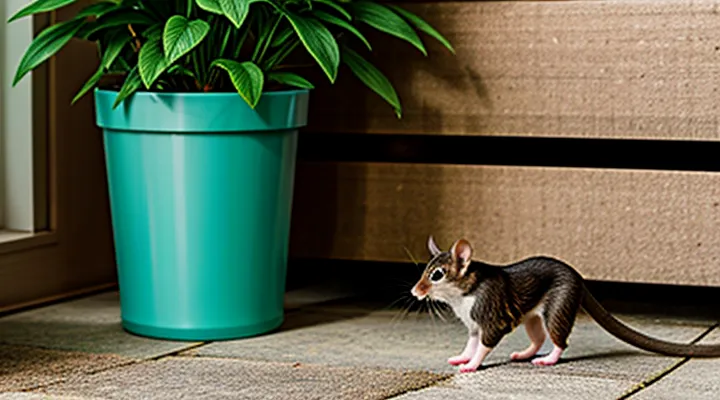
The Problem with Mice in the Home
Why Mice Are a Nuisance
Health Risks Posed by Rodents
Rodent infestations create direct threats to human health, making preventive measures essential for any household seeking natural mouse deterrents. Mice transmit pathogens through saliva, urine, and feces, contaminating food surfaces and indoor air. The resulting exposure can trigger acute and chronic conditions.
- Hantavirus pulmonary syndrome – inhalation of aerosolized droppings or urine leads to severe respiratory illness, with a mortality rate up to 38 %.
- Leptospirosis – bacteria in rodent urine enter the bloodstream via cuts or mucous membranes, causing fever, kidney damage, and, in severe cases, organ failure.
- Salmonellosis – contamination of stored food by mouse droppings introduces Salmonella bacteria, resulting in gastrointestinal distress and dehydration.
- Eosinophilic meningitis – ingestion of parasites carried by rodents can inflame the meninges, producing neurological symptoms and long‑term impairment.
- Allergic reactions – proteins in mouse dander and urine provoke respiratory allergies, aggravating asthma and sinusitis.
These hazards underscore the value of plant-based repellents. Aromatic herbs such as peppermint, lavender, and rosemary emit volatile compounds that mice find intolerable, reducing the likelihood of nesting and feeding within walls and pantries. By integrating these flora into indoor environments, homeowners diminish rodent presence and consequently lower the incidence of the health risks outlined above.
Damage Caused by Infestations
Mice infestations generate material loss that directly affects household integrity. Their incisors gnaw through wood, drywall, and insulation, compromising structural stability and creating entry points for additional pests. Damage to electrical wiring results from chewing on cables, raising the risk of short circuits and fire hazards. Contamination of stored food occurs when rodents deposit urine, feces, and saliva, leading to spoilage and the spread of pathogens such as salmonella and hantavirus. The presence of droppings and nesting material degrades indoor air quality, triggering allergic reactions and respiratory irritation.
Typical damage caused by mouse activity includes:
- Chewed wooden beams and baseboards
- Compromised insulation and plaster
- Exposed or severed electrical cords
- Contaminated pantry items and kitchen surfaces
- Accumulated droppings and urine stains
Financial impact extends beyond repair costs; loss of consumables and increased utility expenses for pest control amplify the overall burden. Addressing the problem at its source—by employing indoor plant species known to repel rodents—reduces the likelihood of these destructive outcomes.
Natural Mouse Repellents
Understanding Plant-Based Solutions
How Plants Deter Pests
Plants that emit strong odors, bitter compounds, or irritating textures can discourage rodents from entering living spaces. Their effectiveness relies on sensory aversion rather than toxicity, making them safe for households with children and pets.
- Peppermint (Mentha piperita) – leaves release menthol vapor that irritates mouse olfactory receptors; fresh cuttings placed near entry points reduce activity.
- Lavender (Lavandula angustifolia) – essential oil contains linalool, which masks food scents and creates an unpleasant environment for rodents.
- Coleus (Plectranthus scutellarioides) – foliage produces a pungent aroma similar to peppermint; planting in garden borders or using dried leaves indoors deters mice.
- Catnip (Nepeta cataria) – nepetalactone acts as a repellent; crushed leaves near cracks and gaps discourage nesting.
- Rosemary (Rosmarinus officinalis) – resinous compounds emit a sharp scent that interferes with mouse navigation; sprigs placed in cabinets or drawers provide localized protection.
- Marigold (Tagetes spp.) – thiophenes in flowers repel a range of pests, including rodents, when cultivated around foundations.
Plants achieve pest deterrence through three primary mechanisms: volatile organic compounds that mask attractants, taste deterrents that cause aversion upon contact, and physical barriers formed by dense foliage. Selecting species with complementary scents enhances coverage, while regular harvesting preserves potency. Integrating these botanical defenses into indoor and perimeter planting schemes reduces mouse presence without reliance on chemical poisons.
Benefits of Natural Alternatives
Plants that deter rodents indoors provide a practical alternative to synthetic rodenticides. Their use eliminates exposure to toxic chemicals, protecting occupants and pets from accidental poisoning. Natural deterrents also reduce environmental contamination, as plant residues decompose without leaving harmful residues in soil or water sources.
Key advantages of botanical solutions include:
- Safety: Non‑lethal, non‑toxic compounds pose minimal health risk.
- Cost efficiency: Seeds or cuttings are inexpensive compared to commercial poison formulations.
- Sustainability: Cultivation supports biodiversity and requires no petroleum‑based inputs.
- Ease of application: Plants can be placed in corners, cabinets, or garden borders, requiring only occasional pruning.
- Multi‑functionality: Many species offer additional benefits such as air purification or culinary uses.
Effective implementation depends on proper positioning and regular upkeep. Plants should be situated near entry points, storage areas, and known activity zones. Pruning maintains vigor and ensures continuous release of repellent volatiles. Combining several species can broaden the spectrum of active compounds, enhancing overall efficacy without increasing complexity.
Top Plants for Mouse Repellence
Peppermint
Peppermint (Mentha piperita) emits a strong menthol scent that mice find intolerable. The volatile oils interfere with the rodents’ olfactory receptors, causing avoidance of areas where the aroma is present.
- Apply a few drops of pure peppermint essential oil to cotton balls and place them in corners, behind appliances, and in pantry shelves. Replace every three to five days to maintain potency.
- Mix peppermint oil with water (approximately 10 ml oil per liter of water) and spray the solution on baseboards, door frames, and entry points. Reapply after cleaning or when the scent fades.
- Plant fresh peppermint in indoor pots near windows, vents, or garbage disposals. Trim regularly to prevent flowering, which can reduce the strong scent.
Studies indicate that peppermint alone reduces mouse activity by up to 70 % in controlled environments, though results vary with infestation level. The plant is non‑toxic to humans and pets when used in typical indoor concentrations, but excessive ingestion of large amounts may cause gastrointestinal irritation. Combining peppermint with other deterrents—such as steel wool barriers or ultrasonic devices—enhances overall effectiveness.
Active Compounds in Peppermint
Peppermint (Mentha piperita) contains a suite of volatile constituents that create an environment unattractive to rodents. The primary agents are menthol, menthone, and menthyl acetate, each possessing a strong, cooling aroma that interferes with the olfactory receptors mice use to locate food and shelter. Menthol, a monoterpene alcohol, activates transient receptor potential melastatin‑8 (TRPM8) channels, producing a sensation of cold that deters foraging behavior. Menthone, a ketone closely related to menthol, contributes a sharp, minty odor that amplifies the overall repellent effect. Menthyl acetate, an ester, adds a sweet, herbaceous note that reinforces the sensory overload.
Additional compounds support the repellent action:
- Pulegone – a cyclic monoterpene ketone that exhibits mild toxicity to small mammals, discouraging prolonged exposure.
- Rosmarinic acid – a phenolic antioxidant that, while not directly repellent, stabilizes the essential oil and prolongs its volatile release.
- Carvone – present in trace amounts, adds a sharp, earthy scent that further disrupts rodent scent trails.
The combined volatility of these chemicals creates a persistent, aromatic barrier. When applied as a diluted essential‑oil spray, peppermint releases the active constituents into the air and onto surrounding surfaces, where they remain effective for several hours before dissipating. Reapplication every 24–48 hours maintains sufficient concentration to keep mice from re‑entering treated zones.
Growing and Using Peppermint
Peppermint (Mentha × piperita) is a fast‑growing herb whose strong menthol aroma interferes with the olfactory receptors of house mice, reducing their willingness to enter treated areas.
Cultivation requires moist, well‑drained soil and partial shade. Plant seedlings in spring, spacing stems 30–45 cm apart to allow vigorous spread. Water regularly; avoid waterlogging, which encourages root rot. Harvest leaves just before flowering for maximum oil content, then dry in a dark, ventilated space or process immediately into essential oil.
Application methods for mouse deterrence:
- Dried foliage: Place bundles in kitchen cabinets, pantry corners, and entry points. Replace every two weeks to maintain potency.
- Essential oil spray: Mix 10 ml peppermint oil with 250 ml water and a teaspoon of alcohol; spray around baseboards, cracks, and behind appliances. Reapply after rain or cleaning.
- Live potted plants: Position small pots on countertops, windowsills, or near garbage containers. Trim regularly to prevent flowering, which reduces aromatic intensity.
When used consistently, peppermint reduces mouse activity without toxic chemicals, integrates into household décor, and provides a culinary herb for cooking.
Mint Varieties
Mint varieties are among the most reliable botanical deterrents for indoor rodent activity. Their strong aromatic oils interfere with mice’s keen sense of smell, creating an environment that mice avoid.
Common mint types that exhibit repellent properties include:
- Peppermint (Mentha × piperita): High menthol concentration, effective when applied as crushed leaves, essential oil, or dried sachets.
- Spearmint (Mentha spicata): Lighter scent, suitable for continuous exposure in kitchen cabinets and pantry shelves.
- Apple Mint (Mentha suaveolens): Sweet aroma, useful for decorative pots placed near entry points without overwhelming occupants.
- Chocolate Mint (Mentha × piperita ‘Chocolate’): Contains both menthol and cocoa-like compounds, ideal for living rooms where aesthetic appeal matters.
- Lemon Mint (Mentha × piperita ‘Lemon’): Citrus notes add a fresh fragrance while maintaining rodent‑repellent efficacy.
Implementation guidelines:
- Place fresh or dried mint leaves in small breathable containers near suspected entry points, such as door thresholds, basement vents, and pantry openings.
- Apply a few drops of peppermint or spearmint essential oil to cotton balls, then distribute them in hidden corners, under appliances, and behind furniture.
- Maintain plant health by providing adequate sunlight and moisture; thriving mint releases stronger volatile oils, enhancing deterrent effect.
- Replace dried material and refresh essential‑oil applications every two weeks to sustain potency.
Safety considerations: Mint oils may irritate sensitive skin and cause respiratory discomfort in very young children or pets. Use gloves when handling concentrated oils and keep containers out of reach of pets.
Overall, selecting appropriate mint varieties and deploying them strategically creates a non‑chemical barrier that discourages mouse presence while adding a pleasant scent to the home environment.
Spearmint and Pennyroyal
Spearmint (Mentha spicata) emits a strong menthol scent that mice find unpleasant. The aromatic oils interfere with their olfactory receptors, discouraging entry into treated areas. Planting potted spearmint on windowsills, near pantry doors, or placing fresh leaves in kitchen corners creates a continuous vapor barrier. Dried spearmint leaves can be tucked into cloth sachets and positioned in cabinets, providing a low‑maintenance option. The plant thrives in indirect light and requires regular watering; pruning prevents overgrowth and maintains potency.
Pennyroyal (Mentha pulegium) contains pulegone, a volatile compound toxic to rodents at high concentrations. When cultivated in containers, pennyroyal releases the compound into the surrounding air, reducing mouse activity. For indoor use, place a small pot in damp basements, crawl spaces, or behind appliances where mice typically travel. Alternatively, crush fresh pennyroyal leaves and sprinkle the material in entry points; the scent dissipates quickly, so reapplication every few days sustains the effect. Caution: pulegone can be harmful to pets and humans if ingested in large amounts; keep plants out of reach of children and animals, and avoid using essential‑oil extracts directly on surfaces.
Both spearmint and pennyroyal are hardy, low‑cost choices for homeowners seeking natural rodent deterrents. Their effectiveness relies on sustained aroma release; regular maintenance—watering, pruning, and periodic leaf replacement—ensures consistent repellency without chemical pesticides.
Application of Mint around the Home
Mint emits a strong menthol aroma that mice find intolerable. The compound menthol interferes with rodents’ olfactory receptors, prompting avoidance of areas where the scent is present.
Applying mint around a residence involves several practical steps:
- Plant spearmint or peppermint in containers near entry points, such as doorways, windowsills, and garage doors. Soil should remain moist to sustain vigorous growth.
- Harvest fresh leaves weekly, crush them, and distribute the fragments along baseboards, crawl‑space vents, and pantry shelves. The crushed material releases volatile oils more effectively than whole leaves.
- Prepare a diluted mint essential‑oil spray (approximately 5 ml oil per 250 ml water, with a few drops of mild surfactant). Apply the spray to the exterior of doors, the underside of cabinets, and the perimeter of storage areas. Reapply every 48 hours for optimal deterrence.
- Place dried mint sachets in closets, drawers, and food‑storage containers. Replace sachets monthly to maintain potency.
Safety considerations include keeping mint plants away from pets that may ingest large quantities, and ensuring essential‑oil concentrations do not exceed recommended levels to avoid skin irritation.
Regular maintenance—pruning, replanting, and replenishing crushed leaves—preserves the scent barrier. Evidence from rodent‑behavior studies confirms that consistent mint exposure reduces mouse activity in treated zones by up to 70 %.
Catnip
Catnip (Nepeta cataria) is a member of the mint family that emits a strong, aromatic oil containing nepetalactone. Nepetalactone is unpleasant to rodents, causing avoidance behavior when the plant or its extracts are present in a living space.
When using catnip as a rodent deterrent, consider the following practical points:
- Place fresh or dried catnip in areas where mice travel, such as behind appliances, in cupboards, and along baseboards.
- Replace the material every two weeks to maintain potency, as the volatile compounds dissipate over time.
- Use catnip oil or spray diluted with water (approximately 10 ml oil per liter of water) for broader coverage on surfaces and entry points.
- Combine catnip with other aromatic deterrents (e.g., peppermint or eucalyptus) for synergistic effect, especially in heavily infested zones.
Effectiveness varies with mouse species and environmental conditions; catnip works best in dry, well‑ventilated spaces where the scent can disperse evenly. Overuse may attract domestic cats, so placement should avoid areas frequented by pets. Regular monitoring and replenishment are essential to sustain repellent action.
Nepetalactone and its Effects
Nepetalactone, the primary volatile compound in catnip (Nepeta cataria), functions as a potent rodent repellent when released into indoor environments. Its structure—a bicyclic lactone—interacts with olfactory receptors in mice, triggering a strong aversive response that reduces entry and foraging activity.
Key effects of nepetalactone on house‑bound rodents include:
- Immediate avoidance of treated areas, observable within seconds of exposure.
- Diminished nesting behavior when the compound is present on building materials or stored food.
- Low toxicity; mammals exhibit no harmful physiological changes at concentrations effective for repellency.
Effective application methods involve:
- Incorporating dried catnip leaves into sachets placed near entry points, pantry shelves, or attic vents.
- Spraying a diluted essential‑oil solution (approximately 0.5 % nepetalactone in water) on surfaces where mice travel.
- Using commercial products that list nepetalactone as the active ingredient, ensuring compliance with indoor air‑quality standards.
Research indicates that nepetalactone retains repellency for up to two weeks before volatilization reduces efficacy, necessitating periodic renewal of the source material.
Strategic Placement of Catnip
Catnip (Nepeta cataria) releases a strong, volatile oil that mice find aversive. When positioned correctly, the plant creates a chemical barrier that discourages rodents from entering or lingering in specific zones of a residence.
Place catnip near entry points where mice are most likely to appear, such as:
- The underside of doors and windowsills.
- Gaps around utility lines and pipe penetrations.
- Shelves or pantry corners where food is stored.
Distribute the plant in areas where food sources are present but cannot be eliminated, for example, near garbage cans or compost bins. Use potted specimens rather than loose cuttings to maintain a steady release of scent over several weeks.
Replace or refresh the foliage every four to six weeks to sustain potency. If the plant begins to wilt, the repellent effect diminishes sharply. For long‑term protection, combine catnip with other aromatic deterrents such as mint or lavender, positioning each in complementary locations to cover a broader perimeter.
Lavender
Lavender (Lavandula angustifolia) is frequently listed among indoor botanicals that discourage mice. The plant produces a strong, floral‑herbaceous aroma that rodents find unpleasant, disrupting their scent‑based navigation and marking behavior.
The essential oil in lavender contains linalool and linalyl acetate, compounds known to irritate the olfactory receptors of mice. When these volatiles are released continuously, they create an environment that mice tend to avoid, reducing the likelihood of nesting or foraging inside a home.
Practical application:
- Place dried lavender bundles in corners, behind appliances, and in pantry shelves.
- Use lavender oil on cotton balls, then position them in areas where mouse activity has been observed.
- Install small, refillable lavender sachets in drawers and cabinets.
- Combine lavender with other deterrent plants (e.g., mint, rosemary) for broader coverage.
Effectiveness varies with concentration and ventilation. Strong, fresh scent yields the best results; stale or weakly scented material loses potency quickly. Replacing dried bundles or re‑saturating oil‑treated pads every two to three weeks maintains deterrent strength.
Lavender is safe for humans and most pets, but cats may be sensitive to high concentrations of essential oil. Use moderate amounts and keep oil‑treated items out of reach of curious animals.
Overall, lavender offers a non‑toxic, aromatic option for reducing mouse presence in residential settings when applied consistently and combined with proper sanitation measures.
Aromatic Properties for Pest Control
Aromatic botanicals create volatile environments that mice find hostile, reducing their inclination to enter living areas. The scent molecules interfere with the rodents’ olfactory navigation, masking food odors and signaling unsuitability of the habitat.
- Peppermint (Mentha piperita) – high menthol concentration produces a sharp, cooling aroma that overwhelms mouse scent receptors.
- Lavender (Lavandula angustifolia) – linalool and linalyl acetate generate a floral fragrance that repels rodents while remaining pleasant to humans.
- Eucalyptus (Eucalyptus globulus) – eucalyptol emits a strong, medicinal odor that deters mice and inhibits their nesting behavior.
- Rosemary (Rosmarinus officinalis) – camphor and 1,8‑cineole create a pungent scent that discourages mouse activity.
- Catnip (Nepeta cataria) – nepetalactone, though attractive to felines, acts as a repellent for mice when dispersed in the air.
Effective deployment involves placing fresh leaves, dried herb bundles, or essential‑oil soaked cotton balls in areas where mice travel—near entry points, pantry shelves, and concealed corners. Replace plant material or refresh oil applications weekly to maintain volatile potency. Combining multiple aromatic sources enhances coverage and prolongs the deterrent effect without introducing toxic chemicals.
Incorporating Lavender into Your Decor
Lavender emits a scent that mice find unpleasant, making it a practical addition to interior environments where rodent deterrence is desired. The plant’s volatile oils interfere with the olfactory receptors of mice, reducing their willingness to explore treated areas.
Integrating lavender into home décor provides both aesthetic appeal and functional protection. Effective methods include:
- Placing dried lavender bundles in closets, pantry shelves, and under sinks where food storage occurs.
- Arranging potted lavender near entry points such as back doors, garage openings, or basement stairs.
- Using lavender‑scented sachets inside drawer liners or hanging from cabinet doors.
- Incorporating lavender-infused candles or oil diffusers in living rooms and kitchens for continuous vapor release.
Optimal placement targets zones where mice commonly travel or seek shelter. Position plants or dried material at least six inches above the floor to prevent direct contact with rodents and to maintain airflow for scent dispersion. Replace dried lavender every two to three months to sustain potency; live plants require adequate sunlight—six to eight hours of direct exposure daily—and well‑drained soil to preserve leaf health and aromatic output.
When combined with other rodent‑averse flora, such as mint or rosemary, lavender enhances a multi‑layered deterrent strategy without relying on chemical pesticides. Regular inspection of décor elements ensures that the plant remains vigorous and that the scent continues to discourage mouse activity throughout the home.
Rosemary
Rosemary (Rosmarinus officinalis) emits a strong, aromatic oil that mice find unpleasant. The oil contains cineole, camphor, and rosmarinic acid, compounds known to irritate the sensory receptors of rodents. Laboratory studies show that exposure to rosemary oil reduces mouse activity in confined spaces by up to 70 percent.
Effective application methods include:
- Placing fresh rosemary sprigs in kitchen cabinets, pantry shelves, and entry points. Replace sprigs weekly to maintain potency.
- Soaking cotton balls in rosemary essential oil and positioning them near mouse pathways. Use 10–15 drops per ounce of carrier oil; reapply every three days.
- Creating a spray by diluting 5 ml of rosemary oil in 500 ml of water with a few drops of liquid soap. Mist corners, baseboards, and behind appliances.
Rosemary does not pose toxicity risks to humans or pets when used as described. It is safe for food storage areas and does not leave residue that contaminates food. However, avoid direct contact with open wounds and keep concentrated oil away from eyes.
Integrating rosemary with other aromatic deterrents, such as peppermint or eucalyptus, enhances overall effectiveness. Rotating plant varieties prevents mice from adapting to a single scent profile. Regular maintenance—replacing plant material and refreshing oil solutions—ensures sustained repellency.
Potency as a Deterrent
Plants used to keep mice away rely on the strength of their active compounds. Higher concentrations of essential oils, alkaloids, or volatile aromatics create an environment mice find intolerable, prompting avoidance of treated areas. The deterrent effect diminishes when potency drops, either through dilution, degradation, or insufficient coverage.
Effective species can be ranked by the intensity of their repellent agents:
- Mint (Mentha spp.) – strong menthol and pulegone content; requires fresh leaves or concentrated oil applied every 2–3 days.
- Catnip (Nepeta cataria) – nepetalactone at moderate to high levels; works best when dried foliage is scattered thinly around entry points.
- Lavender (Lavandula angustifolia) – linalool and camphor provide moderate potency; oil droplets on cotton balls sustain deterrence for up to a week.
- Pennyroyal (Mentha pulegium) – potent pulegone; small quantities of oil suffice, but toxicity to pets demands careful placement.
- Eucalyptus (Eucalyptus globulus) – eucalyptol offers strong, volatile deterrence; spray solutions maintain effectiveness for several days.
Potency is influenced by plant part, preparation method, and environmental conditions. Fresh leaves emit higher volatile levels than dried material, while steam distillation concentrates oils for longer-lasting impact. Temperature and humidity affect volatility; warmer, dry rooms increase dispersal, enhancing deterrence, whereas cool, damp spaces reduce it.
To maximize efficacy, apply the most potent form—typically essential oil or fresh foliage—directly at known ingress points, gaps, and along walls. Reapply on a schedule aligned with the known decay rate of the active compounds, ensuring continuous presence of a strong olfactory barrier.
Maintenance of Rosemary Plants
Rosemary thrives when it receives at least six hours of direct sunlight daily. Position the plant on a sunny windowsill or in a bright room to preserve the strong aromatic oils that discourage rodents.
- Water when the top inch of soil feels dry; avoid over‑watering, which weakens foliage and reduces scent production.
- Use well‑draining, slightly alkaline soil; a mixture of potting compost and sand or perlite works well.
- Trim spent stems and lower leaves regularly to promote new growth and maintain a compact shape.
- Apply a balanced, low‑nitrogen fertilizer once in early spring and again in midsummer; excess nitrogen encourages soft, less aromatic growth.
- Repot every two to three years, removing old soil and refreshing the mix to prevent root rot and nutrient depletion.
Consistent pruning and proper feeding keep the plant’s essential oils concentrated, enhancing its ability to repel mice. Harvest leaves as needed, cutting no more than one‑third of the total foliage at a time to avoid stressing the plant. Maintaining humidity around 40‑50 % prevents leaf drop and supports oil retention.
By following these care practices, rosemary remains vigorous and aromatic, providing an effective, natural barrier against indoor rodents.
Bay Leaf
Bay leaf (Laurus nobilis) emits a strong aromatic oil that mice find unpleasant. The scent interferes with their sensory receptors, discouraging entry into areas where the leaves are present.
Placement of dried bay leaves can create a low‑maintenance barrier. Typical strategies include:
- Tucking several whole leaves into pantry corners, cabinet shelves, and drawer linings.
- Sprinkling crushed leaves on the floor near known mouse pathways.
- Creating sachets of dried leaves and hanging them from hooks under sinks or behind appliances.
Effectiveness depends on regular renewal of the scent. Leaves lose potency after two to three weeks; replacing them maintains deterrent strength. Bay leaf poses no toxicity risk to humans or pets when used in dried form, but fresh leaves should be kept out of reach of children and animals that might ingest large quantities.
Limitations include lack of immediate eradication; bay leaf discourages but does not kill rodents. For severe infestations, combine bay leaf use with trapping or professional pest control to achieve comprehensive control.
Traditional Use as a Repellent
Traditional knowledge across cultures has long employed aromatic and bitter herbs to discourage rodents from entering living spaces. Practitioners relied on strong scents, toxic compounds, or the discomfort caused by certain plant constituents to create an environment that mice avoid.
- Mentha (peppermint, spearmint) – Dried leaves or essential oil placed in sachets near entry points; the menthol vapour interferes with rodent sensory receptors.
- Lavandula (lavender) – Bundles of dried flowers hung in cupboards; linalool and camphor produce an odor that rodents find repellent.
- Origanum (oregano) – Crushed leaves scattered around foundations; carvacrol acts as a natural irritant.
- Rosmarinus (rosemary) – Fresh sprigs planted along baseboards; cineole vapour deters foraging behavior.
- Catnip (nepetalactone‑rich catnip) – Ground material applied to cracks; the compound overwhelms the mouse’s olfactory system without attracting felines.
- Tagetes (marigold) – Living plants positioned near windows; thiophenes released from roots repel small mammals.
Historical applications favored dried plant material in cloth pouches, the direct placement of fresh cuttings, or the cultivation of repellent species around the perimeter of a home. The effectiveness of these methods depends on regular renewal of plant material to maintain volatile concentrations, strategic positioning at known rodent pathways, and integration with physical exclusion measures such as sealing gaps. While contemporary studies confirm limited short‑term deterrence, traditional practice emphasizes persistence and combination with structural controls to achieve lasting results.
Placement in Food Storage Areas
Plants that deter mice should be positioned where food is stored to create an inhospitable environment. Direct contact between the plant and stored items is unnecessary; proximity and aroma are sufficient to discourage rodents.
- Mint (Mentha spp.) – Place a potted mint near the pantry door or on a shelf adjacent to cereal boxes. The strong scent diffuses into the storage space without contaminating food.
- Lavender (Lavandula angustifolia) – Position a small lavender pot on the top shelf of a pantry or inside a sealed container placed on the floor near the back wall. The volatile oils repel mice while remaining out of reach of children and pets.
- Rosemary (Rosmarinus officinalis) – Situate a rosemary plant on a windowsill that faces the pantry or on a high shelf within the storage area. The woody fragrance penetrates the air and deters rodent activity.
- Catnip (Nepeta cataria) – Place a catnip pot on a shelf beside grain containers. The compound nepetalactone is unattractive to mice but harmless to stored food.
- Pennyroyal (Mentha pulegium) – Keep a pennyroyal plant in a decorative pot on the pantry floor, away from direct contact with food packages.
Additional placement guidelines:
- Ensure pots have drainage trays to prevent moisture buildup that could affect food quality.
- Position plants at least six inches from open food packages to avoid accidental contamination.
- Rotate plants weekly to maintain fresh foliage and consistent aromatic output.
- Replace wilted foliage promptly; diminished scent reduces effectiveness.
- Combine plant placement with airtight containers for grains and cereals to maximize protection.
Strategic positioning of these aromatic plants in food storage zones creates a continuous scent barrier, reducing mouse intrusion without compromising food safety.
Chili Peppers
Chili peppers contain capsaicin, a compound that triggers an intense sensory reaction in rodents. When mice encounter the pungent scent, they instinctively avoid the area, reducing the likelihood of entry into homes.
Capsaicin’s effect persists for several weeks, especially when peppers are dried or incorporated into oil. Fresh peppers release volatile oils that disperse quickly, offering short‑term protection. The deterrent action does not rely on toxicity; it exploits the animal’s aversion to strong irritation.
Practical ways to use chili peppers against mice:
- Sprinkle dried, crushed pepper flakes in gaps, behind appliances, and along baseboards.
- Soak cotton balls in chili‑infused oil and place them in concealed locations such as cabinets or crawl spaces.
- Mix powdered pepper with sawdust or cat litter and spread the blend in attic corners or garage shelves.
- Prepare a spray by dissolving a tablespoon of hot sauce in a cup of water; apply to door frames and window sills.
Precautions: keep pepper products away from pets and children, as ingestion can cause discomfort. Reapply after cleaning or after a month, because moisture and dust diminish potency. Combining chili peppers with other aromatic deterrents, such as mint or rosemary, enhances overall effectiveness without increasing risk.
Capsaicin's Irritant Effect
Capsaicin, the alkaloid that gives hot peppers their heat, activates the TRPV1 receptors in mammalian sensory nerves. Stimulation of these receptors produces a burning sensation, inflammation, and respiratory irritation. The response occurs at low concentrations, making capsaicin a potent irritant for small mammals.
When mice encounter capsaicin, the intense sensory discomfort discourages feeding and nesting activity. The compound does not attract predators or poison the animal; it merely creates an environment that mice avoid. This property allows homeowners to exploit capsaicin without relying on lethal chemicals.
Practical applications in residential settings include:
- Spraying a diluted capsaicin solution around doorways, baseboards, and known entry points.
- Placing dried powdered cayenne or crushed hot pepper flakes in small sachets near cracks and crevices.
- Cultivating hot pepper varieties (e.g., habanero, jalapeño) in window boxes or garden beds adjacent to the house to release volatile oils.
- Using commercially available capsaicin‑based mouse deterrent products according to label instructions.
Effective use requires regular reapplication, especially after cleaning or exposure to moisture, because capsaicin degrades with time and dilution. Proper handling—wearing gloves and avoiding inhalation—prevents irritation to occupants. When applied consistently, capsaicin creates a sensory barrier that reduces mouse activity within the home.
Safety Precautions with Chili Plants
Chili plants are effective deterrents against indoor rodents, but handling them requires specific safety measures.
- Wear gloves when planting, pruning, or harvesting to prevent skin irritation from capsaicin oils.
- Keep foliage and fruit out of reach of children and pets; ingestion can cause severe gastrointestinal distress.
- Ensure proper ventilation when drying or processing peppers, as airborne particles may trigger respiratory irritation.
- Store harvested chilies in sealed containers to avoid accidental contact and to maintain potency.
- Avoid planting chilies near food preparation surfaces; cross‑contamination can compromise kitchen hygiene.
When integrating chili plants into a rodent‑repellent strategy, position pots on stable shelves to prevent tipping, and monitor soil moisture to discourage mold growth, which could attract pests. Regularly inspect the plants for signs of disease; compromised health reduces their repellent properties and may release harmful spores.
By observing these precautions, homeowners can safely leverage the natural repellent qualities of chili species while minimizing risks to occupants and maintaining a healthy indoor environment.
Maximizing the Effectiveness of Repellent Plants
Strategic Placement and Maintenance
Ideal Locations for Plants
Plant-based deterrents work best when positioned where mice are most likely to travel or seek shelter. Place aromatic herbs such as mint, lavender, or rosemary in containers near doorways, windowsills, and garage entrances. The strong scent creates a barrier that discourages rodents from crossing these points.
In the kitchen, position potted basil or thyme on the countertop, under the sink, or on the pantry shelf. These locations align with food storage areas, reducing the chance of rodents exploring these spaces. Ensure the pots receive at least six hours of indirect light to maintain vigorous growth and scent production.
Basement corners and utility closets benefit from upright containers of catnip or wormwood. Elevating the plants on shelves keeps them out of direct contact with moisture while allowing the scent to permeate the surrounding air. Use well‑draining soil and avoid overwatering to prevent fungal issues.
Attic or crawl‑space corners can host small, low‑light tolerant varieties such as pennyroyal. Position the pots on sturdy trays to prevent tipping and to catch any soil spillage. Provide occasional ventilation to keep the environment dry.
For bathrooms and laundry rooms, place a few sprigs of sage in decorative jars. The scent persists in humid conditions and deters mice seeking damp shelters. Replace the plant every few weeks to sustain potency.
Recommended placement checklist
- Entryways: mint, lavender, rosemary in pots
- Kitchen surfaces: basil, thyme near food storage
- Basement/utility closets: catnip, wormwood on shelves
- Attic/crawl‑space: pennyroyal in low‑light containers
- Bathrooms/laundry: sage in jars
Each location should receive appropriate light, adequate drainage, and regular pruning to keep foliage dense and aromatic, maximizing the deterrent effect.
Care Tips for Healthy Growth
Plants that deter rodents indoors thrive when their basic cultural requirements are met. Selecting species such as peppermint, lavender, rosemary, or catnip provides natural mouse-repellent properties, but each plant demands specific conditions for vigorous growth.
- Use well‑draining potting mix; incorporate perlite or coarse sand to prevent waterlogging.
- Position containers where the plant receives the light intensity it requires: full sun for rosemary and lavender, bright indirect light for catnip.
- Water only when the top inch of soil feels dry; overwatering leads to root rot and weak foliage.
- Apply a balanced, slow‑release fertilizer at the start of the growing season; reduce feeding in late autumn to avoid excessive soft growth.
- Trim leggy stems regularly to encourage bushier habit and maintain the aromatic leaf density that repels mice.
- Keep ambient temperature within the species’ optimal range (60‑75 °F for most herbaceous deterrents); avoid sudden drafts that stress the plant.
- Ensure adequate air circulation around the pot to reduce fungal threats without compromising the plant’s aromatic oils.
- Repot annually or when roots fill the container, using a pot one size larger to accommodate root expansion.
Consistent adherence to these practices sustains healthy, aromatic foliage, enhancing the plant’s effectiveness as a natural mouse deterrent inside the home.
Combining Plant Repellents with Other Methods
Complementary Pest Control Strategies
Plants that deter rodents can be part of a broader, integrated approach to keeping mice out of residential spaces. Species such as peppermint (Mentha piperita), lavender (Lavandula angustifolia), and rosemary (Rosmarinus officinalis) emit strong aromas that mice find unappealing. When these herbs are cultivated in pots near entry points, they create a chemical barrier that complements physical controls.
Effective complementary measures include:
- Sealing cracks, gaps, and utility openings with steel wool, caulk, or metal mesh.
- Installing door sweeps and weather stripping to eliminate gaps under doors.
- Removing food sources by storing grain, cereal, and pet food in airtight containers.
- Maintaining a clean environment: promptly clean crumbs, spills, and waste; keep garbage bins sealed.
- Deploying snap traps or electronic devices in identified travel routes, positioning them away from children and pets.
- Using ultrasonic emitters to generate frequencies that discourage rodent activity, while monitoring for effectiveness.
Combining aromatic plants with structural exclusion, sanitation, and targeted trapping creates a multi‑layered defense. Each component addresses a different aspect of mouse behavior—scent aversion, habitat access, and food availability—resulting in a more reliable reduction of infestations. Regular inspection of seals, plant health, and trap performance ensures the system remains functional over time.
Creating a Comprehensive Barrier
Plants that deter rodents can form the core of a residential barrier. Effective species include peppermint, lavender, rosemary, sage, and catnip; each emits volatile oils that mice find unpleasant. Incorporating these herbs into window sills, kitchen counters, and entryway planters creates a scent shield that discourages intrusion.
To assemble a comprehensive barrier, follow a systematic approach:
- Survey entry points: locate cracks, gaps, and openings around doors, vents, and utility lines.
- Seal structural breaches: use steel wool, caulk, or expanding foam to close identified pathways.
- Deploy plant deterrents: plant the selected herbs in containers near vulnerable areas; maintain healthy foliage by watering regularly and trimming to promote vigorous growth.
- Complement with non‑plant tactics: place ultrasonic emitters, set snap traps, and keep food storage sealed.
- Monitor and adjust: inspect plant vigor weekly, replace wilted specimens, and reapply sealants after seasonal temperature shifts.
A layered strategy that merges physical exclusion with aromatic plant defenses maximizes protection against mouse activity throughout the home.
Considerations and Limitations
Factors Affecting Plant Efficacy
Plant Potency and Species
Plants that deter rodents rely on volatile compounds that irritate mice’s sensory receptors. The effectiveness of a species correlates with the concentration of these chemicals and the plant’s ability to release them continuously in indoor environments.
Potency derives primarily from essential oils rich in phenols, terpenes, or alkaloids. High‑volatile oils maintain a detectable scent without requiring frequent re‑application, while low‑volatile compounds may need supplemental placement (e.g., dried leaves). Potency assessments typically measure the reduction in mouse activity within a defined radius over a set period, expressed as a percentage decrease compared with untreated controls.
- Mentha piperita (peppermint) – contains menthol and menthone; repels mice at concentrations as low as 5 % in carrier oil.
- Origanum vulgare (oregano) – rich in carvacrol and thymol; demonstrates 70‑80 % activity reduction in laboratory trials.
- Rosmarinus officinalis (rosemary) – high cineole content; effective when fresh sprigs are placed near entry points.
- Eucalyptus globulus (eucalyptus) – 1,8‑cineole dominant; sustained release from potted specimens yields consistent deterrence.
- Lavandula angustifolia (lavender) – linalool and linalyl acetate; moderate potency, suitable for bedrooms due to pleasant aroma.
Indoor application requires non‑toxic species, stable growth in low‑light conditions, and placement where airflow carries the scent toward potential ingress zones. Regular pruning preserves leaf surface area, ensuring ongoing emission of repellent volatiles. Selecting species with documented high volatile output maximizes rodent avoidance while maintaining a pleasant indoor atmosphere.
Size of Infestation
Mice populations vary dramatically, and the scale of an infestation determines how aggressively plant-based deterrents must be applied. Small numbers, such as occasional sightings or a single rodent, can often be managed with a modest arrangement of aromatic herbs placed near entry points. Medium-sized colonies, typically ranging from five to twenty individuals, require multiple plant clusters distributed throughout the interior, especially near food storage and nesting zones. Large infestations, exceeding twenty rodents, demand extensive coverage, combining several varieties of repellent flora in high concentrations to create a sustained olfactory barrier.
Effective indoor plants for each infestation level include:
-
Small infestation
• Peppermint (Mentha piperita) – a few pots near doors and windows.
• Lavender (Lavandula angustifolia) – dried sprigs in cabinets. -
Medium infestation
• Catnip (Nepeta cataria) – several plants in kitchen corners.
• Rosemary (Rosmarinus officinalis) – potted in living‑room areas.
• Lemon balm (Melissa officinalis) – placed on shelves with food items. -
Large infestation
• Combination of peppermint, catnip, rosemary, and lemon balm – dense planting throughout all rooms.
• Additional use of strong‑scented eucalyptus (Eucalyptus globulus) – leaves scattered in crawl spaces.
• Incorporation of marigold (Tagetes erecta) – pots placed near waste receptacles.
The relationship between infestation size and plant deployment is linear: as rodent numbers increase, the quantity and diversity of deterrent plants must rise to maintain effective scent saturation. Regular replacement of foliage, especially for herbs that lose potency after two weeks, preserves repellent strength. Monitoring rodent activity weekly allows adjustment of plant density before the problem escalates.
When to Seek Professional Help
Signs of a Severe Problem
A serious mouse intrusion reveals itself through observable damage and evidence that simple deterrents will no longer suffice.
- Small, dark droppings along baseboards, behind appliances, and in pantry corners.
- Gnawed edges on packaging, wires, woodwork, or furniture.
- Nest material such as shredded paper, fabric, or insulation in concealed areas.
- Persistent scratching or scurrying sounds, especially at night.
- Urine stains that darken fabrics or leave a pungent odor.
- Visible footprints or tail marks in dusty spots.
When multiple items from this list appear together, the infestation has progressed beyond occasional sightings. At that stage, relying solely on aromatic foliage—such as mint, lavender, rosemary, or eucalyptus—offers limited protection. Immediate comprehensive control measures become necessary, supplemented by the strategic placement of these repellent plants to reduce further activity.
Integrated Pest Management Approaches
Integrated Pest Management (IPM) for indoor rodent control relies on a coordinated set of tactics that prioritize prevention and minimize chemical reliance. Central to this framework is continuous monitoring of activity signs, rigorous sanitation to eliminate food sources, and physical exclusion through sealing entry points. When these foundational steps are in place, botanical deterrents can be introduced as a non‑toxic layer of protection.
The IPM model divides interventions into distinct categories. Monitoring identifies hotspots; sanitation removes attractants; exclusion blocks access; habitat modification reduces shelter; biological agents target populations; and chemical applications serve as a final, targeted measure. Plant‑based repellents belong to the habitat‑modification tier, altering the sensory environment that mice find hostile.
Plants that emit strong aromatic compounds or contain bitter alkaloids disrupt the olfactory cues mice use to navigate indoor spaces. Effective species include:
- Peppermint (Mentha piperita) – volatile oil overwhelms scent trails.
- Lavender (Lavandula angustifolia) – strong fragrance deters foraging.
- Catnip (Nepeta cataria) – iridoid compounds repel rodents while attracting felines.
- Rosemary (Rosmarinus officinalis) – woody aroma creates an unfavorable perimeter.
- Marigold (Tagetes erecta) – thiophenes act as natural irritants.
- Basil (Ocimum basilicum) – essential oils interfere with mouse pheromones.
To embed these plants within an IPM program, position potted specimens near potential entry zones, such as foundation cracks, utility openings, and pantry thresholds. Replace foliage regularly to maintain volatile emission levels. Complement plant placement with sealed gaps, reduced clutter, and prompt waste disposal. If monitoring indicates persistent activity despite botanical barriers, consider targeted bait stations as a controlled, secondary step.
Employing plant deterrents within an integrated framework reduces reliance on rodenticides, limits resistance development, and aligns with sustainable household practices. The result is a balanced, evidence‑based approach that safeguards indoor environments while preserving occupant health.