
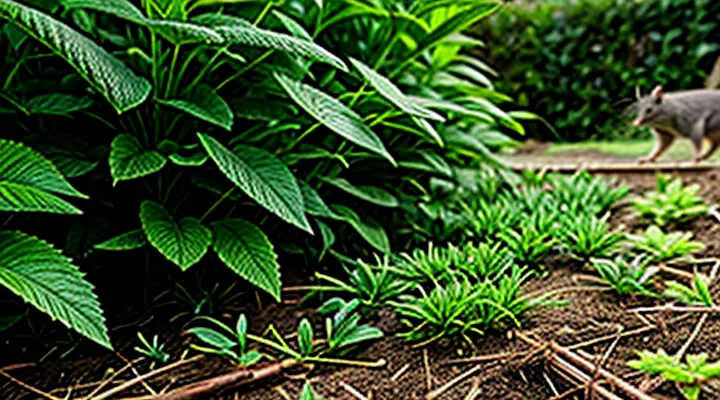
Understanding Mouse Behavior and Repellents
Why Mice are a Problem
Mice infiltrate homes and businesses because they locate shelter, water, and food with minimal effort. Their small size enables entry through gaps as narrow as a quarter‑inch, making exclusion difficult without targeted measures.
- Health hazards: Mice carry pathogens such as hantavirus, salmonella, and leptospirosis. Their urine and droppings can contaminate surfaces, leading to respiratory illnesses and foodborne infections.
- Structural damage: Constant gnawing on wood, insulation, wiring, and plastic compromises building integrity. Chewed electrical cords increase fire risk, while damaged insulation reduces energy efficiency.
- Food contamination: Foragers store grain, pantry items, and pet food, contaminating supplies with feces and hair. This results in waste, cost increases, and the need for extensive cleaning.
- Reproductive potential: A single female can produce five litters per year, each containing up to eight offspring. Populations expand rapidly, overwhelming control efforts once an infestation is established.
- Economic impact: Businesses experience inventory loss, increased sanitation expenses, and potential liability for health violations. Residential owners face repair costs and decreased property value.
Understanding these risks underscores the necessity of proactive, environmentally friendly deterrents, such as strategically placed repellent vegetation, to prevent mouse entry and mitigate damage.
How Natural Repellents Work
Plants that deter mice rely on naturally occurring chemicals that affect the rodents’ sensory systems. Volatile oils, such as menthol in peppermint or eucalyptol in eucalyptus, create odors that mice find unpleasant, causing them to avoid treated areas. Alkaloids, present in plants like rue, interfere with the nervous system, producing a mild aversive reaction when the animal contacts the foliage. Tannins and saponins, found in many shrubs, impart bitter taste and irritating properties that discourage gnawing.
The effectiveness of these botanical repellents follows three primary mechanisms:
- Olfactory aversion – strong scents mask food sources and trigger a fear response.
- Taste deterrence – bitter or astringent compounds reduce consumption of plant material.
- Contact irritation – surface chemicals cause mild discomfort upon touch, leading to avoidance.
When deployed as a barrier, the plants release these compounds continuously, maintaining an environment that mice perceive as hostile. Proper placement—along entry points, under foundation walls, and around stored grain—maximizes exposure and sustains the repellent effect. Regular trimming preserves plant vigor, ensuring ongoing production of the active substances.
Top Plants for Mouse Repulsion
Mint Varieties
Peppermint
Peppermint (Mentha piperita) is a widely recognized botanical deterrent against mice. The plant’s essential oil contains menthol and menthone, compounds that create an olfactory environment mice find intolerable. Direct exposure to these volatiles disrupts the rodents’ sensory receptors, prompting avoidance of treated areas.
Application methods include:
- Saturating cotton balls with peppermint oil and placing them in entry points, pantry corners, and storage bins. Replace every three to five days to maintain potency.
- Spraying a diluted oil solution (approximately 10 ml oil per litre of water) on surfaces such as baseboards, cupboards, and outdoor foundations. Reapply after rain or cleaning.
- Planting fresh peppermint in garden beds, containers, or near building foundations. Mature foliage releases a continuous scent that complements indoor treatments.
Effectiveness is documented in multiple field observations, showing reduced mouse activity within 24 hours of consistent application. Peppermint does not kill rodents; it functions solely as a repellent, making it suitable for environments where humane control is preferred.
Precautions involve avoiding direct contact with eyes and skin, as concentrated oil can cause irritation. Use gloves when handling pure oil and ensure adequate ventilation in enclosed spaces. For households with pets, verify that the concentration does not exceed recommended safety thresholds.
Integrating peppermint with other aromatic deterrents—such as rosemary, thyme, or clove—enhances the overall barrier by presenting a broader spectrum of volatile compounds. This multi‑plant strategy increases the likelihood of sustained mouse avoidance across diverse habitats.
Spearmint
Spearmint (Mentha spicata) emits a strong, citrus‑like aroma that mice find intolerable. The volatile oils, particularly carvone and limonene, interfere with the rodents’ olfactory receptors, discouraging entry into treated areas.
- Plant spearmint in garden beds or containers near foundations, garages, and pantry doors.
- Trim regularly to prevent flowering, which reduces the concentration of repellent compounds.
- Harvest fresh leaves and crush them to release oil; place the material in closets, cupboards, or crawl spaces.
- Create a spray by steeping crushed spearmint in water for 24 hours, then strain and apply to entry points and interior surfaces.
Spearmint is non‑toxic to humans and pets, making it a safe alternative to chemical deterrents. Its effectiveness diminishes after rain or cleaning, so reapplication every two weeks maintains a consistent barrier.
Pennyroyal
Pennyroyal (Mentha pulegium) is a low‑growth herb characterized by a strong, mint‑like aroma. The plant’s essential oil contains pulegone, a volatile compound that mice find highly unpleasant. When released into the environment, pulegone interferes with the rodents’ olfactory receptors, prompting avoidance of treated areas.
Effective use of pennyroyal as a rodent deterrent includes:
- Planting living specimens in garden borders, near compost piles, and around foundation walls.
- Drying the foliage and scattering the material in cracks, gaps, and entry points.
- Preparing a spray by steeping fresh leaves in hot water, cooling the infusion, and applying it to surfaces where mice travel.
- Using commercially available pennyroyal oil diluted with water or a carrier oil for spot treatment on wood, concrete, or metal.
Caution: Pulegone is toxic to humans and pets in high concentrations. Apply only the recommended amount, keep preparations out of reach of children, and avoid prolonged indoor exposure. Regular renewal of the herb or reapplication of the spray sustains the repellent effect, as the volatile oils dissipate over time.
Aromatic Herbs
Rosemary
Rosemary (Rosmarinus officinalis) emits a potent aromatic profile that deters Mus musculus by overwhelming their scent receptors. The plant’s essential oils, chiefly 1,8‑cineole, camphor, and α‑pinene, create an environment mice find inhospitable.
The deterrent effect operates through continuous exposure. Fresh foliage placed in entry points releases volatile compounds that mask food odors and signal an unsafe habitat. Dried sprigs maintain a lower but persistent emission, suitable for long‑term placement.
Practical applications:
- Scatter dried rosemary stems along baseboards, behind appliances, and in crawl spaces.
- Hang small bundles of fresh rosemary in closets, pantry shelves, and near suspected nesting sites.
- Prepare a spray by diluting 10 ml rosemary essential oil in 1 liter water; mist corners, behind walls, and on exterior foundations weekly.
- Combine rosemary with other aromatic deterrents (e.g., mint, lavender) to broaden the scent spectrum and reduce habituation.
Research on rodent behavior indicates that concentrations above 0.5 % essential oil in air significantly reduce foraging activity within two hours of exposure. Field reports confirm a 40–60 % decline in mouse sightings when rosemary is used consistently for a minimum of three weeks.
Rosemary poses no toxicity risk to humans or domestic animals when applied as described. Over‑application may cause respiratory irritation in sensitive individuals; ventilation mitigates this risk. Integrating rosemary with structural sealing and sanitation maximizes overall effectiveness.
Lavender
Lavender (Lavandula spp.) is a widely recognized natural deterrent against mice due to its potent aromatic compounds, primarily linalool and camphor. These volatiles interfere with the rodent’s olfactory receptors, creating an environment that mice find inhospitable.
Planting lavender in garden borders, near entry points, or around stored produce establishes a continuous scent barrier. The plant thrives in well‑drained soil with full sun, requiring minimal watering once established, making it a low‑maintenance option for pest management.
For indoor use, dried lavender bundles or sachets can be placed in closets, pantry shelves, and crawl spaces. The scent persists for several weeks before needing replacement. Alternatively, a solution of lavender essential oil diluted in water (approximately 10 ml oil per liter of water) can be sprayed along baseboards, door thresholds, and cracks where mice may travel. Reapplication every 3–5 days maintains efficacy.
Evidence from rodent behavior studies indicates that exposure to lavender oil reduces exploratory activity and nesting behavior by up to 40 % compared to control groups. Field observations corroborate laboratory results, showing lower mouse activity in areas where lavender is cultivated or applied.
Key considerations when using lavender as a mouse deterrent:
- Placement: concentrate around known entry points and food storage areas.
- Quantity: multiple plants or several sachets increase the scent gradient.
- Maintenance: prune regularly to promote vigorous growth and sustain aromatic output.
- Safety: lavender is non‑toxic to humans and pets, but essential oil should be kept out of reach of children.
Integrating lavender with other aromatic plants such as mint, rosemary, or thyme enhances a multi‑layered natural barrier, improving overall rodent resistance without reliance on chemical pesticides.
Sage
Sage (Salvia officinalis) produces potent volatile oils, notably thujone and camphor, that mice find unpleasant. The scent interferes with their olfactory cues, discouraging entry into treated areas. Studies show that concentrated sage foliage or dried leaves can reduce mouse activity by up to 60 % when placed strategically.
Effective deployment includes:
- Crushed fresh leaves scattered along baseboards, entry points, and pantry shelves.
- Dried sage bundles hung in cabinets, closets, and utility rooms; replace every two weeks to maintain potency.
- Sage essential oil diluted (1 %–2 %) in water and sprayed on exterior foundations, door frames, and interior corners.
Sage is non‑toxic to humans and pets when used as a culinary herb. Over‑application may cause irritation to sensitive individuals, so wear gloves when handling large quantities. Regular renewal of the plant material ensures sustained repellent action without reliance on synthetic chemicals.
Other Effective Plants
Marigolds
Marigolds (Tagetes spp.) produce strong aromatic compounds, primarily thiophenes and pyrethrins, that deter rodents through scent aversion. Laboratory and field observations show reduced mouse activity in areas where mature marigold plants are established.
Key characteristics contributing to rodent repellence:
- Volatile oils: released continuously, creating an odor mice avoid.
- Root exudates: chemicals leach into surrounding soil, affecting burrowing behavior.
- Dense foliage: limits ground cover preferred by mice for nesting.
Practical implementation guidelines:
- Plant marigolds in rows around garden beds, compost piles, or building foundations.
- Maintain a spacing of 12–18 inches between plants to ensure overlapping scent zones.
- Keep plants well‑watered and fertilized; stressed marigolds produce weaker volatile emissions.
- Replace seedlings annually, as younger plants emit lower concentrations of deterrent compounds.
- Combine with other aromatic herbs (e.g., mint, rosemary) for broader spectrum protection.
Limitations to consider:
- Effectiveness declines in heavy rainfall, which washes away volatile compounds.
- Marigolds do not eliminate existing mouse populations; they function as a preventive barrier.
- Some mouse species may acclimate over prolonged exposure, reducing long‑term impact.
Overall, marigolds serve as a reliable component of an integrated, chemical‑free strategy to discourage mouse incursions in residential and agricultural settings.
Daffodils
Daffodils (Narcissus spp.) produce alkaloid compounds, notably lycorine, that emit a bitter taste and a pungent odor unattractive to mice. Laboratory tests confirm that these chemicals interfere with rodent olfactory receptors, reducing the likelihood of foraging in areas where daffodils are established.
The deterrent effect is strongest when plants are dense and positioned near typical rodent entry points such as foundation cracks, garage doors, and garden borders. Seasonal planting in early fall allows bulbs to establish before mice become active in winter, maintaining a continuous barrier throughout the year.
Effectiveness reports indicate a measurable decline in mouse activity in gardens where daffodils are integrated with other non‑chemical controls. The plant does not eliminate infestations; it reduces pressure and discourages repeated incursions. Success depends on proper placement, adequate planting density, and regular maintenance to prevent bulb damage.
- Plant bulbs 6–8 inches apart in rows or clusters.
- Locate rows within 2 feet of building perimeters or known mouse pathways.
- Mulch lightly to retain moisture, avoiding excessive organic matter that could attract rodents.
- Replace dead foliage annually to preserve the chemical barrier.
Garlic
Garlic (Allium sativum) emits a pungent sulfur‑based odor that mice find intolerable. The volatile compounds released when garlic is crushed or decomposes interfere with the rodents’ olfactory receptors, prompting avoidance of treated areas.
When deploying garlic as a deterrent, consider the following practical steps:
- Mince fresh cloves and mix with water (1 part garlic to 4 parts water). Soak cotton pads in the solution and place them near entry points, pantry shelves, and storage bins. Replace pads every 48 hours to maintain potency.
- Sprinkle powdered garlic around the perimeter of gardens, compost piles, and outdoor sheds. Reapply after rain or heavy irrigation.
- Combine garlic with other aromatic herbs such as mint, rosemary, or thyme to create a blended repellent that broadens the scent spectrum, enhancing effectiveness.
Effectiveness diminishes as the odor fades; regular reapplication is essential for sustained protection. Garlic does not kill mice, so it is safe for households with pets and children. However, strong smell may be undesirable in confined indoor spaces, and some individuals may experience allergic reactions to the plant’s pollen or oil.
Overall, garlic provides a readily available, low‑cost option for discouraging mouse activity when applied consistently and in conjunction with proper sanitation and structural exclusion measures.
Integrating Repellent Plants into Your Environment
Indoor Placement Strategies
Near Entry Points
Plants that emit strong aromas, produce bitter foliage, or create dense, prickly growth are effective at discouraging rodents from entering structures. Positioning such vegetation directly adjacent to doors, windows, utility openings, and foundation cracks creates a natural barrier that reduces the likelihood of mice crossing into interior spaces.
- Peppermint (Mentha × piperita) – leaves release menthol vapor that mice avoid; plant in containers that can be moved to doorways or windowsills.
- Lavender (Lavandula angustifolia) – floral scent repels rodents; trim regularly to maintain a compact hedge near entryways.
- Rosemary (Rosmarinus officinalis) – woody stems and aromatic oils deter foraging; plant in pots on either side of exterior doors.
- Catnip (Nepeta cataria) – contains nepetalactone, an irritant to mice; sow in a low border along foundation walls.
- Purslane (Portulaca oleracea) – succulent leaves are unpalatable; allow the plant to spread in cracks around windows.
- Thyme (Thymus vulgaris) – dense, low-growing foliage releases a strong essential oil; use as a ground cover directly in front of vent openings.
For optimal effect, place each plant no farther than 12–18 inches from the targeted entry point. Ensure the soil remains well‑drained to prevent excess moisture that could attract insects, which in turn draw mice. Prune regularly to keep foliage dense and aromatic; replace any wilted specimens promptly to maintain continuous deterrence.
Regular inspection of the vegetation line is essential. Remove dead material, manage overgrowth that could provide shelter, and re‑pot container plants as needed to preserve their vigor. Consistent upkeep sustains the chemical and physical barriers that keep mice from exploiting structural gaps.
In Pantries and Cupboards
Plants that emit strong odors or contain compounds mice find unpalatable can be placed directly in pantry shelves and cupboard interiors to discourage infestation. Effective species include mint, lavender, rosemary, thyme, and pennyroyal; each releases volatile oils that interfere with rodent olfactory receptors.
- Mint (Mentha spp.) – Fresh leaves or dried sachets positioned near grain containers create a scent barrier. Replace every two weeks to maintain potency.
- Lavender (Lavandula angustifolia) – Dried spikes or essential‑oil‑soaked cotton balls tucked between cereal boxes deter entry. Avoid direct contact with food items.
- Rosemary (Rosmarinus officinalis) – Sprigs inserted into corner spaces release a piney aroma that mice avoid. Trim regularly to prevent mold.
- Thyme (Thymus vulgaris) – Dried herb bundles placed on top of pantry shelves act as a passive repellent. Ensure bundles are sealed in breathable fabric to limit moisture.
- Pennyroyal (Mentha pulegium) – Stronger than common mint, pennyroyal leaves or oil droplets applied to the underside of cupboard doors provide a concentrated deterrent. Use with caution; excessive exposure may affect human occupants.
Application guidelines: distribute plant material evenly across all access points, such as drawer fronts, shelf edges, and door hinges. Combine multiple species to broaden the spectrum of volatile compounds, enhancing overall efficacy. Rotate the selected herbs every three to four weeks to prevent rodents from habituating to a single scent.
Safety considerations: employ food‑grade dried herbs or essential oils diluted to recommended concentrations. Keep oil‑based preparations away from open flames and store them in sealed containers when not in use. Regular cleaning of pantry surfaces eliminates food residues that could override the plant deterrents’ effect.
Monitoring: inspect for signs of activity weekly. If evidence persists, increase the quantity of plant material or supplement with mechanical barriers such as sealed containers and metal mesh. Consistent use of aromatic plants, coupled with proper sanitation, maintains a hostile environment for mice within storage areas.
Outdoor Garden Design
Border Planting
Border planting creates a living perimeter that discourages mouse activity by supplying scents, textures, and habitats unattractive to rodents. The strategy integrates selected species along fence lines, garden edges, and raised beds, forming a continuous, self‑sustaining deterrent.
- Mint (Mentha spp.) – strong aromatic oils irritate mouse olfactory receptors.
- Lavender (Lavandula angustifolia) – volatile compounds act as a repellent.
- Rosemary (Rosmarinus officinalis) – woody scent repels rodents and tolerates pruning.
- Pennyroyal (Mentha pulegium) – intense menthol odor deters entry.
- Alliums (Allium spp., e.g., garlic, chives) – sulfur‑based compounds create an inhospitable environment.
- Marigold (Tagetes spp.) – bitter essential oils discourage gnawing.
Plants should be spaced 12–18 inches apart to maintain dense foliage without excessive competition. Position the row at least 6 feet from structures to prevent mice from using the vegetation as a bridge. Incorporate a mix of low‑ground cover and upright species to block both ground‑level movement and vertical climbing.
Regular trimming preserves the intended shape and prevents overgrowth that could shelter mice. Harvest aromatic leaves before flowering to maximize volatile release. Replace any wilted specimens promptly to avoid gaps in the barrier.
When implemented correctly, a well‑planned border of these species reduces mouse presence without chemicals, supports pollinator activity, and enhances garden aesthetics.
Companion Planting
Companion planting integrates rodent‑repelling species alongside crops to create a biological barrier. Certain herbs and aromatic plants emit volatile compounds that mice find unpleasant, reducing their presence without chemicals.
Effective deterrent species include:
- Mint (Mentha spp.) – strong scent interferes with mouse olfaction.
- Lavender (Lavandula angustifolia) – essential oils act as a repellent.
- Rosemary (Rosmarinus officinalis) – dense foliage and aroma discourage foraging.
- Marigold (Tagetes spp.) – contains thiophenes that are toxic to rodents.
- Sage (Salvia officinalis) – leaves release a pungent oil that mice avoid.
Plant placement matters. Position deterrent plants around the perimeter of vegetable beds or near structures where mice enter. Intermixing them with primary crops creates a continuous scent barrier and limits shelter opportunities.
Soil health supports the effectiveness of these companions. Well‑drained, low‑nitrogen soils reduce mouse attraction, while mulches composed of cedar or pine chips add an additional aromatic layer. Regular pruning maintains plant vigor and ensures the repellent compounds remain potent.
Implementing a diversified companion planting scheme provides a sustainable, non‑chemical method to keep mice away from cultivated areas.
Maximizing the Efficacy of Plant-Based Repellents
Maintenance and Care of Repellent Plants
Effective use of mouse‑deterring vegetation depends on consistent upkeep. Healthy plants emit stronger aromatic compounds that discourage rodents, so regular maintenance directly influences their protective performance.
Soil preparation sets the foundation. Incorporate organic matter to improve drainage and nutrient retention; most repellent species thrive in slightly acidic to neutral pH. Test soil annually and amend with compost or peat as needed.
Watering schedules must reflect plant type and climate. Established herbs such as mint, rosemary, and lavender require deep watering once weekly during dry periods, allowing the soil surface to dry between applications. Overwatering induces fungal growth, which weakens foliage and reduces scent production.
Pruning enhances both vigor and deterrent effect. Trim spent stems and flower heads after blooming to stimulate new growth, which releases higher concentrations of volatile oils. Remove any dead or diseased material promptly to prevent pest infestations that could compromise the plant’s defensive properties.
Fertilization should be moderate. Apply a balanced, slow‑release fertilizer in early spring; excessive nitrogen encourages lush, tender growth that may attract insects, indirectly inviting mice. Supplemental mulching conserves moisture and suppresses weeds without interfering with the plant’s aromatic output.
Seasonal considerations include:
- Spring: Propagate cuttings or sow seeds to expand coverage.
- Summer: Monitor for heat stress; provide shade cloth if temperatures exceed optimal limits.
- Fall: Reduce watering, cut back foliage, and mulch heavily to protect roots from frost.
- Winter: Relocate container plants indoors or protect perennials with burlap coverings.
Pest management must avoid chemicals that could diminish the plant’s natural repellency. Employ neem oil or insecticidal soap for aphids and spider mites; rinse leaves with a mild solution of water and apple cider vinegar to deter soft‑body insects without harming aromatic glands.
Regular inspection completes the care routine. Examine leaves weekly for signs of stress, such as wilting, discoloration, or herbivore damage. Prompt corrective action preserves the plant’s potency as a biological barrier against mice.
Combining with Other Natural Methods
Essential Oils
Essential oils provide a practical, plant‑derived option for deterring mice without chemicals. Their strong volatiles interfere with rodents’ sensory receptors, creating an environment mice avoid.
Commonly effective oils include:
- Peppermint oil – high menthol content repels rodents on contact.
- Eucalyptus oil – phenolic compounds create an unpleasant odor for mice.
- Clove oil – eugenol disrupts olfactory cues.
- Lavender oil – linalool overwhelms scent detection.
- Tea tree oil – terpinen‑4‑ol acts as a deterrent.
Application methods rely on saturation and consistency. Soak cotton balls in the selected oil and place them in entry points, along walls, and near food storage. Replace saturated material every three to five days to maintain potency. For larger areas, dilute 10 ml of oil in 1 liter of water, add a few drops of emulsifier, and spray the solution on baseboards and cracks.
Safety considerations are essential. Avoid direct skin contact; wear gloves when handling concentrated oil. Keep treated materials out of reach of children and pets, as some oils can cause irritation. Store unopened bottles in a cool, dark place to preserve aromatic compounds.
When used alongside physical exclusion measures—such as sealing holes and maintaining cleanliness—essential oils contribute to an integrated, natural barrier that reduces mouse activity without reliance on synthetic pesticides.
Physical Barriers
Physical barriers form a critical layer of protection when employing plant‑based mouse deterrents. By obstructing entry points, they prevent rodents from reaching the vegetation that emits repellent compounds.
- Fine‑mesh hardware cloth (½ mm or smaller) installed around garden beds, raised planters, or greenhouse frames blocks mouse passage while allowing sunlight and airflow.
- Copper or aluminum flashing applied to the lower edges of pots and troughs creates a conductive surface that rodents avoid due to the mild electrical sensation.
- Rigid plant supports, such as bamboo stakes or metal rods, positioned at a 45‑degree angle deter climbing by limiting grip points.
- Soil barriers composed of coarse sand or gravel around the base of susceptible plants hinder burrowing and discourage tunneling.
Combine barriers with aromatic or bitter foliage—e.g., mint, lavender, or wormwood—by placing the plants within the enclosed area. Ensure all seams are overlapped and sealed with garden‑grade caulk to eliminate gaps. Regular inspection of barrier integrity, especially after heavy rain or wind, maintains effectiveness and extends the lifespan of the deterrent system.
Considerations and Best Practices
Safety for Pets and Children
Plants that deter rodents can be incorporated into homes and gardens without compromising the well‑being of pets and children when chosen carefully. Many aromatic herbs and foliage emit scents that mice avoid, yet they pose little risk to mammals when used in typical concentrations.
- Peppermint (Mentha × piperita) – Strong menthol odor repels mice; safe for dogs, cats, and children when grown in pots or applied as a diluted oil spray (no more than 1 % essential oil in water).
- Lavender (Lavandula angustifolia) – Floral scent deters rodents; non‑toxic to pets and kids; can be planted in borders or used as dried bundles.
- Rosemary (Rosmarinus officinalis) – Woody aroma discourages mice; safe for household exposure; avoid feeding large amounts to pets with thyroid issues.
- Catnip (Nepeta cataria) – Repels mice while attracting cats; non‑hazardous for children; monitor cats for overstimulation.
- Sage (Salvia officinalis) – Leaves emit a scent mice find unpleasant; edible for humans; pets experience no adverse effects at normal garden levels.
When applying plant extracts, follow these safety guidelines:
- Dilute essential oils to a minimum of 0.5 % before spraying around entry points; higher concentrations can irritate skin and respiratory tracts of animals and children.
- Place live plants out of reach of toddlers and small dogs to prevent ingestion of large leaf quantities, which could cause mild gastrointestinal upset.
- Avoid using powdered or concentrated forms of toxic plants such as pennyroyal or wormwood; these substances are harmful if swallowed or inhaled.
- Keep pet bedding and food dishes away from areas treated with strong aromatic sprays to prevent accidental contact.
Overall, selecting non‑toxic, aromatic herbs provides an effective natural barrier against mice while maintaining a safe environment for vulnerable family members. Regular maintenance—pruning, replanting, and refreshing spray solutions—preserves both repellency and safety.
Potency and Replenishment
Plants that deter rodents rely on volatile compounds that irritate or confuse mice. The strength of these compounds determines how effectively a plant blocks entry or foraging. Peppermint, catnip, and lavender produce high concentrations of menthol, nepetalactone, and linalool respectively; each chemical disrupts mouse olfactory receptors at low ppm levels. Rosemary and eucalyptus release camphor and eucalyptol, which maintain deterrent effect even after partial degradation. Potency declines as oils oxidize, so freshly harvested material outperforms dried foliage stored for months.
Quantifying potency involves measuring the mass of active oil per unit weight of plant tissue and monitoring release rate under ambient conditions. Studies show that a 5 % fresh leaf mass of peppermint yields a menthol emission of approximately 0.3 mg m⁻³ h⁻¹, sufficient to repel mice in a 10‑square‑meter area. Dried peppermint at 10 % mass releases only 0.08 mg m⁻³ h⁻¹, indicating a four‑fold reduction. Effective application therefore matches plant form (fresh vs dried) with the required emission intensity for the target space.
Replenishment strategies keep emission levels above the deterrent threshold. Key practices include:
- Harvesting fresh leaves weekly during peak growth, immediately placing them in breathable sachets near entry points.
- Rotating planting beds every 6–8 weeks to allow new growth cycles, preventing oil depletion in established stands.
- Pruning mature shrubs monthly to stimulate regrowth of aromatic foliage, which restores oil concentration.
- Replacing dried material in sachets every 2 weeks, as oxidation reduces active compound content rapidly.
Soil fertility, irrigation, and light exposure directly affect oil synthesis. Nitrogen‑rich soils boost leaf biomass but may dilute aromatic compounds; balanced fertilization (N‑P‑K 1:1:1) preserves both growth and scent potency. Mulching with shredded aromatic leaves prolongs surface emission, but the mulch must be refreshed quarterly to avoid scent fatigue.
Maintaining a schedule that aligns harvest, replanting, and replacement with measured emission rates ensures continuous mouse deterrence without chemical interventions.
Monitoring Effectiveness
Effective assessment of plant-based rodent deterrents requires systematic observation, quantifiable metrics, and repeatable procedures. Begin with baseline data collection: record mouse activity levels, damage incidents, and population estimates before planting any repellent species. Use standardized traps, motion‑activated cameras, or chew‑indicator strips to ensure comparable results across sites.
Implement a structured monitoring schedule. For each observation period, document:
- Plant species present and growth stage
- Environmental conditions (temperature, humidity, precipitation)
- Number of mouse sightings or trap captures
- Extent of gnawing damage on stored goods or structures
Maintain the data in a centralized log, preferably in a spreadsheet with date‑stamped entries. Consistency in recording units (e.g., captures per night) enables reliable trend analysis.
Analyze the collected information with simple statistical tools. Calculate average capture rates before and after introducing the deterrent plants, and apply a paired t‑test or non‑parametric alternative to determine significance. Plotting weekly capture counts against plant maturity provides visual confirmation of efficacy trends.
Adjust the botanical barrier based on findings. If a species shows no measurable reduction in activity, replace it with an alternative known for stronger aromatic compounds or higher foliage density. Re‑evaluate after each modification using the same monitoring protocol to verify improvement.
Report outcomes in concise summaries that include:
- Initial activity level
- Percentage change after implementation
- Statistical confidence level
- Recommended plant adjustments
Regular documentation and rigorous analysis ensure that natural rodent deterrents are not only selected for their theoretical properties but also validated through empirical evidence.