
Understanding Pet Mice
Types of Pet Mice
Fancy Mice
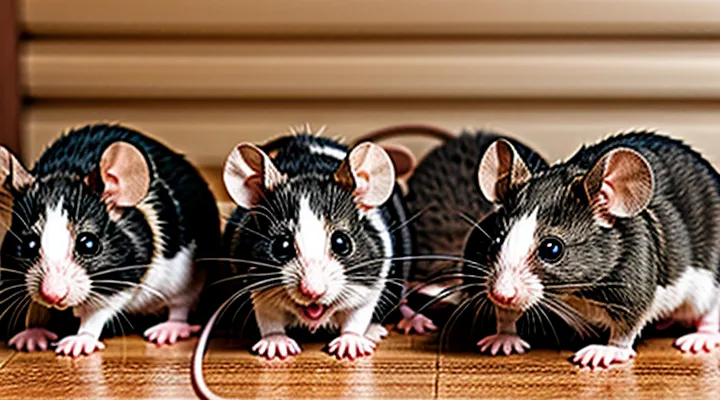
Fancy mice are a distinct category of pet rodents distinguished by their elaborate coat patterns, larger size, and often unique coloration. Breeds such as the Rex, Silkie, Baldwin, and Japanese Fancy exhibit these traits, making them popular among enthusiasts who prioritize visual appeal.
- Rex: curly fur, gentle temperament, requires regular grooming to prevent matting.
- Silkie: silky, hair‑like coat, prone to skin irritation; benefits from a low‑dust bedding.
- Baldwin: hairless, exposed skin sensitive to temperature fluctuations; needs a warm, draft‑free enclosure.
- Japanese Fancy: compact body, smooth fur, relatively low maintenance compared with other varieties.
When evaluating a fancy mouse for companionship, consider lifespan (typically 2–3 years), dietary needs (high‑quality rodent pellets supplemented with fresh vegetables), and health risks (susceptibility to respiratory infections and skin conditions). Provide a cage with solid flooring, adequate ventilation, and enrichment items such as tunnels and chew toys to promote natural behaviors and reduce stress.
Overall, fancy mice suit owners who value aesthetic diversity and are prepared to meet the specific grooming and environmental requirements each breed demands. Their distinctive appearance combined with manageable care routines makes them viable candidates for the pet mouse selection process.
Deer Mice (Permissibility and Considerations)
Deer mice are wild rodents that some jurisdictions classify as non‑domestic wildlife. Ownership often requires a special permit issued by state wildlife agencies; several states prohibit private possession entirely. Verify local regulations before acquiring a deer mouse, and retain any permit documentation for inspection.
Health risks stem from the species’ propensity to carry hantavirus, salmonella, and ectoparasites. Proper quarantine, regular veterinary screening, and strict hygiene reduce transmission. Use disposable gloves when handling, sanitize cages weekly, and avoid direct contact with urine or droppings.
Behavioral traits differ markedly from domesticated laboratory strains. Deer mice are nocturnal, highly active, and prone to chewing and escape attempts. Provide a secure enclosure with solid walls, a lockable door, and ample nesting material. Enrich the environment with climbing structures, tunnels, and foraging opportunities to mitigate stress‑induced aggression.
Key considerations for potential owners:
- Legal status: permit required or prohibited in the state of residence.
- Health safeguards: protective equipment, routine veterinary checks, sanitation protocols.
- Habitat needs: escape‑proof cage, temperature control (18‑24 °C), humidity 40‑60 %.
- Dietary requirements: high‑protein seed mix, occasional live insects, fresh water.
- Social dynamics: solitary individuals may become territorial; pairings demand careful observation.
Compliance with regulations, diligent health practices, and appropriate husbandry are essential for responsible ownership of deer mice.
Other Less Common Species (e.g., Spiny Mice)
Spiny mice (genus Acomys) represent a niche option for small‑rodent enthusiasts seeking alternatives to the typical house mouse. Their distinctive bristly fur, robust hind limbs, and natural ability to shed skin patches reduce injury risk during handling. Unlike common laboratory strains, spiny mice possess a higher metabolic rate, requiring frequent feeding of high‑protein, low‑fat diets to maintain body condition.
When evaluating spiny mice as companions, consider the following factors:
- Habitat: Minimum cage size 30 × 30 × 30 cm; solid bottom with absorbent bedding; enrichment includes tunnels and climbing structures.
- Temperature: Optimal ambient range 22‑26 °C; lower temperatures may trigger thermoregulatory stress.
- Social structure: Prefer small groups of same‑sex individuals; solitary housing can increase aggression.
- Health monitoring: Regular inspection for skin regeneration sites; veterinary care from exotic‑animal specialists recommended.
- Legal status: Verify local regulations, as some jurisdictions restrict exotic rodents.
Breeding spiny mice demands controlled photoperiod (12 h light/12 h dark) and monitoring of gestation length (approximately 38 days). Offspring exhibit rapid growth, reaching sexual maturity at 6‑8 weeks, necessitating early separation to prevent inbreeding. Proper record‑keeping of lineage and health metrics supports sustainable captive populations and reduces the likelihood of genetic disorders.
Pros and Cons of Owning a Pet Mouse
Benefits of Mouse Ownership
Owning a pet mouse offers distinct advantages that align with the considerations involved in selecting a suitable small companion.
- Minimal financial outlay for purchase, housing, and routine supplies.
- Compact enclosure requirements allow placement in limited living spaces.
- Simple dietary regimen consisting of commercial pellets supplemented with fresh produce.
- Short lifespan reduces long‑term commitment while still providing meaningful interaction.
- Low allergen potential compared to larger mammals, making them viable for sensitive individuals.
- High reproductive rate enables controlled breeding programs for educational purposes.
- Interactive behavior, such as climbing and foraging, stimulates owner engagement and can alleviate stress.
These factors collectively support the decision to keep a mouse as a pet, emphasizing practicality, affordability, and the capacity for enriching human‑animal connections.
Challenges and Responsibilities
Choosing a mouse as a companion animal involves distinct challenges and responsibilities that differ from larger pets. Prospective owners must evaluate these factors before making a decision.
- Mice are prey animals; they react strongly to sudden movements, loud noises, and bright lights, which can cause stress or injury.
- Their short lifespan, typically 1.5–2 years, requires owners to prepare for rapid emotional adjustment.
- They produce a strong odor if cages are not cleaned regularly; inadequate maintenance leads to respiratory problems.
- Breeding potential is high; uncontrolled reproduction can result in overpopulation and health issues.
Owners bear several duties to ensure the mouse’s welfare:
- Provide a secure enclosure with appropriate size, ventilation, and enrichment items such as tunnels, wheels, and chew blocks.
- Maintain a strict cleaning schedule: remove waste daily, replace bedding weekly, and disinfect the cage monthly.
- Offer a balanced diet comprising commercial mouse pellets, fresh vegetables, and occasional protein treats; avoid sugary or fatty foods.
- Monitor health indicators—weight, coat condition, activity level—and seek veterinary care at the first sign of illness.
- Prevent accidental escapes by checking cage locks and sealing gaps in the living area.
By addressing these challenges and adhering to the outlined responsibilities, caretakers create a safe, healthy environment that supports the mouse’s brief but active life.
Choosing the Right Mouse for You
Factors to Consider Before Adoption
Temperament and Socialization Needs
When evaluating a potential pet mouse, temperament dictates daily interaction quality. Mice exhibit a spectrum from timid to bold; the latter tolerate handling and novel environments, while the former may retreat at the slightest disturbance. Observe activity levels, response to gentle touch, and willingness to explore when assessing an individual’s disposition.
Socialization requirements vary with temperament. Bold individuals benefit from regular, brief handling sessions to reinforce confidence, whereas shy mice need a gradual exposure schedule—starting with scent exchange, progressing to visual contact, and concluding with limited physical contact. Consistency in timing and environment reduces stress and accelerates adaptation.
Key considerations for temperament and socialization include:
- Breed tendencies – Certain strains (e.g., Fancy, Dumbo) generally display calmer behavior than wild‑type or aggressive lines.
- Age – Juveniles adapt more readily; adults may retain established fear responses.
- Group dynamics – Cohabiting mice develop social hierarchies; dominant personalities can suppress subordinate ones, affecting overall temperament.
- Enrichment – Providing tunnels, chew toys, and varied textures encourages exploration, mitigating anxiety.
Implementing a structured socialization plan aligned with the mouse’s innate temperament ensures a stable, interactive companion and informs the decision‑making process for prospective owners.
Lifespan Expectancy
Choosing a pet mouse requires awareness of how long the animal will live under typical conditions. Lifespan varies noticeably among species, strains, and husbandry quality.
- Fancy mouse (Domesticated Mus musculus): 1.5 – 3 years; average around 2 years with balanced diet, regular health checks, and low stress environment.
- African pygmy mouse (Mus minutoides): 1 – 2 years; shorter due to small size and higher metabolic rate, but can reach close to 2 years with optimal temperature control and enriched enclosure.
- Field mouse (Apodemus sylvaticus): 1 – 2.5 years; wild‑origin genetics often result in a lifespan similar to fancy mice, though susceptibility to parasites may reduce longevity if not monitored.
- Hybrid or selectively bred strains (e.g., “hairless” or “color‑pattern” mice): 1 – 3 years; lifespan depends on the health of the genetic line and avoidance of hereditary defects.
Factors influencing these figures include genetics, diet composition, cage hygiene, and exposure to disease. Consistent provision of fresh water, high‑quality rodent pellets, and regular cleaning extend the upper range of each species’ expectancy. Environmental stressors—excessive noise, temperature fluctuations, overcrowding—compress lifespan by accelerating physiological wear.
When evaluating options, align the expected lifespan with the owner’s capacity for long‑term commitment. A mouse with a projected three‑year duration demands sustained attention to health monitoring, whereas a two‑year species may suit owners seeking a shorter, still meaningful, companionship period.
Size and Activity Levels
When evaluating potential pet mice, size directly influences enclosure requirements and handling comfort. Small breeds, typically 2–3 inches long, occupy less floor space and fit comfortably in compact cages, but they may be more fragile during interaction. Medium-sized mice, 3–4 inches, balance space needs with sturdier bodies, making them suitable for standard hobbyist cages. Large mice, exceeding 4 inches, demand spacious habitats and benefit from deeper bedding to support their weight.
Activity level determines daily enrichment and exercise provisions. Low‑energy mice exhibit short bursts of movement followed by extended rest periods; they thrive with minimal running wheels and occasional play sessions. Moderate‑activity mice alternate between active exploration and rest, requiring a standard wheel, tunnels, and chew toys to prevent boredom. High‑energy mice maintain constant motion, necessitating multiple wheels, climbing structures, and frequent cage rearrangements to sustain mental stimulation.
Choosing a mouse aligns size with activity demands. Pair a compact cage with a low‑energy, small mouse to minimize space constraints. Match a medium‑sized mouse with moderate activity by providing a standard wheel and diverse tunnels. Allocate a larger enclosure for a high‑energy, large mouse, incorporating several wheels and vertical elements. This matching ensures humane care, reduces stress, and supports the animal’s natural behavior.
Availability
When selecting a rodent companion, the first practical consideration is how readily the animal can be obtained. Domestic mouse strains such as the common albino, fancy coat varieties, and dwarf breeds are stocked by most pet retailers, but availability fluctuates with demand cycles and regional supply chains. Large chain stores typically maintain a small inventory of standard albinos, while specialty boutiques focus on rare coat patterns and miniature lines, often requiring pre‑order.
Prospective owners can access mice through three primary channels:
- Local pet shops – Immediate purchase, limited to popular strains; stock refreshed weekly in high‑traffic locations.
- Licensed breeders – Direct ordering of specific genotypes, consistent quality, and health documentation; delivery times range from a few days to several weeks.
- Online marketplaces – Wide selection, including exotic variants; shipping restrictions apply based on local animal‑transport regulations.
Legal constraints affect availability in certain jurisdictions. Some regions prohibit the sale of specific mouse colors or require permits for miniature breeds. Checking municipal ordinances before placing an order prevents delays and potential confiscation.
Seasonal factors also influence supply. Breeding cycles peak in spring and early summer, expanding the selection of newborn litters. Conversely, winter months often see reduced inventory, with retailers favoring adult stock to maintain sales volume.
Evaluating these sources, confirming health guarantees, and verifying compliance with local laws ensure that the chosen mouse is accessible, healthy, and legally permissible.
Where to Acquire a Pet Mouse
Reputable Breeders
Selecting a mouse as a companion demands sourcing the animal from a reputable breeder. Reliable breeders guarantee health, temperament, and ethical care, reducing the risk of disease and behavioral problems.
Key indicators of a trustworthy breeder:
- Registered with a recognized mouse‑breeding association.
- Provides detailed health records, including vaccinations and parasite screenings.
- Maintains clean, spacious cages with adequate enrichment.
- Demonstrates knowledge of genetics, avoiding inbreeding.
- Offers a written contract outlining return policies and support after purchase.
Essential questions for prospective breeders:
- What health certifications accompany each mouse?
- How are the breeding pairs selected and monitored?
- Can you describe the daily care routine and diet?
- Are socialization practices in place to ensure a calm temperament?
- What follow‑up assistance is available for new owners?
Documentation should include a health guarantee, a pedigree chart if applicable, and a list of recommended supplies. Reputable breeders also provide guidance on proper housing, feeding, and handling to facilitate a smooth transition.
Before finalizing a purchase, verify the breeder’s reputation through reviews, referrals from veterinarians, or membership in professional societies. A diligent vetting process ensures the chosen mouse enters a healthy, well‑socialized environment, supporting a successful long‑term partnership.
Animal Shelters and Rescues
Adopting a mouse from an animal shelter or rescue organization provides a ready‑made candidate for a household pet, eliminates the need for breeding, and often includes basic health screening. Shelters typically house mice rescued from laboratories, pet stores, or private owners, offering a diverse pool of ages, colors, and temperaments.
When evaluating shelter mice, consider the following criteria:
- Health status documented by the shelter (vaccinations, parasite treatment, recent veterinary check‑up).
- Social behavior observed during cage visits (tolerance of handling, interaction with cage mates).
- Age and size, which affect dietary needs and enclosure requirements.
- Availability of a health guarantee or return policy, ensuring support if the animal develops problems.
The adoption process usually involves a brief application, a fee covering initial veterinary care, and a mandatory orientation that outlines cage setup, diet, and enrichment. Shelters often provide starter supplies such as a cage, bedding, and a feeding guide, reducing initial expenses.
Choosing a mouse from a rescue aligns with responsible pet ownership by reducing demand for commercial breeding and supporting organizations that care for abandoned or unwanted rodents. This approach supplies prospective owners with a vetted animal and promotes ethical stewardship of small‑pet populations.
Pet Stores (with caution)
Pet stores are often the first point of contact for prospective mouse owners. They provide immediate visual access to a variety of species, ages, and coat colors, allowing buyers to compare options side by side. Staff may offer basic care information, but the depth and accuracy of that guidance can vary widely.
Advantages of purchasing a mouse from a retail outlet include:
- Immediate availability; no waiting period for breeding or shipping.
- Ability to observe the animal’s behavior and health before purchase.
- Access to supplemental products such as cages, bedding, and nutrition in one location.
Potential drawbacks demand careful scrutiny. Many stores source animals from large breeding facilities where overcrowding, inadequate ventilation, and minimal veterinary oversight are common. These conditions increase the risk of parasites, respiratory infections, and stress‑related behaviors that can persist after the mouse is taken home. Additionally, some retailers rotate stock frequently, leading to a lack of continuity in health monitoring.
To mitigate risk, apply the following checklist when evaluating a pet store:
- Verify that the enclosure is clean, well‑ventilated, and provides enrichment (e.g., tunnels, climbing structures).
- Observe the mouse for clear eyes, clean fur, and active movement; avoid individuals that appear lethargic or have nasal discharge.
- Request documentation of any recent health checks or vaccinations, and confirm the source of the animal.
- Inquire about the store’s return or quarantine policy in case of illness after purchase.
- Compare prices with reputable breeders or rescue organizations; unusually low costs may indicate compromised animal welfare.
By treating pet stores as a convenient but imperfect channel, prospective owners can make informed decisions, reduce the likelihood of acquiring unhealthy mice, and ensure a smoother transition to responsible long‑term care.
Essential Mouse Care
Housing Requirements
Cage Size and Type
When keeping a mouse as a companion, the enclosure determines health, activity, and longevity. The cage must provide enough floor space for natural behaviors; a minimum of 300 cm² per adult mouse prevents overcrowding. For a single mouse, a floor area of 450–600 cm² (approximately 30 × 20 cm) is suitable, while pairs require at least 900 cm². Height should allow vertical exploration; a minimum of 20 cm accommodates climbing structures without restricting movement.
Material choice influences durability and hygiene. Wire cages with a solid base permit ventilation and easy cleaning, but bars must be spaced no wider than 1 cm to prevent escape. Plastic enclosures eliminate chewing hazards but must feature adequate airflow holes and be constructed of non‑toxic, BPA‑free polymers. Glass terrariums offer visibility and temperature stability, yet require careful monitoring of humidity and regular cleaning to avoid mold.
Essential accessories support well‑being:
- Hideout: Secure, dark shelter made of wood or sturdy plastic.
- Exercise wheel: Solid‑surface wheel of at least 30 mm diameter to avoid spinal strain.
- Climbing elements: Branches, ladders, or PVC tubes for vertical activity.
- Bedding: Absorbent, dust‑free substrate such as paper‑based pellets; replace weekly.
- Food and water dispensers: Heavy‑base containers to prevent tipping; water bottles should have stainless‑steel tubes.
Safety considerations include rounded cage corners, secure latch mechanisms, and the absence of sharp edges. Regular inspection of bars, hinges, and accessories detects wear that could harm the animal. Proper enclosure selection, combined with appropriate size and material, creates a stable environment that supports the mouse’s natural habits and promotes a healthy, stress‑free life.
Bedding and Substrate
When evaluating a mouse as a companion, the choice of bedding directly influences health, comfort, and odor control. Selecting an appropriate substrate is a prerequisite for a stable environment and reduces the risk of respiratory problems.
- Paper‑based bedding (e.g., shredded paper, cellulose pellets) – low dust, high absorbency, easy to replace.
- Aspen shavings – minimal aromatic oils, moderate dust, natural texture.
- Coconut fiber (coir) – excellent for nesting, high moisture retention, may require frequent changes to prevent mold.
- Hemp bedding – biodegradable, low dust, good odor absorption.
- Avoid cedar or pine shavings – contain phenols that irritate mouse respiratory tracts.
Key criteria for substrate selection:
- Dust level – low particulate matter prevents respiratory infections.
- Absorbency – high capacity limits ammonia buildup and maintains dry footing.
- Safety – free of toxic oils, sharp edges, or chemicals that could be ingested.
- Nesting suitability – material should allow mice to build secure nests for thermoregulation.
Routine maintenance sustains substrate effectiveness. Spot‑clean daily by removing soiled portions, replace the entire layer weekly for paper‑based products, and bi‑weekly for wood shavings. Monitor for mold, foul odor, or clumped material; replace immediately if any sign appears.
Match bedding to the specific mouse breed and cage size. Small enclosures benefit from highly absorbent, low‑dust options, while larger habitats can accommodate bulkier fibers that support extensive nesting. Proper substrate selection, combined with regular cleaning, creates a hygienic setting that supports the well‑being of a pet mouse.
Enrichment and Toys
Enrichment is essential for a healthy pet mouse, preventing boredom and encouraging natural behaviors. Provide a variety of stimuli that mimic digging, climbing, foraging, and gnawing.
- Tunnel systems: Plastic or cardboard tubes allow exploration and exercise.
- Exercise wheels: Solid‑surface wheels reduce injury risk; size should be at least 8 cm in diameter.
- Chewing blocks: Untreated wood or mineral blocks satisfy gnawing instinct and protect cage bars.
- Foraging toys: Small containers filled with seeds or shredded paper hide food, stimulating search behavior.
- Climbing structures: Branches, ladders, or rope nets offer vertical movement and strengthen muscles.
Rotate items weekly to maintain interest and monitor wear. Replace damaged pieces promptly to avoid sharp edges or splinters. Ensure all materials are non‑toxic and free of paint, glue, or varnish. Regular interaction with the mouse, such as gentle handling and puzzle challenges, further enhances mental stimulation and strengthens the owner‑animal bond.
Diet and Nutrition
Commercial Mouse Food
Commercial mouse food is a critical factor when selecting a pet mouse because it directly influences health, growth, and behavior. High‑quality formulations contain balanced ratios of protein, fat, fiber, vitamins, and minerals. Protein levels typically range from 14 % to 18 % to support muscle development and reproductive function. Fat content stays between 4 % and 6 % to provide energy without promoting obesity. Fiber, supplied by wheat bran or oat hulls, aids digestion and prevents gastrointestinal blockage. Essential vitamins such as A, D, E, and B‑complex, together with minerals like calcium, phosphorus, and zinc, ensure immune competence and skeletal integrity.
When evaluating commercial products, consider the following criteria:
- Ingredient list: primary components should be whole grains, seeds, and soy protein; avoid excessive fillers like corn syrup or artificial colors.
- Nutrient analysis: verify that the guaranteed analysis matches the species‑specific requirements outlined by reputable rodent nutrition guidelines.
- Shelf life: products with airtight packaging and a best‑by date within six months guarantee freshness and nutrient stability.
- Manufacturer reputation: select brands that conduct regular quality control testing and provide transparent sourcing information.
Feeding guidelines recommend offering a measured portion twice daily, adjusting quantities based on the mouse’s age, weight, and activity level. Young mice (under eight weeks) require 2–3 g of food per day, while adults (8 weeks to one year) need 4–5 g. Excess food should be removed after 12 hours to prevent spoilage and mold growth. Fresh water must be available at all times; water bottles with stainless‑steel tubing reduce contamination risk compared to open dishes.
Transitioning to a new commercial diet should occur gradually over a 5‑day period. Mix increasing amounts of the new formula with the current food to allow gut microbiota adaptation and minimize digestive upset. Monitoring body condition, coat quality, and fecal consistency provides immediate feedback on the diet’s suitability. If adverse signs appear, reassess the product’s ingredient profile and consider alternative formulations that better match the mouse’s specific needs.
Supplements and Treats
When evaluating a mouse as a companion, nutrition extends beyond the basic grain‑based diet. Supplements address specific deficiencies that may arise from commercial feeds, while treats provide enrichment and reinforce handling.
Supplement categories include:
- Vitamin D – supports calcium absorption; administer 0.5 IU per gram of body weight weekly, adjusting for indoor housing without sunlight.
- B‑complex – promotes energy metabolism; a few drops of a water‑soluble preparation added to drinking water twice a week suffices.
- Omega‑3 fatty acids – improve coat condition and reduce inflammation; incorporate 10 mg of fish‑oil capsules per 20 g of body weight monthly, ensuring the product is free of added preservatives.
Treat selection should meet two criteria: safety for rodents and suitability for training. Recommended options are:
- Small pieces of fresh apple or carrot (no more than 0.5 cm³ per serving) to provide natural sugars and fiber.
- Unsalted, unflavored nuts such as almonds, limited to one half‑nut per week because of high fat content.
- Commercial mouse treats formulated without added sugars or artificial colors; feed according to the manufacturer’s weight‑based guidelines.
Monitoring is essential. Record any changes in weight, coat quality, or activity level after introducing a supplement or treat. Adjust dosages if the mouse exhibits signs of excess intake, such as diarrhea or lethargy. By integrating targeted supplements and carefully chosen treats, owners can enhance the health and well‑being of their selected pet mouse while maintaining a balanced diet.
Water Provision
Providing adequate hydration is essential for a healthy pet mouse. Adult mice typically consume 5–7 ml of water per day; juveniles require slightly less. Reliable water delivery depends on the choice of dispenser, maintenance routine, and monitoring.
- Dispenser type – Sipper bottles with stainless‑steel or plastic tubes prevent spillage and reduce contamination. Bowls are prone to tipping and rapid bacterial growth, making them unsuitable for long‑term use.
- Material – Stainless‑steel tubes resist corrosion and are easy to sterilize. Plastic tubes may degrade over time and leach chemicals if exposed to sunlight.
- Capacity – Bottles holding 50–100 ml supply enough water between cleanings for a single mouse or a small group.
- Placement – Position the bottle at cage height where the mouse can reach it without climbing on cage bars, minimizing stress and injury.
Cleaning protocol: empty the bottle daily, rinse with warm water, and sanitize with a mild, non‑chlorine disinfectant. Rinse thoroughly before refilling to avoid residue. Replace tubing every two weeks to prevent biofilm buildup.
Water quality: use filtered tap water or bottled spring water. Avoid distilled water, which lacks essential minerals, and chlorinated tap water, which can irritate the mucous membranes.
Monitoring: observe the bottle for consistent liquid level decline. Sudden reduction may indicate leakage; a stagnant level suggests the mouse is not drinking, requiring health assessment.
Ensuring consistent, clean water supports normal renal function, digestion, and overall vitality, making it a critical factor when selecting a mouse as a companion animal.
Health and Wellness
Common Mouse Ailments
When evaluating a potential pet mouse, understanding the health issues most frequently encountered in domestic rodents is essential. Recognizing symptoms early and providing appropriate care can prevent complications and improve the animal’s welfare.
Common ailments include:
- Respiratory infections – characterized by sneezing, nasal discharge, and labored breathing; often caused by Mycoplasma pulmonis or bacterial agents.
- Dermatitis – presents as hair loss, redness, and itching; may result from allergic reactions, mites, or poor hygiene.
- Dental overgrowth – continuous incisor growth can lead to malocclusion, difficulty eating, and facial deformities if not worn down by proper chewing material.
- Gastrointestinal stasis – reduced gut motility causes bloating, loss of appetite, and lethargy; stress and inappropriate diet are common triggers.
- Tumors – especially mammary and pituitary adenomas, appear as palpable masses or abnormal hormone-related behavior.
- Parasitic infestations – ectoparasites (fleas, lice) and endoparasites (coccidia, pinworms) produce itching, weight loss, and diarrhea.
Prevention relies on maintaining clean housing, providing a balanced diet rich in fiber, offering chew objects to regulate tooth length, and scheduling regular veterinary examinations. Prompt isolation of affected individuals and targeted treatment—antibiotics for bacterial infections, antiparasitics for infestations, and surgical intervention for severe dental issues—reduce the spread of disease within a colony.
Veterinary Care for Small Animals
Regular veterinary oversight is essential for the wellbeing of miniature rodent companions. Small-animal practitioners possess the expertise needed to assess health status, diagnose conditions, and advise on preventive measures specific to these species.
Routine examinations should occur at least twice yearly. During each visit, the veterinarian will evaluate weight, coat condition, dental alignment, and respiratory sounds. Preventive interventions include parasite screening, vaccination where applicable, and guidance on diet formulation to avoid nutritional deficiencies.
Key aspects of care:
- Balanced diet: commercial rodent pellets supplemented with fresh vegetables, limited fruit, and occasional protein.
- Enclosure maintenance: weekly cleaning of bedding, removal of waste, and periodic disinfection of accessories.
- Observation of behavior: alertness, grooming, and activity levels serve as early indicators of distress.
- Prompt response to symptoms: wheezing, nasal discharge, hair loss, or abnormal stool demand immediate veterinary attention.
Selecting a qualified practitioner involves confirming certification in exotic or small-animal medicine, reviewing clinic facilities for appropriate equipment, and discussing emergency protocols. Owners should expect a thorough physical exam, potential laboratory testing (e.g., fecal analysis, blood work), and clear instructions for at‑home monitoring.
Hygiene and Cleaning
When keeping a mouse as a companion, regular hygiene prevents illness, reduces odor, and extends the animal’s lifespan. A clean environment eliminates parasites, limits bacterial growth, and supports stable respiratory health.
Effective cage maintenance follows a predictable schedule. Daily tasks include spot‑cleaning debris, replacing soiled food, and checking water freshness. Weekly actions involve full substrate replacement, thorough scrubbing of accessories, and disinfecting surfaces with a rodent‑safe solution. Monthly deep cleaning consists of dismantling the cage, washing all components with warm, mild detergent, rinsing thoroughly, and allowing complete drying before reassembly.
- Remove uneaten food and droppings each day.
- Replace water bottle or bottle tip daily; sterilize weekly.
- Change bedding entirely every 7‑10 days.
- Wash wheels, tunnels, and hideouts with soap and water; rinse and dry.
- Disinfect cage walls and base with diluted povidone‑iodine or veterinary‑approved sanitizer; avoid harsh chemicals.
- Inspect for signs of mold, mites, or skin issues during each cleaning cycle.
Living with Your Pet Mouse
Handling and Interaction
Taming and Bonding Techniques
When adding a mouse to a household, successful integration hinges on systematic taming and deliberate bonding. Begin with a quiet enclosure, minimal visual clutter, and a consistent lighting schedule. Provide a nesting material that mimics natural habitat; this reduces stress and encourages exploratory behavior.
Implement a step‑by‑step routine to build trust:
- Observation phase: Spend five minutes daily near the cage, speaking softly. Allow the mouse to become accustomed to the human presence without direct contact.
- Hand‑introduction: Offer a fingertip treat (e.g., tiny seed or soft pellet) while the mouse is perched on a platform. Repeat until the animal voluntarily approaches.
- Gentle handling: Scoop the mouse using cupped hands, supporting its hindquarters. Limit sessions to two minutes, gradually extending duration as the mouse remains calm.
- Enrichment interaction: Introduce safe toys or tunnels that can be manipulated together, reinforcing positive association with human activity.
Maintain a predictable schedule; mice respond to routine. Avoid sudden movements, loud noises, or abrupt changes in cage layout. Consistency, patience, and reward‑based interaction create a reliable bond, ensuring the mouse remains a confident, sociable companion.
Safe Handling Practices
When keeping a mouse as a companion, handling must protect both animal and owner. Direct contact should occur only after hands are washed with soap and water, then dried. Gloves are optional but advisable for individuals with skin sensitivities or allergies. Avoid sudden movements; approach the cage calmly and allow the mouse to become accustomed to the scent of your hand.
- Wash hands before and after each interaction.
- Use a gentle grip: place thumb and forefinger around the mouse’s torso, avoid squeezing the tail.
- Support the animal’s hindquarters to prevent spinal injury.
- Limit handling sessions to five minutes for young or stressed individuals; extend gradually as confidence grows.
- Keep the cage lid securely closed during transport to prevent escape.
- Disinfect cages weekly with a rodent‑safe solution; rinse thoroughly before re‑adding bedding.
Monitoring the mouse’s behavior after handling reveals whether techniques are effective. Signs of stress include frantic running, excessive grooming, or loss of appetite. Adjust handling frequency, duration, or technique if such indicators appear. Consistent, low‑stress interaction reinforces trust and promotes the mouse’s overall health.
Social Dynamics
Keeping Single vs. Multiple Mice
Choosing a pet mouse involves deciding whether to keep one animal or a group. Mice are inherently social; a solitary mouse often exhibits stress‑related behaviors such as excessive grooming, reduced activity, and aggression toward handlers. In contrast, a pair or small cohort provides companionship, enabling natural interactions like nesting, grooming, and hierarchy establishment, which promote mental stability.
Health considerations differ between single and multiple housing. Individual mice eliminate the risk of disease transmission within the cage, simplifying quarantine and veterinary care. Group housing increases the chance of contagious conditions such as pinworm or respiratory infections, requiring diligent cleaning and monitoring. However, shared environments can reduce the incidence of solitary‑mouse obesity, as active play discourages overeating.
Space and enrichment requirements scale with the number of occupants. A single mouse needs a minimum of 10 × 10 × 12 inches of floor area, plus climbing structures and nesting material. Adding companions raises the minimum enclosure size proportionally; a trio should occupy at least 30 × 15 inches of floor space to prevent overcrowding and to allow distinct territories. Adequate enrichment—tunnels, wheels, chew blocks—remains essential regardless of group size.
Practical guidelines:
- Start with a pair of same‑sex mice to avoid breeding unless reproduction is intended.
- Provide at least 0.5 sq ft of floor space per mouse; increase proportionally for larger groups.
- Maintain a strict cleaning schedule: spot‑clean daily, full substrate change weekly.
- Observe behavior regularly; signs of dominance (excessive fighting, weight loss) may require re‑housing.
These points clarify the trade‑offs between solitary and communal mouse keeping, enabling an informed decision that aligns with the owner’s capacity for care, space availability, and long‑term commitment.
Introducing New Mice
New mouse varieties entering the pet market emphasize distinct coat colors, body sizes, and temperament profiles. Breeders emphasize genetic stability, reduced aggression, and ease of handling, making these strains viable for novice owners and experienced hobbyists alike.
Key attributes of the latest releases include:
- Coat patterns: solid, spotted, or marbled fur in shades ranging from ivory to deep sable.
- Size categories: dwarf (30‑40 mm), standard (45‑55 mm), and giant (up to 85 mm) specimens.
- Temperament: calm, inquisitive, or active, with documented lower stress responses in controlled environments.
- Health markers: screened for common ailments such as respiratory infections and dental overgrowth, resulting in higher average lifespan (2‑3 years).
Prospective owners should match these characteristics with living conditions. Compact cages accommodate dwarf and standard mice, while larger enclosures suit giants. Enrichment items—tunnels, chew blocks, and climbing structures—support natural foraging behavior and prevent stereotypic activities. Regular veterinary checks, proper diet (high‑protein pellets supplemented with fresh vegetables), and clean bedding reduce disease incidence across all new strains.
Enrichment and Stimulation
Providing Mental Stimulation
Pet mice need consistent cognitive challenges to avoid repetitive behavior and stress. Effective enrichment combines novelty, problem‑solving opportunities, and sensory variety.
- Puzzle feeders that require manipulation to release food.
- Maze sections with interchangeable paths and hidden treats.
- Small climbing structures such as ladders, ropes, and textured tubes.
- Rotating objects like wheels with patterned surfaces or detachable wheels for varied motion.
- Foraging stations filled with shredded paper, shredded cardboard, or dried herbs that encourage digging and searching.
Changing the layout of the enclosure weekly maintains interest. Introducing new scents—cinnamon sticks, rosemary sprigs, or safe essential‑oil‑infused cotton—stimulates olfactory exploration. Training sessions using clicker cues and simple commands, such as “touch” with a fingertip, reinforce learning and strengthen the owner‑animal bond.
Monitoring behavior reveals effectiveness: reduced stereotypic circling, increased interaction with enrichment items, and regular exploration patterns indicate a mentally engaged mouse. Adjustments based on observed preferences ensure ongoing stimulation and overall well‑being.
Exercise Opportunities
When evaluating a potential pet mouse, the range of physical activity it can perform is a decisive factor. Active rodents require environments that support natural locomotion, exploratory behavior, and stamina building. Failure to provide adequate exercise leads to stress, obesity, and reduced lifespan.
Key exercise provisions include:
- Running wheels: Prefer solid‑surface wheels of at least 30 mm diameter; avoid mesh designs that can trap paws.
- Tunnel systems: Interconnected PVC or wooden tubes simulate burrowing; length should exceed twice the mouse’s body length.
- Climbing structures: Branches, hammocks, and angled platforms encourage vertical movement and muscle development.
- Open floor space: Minimum cage floor area of 200 cm² per mouse prevents crowding and allows sprinting bursts.
- Foraging enrichment: Scatter seed mixes and hide food in chewable blocks to promote investigative locomotion.
Species differ in exercise demand. Larger breeds, such as the fancy mouse, exhibit moderate activity and adapt well to standard wheels. Smaller, more agile strains, like the dwarf mouse, thrive on dense tunnel networks and require larger wheel diameters to avoid joint strain. Selecting a mouse that matches the available exercise infrastructure ensures health, behavioral stability, and a longer, more satisfying companionship.
Considerations for Specific Owners
Mice for Children
Supervision Requirements
Supervision of a pet mouse involves continuous observation of its environment, health, and interactions to prevent injury and disease. Owners must verify that the enclosure remains secure, clean, and appropriately sized, and that temperature and humidity stay within the species‑specific range.
- Cage integrity: inspect locks, bars, and mesh daily; repair any breaches immediately.
- Hygiene: replace bedding, remove waste, and disinfect surfaces at least once a week.
- Health checks: monitor weight, fur condition, and activity levels; record any signs of respiratory distress, skin lesions, or abnormal behavior.
- Handling protocol: limit handling sessions to short periods; use gentle restraint techniques to avoid stress and bite risk.
- Environmental safety: keep the enclosure away from predators, toxic plants, and direct sunlight; ensure adequate ventilation without drafts.
Implementing these measures requires a routine schedule, documented observations, and prompt response to anomalies. Consistent application of the supervision checklist reduces mortality risk and promotes a stable, humane environment for the mouse.
Educational Opportunities
Keeping a mouse as a companion animal creates concrete learning experiences. Direct interaction with a small rodent exposes learners to biological concepts, behavioral observation, and routine care tasks.
- Anatomy and physiology: dissection‑free examination of fur, whiskers, paws, and tail illustrates mammalian structure.
- Genetics: breeding pairs reveal inheritance patterns, allele expression, and population diversity.
- Nutrition: measuring feed portions and monitoring weight teach caloric balance and dietary requirements.
- Hygiene: cleaning cages and managing waste develop protocols for sanitation and disease prevention.
- Data collection: daily logs of activity, temperature, and health metrics reinforce scientific recording and analysis.
Implementing these opportunities requires consistent schedule, measurable goals, and proper documentation. Students record observations in a notebook, chart growth curves, and compare results against established benchmarks. Controlled experiments—such as varying enrichment items—demonstrate cause‑effect relationships and encourage hypothesis testing.
The educational value of a pet mouse extends beyond classroom theory, fostering responsibility, critical thinking, and empirical skills essential for advanced scientific study.
Mice for Allergy Sufferers
Hypoallergenic Options (if any)
When allergy concerns influence the decision to keep a mouse, the primary factor is the amount of allergenic protein released in urine and saliva. No mouse breed is completely free of these proteins, but several strains produce lower levels of airborne particles.
- Hairless (nude) mice lack fur, reducing dander that can become airborne.
- BALB/c and C57BL/6 laboratory strains have been reported to emit fewer allergens than many pet‑store varieties.
- Short‑haired Swiss mice shed less hair than long‑haired or rex types, decreasing the quantity of detachable particles.
Selecting a short‑haired or hairless specimen minimizes, but does not eliminate, allergen exposure. Additional measures improve tolerability:
- Clean cage bedding weekly; replace with low‑dust substrate.
- Use a HEPA‑rated air purifier in the room where the mouse lives.
- Wash hands after handling the animal or its enclosure.
- Keep the mouse’s habitat away from sleeping areas and ventilation intakes.
These strategies, combined with a strain that produces fewer allergens, represent the most effective approach for individuals seeking a pet mouse with reduced allergic impact.
Allergen Management Strategies
When selecting a mouse for companionship, allergen exposure becomes a primary health consideration. Most mouse allergens reside in saliva, urine, and dander, which disperse onto fur, bedding, and cage surfaces. Effective control begins with breed choice: strains such as the “hairless” or “low‑shedding” varieties produce fewer particles than standard furred mice, reducing airborne allergen load.
Management relies on a combination of environmental and personal practices. Key actions include:
- Using paper‑based or aspen bedding instead of wood shavings that release volatile compounds.
- Cleaning the cage weekly with a mild, fragrance‑free detergent; rinsing thoroughly to eliminate residue.
- Placing the enclosure on a non‑porous surface and sealing any gaps to prevent particle migration.
- Installing a HEPA filter in the room where the mouse is kept to capture airborne allergens.
- Wearing disposable gloves during cage maintenance and washing hands with soap immediately afterward.
Additional measures reinforce protection. Limiting the mouse’s access to bedrooms or areas where vulnerable individuals spend extended time prevents prolonged exposure. Regular grooming, such as gentle wiping of the mouse’s fur with a damp cloth, removes excess dander without stressing the animal. For highly sensitive persons, an allergy test prior to acquisition confirms tolerance and guides further precautions.
By integrating breed selection, habitat sanitation, air filtration, and personal hygiene, owners can minimize allergen impact while maintaining a healthy environment for both the mouse and the household.
Financial Commitment
Initial Setup Costs
When adopting a mouse as a companion, the first financial outlay centers on creating a safe, functional habitat. The essential components and their typical price ranges are:
- Cage or aquarium: 30 – 80 USD for a solid‑bottom enclosure with a secure lid. Larger multi‑level setups can exceed 120 USD.
- Bedding material: 5 – 15 USD per bag of absorbent wood shavings, paper pulp, or coconut fiber, sufficient for several weeks.
- Food supply: 10 – 20 USD for a starter pack of commercially formulated mouse pellets, supplemented with occasional fresh produce.
- Water dispenser: 5 – 12 USD for a sipper bottle with a stainless‑steel nozzle to prevent contamination.
- Enrichment items: 8 – 25 USD for chew blocks, tunnels, and climbing structures that promote natural behaviors.
- Initial veterinary assessment: 30 – 60 USD for a health check, parasite screening, and basic advice on care.
Additional expenses may include cleaning supplies, such as cage scrubbers (3 – 7 USD) and replacement filters for water bottles (2 – 4 USD). Summing the core items yields an initial investment of roughly 101 – 219 USD, depending on the quality and size of the chosen equipment. This budget establishes a stable environment, reducing the likelihood of health issues and supporting the mouse’s well‑being from the outset.
Ongoing Expenses
When keeping a mouse as a companion, budget planning must include recurring costs that affect the animal’s health and the owner’s responsibilities. These expenses persist throughout the mouse’s lifespan and require regular allocation.
- Food: commercial mouse pellets or mixes, approximately $10‑$15 per month; occasional fresh vegetables add $5‑$8 monthly.
- Bedding: absorbent substrate, typically $8‑$12 per month, with higher‑quality options reaching $15.
- Enclosure maintenance: cleaning supplies (non‑abrasive cleaners, replacement liners) cost $5‑$7 each month.
- Health care: routine veterinary check‑ups, vaccinations (if applicable), and parasite prevention average $15‑$25 per month; unexpected illness can increase this figure.
- Enrichment items: chew toys, tunnels, and exercise wheels require replacement or addition about $3‑$6 monthly.
Total ongoing expenses range from $41 to $73 per month, varying with product quality, mouse size, and local pricing. Adjustments should reflect the specific needs of the chosen mouse breed and the owner’s commitment to consistent care.