
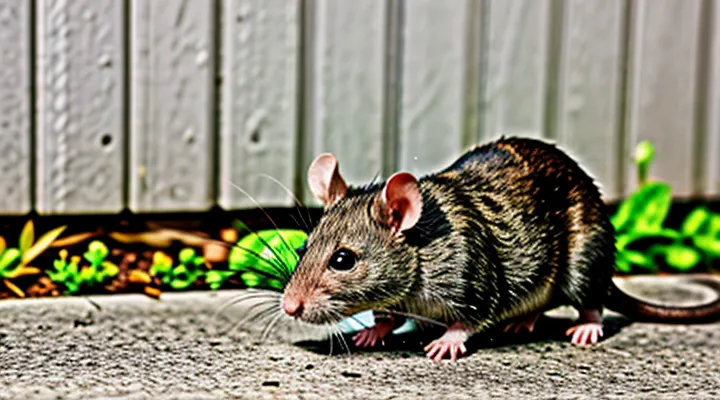
Understanding Belly Crawling in Rats
What is Belly Crawling?
Normal Rat Locomotion
Rats move primarily on four legs, employing a digitigrade stance that positions the toes beneath the heel. Each stride consists of a coordinated sequence: a diagonal pair of limbs contacts the substrate, followed by the opposite pair, producing a regular alternating gait. Muscle groups in the hind limbs generate propulsion, while forelimb muscles provide balance and steering. The spinal column flexes rhythmically, allowing the torso to remain level and the head to maintain forward orientation.
Normal locomotion relies on:
- Strong, flexible lumbar vertebrae that support rapid torso rotation.
- Well‑developed gluteal and quadriceps muscles for thrust.
- Precise sensory feedback from whiskers and plantar pads to adjust stride length.
- Efficient energy transfer through a supple pelvic girdle.
When a rat adopts a ventral crawling posture, the usual gait pattern is disrupted. Causes include neurological impairment, spinal injury, or severe pain that limits hind‑limb use. Prevention focuses on maintaining musculoskeletal health, providing a stable, obstacle‑free environment, and monitoring for signs of discomfort that could trigger abnormal movement. Regular veterinary assessment and enrichment that encourages natural climbing and running reduce the likelihood of belly‑crawling episodes.
Abnormal Movement Patterns
Abnormal movement patterns in rats that involve ventral crawling indicate physiological or environmental disturbances. This locomotion differs from typical quadrupedal gait and often signals pain, neurological impairment, or musculoskeletal weakness.
Common triggers include:
- Spinal or peripheral nerve injury reducing hind‑limb function.
- Severe abdominal discomfort caused by gastrointestinal obstruction, peritonitis, or organ enlargement.
- Muscular atrophy or joint degeneration limiting rear‑leg support.
- Stressful housing conditions such as inadequate bedding, excessive humidity, or temperature extremes that compromise balance.
Diagnostic evaluation should consist of a thorough physical exam, neurologic reflex testing, and imaging (radiography or MRI) when structural lesions are suspected. Laboratory analysis of blood and urine can reveal metabolic or infectious contributors.
Preventive measures focus on maintaining optimal health and environment:
- Provide balanced nutrition rich in protein, calcium, and vitamins to support muscle and bone integrity.
- Ensure cage design offers stable footing, ample space, and appropriate enrichment to reduce stress.
- Monitor temperature and humidity within species‑specific ranges to prevent thermal discomfort.
- Conduct regular health screenings for early detection of orthopedic or neurologic disorders.
- Implement prompt veterinary care for injuries, infections, or digestive problems to avoid progression to ventral crawling.
Consistent observation of locomotor behavior, combined with proactive husbandry, reduces the incidence of abnormal ventral movement and promotes overall welfare.
Why Do Rats Crawl on Their Bellies?
Neurological Issues
Abnormal ventral locomotion in rats often signals dysfunction within the central nervous system. Damage to the spinal cord, particularly the dorsal columns, can disrupt proprioceptive feedback, prompting the animal to adopt a belly‑crawling posture for stability. Cerebellar lesions impair coordination, leading to uncontrolled, low‑to‑ground movement. Peripheral neuropathies that reduce hind‑limb sensation also contribute, as the rat compensates by using the abdomen as a support surface.
Typical neurological indicators accompany belly crawling. Observe for tremors, ataxia, or loss of righting reflex. Conduct a gait analysis to detect asymmetry, and employ reflex testing (e.g., pinna, tail) to assess sensory pathways. Magnetic resonance imaging or computed tomography can confirm structural lesions, while electrophysiological studies reveal peripheral nerve deficits.
Preventive strategies focus on minimizing neurotoxic exposure and maintaining spinal health.
- Provide a diet rich in omega‑3 fatty acids and antioxidants to protect neuronal membranes.
- Ensure cage design eliminates sharp objects and excessive height that increase risk of spinal trauma.
- Schedule regular health checks, including neurologic examinations, for early detection of deficits.
- Avoid the use of neurotoxic chemicals (e.g., certain pesticides) in the animal’s environment.
Early identification of neurological impairment reduces the likelihood of persistent belly crawling and supports overall welfare.
Spinal Cord Injuries
Spinal cord injuries in rodents often manifest as ventral‑side locomotion, a gait where the animal moves on its belly due to loss of hindlimb function. The condition results from disruption of neural pathways that coordinate posterior musculature.
Typical causes include:
- Acute trauma such as blunt force or compression injuries.
- Infectious agents that produce inflammatory lesions in the spinal canal.
- Congenital malformations affecting vertebral alignment.
- Exposure to neurotoxic substances that degrade myelin.
- Genetic modifications that predispose to neurodegeneration.
Observable consequences comprise belly‑crawling, diminished reflexes in the hind limbs, and impaired balance. Neurological examination reveals reduced motor scores, while magnetic resonance imaging or histological analysis confirms lesion location and severity.
Preventive measures focus on minimizing risk factors and supporting neural health:
- Provide cages with smooth surfaces and rounded edges to avoid accidental compression.
- Implement gentle handling protocols that exclude tail pulling or forced restraint.
- Maintain a pathogen‑free environment; regularly sterilize bedding and equipment.
- Supply a balanced diet rich in vitamins B12 and E, which support myelin integrity.
- Conduct routine health checks; record gait changes and intervene promptly with analgesics or anti‑inflammatory agents when early signs appear.
- For research colonies, employ genetic screening to exclude strains with known susceptibility to spinal pathology.
Adhering to these practices reduces the incidence of spinal cord damage and consequently lowers the prevalence of ventral‑side crawling behavior in laboratory rats.
Brain Tumors
Brain tumors can disrupt neural pathways that regulate posture and motor coordination. When a tumor compresses or infiltrates regions such as the cerebellum, vestibular nuclei, or spinal cord, rats may lose the ability to maintain upright locomotion and resort to ventral crawling. This abnormal gait reflects compromised balance, weakened hind‑limb control, and altered proprioceptive feedback.
The presence of intracranial neoplasms also interferes with neurotransmitter balance. Elevated intracranial pressure and edema impair signal transmission between the brainstem and spinal motor centers, further encouraging a low‑profile, belly‑first movement pattern. Observations in laboratory rodents show a direct correlation between tumor growth rate and the frequency of ventral crawling episodes.
Preventive strategies focus on early detection and mitigation of tumor‑induced neurological deficits:
- Routine magnetic resonance imaging for at‑risk colonies, targeting cerebellar and brainstem regions.
- Administration of anti‑angiogenic agents to limit tumor vascularization and subsequent edema.
- Implementation of neuroprotective diets rich in omega‑3 fatty acids and antioxidants to reduce oxidative stress on neural tissue.
- Environmental enrichment that promotes normal gait training, discouraging compensatory belly crawling.
By addressing tumor development promptly and supporting neural integrity, researchers can reduce the incidence of ventral crawling behavior and improve overall motor function in affected rats.
Stroke
Stroke disrupts cerebral blood flow, causing neuronal injury, motor deficits, and sensory loss. In rodent models, ischemic damage often impairs hind‑limb coordination and trunk stability, producing a characteristic ventral crawling pattern where the animal moves on its belly.
Experimental observations link this belly‑down locomotion to deficits in the corticospinal tract and vestibular nuclei. The behavior serves as a quantifiable endpoint for assessing stroke severity and therapeutic efficacy. Researchers record the frequency and duration of abdominal crawling to evaluate functional recovery after cerebral occlusion.
Preventing stroke‑induced ventral crawling in laboratory rats involves three main approaches:
- Optimize vascular health: maintain normotensive, normoglycemic conditions; provide balanced diet low in saturated fats.
- Apply neuroprotective interventions: administer agents that limit excitotoxicity and oxidative stress immediately after ischemia.
- Implement structured rehabilitation: conduct daily treadmill training, balance exercises, and tactile stimulation to promote fore‑ and hind‑limb coordination.
Each measure reduces the likelihood of abdominal locomotion by preserving neural pathways essential for upright gait. Continuous monitoring of crawling behavior remains a reliable indicator of stroke impact and treatment success.
Inner Ear Problems
Rats that move forward while lying on their abdomen often exhibit this posture because of vestibular disturbances. The inner ear houses the semicircular canals and otolith organs, which detect head position and motion. Damage or infection in these structures disrupts balance signals, prompting the animal to adopt a belly‑crawling gait to compensate for perceived instability.
Common contributors to inner ear dysfunction in rodents include:
- Bacterial or fungal infections of the middle ear that spread to the vestibular apparatus.
- Traumatic injury to the skull or neck, causing hemorrhage or edema within the labyrinth.
- Exposure to ototoxic substances such as certain antibiotics, heavy metals, or pesticides.
- Age‑related degeneration of hair cells and supporting tissues.
Preventive measures focus on maintaining ear health and reducing exposure to risk factors:
- Keep housing environments clean and dry to limit microbial growth.
- Implement regular health checks that assess ear discharge, swelling, and auditory response.
- Avoid using known ototoxic chemicals in feed, water, or cleaning agents; substitute with safer alternatives when possible.
- Provide a balanced diet rich in antioxidants and essential nutrients that support neural and sensory cell integrity.
When a rat displays persistent belly‑crawling, immediate veterinary evaluation is essential. Diagnostic steps typically involve otoscopic examination, auditory brainstem response testing, and imaging to identify structural lesions. Early intervention, such as antimicrobial therapy or removal of the offending toxin, can restore vestibular function and eliminate the abnormal locomotion.
Musculoskeletal Problems
Rats that move forward while lying on their ventral side often exhibit musculoskeletal abnormalities that compromise locomotion and increase injury risk. The posture places excessive strain on the lumbar vertebrae, sacroiliac joints, and hind‑limb musculature, leading to chronic pain, reduced range of motion, and altered gait patterns.
Key contributors to these disorders include:
- Overweight condition that adds load to the spine and pelvic girdle.
- Nutritional deficiencies, particularly low calcium or vitamin D, which weaken bone tissue.
- Genetic predisposition to spinal malformations such as scoliosis or kyphosis.
- Inadequate cage enrichment that limits natural climbing and stretching activities, causing muscle atrophy.
Preventive measures focus on correcting the underlying mechanical stresses and supporting skeletal health:
- Maintain body weight within the species‑specific optimal range through balanced diet and regular monitoring.
- Provide calcium‑rich feed supplements and ensure exposure to ultraviolet light or vitamin D enrichment.
- Introduce structural elements—ramps, platforms, tunnels—that encourage upright movement and full‑body stretching.
- Conduct routine veterinary examinations to detect early signs of vertebral misalignment or joint degeneration.
- Apply soft bedding material to reduce pressure on the ventral surface during prolonged crawling.
By addressing these factors, caretakers can reduce the incidence of musculoskeletal problems associated with belly‑crawling behavior, promote normal posture, and enhance overall welfare.
Arthritis
Rats that move belly‑first across surfaces often exhibit this posture because joint inflammation restricts normal locomotion. Arthritis, the degeneration or inflammation of synovial joints, compromises limb flexibility and forces affected animals to adopt alternative movement patterns to reduce discomfort.
In rodents, arthritis manifests as cartilage erosion, synovial membrane swelling, and periarticular bone changes. Primary forms include spontaneous age‑related osteoarthritis and immune‑mediated rheumatoid arthritis. Clinical signs comprise reduced stride length, reluctance to climb, and increased time spent on the abdomen.
Joint pain limits extension of the forelimbs, prompting the animal to shift weight onto the ventral body. The belly‑first crawl distributes load across a broader surface, alleviating pressure on inflamed joints. Observation of this behavior therefore serves as an early indicator of musculoskeletal disease.
Risk factors encompass advanced age, genetic predisposition, high‑fat diets, insufficient exercise, and exposure to abrasive bedding. Environmental stressors such as overcrowding or poor ventilation exacerbate inflammatory processes.
Preventive actions focus on reducing joint stress and monitoring health status:
- Provide balanced nutrition rich in omega‑3 fatty acids and low in saturated fats.
- Ensure regular physical activity through climbing structures and tunnels.
- Maintain clean, low‑abrasion bedding to minimize joint irritation.
- Schedule periodic veterinary examinations, including radiographic assessment for early cartilage loss.
- Apply weight‑management protocols to avoid excess load on joints.
Implementing these measures diminishes the likelihood of arthritis development and curtails the need for compensatory belly‑first locomotion in rats.
Fractures or Sprains
Rats that move on their abdomen can sustain skeletal injuries when the activity is forced or occurs on unsuitable surfaces. The pressure exerted on the forelimbs and spine may exceed the bone’s tolerance, leading to fractures or sprains. Injuries often appear after a sudden slip, an abrupt stop, or when a rat is lifted improperly while in this position.
Common mechanisms include:
- Slippery flooring that causes loss of traction.
- Narrow tunnels that force the animal to twist its limbs.
- Rough handling that jerks the body during belly crawling.
- Inadequate support when the rat is transferred while on its stomach.
Preventive measures focus on environmental design and handling technique. Provide textured, non‑slippery surfaces to maintain grip. Ensure passageways are wide enough to allow natural posture changes without excessive bending. When moving a rat in this posture, support both the thorax and hindquarters to distribute load evenly. Regularly inspect the animal for swelling, reduced mobility, or abnormal gait, and seek veterinary assessment promptly if symptoms arise.
Muscle Weakness or Atrophy
Muscle weakness or atrophy reduces the ability of a rat’s dorsal and abdominal musculature to support normal locomotion, forcing the animal to adopt a belly‑crawling posture. Degeneration of the longissimus dorsi, rectus abdominis, and intercostal fibers limits spinal extension and thoracic stability, resulting in a flattened spine and increased friction of the ventral surface against the substrate. Neuromuscular disorders, chronic malnutrition, and prolonged immobilization accelerate fiber loss, making the belly‑crawling gait a visible indicator of underlying muscular decline.
Prevention focuses on preserving muscle bulk and strength:
- Provide a balanced diet rich in high‑quality protein, essential amino acids, and micronutrients that support protein synthesis.
- Implement daily enrichment activities that encourage climbing, jumping, and twisting motions to stimulate the dorsal and abdominal groups.
- Monitor weight and body condition; intervene promptly when rapid loss or reduced intake is observed.
- Conduct regular veterinary examinations to detect early signs of neuromuscular disease and to adjust treatment plans accordingly.
- Ensure cage designs include varied textures and inclines that require the rat to engage core muscles during navigation.
Nutritional Deficiencies Affecting Bone/Muscle Health
Rats that adopt a belly‑crawling posture often exhibit weakened skeletal and muscular systems. Insufficient intake of calcium, phosphorus, and vitamin D compromises bone mineralization, leading to reduced structural support and a tendency to seek low‑profile movement. Deficits in magnesium and vitamin K further impair calcium metabolism, aggravating skeletal fragility.
Protein shortage limits the synthesis of contractile fibers and collagen, diminishing muscle strength and endurance. Without adequate lysine, methionine, and branched‑chain amino acids, rats cannot maintain optimal muscle mass, increasing reliance on passive locomotion such as belly‑crawling.
Key micronutrient gaps influencing bone and muscle health include:
- Calcium – essential for hydroxyapatite formation; deficiency reduces bone density.
- Phosphorus – partners with calcium in mineral deposition; low levels disrupt skeletal integrity.
- Vitamin D – regulates intestinal calcium absorption; insufficiency leads to hypocalcemia.
- Magnesium – co‑factor for enzymes in bone turnover; deficiency hampers remodeling.
- Vitamin K – activates osteocalcin; lack impairs bone matrix binding.
- Protein (essential amino acids) – provides building blocks for muscle fibers; shortage weakens contractility.
Preventive measures focus on balanced diets that meet the recommended ratios of these nutrients. Formulating feed with fortified calcium sources, phosphorus‑rich grains, vitamin D supplementation, and high‑quality protein reduces the likelihood of skeletal weakness and the associated abnormal crawling behavior. Regular monitoring of serum mineral levels allows early correction of deficiencies before musculoskeletal compromise manifests.
Environmental Factors
Rats sometimes adopt a belly‑crawling posture when environmental conditions make the usual upright movement inefficient or risky. This behavior often signals an attempt to navigate low‑clearance spaces, conserve heat, or avoid detection.
- High ambient temperature reduces the need for thermoregulatory postures, encouraging ground‑level movement.
- Elevated humidity softens substrates, making it easier for rats to slide on their ventral side.
- Dense vegetation or clutter creates narrow gaps that force a flattened body shape.
- Low light levels diminish visual cues, prompting tactile exploration close to the floor.
- Presence of predators or aggressive conspecifics triggers a low‑profile escape route.
- Uneven distribution of food sources near the ground motivates direct, belly‑first access.
Each factor alters the physical or perceived safety of the environment, leading rats to favor a ventral crawl over a standing gait. Temperature and humidity affect muscle efficiency and skin moisture, while structural constraints dictate the feasible body orientation. Sensory deprivation and threat perception increase the advantage of a concealed, ground‑hugging posture.
Preventive actions focus on modifying the habitat to eliminate triggers:
- Maintain stable, moderate temperatures (18‑22 °C) to discourage heat‑driven crawling.
- Control humidity levels below 60 % to keep substrates firm.
- Reduce ground‑level clutter by clearing debris and trimming vegetation.
- Ensure sufficient illumination in storage and laboratory areas.
- Implement predator‑exclusion measures, such as secure enclosures and reduced inter‑species contact.
- Distribute food in elevated feeders to discourage ground‑level foraging.
By adjusting these environmental parameters, the incidence of belly‑crawling in rat populations can be significantly reduced.
Slippery Surfaces
Rats frequently adopt a belly‑first crawling position when the ground offers insufficient traction. The loss of grip forces the animal to lower its body, increasing surface contact to maintain stability.
Factors that create low‑friction conditions include:
- accumulation of moisture from spills or condensation;
- presence of oil, grease, or animal secretions;
- smooth materials such as polished metal, glazed tile, or sealed concrete;
- recent cleaning agents that leave a slippery film.
Preventive actions focus on restoring adequate friction:
- promptly mop or vacuum liquid residues; dry surfaces before allowing animal traffic;
- apply anti‑slip treatments (e.g., textured coatings, grit additives) to smooth floors;
- replace or treat high‑gloss surfaces with abrasive finishes;
- schedule regular inspections to detect and remove contaminant buildup.
Maintaining a high‑traction environment reduces the likelihood of belly‑first crawling, supporting healthier movement patterns for rats.
Cold Temperatures
Cold temperatures reduce a rat’s core body heat, prompting the animal to adopt a belly‑down posture to conserve warmth. The ventral surface contacts the ground, decreasing exposed surface area and limiting heat loss through convection. Muscular shivering intensifies, and peripheral circulation redirects blood toward vital organs, further encouraging this crawling behavior.
Low ambient temperatures also impair a rat’s vestibular function, making balance more difficult. The belly‑first crawl provides a stable, low‑center‑of‑gravity stance, reducing the risk of falls on slick or icy surfaces. In environments where floor temperatures drop below 10 °C (50 °F), the frequency of this posture increases markedly.
Preventive actions focus on maintaining ambient warmth and eliminating cold surfaces:
- Install heating pads or radiant floor systems in areas where rats are housed.
- Use insulated bedding materials that retain heat without causing overheating.
- Set room temperature between 20 °C and 24 °C (68 °F–75 °F) and monitor with calibrated thermometers.
- Seal drafts and replace cold floor tiles with warm, non‑slippery substrates.
- Provide supplemental heat sources, such as ceramic heat emitters, during winter months.
By controlling temperature and surface conditions, the need for rats to crawl on their bellies diminishes, reducing stress and the risk of injury associated with prolonged low‑temperature exposure.
Confined Spaces
Rats often resort to ventral locomotion when navigating tunnels, ducts, or storage compartments that restrict vertical clearance. The limited height forces the animal to press its body against the surface, resulting in belly‑first movement.
Factors that induce belly‑down crawling in tight environments
- Height lower than the rat’s shoulder line eliminates the possibility of upright gait.
- Rough or slippery flooring reduces traction for the hind limbs, encouraging a low‑profile crawl.
- Presence of debris or obstructions creates narrow passages that only a flattened posture can negotiate.
- High humidity or temperature inside the enclosure can increase the animal’s tendency to seek cooler, more concealed routes, often found in low‑lying spaces.
Preventive actions for facilities and pest‑management programs
- Maintain clearance of at least 4 inches above the floor in utility shafts and crawl spaces to allow normal gait.
- Install smooth, non‑slip surfaces to improve hind‑limb traction and discourage ventral movement.
- Regularly remove accumulated waste, insulation, or stored items that create constricted channels.
- Apply sealants or barriers to potential entry points, reducing the need for rats to exploit confined routes.
- Monitor temperature and humidity levels; keep them within ranges that do not promote excessive seeking of low‑profile pathways.
Implementing these measures reduces the frequency of ventral crawling, limits rat access to hidden areas, and improves the effectiveness of control strategies.
Pain or Discomfort
Rats that move belly‑down often experience musculoskeletal strain, abdominal pressure, or skin irritation. The posture forces the spine into an unnatural angle, compressing intervertebral discs and overloading lumbar muscles. Simultaneously, the ventral surface contacts hard substrates, leading to abrasions, dermatitis, or pressure sores. Observable signs include reduced activity, vocalizations, hunched posture, and localized swelling.
Underlying factors increase the likelihood of discomfort. Overcrowding forces rats to adopt alternative locomotion to navigate limited space. Inadequate bedding material provides insufficient cushioning, amplifying pressure on the ventral skin. Nutritional deficiencies weaken connective tissue, reducing tolerance to abnormal postures. Parasitic infestations or existing injuries can also exacerbate pain during belly‑down movement.
Preventive actions focus on habitat design, health monitoring, and nutrition:
- Provide deep, soft bedding (e.g., shredded paper, aspen shavings) that distributes weight evenly.
- Maintain cage dimensions that allow free movement without the need for belly‑down crawling.
- Conduct regular health checks for skin lesions, swelling, or abnormal gait.
- Supply a balanced diet rich in calcium and vitamin D to support musculoskeletal health.
- Treat ectoparasites promptly and manage existing injuries before they worsen.
Implementing these measures reduces the incidence of pain associated with ventral locomotion, promoting overall well‑being and normal activity patterns in captive rats.
Abdominal Pain
Abdominal discomfort in rodents that adopt a ventral‑crawling posture often results from mechanical stress, skin irritation, and secondary infection. The pressure exerted on the abdomen during prolonged belly‑down movement can compress internal organs, leading to spasms of the gastrointestinal tract and heightened sensitivity of visceral nerves. Friction between the abdominal skin and surrounding surfaces may cause micro‑abrasions, providing entry points for bacteria and prompting inflammatory responses that manifest as pain.
Key factors contributing to abdominal pain in this context include:
- Excessive duration of belly‑down activity, which increases intra‑abdominal pressure.
- Unsanitary bedding or surfaces that harbor pathogenic microorganisms.
- Inadequate nutritional support, weakening tissue resilience and immune defenses.
- Stressful environmental conditions that amplify muscular tension and visceral sensitivity.
Prevention strategies focus on reducing mechanical load, maintaining hygiene, and supporting overall health:
- Provide elevated platforms or tunnels that encourage alternative locomotion and limit time spent on the ventral side.
- Use low‑dust, absorbent bedding regularly replaced to diminish bacterial growth.
- Ensure balanced diet rich in nutrients that promote tissue repair and immune function.
- Monitor enclosure temperature and humidity to prevent stress‑induced muscle tightening.
- Conduct routine veterinary examinations to detect early signs of inflammation or infection.
Implementing these measures minimizes the likelihood of abdominal pain associated with ventral crawling, supports animal welfare, and reduces the need for medical intervention.
Foot or Leg Injuries
Rats that move forward while lying on their ventral side frequently sustain injuries to their paws or hind limbs. The posture places excessive pressure on the digits, stretches tendons, and subjects the ankle joint to abnormal angles. Trauma often results from slipping on smooth surfaces, striking obstacles, or overextending the hind limbs while attempting to push forward.
Typical injury patterns include:
- Bruising of the metatarsal pads
- Sprains of the ankle ligaments
- Fractures of the distal phalanges
- Tendon strains in the calf muscles
Preventive measures focus on environmental modification and handling techniques:
- Provide textured flooring that offers grip, such as rubber mats or coarse wood chips.
- Keep enclosure pathways clear of protruding objects that could be struck.
- Limit the duration of belly‑crawling sessions; rotate activities to reduce repetitive stress.
- Use gentle encouragement rather than forceful pushing to initiate movement.
- Monitor rats for early signs of swelling, limping, or reluctance to bear weight and intervene promptly.
Regular health checks should include visual inspection of the paws and hind legs, palpation for tenderness, and assessment of gait. Early detection combined with proper habitat design minimizes the risk of foot or leg injuries associated with this locomotion style.
Other Medical Conditions
Rats that move forward on their bellies often exhibit this behavior due to underlying health problems beyond the typical musculoskeletal or neurological issues. Recognizing additional medical conditions helps veterinarians and caretakers differentiate between primary causes and secondary complications, enabling targeted intervention.
Common medical conditions associated with ventral crawling include:
- Respiratory distress that forces the animal to adopt a low‑profile posture to ease breathing.
- Severe abdominal pain from gastrointestinal obstruction, ulceration, or peritonitis.
- Systemic infections such as sepsis, which can produce weakness and altered gait.
- Metabolic disorders like hypoglycemia or electrolyte imbalance that impair muscle coordination.
- Toxic exposure to substances that depress the central nervous system, leading to loss of normal locomotor control.
Preventive measures focus on early detection and management of these health issues. Routine health assessments should monitor respiratory sounds, abdominal tenderness, and blood chemistry. Prompt treatment of infections, timely surgical correction of digestive blockages, and strict control of diet and environmental toxins reduce the likelihood of ventral locomotion. Maintaining clean housing, providing balanced nutrition, and ensuring regular veterinary check‑ups create conditions that discourage the emergence of these secondary medical problems.
Parasitic Infestations
Parasitic infestations are a primary factor behind abnormal belly‑crawling behavior observed in laboratory and urban rats. Adult rats infected with intestinal nematodes, cestodes, or ectoparasites such as mites experience abdominal discomfort, muscle weakness, and altered gait, prompting them to drag their ventral surface while moving.
Common parasites implicated include:
- Hymenolepis spp. (dwarf tapeworm) – induces abdominal pain and reduced hind‑limb strength.
- Syphacia muris (rodent pinworm) – causes irritation of the perianal region and general malaise.
- Myobia musculi (fur mite) – leads to skin inflammation and restricted mobility.
- Protozoa (e.g., Trichomonas spp.) – affect gastrointestinal function and energy levels.
Effective prevention relies on systematic sanitation and targeted antiparasitic protocols. Recommended actions are:
- Implement routine fecal examinations to identify infestations early.
- Apply broad‑spectrum anthelmintics (e.g., ivermectin, pyrantel) according to veterinary dosage schedules.
- Maintain low‑density housing, ensuring bedding is replaced weekly and droppings removed promptly.
- Use environmental treatments such as diatomaceous earth or pyrethrin sprays to control ectoparasites.
- Monitor water sources for contamination; install filtration systems where necessary.
Consistent application of these measures reduces parasite load, restores normal locomotion, and mitigates the risk of belly‑crawling incidents in rat populations.
Organ Dysfunction
Rats that move on their ventral side often exhibit underlying organ impairment. Dysfunction of the gastrointestinal tract can cause abdominal discomfort, prompting the animal to adopt a low‑profile posture to relieve pressure. Hepatic insufficiency reduces bile production, leading to bile acid accumulation that may trigger similar behavior. Renal failure results in fluid imbalance and edema, making the abdomen heavy and encouraging ventral locomotion. Neurological deficits, particularly in the cerebellum or vestibular system, impair balance, causing the rat to crawl on its belly for stability.
Preventive measures focus on maintaining organ health:
- Provide a balanced diet rich in fiber, protein, and essential vitamins to support digestive and hepatic function.
- Ensure constant access to clean water to promote renal clearance and prevent dehydration.
- Conduct regular health screenings, including blood chemistry and urinalysis, to detect early signs of organ compromise.
- Minimize exposure to toxins, such as heavy metals or rodenticides, that can damage liver and kidney tissue.
- Offer environmental enrichment that encourages normal locomotion and reduces stress‑induced physiological disturbances.
Addressing organ dysfunction directly reduces the likelihood of ventral crawling and improves overall welfare.
Systemic Infections
Systemic infections can trigger the belly‑down crawling posture observed in laboratory rats, often signaling underlying physiological distress. Pathogens that disseminate throughout the body disrupt normal neuromuscular control, leading to abnormal locomotion patterns.
Typical agents include:
- Gram‑negative bacteria such as Salmonella spp. and Leptospira spp., which spread via the bloodstream and induce endotoxemia.
- Gram‑positive bacteria like Staphylococcus aureus and Streptococcus spp., capable of causing septicemia and organ inflammation.
- Viral agents including rat coronavirus and hantavirus, which produce systemic viremia and CNS involvement.
- Protozoal parasites such as Toxoplasma gondii, which can cross the blood‑brain barrier and affect motor function.
Diagnosis relies on:
- Clinical observation of the abnormal crawling behavior.
- Blood cultures and polymerase chain reaction assays to identify circulating pathogens.
- Imaging or necropsy when organ involvement is suspected.
Prevention focuses on biosecurity and health monitoring:
- Implement barrier housing and restrict personnel movement between colonies.
- Conduct routine health screens for bacterial, viral, and parasitic agents.
- Apply sterilization protocols to feed, water, and bedding.
- Quarantine new arrivals for a minimum of four weeks with comprehensive testing.
- Maintain optimal environmental conditions to reduce stress‑induced immunosuppression.
Adhering to these measures minimizes the incidence of systemic infections and the associated abnormal locomotor signs in rat colonies.
Preventing Belly Crawling and Promoting Rat Health
Environmental Modifications
Providing Appropriate Substrate
Rats that move on their bellies often signal discomfort, musculoskeletal strain, or environmental stress. One of the most effective measures to reduce this behavior is the selection and maintenance of an appropriate substrate.
A suitable substrate must meet several criteria:
- Texture: Soft, yet supportive material such as shredded paper, aspen bedding, or high‑quality wood shavings prevents pressure points on the ventral surface.
- Depth: A minimum of 2–3 inches allows natural digging and nesting, encouraging upright locomotion.
- Absorbency: High moisture‑wicking capacity keeps the environment dry, reducing skin irritation that can trigger belly crawling.
- Cleanliness: Daily spot cleaning and weekly full changes eliminate ammonia buildup and parasites, both of which contribute to discomfort.
- Non‑toxic composition: Avoid cedar or pine shavings, which release aromatic oils harmful to respiratory and skin health.
Implementation steps:
- Choose a substrate that satisfies the texture, depth, and absorbency requirements.
- Distribute the material evenly across the cage floor, ensuring no hard edges or clumps.
- Establish a cleaning schedule: remove soiled portions daily, replace the entire base weekly.
- Monitor the rat’s behavior after changes; a decrease in ventral locomotion indicates effectiveness.
Providing the right substrate addresses mechanical support, skin health, and environmental hygiene, thereby minimizing the incentive for rats to crawl on their bellies.
Ensuring Optimal Temperature
Maintaining an appropriate ambient temperature is essential for preventing rodents from adopting a belly‑crawling posture, which often signals discomfort or stress. Excess heat or cold can trigger musculoskeletal tension, prompting the animal to seek relief by flattening its body against a surface.
Key temperature parameters:
- Ambient range: 68–74 °F (20–23 °C) for adult rats; juveniles tolerate slightly higher limits, up to 77 °F (25 °C).
- Night‑time stability: fluctuations should not exceed ±2 °F (±1 °C) to avoid sudden thermal stress.
- Substrate temperature: bedding and nesting materials must remain within the ambient range; direct sunlight or drafts can create localized extremes.
Practical measures:
- Install thermostatically controlled heating and cooling units to sustain the target range.
- Use insulated cages or enclosures that shield against external temperature swings.
- Monitor temperature with calibrated digital probes placed at animal level; record readings at least twice daily.
- Adjust ventilation to prevent humidity spikes, which can amplify perceived temperature changes.
Consistent adherence to these guidelines reduces the likelihood of belly‑crawling behavior, supporting overall musculoskeletal health and minimizing the need for additional interventions.
Creating a Safe and Stimulating Habitat
A well‑designed enclosure reduces the likelihood of abdominal crawling by addressing the animal’s need for security and mental stimulation. When rats perceive their environment as unsafe or monotonous, they may adopt a belly‑down posture to explore confined spaces, a behavior linked to stress and musculoskeletal strain.
- Provide a solid, non‑slippery substrate such as reclaimed wood shavings or paper bedding.
- Maintain ambient temperature between 68–74 °F (20–23 °C) and relative humidity around 50 %.
- Ensure vertical and horizontal space that allows climbing, nesting, and retreating.
- Install chew‑safe objects, tunnels, and hideouts to encourage natural foraging and exploration.
Routine maintenance supports the habitat’s protective function. Clean waste daily, replace soiled bedding weekly, and inspect enrichment items for wear. Use only food‑grade plastics, untreated wood, and stainless‑steel accessories to prevent ingestion of toxic residues. Rotate toys and rearrange structures every two weeks to sustain novelty and prevent habituation.
By integrating these elements, caretakers create an environment that discourages belly‑down crawling, promotes healthy movement patterns, and enhances overall well‑being.
Dietary Considerations
Balanced Nutrition
Rats that move belly‑down often display this posture due to weakness or discomfort caused by inadequate dietary intake. Insufficient protein, essential fatty acids, vitamins and minerals can impair muscle tone and joint stability, prompting the animal to adopt a low‑profile crawling style.
A diet that meets the following criteria supports musculoskeletal health and reduces the likelihood of this behavior:
- High‑quality animal protein supplying at least 20 % of total calories.
- Balanced omega‑3 and omega‑6 fatty acids for membrane integrity.
- Adequate calcium and phosphorus in a 1.2 : 1 ratio to maintain bone density.
- Vitamins A, D, E and the B‑complex group to support nerve function and energy metabolism.
- Clean water available at all times.
Feeding practices that reinforce balanced nutrition include:
- Providing fresh food daily and discarding leftovers to prevent spoilage.
- Offering a variety of protein sources (e.g., lean meat, eggs, low‑fat dairy) alongside fortified grain products.
- Supplementing with a commercially formulated rodent vitamin‑mineral mix according to label directions.
- Monitoring body condition scores weekly and adjusting portions to maintain a healthy weight.
Consistent application of these nutritional standards strengthens muscular and skeletal systems, thereby decreasing the incidence of belly‑down crawling and promoting overall well‑being.
Supplementation for Joint or Bone Health
Supplementation targeted at joint and bone health can mitigate musculoskeletal factors that contribute to abnormal ventral locomotion in rodents. Deficiencies in calcium, vitamin D, magnesium, and omega‑3 fatty acids weaken cartilage and bone integrity, increasing the likelihood of discomfort that prompts rats to crawl on their bellies. Adequate intake of these nutrients supports structural stability, reduces inflammation, and enhances mobility, thereby decreasing the incidence of this behavior.
Key nutrients and their functional impact:
- Calcium – essential for bone mineralization; deficiency leads to osteopenia and altered gait.
- Vitamin D – facilitates calcium absorption; low levels impair bone density and muscle function.
- Magnesium – participates in bone formation and neuromuscular transmission; insufficiency may cause muscle cramps.
- Omega‑3 fatty acids – modulate inflammatory pathways; reduce joint swelling and pain.
- Glucosamine and chondroitin – provide building blocks for cartilage; promote joint resilience.
Implementation guidelines:
- Provide a balanced diet enriched with high‑quality sources of the listed nutrients.
- Supplement with calibrated doses according to the animal’s weight and age; avoid excessive intake that could cause toxicity.
- Monitor serum levels of calcium, vitamin D, and magnesium periodically to ensure adequacy.
- Combine nutritional support with environmental enrichment and regular physical activity to strengthen musculoskeletal structures.
By maintaining optimal joint and bone nutrition, the underlying physiological triggers for ventral crawling are addressed, contributing to healthier locomotor patterns and reduced need for preventive interventions.
Regular Health Monitoring
Daily Observation
Daily observation of rodents that move on their bellies provides direct insight into underlying health and environmental factors. Noting the time of day, frequency, and accompanying behaviors helps differentiate normal exploratory activity from symptom-driven movement.
Key observations include:
- Presence of abdominal swelling or visible lesions.
- Changes in appetite, grooming, or activity level.
- Environmental cues such as damp bedding, overcrowding, or sudden temperature shifts.
When belly‑crawling appears repeatedly, common causes are gastrointestinal distress, respiratory infection, or neurological impairment. Stressors like poor ventilation, inadequate nutrition, or exposure to toxins can exacerbate these conditions, prompting the animal to adopt a low‑profile posture.
Prevention relies on systematic management:
- Maintain clean, dry housing with regular litter changes.
- Provide balanced diet enriched with fiber and hydration.
- Ensure proper ventilation and temperature control.
- Limit population density to reduce aggression and disease transmission.
- Conduct routine health checks, focusing on weight, coat condition, and respiratory sounds.
Consistent documentation of each incident, paired with immediate corrective actions, reduces recurrence and supports overall colony welfare.
Routine Veterinary Check-ups
Routine veterinary examinations provide the most reliable method for identifying health problems that can cause a rat to adopt a belly‑crawling posture. Early detection of gastrointestinal irritation, musculoskeletal strain, or neurological impairment prevents the development of behaviors associated with discomfort or weakness.
A standard check‑up includes:
- Physical inspection of coat, eyes, ears, and limbs.
- Measurement of body weight and condition score.
- Palpation of the abdomen to assess organ size and detect pain.
- Evaluation of gait and posture for signs of spinal or limb issues.
- Fecal analysis for parasites, bacterial overgrowth, and abnormal digesta.
- Blood work to screen for metabolic disorders, anemia, or infection.
Identifying subtle changes during these assessments allows veterinarians to intervene before pain or weakness forces a rat to crawl on its belly. Treatment options may involve dietary adjustments, deworming, analgesics, or physical therapy, each targeting the underlying cause.
For optimal prevention, schedule examinations at least every three months for young or breeding rats, and biannually for mature, stable individuals. Adjust frequency if a rat exhibits weight loss, altered activity, or any sign of distress. Consistent veterinary oversight remains the most effective strategy for maintaining normal locomotion and overall health.
Early Intervention and Treatment
Recognizing Warning Signs
Recognizing early indicators of belly‑crawling behavior in rats is essential for timely intervention. Observable changes include:
- Persistent low‑lying posture with abdomen pressed against the ground.
- Reduced mobility, frequent attempts to drag the body forward rather than using limbs.
- Visible discomfort or vocalization when the animal is lifted or handled.
- Excessive grooming of the ventral area, often resulting in hair loss or skin irritation.
- Unusual weight loss despite unchanged feeding patterns.
These signs typically precede more severe conditions such as spinal injury, abdominal pain, or neurological impairment. Immediate assessment should involve a physical examination to identify trauma, swelling, or lesions, followed by veterinary diagnostics like radiography or neurologic testing. Early treatment—pain management, environmental modification, and supportive care—greatly reduces the likelihood of progression to full belly‑crawling. Continuous monitoring of posture, gait, and grooming behavior remains the most reliable method for detecting the onset of this abnormal locomotion.
Consulting a Veterinarian
When a rat repeatedly slides or crawls on its belly, the condition often signals underlying health problems that require professional assessment. Direct consultation with a qualified veterinarian provides accurate diagnosis and targeted treatment, reducing the risk of complications.
A veterinarian will typically:
- Conduct a physical examination to identify pain, weakness, or neurological deficits.
- Order diagnostic tests such as radiographs, blood panels, or fecal analysis to detect infections, metabolic disorders, or musculoskeletal injuries.
- Evaluate the rat’s environment and diet for factors that may contribute to muscular or skeletal strain.
- Recommend medication, physical therapy, or dietary adjustments based on the identified cause.
- Offer a preventive care plan, including regular health checks and environmental modifications, to minimize recurrence.
Owners should schedule an appointment promptly after noticing the behavior, provide a detailed history of the rat’s symptoms, and follow the veterinarian’s instructions for medication administration, wound care, and habitat enrichment. Early professional intervention improves recovery prospects and supports long‑term welfare.
Rehabilitation and Physical Therapy Options
Rats that move by crawling on their bellies often suffer from spinal or muscular dysfunction that limits normal locomotion. Rehabilitation focuses on restoring strength, flexibility, and coordination while minimizing pain and further injury.
Physical therapy begins with a thorough assessment of gait, posture, and range of motion. Gentle passive stretching of the lumbar and thoracic regions reduces muscle tension and improves joint mobility. Controlled active exercises, such as assisted hind‑limb stepping on a low‑profile treadmill, encourage proper weight bearing and stimulate neural pathways responsible for locomotion.
Environmental modifications support therapeutic progress. Soft, low‑friction flooring reduces strain on the ventral surface during movement. Adjustable ramps allow gradual transition from belly‑crawling to upright walking, promoting gradual load bearing on the hind limbs.
Supplementary modalities can accelerate recovery:
- Low‑intensity laser therapy to decrease inflammation and enhance tissue repair.
- Therapeutic ultrasound for deep‑tissue heating and muscle relaxation.
- Electrical stimulation of the hind‑limb muscles to improve contraction strength.
- Hydrotherapy in shallow warm water to enable weight‑supported movement with minimal joint stress.
Nutrition plays a supporting role; diets enriched with omega‑3 fatty acids and high‑quality protein provide substrates for muscle regeneration. Regular monitoring of weight and body condition prevents malnutrition that could impede healing.
A structured rehabilitation program typically follows a phased schedule: initial passive mobilization, progression to assisted active movement, and finally independent ambulation training. Consistent daily sessions, combined with caregiver guidance on handling and exercise execution, yield measurable improvements in gait symmetry and reduction of belly‑crawling behavior.
Breeding Practices
Avoiding Inbreeding
Rats that move across the floor on their bellies often exhibit this behavior because of underlying musculoskeletal or neurological weaknesses. Inbreeding concentrates deleterious alleles, increasing the likelihood of such defects. Genetic homogeneity reduces skeletal robustness, impairs nerve function, and limits the animal’s ability to maintain normal posture, all of which can trigger belly‑crawling.
Preventing inbreeding requires deliberate management of breeding populations. The following practices eliminate close‑kin matings and preserve genetic variation:
- Maintain a pedigree database that records each individual’s ancestry for at least three generations.
- Calculate the coefficient of relationship for any prospective pair; reject pairings with values above 0.125 (equivalent to first‑cousin level).
- Introduce unrelated stock from external suppliers at regular intervals to refresh the gene pool.
- Rotate breeding males among multiple cages to avoid repeated use of a single sire.
- Conduct periodic health screenings that include assessments of gait, spine integrity, and neurological reflexes; exclude individuals showing deficits from breeding.
Applying these measures reduces the incidence of inherited abnormalities that predispose rats to abnormal locomotion. Populations with higher heterozygosity display stronger musculoskeletal structures and more reliable neural coordination, thereby lowering the frequency of belly‑crawling incidents.
Selecting Healthy Stock
Selecting healthy breeding stock is a decisive factor in reducing the incidence of ventral crawling behavior in laboratory and pet rats. Genetic vigor, disease‑free status, and proper nutrition during the breeding phase directly influence musculoskeletal development and behavioral patterns.
Key criteria for evaluating prospective stock:
- Proven health records with no history of respiratory, gastrointestinal, or musculoskeletal disorders.
- Consistent body condition scores within the optimal range for the species, indicating balanced growth without excessive fat deposition.
- Absence of congenital abnormalities, particularly spinal or limb deformities, which can predispose animals to abnormal locomotion.
- Documented lineage that demonstrates stable inheritance of robust physical traits and normal activity levels.
Implementation steps:
- Request comprehensive veterinary reports for each candidate, focusing on recent screenings for pathogens such as Mycoplasma pulmonis and Salmonella spp.
- Conduct physical examinations that include gait analysis and assessment of abdominal musculature tone.
- Verify that breeding pairs have been maintained on a diet formulated to meet the nutritional requirements for growth and maintenance, avoiding excess calcium or vitamin D that could affect bone density.
- Record and monitor offspring performance, noting any emergence of belly‑crawling tendencies, and adjust breeding selections accordingly.
By adhering to these standards, facilities can minimize the risk factors that trigger ventral crawling and promote a population of rats with sound health and normal locomotor behavior.