
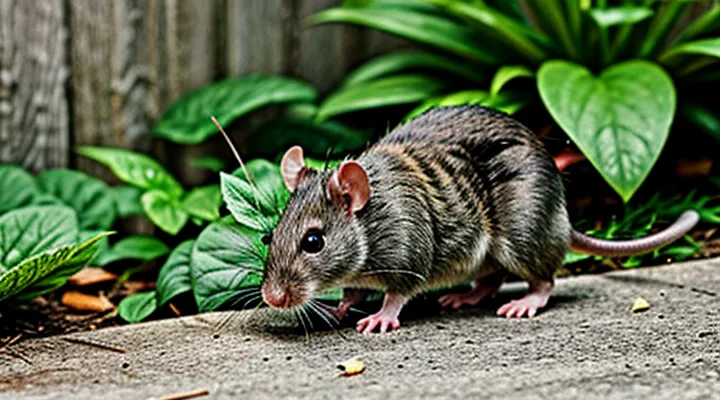
Understanding Rat Bites
Immediate Concerns After a Rat Bite
Pain and Swelling
A rat bite introduces bacteria directly into skin tissue, producing immediate pain that can range from sharp puncture to throbbing ache. The intensity often reflects the depth of the wound and the presence of nerve endings disrupted by the bite.
Swelling typically follows within minutes to hours. Fluid accumulation results from the body’s inflammatory response, which aims to isolate pathogens. Visible signs include:
- Redness spreading outward from the bite site
- Tenderness when the area is pressed
- Warmth compared with surrounding skin
If swelling expands rapidly, it may indicate cellulitis or an allergic reaction. These conditions can compromise circulation, increasing the risk of tissue necrosis and systemic infection.
Bacterial agents most commonly associated with rat bites are Streptobacillus moniliformis and Spirillum minus. Both can cause rat‑bite fever, characterized by fever, joint pain, and, in severe cases, organ dysfunction. Early symptoms of infection—excessive pain, enlarging edema, and purulent discharge—require prompt medical evaluation.
Effective management includes thorough irrigation, debridement of devitalized tissue, and appropriate antibiotic therapy. Analgesics address pain, while anti‑inflammatory agents help control swelling. Monitoring for signs of systemic involvement is essential because unchecked infection can progress to sepsis, a potentially lethal condition.
In summary, pain and swelling after a rat bite are immediate indicators of tissue injury and possible infection. Rapid assessment and treatment reduce the likelihood that these local reactions evolve into life‑threatening complications.
Bleeding and Wounds
Rat bites produce puncture wounds that can range from shallow skin lacerations to deep tissue penetration. The sharp incisors create narrow channels, often limiting external bleeding, yet damage to larger vessels may cause rapid blood loss if the bite occurs on a highly vascular area such as the neck or groin.
Bleeding severity depends on bite depth, vessel involvement, and the victim’s coagulation status. Minor punctures usually clot within minutes; however, arterial injury can lead to brisk hemorrhage, shock, and death within minutes if pressure is not applied promptly. Immediate compression with a sterile gauze or clean cloth is essential to control bleeding.
Wound contamination is a secondary threat. Rat oral flora contains Streptobacillus moniliformis, Staphylococcus aureus, and various anaerobes. Infection can progress to sepsis, which compounds blood loss by inducing disseminated intravascular coagulation. Early irrigation with saline and prophylactic antibiotics reduce this risk.
Fatal outcomes arise when one or more of the following conditions are present:
- Bite location over major arteries or veins
- Large‑mouth rat delivering deep tissue trauma
- Victim’s anticoagulant therapy or clotting disorder
- Delayed or inadequate pressure applied to the wound
- Rapid onset of systemic infection without medical intervention
Prompt hemostasis, thorough wound cleaning, and medical evaluation are decisive factors in preventing a lethal result from a rat bite.
Potential Health Risks
Bacterial Infections
Rat-Bite Fever (RBF)
Rat‑bite fever (RBF) is a bacterial infection transmitted primarily through the saliva of infected rodents, most often Norway rats. The disease is caused by Streptobacillus moniliformis in North America and by Spirillum minus in Asia. A single bite can introduce enough organisms to trigger systemic illness, making a rat bite potentially lethal if left untreated.
Typical manifestations appear 2–10 days after exposure and include:
- Sudden high fever
- Chills and sweating
- Severe headache
- Muscle and joint pain, especially in the knees, elbows, and wrists
- Red‑purple maculopapular rash, often on the extremities
- Nausea, vomiting, or diarrhea
Complications may develop rapidly, such as septicemia, endocarditis, meningitis, or pneumonia. Mortality rates range from 5 % to 10 % in untreated cases, but prompt antimicrobial therapy reduces fatal outcomes to less than 1 %.
Diagnosis relies on clinical suspicion supported by laboratory tests. Blood cultures grown under aerobic conditions frequently isolate S. moniliformis. Polymer‑chain‑reaction assays and serology provide additional confirmation, especially when cultures are negative.
Effective treatment consists of a 7‑ to 14‑day course of penicillin G or ampicillin. For patients allergic to β‑lactams, doxycycline or ceftriaxone are acceptable alternatives. Early administration of antibiotics typically resolves symptoms within 48 hours and prevents severe sequelae.
Prevention strategies include:
- Avoiding direct contact with wild or feral rats
- Wearing protective gloves when handling rodents in laboratory or pest‑control settings
- Promptly cleaning and disinfecting any bite wounds with antiseptic solution
- Seeking medical evaluation immediately after a rat bite, even if the wound appears minor
In summary, rat‑bite fever constitutes the primary health risk associated with rat bites. While the infection is treatable, delayed care can lead to life‑threatening complications, underscoring the importance of rapid medical intervention after exposure.
Tetanus
A rat bite can introduce Clostridium tetani spores into the wound, creating a realistic threat of tetanus infection. The bacteria thrive in low‑oxygen environments; a puncture or crush injury from a rodent’s teeth provides the necessary anaerobic conditions for spore germination and toxin production.
Tetanus toxin interferes with neurotransmitter release at the neuromuscular junction, leading to uncontrolled muscle contraction. Typical clinical manifestations appear within 3–21 days after exposure and include:
- Trismus (lockjaw)
- Neck and facial muscle rigidity
- Generalized muscle spasms, often triggered by sudden stimuli
- Autonomic disturbances such as sweating, tachycardia, and hypertension
Prompt medical intervention is essential. Standard care comprises:
- Immediate thorough irrigation and debridement of the bite wound.
- Administration of tetanus immune globulin to neutralize unbound toxin.
- Initiation of a full tetanus toxoid series if the patient’s immunization status is uncertain or incomplete.
- Antibiotic therapy targeting anaerobic organisms, commonly metronidazole.
- Supportive measures, including sedation, muscle relaxants, and intensive monitoring of respiratory and cardiovascular function.
Prevention hinges on maintaining up‑to‑date tetanus immunization and seeking professional wound care after any rodent bite. Vaccination provides the most reliable defense against toxin‑mediated disease, reducing mortality risk dramatically when administered according to established schedules.
Leptospirosis
A rat bite can introduce the bacterium Leptospira interrogans, the agent of leptospirosis, into the bloodstream. The disease is zoonotic; rodents serve as primary carriers, shedding organisms in urine and, occasionally, in saliva during aggressive encounters.
Leptospirosis manifests after an incubation period of 2–14 days. Initial symptoms include high fever, chills, muscle pain, and headache. In a minority of cases, the infection progresses to severe Weil’s disease, characterized by jaundice, renal failure, hemorrhage, and pulmonary edema. Without prompt antimicrobial therapy, mortality rates for the severe form range from 5 % to 15 %.
Risk of fatal outcome increases with delayed treatment, underlying health conditions, and exposure to high bacterial loads. Laboratory confirmation relies on serologic testing (MAT) or polymerase chain reaction (PCR) from blood or urine samples.
Effective management consists of early administration of doxycycline or penicillin G, supportive care for organ dysfunction, and monitoring for complications. Rapid initiation of antibiotics reduces disease duration and mortality.
Prevention strategies focus on minimizing contact with rodent habitats, using protective gloves when handling rodents, and promptly cleaning bite wounds with antiseptic solution. Post‑exposure prophylaxis with a single dose of doxycycline is recommended for high‑risk individuals.
In summary, leptospirosis transmitted through a rat bite can be lethal, but timely diagnosis and treatment markedly lower the risk of death.
Viral Transmissions
Hantavirus (rarely from bites)
A rat bite can introduce pathogens directly into the bloodstream. Among the agents linked to rodents, Hantavirus is occasionally cited as a source of infection through a bite, although transmission by this route is exceptionally uncommon.
Hantavirus comprises a group of single‑stranded RNA viruses maintained in wild rodent populations. The primary mode of human exposure is inhalation of aerosolized urine, droppings, or saliva. Direct contact with contaminated secretions, including a bite wound, represents a secondary pathway that has been documented in only a handful of cases.
The bite mechanism involves the virus entering the victim’s tissue at the puncture site. Documented instances show:
- Limited number of confirmed bite‑related infections.
- Higher risk when the animal is actively shedding virus in its saliva.
- No evidence of widespread bite transmission in epidemiological surveys.
Clinical manifestations appear after an incubation period of 1‑3 weeks and may progress to:
- Hemorrhagic fever with renal syndrome (HFRS) characterized by fever, hypotension, and renal impairment.
- Hantavirus pulmonary syndrome (HPS) presenting with rapid onset of respiratory distress, hypoxia, and shock.
Mortality rates for HFRS range from 1‑15 %; HPS mortality can exceed 30 % despite intensive care. Early recognition and supportive treatment, including aggressive fluid management and mechanical ventilation, improve outcomes. Ribavirin shows limited benefit and is not universally available.
Prevention focuses on minimizing exposure to rodent saliva and reducing bite incidents:
- Employ gloves and protective clothing when handling rodents.
- Secure living and workspaces against rodent entry.
- Promptly clean and disinfect any bite wound; seek medical evaluation immediately.
- Conduct rodent control programs to lower population density.
Because bite‑borne Hantavirus infection remains rare, the primary danger from rat bites lies in bacterial pathogens such as Streptobacillus moniliformis and Pasteurella spp. Nonetheless, awareness of the viral risk reinforces the necessity for prompt medical assessment after any rodent bite.
Rabies (extremely rare from rats)
A rat bite can introduce pathogens, but rabies transmission from rats is exceptionally uncommon. Scientific surveys of mammalian rabies carriers list rodents, including rats, among the lowest-risk groups. Documented cases of rabies acquired from a rat bite are virtually absent, and experimental studies show that rats rarely develop or transmit the virus.
Key facts about rabies risk from rat bites:
- Incidence: Fewer than one documented human case worldwide links rabies to a rat bite.
- Virus reservoir: Rabies is maintained primarily in carnivores (e.g., bats, raccoons, foxes) and certain domestic animals; rodents are not natural reservoirs.
- Transmission potential: Even if a rat were infected, the virus load in saliva is typically insufficient to cause infection in humans.
- Incubation period: When rabies does occur, symptoms appear after weeks to months; a rat bite would not produce immediate signs.
If a rat bite occurs, medical attention should focus on bacterial infection prevention, wound cleaning, and tetanus prophylaxis. Rabies post‑exposure prophylaxis (PEP) is warranted only when the animal is known or suspected to carry the virus, which is exceedingly unlikely for rats. In regions where rabies is endemic in wildlife, health professionals may still assess exposure risk based on the animal’s behavior and local epidemiology.
In summary, while rat bites can cause tissue damage and bacterial infection, the probability of fatal rabies resulting from such a bite is negligible. Proper wound care and standard veterinary guidance provide sufficient protection in virtually all cases.
Allergic Reactions
Rat bites introduce saliva proteins that may trigger immune responses ranging from mild irritation to life‑threatening anaphylaxis. An allergic reaction can become fatal when systemic mediators cause airway obstruction, circulatory collapse, or severe hypotension.
Allergic manifestations fall into two categories.
- Localized hypersensitivity: redness, swelling, itching at the bite site, usually resolves with antihistamines.
- Systemic anaphylaxis: rapid onset of hives, throat tightness, wheezing, vomiting, loss of consciousness, requiring immediate epinephrine.
Risk increases in individuals with a history of food, insect, or medication allergies, or those previously sensitized to rodent proteins. Prior exposure to rats, even through indirect contact, can prime the immune system and lower the threshold for severe reactions.
Typical progression begins within minutes of the bite, peaks within 30 minutes, and may persist for several hours. Absence of early symptoms does not guarantee safety; delayed anaphylaxis can occur.
Management protocol:
- Apply pressure to control bleeding.
- Clean wound with soap and water; avoid harsh antiseptics that may irritate skin.
- Administer intramuscular epinephrine (0.01 mg/kg) at first sign of systemic involvement.
- Follow with antihistamine (e.g., diphenhydramine 1 mg/kg) and corticosteroid if indicated.
- Monitor vital signs for at least 4 hours; observe for biphasic reactions.
- Seek emergency medical care promptly for airway compromise or cardiovascular instability.
Prompt recognition and treatment of allergic responses are essential to prevent mortality after a rat bite.
When to Seek Medical Attention
Signs of Infection
Redness and Pus
Redness and pus are primary indicators that a rat bite has become infected. The skin around the puncture often turns erythematous within a few hours, signaling inflammatory response. When bacterial proliferation exceeds the body’s local defenses, purulent exudate appears, reflecting tissue necrosis and immune activity.
Key clinical features to monitor:
- Erythema expanding beyond the wound margins
- Swelling accompanied by warmth and tenderness
- Purulent discharge of yellow‑white or greenish fluid
- Fever exceeding 38 °C (100.4 °F)
- Rapid heart rate or hypotension indicating systemic involvement
The most common pathogens in rodent bites include Streptobacillus moniliformis and Pasteurella multocida. Both organisms can produce cellulitis that progresses to abscess formation, septicemia, or endocarditis if untreated. Early antimicrobial therapy—typically a penicillin‑based regimen—reduces the risk of severe complications. Delay in addressing redness and pus may allow bacterial toxins to enter the bloodstream, potentially leading to life‑threatening outcomes.
Prompt medical evaluation is essential when any of the above signs develop. Proper wound cleaning, tetanus prophylaxis, and targeted antibiotics constitute the standard of care and mitigate the chance that a rat bite escalates to a fatal condition.
Fever and Chills
A rat bite can introduce bacteria that trigger a systemic response, often beginning with fever and chills. These symptoms indicate that the body is fighting an infection, and they may develop within hours to a few days after the injury. Persistent high temperature, shaking, or severe chills suggest that the pathogen is spreading beyond the local wound.
Key clinical indicators associated with fever and chills after a rat bite include:
- Temperature above 38 °C (100.4 °F) lasting more than 24 hours
- Uncontrolled shivering or rigors
- Rapid heart rate and elevated breathing rate
- Generalized malaise, headache, or muscle aches
- Redness, swelling, or pus formation at the bite site
When these signs appear, immediate medical evaluation is required. Treatment typically involves wound cleaning, tetanus prophylaxis, and empirical antibiotics targeting Streptobacillus moniliformis and other common rat‑borne organisms. Early intervention reduces the risk of severe complications such as septicemia, which can be life‑threatening if left untreated.
Severe Symptoms
Joint Pain and Swelling
A rat bite can introduce bacteria that travel through the bloodstream and settle in joints. When pathogens reach joint tissue, inflammation develops, producing pain and swelling that may mimic arthritis. Early recognition of these symptoms is essential because untreated infection can progress to septic arthritis, a condition that threatens limb function and, in severe cases, overall health.
Key clinical features associated with joint involvement after a rat bite include:
- Sudden onset of localized pain, often described as sharp or throbbing.
- Visible swelling, warmth, and limited range of motion in the affected joint.
- Fever or chills accompanying the joint symptoms, indicating systemic infection.
- Redness extending from the bite site toward the joint, suggesting spread of bacteria.
Diagnostic steps typically involve:
- Physical examination focusing on joint tenderness, effusion, and mobility.
- Laboratory tests such as complete blood count, C‑reactive protein, and erythrocyte sedimentation rate to assess inflammation.
- Imaging, preferably ultrasound or MRI, to detect fluid accumulation and joint damage.
- Joint aspiration for culture, which identifies the causative organism and guides antibiotic therapy.
Treatment protocols prioritize rapid antimicrobial intervention. Empiric antibiotics covering Streptobacillus moniliformis and other common rat‑bite pathogens are initiated, then adjusted based on culture results. In cases of confirmed septic arthritis, surgical drainage may be required to remove purulent material and prevent irreversible joint destruction.
Prompt medical attention for joint pain and swelling following a rat bite reduces the risk of complications, including systemic infection and, in extreme scenarios, fatal outcomes. Vigilance for these signs and immediate treatment are critical components of effective management.
Muscle Aches and Weakness
A rat bite can introduce bacteria that produce systemic muscle pain and reduced strength. The most common organism, Streptobacillus moniliformis, triggers rat‑bite fever, characterized by fever, chills, and diffuse myalgia that may progress to weakness. Leptospira interrogans, transmitted through contaminated saliva or urine, causes leptospirosis, which frequently presents with severe muscle soreness, especially in the calves, accompanied by fatigue. Clostridium tetani spores can contaminate the wound, leading to tetanus; early signs include generalized muscle stiffness and inability to maintain normal posture, often perceived as weakness.
Patients typically report onset of muscle discomfort within 2–5 days after the bite. Accompanying features may include fever, headache, joint swelling, and, in severe cases, hypotension or organ dysfunction. Laboratory findings often reveal elevated creatine kinase, leukocytosis, and, depending on the pathogen, positive blood cultures or serologic markers.
Diagnostic steps include:
- Wound culture for aerobic and anaerobic bacteria.
- Blood culture to detect Streptobacillus or other systemic pathogens.
- Serologic testing for leptospiral antibodies.
- Assessment of tetanus immunization status; administration of tetanus immune globulin if immunization is incomplete.
Treatment protocols consist of:
- Empiric doxycycline or ceftriaxone for suspected rat‑bite fever, adjusted according to culture results.
- Doxycycline or penicillin G for leptospirosis, with duration guided by severity.
- Immediate tetanus prophylaxis: tetanus toxoid booster plus tetanus immune globulin when indicated.
- Analgesics and hydration to alleviate muscle pain and support recovery.
Recognition of muscle aches and weakness as early indicators of infection improves outcomes by prompting rapid antimicrobial therapy and appropriate wound management.
Prevention and First Aid
Immediate Wound Care
Cleaning the Wound
After a rat bite, immediate wound care determines whether infection escalates to a life‑threatening condition. Prompt cleaning removes saliva, bacteria, and debris that can introduce pathogens such as Streptobacillus moniliformis or Leptospira spp.
- Wash hands thoroughly with soap and water before touching the injury.
- Rinse the bite under running clean water for at least one minute to flush out contaminants.
- Apply mild antiseptic soap; avoid harsh chemicals that may irritate tissue.
- Pat the area dry with a sterile gauze pad.
- Cover with a sterile, non‑adhesive dressing to protect against further exposure.
- Change the dressing every 12–24 hours, inspecting for redness, swelling, or pus.
If bleeding persists after 10 minutes of direct pressure, seek medical attention. Tetanus immunization status must be verified; a booster may be required. Antibiotic therapy, typically doxycycline or amoxicillin‑clavulanate, should be initiated promptly when a rat bite is suspected, especially in individuals with compromised immunity or delayed wound care.
Monitoring the wound for signs of systemic infection—fever, chills, joint pain—allows early detection of complications that could become fatal. Early, thorough cleaning combined with appropriate medical follow‑up minimizes the risk of severe outcomes.
Disinfection
A rat bite introduces bacteria, viruses, and parasites directly into tissue. Prompt and thorough disinfection reduces the chance that these pathogens cause severe infection, sepsis, or death.
The first step after exposure is to cleanse the wound with running water for at least one minute, removing visible debris. Follow with an antiseptic solution—preferably 0.5 % chlorhexidine or 10 % povidone‑iodine—applied for 30 seconds to eradicate surface microbes. Rinse again with sterile saline to prevent chemical irritation.
If the bite is deep, a healthcare professional should perform debridement, excising necrotic tissue that can harbor bacteria. Systemic antibiotics are indicated when signs of infection appear or when the bite involves high‑risk areas such as the face, hands, or joints. Common regimens include amoxicillin‑clavulanate for coverage of Streptococcus, Staphylococcus, and Leptospira species.
Key points for effective disinfection:
- Immediate irrigation with clean water
- Application of a broad‑spectrum antiseptic
- Rinse with sterile saline after antiseptic exposure
- Professional debridement for deep or contaminated wounds
- Initiation of appropriate antibiotics when indicated
Continued monitoring for fever, swelling, or increasing pain is essential. Early intervention with proper wound care markedly lowers the probability that a rat bite progresses to a life‑threatening condition.
Preventing Bites
Rodent Control
Rat bites can introduce pathogens capable of causing severe illness or death. The risk stems from bacteria, viruses, and parasites that rats carry in their saliva and oral tissues. Infections such as rat‑bite fever (caused by Streptobacillus moniliformis), leptospirosis, and hantavirus may develop rapidly and, without prompt treatment, become fatal.
Preventing such outcomes requires controlling the rodent population that generates the threat. Effective rodent management reduces contact opportunities, limits disease spread, and protects human health.
Key measures for rodent control include:
- Sealing entry points: install metal flashing, weather‑stripping, and concrete pads to block gaps larger than ¼ inch.
- Eliminating food sources: store waste in sealed containers, clean spills immediately, and remove standing water.
- Reducing shelter: clear vegetation, debris, and clutter near structures; keep grass trimmed and remove piles of lumber or cardboard.
- Deploying traps: use snap, electronic, or live‑capture devices in high‑activity zones; check and reset traps daily.
- Applying rodenticides responsibly: select approved products, follow label instructions, and place bait stations where non‑target species cannot access them.
Integrating these actions into an ongoing pest‑management program enhances effectiveness. Regular inspections identify new infestations early, allowing swift intervention before bites occur. When infestations exceed DIY capacity, professional exterminators provide expertise, equipment, and compliance with safety regulations.
A disciplined approach to rodent control directly lowers the probability that a rat bite will result in a life‑threatening condition.
Safe Handling of Animals
A rat bite can introduce bacteria, viruses, or parasites that may lead to severe illness or death. Prompt, sterile wound treatment reduces infection risk, while preventive measures keep bites from occurring.
- Wear thick gloves and long sleeves when handling rats.
- Use bite‑resistant cages and restraining tools.
- Keep animals’ nails trimmed and teeth inspected regularly.
- Avoid handling stressed or aggressive rats; observe body language before contact.
- Wash hands and disinfect surfaces after each interaction.
If a bite occurs, follow these steps:
- Apply pressure to stop bleeding.
- Rinse the wound with clean water and mild soap.
- Disinfect with an antiseptic solution.
- Cover with a sterile dressing.
- Seek medical evaluation within 24 hours for possible antibiotics, tetanus booster, or testing for rat‑bite fever (Streptobacillus moniliformis), hantavirus, and leptospirosis.
Understanding the vector potential of rats and employing strict handling protocols dramatically lowers the chance that a bite becomes fatal.
Long-Term Outlook
Recovery and Treatment
A rat bite introduces bacteria, viruses, and parasites directly into skin and sub‑cutaneous tissue. Prompt decontamination reduces the likelihood of severe infection and systemic complications.
First‑aid measures:
- Irrigate the wound with sterile saline or clean running water for at least one minute.
- Apply an antiseptic solution such as povidone‑iodine or chlorhexidine.
- Cover with a sterile dressing to limit external contamination.
- Seek medical evaluation within a few hours, especially if the bite is deep, bleeding heavily, or located near joints, eyes, or the face.
Medical treatment typically includes:
- Empiric antibiotics targeting Streptobacillus moniliformis and other gram‑negative organisms (e.g., doxycycline or ampicillin‑sulbactam).
- Tetanus prophylaxis if immunization status is uncertain or outdated.
- Rabies post‑exposure prophylaxis when the rat’s vaccination history is unknown or the animal exhibits abnormal behavior.
- Analgesics for pain management and anti‑inflammatory agents if swelling is significant.
Recovery depends on adherence to the prescribed regimen, wound monitoring, and early detection of complications. Signs of worsening infection—progressive redness, increasing pain, fever, or pus discharge—require immediate reassessment. With appropriate care, most rat‑bite injuries heal without lasting damage, and the risk of a lethal outcome remains low.
Potential Complications
A rat bite introduces a mixture of oral flora and environmental pathogens directly into tissue, creating several medical hazards that can progress to life‑threatening states.
-
Rat‑bite fever (Streptobacillus moniliformis infection). Symptoms appear within 2–10 days, featuring fever, rash, arthritis and, in severe cases, endocarditis or meningitis. Untreated infection may lead to septic shock.
-
Leptospirosis. The bacterium Leptospira interrogans can be transmitted through contaminated saliva. Clinical picture includes high fever, jaundice, renal failure and pulmonary hemorrhage; mortality rises when organ dysfunction develops.
-
Hantavirus. Though rare, exposure to rodent saliva or urine can trigger hantavirus pulmonary syndrome, characterized by rapid respiratory collapse and a mortality rate of 30–40 % without intensive care.
-
Tetanus. Anaerobic spores from the wound may produce tetanus toxin, causing muscle rigidity and respiratory compromise. Mortality ranges from 10 % to 30 % in unvaccinated individuals.
-
Bacterial cellulitis and necrotizing fasciitis. Polymicrobial infection, often involving Staphylococcus aureus and Streptococcus pyogenes, can spread quickly, requiring surgical debridement and broad‑spectrum antibiotics. Delayed treatment increases risk of systemic sepsis.
-
Sepsis. Uncontrolled infection can disseminate, leading to multi‑organ failure. Mortality rates for septic shock exceed 40 % despite aggressive therapy.
-
Allergic or anaphylactic reactions. Saliva proteins may provoke immediate hypersensitivity, resulting in airway obstruction and cardiovascular collapse if not promptly managed with epinephrine.
Prompt wound cleansing, tetanus prophylaxis, and early antimicrobial therapy are essential to mitigate these complications. Laboratory testing for specific pathogens guides targeted treatment, while close monitoring for systemic signs prevents progression to fatal outcomes.