
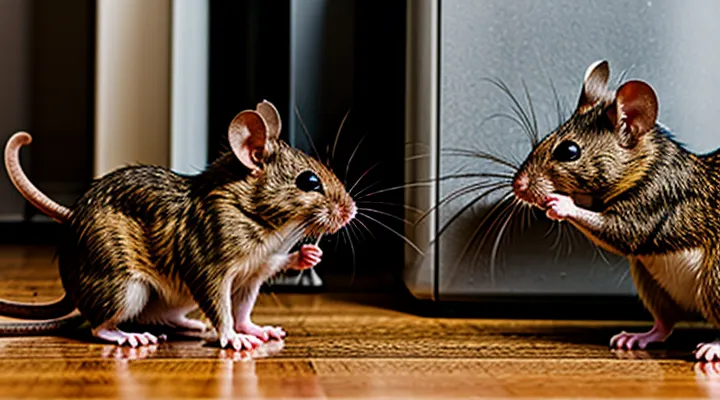
Understanding the Mouse Problem
Signs of a Mouse Infestation
Identifying a mouse problem early increases the success of any safe control strategy. Common indicators include:
- Small droppings, typically 1‑2 mm long, dark with a white tip, found along walls, behind appliances, or in pantry packages.
- Gnaw marks on wood, plastic, or wiring, often positioned near food sources or entry points.
- Nests constructed from shredded paper, fabric, or insulation, located in hidden areas such as behind cabinets, under sinks, or within wall voids.
- Grease or urine streaks along baseboards, especially where mice travel repeatedly.
- Scratching noises at night, heard from ceilings, attics, or crawl spaces.
Additional evidence may appear as damaged food packaging, unexplained holes in stored goods, or a faint, musky odor. Detecting these signs allows prompt implementation of humane and effective eradication measures while minimizing health risks and property damage.
Risks Associated with Mice
Health Risks
Effective rodent control techniques can introduce health hazards that affect occupants, domestic animals, and the broader environment. Understanding these risks enables informed decision‑making and proper mitigation.
-
Chemical baits and rodenticides – Contain anticoagulants, neurotoxins, or metal phosphides. Ingestion by children, pets, or non‑target wildlife can cause internal bleeding, seizures, or organ failure. Secondary poisoning occurs when predators consume poisoned rodents, extending toxicity through the food chain. Improper handling may result in skin absorption or inhalation of dust particles, leading to respiratory irritation.
-
Snap and glue traps – Pose physical injury risks if mishandled. Accidental contact can cause puncture wounds or skin adhesion. Disposal of captured rodents releases allergens and pathogens, including hantavirus, leptospira, and salmonella, which may be aerosolized during cleaning.
-
Electronic and ultrasonic devices – Emit high‑frequency sound or electromagnetic pulses. While generally low in toxicity, prolonged exposure in confined spaces may cause auditory discomfort for humans and pets. Some models produce ozone as a by‑product, potentially aggravating respiratory conditions such as asthma.
-
Live‑capture cages – Require frequent handling of captured mice. Direct contact increases the likelihood of zoonotic disease transmission. Stress‑induced shedding of urine and feces elevates environmental contamination with hantavirus and other rodent‑borne agents.
-
Exclusion and structural sealing – Involves the use of caulking, steel wool, and mesh. Fine particles released during application can irritate mucous membranes. Inadequate sealing may allow entry of insects or other pests, complicating overall sanitation.
Mitigation strategies include wearing protective gloves and masks when deploying chemical baits, securing traps out of reach of non‑target species, following label instructions for dosage and placement, ventilating areas after using electronic devices, and disinfecting surfaces after any rodent contact. Regular monitoring and documentation of control measures reduce accidental exposure and support compliance with health‑safety regulations.
Property Damage
Effective rodent control must consider the risk of property damage. Traditional traps and poison can compromise structural integrity, damage insulation, and contaminate food storage. In many cases, the presence of dead rodents leaves remnants that attract insects and cause odor problems, leading to additional repair costs.
Methods that eliminate mice while preserving the building and its contents include:
- Snap traps placed in concealed locations, such as behind appliances or within wall voids, prevent accidental contact with humans and pets and leave no chemical residues.
- Electronic traps delivering a quick, humane kill without physical debris; the device contains the carcass, eliminating the need for cleanup.
- Live‑catch cages equipped with secure lids; captured mice can be released far from the property, avoiding damage to interior surfaces.
- Ultrasonic repellers installed in walls and ceilings; these devices emit frequencies intolerable to rodents, deterring entry without any physical interaction with the structure.
- Sealants and steel wool applied to entry points; closing gaps blocks access without altering the building’s fabric.
Implementing these approaches reduces the likelihood of structural compromise, contamination, and subsequent repair expenses. Regular inspection of sealed openings and maintenance of devices ensures ongoing effectiveness and protects the property from future infestations.
Humane and Non-Lethal Mouse Control
Prevention as the First Line of Defense
Sealing Entry Points
Sealing entry points prevents mice from accessing indoor spaces, eliminating the need for lethal traps or poisons. The process begins with a systematic inspection of the building envelope. Inspect walls, foundations, roofs, and utility penetrations for gaps larger than ¼ inch, as mice can squeeze through openings as small as a pencil diameter.
Common entry routes include:
- Gaps around doors and windows
- Openings around plumbing, electrical, and HVAC ducts
- Cracks in foundation walls and crawl‑space vents
- Holes created by rodents themselves or by construction activities
For each opening, select a material that matches the surrounding structure and resists gnawing. Recommended sealing agents are:
- Steel wool or copper mesh, packed tightly into gaps before applying a sealant.
- Expanding polyurethane foam, used for larger voids but reinforced with metal mesh to deter chewing.
- Cement‑based caulk or mortar for cracks in masonry.
- Weather‑stripping and door sweeps for movable openings.
Apply the chosen material according to manufacturer instructions, ensuring complete coverage and a smooth finish that eliminates residual crevices. After sealing, verify integrity by conducting a visual check and, if possible, a low‑light inspection to detect hidden passages.
Maintain the barrier by scheduling periodic reviews, especially after renovations, seasonal temperature changes, or pest activity reports. Promptly repair any new damage to preserve the exclusion system and sustain a mouse‑free environment.
Eliminating Food Sources
Removing accessible food is a primary component of any safe mouse‑control program. Mice survive on a limited range of nutrients; eliminating those resources reduces population growth and encourages individuals to leave the premises.
Secure storage eliminates accidental feeding. Keep all pantry items in sealed, rodent‑proof containers made of metal or thick plastic. Transfer bulk goods into smaller, airtight packages and label them clearly. Clean spills immediately; even minor crumbs can sustain a colony.
Maintain a clean environment. Sweep floors daily, especially in kitchens and dining areas. Vacuum corners, under appliances, and behind cabinets to remove hidden debris. Dispose of waste in containers with tight‑fitting lids and empty them regularly.
Control external food sources. Store outdoor trash in sturdy bins with secure lids and place them away from building entrances. Remove fallen fruit, birdseed, and pet food from the perimeter. Trim vegetation that contacts the structure, as it can serve as a bridge for rodents.
Implement a systematic inspection routine. Conduct weekly checks of storage areas, waste stations, and entry points. Document any signs of gnawing, droppings, or food remnants, and address the source promptly.
Practical steps
- Seal all food containers with rodent‑proof lids.
- Clean surfaces after each meal; wipe down countertops and tables.
- Use metal or glass shelving in pantries; avoid cardboard boxes.
- Install tight‑closing trash cans inside and outside the building.
- Remove pet food bowls after feeding; store dry food in sealed containers.
- Keep compost bins away from the structure and use secure lids.
By consistently denying mice access to sustenance, the environment becomes inhospitable, leading to a natural decline in activity without resorting to toxic measures.
Maintaining Cleanliness
Maintaining a clean environment reduces food sources, shelter, and entry points that attract rodents, thereby supporting safe rodent‑control strategies.
- Store dry goods in sealed containers; eliminate exposed grain, cereal, and pet food.
- Remove spills and crumbs immediately; wipe countertops, floors, and appliance surfaces after each use.
- Dispose of garbage in tightly sealed bins; empty receptacles regularly to prevent accumulation.
- Clean behind and under appliances, furniture, and shelving; vacuum or sweep hidden areas weekly.
- Repair leaks and eliminate standing water; dry damp zones that could serve as nesting sites.
Consistent application of these practices deprives mice of essential resources, making traps, baits, or exclusion methods more effective while minimizing reliance on toxic chemicals.
Live Trapping and Release
Types of Live Traps
Live‑capture devices provide a humane alternative for mouse removal, allowing relocation without lethal injury. Several designs dominate the market, each with distinct mechanisms and operational considerations.
-
Single‑catch cage trap – a rigid enclosure with a spring‑loaded door that snaps shut when the mouse contacts a pressure plate. One animal is contained per cycle; the trap is easy to clean and suitable for indoor use.
-
Multi‑catch cage trap – similar construction to the single‑catch model but incorporates a hinged rear panel that permits additional entries after the first capture. Enables removal of several mice before emptying the device, reducing labor in heavily infested areas.
-
Wooden box trap – a handcrafted wooden frame with a simple trigger lever. The natural material is quiet and unobtrusive, making it effective in residential settings where visual disturbance must be minimized.
-
Plastic snap‑free trap – a transparent polymer cage with a concealed trigger mechanism. Visibility allows users to monitor capture status without opening the trap, and the lightweight design facilitates placement in confined spaces.
-
Electronic live trap – a battery‑powered unit that detects motion via infrared sensors and closes a door electronically. Provides rapid capture with minimal manual force, ideal for commercial environments where speed and consistency are priorities.
Key selection criteria include trap size relative to the target species, bait compatibility, ease of release, and cleaning requirements. Proper placement—along walls, near known runways, and in dark corners—maximizes capture rates. After capture, release the mouse at least one mile from the original site to prevent re‑entry.
Safe Release Protocols
Safe release protocols are essential for humane mouse management when removal, rather than extermination, is the preferred outcome. The process begins with proper capture equipment; live traps should be sturdy, escape‑proof, and sized to accommodate adult mice without causing injury. Once a mouse is secured, handle the trap with gloves to prevent disease transmission and reduce stress on the animal.
Before transport, verify that the release site meets legal and ecological criteria: it must be at least 100 meters from the original infestation area, free of predators, and provide shelter, food sources, and water. Release should occur during daylight hours to increase the animal’s chance of finding shelter quickly.
The release procedure follows a concise sequence:
- Preparation – disinfect gloves and trap surfaces; ensure the release zone is clear of obstacles.
- Transportation – place the trap upright in a vehicle, avoiding excessive vibration or temperature extremes.
- Release – open the trap slowly, allow the mouse to exit voluntarily, and observe for at least 30 seconds to confirm departure.
- Post‑release monitoring – record location, time, and condition of the animal; report any abnormal behavior to wildlife authorities if necessary.
Documentation of each release, including date, GPS coordinates, and trap type, supports accountability and enables evaluation of protocol effectiveness. Regular training for personnel reinforces consistent application of these steps, minimizes accidental harm, and aligns mouse control practices with ethical standards.
Natural Deterrents
Essential Oils
Essential oils provide a non‑chemical alternative for controlling mouse activity in residential and commercial spaces. Their strong aromas disrupt the sensory perception of rodents, prompting avoidance of treated areas.
- Peppermint oil – high menthol concentration, repels mice when applied to entry points and nesting sites.
- Eucalyptus oil – contains cineole, creates an unpleasant environment for rodents.
- Lavender oil – aromatic profile interferes with mouse scent trails, reducing presence.
- Citronella oil – volatile compounds act as a deterrent when dispersed in interior spaces.
- Clove oil – eugenol component exhibits repellent properties, especially effective in confined gaps.
Application involves diluting 10–15 drops of oil in 200 ml of water, then spraying or soaking cotton balls placed near suspected pathways, openings, and food storage zones. Reapplication every 3–5 days maintains potency as volatile compounds evaporate. Direct contact with undiluted oil may damage surfaces; use a carrier such as mineral oil for spot treatments on wood or plastic.
Human safety is high when oils are used as directed; inhalation of concentrated vapors can cause irritation, so ventilation is advisable. Pets, particularly cats, may be sensitive to certain oils—avoid clove and eucalyptus around felines, and limit exposure for dogs by restricting treated zones.
Essential oils alone rarely eradicate established infestations. Combining oil repellents with exclusion techniques—sealing cracks, installing door sweeps, and removing food sources—produces the most reliable reduction in mouse activity.
Ultrasonic Devices
Ultrasonic devices emit high‑frequency sound waves that rodents cannot hear but find uncomfortable. The emitted tones typically range from 20 kHz to 65 kHz, creating a hostile acoustic environment without harming the animal or the surrounding ecosystem.
Effectiveness depends on several factors:
- Coverage area – each unit protects a limited radius; larger spaces require multiple devices positioned to avoid blind spots.
- Frequency variation – models that cycle through frequencies reduce the chance of mice acclimating to a single tone.
- Placement – devices work best when placed on flat surfaces away from walls and furniture that could block sound propagation.
- Power source – plug‑in units provide continuous operation, while battery‑powered models may lose efficacy as the charge depletes.
Safety considerations are straightforward. Ultrasonic emissions do not affect humans, pets such as cats or dogs, or household electronics. The devices produce no chemicals, dust, or physical traps, eliminating risks of poisoning or injury.
Limitations include:
- Acclimation – rodents may become tolerant if exposed to a constant frequency for prolonged periods.
- Obstructions – furniture, curtains, and walls reflect or absorb sound, diminishing reach.
- Species specificity – some rodent species respond less to ultrasonic stimuli, reducing overall success rates.
When selecting an ultrasonic solution, prioritize models that:
- Offer adjustable or rotating frequencies.
- Provide clear specifications of coverage radius.
- Include a warranty and documented field testing results.
- Feature a silent standby mode to conserve energy.
Proper installation involves mounting devices at a height of 12–18 inches, ensuring unobstructed line‑of‑sight to target areas, and verifying continuous power supply. Regular monitoring of rodent activity helps determine whether additional units or complementary methods, such as sealing entry points, are required.
Safe and Effective Lethal Methods
Snap Traps
Proper Placement
Effective rodent control depends heavily on the strategic positioning of traps, bait stations, and exclusion devices. Correct placement maximizes contact with mice while minimizing risk to non‑target species and human occupants.
- Position snap traps or electronic devices along walls, behind appliances, and near known runways; mice travel close to surfaces.
- Install bait stations at a height of 4–6 inches from the floor, directly adjacent to entry points such as cracks, gaps, and vents.
- Secure exclusion barriers (steel wool, copper mesh, or flashing) over openings no larger than ¼ inch; ensure overlap of at least 2 inches on each side.
- Place live‑catch traps in dark, concealed locations, away from food preparation areas, to reduce stress and increase capture rates.
- Rotate trap locations weekly to prevent habituation; record each placement to track activity patterns.
Consistent adherence to these placement guidelines enhances the safety and efficacy of mouse‑elimination strategies while reducing collateral hazards.
Baiting Techniques
Baiting techniques constitute a primary approach for eliminating mice while minimizing risk to non‑target organisms. Effective baiting relies on selecting appropriate attractants, delivering them in a controlled manner, and adhering to safety protocols.
- Rodenticidal baits: Anticoagulant pellets or blocks formulated for mouse toxicity; require precise dosing and secure stations.
- Snap‑trap baiting: Food items such as peanut butter or dried fruit placed on spring‑loaded traps; provides immediate kill with minimal residue.
- Live‑trap baiting: Soft bedding or grain used to lure mice into cage traps; enables relocation or humane euthanasia.
- Electronic‑trap baiting: Conductive plates combined with a small food lure; delivers rapid electrocution without chemicals.
Safety considerations include positioning bait stations away from children and pets, using tamper‑resistant containers, and following label instructions for dosage and exposure limits. Compliance with local pest‑control regulations ensures legal use of toxic baits and proper disposal of carcasses.
Implementation steps: install bait stations at mouse pathways, inspect stations daily for activity, replace depleted baits promptly, and record capture data to assess effectiveness. After successful reduction, remove bait stations and clean the area to prevent re‑infestation.
Safety Precautions
When employing techniques to remove rodents, protect human health, pets, and the environment by observing strict safety measures.
- Wear disposable gloves while handling traps, bait, or electronic devices to prevent direct contact with rodent fluids and toxic substances.
- Use eye protection when deploying snap or kill traps to shield against sudden releases of force.
- Store rodenticides in sealed containers, out of reach of children and animals; label each container with hazard warnings.
- Apply poison only in tamper‑proof stations designed to block non‑target species; inspect stations regularly for damage or leakage.
- Maintain proper ventilation when using aerosol or fumigation products; wear a respirator rated for the specific chemical.
- Follow manufacturer dosage instructions precisely; excess amounts increase risk of accidental poisoning.
- Keep all equipment away from food preparation areas; clean surfaces thoroughly after each use.
- Dispose of dead rodents and used traps in sealed, double‑layered bags; discard according to local hazardous‑waste regulations.
- Conduct a risk assessment before introducing any control method; identify vulnerable individuals, such as infants, seniors, or immunocompromised persons, and adjust the approach accordingly.
- Provide training for household members or staff on correct handling, placement, and emergency procedures in case of accidental exposure.
Adhering to these precautions ensures that rodent‑removal actions remain effective while minimizing health hazards and unintended ecological impact.
Electronic Traps
How Electronic Traps Work
Electronic traps provide a rapid, non‑chemical solution for rodent control. A built‑in sensor—typically infrared or pressure‑sensitive—detects the presence of a mouse when it enters the chamber. The sensor triggers a capacitor that discharges a high‑voltage, low‑current shock, instantly incapacitating the animal. The voltage is high enough to ensure immediate death but the current remains below the threshold that could cause fire or electrical hazard, making the device safe for indoor use.
Key components and functional steps:
- Sensor module – detects movement or weight, activates the circuit.
- Capacitor bank – stores energy from the mains or battery source.
- Trigger circuit – releases the stored charge upon sensor activation.
- Shock chamber – insulated enclosure where the mouse receives the discharge.
- Safety interlock – prevents activation when the chamber is opened for cleaning.
The design eliminates the need for poisons, reducing secondary poisoning risks and limiting exposure to children and pets. After a kill, the trap can be opened, and the carcass removed without contact with hazardous substances. Regular inspection of the power cord, sensor alignment, and battery level (if applicable) maintains reliability. Proper placement—along walls, near known activity paths, and away from food preparation areas—maximizes capture rates while preserving household safety.
Advantages of Electronic Traps
Electronic traps provide a reliable solution for rodent control that aligns with safety standards and humane considerations. The devices deliver a swift, high‑voltage shock that kills mice instantly, eliminating the risk of prolonged suffering and preventing disease transmission associated with live capture. Their operation requires no chemicals, reducing exposure to toxic substances for humans and pets.
- Immediate lethality minimizes the chance of escape or injury to non‑target animals.
- Absence of poisons prevents secondary poisoning of predators and wildlife.
- Reusable design lowers long‑term costs compared with disposable snap traps or bait stations.
- Built‑in sensors detect mouse presence, triggering the shock only when necessary and conserving battery life.
- Quiet activation avoids disturbance in residential or commercial environments.
- Easy cleaning and inspection support compliance with hygiene regulations in food‑handling facilities.
Professional Pest Control
When to Call an Exterminator
If mouse activity exceeds the capacity of DIY traps, sealants, and bait stations, professional intervention becomes necessary. Persistent signs that warrant an exterminator include:
- Multiple capture failures despite proper placement of snap traps or live‑catch devices.
- Evidence of nesting material, droppings, or gnaw marks in concealed areas such as walls, attics, or crawl spaces.
- Rapid population growth indicated by frequent sightings across several rooms.
- Damage to structural components, wiring, or insulation that poses safety hazards.
- Concerns about chemical exposure, especially in homes with children, pets, or vulnerable individuals.
Engaging a licensed pest‑control specialist ensures that advanced methods—such as tamper‑proof bait stations, integrated pest‑management plans, and exclusion techniques—are applied safely and in compliance with regulations. The specialist will also conduct a thorough inspection, identify entry points, and implement long‑term prevention measures to eliminate the infestation effectively.
Integrated Pest Management Approaches
Integrated Pest Management (IPM) provides a systematic framework for controlling mouse populations while minimizing risks to humans, pets, and the environment. The approach combines multiple tactics, each supported by scientific evidence, to achieve reliable suppression without reliance on hazardous chemicals.
- Monitoring and identification – Regular inspection of premises, placement of tracking stations, and analysis of droppings establish population size and activity patterns.
- Exclusion – Sealing gaps larger than ¼ inch, installing door sweeps, and repairing utility penetrations prevent entry. Structural barriers reduce the need for lethal measures.
- Sanitation – Removing food debris, storing grains in airtight containers, and maintaining clean waste areas eliminate attractants that sustain infestations.
- Mechanical control – Snap traps and electronic devices deliver immediate mortality with minimal non‑target impact. Placement along walls and near runways maximizes capture rates.
- Chemical control – Low‑toxicity rodenticides, applied in tamper‑resistant bait stations, are used only after other methods have proven insufficient. Strict adherence to label instructions ensures safety.
- Biological and ecological modifications – Encouraging natural predators such as owls or barn cats, and reducing vegetation that offers cover, lower the likelihood of mouse colonization.
Implementation follows a decision‑making cycle: assess the problem, select appropriate tactics, apply controls, evaluate outcomes, and adjust the plan as needed. Documentation of actions and results supports regulatory compliance and continuous improvement. By integrating these components, IPM achieves effective mouse reduction while safeguarding health and preserving ecological balance.
Post-Extermination Procedures
Sanitation and Cleanup
Effective mouse control begins with rigorous sanitation and thorough cleanup. Removing food sources eliminates the primary attraction for rodents, forcing them to seek sustenance elsewhere.
- Store all dry goods in sealed, rodent‑proof containers.
- Dispose of garbage daily in containers equipped with tight‑fitting lids.
- Clean countertops, floors, and appliances after each use to eradicate crumbs and spills.
- Maintain pantry shelves free of debris; sweep and vacuum regularly.
Eliminate water availability by fixing leaks, wiping condensation, and emptying pet water dishes overnight. Replace worn or damaged flooring and insulation that can conceal droppings or nesting material.
Sanitation also includes systematic inspection and removal of mouse droppings, urine stains, and gnaw marks. Use disposable gloves and a disinfectant approved for rodent contamination; avoid sweeping dry droppings, which can aerosolize pathogens. After decontamination, wash hands thoroughly.
Finally, conduct routine inspections of storage areas, basements, and crawl spaces. Document findings and schedule corrective actions promptly to sustain a rodent‑free environment.
Preventing Future Infestations
Effective prevention of future mouse infestations relies on eliminating access, reducing attractants, and maintaining vigilance after any control measures are applied.
Seal all openings larger than a quarter‑inch. Use steel wool, copper mesh, or concrete to block gaps around pipes, vents, and foundation cracks. Install door sweeps and repair damaged weather stripping.
Remove food sources. Store dry goods in airtight containers, keep countertops clear, and clean crumbs promptly. Dispose of garbage in sealed bins and eliminate pet food left out overnight.
Control clutter. Reduce piles of cardboard, paper, and debris where rodents can hide. Keep storage areas organized and elevate items off the floor when possible.
Manage vegetation. Trim shrubs, tree branches, and grass that touch the building. Keep mulch and compost at a distance from the structure’s foundation.
Implement a monitoring system. Place snap‑traps or electronic detectors in strategic locations and inspect them weekly. Record activity to identify patterns and address new entry points quickly.
Maintain regular inspections. Conduct seasonal walkthroughs of the exterior and interior, focusing on potential entry sites, water leaks, and signs of gnawing. Promptly repair any damage detected.
By integrating these measures, property owners create an environment that discourages mouse re‑entry, complementing any safe elimination techniques previously employed.