
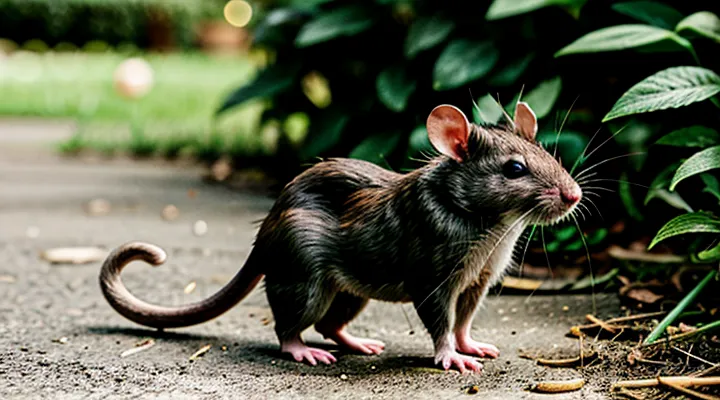
Understanding the Rat Problem in Your Yard
Identifying Rat Infestation Signs
Droppings and Urine Trails
Droppings and urine trails are the most reliable indicators of a rat presence in a garden. Fresh droppings appear as small, dark, rice‑shaped pellets, typically 0.5–0.7 cm long. Older droppings darken and become crumbly. Urine leaves a faint, oily sheen on surfaces and may cause a strong ammonia odor when concentrated.
Identifying the signs helps determine the extent of an infestation and guides the choice of control measures. The following points summarize the practical actions:
- Locate droppings on the ground, under plant pots, and along fence lines; collect samples with disposable gloves.
- Inspect for urine stains on leaves, stems, and garden tools; use a blacklight to reveal invisible trails.
- Record the distribution pattern; clustered deposits suggest nesting sites, while linear tracks indicate active foraging routes.
- Dispose of collected material in sealed bags and place them in a trash container with a tight lid to prevent secondary contamination.
- Clean affected areas with a solution of 1 part bleach to 10 parts water; allow the surface to remain wet for at least five minutes before rinsing.
Professional assistance is available from several sources. Local agricultural extension offices provide identification guides and recommend safe disinfectants. Licensed pest‑control firms offer inspection, trapping, and exclusion services. Municipal wildlife agencies can advise on legal considerations and may offer low‑cost removal programs for large populations. Contact information for these resources is typically listed on city websites or can be obtained by calling the county health department.
Gnaw Marks on Structures and Plants
Gnaw marks on wooden fences, garden sheds, and plant stems are reliable indicators of rat activity. The teeth of rats leave shallow, parallel grooves that often appear in a V‑shaped pattern. Damage to structural supports usually shows as irregular, jagged edges where the wood has been chewed away, exposing inner layers. On plants, gnaw marks manifest as clean cuts near the base of stems or along tender shoots, frequently followed by wilting or dieback.
Recognizing these signs enables prompt intervention. Effective steps include:
- Inspect all exterior woodwork for fresh chew lines; prioritize repairs on load‑bearing elements.
- Trim damaged plant portions to prevent secondary infection and reduce food sources.
- Seal gaps larger than ¼ inch with metal flashing, concrete, or hardware cloth to block entry.
- Place snap traps or electronic bait stations near identified gnaw sites, following local regulations.
- Contact a licensed pest‑control professional for comprehensive assessment and exclusion planning.
Documentation of gnaw marks assists specialists in mapping infestation routes. Photographs, measurements of damage depth, and notes on timing improve the accuracy of control measures. Regular monitoring, combined with targeted repairs and exclusion techniques, reduces the likelihood of further rat damage throughout the yard.
Burrows and Tunnels
Rats construct extensive burrow systems that compromise garden beds, foundations, and underground utilities. Detecting these networks early prevents structural damage and reduces the likelihood of infestation spreading.
Visible indicators include fresh soil mounds, loose earth near plant roots, and pathways worn into mulch. Inspect the perimeter of the yard after rainfall or irrigation, when rats are most active near the surface. Use a flashlight to examine the interior of any discovered tunnels for fresh droppings or gnaw marks.
Control measures focus on eliminating shelter and food sources:
- Remove debris, leaf litter, and excess compost that provide cover.
- Trim low vegetation and maintain a clear gap between shrubs and building walls.
- Install metal or concrete barriers around the base of structures to block entry.
- Store feed and pet food in sealed containers.
- Repair cracks in foundations, sidewalks, and drainage pipes.
When burrows persist despite habitat modification, professional assistance becomes necessary. Options include:
- Licensed pest‑management companies that specialize in rodent exclusion and baiting.
- Municipal animal‑control services offering trap‑and‑release or humane removal.
- Cooperative Extension offices that provide region‑specific guidance on integrated pest management.
Choosing a provider with certification in rodent control ensures compliance with safety regulations and effective eradication of underground colonies. After treatment, schedule periodic inspections to verify that tunnels remain sealed and no new activity appears.
Squeaking and Scratching Noises
Squeaking and scratching noises in a yard typically signal rodent activity. The sounds arise from rats gnawing on vegetation, nesting materials, or structural components such as fences and sheds. Persistent high‑pitched squeaks often indicate distress or communication among individuals, while intermittent scratches suggest movement through debris or burrowing.
To assess the source, follow these steps:
- Conduct a visual sweep at dusk and dawn, focusing on dense shrubs, compost piles, and the underside of deck boards.
- Look for fresh droppings (approximately ½ inch long, dark, and pellet‑shaped) near the noise origin.
- Check for gnaw marks on wood, plastic, or cable insulation; rats leave characteristic V‑shaped bite patterns.
- Place motion‑activated cameras or infrared sensors to capture activity without disturbing the animals.
- Seal entry points by repairing gaps larger than ¼ inch, installing metal flashing, and trimming overhanging branches that provide access.
If evidence confirms a rat presence, professional assistance and reputable resources are essential. Reliable contacts include:
- Licensed pest‑control firms specializing in rodent management.
- Local agricultural extension offices, which offer free inspections and integrated‑pest‑management advice.
- State wildlife‑damage mitigation agencies that provide guidelines for humane removal and habitat modification.
- Home‑improvement retailers that stock rodent‑proofing materials such as steel mesh, sealants, and bait stations.
- Online forums hosted by university entomology departments, where experts answer specific questions about yard infestations.
Engaging these services promptly reduces damage risk, protects surrounding wildlife, and restores a safe outdoor environment.
Reasons for Rat Presence
Food Sources Attracting Rats
Rats are drawn to yards that provide readily available nourishment. Food that is left exposed, easily reachable, or improperly stored creates a consistent supply that supports breeding and population growth.
Typical attractants include:
- Pet food left outdoors overnight
- Birdseed scattered on the ground or stored in open containers
- Fallen fruit, vegetables, or garden produce
- Compost piles lacking a secure lid
- Spilled grain, corn, or other cereal products
- Unsecured trash cans or recycling bins
Eliminating these sources reduces the incentive for rodents to inhabit the area. Store pet and wildlife feed in sealed containers, collect fallen produce promptly, and maintain a tightly covered compost system. Position trash receptacles away from the yard’s perimeter and ensure lids close securely. Regularly inspect the property for inadvertent food deposits and remove them before rats can exploit them.
Shelter and Hiding Spots
Rats thrive in any structure that offers protection from predators and weather. Typical yard shelters include:
- Woodpiles, especially those left damp or unsealed.
- Stacked firewood or lumber left directly on the ground.
- Compost bins with loose lids or gaps.
- Dense vegetation such as overgrown shrubs, tall grasses, and groundcover.
- Rock piles, broken concrete, or debris heaps that create crevices.
- Outdoor storage sheds lacking proper sealing, particularly those with gaps around doors or windows.
Eliminating these refuges reduces rat attraction. Store firewood on pallets, cover with a waterproof tarp, and keep at least three feet off the soil. Trim vegetation to a height of six inches, and remove mulch or leaf litter that accumulates moisture. Consolidate rocks and debris, filling gaps with concrete or earth. Ensure compost containers have tight-fitting lids and are positioned away from the house. Inspect sheds for cracks, install metal flashing around openings, and use weatherstripping on doors.
Regular inspection of potential hiding spots prevents re‑infestation. Walk the perimeter weekly, noting any new debris accumulations, water sources, or vegetation growth. Promptly address identified issues to maintain a rat‑unfriendly environment.
Water Availability
Rats are drawn to any reliable water source in a yard, making moisture control a critical element of effective pest management. Persistent water availability encourages foraging, breeding, and the establishment of burrows, which in turn escalates infestation levels.
Typical outdoor water sources include:
- Leaking garden hoses or irrigation lines
- Birdbaths, pet water dishes, and puddles left after watering
- Accumulated rainwater in low‑lying areas, planters, or tarps
- Standing water in clogged gutters or downspouts
Eliminate these attractions by taking the following actions:
- Repair all leaks in hoses, sprinklers, and irrigation equipment promptly.
- Empty and clean birdbaths and pet water containers daily; store them indoors when not in use.
- Grade the yard to direct runoff away from foundations and low spots; install French drains or gravel beds where necessary.
- Clear gutters and downspouts of debris, ensuring water flows freely to designated drainage points.
Maintain a dry environment through regular inspections, especially after heavy rain or seasonal irrigation adjustments. Consistent removal of standing water reduces the habitat suitability for rats, supporting long‑term control efforts in the garden.
Solutions for Rat Problems
DIY Control Methods
Trapping Strategies
Effective rat control in a yard relies on selecting the appropriate trap type, positioning devices correctly, and using proven attractants. Snap traps provide rapid kill and are suitable for established burrow lines; they require a sturdy base, a trigger mechanism calibrated to the size of the target, and a bait such as peanut butter or dried fruit. Live‑capture cages allow relocation; they must be checked frequently to prevent stress, and bait should be placed in the rear compartment to encourage entry. Glue boards capture rodents without lethal force but generate a high risk of non‑target catches and should be positioned away from children and pets.
Key actions for successful deployment:
- Identify active runways by observing fresh gnaw marks, droppings, or soil displacement.
- Place snap or live traps perpendicular to the runway, with the trigger end facing the expected direction of travel.
- Use a small amount of strong-smelling bait; excessive quantity can deter entry.
- Set traps at dusk, when rats are most active, and inspect them at first light.
- Rotate trap locations weekly to cover new pathways and prevent habituation.
Safety measures include wearing gloves when handling traps, securing devices to prevent accidental discharge, and complying with local wildlife regulations that may restrict live capture or certain lethal methods. Regular sanitation—removing food sources, sealing compost bins, and trimming vegetation—enhances trap efficacy and reduces reinfestation risk.
Snap Traps
Snap traps provide a rapid, humane method for eliminating yard rats when placed correctly. The mechanism consists of a spring‑loaded bar that delivers an instantaneous strike, causing immediate death and preventing prolonged suffering. Models vary in size, trigger sensitivity, and bait compatibility; choose a design that matches the target species and the environment’s exposure to weather.
Effective deployment follows a simple protocol:
- Position traps along established runways, near burrow entrances, or close to food sources.
- Use fresh bait such as peanut butter, dried fruit, or meat scraps; secure it to the trigger plate to ensure activation.
- Set traps with the trigger in the “armed” position, checking daily for captures.
- Wear gloves when handling traps to avoid contaminating scent trails and to protect skin from accidental discharge.
Safety considerations include locating traps out of reach of children and non‑target wildlife, and securing them with protective covers if pets roam the area. After a capture, wear disposable gloves, place the dead rodent in a sealed bag, and dispose of it according to local regulations. Clean the trap with alcohol or a mild detergent before resetting or storing it.
Regular monitoring and strategic rotation of trap locations maintain pressure on the rat population, reducing the likelihood of re‑infestation. Combining snap traps with habitat modification—removing debris, sealing entry points, and managing waste—creates a comprehensive approach to yard rat control.
Live Traps
Live traps provide a humane method for removing rats from a yard. Choose a trap that matches the target size; typical options include cage traps with spring‑loaded doors and multi‑compartment designs that prevent escape once triggered.
When acquiring traps, consider the following sources:
- Home‑improvement centers; most stock sturdy cage models and offer in‑store advice.
- Licensed pest‑control firms; they supply professional‑grade traps and may include placement service.
- Reputable e‑commerce platforms; verify product reviews and confirm that the trap meets local wildlife regulations.
- Municipal animal‑control offices; some provide low‑cost or loaner traps to residents.
Placement determines effectiveness. Position traps along established runways—near burrow entrances, along fence lines, or beside food sources. Secure the trap to the ground to prevent displacement by wind or other animals. Bait with high‑protein items such as peanut butter, dried fruit, or fish; replace bait daily to maintain attraction.
Check traps at least twice daily. Remove captured rats promptly to reduce stress and prevent injury. Follow local ordinances regarding release; many jurisdictions require relocation to a distance of at least ten miles or disposal through a licensed wildlife rehabilitator. If relocation is prohibited, arrange surrender to a certified animal‑control facility.
Maintenance includes cleaning the interior with a mild disinfectant after each capture and inspecting the trigger mechanism for wear. Replace damaged components to preserve reliability.
By sourcing appropriate traps, positioning them strategically, and adhering to legal release guidelines, homeowners can manage rat infestations in their yards without resorting to lethal methods.
Baiting Options
When rats become active in a garden, baiting delivers a focused control measure that reduces population without widespread environmental impact.
- Anticoagulant baits contain compounds such as brodifacoum, difethialone, or bromadiolone; they cause internal bleeding after a single ingestion.
- Non‑anticoagulant baits employ substances like zinc phosphide or cholecalciferol; they act through metabolic disruption rather than blood loss.
- Grain‑based baits blend powdered rodenticide with wheat, corn, or rye, appealing to omnivorous feeding habits.
- Pellet baits combine hardened granules with attractants; they resist moisture and remain effective longer in outdoor conditions.
- Commercial bait stations provide sealed containers that protect non‑target species while delivering measured doses to rodents.
Placement guidelines require positioning baits along active runways, near burrow entrances, and under low vegetation. Baits should be set at ground level, spaced 10–15 feet apart, and replenished every 2–3 days. Monitoring includes checking for fresh gnaw marks, counting dead rodents, and recording bait consumption to adjust dosage.
Local regulations often restrict the use of high‑potency anticoagulants and mandate proper disposal of unused bait. Compliance involves consulting municipal pest‑control ordinances and, when necessary, obtaining a licensed applicator’s certification.
Commercial Baits
Commercial baits provide a rapid, controllable method for reducing rat activity in outdoor spaces. Formulations combine anticoagulant or non‑anticoagulant active ingredients with attractants that appeal to rodents. Products are available in block, pellet, and granule forms, each designed for specific application conditions.
Effective deployment requires placement in tamper‑resistant stations, preferably along walls, near burrow entrances, and in concealed corners. Stations protect non‑target wildlife, children, and pets while maintaining bait potency. Recommended practices include:
- Positioning stations 1‑2 feet above ground to avoid flooding.
- Spacing stations 10‑20 feet apart in high‑traffic zones.
- Monitoring stations weekly and replenishing as needed.
- Removing stations after a 30‑day treatment period or once activity declines.
Compliance with local pesticide regulations ensures legal use and environmental safety. Manufacturers must list active ingredient concentrations, expiration dates, and safety warnings on labels. Users should verify that products are approved for outdoor residential use and follow label instructions precisely to achieve reliable rat control.
Natural Deterrents
Rats are attracted to food residues, shelter, and water sources in outdoor spaces. Reducing these attractants while employing natural repellents can deter activity without chemicals.
Plantings that emit strong aromas—such as peppermint, lavender, and rosemary—create an environment rats avoid. Sprinkle dried leaves or crush fresh foliage around garden borders and near entry points to reinforce the scent barrier.
Predatory scents derived from carnivore urine or feces, available as commercial powders, mimic the presence of natural enemies. Apply the product to soil and mulch layers; the odor triggers avoidance behavior.
Ultrasonic devices emit frequencies above human hearing that disturb rodent nervous systems. Position units at ground level near burrow entrances; continuous operation maintains the deterrent effect.
Physical barriers, including copper mesh or hardware cloth, prevent rats from gnawing into plant stems and root zones. Secure the material with staples or wire ties, ensuring no gaps larger than ¼ inch.
Maintain cleanliness by regularly removing fallen fruit, compost, and standing water. Combine sanitation with the above natural methods for a comprehensive, low‑impact strategy.
Exclusion Techniques
Effective rat exclusion begins with a thorough inspection of the yard perimeter. Identify all openings larger than a quarter‑inch, including gaps around utility lines, vent pipes, and foundation cracks. Seal each aperture with steel wool, copper mesh, or cement, materials that rodents cannot gnaw through.
Landscape modifications reduce shelter opportunities. Trim low‑lying branches, remove dense groundcover, and keep mulch at least six inches away from building foundations. Replace wooden decks or fences with metal or concrete where feasible, as these materials resist chewing.
Physical barriers protect specific zones such as garden beds or compost piles. Install hardware cloth (½‑inch mesh) around the base of trees, raised beds, and storage sheds. Ensure the barrier extends underground by five to ten centimeters to prevent burrowing.
Trap placement complements structural measures. Deploy snap traps or electronic devices along established runways, typically near walls, under eaves, or beside water sources. Check traps daily, dispose of captured rats promptly, and reset devices to maintain pressure on the population.
Maintain a clean environment to discourage re‑entry. Store feed, pet food, and garbage in sealed containers. Regularly clean up fallen fruit, birdseed, and debris that could serve as food sources.
By integrating sealing, landscaping, barriers, trapping, and sanitation, homeowners create a comprehensive exclusion system that deters rats from re‑establishing in the yard.
Sealing Entry Points
Rats enter yards through cracks, holes, and gaps that provide shelter and access to food. Sealing these entry points eliminates the primary pathway and forces rodents to seek alternative, less desirable locations.
Inspect the perimeter and structures for openings larger than ¼ inch. Common sources include:
- Gaps around utility lines and pipes
- Openings at the base of fences or walls
- Damaged or missing siding, vent covers, and weather stripping
- Holes in foundations, crawl spaces, and under decks
- Unsealed gaps beneath sheds, garden sheds, and storage units
Select materials that resist gnawing and weather exposure. Recommended options are:
- Steel wool combined with expanding foam for irregular gaps
- Cement, mortar, or concrete patch for larger cracks in concrete
- Metal flashing or hardware cloth (¼‑inch mesh) for openings around pipes and vents
- Silicone or polyurethane sealant for small seams and cracks in wood or siding
Apply sealants while the area is dry and clean. Press steel wool or hardware cloth into the opening, then cover with expanding foam or mortar to create a solid barrier. Smooth the surface, allow curing time, and verify that the seal remains intact after rain or temperature changes.
Schedule quarterly inspections to detect new damage. Repair any compromised seals promptly to maintain a continuous barrier against rat intrusion.
Removing Attractants
Rats are drawn to food, shelter, and water sources left unattended in outdoor spaces. Eliminating these incentives reduces the likelihood of infestation and makes the area less appealing to rodents.
Key actions for removing attractants:
- Store pet food, birdseed, and garden produce in sealed containers.
- Clean up fallen fruit, nuts, and vegetable scraps promptly.
- Secure garbage bins with tight‑fitting lids and empty them regularly.
- Eliminate standing water by fixing leaky hoses, cleaning birdbaths, and draining puddles.
- Remove dense vegetation, compost piles, and wood debris that provide cover.
Consistent implementation of these measures deprives rats of essential resources, encouraging them to seek habitats elsewhere and simplifying subsequent control efforts.
Professional Pest Control Services
When to Call Professionals
Rats in a yard can damage landscaping, chew wiring, and spread disease. Homeowners may try traps or repellents, but certain conditions demand professional assistance.
- Large numbers of active burrows or multiple fresh droppings in a concentrated area.
- Evidence of gnawed irrigation lines, garden equipment, or structural supports.
- Persistent noises at night indicating active nesting.
- Unsuccessful attempts with over‑the‑counter traps after several weeks.
- Presence of juveniles, suggesting an established breeding colony.
Professional pest controllers provide comprehensive site assessments, identify entry points, and apply licensed eradication methods that minimize risk to pets and family members. They also implement sanitation measures and create exclusion plans that reduce the likelihood of reinfestation.
When choosing a service, verify state licensing, confirm liability insurance, request recent client references, and ensure the provider offers a written guarantee for the work performed. Prompt engagement with qualified experts prevents further property damage and protects public health.
What to Expect from an Exterminator
When a professional pest‑control service arrives to address rat activity in a garden, the first step is a thorough inspection. The technician walks the perimeter, checks burrow entrances, examines compost piles, and looks for droppings, gnaw marks, and nesting material. This assessment determines the severity of the problem and identifies entry points that need sealing.
After the inspection, the exterminator presents a written action plan. The plan lists specific control measures—such as snap traps, electronic devices, or bait stations—along with their placement locations. It also outlines any structural repairs, like sealing gaps in fences or repairing damaged foundations, that will prevent future intrusion.
During treatment, the specialist follows safety protocols. Protective gear is worn, and bait is handled according to label instructions to protect children, pets, and non‑target wildlife. All chemicals, if used, are EPA‑registered and applied at concentrations that meet regulatory standards.
Following the initial service, the exterminator schedules a follow‑up visit. The purpose of the return appointment is to:
- Verify that traps have captured rodents.
- Reassess the site for new activity.
- Adjust or replace devices as needed.
- Confirm that exclusion work remains effective.
Cost information is provided upfront. The estimate typically includes:
- Inspection fee (often waived if treatment proceeds).
- Materials and labor for traps or baits.
- Exclusion work, such as sealing gaps.
- Guaranteed service period, during which additional visits are covered at no extra charge.
Clients receive documentation of the exterminator’s licensing, insurance, and any warranties on the work performed. This paperwork confirms that the provider meets state and local regulatory requirements for rodent control.
Expect clear communication, a detailed written plan, adherence to safety standards, and a post‑treatment follow‑up that together ensure the rat problem in the yard is resolved efficiently.
Integrated Pest Management Approaches
Integrated Pest Management (IPM) provides a systematic framework for addressing rat activity in residential outdoor spaces. The approach combines preventive measures, direct control tactics, and ongoing evaluation to reduce populations while minimizing environmental impact.
Key IPM components for yard rat issues include:
- Sanitation: Remove food sources by securing compost, storing pet feed in sealed containers, and promptly cleaning fallen fruit or debris.
- Exclusion: Seal entry points such as gaps around utility lines, foundation cracks, and vent openings with metal flashing or concrete.
- Habitat modification: Trim vegetation away from structures, eliminate dense ground cover, and store firewood off the ground to reduce shelter options.
- Mechanical control: Deploy snap traps or multi-catch devices in active runways, positioning them perpendicular to walls for maximum effectiveness.
- Biological and chemical options: Apply rodenticides only after thorough inspection, following label instructions and local regulations; consider bait stations with tamper‑resistant designs.
- Monitoring: Conduct regular inspections for droppings, gnaw marks, and fresh burrows; record findings to adjust tactics promptly.
Implementing these steps in a coordinated sequence creates a hostile environment for rats, lowers reinfestation risk, and aligns with best practices for responsible pest management in residential yards.
Prevention and Long-Term Management
Yard Maintenance Practices
Effective yard maintenance reduces the likelihood of rodent activity and supports swift intervention when rats appear.
Maintain a clean environment by eliminating food and shelter opportunities. Typical actions include:
- Remove fallen fruit, nuts, and pet food promptly.
- Store compost in sealed containers and keep it away from the house.
- Clear debris, leaf litter, and tall grass that can conceal nests.
- Trim shrubs and tree branches that overhang structures.
- Repair cracks in foundations, walls, and fences; install metal or concrete barriers around utility openings.
- Keep firewood stacked off the ground and covered with a waterproof tarp.
When a rat problem emerges, consult qualified professionals. Local pest‑control companies provide inspection, trapping, and exclusion services. Municipal wildlife departments often offer advice, permits for humane removal, and educational resources. University extension offices can supply region‑specific guidance on habitat modification and safe bait use.
Implement a monitoring routine to detect early signs of activity. Inspect the perimeter weekly for gnaw marks, droppings, or burrows. Record observations, adjust maintenance tasks, and contact experts if evidence persists. Consistent upkeep combined with timely professional assistance prevents infestations from escalating and protects the yard’s health and safety.
Trimming Vegetation
Trimming overgrown plants reduces shelter and food sources that attract rats to a yard. By keeping grass, shrubs, and ground cover at a manageable height, you eliminate the dense cover rats use for nesting and movement. Regular pruning also improves visibility, making it easier to spot signs of activity such as droppings or gnaw marks.
Effective vegetation management includes:
- Cutting grass to no more than 3‑4 inches and mowing at least weekly during peak season.
- Removing tall weeds and invasive species that create thick ground layers.
- Pruning back hedges and bushes to a minimum of 12‑18 inches from the ground.
- Disposing of clippings in sealed bags or compost bins that are rat‑proof.
Professional assistance can be found at local horticultural services, municipal pest‑control departments, and licensed landscape contractors. These providers offer routine trimming schedules, advice on plant selection that discourages rodent habitation, and integrated pest‑management plans that combine vegetation control with safe baiting and exclusion techniques. Contacting a certified exterminator or a county extension office ensures that trimming is coordinated with broader rat‑reduction strategies, delivering consistent results across the property.
Securing Trash Cans
Rats are drawn to exposed food waste, making unsecured trash containers a primary source of infestation in residential yards. Properly sealed and protected bins reduce the likelihood that rodents will locate and access food, thereby limiting population growth and preventing damage.
- Choose cans with tight-fitting lids that lock or latch securely.
- Install baffles or foot pedals that require deliberate pressure to open the lid.
- Position containers on a raised platform or stand to keep them away from ground moisture and burrowing activity.
- Use metal or heavy‑duty plastic bins that cannot be chewed through.
- Ensure lids are free of cracks, gaps, or warped sections; replace damaged components promptly.
- Keep the area around the cans clear of debris, fallen fruit, and pet food.
Regular maintenance reinforces security. Empty bins daily, wipe residue from lids, and inspect hinges for wear. When the trash system is consistently sealed, rats lose a reliable food source, reducing their presence in the yard.
Food and Water Management
Effective control of rats in a yard begins with eliminating easy sources of nourishment and hydration. Rats are attracted to unsecured food waste, pet feed, and standing water; removing these incentives reduces population pressure.
- Store all outdoor food in sealed, rodent‑proof containers. Metal or heavy‑wall plastic bins with tight lids prevent access.
- Clean up fallen fruit, nuts, and vegetable scraps daily. Compost bins should have mesh covers and be located away from the house.
- Feed pets inside or use elevated feeders with built‑in cages that block rodent entry.
- Remove birdseed spills promptly; use feeders with trays that collect excess seed.
- Install drainage solutions that eliminate puddles. Repair leaky hoses, gutters, and irrigation lines.
- Position water sources on raised platforms with smooth, non‑porous surfaces; empty and dry them after each use.
Regular inspection of storage areas, waste containers, and irrigation systems identifies breaches before rats exploit them. Maintain a schedule for cleaning, waste removal, and equipment checks to sustain a hostile environment for rodents.
Storing Pet Food Properly
Proper storage of pet food is a critical factor in controlling rodent activity in outdoor spaces. Food left exposed provides a reliable food source that encourages rats to frequent the yard, increasing the likelihood of infestation.
Secure containers made of metal or heavy‑duty plastic prevent animals from accessing the contents. Choose containers with airtight seals and lockable lids; these features block scent diffusion and eliminate entry points.
When placing containers, keep them elevated off the ground and away from vegetation. Elevation reduces the chance of rats climbing onto the storage unit, while distance from plant cover removes convenient hiding spots.
Key practices for effective pet food management:
- Store all dry and wet food in sealed, rodent‑proof containers.
- Position containers at least three feet from any fence, shrub, or compost pile.
- Clean spills immediately; use a broom or a damp cloth rather than leaving crumbs on the ground.
- Rotate stock regularly; discard expired food to avoid odor buildup.
- Inspect containers weekly for signs of damage or gnaw marks and replace compromised units promptly.
By implementing these measures, the yard becomes less attractive to rats, supporting broader efforts to mitigate rodent problems without relying on chemical controls.
Eliminating Standing Water
Standing water creates a reliable source of hydration for rats, encouraging them to settle near decks, patios, and garden beds. Moist environments also support insects and plant debris that serve as additional food supplies, making the area more attractive to rodent populations.
- Identify low‑lying spots where rain accumulates; common locations include the base of fences, under sheds, and around flower pots.
- Regrade soil to promote drainage, using a slope of at least 2 % away from structures.
- Install French drains or perforated pipe systems in persistent puddle zones.
- Fill depressions with compacted gravel or coarse sand to allow rapid water infiltration.
- Ensure gutters and downspouts direct runoff at least three feet from the foundation; add extensions if necessary.
- Remove containers that collect rainwater, such as buckets, bird baths, or unused tarps, or empty them daily.
- Use a wet‑dry vacuum or pump to eliminate water that has already gathered after storms.
Eliminating excess moisture deprives rats of a critical resource, reduces shelter opportunities, and discourages the development of secondary food sources. The result is a drier, less hospitable yard that helps keep rodent activity at a minimum.
Community-Wide Efforts
Community members can reduce rat activity by coordinating actions that extend beyond individual properties. A unified approach leverages shared resources, consistent messaging, and collective monitoring, which amplifies the impact of each participant’s efforts.
- Form a neighborhood watch focused on rodent sightings; record locations, dates, and severity to identify hotspots.
- Petition local authorities for regular inspections and targeted baiting in identified problem zones.
- Organize bulk contracts with licensed pest‑control firms to lower costs and ensure professional treatment across multiple yards.
- Distribute educational flyers that outline sanitation practices, proper waste storage, and structural repairs that deny rats entry.
- Establish a shared compost and trash‑collection schedule that minimizes food sources and eliminates standing debris.
Collaboration with municipal health departments provides access to data on reported infestations and grants for community clean‑up projects. By pooling financial and informational resources, residents create a deterrent network that discourages rat colonization and facilitates rapid response when activity resurfaces.