
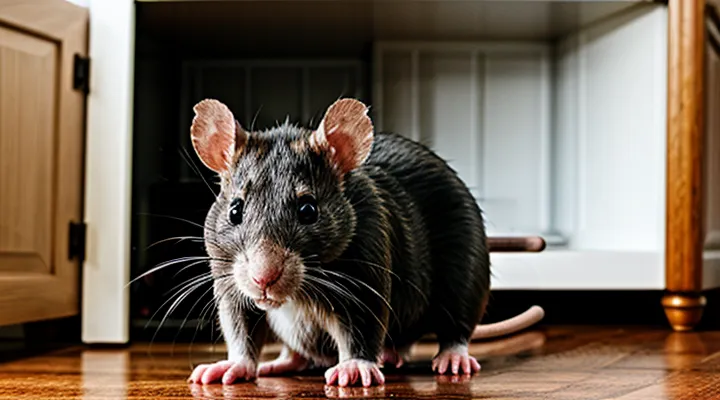
Understanding Domestic Rats
What Makes a Good Pet Rat?
Temperament and Socialization
Domestic rats exhibit a range of temperaments, from calm and docile to active and inquisitive. Individual personality depends on genetics, early handling, and environmental conditions. Prospective owners should assess a rat’s behavior during a brief interaction: a relaxed posture, steady breathing, and willingness to explore indicate a suitable temperament for a household setting.
Socialization shapes a rat’s adaptability and reduces stress in new environments. Effective practices include:
- Daily gentle handling for 5–10 minutes, using a calm voice and slow movements.
- Introduction to a variety of textures, such as paper bedding, wooden toys, and soft fabric, to broaden sensory experience.
- Controlled exposure to household noises and mild disturbances, allowing the animal to retreat to a safe hideout if needed.
Rats are inherently social creatures; housing them in pairs or small groups promotes natural behaviors and emotional stability. Compatibility checks should involve observing mutual grooming, shared nesting, and the absence of aggressive posturing. When integrating a new rat with existing pets, a gradual, supervised approach over several days minimizes conflict.
A well‑socialized rat demonstrates confidence, engages in exploratory play, and responds positively to human interaction. Buyers who prioritize temperament assessment and systematic socialization will obtain a companion that fits seamlessly into daily life and maintains long‑term wellbeing.
Health Indicators
When selecting a domestic rat from a reputable source, evaluate the animal’s health before finalizing the purchase. Reliable vendors will allow close inspection and answer questions about the rat’s condition.
Key health indicators include:
- Body weight: Typical adult rats weigh 250‑300 g; significant deviation suggests under‑ or over‑nutrition.
- Coat quality: Smooth, glossy fur without bald patches or excessive dandruff indicates proper grooming and nutrition.
- Eyes and ears: Clear, bright eyes and clean, unobstructed ear canals signal the absence of infection or respiratory issues.
- Nasal discharge: Lack of mucus or crusting demonstrates healthy respiratory function.
- Activity level: Alert, curious behavior and regular movement reflect good stamina; lethargy may signal illness.
- Respiration: Quiet, steady breathing without wheezing or audible rattling is essential.
- Tail condition: Straight, firm tail without swelling or discoloration suggests intact circulation.
- Urine and feces: Normal, well‑formed droppings and clear urine indicate proper digestion and kidney function.
Ask the seller for the rat’s recent health history, vaccination status (if applicable), and any quarantine measures employed. Request documentation of the breeder’s health monitoring protocol. A transparent vendor will provide this information without hesitation.
Lifespan Expectancy
Domestic rats typically live between 2 and 3 years, with healthy individuals sometimes reaching 4 years. Longevity depends on genetics, environment, nutrition, and veterinary care. Prospective owners should consider these variables when selecting a source and planning long‑term maintenance.
Key factors influencing lifespan:
- Genetic background – Breeds such as the Dumbo or hairless varieties may have shorter averages due to inherited health issues.
- Housing conditions – Spacious, well‑ventilated cages with appropriate bedding reduce stress and respiratory problems.
- Diet quality – Balanced commercial rat chow supplemented with fresh vegetables provides essential nutrients; excessive sugary treats accelerate obesity and related diseases.
- Health monitoring – Regular veterinary examinations detect tumors, dental wear, and respiratory infections early, extending life expectancy.
- Social environment – Rats are social animals; isolation increases stress hormones, which can shorten lifespan.
When evaluating sellers, request health records, inquire about the parents’ ages, and verify that the breeding environment meets the standards outlined above. Selecting rats from reputable breeders who prioritize these factors maximizes the probability of a longer, healthier pet.
Basic Needs of a Pet Rat
Housing Requirements
A suitable enclosure is the foundation of responsible rat ownership. Minimum dimensions should allow at least 2 square feet of floor space per animal; larger cages reduce stress and support natural activity. Wire cages must feature bars no wider than ½ inch to prevent escapes, and the frame should be constructed from rust‑free metal or sturdy plastic. Acrylic or glass tanks are acceptable if equipped with a secure, ventilated lid and a solid base.
Bedding should be absorbent, dust‑free, and non‑toxic. Paper‑based products or kiln‑dried wood shavings meet these criteria and simplify cleaning. Avoid cedar, pine, or scented litters, as volatile oils can irritate respiratory systems.
Ventilation is critical. At least one side of the cage should have a mesh panel or perforated panel to ensure constant airflow while maintaining a stable temperature (65–75 °F). Direct drafts from windows or heating vents must be excluded.
Enrichment items promote physical health and mental stimulation. Include:
- Multi‑level platforms or shelves
- Solid climbing structures (e.g., untreated wooden blocks)
- Hideaways such as PVC tunnels or ceramic caves
- Chew‑safe toys made from untreated hardwood or natural fibers
Placement influences well‑being. Position the cage on a stable surface away from bright sunlight, loud appliances, and areas with heavy foot traffic. A quiet corner of a living room or a dedicated bedroom space is optimal.
Cleaning routine should involve weekly removal of soiled bedding, spot‑cleaning of food and water dishes daily, and a full cage sanitization with a mild, rat‑safe disinfectant every two weeks. Ensure all accessories are rinsed thoroughly before returning them to the enclosure.
When selecting a cage, verify that it complies with local animal welfare regulations and that the manufacturer provides clear dimensions and material specifications. A well‑designed habitat minimizes health risks and supports a thriving pet rat.
Diet and Nutrition
When selecting a pet rat, consider the nutritional plan you will implement after the purchase. A balanced diet promotes healthy growth, strong immune function, and stable behavior, reducing the likelihood of common health issues.
Core components of an optimal rat diet include:
- Commercial rat pellets formulated for adult or juvenile stages, providing complete protein, vitamins, and minerals.
- Fresh vegetables such as broccoli, carrots, and leafy greens, offered in small portions to supply fiber and antioxidants.
- Limited fruits like apple slices or berries, supplied sparingly due to high sugar content.
- Occasional protein treats, for example boiled egg or cooked chicken, to enhance muscle development.
- Unlimited access to clean water, refreshed daily.
Supplementary items must be introduced gradually. Introduce a new food for three to five days while monitoring stool consistency and activity levels. Discontinue any ingredient that causes diarrhea or reduced appetite.
Avoid feeding toxic substances. Known hazards include chocolate, caffeine, onions, garlic, and citrus peels. Remove all seeds and pits that could cause choking or digestive blockage.
Regularly assess body condition by feeling the ribcage and spine. A healthy rat maintains a smooth coat, bright eyes, and an active demeanor. Adjust portion sizes if the animal appears overweight or underweight, aiming for a steady weight appropriate for its age and breed.
By adhering to these guidelines, new rat owners can provide a diet that supports longevity and well‑being, complementing the responsible acquisition process.
Social Interaction
When selecting a pet rat, the quality of social interaction with sellers, breeders, and current owners directly influences the health and temperament of the animal. Professionals who maintain regular communication with customers tend to provide clearer information about lineage, health history, and behavioral traits. Engaging in face‑to‑face discussions or video calls allows buyers to assess the rat’s environment and observe its activity level, reducing the risk of acquiring a stressed or unhealthy animal.
Interaction with the rat itself before purchase is equally critical. Observe the animal’s response to gentle handling, scent, and vocal cues. A rat that approaches calmly, exhibits curiosity, and accepts light petting demonstrates a higher likelihood of adapting well to a new household. Request a brief handling session; this direct contact reveals the animal’s comfort with human touch and helps gauge compatibility with the buyer’s lifestyle.
Maintain records of all communications. Written summaries of conversations with breeders, including health guarantees and socialization practices, provide a reference point for future care. Establish clear expectations regarding return policies, quarantine procedures, and ongoing support.
Key points for effective social engagement during the acquisition process:
- Schedule in‑person or virtual meetings with sellers to review the rat’s living conditions.
- Conduct a short handling trial to assess the animal’s temperament.
- Document health statements, vaccination records, and socialization history.
- Confirm the availability of post‑sale guidance from the breeder or shelter.
Reputable Sources for Acquiring a Rat
Experienced Breeders
Advantages of Buying from a Breeder
Buying a rat directly from a reputable breeder offers several concrete benefits that enhance the purchasing experience and the animal’s long‑term welfare.
- Health assurance – Breeders typically provide health certificates and conduct routine veterinary checks. This reduces the risk of hidden illnesses that are common in shelter or pet‑store animals.
- Known genetics – Detailed lineage information allows buyers to select traits such as coat color, temperament, and size, ensuring the pet matches the owner’s expectations.
- Early socialization – Rats raised in a breeder’s environment are accustomed to regular handling from a young age. This results in calmer, more adaptable pets that integrate smoothly into a new home.
- Targeted support – Professional breeders often remain available for advice on diet, housing, and behavior, offering guidance that extends beyond the initial sale.
- Regulatory compliance – Purchasing from a licensed breeder helps ensure that the animal complies with local pet‑ownership regulations, minimizing legal complications.
These advantages collectively provide a clearer, safer, and more informed pathway for individuals seeking a domestic rat as a companion.
Questions to Ask a Breeder
When evaluating a rat breeder, focus on factual details that reveal health standards, breeding practices, and support policies. Direct inquiries eliminate uncertainty and protect the animal’s welfare.
- What health screenings are performed on the breeding stock? Request documentation of tests for common conditions such as respiratory infections, tumors, and genetic disorders.
- How often are cages cleaned and what sanitation methods are used? Clarify frequency of bedding changes, disinfectant types, and ventilation measures.
- Are the rats raised in groups or individually? Group housing can indicate social development, while solitary rearing may affect temperament.
- What is the breeder’s policy on genetic line documentation? Ask for lineage charts to trace hereditary traits and potential health risks.
- Which diet is provided from birth to weaning? Specify brand, nutritional balance, and any supplemental feeding.
- Are the rats microchipped, tattooed, or otherwise identified? Identification aids in tracking and reunification if needed.
- What quarantine procedures are in place for new litters? Effective isolation reduces disease transmission.
- What post‑sale support does the breeder offer? Inquire about availability for health advice, troubleshooting behavioral issues, and return or replacement options.
- Can you visit the facility? A site visit confirms cleanliness, animal handling, and overall environment.
- What guarantees or warranties accompany the purchase? Understand the duration and coverage of health guarantees.
Collecting precise answers to these questions enables an informed decision and ensures that the rat you acquire originates from a responsible, health‑focused operation.
Signs of a Good Breeder
Choosing a reputable breeder is critical when acquiring a pet rat. A responsible breeder provides the foundation for a healthy, well‑adjusted animal and reduces the risk of disease, genetic defects, and behavioral problems.
- Maintains current health certificates for each litter, including vaccinations and parasite screenings.
- Keeps the breeding area clean, well‑ventilated, and free of pests; cages are organized and regularly sanitized.
- Demonstrates thorough knowledge of rat genetics, temperament, and care requirements; answers specific questions without hesitation.
- Supplies detailed lineage information, allowing verification of ancestry and avoidance of inbreeding.
- Limits the number of litters per breeding pair, ensuring parents are not over‑used and offspring receive adequate attention.
- Provides a written contract outlining health guarantees, return policies, and post‑sale support.
- Encourages prospective owners to meet the rats, observe their behavior, and interact before purchase.
Confirm these criteria during a visit or through documented communication. Verifying each point protects the buyer and promotes responsible pet ownership.
Animal Shelters and Rescues
Benefits of Adopting
Adopting a domestic rat offers measurable advantages over purchasing from a commercial breeder. First, shelters provide animals that have already undergone basic health screenings, reducing the risk of hereditary illnesses. Second, adoption fees typically include initial veterinary care, microchipping, and neutering, delivering immediate cost savings. Third, rescued rats have demonstrated adaptability to new environments, indicating a higher likelihood of successful integration into a household.
Key benefits include:
- Health assurance: Pre‑adoption examinations identify common conditions such as respiratory infections, allowing early intervention.
- Financial efficiency: Adoption packages combine veterinary services and supplies at a fraction of the price of separate purchases.
- Ethical impact: Removing a rat from a shelter alleviates overcrowding and supports humane animal‑care practices.
- Behavioral stability: Rats rescued from reputable facilities often exhibit reduced stress responses, facilitating smoother handling and training.
Choosing adoption aligns with responsible pet ownership and contributes to the reduction of unnecessary breeding. Prospective owners seeking guidance on acquiring a pet rat should prioritize shelters to maximize these benefits.
The Adoption Process
When acquiring a pet rat, the adoption process is a critical stage that determines the animal’s health, temperament, and compatibility with your household. Begin by researching reputable shelters, rescue groups, or breeders that specialize in domesticated rats. Verify that the source maintains proper sanitation, provides veterinary records, and conducts health screenings for common conditions such as respiratory infections and tumors.
The adoption workflow typically follows these steps:
- Contact the organization to confirm availability of rats that match your preferences (age, sex, temperament).
- Request documentation of health checks, vaccination status, and any prior medical treatment.
- Arrange a face‑to‑face meeting, allowing observation of the rat’s behavior, coat condition, and interaction with handlers.
- Complete the adoption agreement, which outlines responsibilities, return policies, and post‑adoption support.
- Pay the adoption fee, which often includes initial veterinary care and a starter kit of bedding, food, and enrichment items.
- Transport the rat in a secure carrier, ensuring minimal stress during travel.
After the rat arrives, schedule a veterinary examination within the first week to establish a baseline health record. Provide a spacious cage, appropriate bedding, fresh water, and a balanced diet consisting of commercial rat pellets supplemented with fresh fruits and vegetables. Consistent handling and enrichment—such as tunnels, chew toys, and climbing structures—promote socialization and reduce stress, laying the foundation for a long‑term, healthy companionship.
Potential Challenges
Purchasing a pet rat involves several practical obstacles that can affect the health of the animal and the satisfaction of the owner.
- Limited availability of reputable breeders in certain regions may force buyers to rely on online classifieds, increasing the risk of receiving ill‑treated or diseased rodents.
- Inconsistent health documentation accompanies many sales; without veterinary records, buyers cannot verify vaccination status or screening for common ailments such as respiratory infections.
- Transportation stress is a genuine concern. Rats shipped long distances endure temperature fluctuations, handling errors, and prolonged confinement, which can compromise immune function.
- Legal restrictions vary by jurisdiction. Some municipalities prohibit the ownership of rodents, and failure to check local regulations can lead to confiscation or fines.
- Price disparities often signal quality differences. Extremely low‑cost offers may indicate over‑breeding, poor nutrition, or inadequate sanitation at the source facility.
- Lack of post‑sale support from sellers limits access to advice on acclimation, diet, and enclosure setup, leaving new owners to troubleshoot problems independently.
Recognizing these challenges enables prospective owners to evaluate sellers more critically, request comprehensive health information, verify legal compliance, and arrange safe, humane transport for the animal.
Pet Stores (with caution)
Risks Associated with Pet Stores
Purchasing a pet rat from a commercial animal outlet carries specific hazards that can affect the animal’s health and the owner’s experience. Retail establishments often source rodents from large breeding facilities where overcrowding, inadequate nutrition, and minimal veterinary oversight are common. These conditions increase the likelihood of infectious diseases, parasites, and genetic defects that may not be apparent at the point of sale.
Key risks include:
- Exposure to pathogens such as Salmonella and Mycoplasma that thrive in high‑density environments.
- Presence of ectoparasites (mites, fleas) that can spread to other household pets.
- Undetected congenital abnormalities caused by inbreeding or poor maternal care.
- Lack of proper quarantine or health certification, limiting the ability to verify the animal’s condition.
- Inconsistent handling practices that can lead to stress‑induced immunosuppression.
Prospective rat owners should verify that the retailer follows strict sanitation protocols, provides health documentation, and allows a trial period for observation. Selecting a reputable source reduces the probability of encountering these issues and supports the long‑term well‑being of the pet.
What to Look for in a Pet Store Rat
When evaluating a rat offered for sale in a pet store, focus on concrete indicators of health and suitability. A sound animal will display clear eyes, a clean coat, and active movement. Check for any signs of respiratory distress, such as wheezing or nasal discharge, and examine the ears for excessive wax or redness. The tail should be straight and free of lesions; any swelling or ulceration warrants further investigation.
Observe the rat’s behavior. A confident, curious specimen will explore its enclosure, respond to gentle handling, and exhibit normal grooming. Excessive aggression, extreme timidity, or lethargy may reflect poor socialization or underlying illness. Interaction with staff can reveal the animal’s temperament; knowledgeable employees should allow a brief handling session and answer specific questions about the rat’s daily routine.
Verify the store’s sourcing practices. Reputable retailers obtain animals from reputable breeders or licensed suppliers, and they can provide documentation of health screenings, vaccination records (if applicable), and a guarantee period. Request information on the rat’s age; juveniles under four weeks are typically not ready for adoption, while mature adults (6–12 months) are often ideal for first‑time owners.
Assess the environment in which the rat is kept. The enclosure should be spacious, with appropriate bedding, chewable enrichment, and regular cleaning schedules. Look for evidence of proper ventilation, secure lids, and absence of mold or strong odors. Cleanliness directly influences the animal’s respiratory health and overall well‑being.
Consider the store’s after‑sale support. Stores that offer guidance on diet, cage setup, and health monitoring demonstrate a commitment to responsible pet ownership. Availability of a knowledgeable staff member for follow‑up questions enhances the buyer’s confidence in the purchase.
Key factors to examine:
- Clear eyes, clean fur, normal tail condition
- Active, inquisitive behavior; willingness to be handled
- Documentation of health checks and source credibility
- Age appropriate for adoption (6–12 months recommended)
- Well‑maintained enclosure with proper bedding and enrichment
- Access to knowledgeable staff and post‑purchase assistance
By systematically reviewing these criteria, buyers can select a rat that is healthy, well‑socialized, and supported by a responsible retailer.
Ethical Considerations
When acquiring a pet rat, assess the source’s commitment to animal welfare. Verify that breeders or sellers maintain clean habitats, provide enrichment, and follow health‑screening protocols. Request documentation of veterinary checks, vaccination records, and details about the rat’s social environment.
Key ethical considerations include:
- Breeder reputation: Choose establishments with transparent practices, positive reviews from reputable pet‑owner communities, and evidence of responsible breeding.
- Genetic health: Avoid suppliers that prioritize quantity over quality; reputable sources screen for hereditary conditions and avoid inbreeding.
- Living conditions: Ensure cages meet size standards, contain appropriate bedding, and allow for regular interaction and exercise.
- Adoption alternatives: Consider shelters or rescue groups that rehome rats, reducing demand for commercial breeding.
- Long‑term responsibility: Confirm that the seller provides guidance on diet, veterinary care, and behavioral needs to prevent neglect after purchase.
What to Consider Before Buying
Financial Commitment
Initial Costs
The first expense when acquiring a pet rat is the purchase price. Breeders or reputable pet stores typically charge between $15 and $30 per animal; specialty breeders may charge up to $50 for lineage‑certified rats.
Additional mandatory items include:
- Cage or habitat: minimum 2 sq ft floor space per rat; price range $40‑$120.
- Bedding: paper‑based or wood‑chip options; $10‑$20 for a month’s supply.
- Food: commercial rat pellets plus occasional treats; $8‑$15 per month.
- Water bottle and feeding dishes: $5‑$12 total.
- Enrichment: tunnels, chew toys, climbing structures; $10‑$25.
Health‑related costs arise immediately. A basic veterinary examination and parasite screening cost $30‑$60. Vaccinations are not standard for rats but any needed treatments for illness add $20‑$50 per incident.
Overall, initial outlay typically falls between $100 and $250, depending on cage quality, source of the animal, and selected accessories. Planning for these expenses ensures a stable start for the new pet.
Ongoing Expenses
Purchasing a pet rat initiates a series of recurring costs that must be accounted for to ensure the animal’s health and well‑being.
- Nutrition: High‑quality commercial rat pellets, fresh vegetables, and occasional protein treats. Expect a weekly expenditure of $5–$10, depending on brand and portion size.
- Bedding: Absorbent, dust‑free substrate such as paper‑based or wood‑chip bedding. Replace the cage lining two to three times per week; monthly cost ranges from $15 to $25.
- Cage Maintenance: Cleaning supplies (non‑toxic disinfectants, scrub brushes) and occasional replacement of cage accessories (wheels, tunnels). Allocate $10–$15 per month.
- Enrichment: Chew toys, tunnels, and climbing structures to prevent boredom and dental problems. Budget $5–$10 monthly, with occasional larger purchases.
- Veterinary Care: Routine health checks, vaccinations (if applicable), and emergency treatment. Annual preventive care averages $50–$100; emergency expenses vary widely.
- Insurance (optional): Pet health insurance plans cost $10–$20 per month, providing financial protection against unexpected medical bills.
Effective budgeting requires tracking each category, comparing supplier prices, and purchasing in bulk when feasible. Prioritize products with proven safety records to reduce the likelihood of health issues that could increase veterinary expenses. Regularly reviewing receipts helps identify cost‑driving items and adjust spending accordingly.
Time Commitment
Daily Care
When you acquire a pet rat, daily care determines its health and temperament. Begin each morning with a fresh water supply; replace the bottle or bowl to prevent bacterial growth. Provide a measured portion of high‑quality rodent pellets, supplemented with a small amount of fresh vegetables such as carrot, broccoli, or leafy greens. Limit treats to no more than 10 % of the diet to avoid obesity.
Maintain a clean environment by spot‑cleaning the cage twice daily. Remove soiled bedding, uneaten food, and waste. Perform a full bedding change at least once a week, using absorbent, dust‑free material to reduce respiratory irritation. Inspect the enclosure for signs of damage, loose wires, or sharp edges that could injure the animal.
Interaction supports mental stimulation. Allocate 15–20 minutes each day for gentle handling, allowing the rat to explore a safe, supervised area outside the cage. Rotate toys, tunnels, and chew items weekly to prevent boredom and encourage natural foraging behavior.
Monitor health indicators daily:
- Clear eyes and nose
- Smooth, glossy fur
- Normal activity level and appetite
- Absence of discharge, sores, or abnormal stool
Any deviation warrants immediate veterinary consultation. Consistent observation, proper nutrition, and a tidy habitat form the foundation of responsible rat ownership.
Socialization and Play
When evaluating a potential pet rat, observe its interaction with humans and other rats. A rat that approaches calmly, accepts gentle handling, and shows curiosity indicates effective early socialization. Ask the breeder or seller to demonstrate the animal’s response to being lifted, stroked, and spoken to. Preference should be given to rats that display consistent, relaxed behavior rather than those that flinch or hide.
Play behavior reveals mental health and adaptability. Look for signs such as active exploration of enclosure, engagement with toys, and willingness to chase safe objects. A rat that readily engages in short bursts of activity demonstrates a balanced energy level suitable for a household environment. Request a brief play session to assess the animal’s willingness to interact.
Practical steps for buyers:
- Request a short observation period to watch the rat’s social cues.
- Inquire about the enrichment items currently used and their condition.
- Verify that the rat has been exposed to gentle handling multiple times daily.
- Ensure the supplier provides a brief guide on recommended play activities and safe toys.
Providing a stimulating environment from the outset supports continued social development. Supply tunnels, climbing structures, and chewable objects; rotate them regularly to maintain interest. Schedule daily handling sessions of 5–10 minutes, gradually increasing duration as the rat becomes more comfortable.
By focusing on observable social and play traits during the purchase process, buyers secure a rat that is both well‑adjusted and ready for integration into a new home.
Preparing Your Home
Cage Setup
A suitable cage is the foundation for a healthy pet rat. Choose a model that provides ample space, solid construction, and easy access for cleaning.
- Minimum floor area: 2 sq ft per rat; larger enclosures reduce stress and allow natural activity.
- Height: at least 12 in to accommodate climbing structures and nesting material.
- Bar spacing: ½ in or less to prevent escape; avoid wire with sharp edges.
- Door design: hinged or sliding panels with secure latches for safe handling.
Materials should resist chewing and corrosion. Polycarbonate or heavy‑gauge acrylic offers durability and visibility, while stainless‑steel frames prevent rust. Avoid cages with painted surfaces that may chip and expose toxic pigments.
Bedding must absorb moisture, control odor, and be safe to ingest in small amounts. Aspen shavings, paper‑based pellets, or coconut fiber provide these qualities. Add a nesting box, tunnels, and chew toys made from untreated wood or safe plastics to stimulate exploration.
Place the cage in a quiet area away from direct sunlight, drafts, and loud appliances. Maintain a temperature range of 65‑75 °F and a humidity level below 60 %. Perform a thorough cleaning weekly: remove all waste, replace bedding, and disinfect surfaces with a dilute vinegar solution or a rat‑safe sanitizer.
Proper cage setup supports the rat’s physical health, encourages natural behaviors, and simplifies long‑term care.
Food and Water Supplies
Before acquiring a pet rat, secure a reliable source of nutrition and hydration. Proper supplies prevent stress, support growth, and reduce veterinary visits.
- Dry food: high‑quality laboratory rodent pellets, nutritionally balanced, low in fat; replace weekly to maintain freshness.
- Fresh foods: small portions of cooked vegetables (carrots, broccoli), occasional fruit (apple, banana); wash thoroughly and remove uneaten pieces within two hours.
- Treats: occasional seeds, nuts, or commercial rat treats; limit to less than 5 % of daily intake.
- Water: stainless‑steel bottle with a sipper tube; clean and refill daily to avoid bacterial buildup.
- Supplementary items: calcium blocks or mineral chews for enamel health; provide in a separate holder to prevent contamination of food.
Store dry pellets in an airtight container at room temperature; keep fresh produce refrigerated until use. Budget for weekly replenishment, accounting for seasonal price variations. Establish a routine of checking supply levels each weekend to ensure uninterrupted access to clean food and water.
Enrichment and Toys
Providing a domestic rat with appropriate enrichment and toys is essential for health, behavioral stability, and owner satisfaction. A well‑stimulated rat exhibits reduced aggression, lower stress indicators, and increased interaction with its caretaker.
Select items that match a rat’s natural instincts. Recommended categories include:
- Chewable objects (soft wood blocks, untreated cardboard tubes) to promote dental wear.
- Foraging puzzles (plastic treat dispensers, paper roll mazes) that encourage problem‑solving.
- Climbing structures (ropes, lattice panels) that satisfy arboreal tendencies.
- Sensory toys (scented fabrics, small bells) that engage hearing and smell.
When purchasing, verify that materials are non‑toxic, free of paint chips, and sized appropriately to prevent accidental ingestion. Inspect product reviews for durability and rat‑specific suitability; generic pet toys often lack the necessary safety standards.
Maintain enrichment by rotating items weekly, cleaning reusable components with mild soap, and discarding worn or damaged pieces. Regular rotation prevents habituation, ensuring the rat remains motivated to explore and interact.
The Buyer’s Checklist
Before You Go
Researching Rat Care
Before purchasing a pet rat, gather reliable information about its health, diet, and environment. Accurate research reduces the risk of acquiring an animal with hidden medical issues or unsuitable care requirements.
Start with reputable sources:
- Veterinary articles focused on rodents
- Publications from recognized animal welfare organizations
- Academic studies on laboratory‑rat behavior and nutrition
- Experienced breeders who provide detailed care manuals
Verify each source’s credibility by checking author qualifications, publication date, and peer‑review status. Cross‑reference data to identify consensus on essential care practices such as cage size, enrichment, and feeding schedules.
Assess local regulations and licensing requirements. Some jurisdictions mandate permits for exotic pets, and compliance avoids legal complications. Contact municipal animal control offices or state wildlife agencies for up‑to‑date guidelines.
When evaluating potential sellers, request documentation of the rat’s health history, vaccination records, and any recent veterinary examinations. Confirm that the breeder or retailer maintains clean, well‑ventilated housing and separates animals by age and sex to prevent disease transmission.
Compile findings into a concise checklist. Use the checklist during visits to confirm that the environment meets established standards and that the seller can answer specific care questions without hesitation. This systematic approach ensures informed decision‑making and promotes the long‑term well‑being of the new pet.
Preparing Your Transportation
When you bring a pet rat home, secure transport is critical to the animal’s health and to compliance with local regulations. Choose a carrier that provides adequate ventilation, a solid floor, and enough space for the rat to sit upright without excessive movement. The carrier should be made of sturdy, non‑toxic material and feature a secure latch that prevents accidental opening.
Key preparation steps include:
- Cleaning: Wash the carrier with mild soap, rinse thoroughly, and allow it to dry completely before use.
- Bedding: Line the floor with a thin layer of absorbent, dust‑free material such as shredded paper; avoid wood shavings that can cause respiratory issues.
- Temperature control: Keep the carrier at room temperature, between 18‑22 °C (65‑72 °F); use a portable heat pack only if ambient conditions fall below this range, and monitor closely to prevent overheating.
- Secure placement: Position the carrier in a stable, upright location in the vehicle, preferably on the floor or secured with a seat belt; do not place it in direct sunlight or near air vents.
- Emergency kit: Include a small bottle of water, a few fresh vegetables, and a pet‑safe disinfectant wipe for quick cleaning if spills occur.
Before departure, verify that the carrier meets any legal requirements for animal transport in your jurisdiction. During travel, limit stops to essential breaks, and keep the carrier closed to reduce stress. Upon arrival, allow the rat a brief adjustment period in a quiet, familiar environment before introducing it to its permanent enclosure.
During the Visit
Observing the Rats’ Environment
When selecting a pet rat, examine the animal’s current habitat to gauge health, temperament, and suitability for your home. A clean enclosure with appropriate bedding, adequate ventilation, and no signs of mold indicates proper care from the breeder or seller. Observe the cage size; a minimum of 2 sq ft per rat and multiple levels provide space for natural climbing behavior.
Key elements to inspect:
- Bedding condition – dry, odor‑free, and free of clumps; excessive moisture suggests poor maintenance.
- Food and water containers – stainless steel or heavy‑gauge plastic, securely attached, with fresh supply visible.
- Enrichment items – tunnels, chew toys, and climbing structures demonstrate attention to mental stimulation.
- Health indicators – bright eyes, clean fur, and active movement; avoid rats with nasal discharge, crusted eyes, or lethargy.
- Social environment – presence of compatible companions or evidence of solitary housing; rats are social and thrive with peers.
Document the observations with photos or notes before finalizing the purchase. This evidence supports informed decisions and helps confirm that the seller maintains standards consistent with responsible rat ownership.
Health Checks to Perform
When evaluating a potential pet rat, perform a systematic health assessment before finalizing the purchase.
- Examine the coat for smoothness, uniform color, and absence of bald patches or parasites.
- Inspect eyes for clarity, even coloration, and lack of discharge.
- Check ears for clean, unobstructed canals and no crusting.
- Observe the nose for moisture without excessive secretions or crust.
- Feel the skin for firmness, no lumps, and no signs of dermatitis.
- Verify that the tail is straight, supple, and free of lesions or swelling.
- Assess weight relative to size; a healthy adult rat typically weighs 200–300 g.
- Observe behavior: alertness, curiosity, and normal grooming indicate well‑being.
- Listen for normal breathing; rapid or labored respiration suggests respiratory infection.
- Examine teeth for proper alignment; overgrown incisors cause feeding difficulties.
- Review paws and digits for clean pads, no swelling, and intact nails.
- Detect any unpleasant odor that may point to infection or poor hygiene.
Request documentation of veterinary checks, including recent examinations and any vaccinations. Confirm that the breeder maintains a clean, well‑ventilated enclosure and provides appropriate bedding and enrichment. If possible, ask for a short quarantine period to monitor the rat for emerging signs of illness. Conducting these checks minimizes health risks and supports a successful acquisition.
Interacting with the Rats
When you bring a domestic rat into your home, establishing a calm, predictable routine is the first step toward a cooperative relationship. Begin each session with a brief, gentle approach; let the rat sniff your hand before any contact. This respects the animal’s natural caution and reduces stress.
Interaction techniques:
- Hand‑feeding – Offer a small piece of fresh fruit or a pellet directly from your fingertips. The rat learns to associate your presence with a reliable food source.
- Gentle restraint – Cup the rat’s body with both hands, supporting the hindquarters and allowing the front paws to rest on your palm. Avoid squeezing; a light grip prevents injury and builds trust.
- Enrichment play – Provide tunnels, climbing ladders, and chew toys. Rotate items weekly to keep the rat mentally stimulated and encourage exploratory behavior.
- Positive vocal cues – Use a consistent, low‑volume tone when initiating contact. Repetition conditions the rat to respond to specific sounds.
Consistent handling sessions of five to ten minutes, performed two to three times daily, accelerate habituation. Observe the rat’s body language: flattened ears, rapid tail flicks, or attempts to retreat indicate discomfort; relaxed posture and grooming signals readiness for extended interaction.
Maintain a clean environment by cleaning the cage weekly and replacing bedding regularly. A sanitary habitat reduces the likelihood of illness, which can undermine the bond you are building. By following these practices, you create a foundation for a mutually rewarding companionship with your domestic rat.
After the Purchase
Acclimation to the New Home
Acclimating a newly purchased domestic rat to its enclosure requires a systematic approach that minimizes stress and encourages healthy behavior. Begin by placing the cage in a quiet area away from direct sunlight, drafts, and loud household activity. Allow the rat to remain in a sealed transport box within the cage for 10–15 minutes; this transitional period lets the animal adjust to the new scent environment while feeling secure.
After the initial interval, open the transport box and observe the rat’s movements. If it stays close to the box, provide a small hideaway—such as a tunnel or a piece of overturned cardboard—near the opening. This shelter offers a retreat while the rat explores the surroundings. Offer fresh water and a small portion of familiar food within reach of the hideaway; the familiar diet reinforces a sense of continuity.
Maintain a consistent routine for the first 48 hours. Feed at the same times each day, replace water daily, and limit handling to brief, gentle contacts. When handling, support the rat’s body fully, avoid sudden motions, and keep sessions under two minutes. Gradually increase handling duration as the rat shows signs of comfort, such as relaxed posture and exploratory behavior.
Monitor health indicators daily: weight, coat condition, and activity level. Any sudden loss of appetite, excessive grooming, or lethargy warrants immediate veterinary consultation. Clean the cage weekly, focusing on removing waste and replacing bedding, but avoid a full deep clean within the first week to preserve familiar odors that aid the rat’s adjustment.
Key steps for successful acclimation
- Position cage in a stable, low‑traffic location.
- Use a sealed transport box for an initial 10–15‑minute transition.
- Provide a nearby hideaway and familiar food sources.
- Implement a strict feeding and watering schedule.
- Limit handling to short, supportive contacts; extend gradually.
- Observe health markers and seek professional advice if abnormalities appear.
- Perform regular, gentle cleaning while preserving scent cues.
Consistent application of these practices establishes a secure environment, reduces anxiety, and supports the rat’s integration into its new home.
Initial Vet Visit
When acquiring a pet rat, the first veterinary appointment determines the animal’s health baseline and sets expectations for ongoing care. Schedule the visit within the first week after purchase, preferably before the rat is fully settled in its new environment. Bring the carrier, a recent health record from the breeder or seller, and any observations about the rat’s behavior or appetite.
During the examination, the veterinarian will:
- Perform a physical assessment, checking respiration, coat condition, eyes, ears, and limbs.
- Conduct a quick weight measurement to confirm appropriate growth for the rat’s age.
- Evaluate dental health, looking for overgrown incisors that could impede eating.
- Screen for common issues such as respiratory infections, skin lesions, or parasites.
- Discuss vaccination recommendations and parasite prevention protocols, if applicable.
- Provide guidance on diet, enrichment, and cage setup to reduce stress and promote longevity.
After the exam, request a written health summary that includes any diagnosed conditions, treatment plans, and a schedule for follow‑up appointments. Keep this document with the rat’s other records; it serves as a reference for future veterinary visits and helps maintain consistent care.
Implement the veterinarian’s advice promptly. Adjust the diet to include high‑quality rodent pellets, fresh vegetables, and occasional protein treats. Ensure the cage is cleaned regularly, and monitor the rat for any changes in behavior or appearance. Early detection of health problems relies on vigilant observation combined with professional oversight, establishing a solid foundation for a healthy, thriving pet rat.